
Introduction
From a small water seep on the road to the faint smell of gas or an unusual grinding or wobbling sensation from a car wheel, early warning signs—however minor they seem—can prevent major failures, costly repairs, and even save lives. This article explores why corrosion is so often overlooked, the enormous financial, environmental, and safety impacts it creates, and the simple actions individuals and organisations can take to reduce risk. It also highlights real‑world examples, the science behind corrosion, and the vital role of awareness, maintenance, and prevention in protecting our homes, infrastructure, and communities.
On World Corrosion Day 24 April, We All Have a Voice
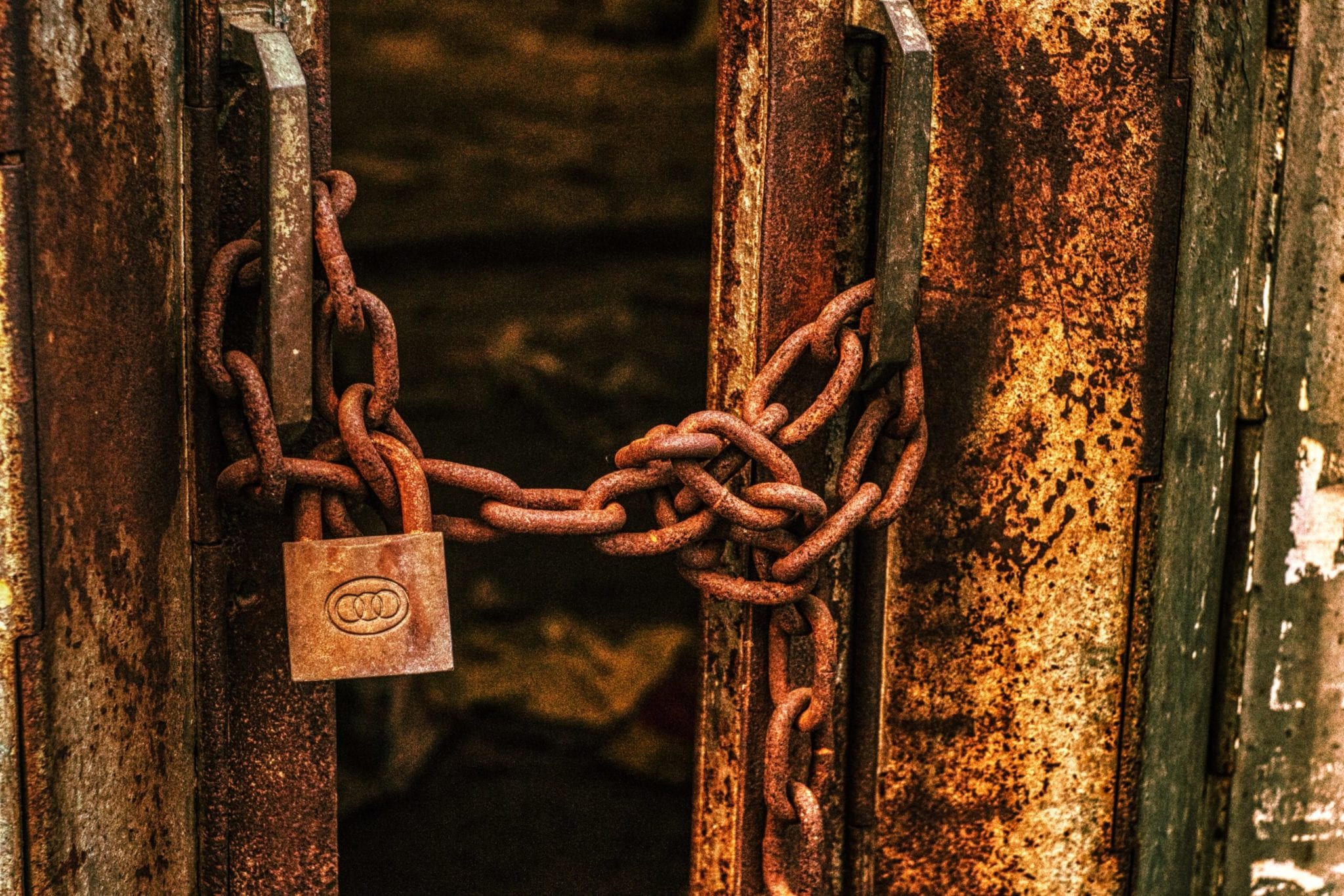
Corrosion – or, as most people would call it rust because of its reddish-brown colour – is like a silent stalker. On World Corrosion Day, it’s worth remembering that corrosion is all around us, yet often goes unnoticed until it is too late. It has the power to wreak havoc on your home, work place, infrastructure and utilities services, portal frame buildings (hospitals, schools, supermarkets, etc.) the roads you drive on, the trains and buses we use as commuters, and more.
Left unchecked, corrosion can not only destroy our environment, it significantly increases the depreciation of our most prized possession, and it can also affect lives and livelihoods.
World Corrosion Day aims to raise awareness of this highly damaging phenomenon; what it is, how you can spot it, and what we can all do to help prevent it from causing colossal damage.
How much do you know about corrosion?
Key Takeaways
- Corrosion is Everywhere: Corrosion, is a natural process that destroys (oxidises) metal and impacts everything from home appliances and vehicles to the infrastructure of entire cities.
- The Environmental and Health Impacts Are Significant: Metals underpin countless domestic and industrial systems, and when they corrode, the consequences extend far beyond asset damage. Corroded materials can contaminate the air we breathe, the water we use, and even the food we consume.
- Safety Risks Cannot Be Overstated: The structural integrity of buildings, waterway infrastructure, bridges, and transportation can be severely compromised by corrosion and have led to catastrophic failures, such as those that caused a bridge collapse in Ayrshire and a signal post to collapse onto railway lines near Newbury. It also threatens critical infrastructure, including the pipelines that deliver highly flammable gases to our homes, making corrosion not just a materials issue, but a genuine public safety concern.
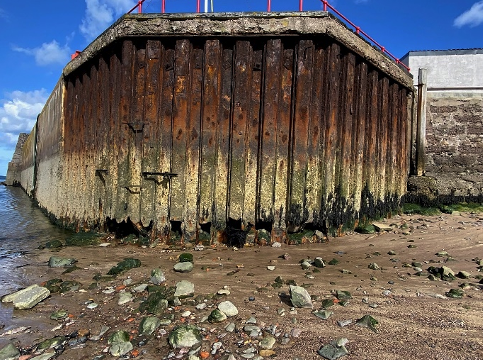
Photo: Serious Corrosion Eyemouth Harbour Jetty
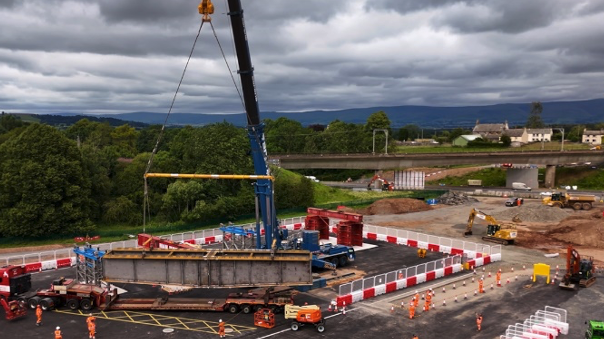
Photo: Corroded Rail Bridge Replacement at Penrith, Cumbria
- Financial Costs Are Astronomical: The global economy incurs an estimated £3 trillion in costs associated with corrosion each year. That’s a cost that is borne by all of us – in higher prices and higher taxes.
- Prevention and Control Are Key: Awareness of this pervasive phenomenon is the key to prevention. Furthermore, innovations in prevention techniques, such as the use of fit-for-purpose materials, protective coatings, good housekeeping, and regular maintenance, can significantly reduce the impacts of corrosion. The Institute of Corrosion (ICorr) and the wider corrosion industry play a vital role in advancing these solutions and educating the public and professionals alike.
- Individual Action Makes a Difference: Awareness and proactive measures are essential in the fight against corrosion. That’s why we have World Corrosion Day. We all have a part to play. Simple steps like performing regular maintenance on household items and supporting environmental policies can have a profound impact.
- Play your part on World Corrosion Day, by liking the Institute of Corrosion on Facebook or following us on LinkedIn.
What is Corrosion? Let’s Get the Scientific Bit Out of the Way!
Corrosion is the process by which metals or their properties deteriorate due to chemical reactions with their environment. How fast this happens depends upon many factors, like the material used, the environment surrounding that material and the temperature. Different metals react to their environments in different ways.
Confused? Let’s put it another way.
Corrosion is a gradual process, like the natural decay you’ll see as an apple turns brown when it is exposed to the air. That’s irreversible decay, which so often goes unnoticed until it’s too late. Sit and watch that apple, and the change is almost invisible. Walk away for a while and then return, and you’ll want to chuck that apple in the trash.
Everyday Examples of Corrosion
Corrosion is all around us – in our homes, cities, hospitals, schools, and farmland. Here are just a few examples:
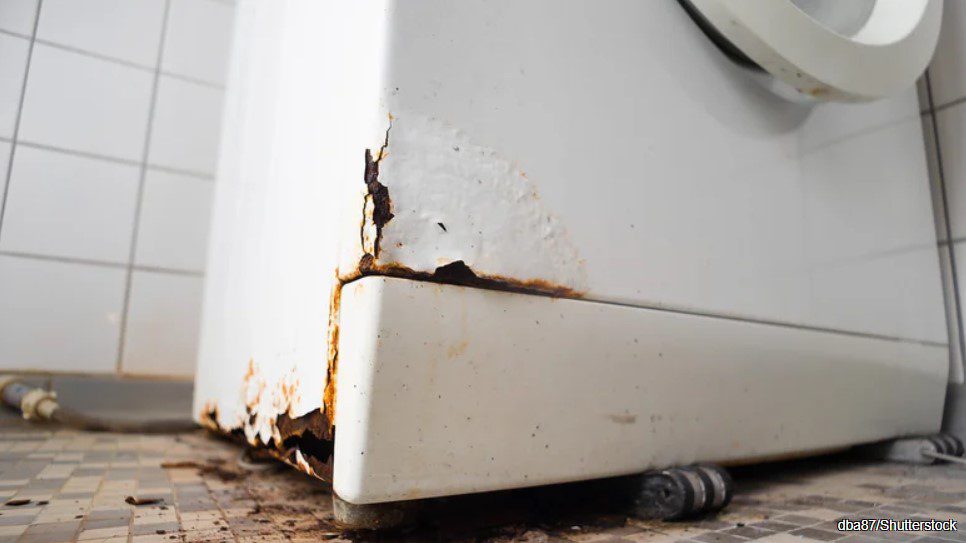
Home Appliances
Corrosion loves to attack where it’s unseen. Like the hidden underbelly of washing machines, the inside edges of dishwashers, and the crevices of water tanks. No domestic appliance is immune to attack. Once it takes hold, it’s like a stealthy enemy creeping up on you. The appliance that should have been good for several more years yet – ruined by corrosion. That’s money down the drain.
Electronics
Those electronic gadgets we carry around with us, or that are integral to our lives, aren’t immune from corrosion, either. Metal doesn’t have to be soaked to become corroded. An unfortunate liquid spill and even humidity can cause enough dampness in circuits and components to set corrosion on its destructive path.
Who hasn’t opened the battery compartment of an abandoned radio or remote control and found the batteries corroded? If you’re lucky, you might be able to salvage that radio. If not, that’s more money spent on a replacement.
 Around the Home: Gates, Gutters, and Gardens
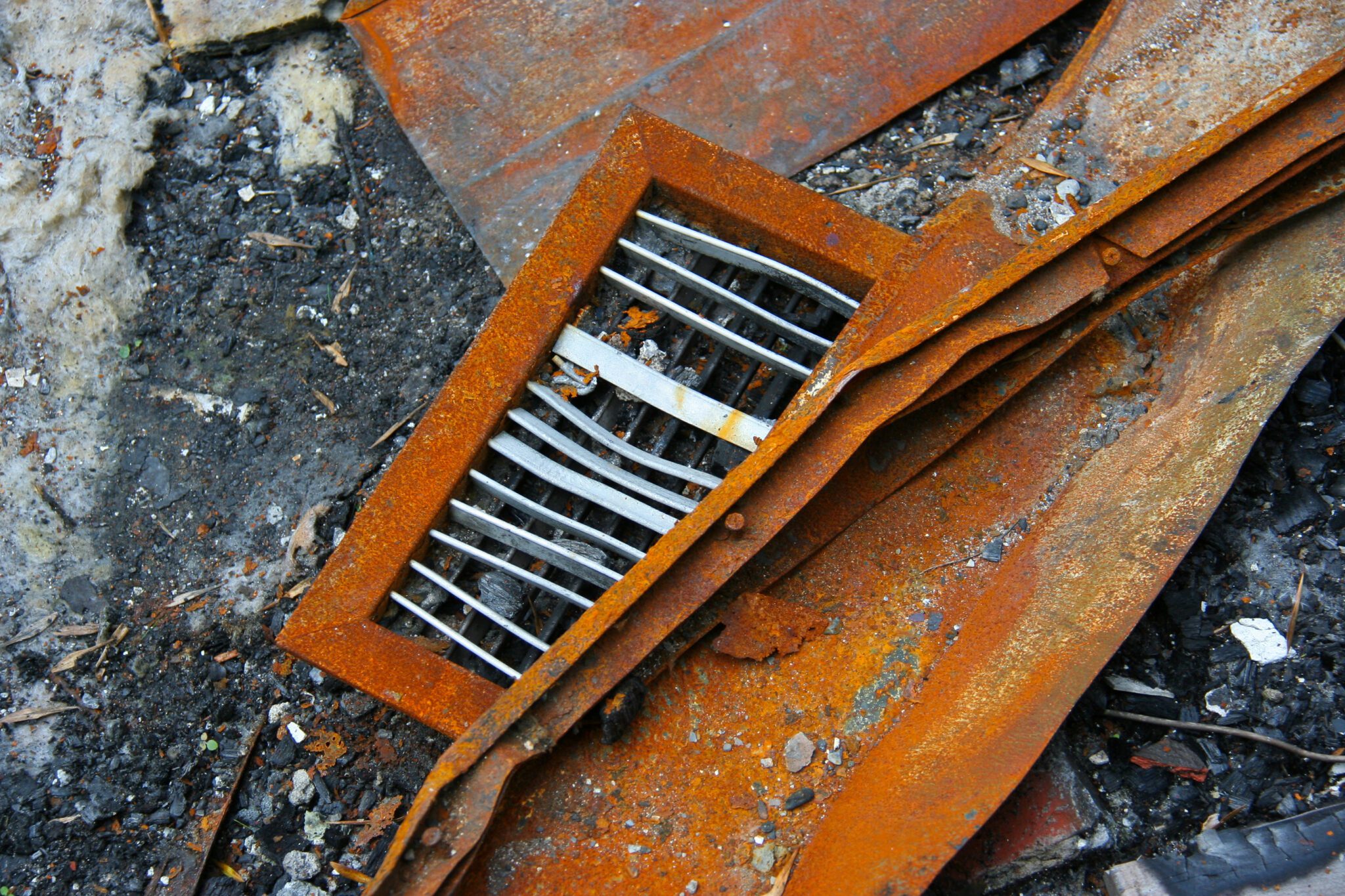
Outside, corrosion lays siege to metal gates, guttering, and even the tools we use to tend our gardens. Now, it’s one thing having a spade or hoe break during use, but that rusty lock on your garden gate – it’s an open invitation to burglars. Those little holes that corrosion caused to appear in your gutter? The drip will soon become a waterfall when it rains, and that’s going to damage your home.
Vehicles
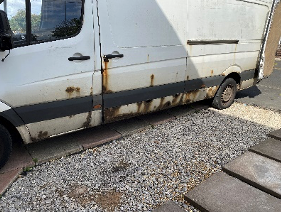
Vehicles, especially in climates where rain, snow, and the use of road salt are prevalent, are major victims of corrosion. Especially underneath the car, in the arches, and even inside doors, corrosion can take an uncompromising grip. When it does, it’s not only the look of your car that suffers – rust is a danger to your safety, and the safety of road users around you. Yet, vehicles are a powerful example of how effectively corrosion can be controlled. A few decades ago, car corrosion was common—rusted wheel arches, failing exhausts, and perforated body panels were routine. Today, thanks to improved materials, coatings, and manufacturing treatments, corrosion‑related failures in modern cars are comparatively rare.
Infrastructure
Consider our infrastructure, the skeleton on which our towns and cities are built – bridges, public transport systems, and buildings. These bear the brunt of corrosion, and corroded infrastructure poses significant health and safety risks to the public.
The Hidden Dangers of Corrosion
When we see rust, our first reaction is often centred on how horrible it looks, and, of course, a rusting structure is not a pleasant look. But if we only think about the aesthetic effects of corrosion, we ignore its real danger.
Corrosion Affects the Environment
The environmental footprint of corrosion is substantial, contributing to pollution and waste. The degradation of materials leads to the need for replacement. Not only does corrosion lead to harmful substances leaching into our environment, it also means we need to mine more of the earth’s natural resources. It’s a cycle that perpetuates the consumption of resources and energy and generates waste.
The Health Risks of Corrosion
There’s a lot of focus on the pollution caused by plastic particles right now, and quite rightly so. But have you stopped to think about how corroded metal fragments can seep the water we drink, the sea we swim in, the farmland and the building site and the food we eat?
It’s not a pleasant thought, is it?
You’d throw that browned apple away, wouldn’t you? But the contaminated particles caused by corrosion are often so miniscule that they go unseen – just like the plastics we consume daily.
Safety Hazards of Corrosion
The risk of structural failures in corroded buildings and bridges cannot be overstated. Corrosion has been the root cause of many disasters causing injury and death to thousands of people.
What happens when corrosion in infrastructure and transport is ignored? Here are some catastrophic examples:
- In 2018, the Morandi Bridge in Genoa collapsed and 43 people lost their lives.
- In 2014, a corroded underground pipeline transporting propylene caused a series explosions that tore up streets in Kaohsiung, Taiwan and killed 32 persons.
- In the United States, the Silver Bridge 75 vehicles fell into the Ohio River, and 46 people were killed.
- In 2009, the ferry MV Princess Ashika, riddled with holes caused by corrosion, sank with the loss of 79 lives.
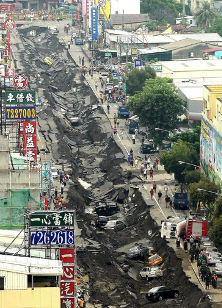
Kaohsiung, Taiwan explosion in 2014 that killed 32 persons
Financial Costs of Corrosion
How much does corrosion cost the world financially?
Let’s return to our browning apple, shall we?
Throw that apple in the bin, and it’s only a few pence to replace it. No big deal, eh? But that washing machine that could have lasted a few years longer – well that’s a few hundred of pounds. The car that needs a full-body repair could cost a thousand pounds, easily.
Now, let’s think about the cost of repairing a bridge damaged by corrosion. It could be hundreds of thousands, or even millions. Replacing infrastructure could be tens of millions.
It’s been estimated that corrosion costs the world economy around £3 trillion every year. Sure, some of this cost is borne by private companies – which damages their bottom lines and puts prices up. That’s not good for our personal bank balances.
Governments also pay the price of repair and replacement to infrastructure. At the end of the day, that money comes from our pockets too.
Prevention and Control – The Professional Approach
Any way you cut it, corrosion costs each and every one of us. If we’re lucky, that cost is only financial. In the middle ground, corrosion damages our health and shortens lives. At the worst end of the spectrum, it can cause death.
The corrosion industry has a long history of innovating and implementing corrosion prevention solutions. These include:
- Selecting Fit-for-Purpose materials for construction and manufacturing as a proactive step towards mitigating the impacts of corrosion. Avoid coupling different metals.
- Applying protective paints and coatings that provide a shield against corrosive forces, prolonging the life of metal surfaces.
- Installing corrosion systems such as cathodic protection to help prevent corrosion in many different environmental situations.
- Common sense and good housekeeping by misimising exposure to water, dust and mould and regular inspection and maintenance
The Institute of Corrosion (ICorr) is at the forefront of scientific and engineering advances in the continuous war against corrosion, helping to spread awareness, advance corrosion prevention and mitigation competence, and develop the next generation of corrosion professionals.
What Can You Do?
We can all do more to help reduce the cost of corrosion, improve health and safety, and cut the environmental damage that corrosion causes.
Improving our awareness of corrosion, its causes, and what we can do to help prevent it is the first step. Taking early action against potential or actual corrosion is also important. Simple things like regular maintenance on home appliances, washing salt and debris from our cars, and even removing batteries from unused electronics all help.
Reporting a small water seep on the road, the smell of gas, or even a vibrating car wheel can play a crucial role in preventing costly damage and potentially life‑saving consequences.
Recognising the signs of corrosion and ensure equipment are operating within guidelines in our surroundings and reporting it to whomever it concerns – be that your local authority, sports club, school, etc. – can also alert maintenance departments to the need for early repair to prevent further costly damage.
Finally, supporting initiatives and policies focused on infrastructure maintenance and environmental protection is vital for a sustainable future. We’re instrumental in this – and you can show your support by:
This costs nothing, and every extra follower gives us a little extra clout when it comes to directing government and regulatory policy.
ICorr is happy to engage with civic communities, schools, media, etc. to raise awareness of corrosion and its prevention at no cost to host.
For more advanced and specific application, ICorr provides a range of specilised training courses to prevent corrosion under different conditions from home to the highly challenging industrial applications. The courses aim to share knowledge and protect assets with carefully considered fees that are aligned with ICorr non-profit ethos.
Let’s Make World Corrosion Day Count
Understanding and preventing corrosion is crucial to safeguarding our health, safety, and financial wellbeing. It’s a collective responsibility, requiring awareness and action from us all. By joining forces, we can help reduce the risks and costs associated with this pervasive yet overlooked phenomenon, with the goal of ensuring a safer, more sustainable world for future generations.
April 24th is Corrosion Awareness Day
The World Corrosion Organization (WCO) has designated the 24th of April as “World Corrosion Awareness Day” to highlight the importance of corrosion prevention and its role in creating a safer, more sustainable future.
Why April 24th? The WCO chose a date close to Earth Day that wasn’t already claimed—aligning with the environmental and infrastructure impact of corrosion.
In collaboration with the World Corrosion Organization (WCO), Association for Materials Protection and Performance (AMPP) and the European Federation of Corrosion (EFC), we invite engineers, scientists, policymakers, educators, and industry leaders to participate by sharing insights, experiences, and real-world examples of corrosion’s impact and prevention strategies.
#Did you know?
World Corrosion Awareness Day has been recognized annually since 2010.
Join the conversation!
- Host or attend webinars focused on corrosion prevention in your industry.
- Share case studies or success stories that demonstrate the value of proactive corrosion management.
- Organize educational events or workshops to teach others about the importance of corrosion control.
- Engage with us on social media using the campaign hashtags and templates provided below.
So … mark April 24th in your calendar, organize or simply join an activity, and let’s work together towards raising awareness about corrosion!
Join ICorr in its mission to help reduce the impact of corrosion in our daily lives – it’s free to follow us on LinkedIn.