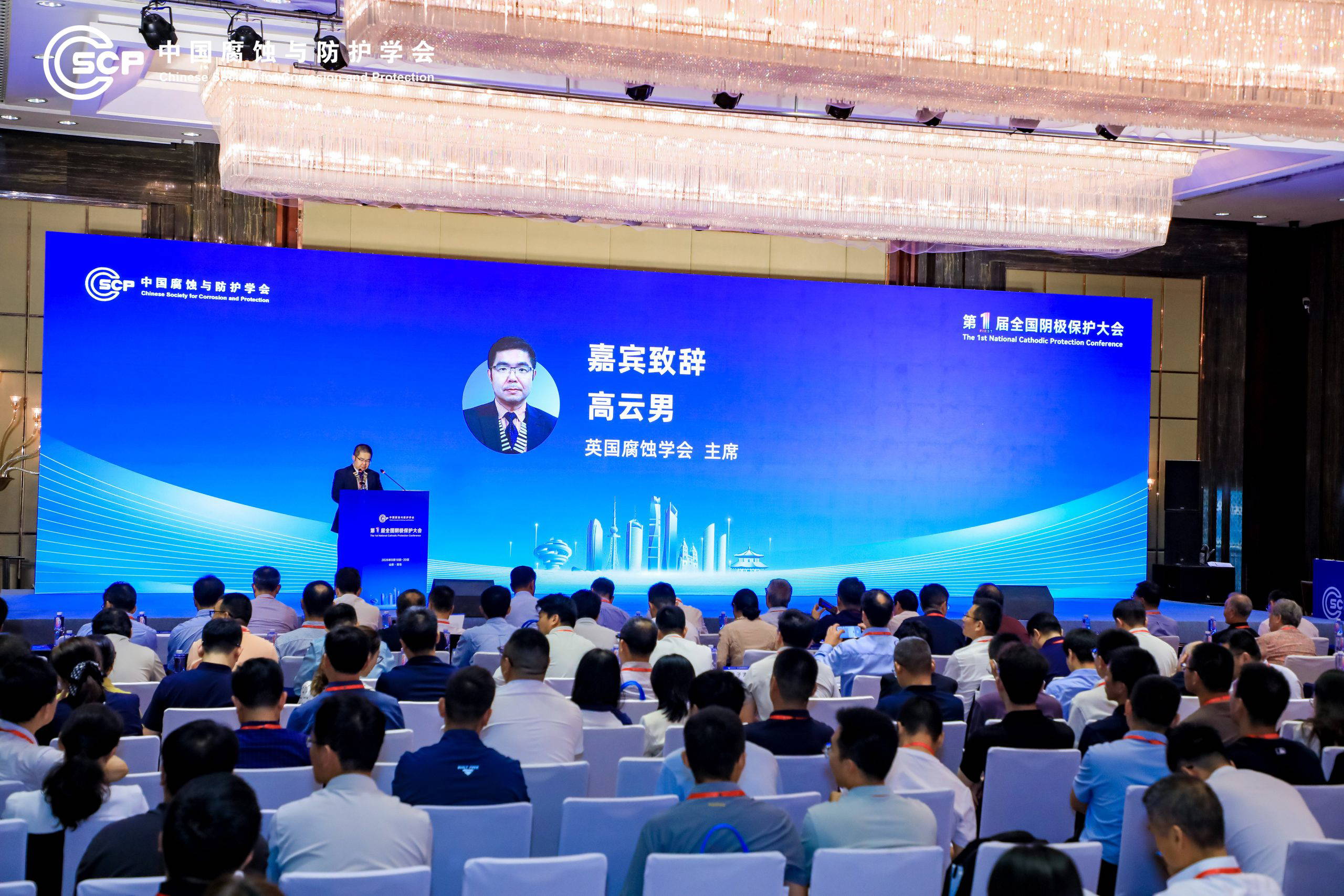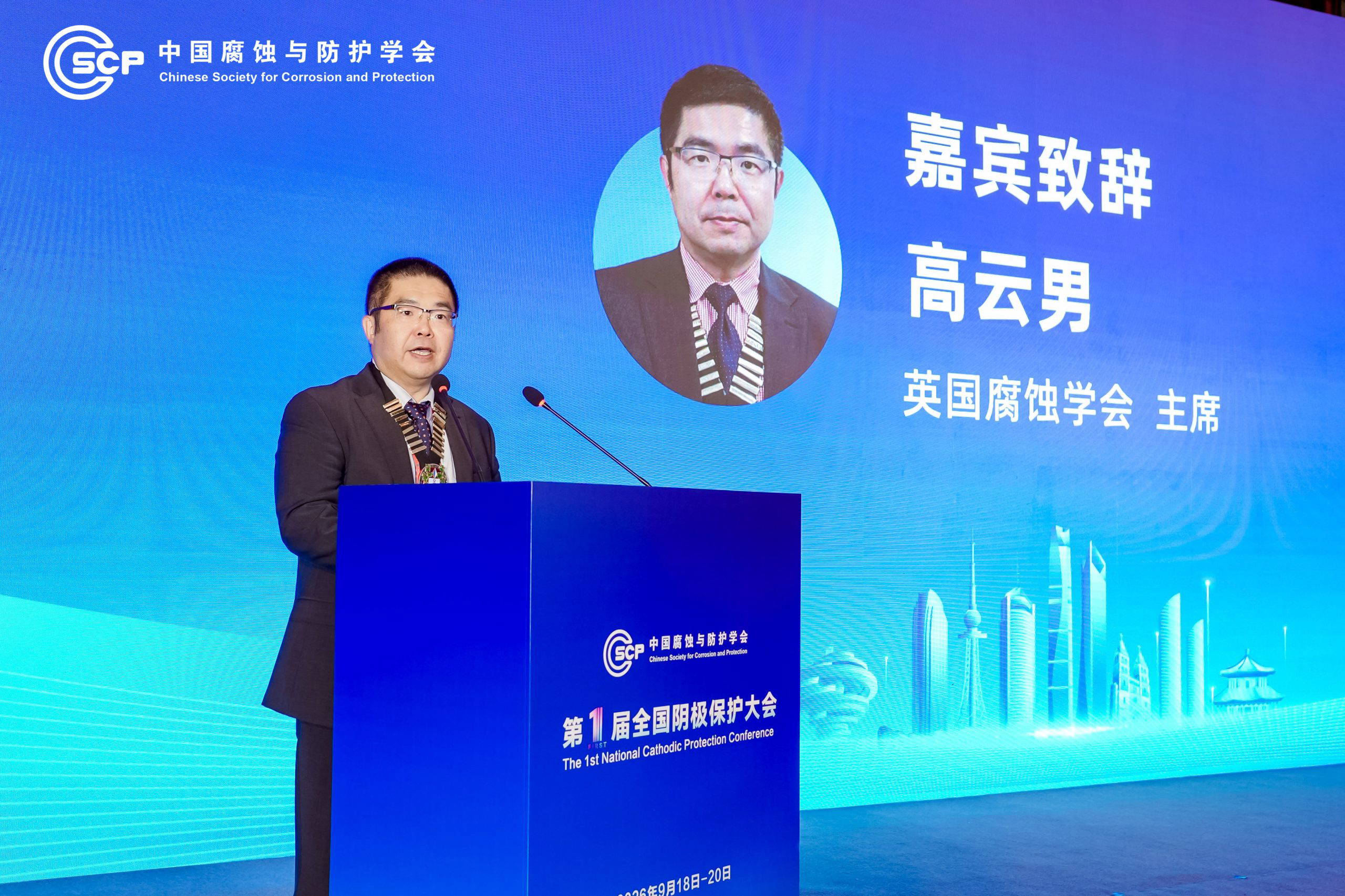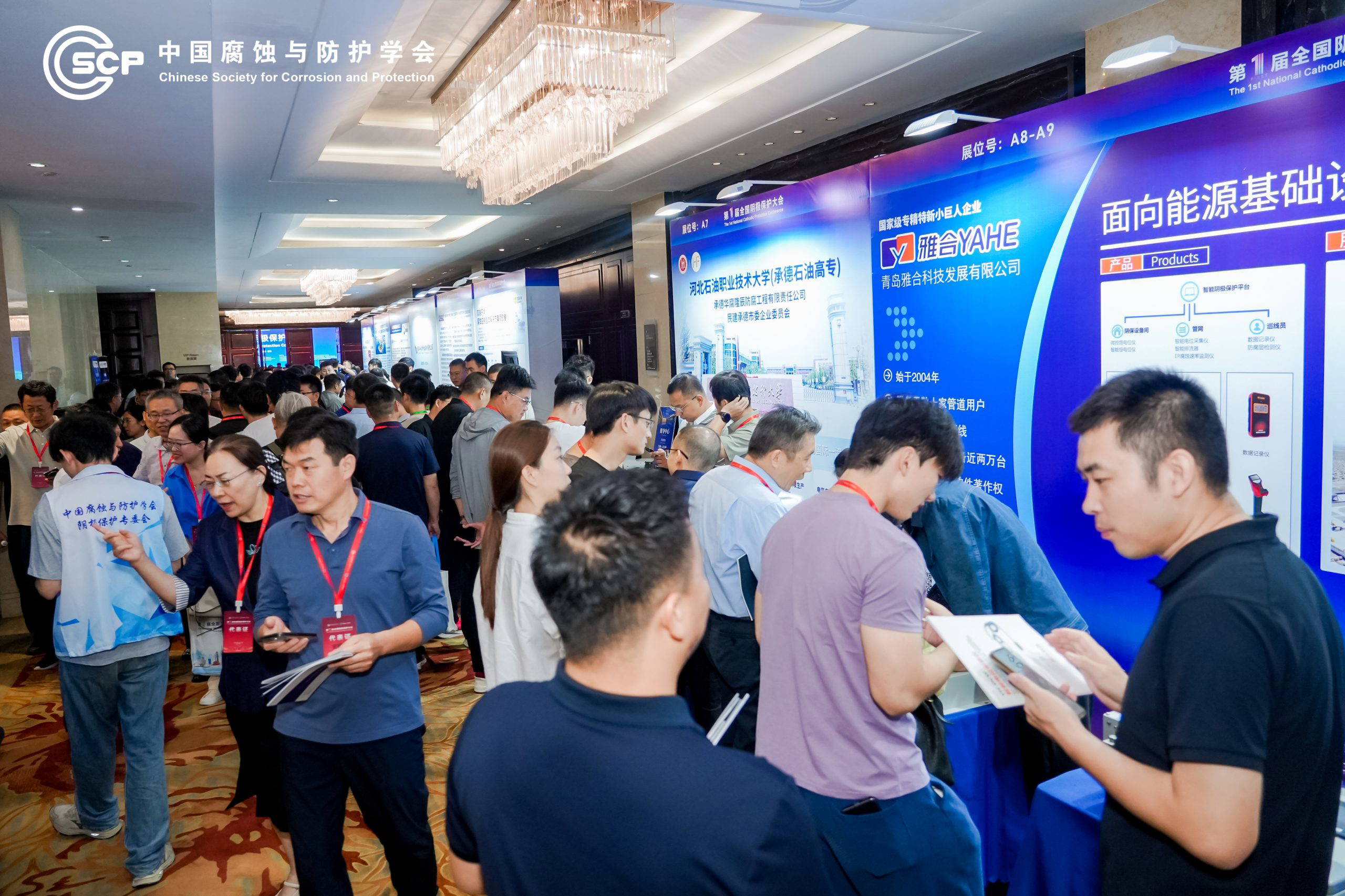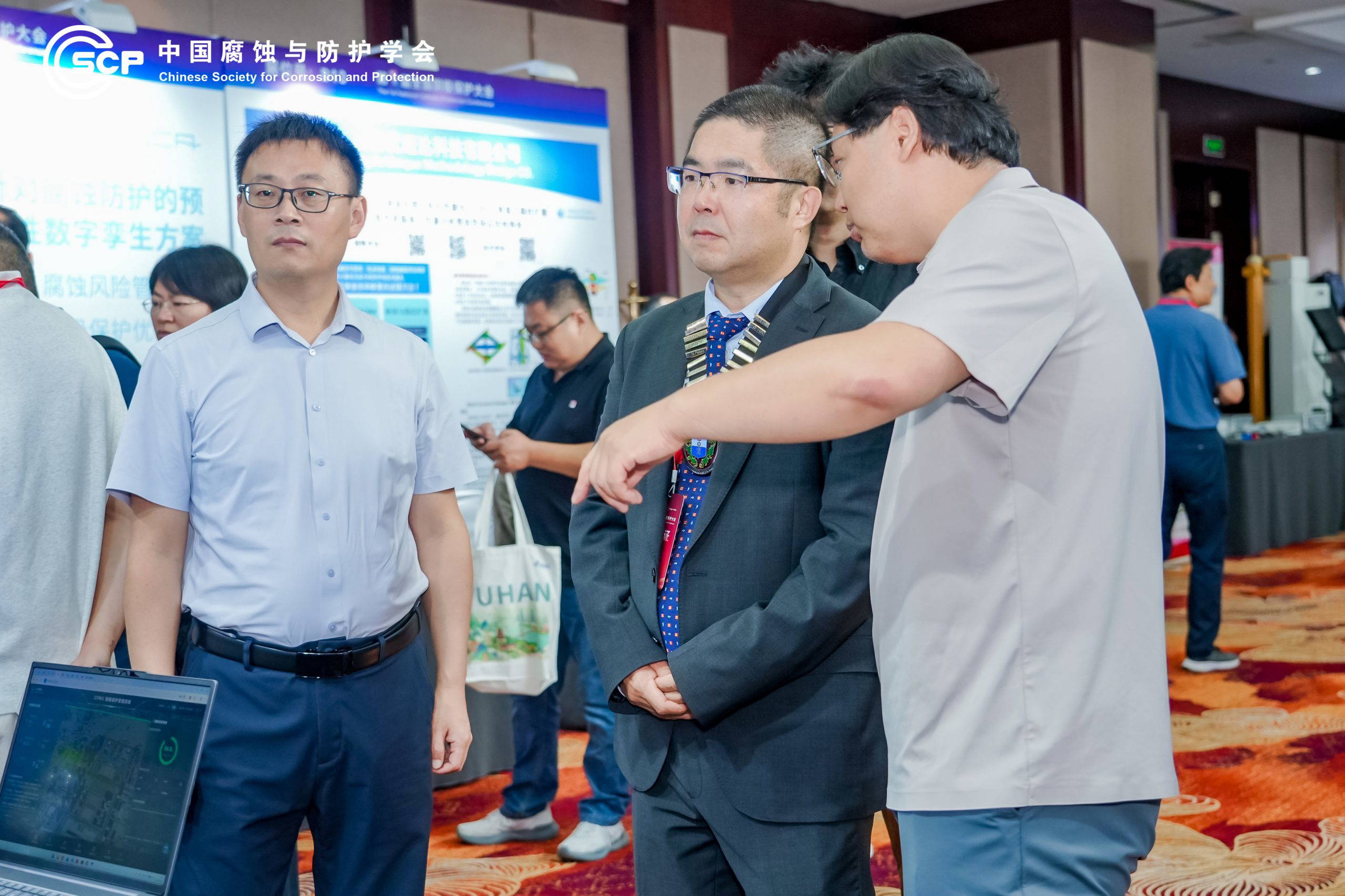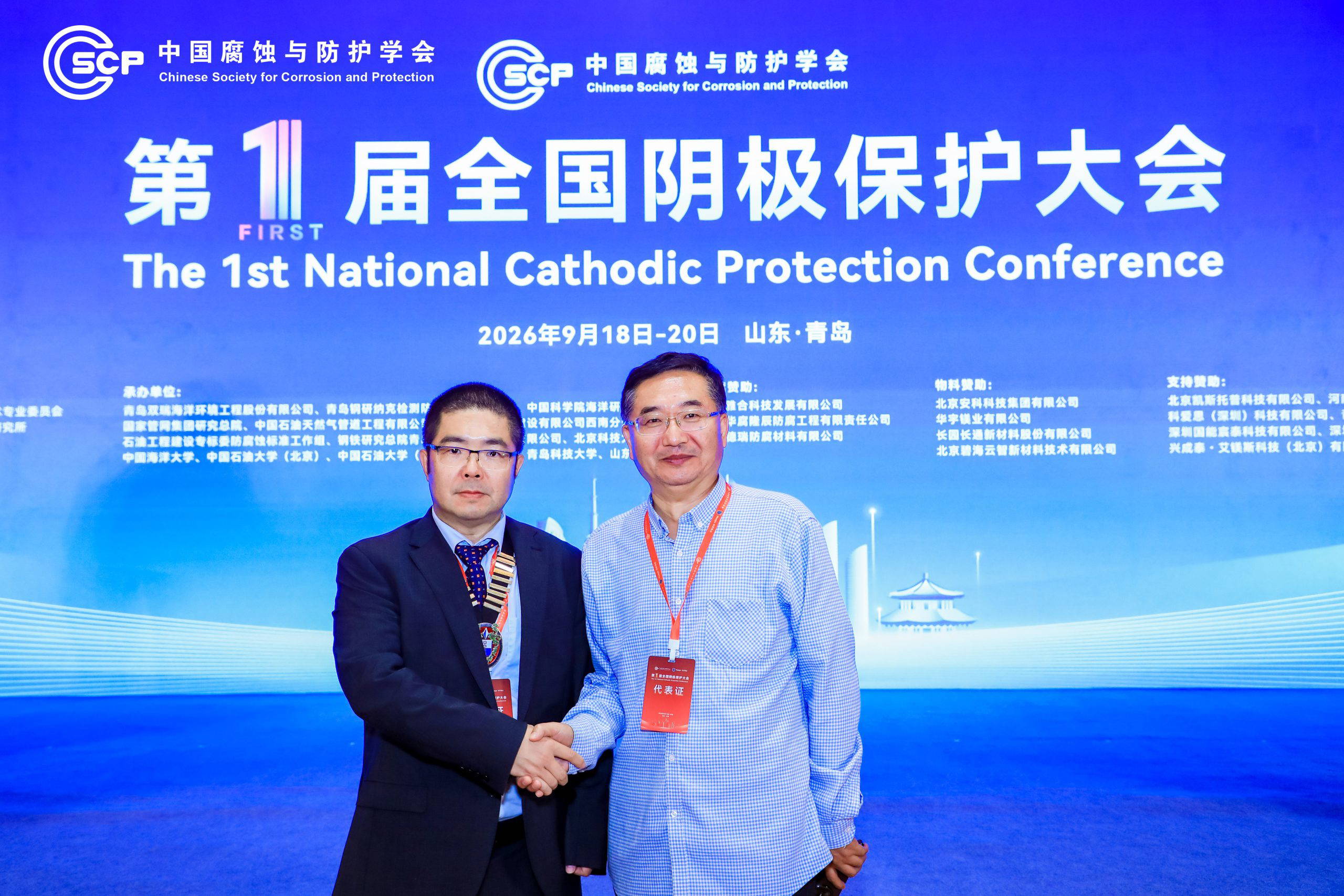
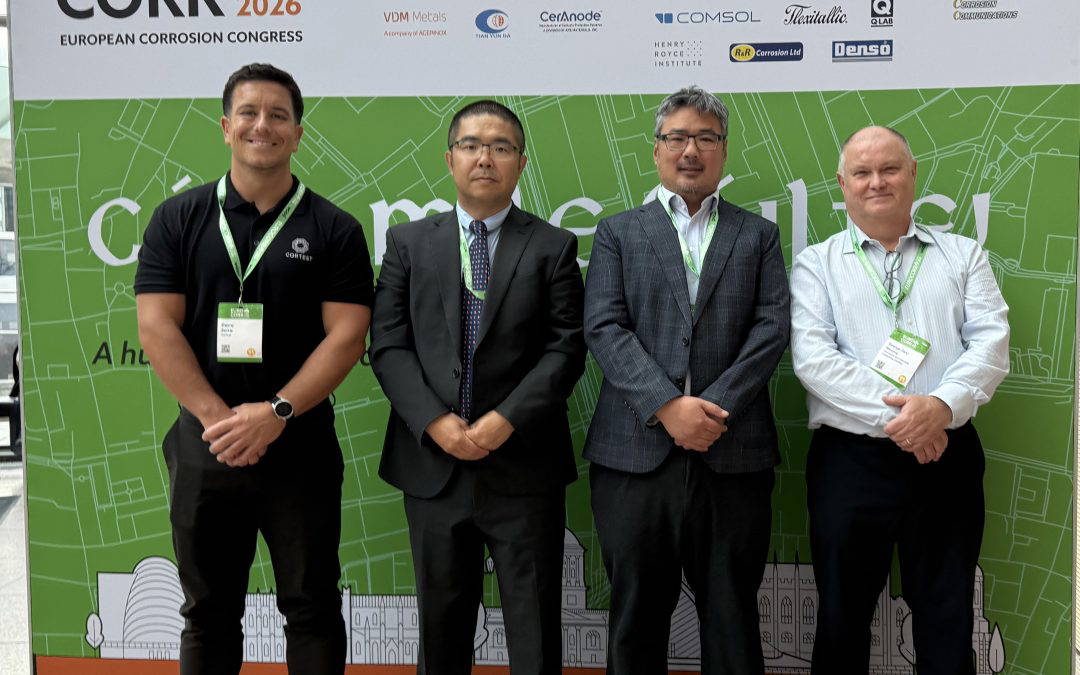
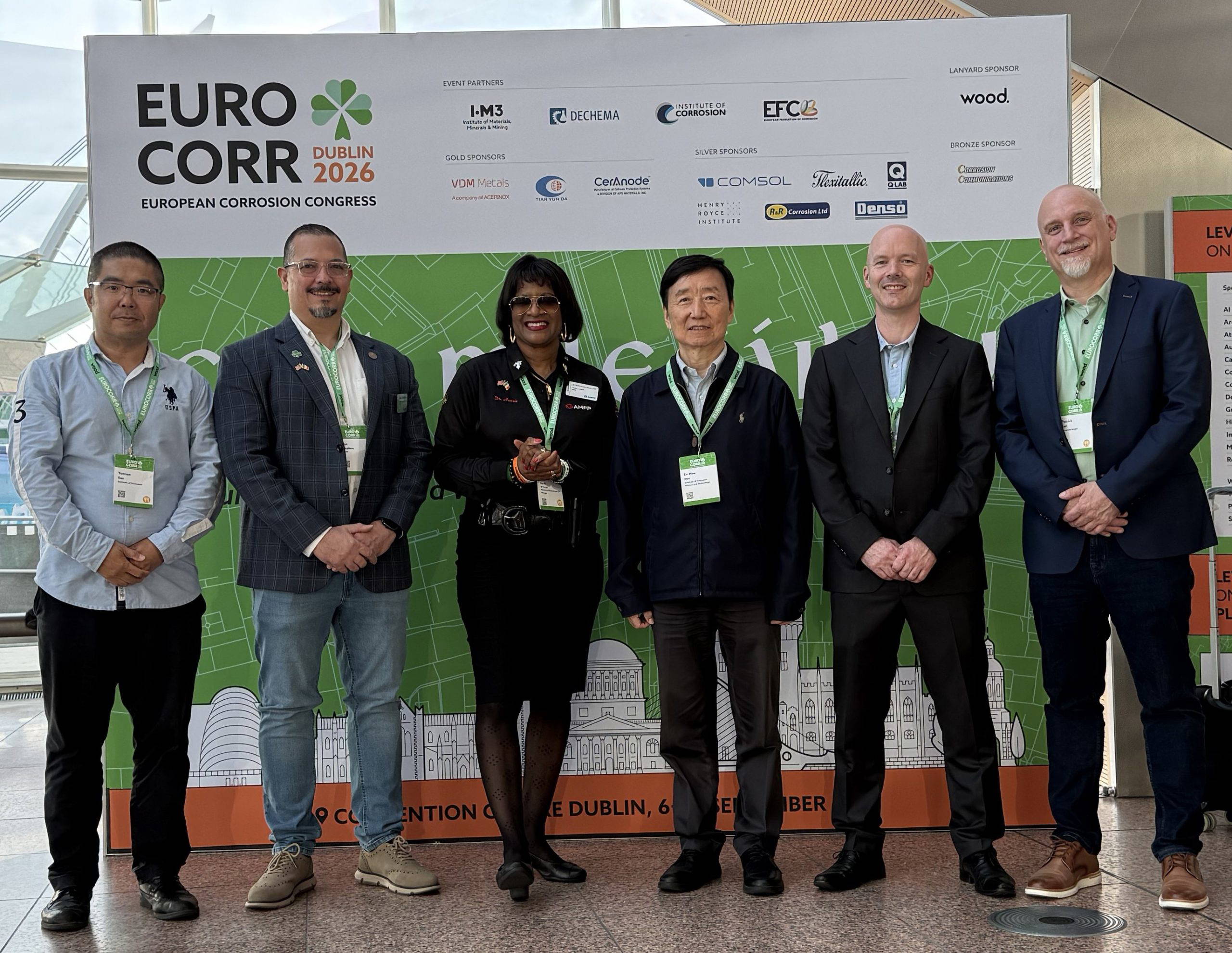
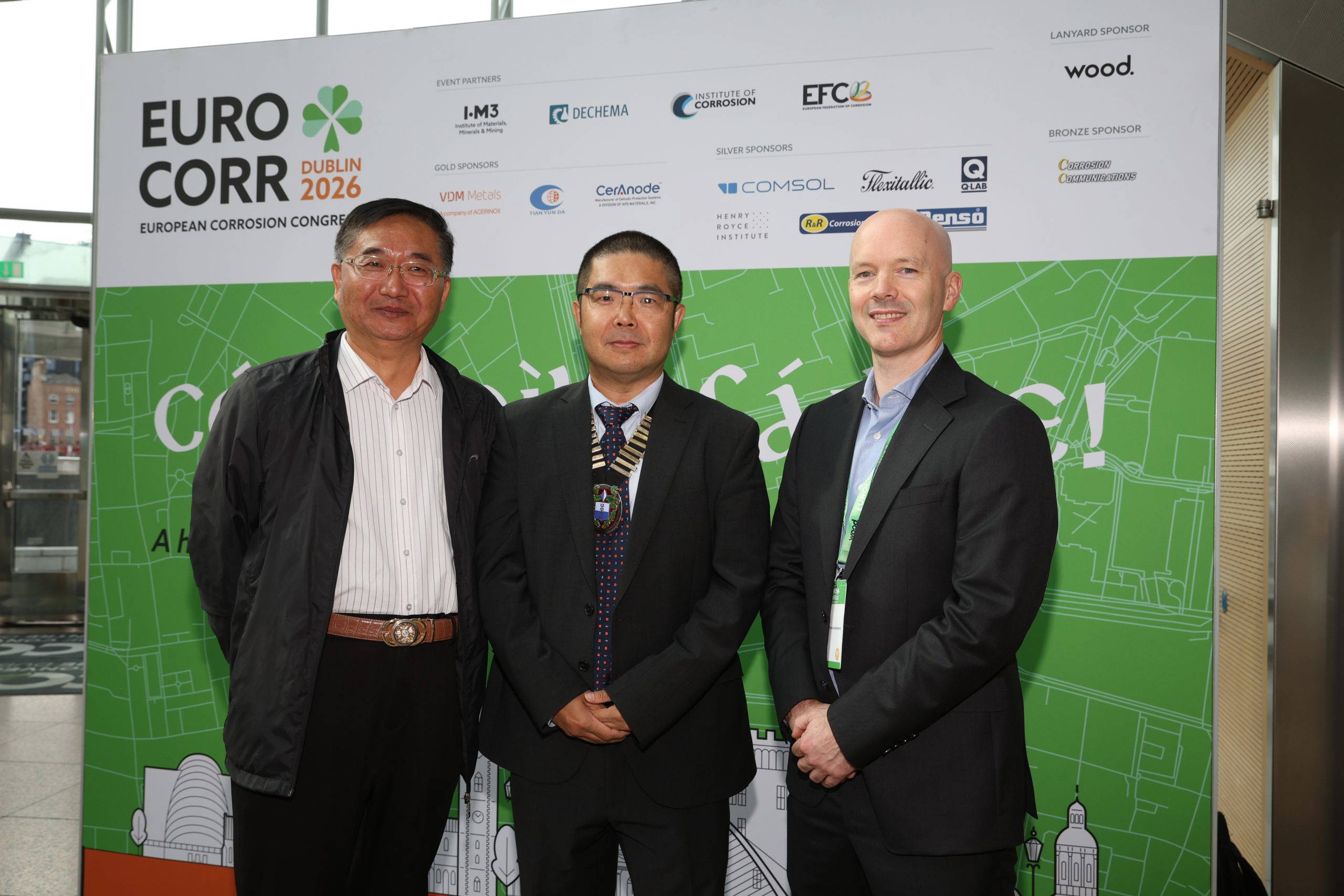
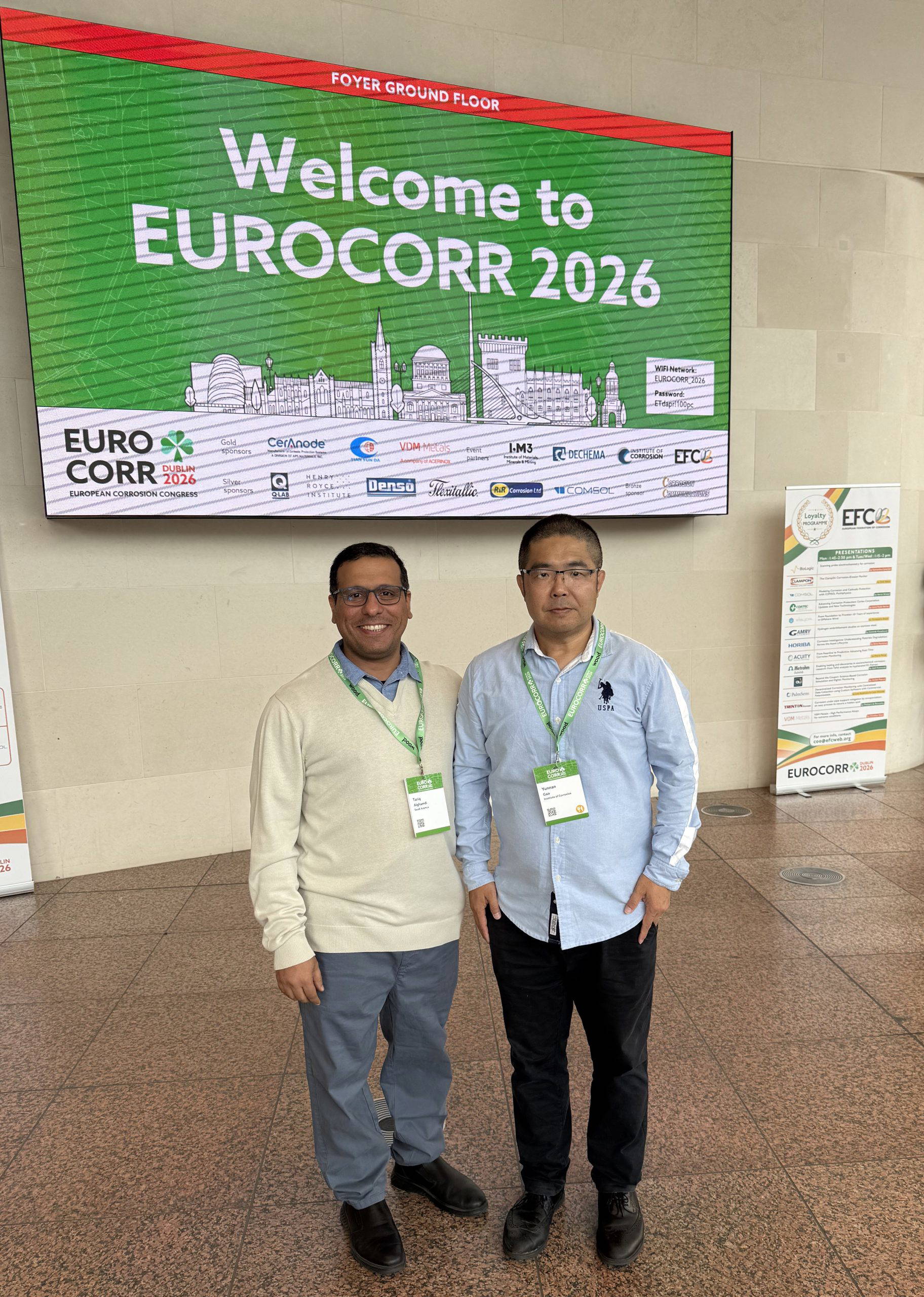
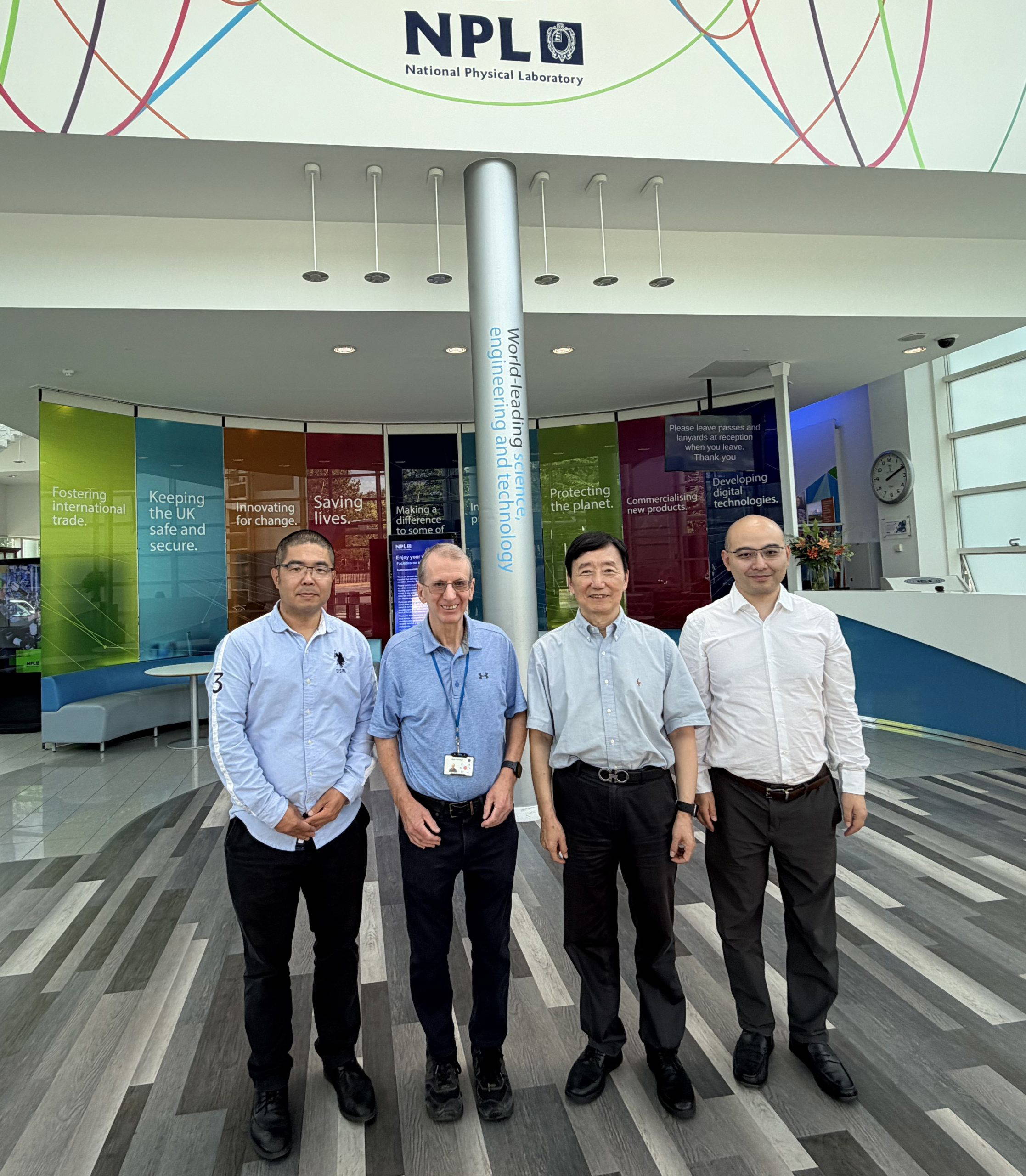
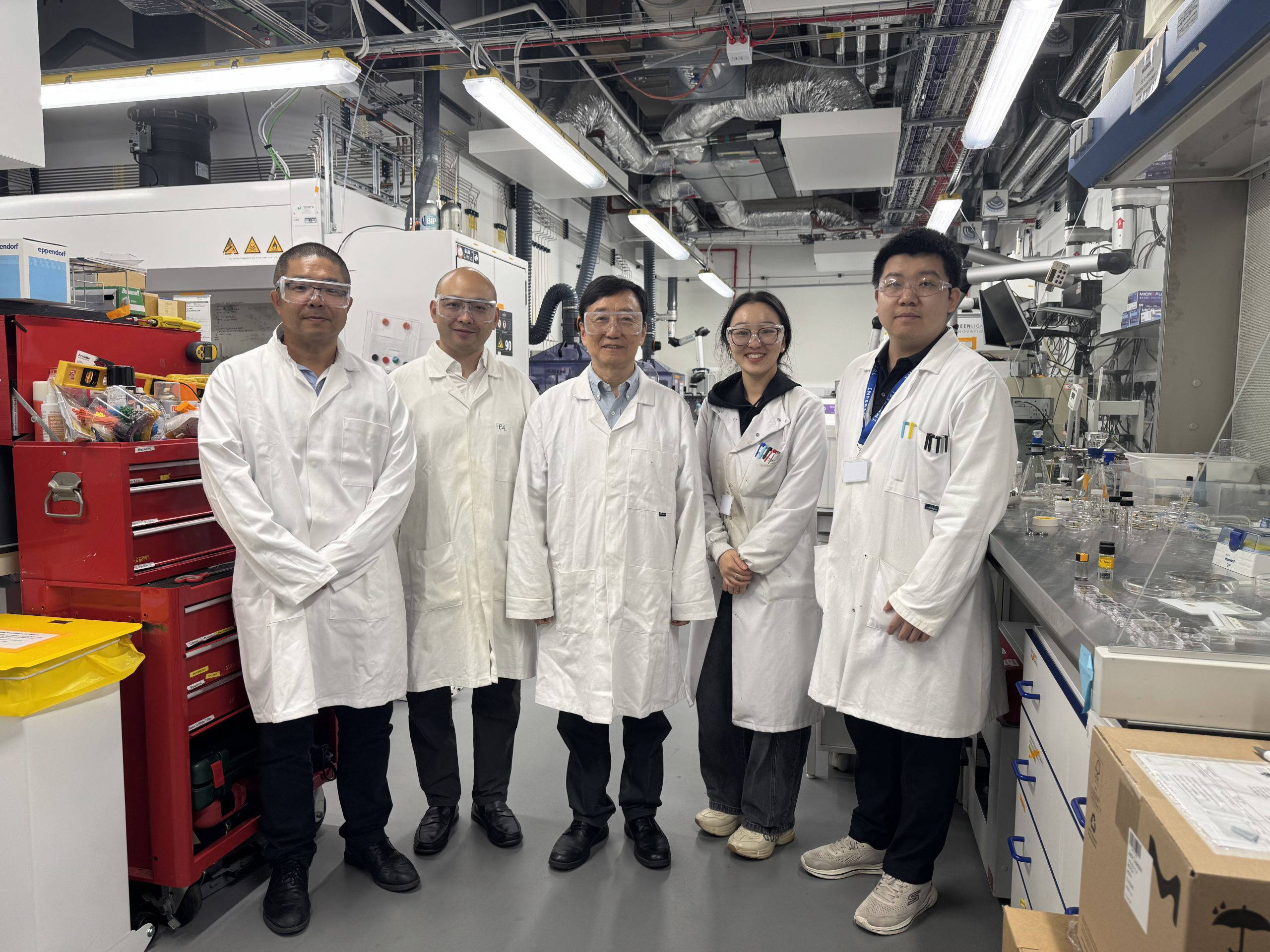
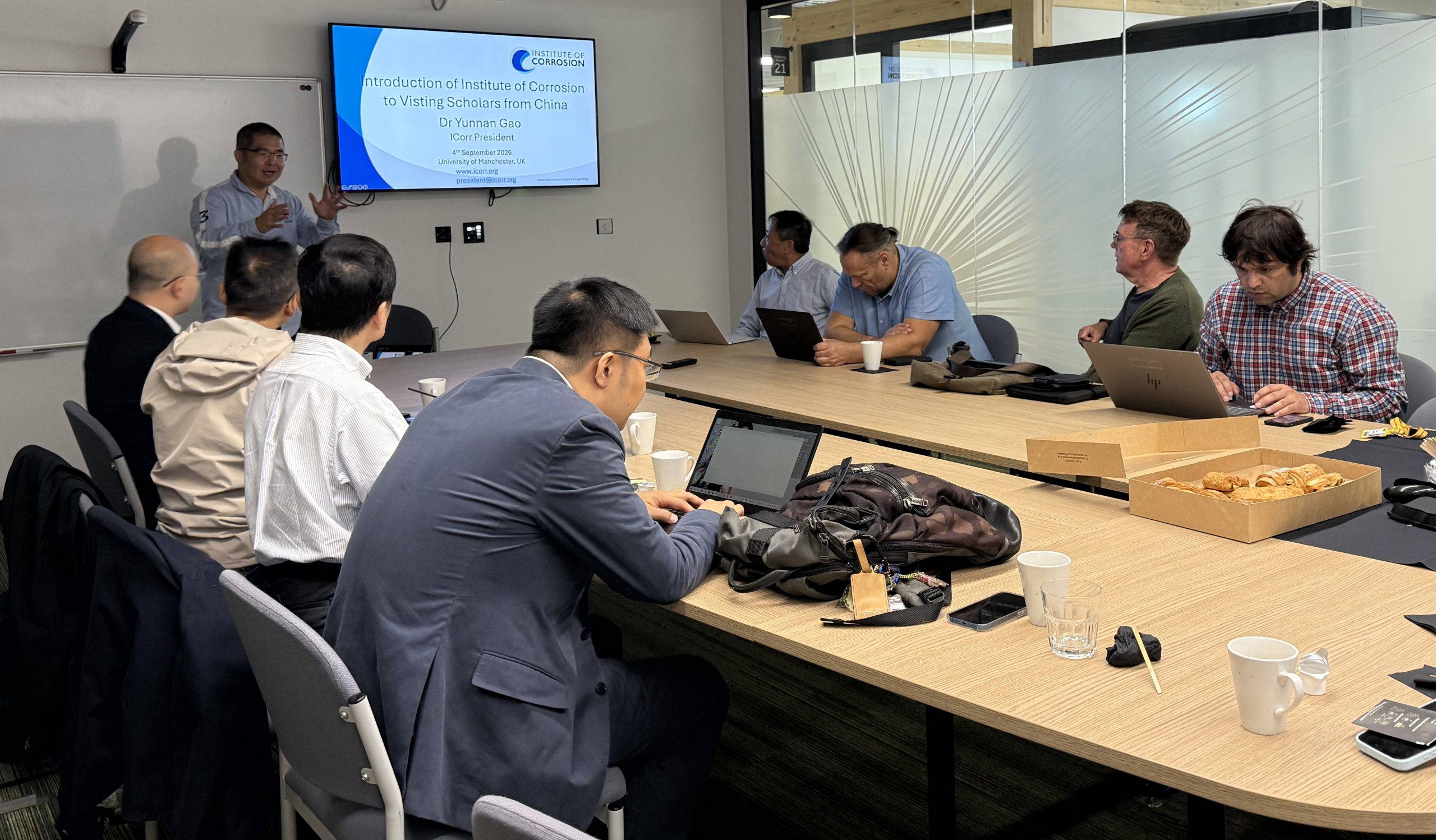
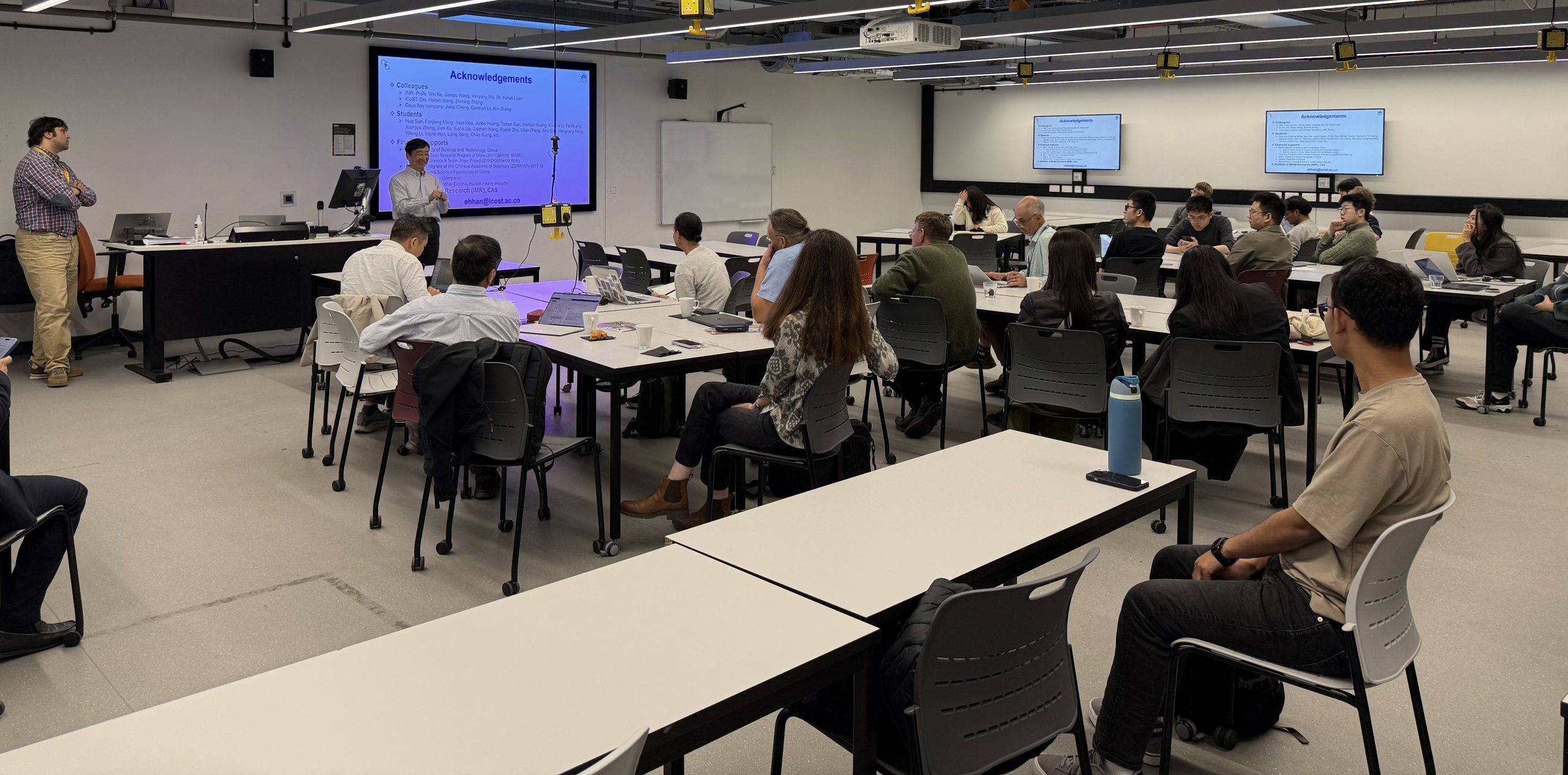
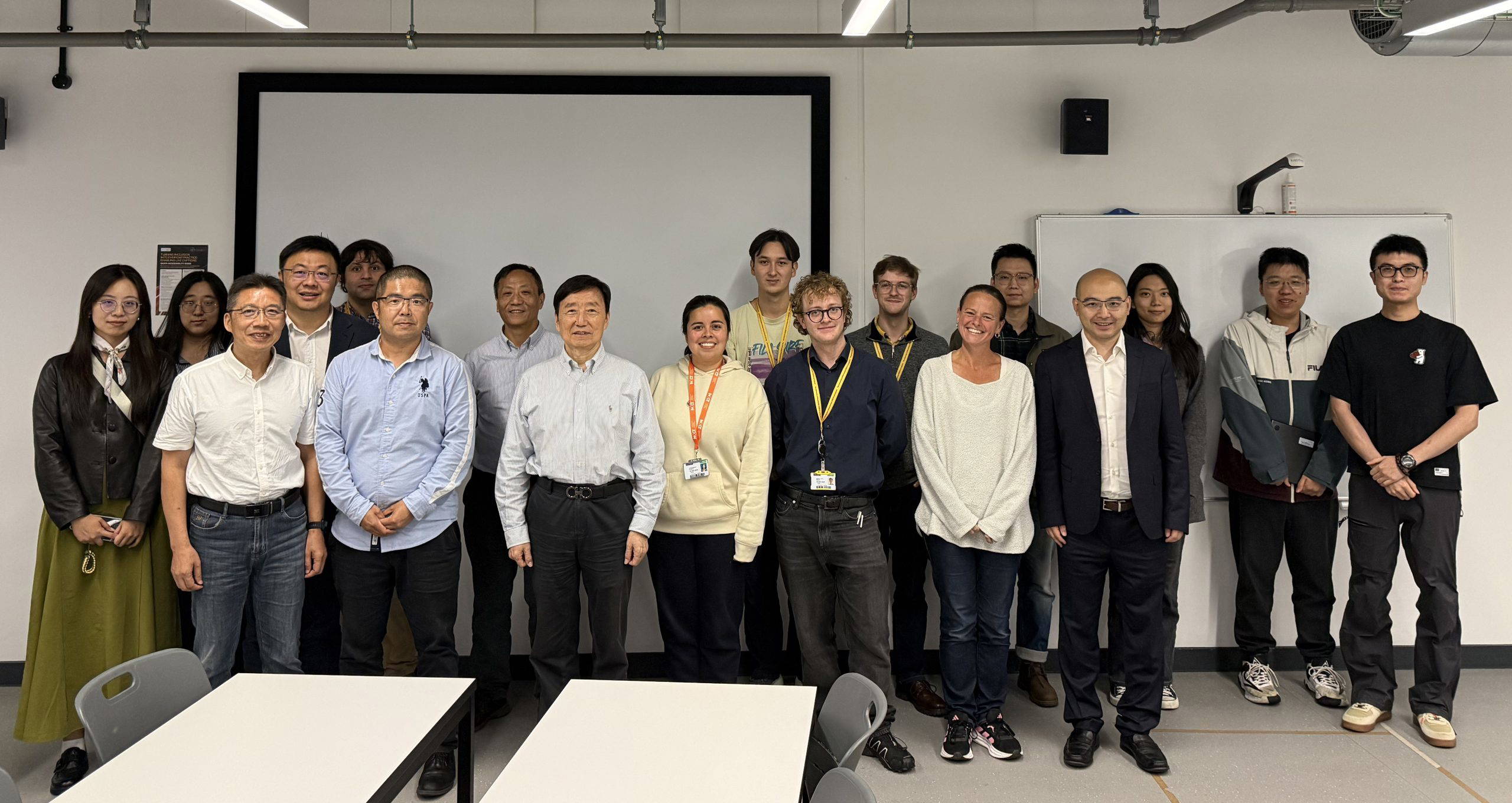
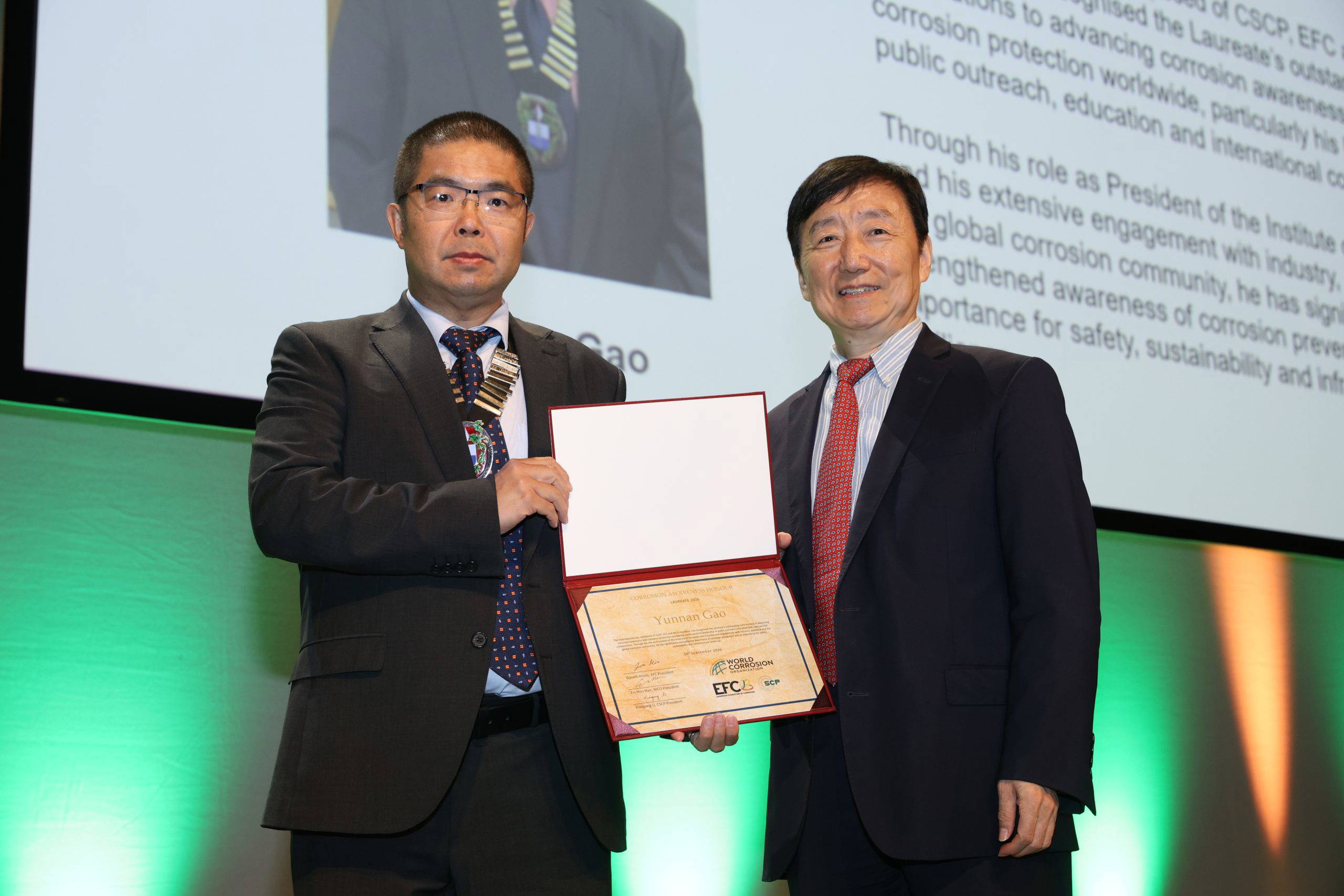
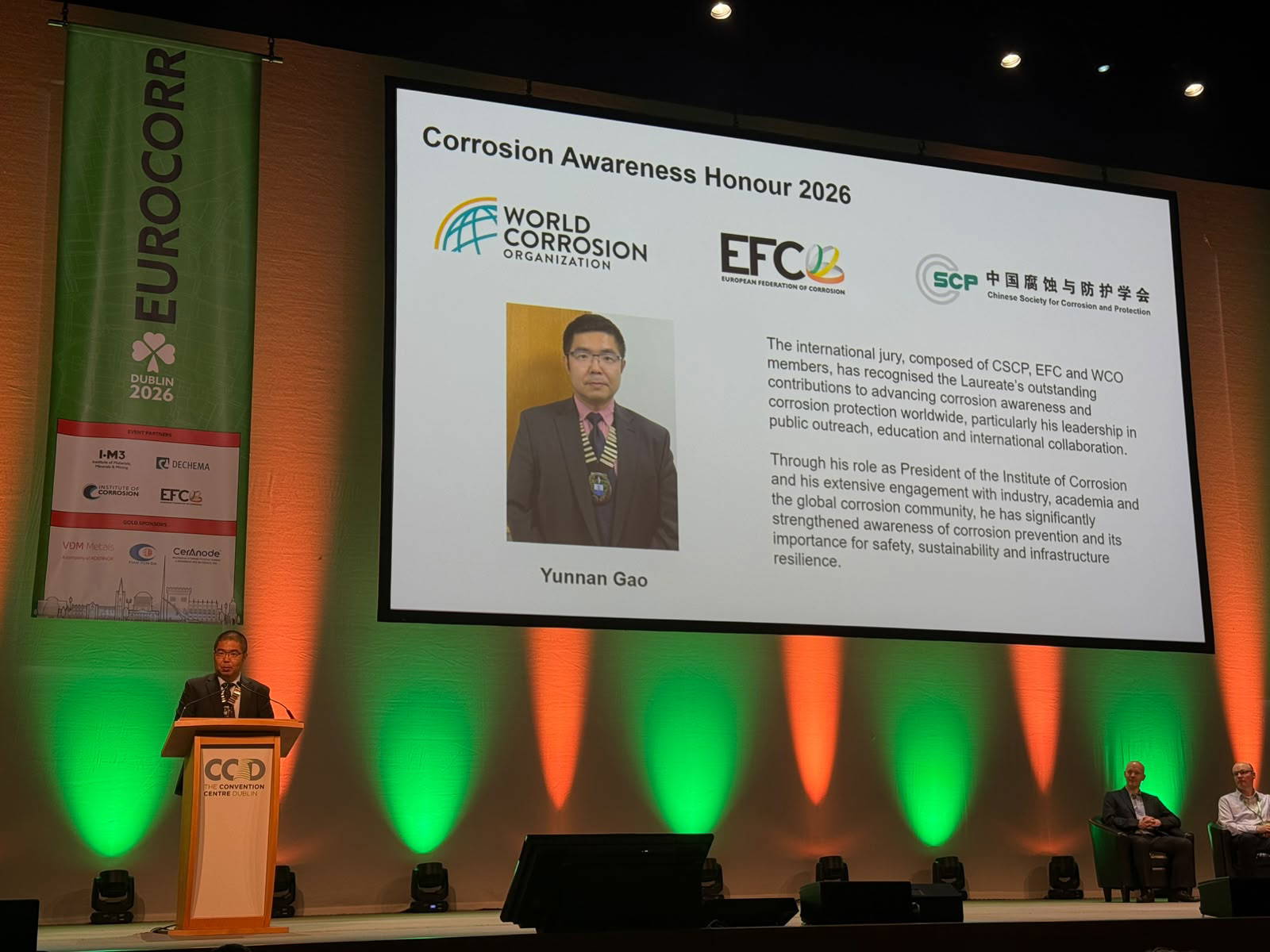
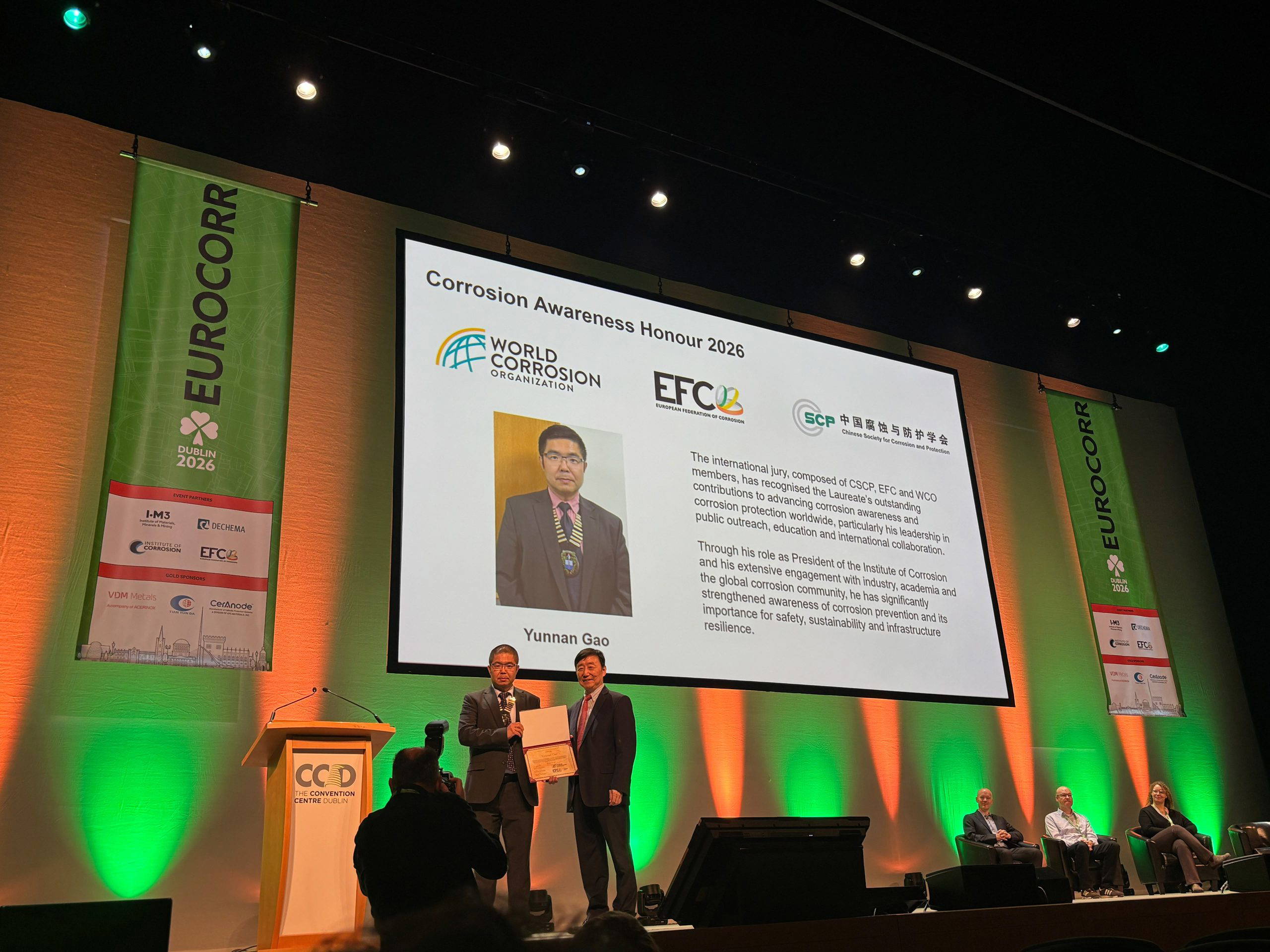

It is with sadness and pride that I announce my resignation as CORREX managing director, a role I have held for the last 5 years plus. This is due to the role changing and evolving and taking much more time than it originally did. What with that and being the senior trainer for CORREX, added to that of my normal role as Paintel Technical Director, it has all become too much.
There is good news, however. A new managing director has been chosen and is already in the post, and many of you will know him. He is Mr. Paul Brooks, a fellow member of ICorr and current chair of the London Branch.
Paul comes with huge experience and is a specialist in cathodic protection. Paul and I have been working together these last few weeks to assist in the transition, and he is already proving to be a successful MD. I will continue to support Paul as needed in the new role.
Plus, you don’t get rid of me that easily. I will remain the senior trainer for CORREX, so you still have access to me and my knowledge of all things paint and other related topics, even developing new courses as you read this.
Paul and I have already developed a strong working bond, and I look forward to working with him and all of you going into the future.
I would also like to add that we finally have a fully working new card system database directly linked to CSCS. This will keep us compliant for years to come, so our affiliation with CSCS is stronger than ever.
ICorr is pleased to announce that OneGarnet has joined the Institute as a new Sustaining Member.
With more than 17 years of specialised experience in garnet mining and processing, the OneGarnet Group has established itself as a global leader in the industry, particularly in garnet resource reserves, processing plant capacity, and automation levels. Its mineral processing technology has received national-level awards and has also been selected for China’s 2025 National Science & Technology Major Project – a top-tier national initiative focused on the mineral processing of complex resources. This achievement highlights the recognised technological expertise and innovation within the company.
Supported by high-grade raw ore resources, internationally advanced beneficiation processes, fully automated intelligent production lines, and a rigorous full-cycle quality control system, the OneGarnet product range is widely regarded as industry-leading.
The company has also been very active recently, including the establishment of OneGarnet’s subsidiary in Dammam, Saudi Arabia, alongside progressing supplier certification approvals with major oil companies, including Saudi Aramco, ADNOC, and QatarEnergy.
OneGarnet is committed to providing high-grade garnet abrasives and delivering safer, more efficient, and environmentally responsible surface preparation solutions for corrosion protection projects worldwide.
The company also intends to actively support and promote ICorr activities while contributing to the Institute’s continued development and growth. On Tuesday 28th April 2026, Mr Nan Yang and Ms Lily You of OneGarnet will present to the ICorr Aberdeen Branch, including a practical demonstration of their blasting products.
Sarah Bagnall, Fellow of Institute of Materials, Minerals and Mining (IOM3) and Chair of ICorr Wales and South-West branch, has been appointed Chair of the British Stainless Steel Association (BSSA).
Sarah, CEng, FIMMM, MICorr, is a Chartered Engineer specialising in materials failure analysis, particularly within the petrochemical, oil and gas, and power industries. She has extensive experience investigating component failures and advising on materials performance across a range of demanding industrial environments.
Prior to her appointment as Chair, she served as Vice-Chair of the BSSA and has been a member of the Association’s Board since November 2024. In her new role, she will work to support innovation within the sector and help address key challenges facing the UK stainless steel industry.
Bagnall has been a member of IOM3 since 2011. She is currently Director of Consultancy Services at R-TECH Materials, where she provides technical leadership in materials engineering and failure investigation. Her expertise spans the power generation, petrochemical and construction sectors, where she supports organisations in understanding materials performance, reliability and integrity. She is also the current Vice-Chair of ICorr’s Engineering Training Board (ETGB). Her appointment reflects her significant contribution to the materials and stainless steel community, and her continued leadership within the field.
Since my last column, the Institute of Corrosion has continued its active programme of engagement across both the UK and the international corrosion community.
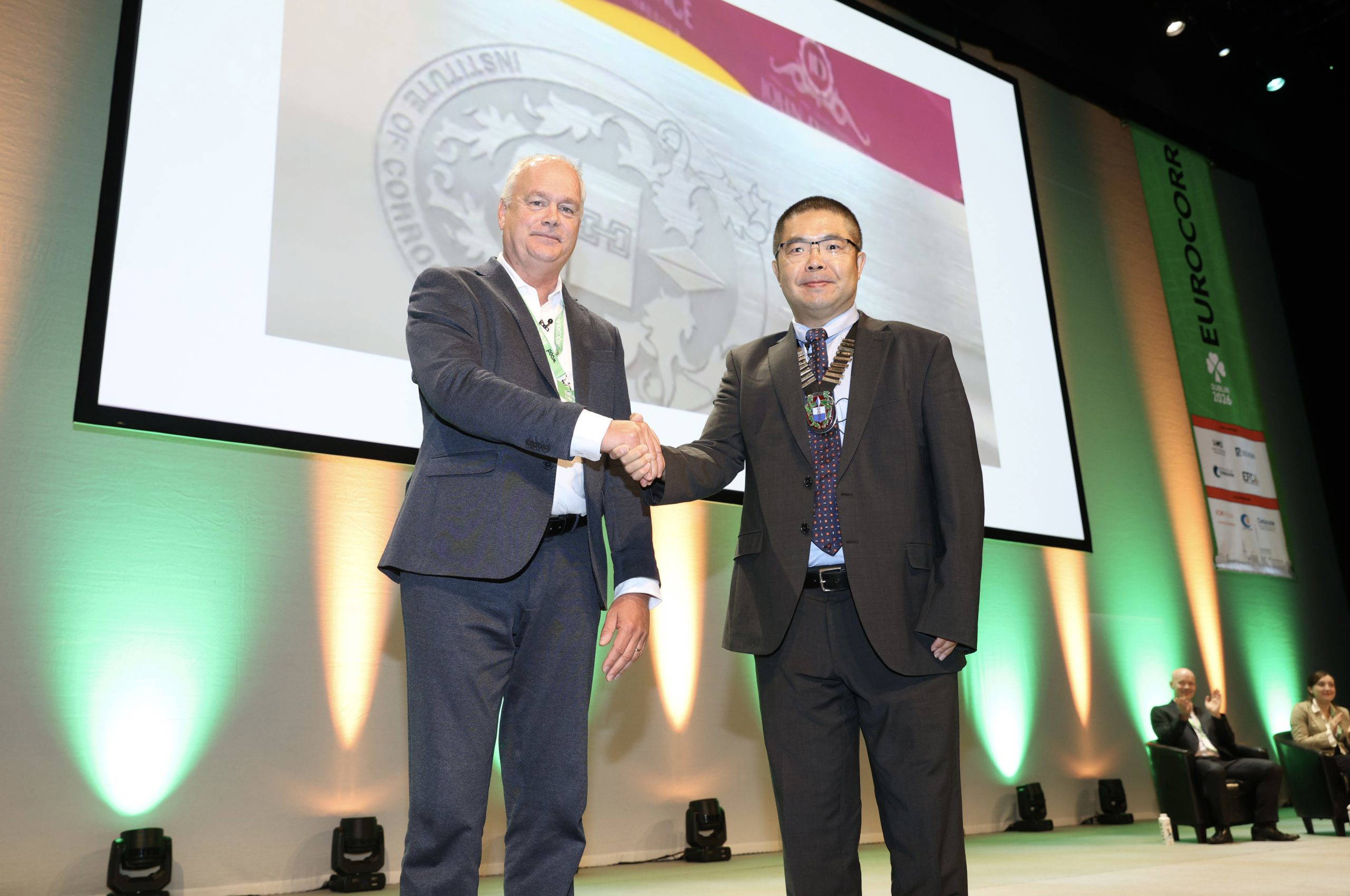
Over the past month, I was pleased to attend the ICorr Wales and South-West Branch Annual Dinner, held in Cardiff on 12th February 2026. It was an excellent gathering for the regional corrosion community, where I had the privilege of delivering the opening speech and engaging with branch committee members, colleagues, and our co-host organisation, the Institute of Materials, Minerals and Mining (IOM3). I also had the opportunity to have valuable discussions with the President of IOM3, reaffirming the strong and long-standing collaboration between our two professional institutes. Partnerships such as this remain essential for advancing materials engineering, corrosion management, and professional development across our shared communities. On 17th February 2026, I supported the formal launch of the Institute for Systems Engineering (IfSE) in London, following an invitation. The launch brought together leaders from several Professional Engineering Institutions within the Engineering Council framework. It was a valuable opportunity to interact with fellow presidents and senior representatives from across the engineering sector, exchanging perspectives on how professional institutions can work together to address increasingly complex engineering challenges through interdisciplinary collaboration.
A key highlight during this quarter was my ICorr President’s Talk delivered in London on 12th March 2026, hosted by the ICorr London Branch. This biennial address provided an opportunity to reflect on the progress made by the Institute since the beginning of my presidency and to share the direction of our ongoing strategic initiatives. During the talk, I highlighted the many successes achieved by ICorr across both the UK and the international stage. Within the UK, our regional branches have continued to expand their technical activities, networking events, and professional engagement programmes, demonstrating the strength of our volunteer-led structure. Branch events across the country continue to bring together industry professionals, researchers, and early-career engineers to share knowledge and address real-world corrosion challenges. Internationally, ICorr has significantly strengthened its global partnerships over the past year. Our collaboration with organisations such as the Chinese Society for Corrosion and Protection, international engineering institutions, and global corrosion conferences has enabled the Institute to play a more visible and influential role in the worldwide corrosion community. Initiatives such as the UK–China Corrosion Summit and our involvement in major international conferences highlight ICorr’s growing contribution to global knowledge exchange and professional collaboration.
The London President’s Talk therefore served not only as a reflection on recent achievements but also as an opportunity to encourage continued engagement from our members as we expand the Institute’s international reach and professional impact.
I led the ICorr delegation for the AMPP Annual Corrosion Conference and Expo 2026 in Houston US, held from 15th-19th March. This conference remains one of the largest gatherings of corrosion professionals globally, bringing together experts from industry, academia, and research organisations. It provided an excellent opportunity to engage with international partners, exchange ideas, and further strengthen ICorr’s presence within the global corrosion community. One of ICorr’s flagship international events in 2026 will be the 2nd China-UK Corrosion Summit, which will take place on 12th-13th April 2026 in Beijing, hosted by the University of Science and Technology Beijing (USTB). Jointly organised by the Chinese Society for Corrosion and Protection (CSCP) and ICorr, the summit will feature twelve technical presentations, six from the UK and six from China, highlighting the latest developments in corrosion science and engineering, followed by bilateral meeting, university visit and industry visit on the second day. This event recently posted to all members will provide an excellent platform for professional exchange, collaboration, and networking between corrosion experts from both countries, and I strongly encourage ICorr members to consider attending.
April will also bring two important technical events within the UK. The Cambridge Corrosion Conference 2026, organised by the ICorr Midlands Branch together with the European Federation of Corrosion Working Party 15, will take place on 21st-22nd April in Cambridge. With the theme Digitalisation, AI, and Monitoring in Corrosion, the conference will explore the growing role of advanced technologies in corrosion and integrity management. In addition, the ICorr Corrosion Engineering Division (CED) will host the NetCorr Conference: Corrosion Challenges in CCUS Applications on 24th April 2026, coinciding with our World Corrosion Awareness Day celebration, at the University of Leeds. This one-day conference will bring together experts from industry, academia, and research organisations to examine the integrity challenges associated with carbon capture, utilisation, and storage infrastructure. I am pleased to report that the 2026 Young Engineering Programme is progressing very well, with the first two in-person events already kindly hosted in Manchester by by Mott Macdonald, continuing our efforts to support the next generation of engineers and corrosion professionals.
I warmly welcome you to share your thoughts, insights, and aspirations for the Institute by reaching out to me at president@icorr.org. Thanks for your continued support, I look forward to seeing many of you at upcoming events and gatherings.
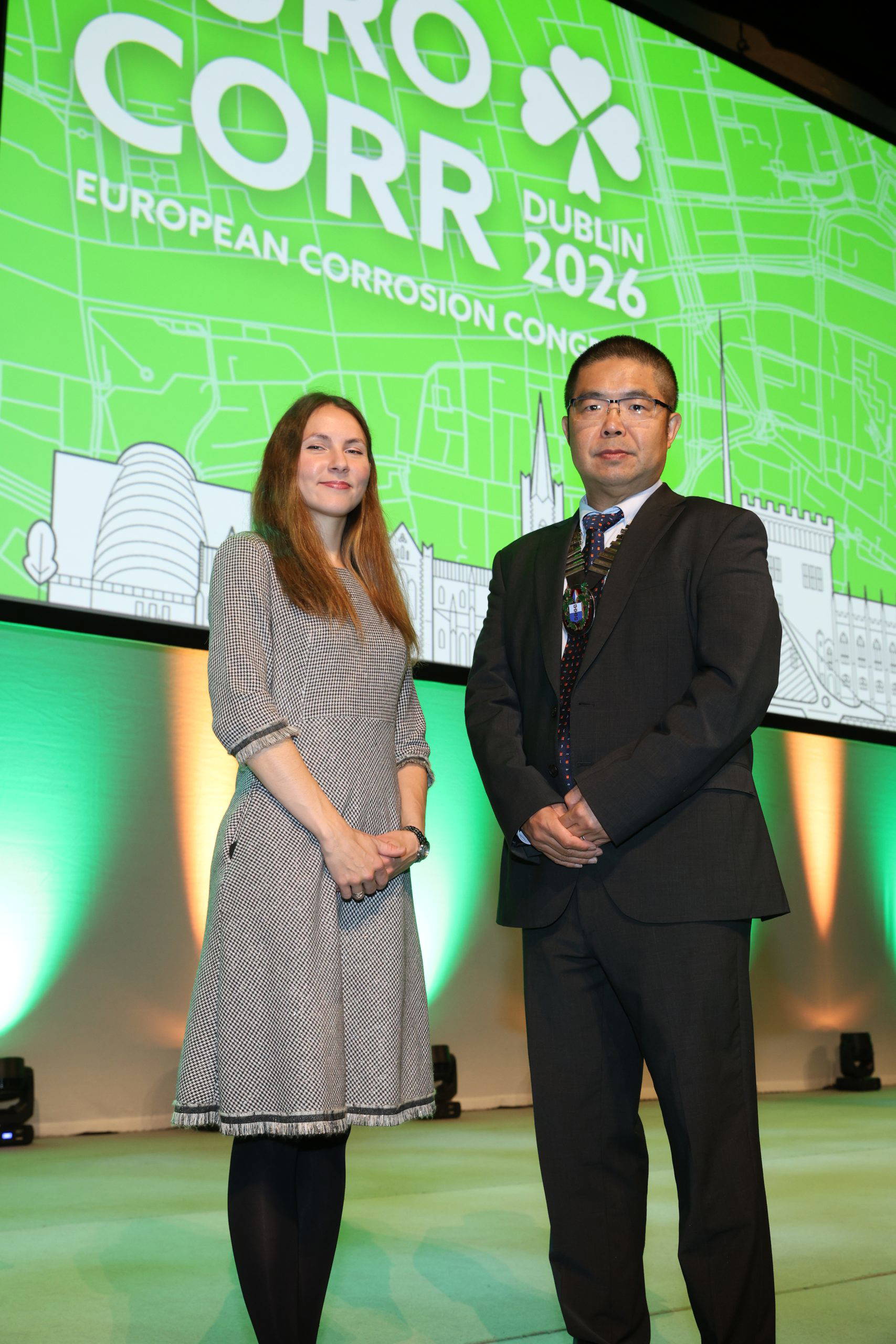
Dr Yunnan Gao, President, Institute of Corrosion, president@icorr.org
Every year on 24th April, the global corrosion community marks World Corrosion Awareness Day (WCAD), a vital initiative dedicated to raising awareness of corrosion as a major, yet preventable, global challenge.
In 2026, the Institute of Corrosion (ICorr), the European Federation of Corrosion (EFC), and the Chinese Society for Corrosion and Protection (CSCP) are proud to stand together in a unified international effort to promote greater understanding, collaboration, and action.
A United Global Voice on Corrosion
Corrosion is often underestimated as a minor or cosmetic issue. In reality, it has far-reaching consequences—impacting public safety, infrastructure integrity, environmental sustainability, and economic resilience worldwide.
Echoing the global call led by the Association for Materials Protection and Performance (AMPP), alongside the World Corrosion Organization (WCO) and the International Corrosion Council (ICC), this year’s WCAD reinforces a clear message: Corrosion is preventable – and prevention is essential.
Through proactive management, knowledge sharing, and the application of engineering best practices, corrosion risks can be significantly reduced—protecting critical infrastructure, extending asset life, and ensuring safety across industries.
Strengthening International Collaboration: China-UK Partnership
A key highlight of this year’s activities is the strengthening of international collaboration between the UK, Europe, and China. During the 2nd China-UK Corrosion Summit in Beijing on 12th-13th April 2026, the Presidents of ICorr, EFC, and CSCP formally signed a joint statement, reaffirming their shared commitment to:
Advancing corrosion science and engineering
Promoting international cooperation
Supporting knowledge exchange across borders
Raising global awareness of corrosion prevention
This milestone reflects the growing importance of cross-regional collaboration in addressing corrosion challenges in an increasingly interconnected world. The announcement of this joint statement in Chinese made by CSCP is at https://www.cscp.org.cn/site/content/3210.html.
Joint Statement for WCAD from ICorr, EFC and CSCP
Leaders ICorr, EFC and CSCP Commemorating WCAD. L-R: CSCP General Secretary – Professor Xuequn Cheng, ICorr President – Dr Yunnan Gao, CSCP President – Professor Xiaogang Li, EFC President – Professor Gareth Hinds
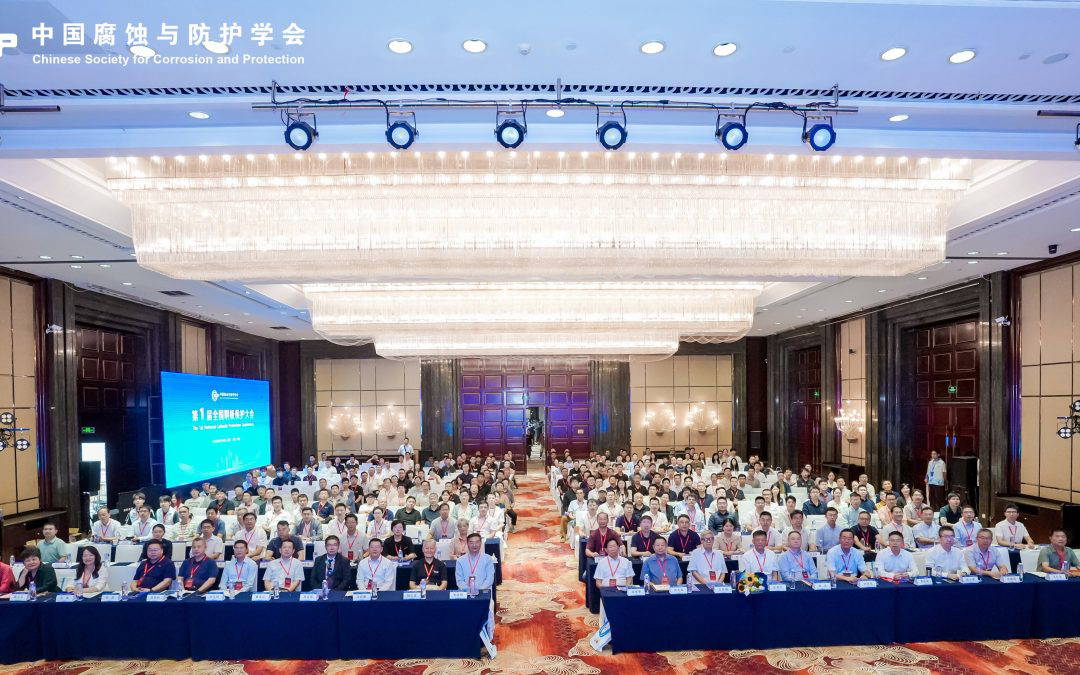
Delegates of the 2nd China-UK Corrosion Summit Commemorating WCAD
Global Engagement Across the Corrosion Community
This year’s WCAD activities have been marked by strong international engagement. Just days ahead of WCAD, the Cambridge Corrosion Conference, jointly organised by ICorr and EFC Working Party 15, brought together leading experts from academia and industry to exchange knowledge and advance research in corrosion science.
Delegates of the Cambridge ICorr-EFC WP15 Conference Commemorating WCAD
Meanwhile, ICorr continues its tradition of hosting its flagship WCAD technical event in the UK. In 2026, ICorr is partnering with the Royal Academy of Engineering (RAEng), marking an important step forward in strengthening collaboration across the engineering community. The CED Day with a theme of “NetCorr – Corrosion Challenges in CCUS Applications”, is held at the University of Leeds on the 2026 WCAD. This event highlights the critical role of corrosion management in enabling emerging technologies such as carbon capture, utilisation, and storage (CCUS), which are essential to achieving global net-zero targets.
ICorr-RAEng 2026 WCAD Event in Leeds Conference Flyer
A Continuing Commitment
World Corrosion Awareness Day is not a single-day initiative-it is part of a sustained global effort.
As a leading professional body, ICorr remains committed to:
Advancing corrosion science, engineering, and best practices
Supporting education, training, and professional development
Engaging with industry, academia, and policymakers
Working closely with international partners to raise awareness worldwide
Together with EFC, CSCP, and global organisations, ICorr will continue to strengthen collaboration and expand outreach-ensuring that corrosion prevention remains a key priority for governments, industries, and communities alike.
Looking Ahead
As we mark WCAD 2026, we reaffirm our shared vision: A safer, more sustainable, and more resilient world-enabled through effective corrosion management.
We encourage professionals, organisations, and the wider public to engage with WCAD activities, share knowledge, and support efforts to prevent corrosion.
To learn more about ICorr’s ongoing initiatives and past WCAD activities, please visit:
The 2nd China-UK Corrosion Summit was successfully held on 12–13 April 2026 in Beijing, hosted by the University of Science and Technology Beijing (USTB). The summit was jointly organised by the Institute of Corrosion (ICorr) and the Chinese Society for Corrosion and Protection (CSCP), with participation from the European Federation of Corrosion (EFC).
Following the success of the inaugural summit held in Manchester in September 2025, this second summit marked a significant advancement in strengthening collaboration between the UK and China corrosion communities. The event brought together leading experts from academia, industry, and research institutions, providing a high-level platform for technical exchange and future cooperation.
The summit theme, “Advancing AI-Driven Corrosion Protection for Infrastructure”, reflected the growing importance of digitalisation and artificial intelligence in corrosion engineering. As highlighted in the CSCP report (https://www.cscp.org.cn/site/content/3208.html in Chinese), the event demonstrated both the depth of technical expertise and the strong commitment to international collaboration.
Second China-UK Corrosion Summit Delegates Photo
Opening Ceremony
The summit opened with welcome speeches from senior representatives of the organising bodies.
Dr Yunnan Gao, President of ICorr, highlighted the progress made over the past two years in building a strong and sustained partnership between ICorr and CSCP, and emphasised the importance of continued international collaboration.
ICorr President, Dr Yunnan Gao, Giving the Opening Speech
Professor Xiaogang Li, President of CSCP, welcomed delegates and underlined the importance of global cooperation in addressing corrosion challenges affecting infrastructure, energy, and materials performance.
CSCP President, Professor Xiaogang Li, Giving the Opening Speech
Professor Gareth Hinds, President of EFC, spoke on the value of international partnerships and the role of trilateral collaboration in advancing corrosion science and engineering.
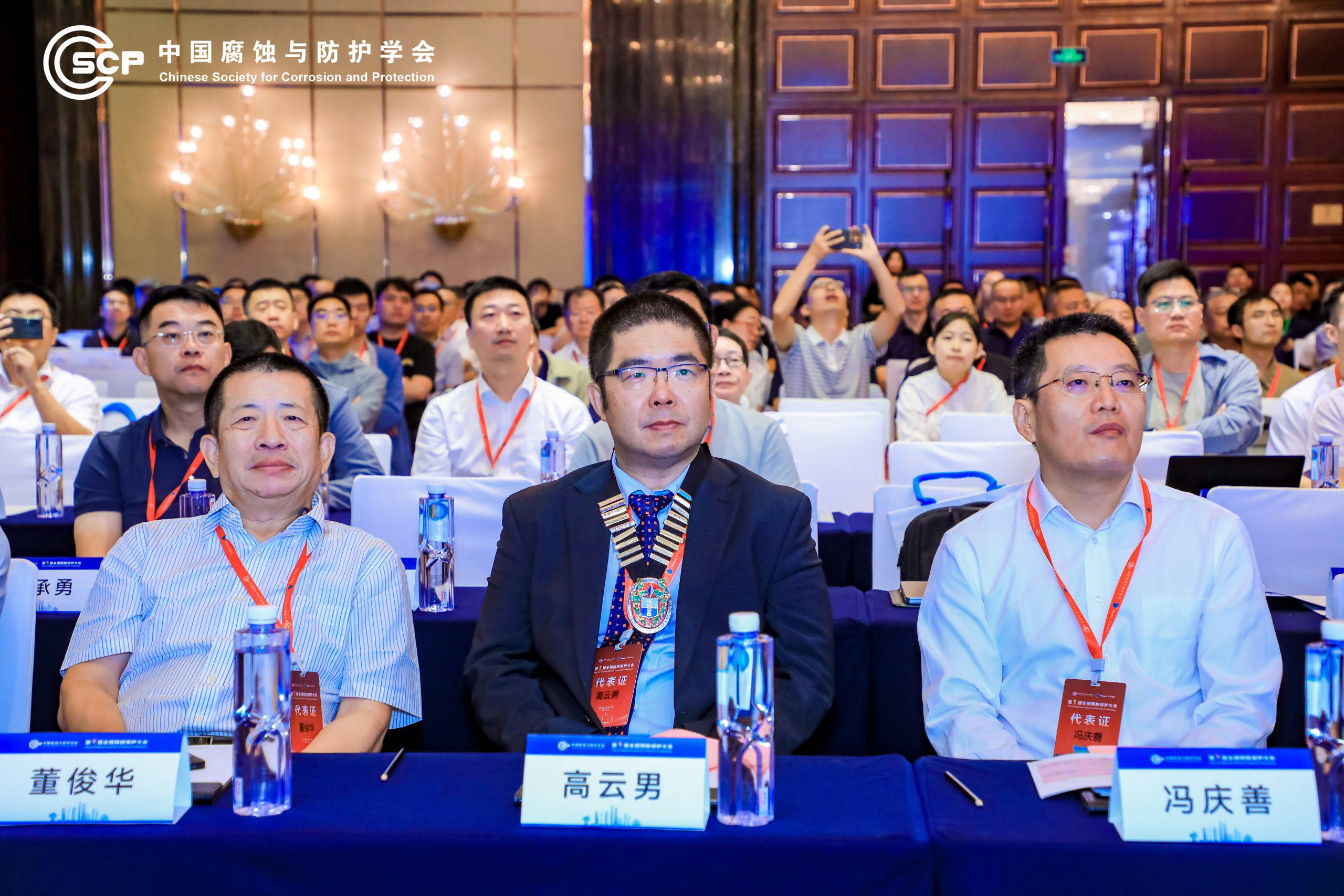
EFC President, Professor Gareth Hinds, Giving the Opening Speech
Technical Programme
The summit featured a comprehensive technical programme comprising 13 presentations, including 7 speakers from the UK and 6 from China. The presentations covered a wide range of topics aligned with the summit theme, with strong emphasis on the integration of artificial intelligence, data science, and advanced engineering approaches in corrosion management.
Dr Yunnan Gao started the technical programme by delivering a presentation introducing ICorr, outlining its role in professional development, certification, and international engagement.
ICorr President, Dr Yunnan Gao, Giving a Presentation on ICorr Introduction
2nd China-UK Corrosion Summit All Speakers
UK Presentations
Professor Gareth Hinds (National Physical Laboratory) Presented on corrosion challenges in electrochemical energy conversion and storage systems, highlighting degradation mechanisms in emerging technologies such as fuel cells and batteries. The work emphasised the importance of materials durability in enabling the transition to low-carbon energy systems.
Professor Xiaorong Zhou (The University of Manchester) Introduced a novel large language model approach for interpreting electrochemical impedance spectroscopy data from organic coatings. The study demonstrated how AI tools can enhance data interpretation and improve coating performance evaluation.
Dr Henry Tan (University of Aberdeen) Discussed uncertainty-informed digital twins for corrosion and integrity management. His work showed how integrating probabilistic modelling improves decision-making in safety-critical infrastructure.
Professor Dirk Engelberg (The University of Manchester) Presented advances in high-throughput corrosion testing, referred to as “Corrosion Screening 4.0”. The approach enables rapid material evaluation and supports accelerated innovation in corrosion-resistant materials.
Stephen Tate (Institute of Corrosion) Outlined the application of AI-assisted corrosion management in the UK gas transmission and distribution networks. The presentation demonstrated how digital tools are being implemented to enhance asset integrity and operational efficiency.
Yanyi Lee (Inductosense) Explored corrosion monitoring technologies combined with machine learning techniques. The work highlighted real-time monitoring solutions and their role in predictive maintenance strategies.
Michael Nixo (Nixon Cathodic Protection Services Ltd) Presented on impressed current cathodic protection systems for historic structures. The talk emphasised practical challenges and solutions in preserving heritage assets while maintaining structural integrity.
China Presentations
Professor Chaofang Dong (University of Science and Technology Beijing) Presented a data-driven approach to the design and optimisation of coatings for titanium bipolar plates in PEM water electrolysers. The work demonstrated how computational methods can accelerate materials development.
Professor Junhua Dong (Institute of Metal Research) Discussed first-principles studies on cathodic reduction mechanisms in atmospheric corrosion rust layers. The research provided fundamental insights into corrosion processes at the atomic level.
Professor Likun Xu (Luoyang Ship Materials Research Institute) Explored interface damage mechanisms and performance improvement of titanium-based MMO anodes. The study focused on enhancing durability and performance in demanding environments.
Professor Li Liu (Northeastern University) Presented research on deep-sea metal corrosion and protection technologies. The work addressed challenges associated with extreme marine environments and long-term material performance.
Professor Anqing Fu (CNPC Tubular Goods Research Institute) Discussed corrosion issues in CCUS-EOR CO₂ injection and production tubing. The presentation highlighted mitigation strategies critical for supporting carbon capture and storage technologies.
Dr Zhong Li (University of Science and Technology Beijing) Investigated microbiologically induced stress corrosion cracking of X80 steel under biofilm conditions. The research provided insights into the role of microbial activity in pipeline degradation.
Overall, the presentations demonstrated a shared commitment to advancing corrosion science through innovation, with particular focus on AI-enabled monitoring, predictive modelling, materials performance, and infrastructure integrity.
Recognition and Engagement
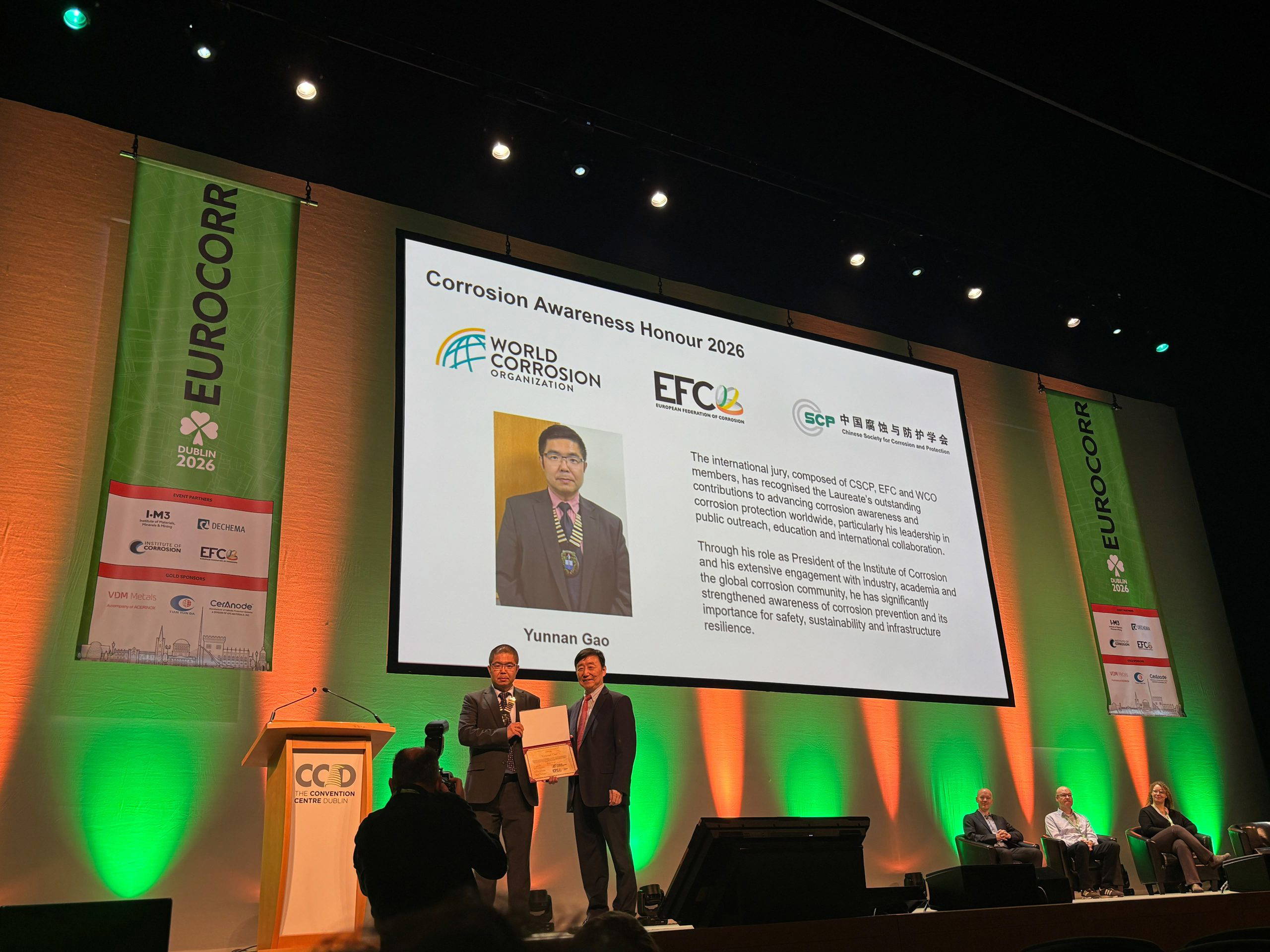
During the summit, Professor Xiaogang Li was recognised as the World Corrosion Organisation (WCO) Corrosion Awareness Award 2025 winner, acknowledging his outstanding global contributions.
Photo 7: WCO Winner of the Corrosion Awareness 2025, Professor Xiaogang Li (Left)
A joint leaders’ photograph was taken featuring representatives from ICorr, CSCP, and EFC.
ICorr-CSCP-EFC Leaders. L-R: CSCP General Secretary – Professor Xuequn Cheng, ICorr President – Dr Yunnan Gao, CSCP President – Professor Xiaogang Li, EFC President – Professor Gareth Hinds
Laboratory Visits and Technical Exchange
On the second day, UK delegates visited research and teaching facilities at USTB, providing valuable insight into ongoing work in corrosion science and materials engineering.
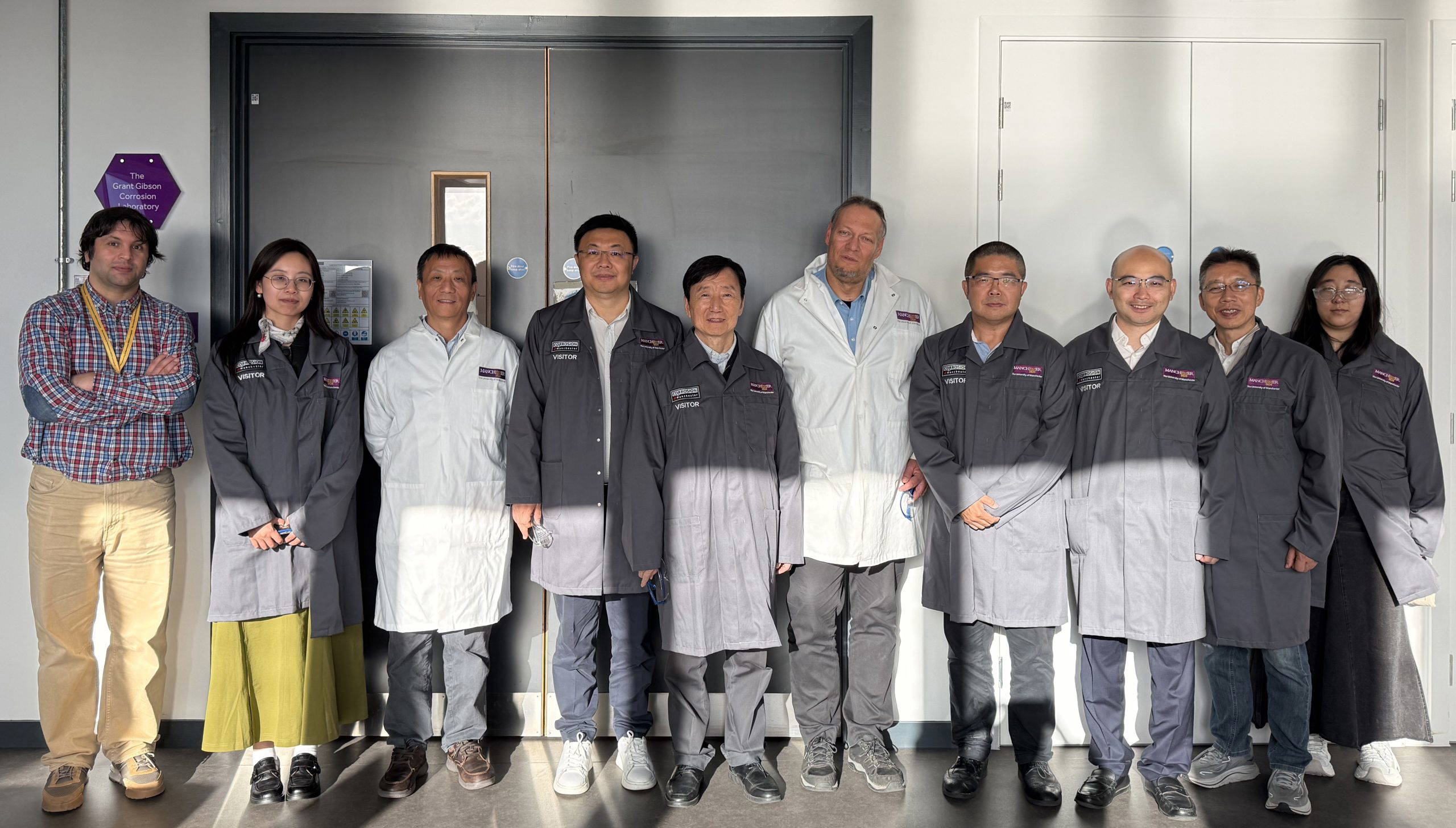
Visit the Corrosion Centre of the USTB by Some UK Delegates
Visit the Materials Department of the USTB by Some UK Delegates
These visits enabled deeper technical exchange and strengthened institutional links.
Conclusion and Future Outlook
The 2nd China-UK Corrosion Summit successfully reinforced the growing partnership between ICorr and CSCP. The event demonstrated the importance of international collaboration in advancing corrosion science, particularly in the integration of AI and digital technologies.
Looking ahead, the next UK-China Corrosion Summit will be held in the UK in 2027, continuing this important bilateral initiative.
ICorr looks forward to further strengthening collaboration and engagement with the global corrosion community.
We use cookies to optimize our website and our service.
Functional
Always active
The technical storage or access is strictly necessary for the legitimate purpose of enabling the use of a specific service explicitly requested by the subscriber or user, or for the sole purpose of carrying out the transmission of a communication over an electronic communications network.
Preferences
The technical storage or access is necessary for the legitimate purpose of storing preferences that are not requested by the subscriber or user.
Statistics
The technical storage or access that is used exclusively for statistical purposes.The technical storage or access that is used exclusively for anonymous statistical purposes. Without a subpoena, voluntary compliance on the part of your Internet Service Provider, or additional records from a third party, information stored or retrieved for this purpose alone cannot usually be used to identify you.
Marketing
The technical storage or access is required to create user profiles to send advertising, or to track the user on a website or across several websites for similar marketing purposes.