
The cart is empty!
Event Announcement
4th Middle East Asset Integrity Management Conference & Showcase (AIMCS EXPO 2026)
📅 22–23 September 2026
📍 Rixos Marina, Abu Dhabi, UAE
🕣 08:30 – 18:00
Download event brochure

4th Middle East Asset Integrity Management Conference & Showcase (AIMCS EXPO 2026)
📅 22–23 September 2026
📍 Rixos Marina, Abu Dhabi, UAE
🕣 08:30 – 18:00
Download event brochure
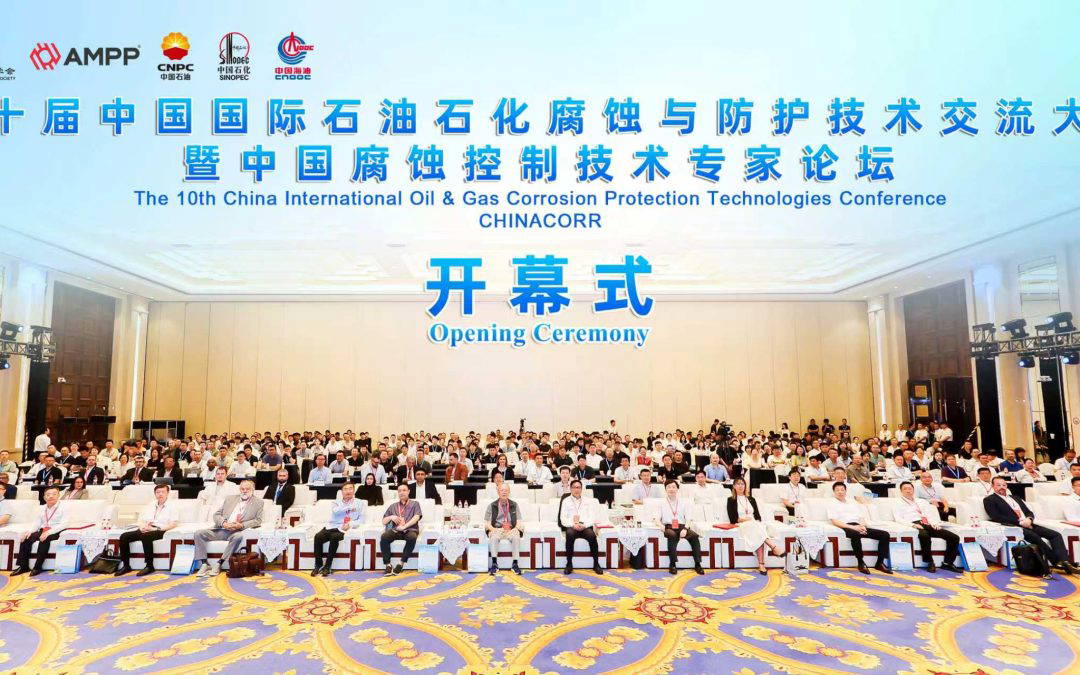
ICorr President Dr Yunnan Gao represented the Institute of Corrosion at the 10th China International Petroleum and Petrochemical Corrosion and Protection Technology Exchange Conference (2026 ChinaCorr), held in Shanghai, China, in July 2026. The conference provided another important opportunity for ICorr to engage with the international corrosion community, including valuable interaction with the Association for Materials Protection and Performance (AMPP) and leading corrosion professionals from China and around the world.
Following ICorr’s participation in the ICCPA 2026 conference in Chengdu earlier in July, the Shanghai event represented a further significant opportunity during the President’s visit to China to promote ICorr internationally and strengthen professional relationships across the global corrosion and materials protection community.
The 10th China International Petroleum and Petrochemical Corrosion and Protection Technology Exchange Conference brought together senior representatives, technical experts, researchers and industry professionals from across the petroleum, petrochemical, oil and gas, pipeline and engineering sectors.
The conference is positioned as an international platform for technical exchange and cooperation in corrosion protection, with a particular focus on the transformation of corrosion management towards whole-life-cycle, digital and intelligent approaches. The technical programme addressed a wide range of current industry challenges, including corrosion integrity management, digital monitoring and early warning, corrosion big data and artificial intelligence, corrosion-resistant materials, coatings and inhibitors, cathodic protection, CCUS and supercritical CO₂, hydrogen transportation, and pipeline integrity.
The breadth of participation reflected the increasingly international nature of corrosion engineering and asset integrity. The conference information specifically identified participation from major international oil and gas companies, professional organisations, universities, research institutes and technology providers, alongside major Chinese petroleum and petrochemical organisations.
Upon invitation, ICorr President Dr Yunnan Gao attended the conference on behalf of the Institute of Corrosion and delivered a plenary lecture introducing ICorr and its activities, followed by a technical presentation on a relevant corrosion engineering topic.
The presentations provided an opportunity to introduce ICorr’s role as a leading UK professional body for corrosion science, engineering and management, and to highlight the Institute’s growing international engagement. They also provided a platform for sharing practical experience and technical knowledge with a large audience of corrosion professionals from China and overseas.
The strong interest from delegates demonstrated the value of international professional organisations sharing experience, technical practice and approaches to professional development across national and regional boundaries.
A particularly important feature of 2026 ChinaCorr was the strong participation of the Association for Materials Protection and Performance (AMPP).
AMPP was one of the organisations listed among the hosts of the conference, alongside Northeast Petroleum University, the Petroleum Corrosion and Protection Committee of the Chinese Petroleum Society and several major Chinese industry organisations. AMPP also promoted the event internationally under the name 2026 ChinaCorr, describing it as an event focused on new technologies, methods and achievements for the industry, with digital transformation and low-carbon, high-quality industrial development among its key themes.
For ICorr, the presence of an AMPP delegation provided an especially valuable opportunity for direct interaction with senior colleagues from another leading international corrosion organisation. Dr Gao met with AMPP representatives during the conference, including the Immediate Past Chair of the AMPP Board of Directors, Juan Caballero, providing an opportunity to exchange views on the development of the corrosion profession, international cooperation and opportunities for closer engagement between professional communities.
The relationship between ICorr and AMPP is particularly important in the context of the increasingly global nature of corrosion engineering. While the two organisations operate within different professional and geographical environments, they share many common objectives: advancing corrosion knowledge, supporting professional competence, promoting good engineering practice, developing the next generation of corrosion professionals and raising awareness of the importance of corrosion management.
The Shanghai conference therefore provided a valuable setting for continuing dialogue and strengthening professional relationships between ICorr and AMPP.
In addition to engagement with AMPP, Dr Gao took the opportunity to meet with senior representatives of other international and Chinese corrosion organisations.
These included discussions with the President of the Chinese Society for Corrosion and Protection (CSCP), Professor Xiaogang Li and the President of the World Corrosion Organization (WCO), Professor En-Hou Han, further strengthening the network of professional relationships that ICorr has been developing internationally.
Such engagement is an important part of ICorr’s international strategy. Through collaboration and professional exchange with organisations such as AMPP, CSCP and WCO, ICorr can help create stronger links between corrosion professionals across different regions and support the sharing of knowledge, standards, experience and best practice.
These relationships are also particularly relevant as the corrosion profession responds to rapidly developing challenges associated with the energy transition, including CCUS, hydrogen, new materials, ageing infrastructure, digitalisation and increasingly sophisticated approaches to corrosion risk management.
The participation in 2026 ChinaCorr forms part of ICorr’s continuing programme of international engagement in China and follows the Institute’s participation in ICCPA 2026 in Chengdu earlier in July.
Taken together, these engagements provided an excellent opportunity for ICorr to maintain a visible presence within the rapidly developing Chinese corrosion community, meet professional colleagues and industry leaders, and further develop relationships with international corrosion organisations.
For ICorr, international engagement is not simply about attending conferences. It is about building long-term professional relationships, sharing knowledge and experience, supporting the development of corrosion engineering as a profession, and creating opportunities for cooperation between organisations and their members.
The Institute is grateful to the organisers of 2026 ChinaCorr for the invitation and warm welcome extended to its President, and particularly values the opportunity to engage with the AMPP delegation and other international colleagues during the conference.
ICorr looks forward to continuing this dialogue and strengthening international cooperation in the corrosion and materials protection community.
Further information about the 10th China International Petroleum and Petrochemical Corrosion and Protection Technology Exchange Conference (2026 ChinaCorr) is available from the Official Conference Website and the AMPP 2026 ChinaCorr event page.
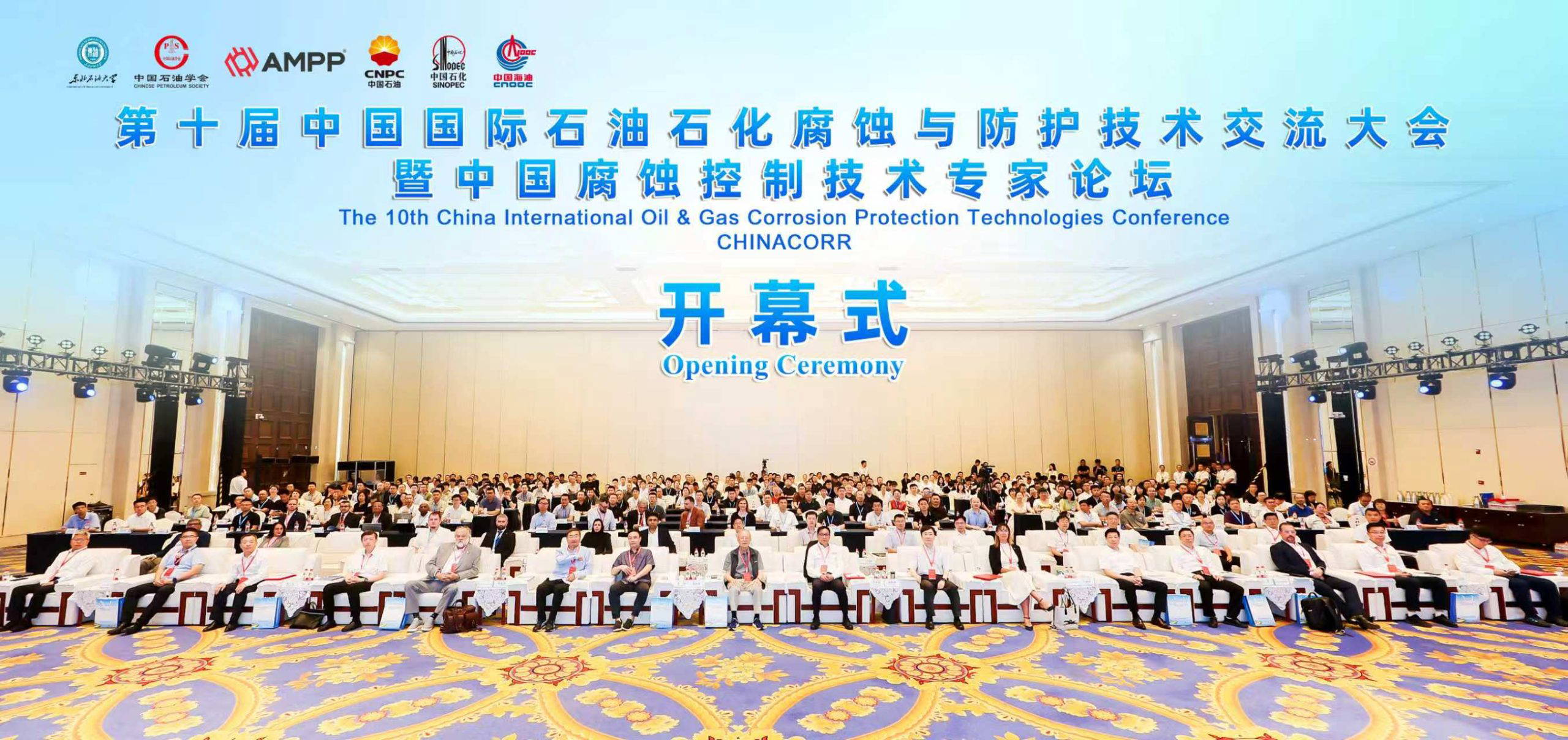
Photo 1: Delegates Attending 2026 ChinaCorr in Shanghai, China, July 2026.
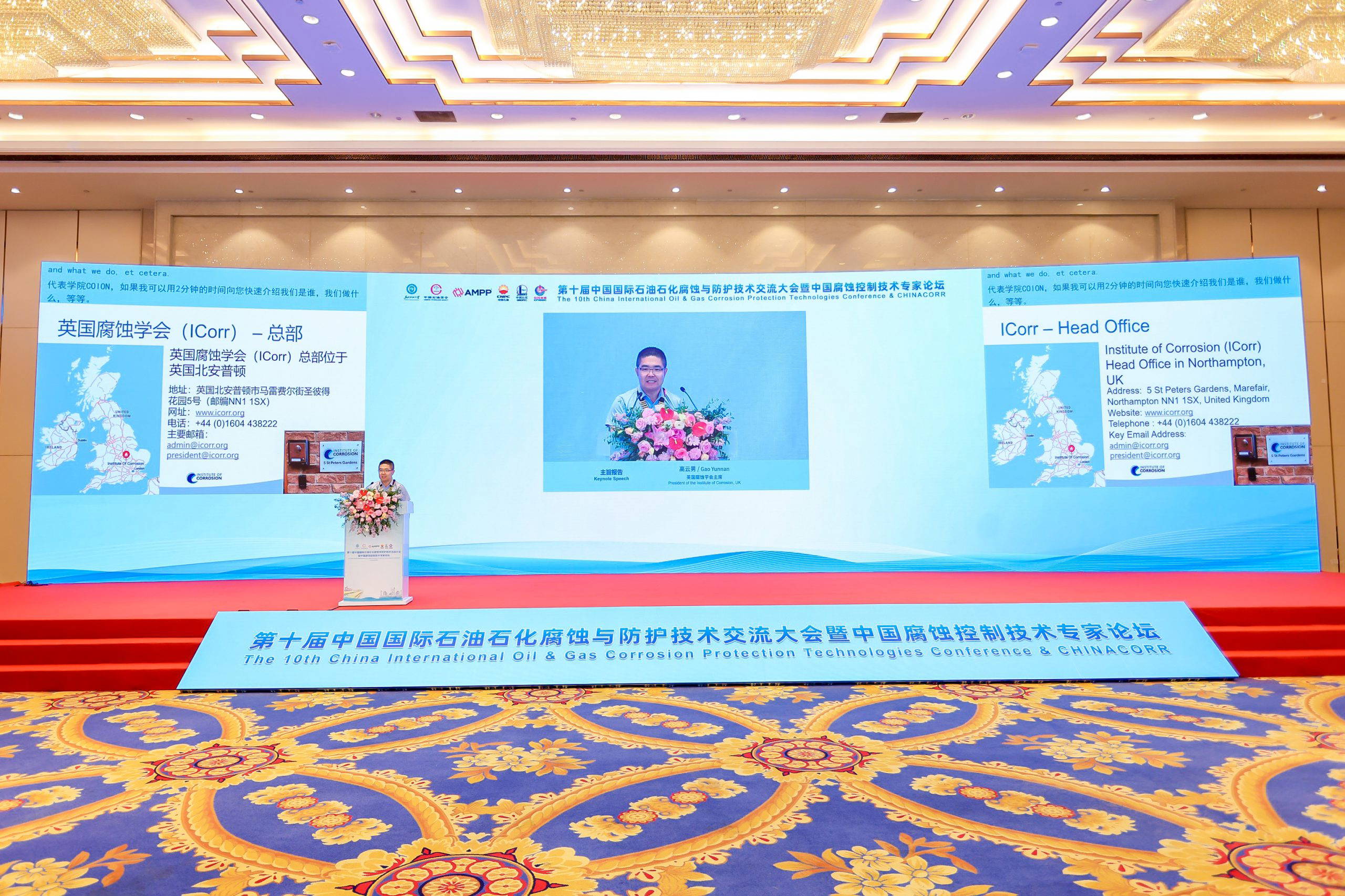
Photo 2: ICorr President Dr Yunnan Gao Delivering a Plenary Lecture on ICorr and A technical Topic at 2026 ChinaCorr.
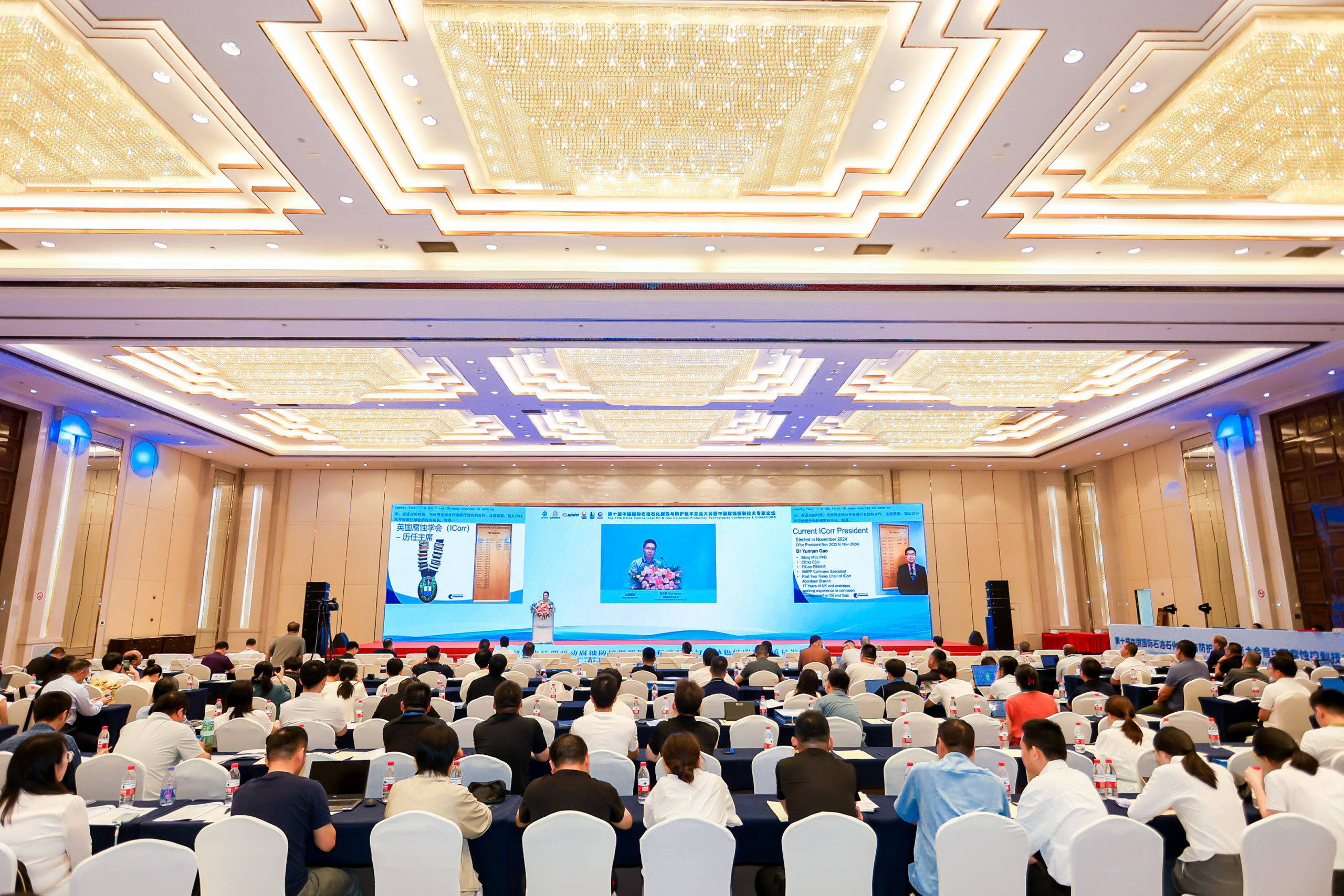
Photo 3: Delegates Attending the Plenary Lecture Delivered by ICorr President Dr Yunnan Gao at 2026 ChinaCorr.
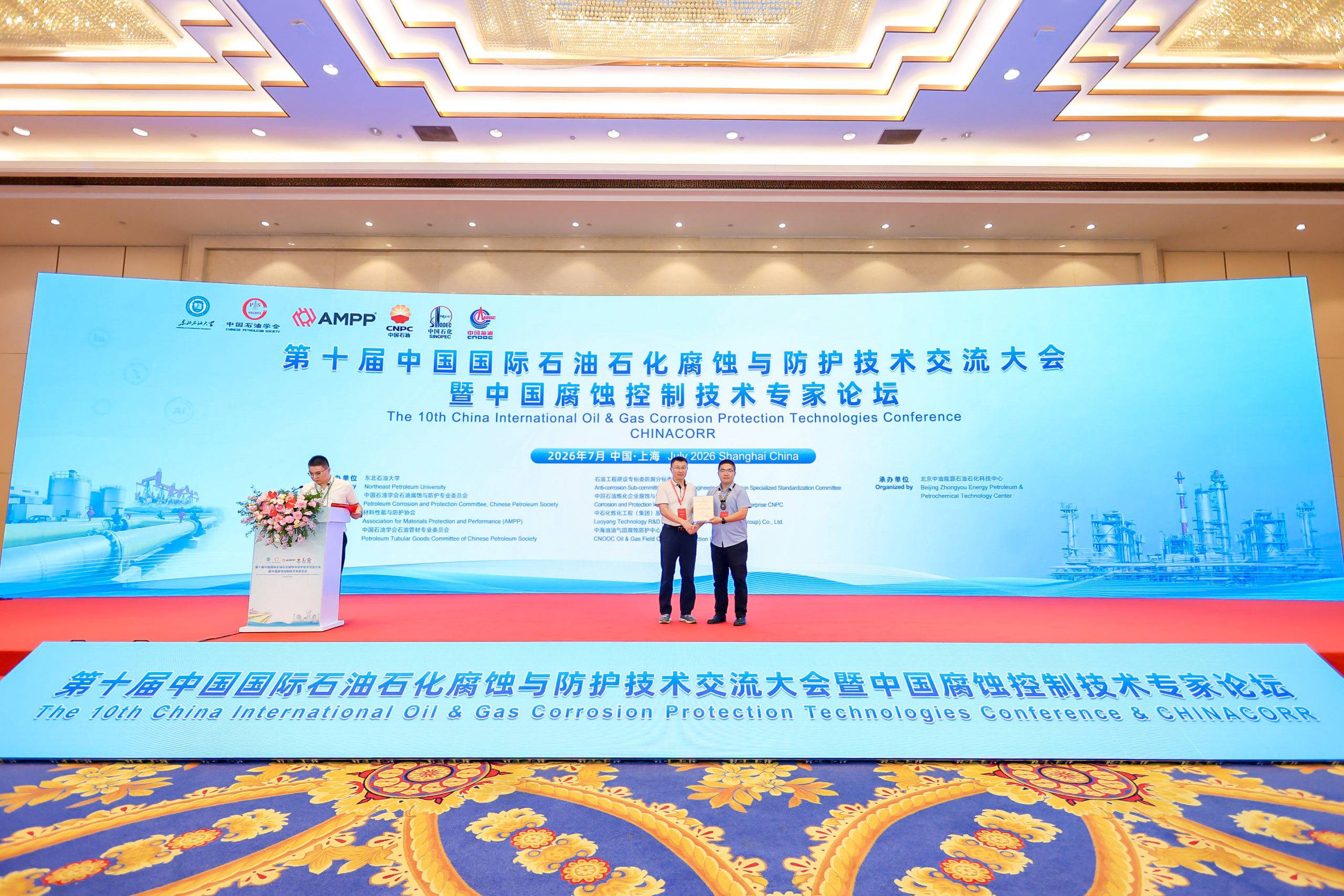
Photo 4: ICorr President Dr Yunnan Gao Receiving A Certificate of Appreciation at 2026 ChinaCorr.
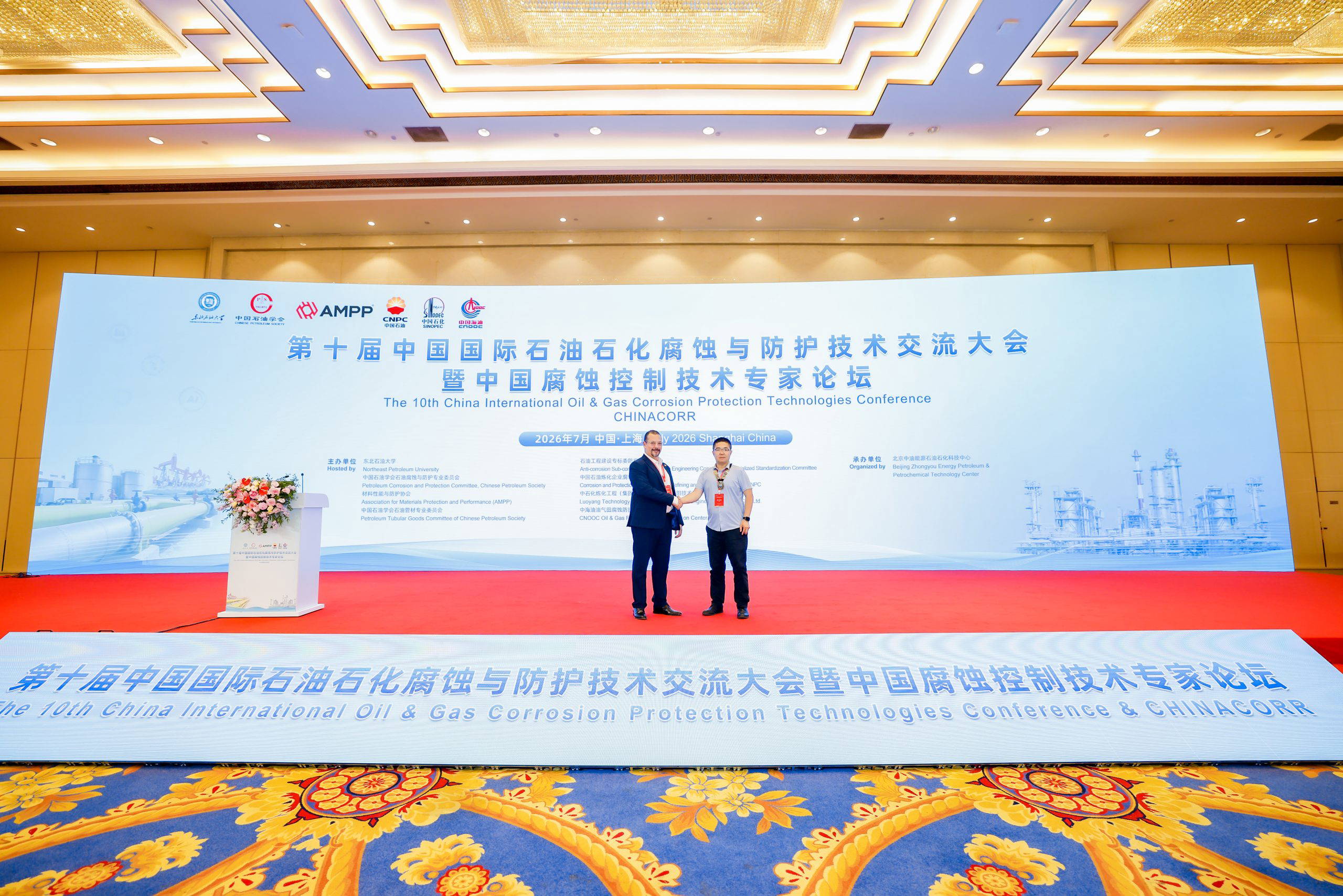
Photo 5: ICorr President Dr Yunnan Gao with the Immediate Past Chair of the AMPP Board of Directors, Juan Caballero, at 2026 ChinaCorr.
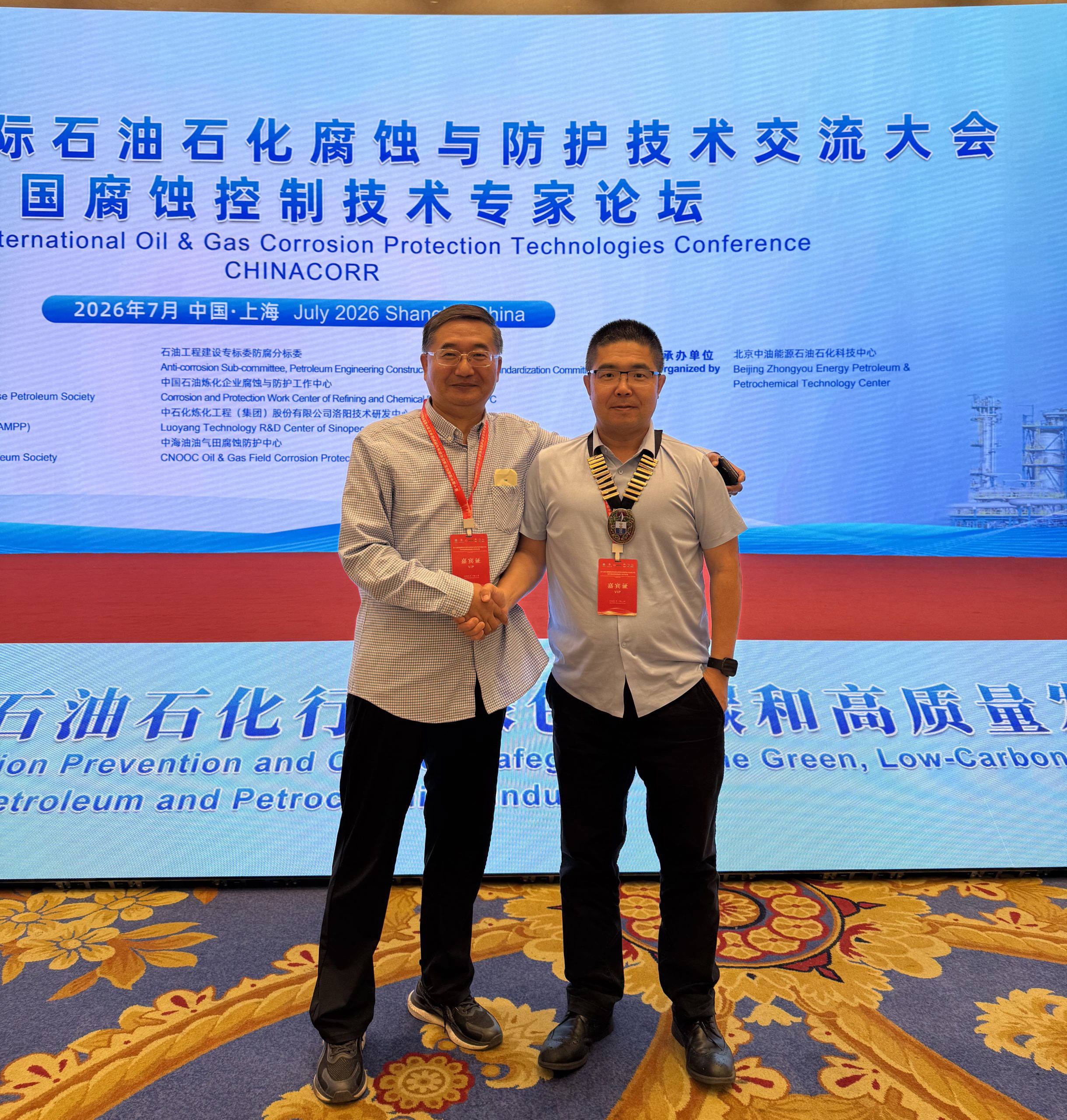
Photo 6: ICorr President Dr Yunnan Gao with the President of the Chinese Society for Corrosion and Protection (CSCP), Professor Xiaogang Li, at 2026 ChinaCorr.
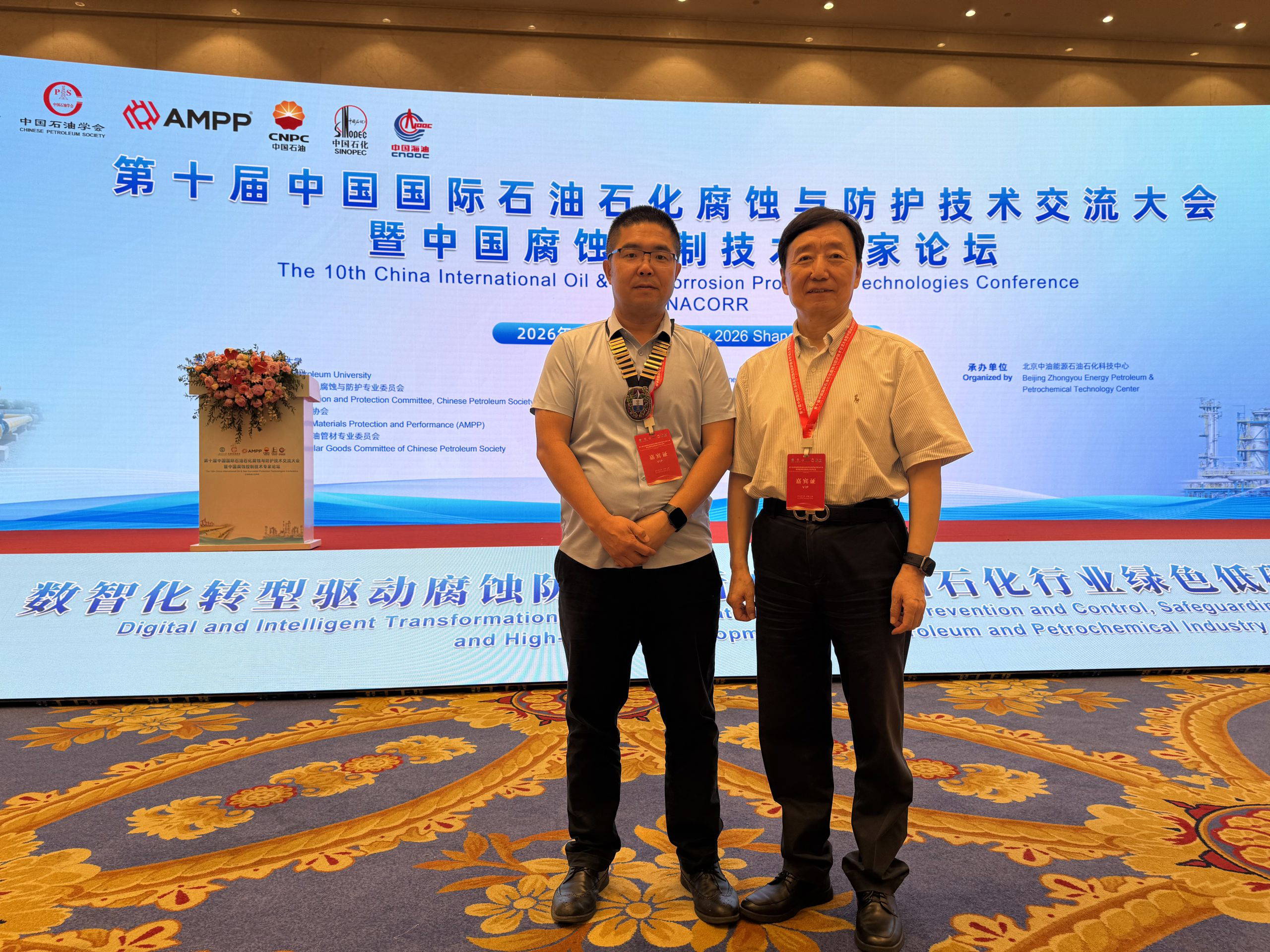
Photo 7: ICorr President Dr Yunnan Gao with the President of the World Corrosion Organization (WCO), Professor En-Hou Han, at 2026 ChinaCorr.

Dr Yunnan Gao, President of the Institute of Corrosion, represented ICorr at the International Conference on Corrosion Protection and Application (ICCPA 2026), held in Chengdu, China, in July 2026. As an EFC Event No. 549, ICCPA 2026 provided an important international platform for the exchange of knowledge and expertise in corrosion and corrosion protection, bringing together experts, researchers and industry professionals from China and around the world.
The 2026 International Conference on Corrosion Protection and Application (ICCPA 2026) was held in Chengdu, Sichuan Province, China, from 24 to 26 July 2026 under the theme “Green and Low Carbon, Open Exchange, Cooperation and Win-Win”. The conference was jointly organised by the European Federation of Corrosion (EFC), the Sichuan Society for Corrosion and Protection, the Chongqing Society for Corrosion and Protection and the Southwest Institute of Technology and Engineering, together with a wide range of academic, research and industrial organisations in China.
ICCPA 2026 was designated EFC Event No. 549, making it a significant event within the EFC international conference programme and one of the largest EFC events to have been held in China. The conference attracted more than 500 experts, academics and technical professionals from over 10 countries, including China, the United Kingdom, France, Germany and the Czech Republic, as well as other European countries.
The conference programme covered a broad range of topics reflecting the increasingly diverse challenges facing corrosion science, engineering and materials protection. These included material damage and surface protection in extreme environments, corrosion protection of aerospace materials and structures, high-temperature corrosion, marine corrosion, corrosion and protection in sustainable energy systems, oil and gas corrosion, corrosion inhibitor technology, abrasion-resistant materials, advanced functional anti-corrosion and anti-fouling coatings, as well as a dedicated Young Scientists Forum.
The technical programme provided an opportunity for researchers and practitioners to exchange the latest developments in corrosion mechanisms, materials performance, surface engineering and corrosion protection technologies, while also considering the application of these developments to major industrial challenges.
The conference featured contributions from a number of internationally recognised corrosion and materials experts. Among the invited speakers were Chinese Academy of Engineering Academicians Professor Shandong Tu, Professor Shengkai Gong and Professor En-Hou Han, together with international experts including Professor Damien Feron of Université Paris-Saclay, Professor Philippe Marcus of École Nationale Supérieure de Chimie de Paris and Professor Tomáš Prošek of the University of Chemistry and Technology, Prague.
The Institute of Corrosion was represented by its President, Dr Yunnan Gao, who attended the conference on behalf of ICorr and contributed to the technical programme as an invited plenary speaker..
Dr Gao’s participation provided an opportunity to introduce the Institute of Corrosion to a broad international audience in China and to highlight ICorr’s role as a professional body supporting the development of corrosion science, engineering competence and professional standards.
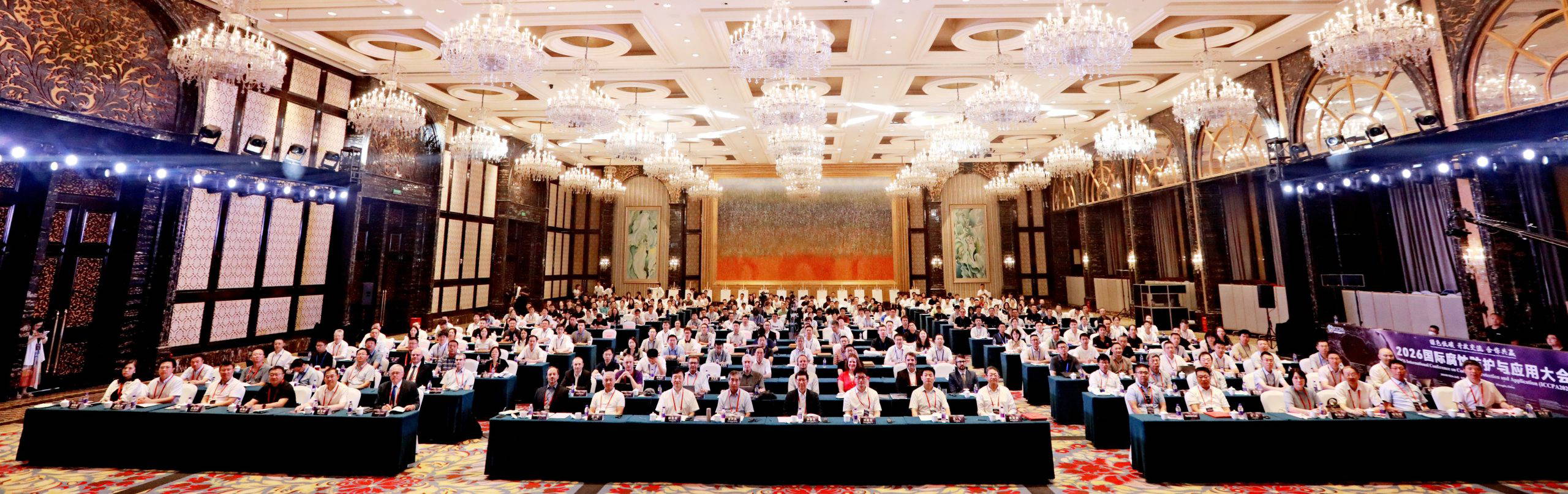
Photo 1: Delegates at ICCPA 2026 in Chengdu, China, July 2026.

Photo 2: ICorr President Dr Yunnan Gao at the ICCPA 2026 Opening Ceremony.
As part of the plenary programme, Dr Gao delivered a lecture introducing ICorr and its international activities, followed by a technical presentation on a topical issue in corrosion and materials engineering.
The plenary lecture provided an opportunity to share ICorr’s experience and professional activities with delegates from China and other countries, while demonstrating the Institute’s commitment to international cooperation and knowledge exchange. It also provided an effective platform for strengthening awareness of ICorr among corrosion professionals, academics and industry representatives in China.
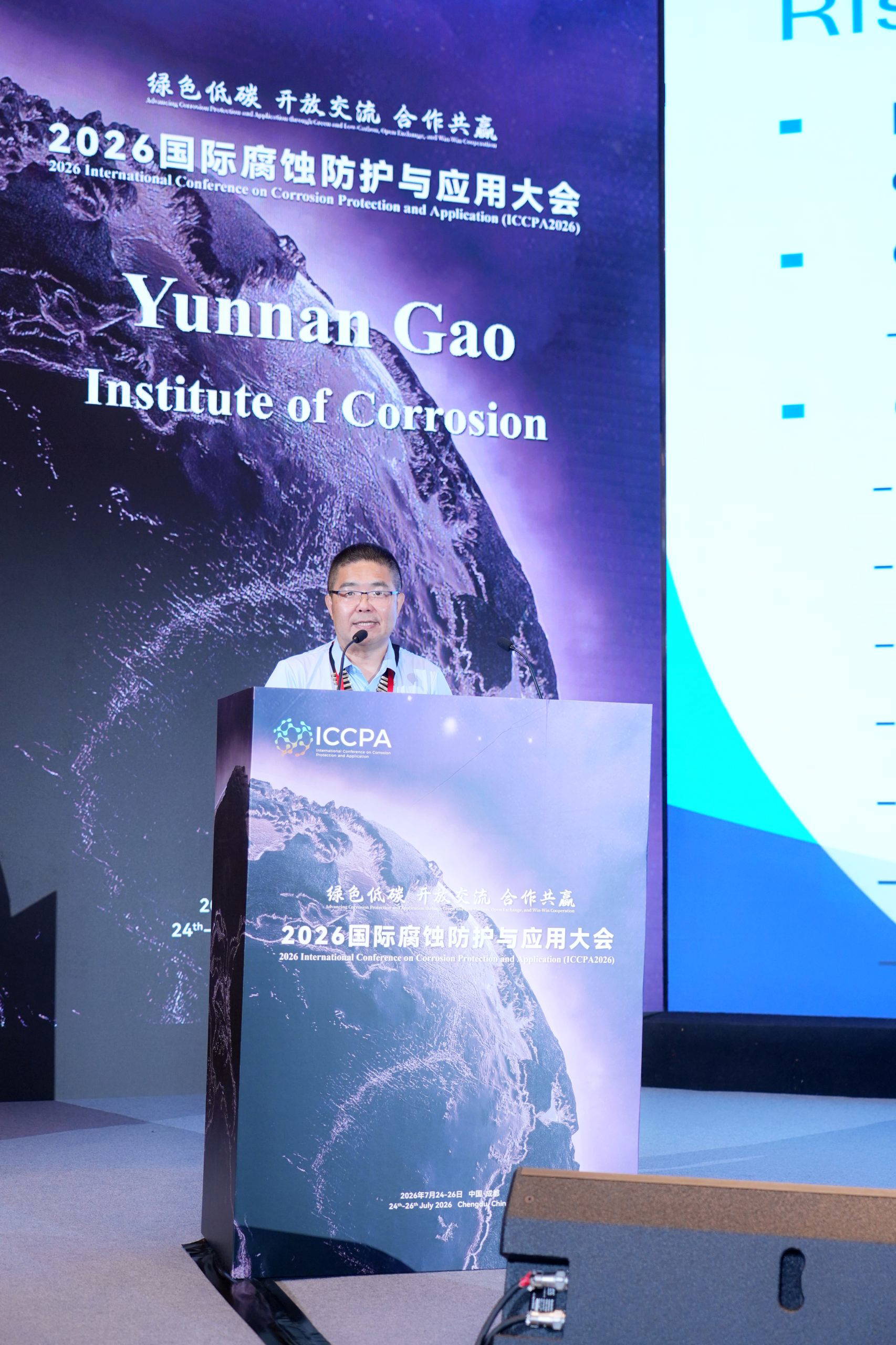
Photo 3: ICorr President Dr Yunnan Gao Delivering A Plenary Lecture at ICCPA 2026.
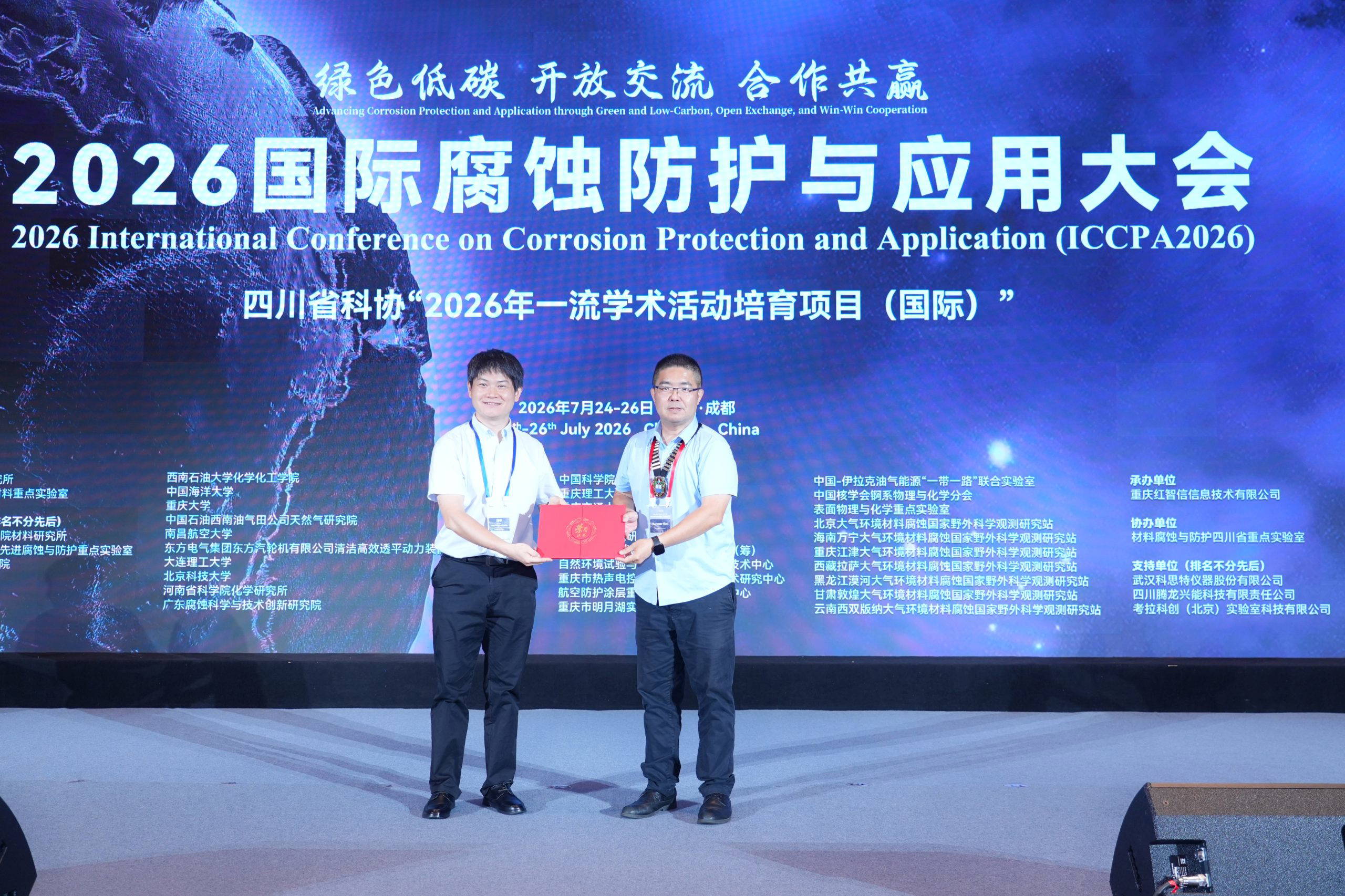
Photo 4 ICorr President Receiving the Certificate of Appreciation at ICCPA 2026.
ICCPA 2026 was particularly significant for ICorr because of its status as an EFC Event No. 549. The conference brought together representatives of the EFC community and provided a valuable opportunity for ICorr to engage directly with EFC colleagues and the wider corrosion community in China.
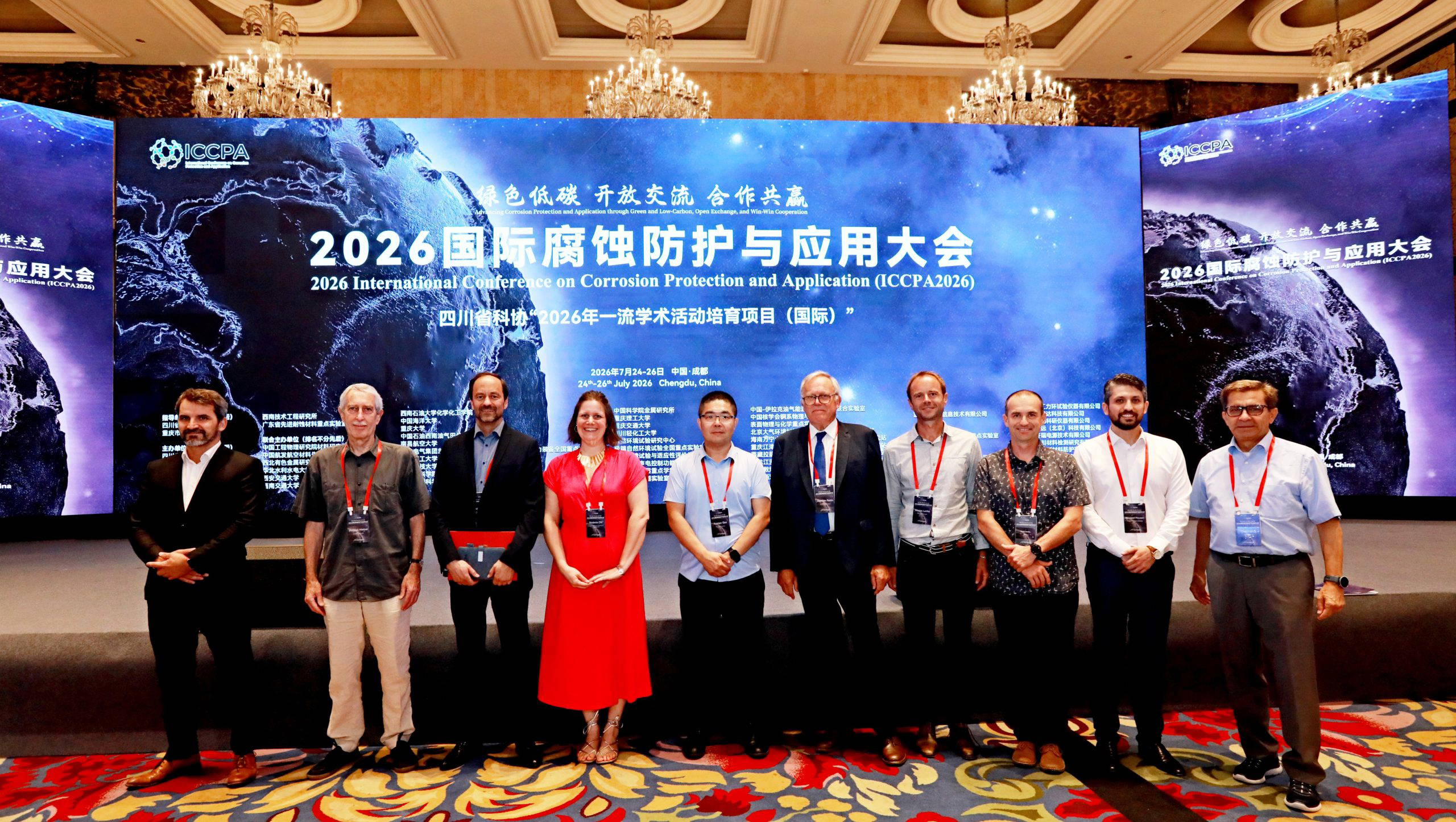
Photo 5: EFC Delegates at ICCPA 2026, including ICorr President Dr Yunnan Gao.

Following the official announcement by the World Corrosion Organization (WCO), the Institute of Corrosion (ICorr) is proud to announce that its President, Dr Yunnan Gao, has been selected as the recipient of the 2026 World Corrosion Organization (WCO) Corrosion Awareness Honour, a major international recognition of his sustained leadership in promoting corrosion awareness, education, outreach and global collaboration.
This prestigious international honour recognises Dr Gao’s outstanding contribution to raising the profile of corrosion and corrosion protection across industry, academia, professional institutions and the wider engineering community. The award was established by the WCO in association with the European Federation of Corrosion (EFC) and the Chinese Society of Corrosion and Protection (CSCP) and recognises pioneering individuals who have made a substantial contribution to raising awareness of corrosion and corrosion protection among government, industry and the general public.
The official WCO announcement is available here: https://corrosion.org/Awards/Corrosion+Award+2026.html.
Commenting on the award, Dr Gao said:
“I am truly honoured and deeply humbled to receive the WCO Corrosion Awareness Honour. I see this recognition not only as a personal honour, but also as recognition of the collective efforts of the many colleagues, volunteers, professional organisations and industry partners around the world who are working together to raise awareness of corrosion and promote better corrosion prevention and protection.”
“Corrosion has profound implications for safety, infrastructure resilience, sustainability and society. I firmly believe that increasing awareness and understanding of corrosion is essential if we are to prevent avoidable failures, protect our infrastructure and support a more sustainable future. I am particularly pleased that this WCO honour recognises the importance of awareness, education, collaboration and communication in achieving this goal.”
The Institute of Corrosion warmly congratulates Dr Yunnan Gao on this prestigious international recognition. His receipt of the WCO Corrosion Awareness Honour is a proud moment for ICorr and a reflection of the Institute’s continued commitment to advancing corrosion awareness, professional competence and international cooperation.
The award will be formally presented by WCO President Prof. En-Hou Han during the plenary session on the morning of Thursday 10 September 2026 at EUROCORR 2026 in Dublin, where ICorr looks forward to celebrating this important achievement with Dr Gao and colleagues from across the global corrosion community.
The Institute of Corrosion (ICorr), established in 1959, is the UK professional body dedicated to advancing the science, engineering and professional practice of corrosion prevention and control. Through its members, branches, technical divisions, training, publications and international partnerships, ICorr promotes professional competence, knowledge sharing and best practice in corrosion management for the benefit of industry, infrastructure and society. To find out more about ICorr, visit: https://www.icorr.org/.
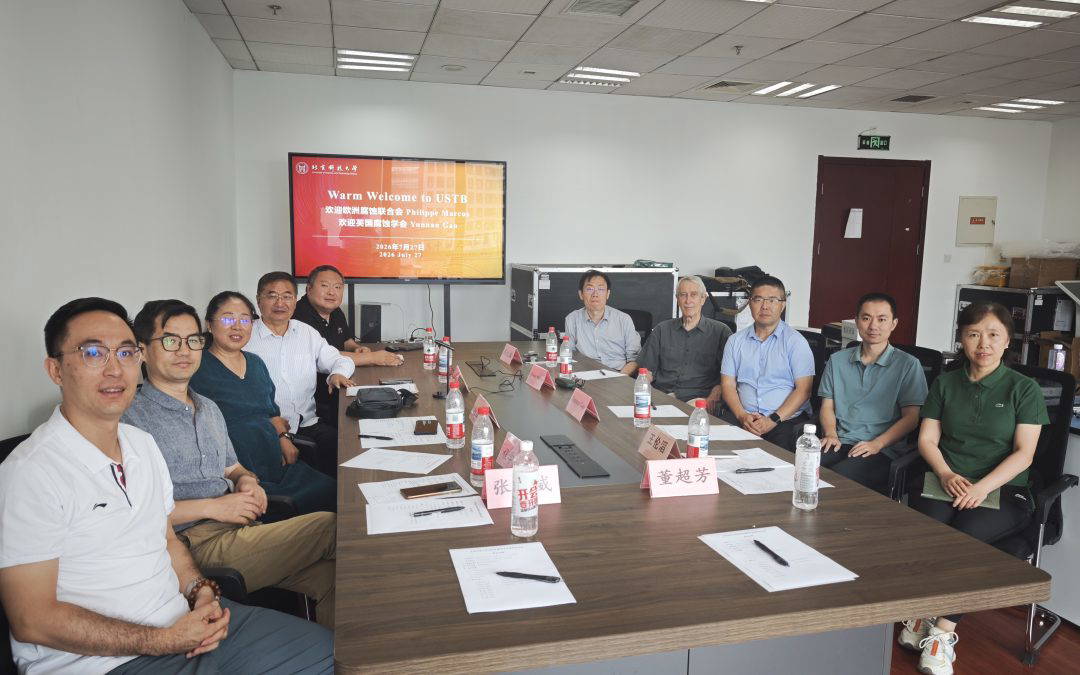
ICorr joins international leaders in corrosion to advance AI-enabled corrosion education, international collaboration and the development of the next generation of corrosion professionals.
The President of the Institute of Corrosion (ICorr), Dr Yunnan Gao, represented the Institute at the 2026 Global Corrosion Science Summit, held in July 2026 at the University of Science and Technology Beijing (USTB), bringing together leading representatives of the international corrosion community to discuss the future of corrosion science, technology and professional education.
The high-level summit was jointly organised by the Chinese Society for Corrosion and Protection (CSCP), USTB’s National Materials Corrosion and Protection Scientific Data Center and National Center for Materials Service Safety. International participation included the Association for Materials Protection and Performance (AMPP), the Institute of Corrosion (ICorr) and the Centre Français de l’Anticorrosion (CEFRACOR).
The summit focused on two important and closely connected themes: the future application of artificial intelligence (AI) in corrosion science and engineering, and the development and future direction of undergraduate corrosion education internationally.
Dr Yunnan Gao, President of ICorr, participated in the discussions alongside Professor Li Xiaogang, President of CSCP; Alan Thomas, Chief Executive Officer of AMPP; and Professor Philippe Marcus, President of CEFRACOR.
The participation of the three major international corrosion organisations – AMPP, ICorr and CEFRACOR – provided an important opportunity to consider how corrosion education can better reflect the rapidly changing requirements of industry and the profession.
Speaking from the perspective of ICorr and the engineering profession, Dr Gao highlighted that corrosion is not simply a materials degradation issue. Effective corrosion management is fundamental to industrial safety, asset integrity, reliability and the safe operation of major engineering infrastructure.
He emphasised that the demand for appropriately trained corrosion and materials professionals is increasing as industries respond to energy transition, infrastructure development and the rapid growth of advanced manufacturing and high-technology engineering.
Dr Gao stressed that undergraduate corrosion education should therefore have a strong connection with real industrial engineering problems and practical case studies, supported by greater involvement from industry professionals and by internationally recognised professional certification and competency frameworks. Such an approach can help graduates develop the practical problem-solving capabilities required by industry while also strengthening their international professional competitiveness.
During the summit, USTB professors Dong Chaofang and Yan Yu presented the historical development of undergraduate corrosion education at the University and outlined proposals for its future development, including educational objectives, curriculum structure and future areas of focus.
The proposed programme aims to respond to the growing need for corrosion and protection expertise across sectors including energy, marine engineering, aerospace, advanced manufacturing and other major engineering industries. It also seeks to integrate materials science, corrosion science, engineering practice and artificial intelligence.
International experts provided feedback based on their experience of corrosion education and professional development in their respective countries. Discussions covered curriculum design, international cooperation, practical training, industry engagement and future career pathways for corrosion graduates.
Professor Philippe Marcus highlighted the increasingly interdisciplinary nature of corrosion engineering and the growing demand within European industry for highly skilled corrosion professionals who can address complex engineering challenges while working with advanced manufacturing, digital technologies and engineering applications.
Alan Thomas emphasised the importance of closer collaboration between universities, professional organisations and industry, including practical engineering experience, professional development and international opportunities for students. AMPP also indicated its willingness to support international technical exchange, education, resource sharing and cooperation.
One of the significant outcomes of the summit was agreement among AMPP, CEFRACOR and ICorr to support the development of USTB’s proposed “Smart Corrosion Protection for Advanced Equipment” undergraduate programme.
The international organisations agreed in principle to contribute to the curriculum development process, support access to international internship opportunities, and explore the mutual recognition of professional corrosion engineering qualifications for graduates.
For ICorr, these developments are particularly important. The Institute has long recognised that the future strength of the corrosion profession depends not only on technical research, but also on establishing effective pathways through which students can progress from academic study into professional engineering practice.
International exposure, industry-based learning and recognised professional competency frameworks can help bridge the gap between university education and the practical responsibilities expected of corrosion professionals working on major assets.
A further central theme of the summit was the potential impact of artificial intelligence and digital technologies on corrosion science and engineering.
The participants recognised that AI has the potential to support areas such as corrosion monitoring, data analysis, prediction, materials development, integrity management and remaining-life assessment. However, the discussions also reinforced the importance of ensuring that AI is underpinned by sound corrosion science, engineering judgement and high-quality data.
For ICorr, this represents an important evolution rather than a replacement of fundamental corrosion engineering knowledge. Future corrosion professionals will increasingly need to combine a strong understanding of materials, electrochemistry, corrosion mechanisms and engineering integrity with capabilities in data science, digital technologies and AI.
The summit therefore highlighted the need for a new generation of corrosion engineers who can work across traditional disciplinary boundaries and apply both established engineering principles and emerging technologies to complex real-world problems.
The 2026 Global Corrosion Science Summit also represents a further step in the continuing international cooperation between ICorr and CSCP.
ICorr and CSCP have developed an increasingly close relationship through a series of joint initiatives, including the UK–China Corrosion Summit, international technical exchanges and wider collaboration on corrosion education, professional development and global corrosion awareness.
The Beijing summit builds on this relationship by bringing together leading corrosion organisations from China, the UK, France and the United States to consider common challenges facing the global corrosion profession.
The discussions demonstrated a shared understanding that corrosion is a global engineering challenge and that its effective management requires international cooperation in research, education, professional development, standards, engineering practice and knowledge exchange.
Commenting on the summit, Dr Yunnan Gao said:
“The future of corrosion engineering depends on developing professionals who are able to combine fundamental corrosion science with practical engineering experience, digital technologies and an understanding of the needs of industry. International collaboration provides an important mechanism for sharing knowledge, developing educational programmes and creating opportunities for young engineers to build truly global careers.”
He added that ICorr is pleased to contribute its professional and industry experience to the development of future corrosion education and looks forward to working with its international partners to strengthen pathways from education to professional competence and ultimately to safe and reliable engineering practice.
The Institute of Corrosion welcomes the outcomes of the 2026 Global Corrosion Science Summit and looks forward to continuing its collaboration with CSCP, USTB, AMPP, CEFRACOR and other international partners in advancing corrosion science, professional education and the global corrosion engineering profession.
The Institute of Corrosion remains committed to connecting education, industry and professional development – helping to ensure that the corrosion engineers of tomorrow are equipped to meet the challenges of increasingly complex, digital and sustainable engineering systems.
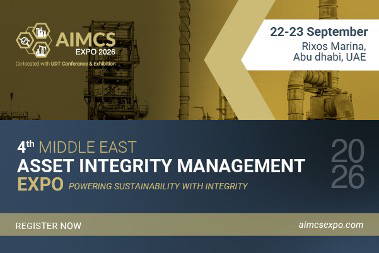
The Institute of Corrosion (ICorr) is pleased to announce its sponsorship of the 4th Middle East Asset Integrity Management Conference & Showcase (AIMCS EXPO 2026), taking place alongside the Upstream Digital Technology (UDT) Conference on 22–23 September 2026 at the Rixos Marina, Abu Dhabi.
As one of the Middle East’s leading conferences dedicated to asset integrity and industrial innovation, AIMCS EXPO 2026 will bring together engineers, asset owners, operators, EPC contractors, inspection specialists, technology providers and industry leaders to explore the latest developments in asset integrity, reliability, inspection, corrosion management and digital transformation across the oil & gas, petrochemical, energy, utilities and industrial sectors.
The two-day programme will feature keynote presentations from senior industry leaders, alongside technical presentations, panel discussions and a comprehensive technology showcase. Delegates will have the opportunity to exchange knowledge, discover emerging technologies and network with professionals from across the global asset integrity community.
The conference will feature two dedicated technical streams:
As an event sponsor, the Institute of Corrosion is proud to support initiatives that promote technical excellence, knowledge sharing and professional collaboration across the global corrosion and asset integrity community. Events such as AIMCS EXPO play an important role in advancing best practice, encouraging innovation and addressing the evolving challenges facing critical infrastructure and energy assets.
Whether you are involved in engineering, inspection, maintenance, operations, asset integrity, digital transformation or executive leadership, AIMCS EXPO 2026 offers an excellent opportunity to gain practical insights from industry experts, explore the latest technologies and connect with peers from across the region and beyond.
Dates: 22–23 September 2026
Venue: Rixos Marina, Abu Dhabi
For further information and to register, visit www.aimcsexpo.com or register directly at aimcsexpo.com/registrations.
ICorr looks forward to supporting AIMCS EXPO 2026 and welcomes members attending what promises to be an informative and engaging event dedicated to the future of asset integrity management and digital technologies.