



The cart is empty!
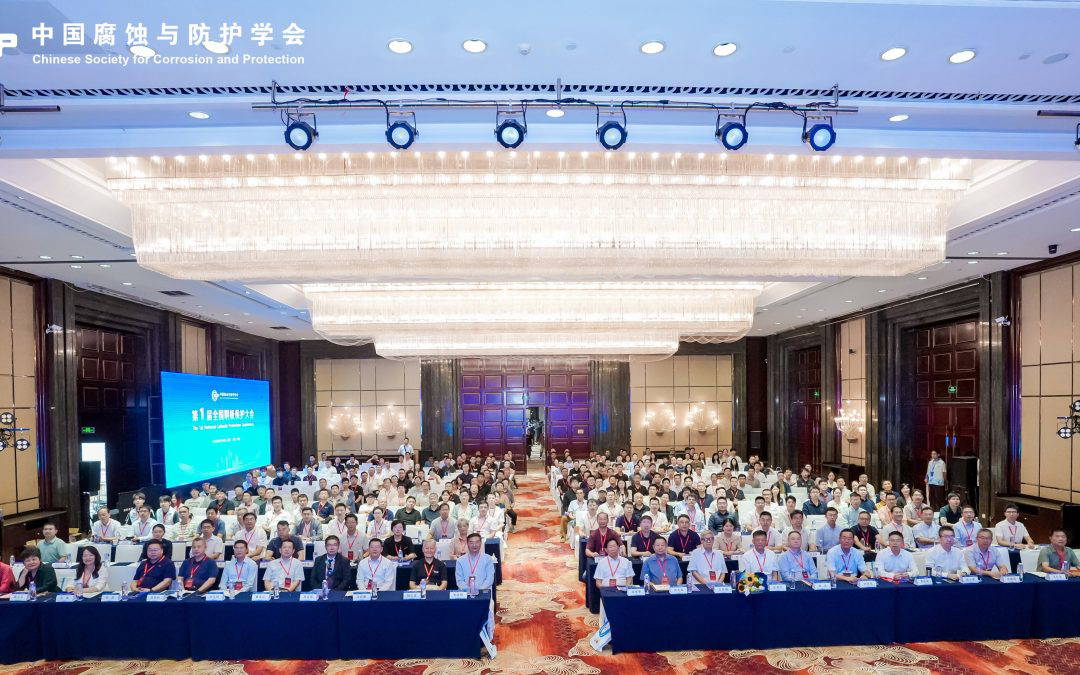
ICorr President Attends the 1st China Cathodic Protection Conference in Qingdao
19–20 September 2026 | Qingdao, China
The President of the Institute of Corrosion (ICorr), Dr Yunnan Gao, attended the 1st China Cathodic Protection Conference, held in Qingdao, China, from 19–20 September 2026, at the invitation of Professor Xiaogang Li, President of the Chinese Society for Corrosion and Protection (CSCP).
Organised by the Cathodic Protection Technical Committee of the CSCP, the conference was the first national conference in China dedicated specifically to cathodic protection. The event attracted around 500 delegates from China and overseas, bringing together experts, researchers, engineers, manufacturers, operators and other professionals from across the cathodic protection community.
The two-day programme combined a half-day plenary session, a full day of parallel technical sessions covering a broad range of cathodic protection topics, an exhibition showcasing relevant technologies and products, and a half-day programme of industrial visits to leading organisations in the field.
For ICorr, the conference provided an important opportunity to contribute to the opening ceremony, exchange technical knowledge with the Chinese and international corrosion community, engage directly with industry, and advance the high-level professional dialogue between ICorr and CSCP.
A Major National Forum for Cathodic Protection
The two-day programme combined a plenary conference, parallel technical sessions, a technology and product exhibition, and industrial visits.
The opening programme on 19 September included the conference opening ceremony, the release of the Cathodic Protection Industry Development Report, recognition of leading professionals in the field, and plenary technical presentations. This was followed by parallel sessions addressing specialist areas of cathodic protection, including pipeline cathodic protection, cathodic protection in marine environments, nuclear power and bridge applications, and underground pipeline networks.
The conference also featured an extensive exhibition showcasing cathodic protection materials and equipment, monitoring technologies, testing and inspection instruments, digital management platforms and associated engineering solutions.
The final afternoon was dedicated to technical and industrial visits, giving delegates with an opportunity to observe cathodic protection and corrosion-control technologies in practical applications.
ICorr Representation at the Conference
Dr Yunnan Gao represented ICorr throughout the conference programme. He attended the opening ceremony and delivered an invited address, representing ICorr and highlighting the importance of international professional cooperation in advancing corrosion science and engineering.
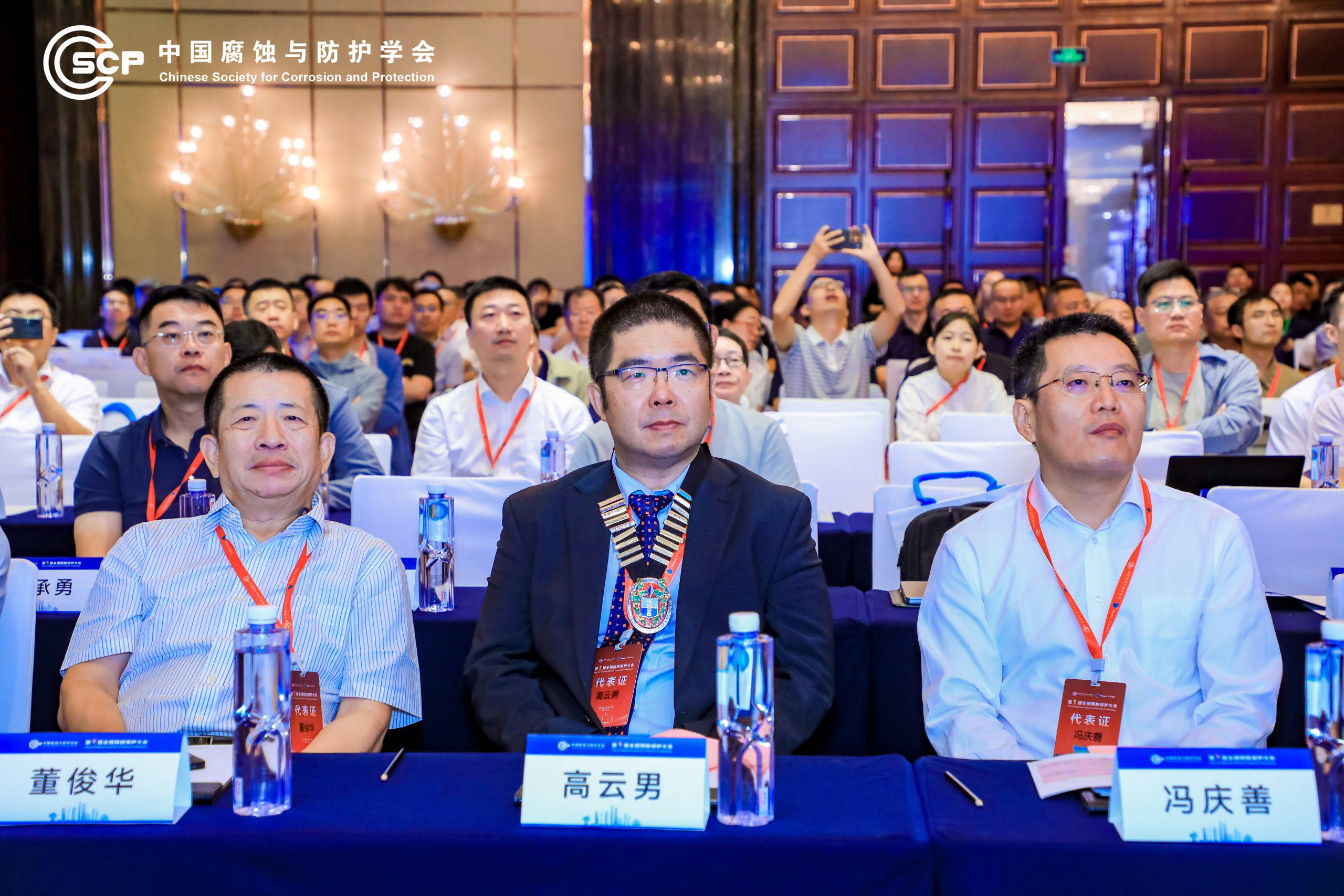
Photo 2 – Dr Yunnan Gao, President of ICorr, seated at the centre, attends the opening ceremony of the 1st China Cathodic Protection Conference.
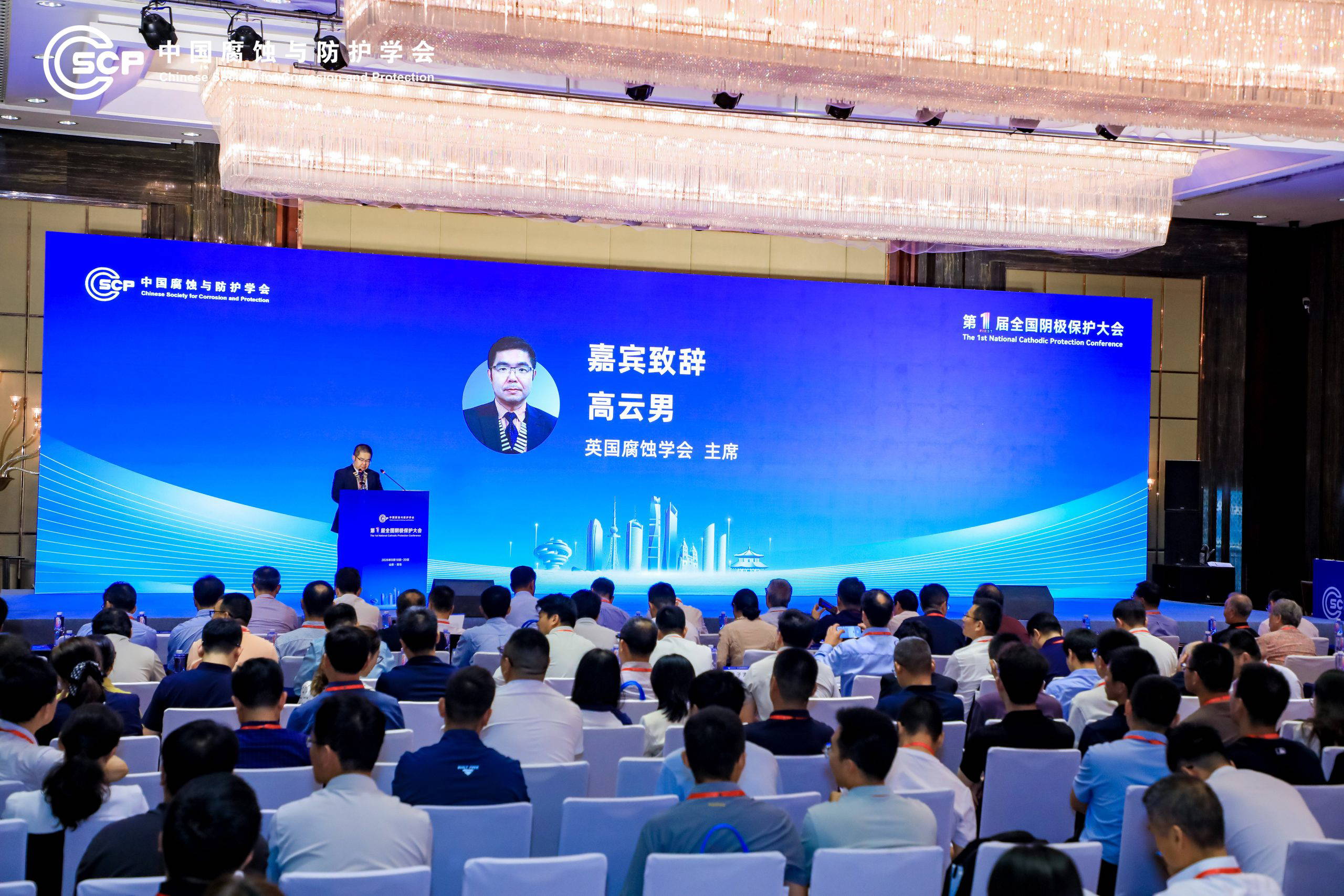
Photo 3 – Dr Yunnan Gao addresses delegates during the opening ceremony, on behalf of ICorr.
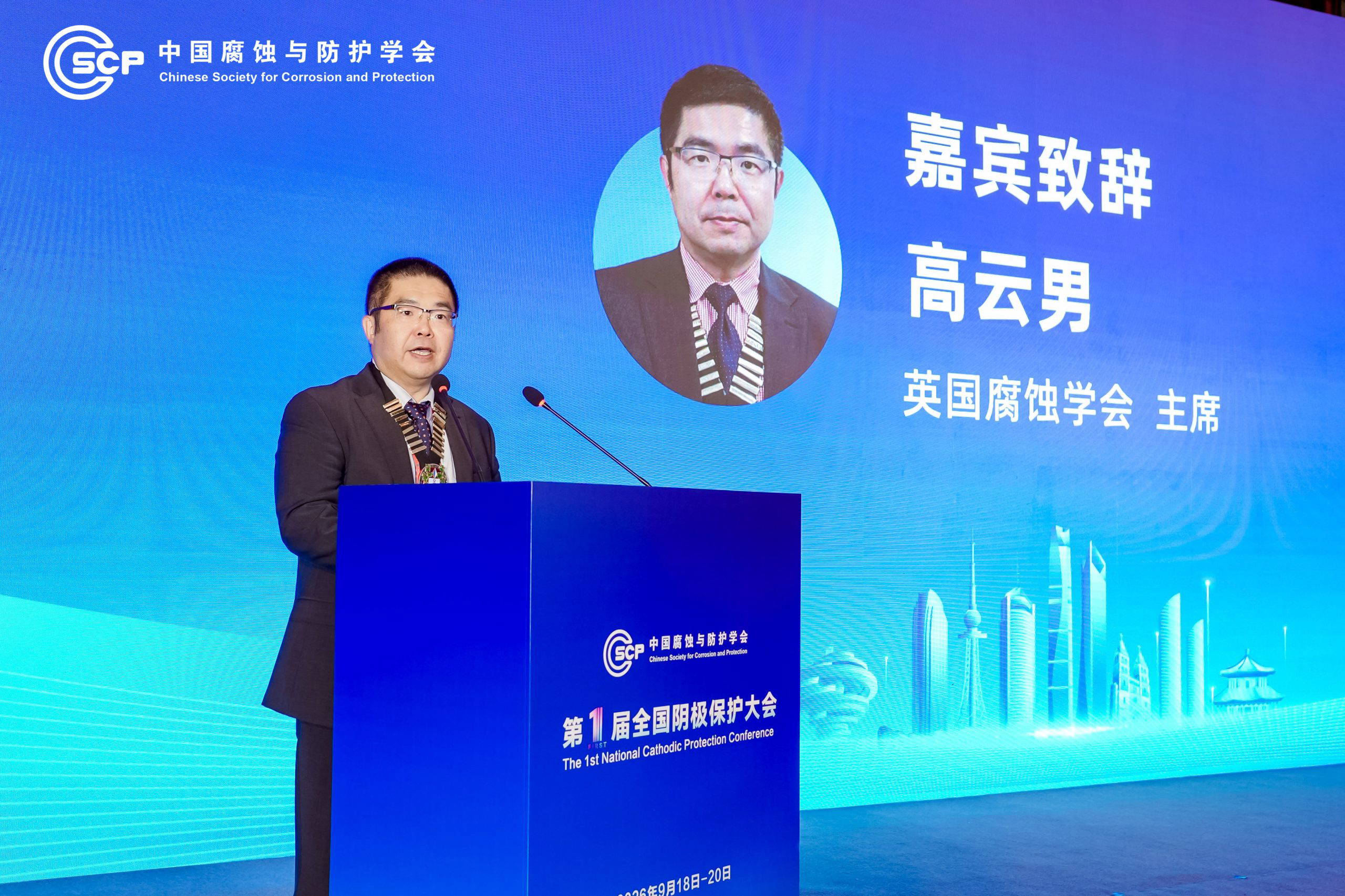
Photo 4 – ICorr President Dr Yunnan Gao delivers his opening address to the conference.
During the conference, Dr Gao attended the plenary presentations and technical sessions, exchanging knowledge with specialists from across the breadth of cathodic protection field.
The technical programme reflected the increasingly multidisciplinary nature of modern cathodic protection. Topics included system design and optimisation, lifecycle management, effective testing and evaluation, new anode and reference-electrode materials, remote monitoring and intelligent management, stray-current interference, and practical experience in engineering design, construction and operation.
Engagement with Industry and Technology Exhibitors
The conference exhibition provided an important opportunity for ICorr to engage directly with companies developing and applying cathodic protection technologies in China.
Dr Gao visited exhibition stands, discussed technologies and applications with exhibitors, and exchanged views with professionals involved in cathodic protection equipment, materials, monitoring, testing and engineering services.
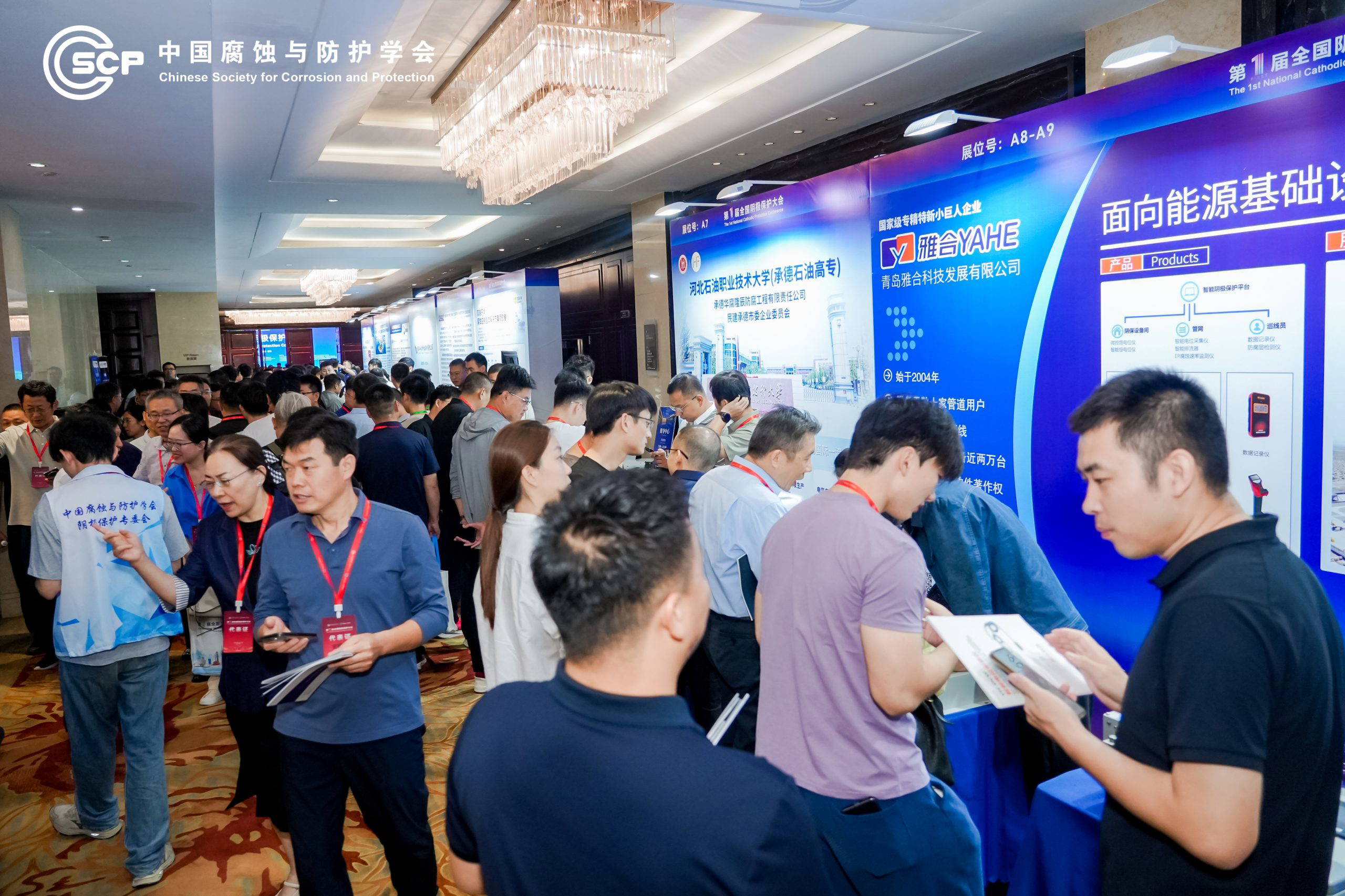
Photo 5 Delegates and industry professionals engage with exhibitors during the cathodic protection technology and product exhibition.
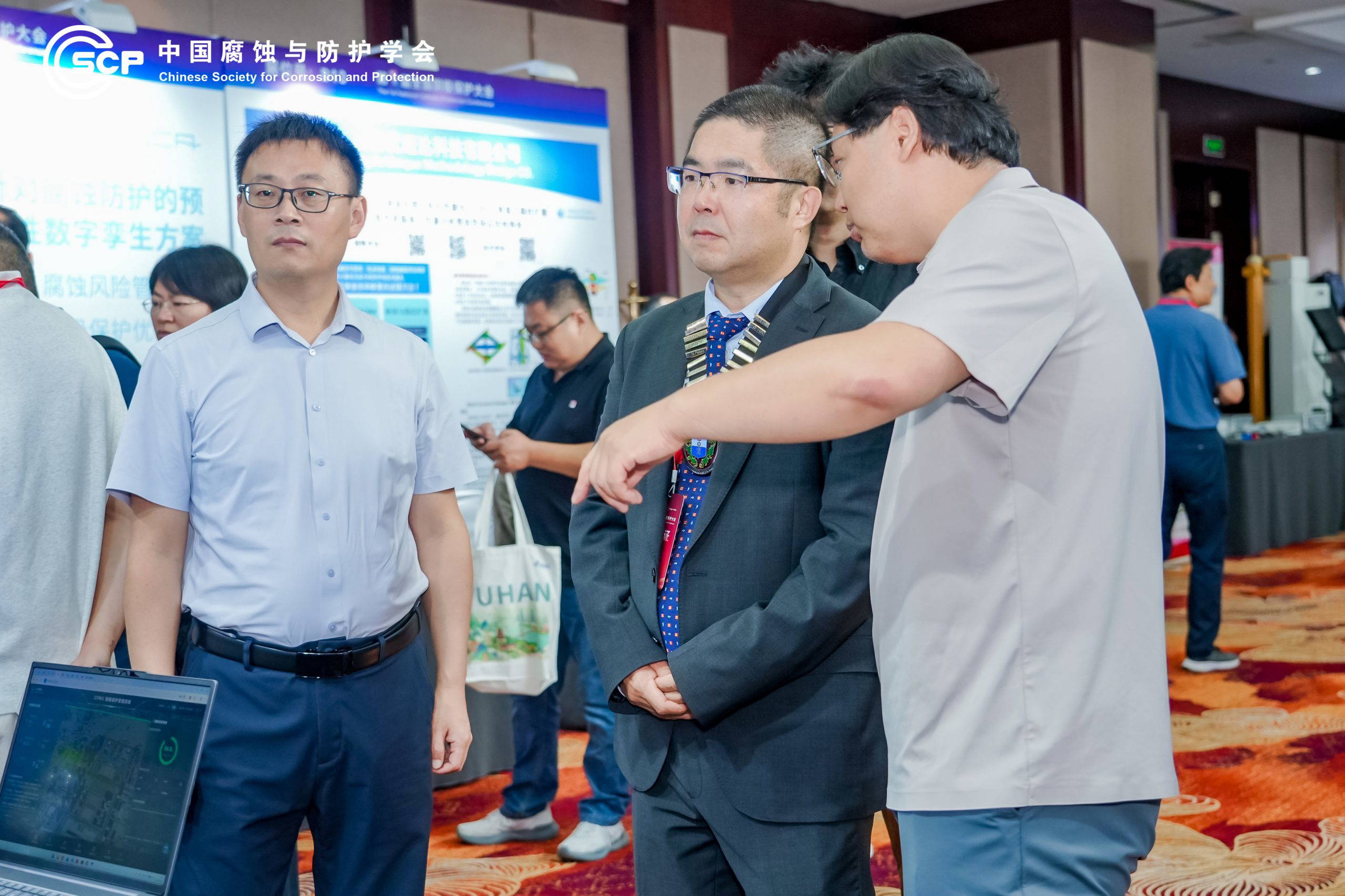
Photo 6 Dr Yunnan Gao exchanges technical views with an exhibitor during the conference exhibition.
The direct engagement provided useful insight into the developments in China’s cathodic protection sector and created further opportunities for professional and technical exchange between ICorr and the wider Chinese corrosion community.
Industrial Visits: Connecting Technology with Application
The conference programme concluded with visits to leading organisations involved in corrosion and cathodic protection technologies.
The visits provided delegates with an opportunity to see large-scale corrosion testing and engineering capabilities in practical environments, complementing the technical discussions held during the conference.
Among the facilities visited were large-scale testing capabilities using natural seawater and atmospheric corrosion testing under natural marine environmental conditions.
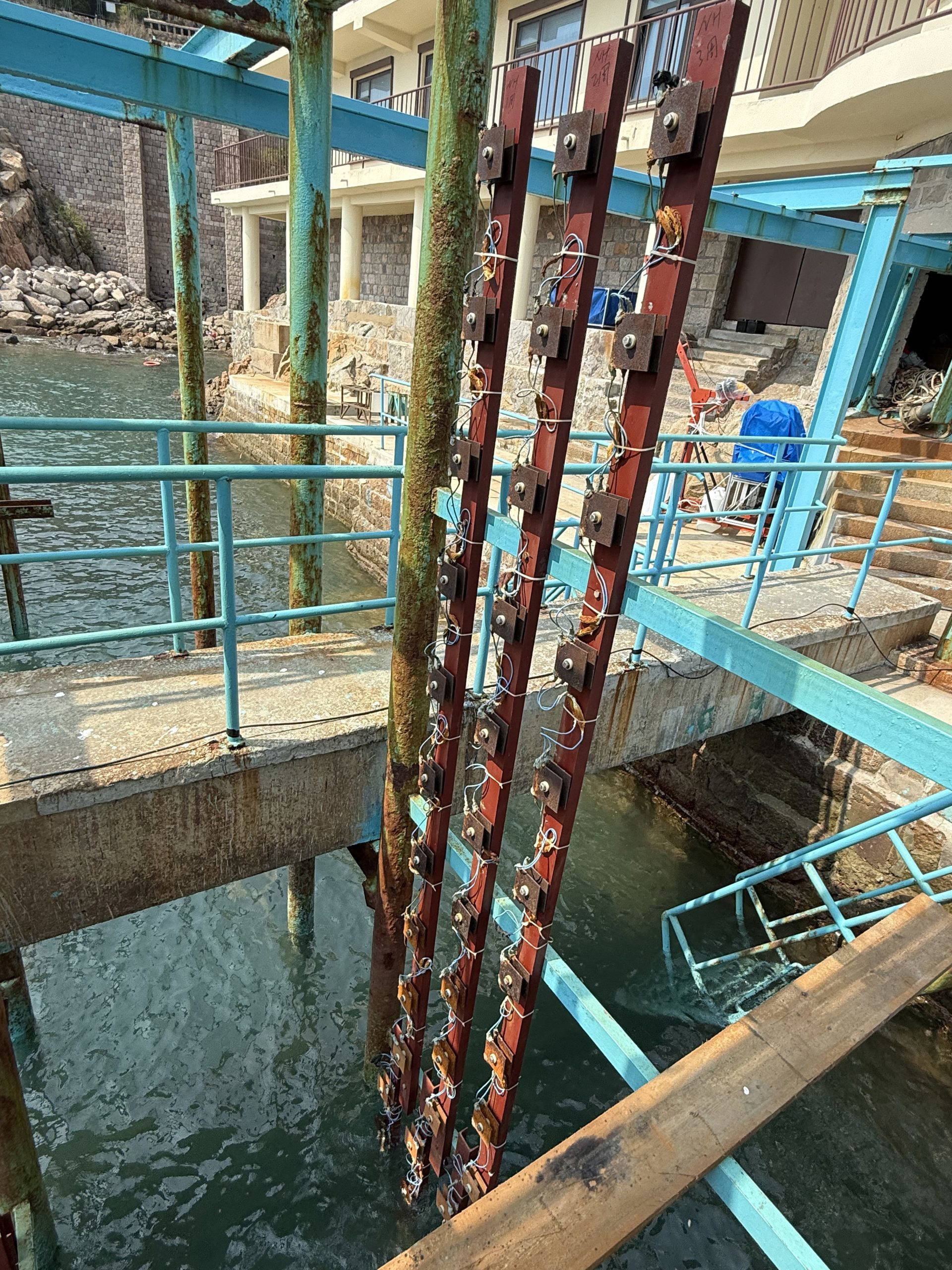
Photo 7 – Delegates examine full-scale corrosion testing facilities using natural seawater during the industrial visit.
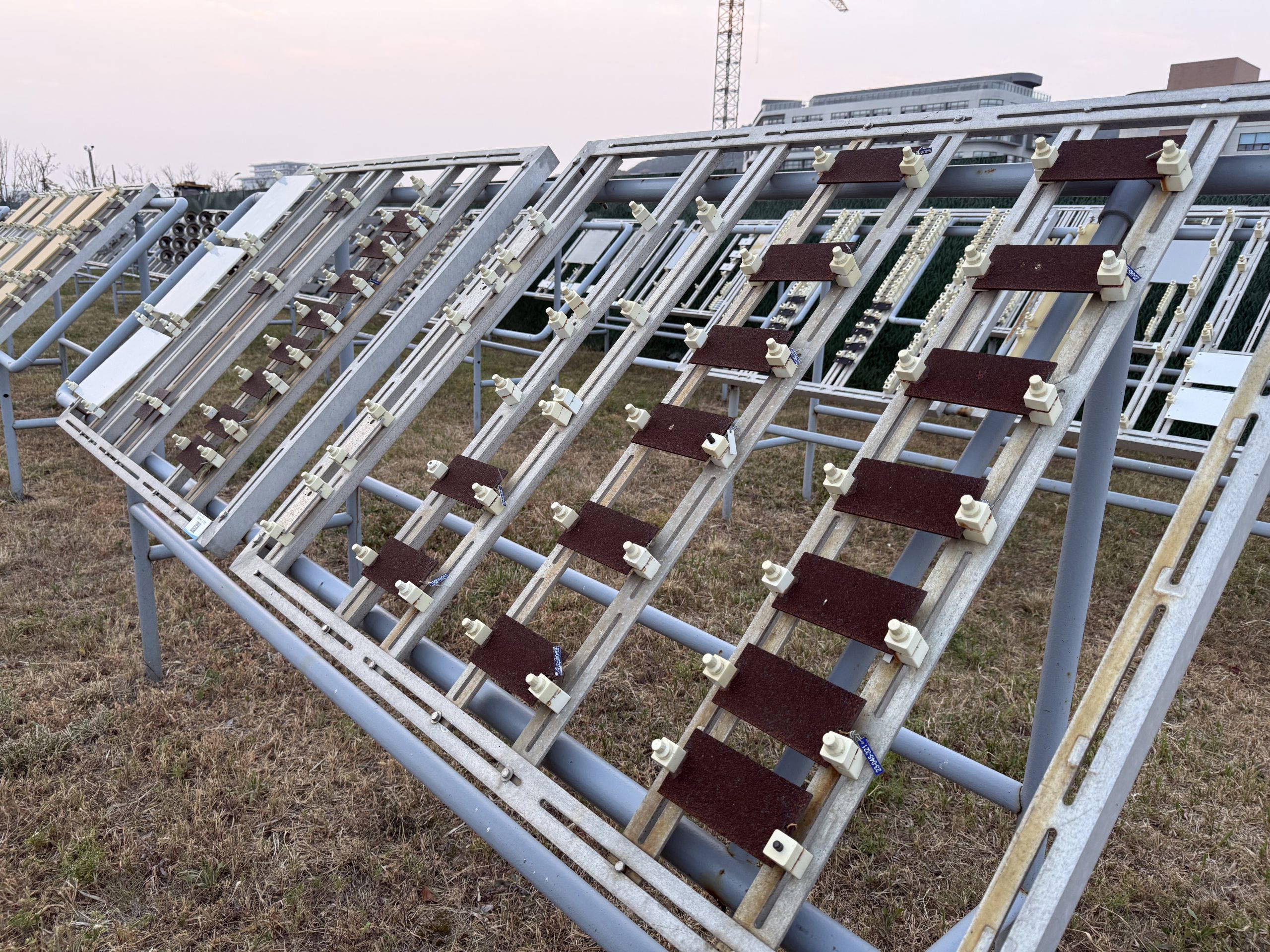
Photo 8 – Delegates visit full-scale atmospheric corrosion testing facilities in a natural marine environment.
These visits were particularly valuable in demonstrating the connection between laboratory research, environmental exposure testing, technology development and practical engineering application.
Continuing ICorr–CSCP Collaboration
The conference also provided an important opportunity to continue the dialogue between ICorr and CSCP.
Dr Gao held further high-level discussions with Professor Xiaogang Li, President of CSCP, continuing the close professional dialogue and collaboration between the two organisations.
These discussions supported the continuing relationship between ICorr and CSCP, with both organisations sharing a strong commitment to professional development, technical knowledge exchange and international cooperation in corrosion science and engineering.
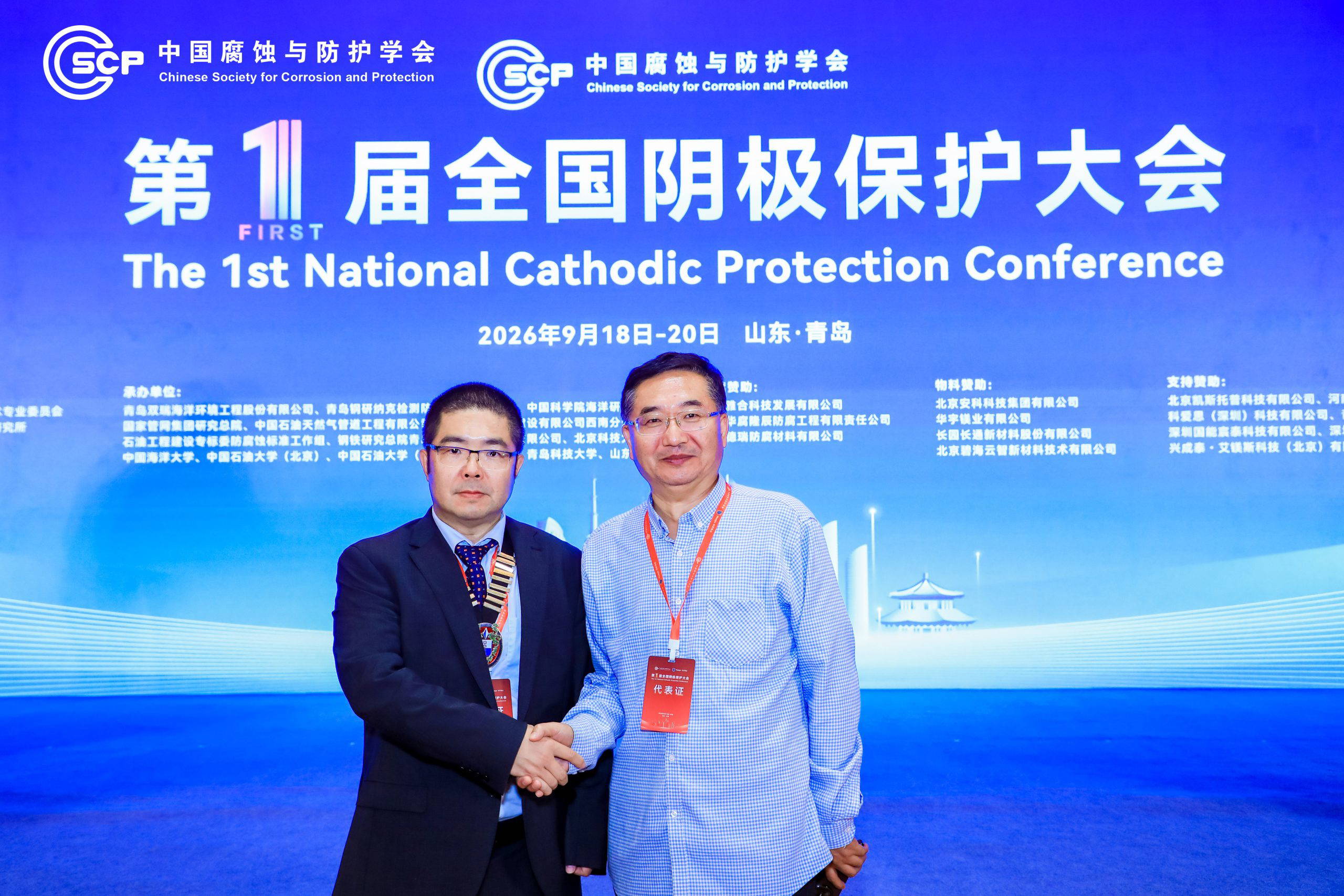
Photo 9 Dr Yunnan Gao, President of ICorr, and Professor Xiaogang Li, President of CSCP, continue discussions on professional and technical collaboration.
The relationship between ICorr and CSCP has developed significantly in recent years, with cooperation encompassing professional exchanges, conferences, technical activities and wider engagement between the corrosion communities in the UK and China.
Supporting International Exchange in Cathodic Protection
The successful inaugural China Cathodic Protection Conference represents an important development for China’s cathodic protection community in China. Its combination of scientific and engineering presentations, an industry exhibition and practical industrial visits provided a comprehensive platform for knowledge exchange across the sector.
For ICorr, participation in the conference provided an opportunity not only to contribute to the opening programme, but also to learn about recent technical developments, engage with practitioners and technology providers, and strengthen professional relationships across the China’s corrosion and cathodic protection community.
ICorr looks forward to continuing its engagement with CSCP and with colleagues throughout China, supporting the international exchange of knowledge and experience in corrosion prevention, cathodic protection and asset integrity internationally.
The Institute congratulates CSCP and all the organising and supporting organisations on the successful delivery of this inaugural national cathodic protection conference.