Chukwuma (Chuks) Onuoha, PhD, P.Eng. FICorr.
Dr Chukwuma (Chuks) Onuoha, P.Eng., PhD is a Principal Corrosion Engineering Lead at Canchuks Corrosion Inc Canada specialising in pipeline integrity, corrosion engineering, and advanced inspection technologies. He holds an MSc in Corrosion Control Engineering from the University of Manchester (UK) and a PhD in Materials Engineering (corrosion specialisation) from Dalhousie University (Canada). He has led major integrity programmes including ECDA, ICDA, and SCCDA across complex pipeline systems worldwide. Dr Onuoha has authored over 50 technical papers and actively collaborates with industry research organisations to advance emerging integrity technologies. He is an AMPP Certified Corrosion Specialist and a Fellow of the Institute of Corrosion (ICorr). With more than a decade of hands-on involvement in Contactless Magnetic Inspection Technology (CMIT), he has supported its development, validation, and deployment across multiple continents. His work focuses on improving inspection confidence, reducing uncertainty in integrity decisions, and enhancing the reliability and safety of high-risk pipeline infrastructure.
Author Experience Statement – Contactless Magnetic Inspection Technology (CMIT)
This article is written based on the author’s direct personal and professional experience in the research, development, validation, and global deployment of Contactless Magnetic Inspection Technology (CMIT). Dr. Onuoha has been actively involved in CMIT technology development, pilot programs, and full-scale operational deployment for over a decade. During this time, he has supported and led CMIT applications across North America, Europe, Africa, and the Middle East, gaining extensive real-world insight into the technology’s capabilities, limitations, and optimal deployment strategies.
Through this work, Dr. Onuoha has personally validated the use of CMIT across multiple integrity applications, including:
- Detection and characterization of internal corrosion, external corrosion, and stress corrosion cracking
- Optimization of excavation programs by refining external corrosion assessment dig prioritization
- Support of pipeline integrity investigations and failure analysis programs
- Evaluation of cased pipeline crossings and complex buried pipeline geometries
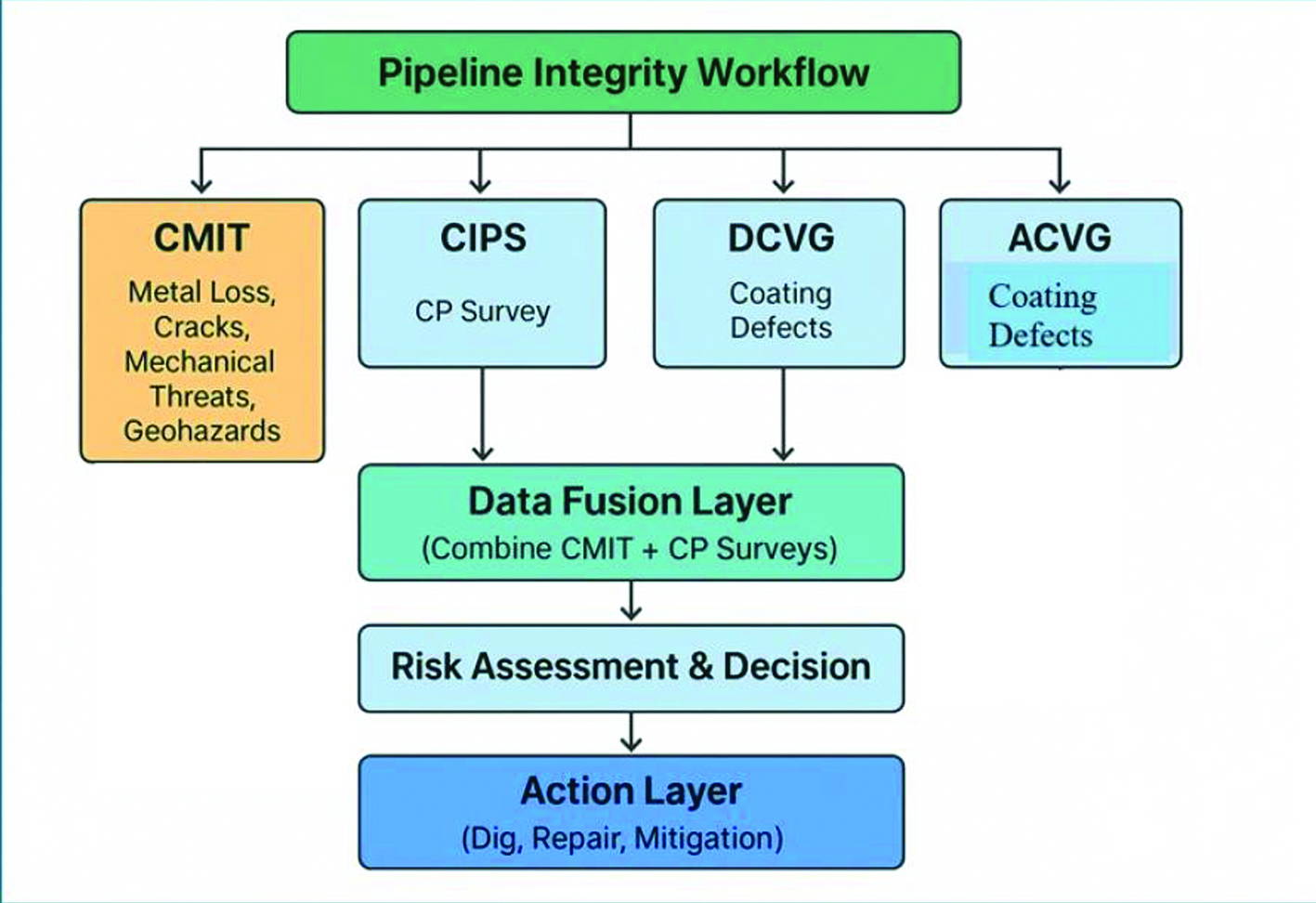
- Integrated integrity assessments combining cathodic protection performance, coating condition, and CMIT inspection data
- Detection of corrosion and strain-related anomalies in cathodically protected pipelines with high-shielding dielectric coatings
- Assessment of geohazard-related strain signatures affecting buried pipelines
The technical perspectives presented in this article are grounded in practical field deployments, engineering analysis, and direct technology application across diverse operating environments. As such, the framework and conclusions presented are based not only on theoretical understanding, but on demonstrated operational performance and real-world integrity outcomes.
Deployment of Contactless Magnetic Inspection Technology (CMIT) for the Integrity Assessment of Unpiggable Pipelines
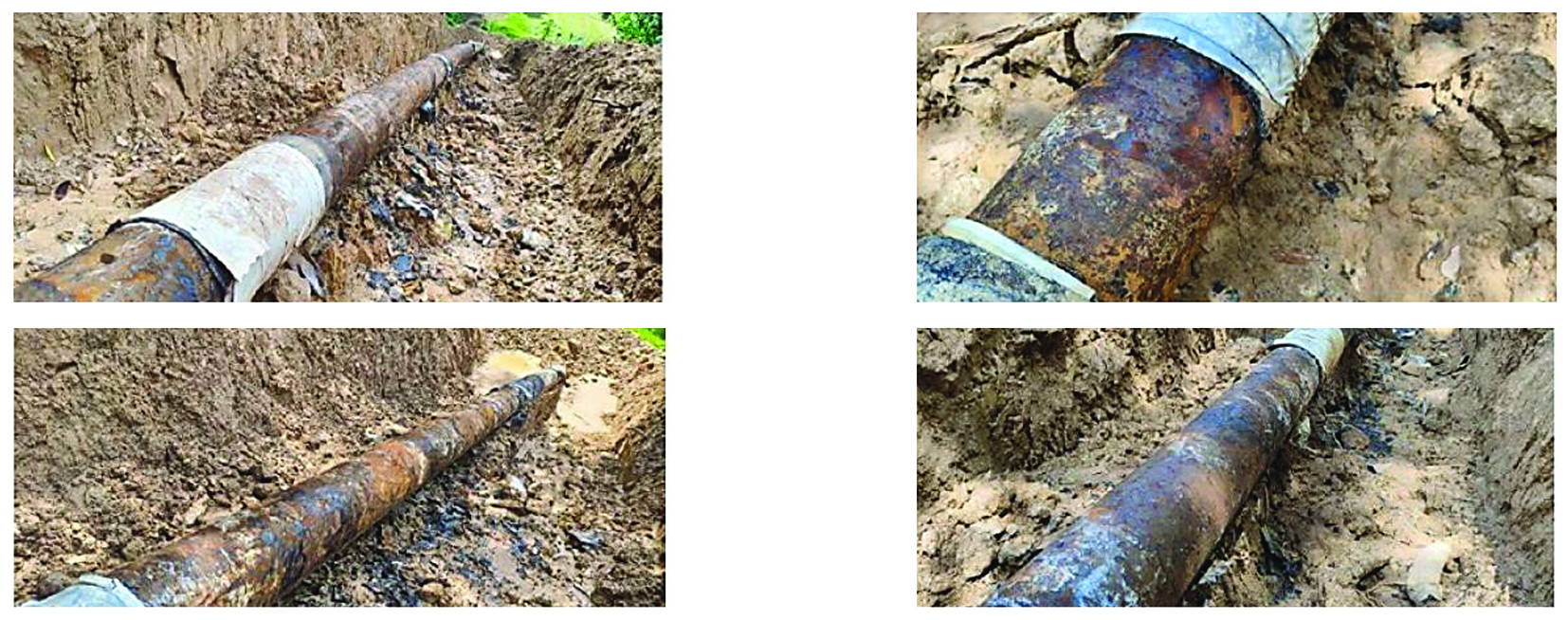
Buried pipelines that cannot be inspected using conventional in-line inspection (ILI) tools, commonly referred to as unpiggable pipelines, remain among the most challenging assets to manage within modern pipeline integrity programs. Design limitations, diameter restrictions, flow constraints, operational interruptions, legacy construction features, and economic considerations frequently prevent the deployment of ILI technologies.
Some of the reasons why some buried pipelines cannot be internally inspected (Pigged) include:
- Small Diameter Pipelines
- Non-Piggable Pipeline Geometry
- Absence of Pig Launchers and Receivers
- Diameter Changes (Reducers / Expanders)
- Flow Constraints
- Low Pressure or Intermittent Service
- Internal Restrictions or Obstructions
- Multiphase or Unstable Flow Regimes
- Operational Risk or Inability to Interrupt Service
- Legacy Construction Features
- Economic Constraints
- Product or Service Limitations
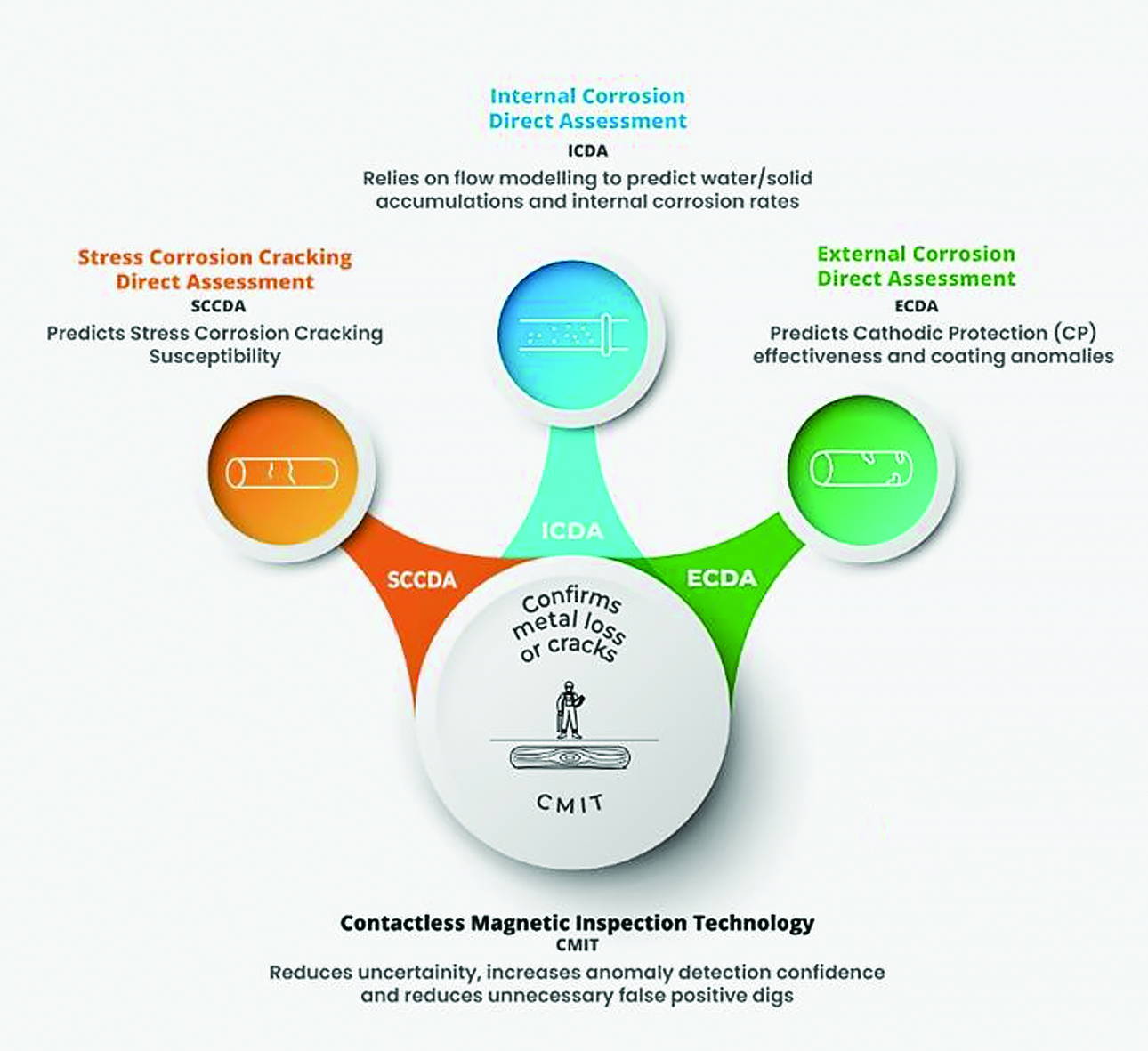
Consequently, operators are often required to make critical integrity decisions for ageing, high-consequence assets with limited direct condition data and increased reliance on indirect indicators. In response to these limitations, the industry has traditionally adopted direct assessment (DA) methodologies, specifically, external corrosion direct assessment (ECDA), internal corrosion direct assessment (ICDA), and stress corrosion cracking direct assessment (SCCDA), to manage unpiggable pipelines. While DA frameworks are well established and supported by industry standards, they are fundamentally inferential
in nature. They depend heavily on historical records, environmental parameters, system-level indicators, and engineering judgement to infer the presence, severity, and location of integrity threats. This reliance introduces inherent uncertainty, particularly in complex operating environments where multiple degradation mechanisms interact or where geotechnical conditions evolve over time. As regulatory expectations increasingly emphasise performance-based integrity management and defensible, data-driven decision-making, the limitations of direct assessment techniques (especially indirect inspection) have become more pronounced. There is a growing demand for aboveground inspection technologies capable of providing pipeline-specific, inspection-grade condition data without requiring excavation, coating removal, service interruption, or physical contact with the pipe.
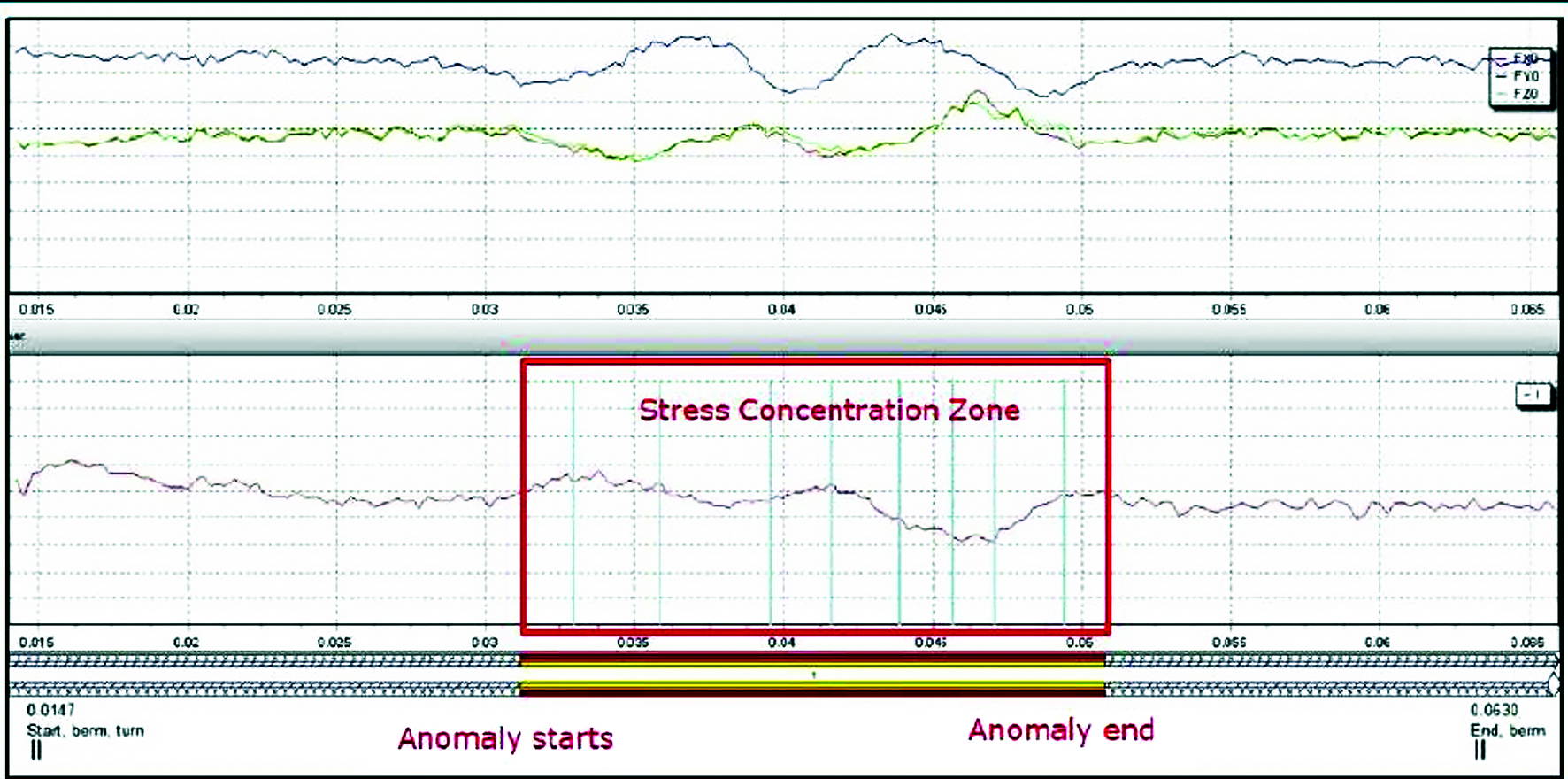
Contactless magnetic inspection technology (CMIT) represents a significant advancement in this regard. CMIT is a non-intrusive, indirect, above ground inspection technology that assesses the condition of buried ferromagnetic pipelines by measuring localised disturbances in the Earth’s naturally occurring magnetic field. These disturbances arise when changes occur in the pipeline’s structural or mechanical state, including localised wall-thickness loss, residual or applied stress, plastic deformation, or geometric irregularities. By deploying high-resolution magnetic sensors along the pipeline right-of-way, CMIT captures, quantifies, and interprets these anomalies to provide a direct indication of pipeline integrity without the need for physical access to the asset.
Unlike conventional above-ground survey tools that rely primarily on surrogate indicators, such as coating condition, cathodic protection performance, or soil resistivity, CMIT responds to the physical manifestation of degradation and deformation within the pipeline steel itself. This distinction allows CMIT to bridge the gap between indirect assessment and direct inspection, offering actionable integrity intelligence that is both pipeline-specific and engineering-relevant. The non-contact nature of the technology makes it particularly well suited for long-distance pipelines (for instance, over 5 km), environmentally sensitive regions, congested rights-of-way, and high-consequence areas where excavation is disruptive, costly, or impractical.CMIT operates through the continuous measurement of magnetic field deviations relative to the background geomagnetic field. These deviations may originate from a range of integrity threats, including:
- Corrosion-related metal loss, both internal and external,
- Crack-like defects and stress concentration zones associated with progressive stress,
- Corrosion cracking (SCC),
- Weld anomalies and fabrication-related discontinuities,
- Geometric deformations such as dents, wrinkles, buckles, or ovalities,
- Localised strain and deformations resulting from geotechnical activity, including landslides, subsidence, frost heave, or lateral soil
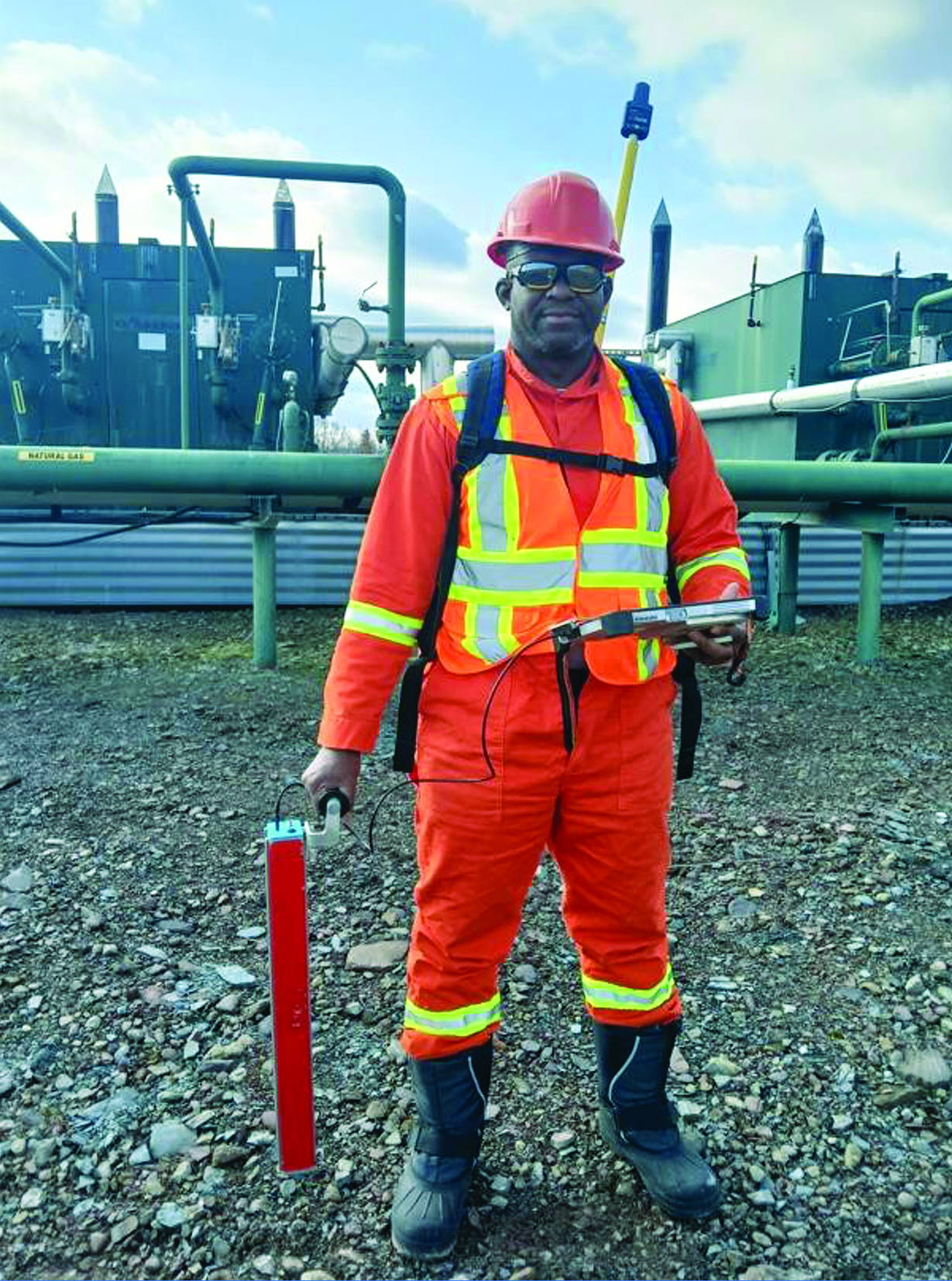
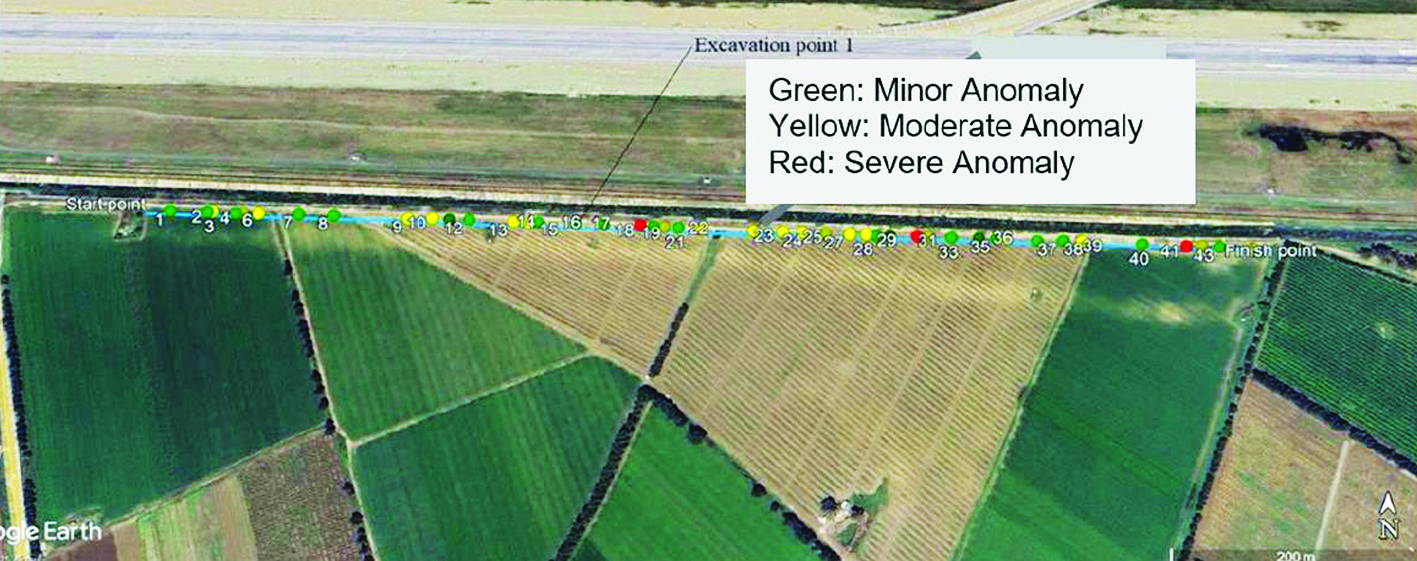
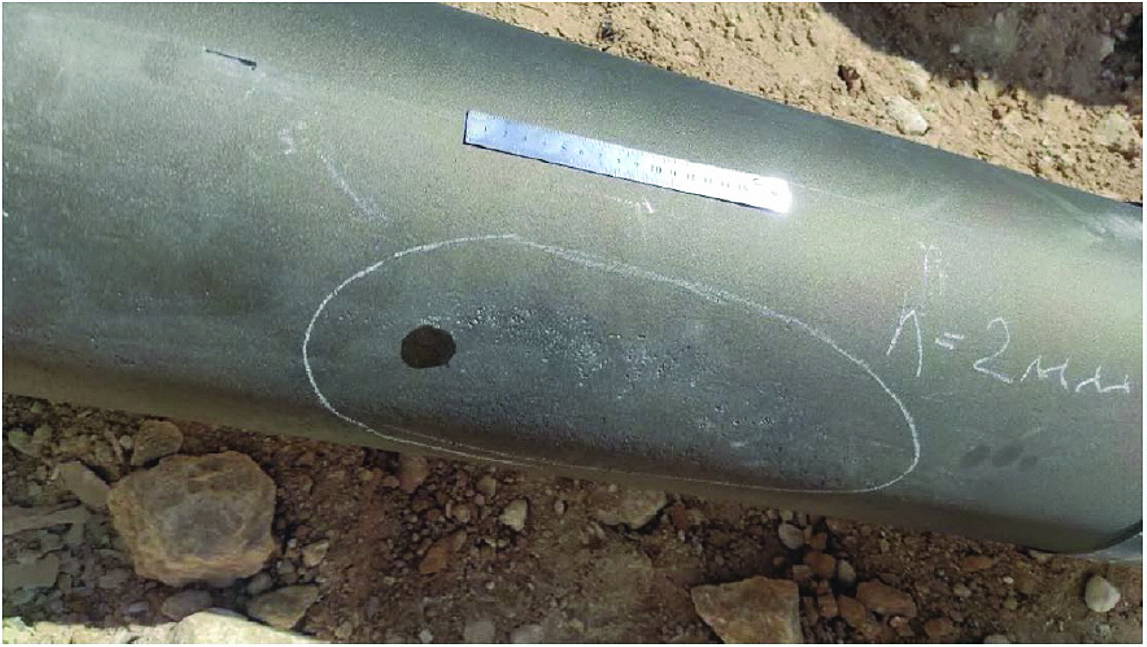
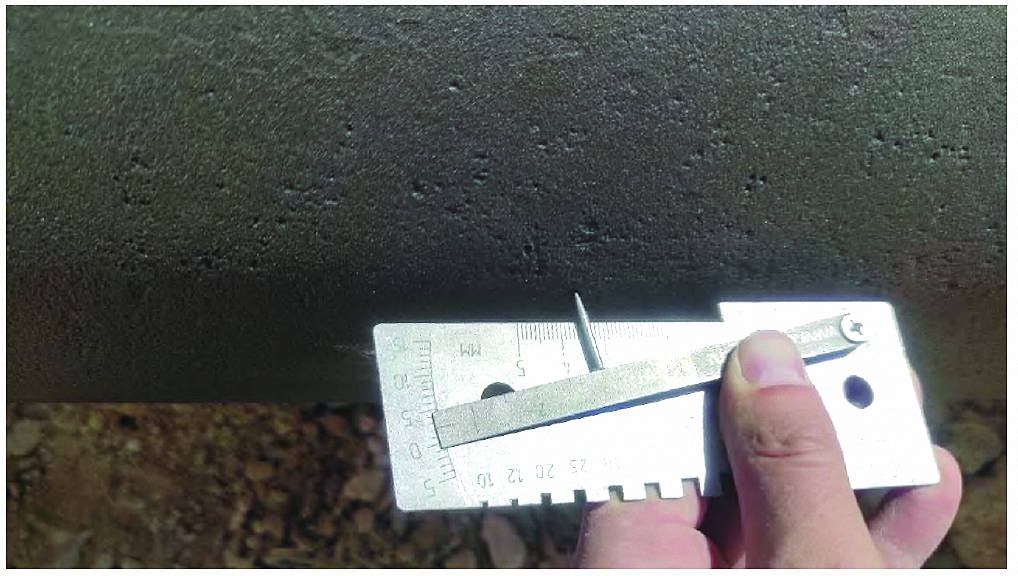
By translating these non-contact magnetic signatures into interpretable engineering indicators, CMIT enables operators to directly identify and prioritise integrity threats that would otherwise remain concealed beneath intact coatings or undisturbed soil. Figure 1 shows CMIT operation in action.