
Chukwuma (Chuks) Onuoha, PhD, P.Eng. FICorr.
Dr Chukwuma (Chuks) Onuoha, P.Eng., PhD is a Principal Corrosion Engineering Lead at Canchuks Corrosion Inc Canada specialising in pipeline integrity, corrosion engineering, and advanced inspection technologies. He holds an MSc in Corrosion Control Engineering from the University of Manchester (UK) and a PhD in Materials Engineering (corrosion specialisation) from Dalhousie University (Canada). He has led major integrity programmes including ECDA, ICDA, and SCCDA across complex pipeline systems worldwide. Dr Onuoha has authored over 50 technical papers and actively collaborates with industry research organisations to advance emerging integrity technologies. He is an AMPP Certified Corrosion Specialist and a Fellow of the Institute of Corrosion (ICorr). With more than a decade of hands-on involvement in Contactless Magnetic Inspection Technology (CMIT), he has supported its development, validation, and deployment across multiple continents. His work focuses on improving inspection confidence, reducing uncertainty in integrity decisions, and enhancing the reliability and safety of high-risk pipeline infrastructure.
Author Experience Statement – Contactless Magnetic Inspection Technology (CMIT)
This article is written based on the author’s direct personal and professional experience in the research, development, validation, and global deployment of Contactless Magnetic Inspection Technology (CMIT). Dr. Onuoha has been actively involved in CMIT technology development, pilot programs, and full-scale operational deployment for over a decade. During this time, he has supported and led CMIT applications across North America, Europe, Africa, and the Middle East, gaining extensive real-world insight into the technology’s capabilities, limitations, and optimal deployment strategies.
Through this work, Dr. Onuoha has personally validated the use of CMIT across multiple integrity applications, including:
- Detection and characterization of internal corrosion, external corrosion, and stress corrosion cracking
- Optimization of excavation programs by refining external corrosion assessment dig prioritization
- Support of pipeline integrity investigations and failure analysis programs
- Evaluation of cased pipeline crossings and complex buried pipeline geometries
- Integrated integrity assessments combining cathodic protection performance, coating condition, and CMIT inspection data
- Detection of corrosion and strain-related anomalies in cathodically protected pipelines with high-shielding dielectric coatings
- Assessment of geohazard-related strain signatures affecting buried pipelines
The technical perspectives presented in this article are grounded in practical field deployments, engineering analysis, and direct technology application across diverse operating environments. As such, the framework and conclusions presented are based not only on theoretical understanding, but on demonstrated operational performance and real-world integrity outcomes.
Deployment of Contactless Magnetic Inspection Technology (CMIT) for the Integrity Assessment of Unpiggable Pipelines
Buried pipelines that cannot be inspected using conventional in-line inspection (ILI) tools, commonly referred to as unpiggable pipelines, remain among the most challenging assets to manage within modern pipeline integrity programs. Design limitations, diameter restrictions, flow constraints, operational interruptions, legacy construction features, and economic considerations frequently prevent the deployment of ILI technologies.
Some of the reasons why some buried pipelines cannot be internally inspected (Pigged) include:
- Small Diameter Pipelines
- Non-Piggable Pipeline Geometry
- Absence of Pig Launchers and Receivers
- Diameter Changes (Reducers / Expanders)
- Flow Constraints
- Low Pressure or Intermittent Service
- Internal Restrictions or Obstructions
- Multiphase or Unstable Flow Regimes
- Operational Risk or Inability to Interrupt Service
- Legacy Construction Features
- Economic Constraints
- Product or Service Limitations
Consequently, operators are often required to make critical integrity decisions for ageing, high-consequence assets with limited direct condition data and increased reliance on indirect indicators. In response to these limitations, the industry has traditionally adopted direct assessment (DA) methodologies, specifically, external corrosion direct assessment (ECDA), internal corrosion direct assessment (ICDA), and stress corrosion cracking direct assessment (SCCDA), to manage unpiggable pipelines. While DA frameworks are well established and supported by industry standards, they are fundamentally inferential
in nature. They depend heavily on historical records, environmental parameters, system-level indicators, and engineering judgement to infer the presence, severity, and location of integrity threats. This reliance introduces inherent uncertainty, particularly in complex operating environments where multiple degradation mechanisms interact or where geotechnical conditions evolve over time. As regulatory expectations increasingly emphasise performance-based integrity management and defensible, data-driven decision-making, the limitations of direct assessment techniques (especially indirect inspection) have become more pronounced. There is a growing demand for aboveground inspection technologies capable of providing pipeline-specific, inspection-grade condition data without requiring excavation, coating removal, service interruption, or physical contact with the pipe.
Contactless magnetic inspection technology (CMIT) represents a significant advancement in this regard. CMIT is a non-intrusive, indirect, above ground inspection technology that assesses the condition of buried ferromagnetic pipelines by measuring localised disturbances in the Earth’s naturally occurring magnetic field. These disturbances arise when changes occur in the pipeline’s structural or mechanical state, including localised wall-thickness loss, residual or applied stress, plastic deformation, or geometric irregularities. By deploying high-resolution magnetic sensors along the pipeline right-of-way, CMIT captures, quantifies, and interprets these anomalies to provide a direct indication of pipeline integrity without the need for physical access to the asset.
Unlike conventional above-ground survey tools that rely primarily on surrogate indicators, such as coating condition, cathodic protection performance, or soil resistivity, CMIT responds to the physical manifestation of degradation and deformation within the pipeline steel itself. This distinction allows CMIT to bridge the gap between indirect assessment and direct inspection, offering actionable integrity intelligence that is both pipeline-specific and engineering-relevant. The non-contact nature of the technology makes it particularly well suited for long-distance pipelines (for instance, over 5 km), environmentally sensitive regions, congested rights-of-way, and high-consequence areas where excavation is disruptive, costly, or impractical.CMIT operates through the continuous measurement of magnetic field deviations relative to the background geomagnetic field. These deviations may originate from a range of integrity threats, including:
- Corrosion-related metal loss, both internal and external,
- Crack-like defects and stress concentration zones associated with progressive stress,
- Corrosion cracking (SCC),
- Weld anomalies and fabrication-related discontinuities,
- Geometric deformations such as dents, wrinkles, buckles, or ovalities,
- Localised strain and deformations resulting from geotechnical activity, including landslides, subsidence, frost heave, or lateral soil
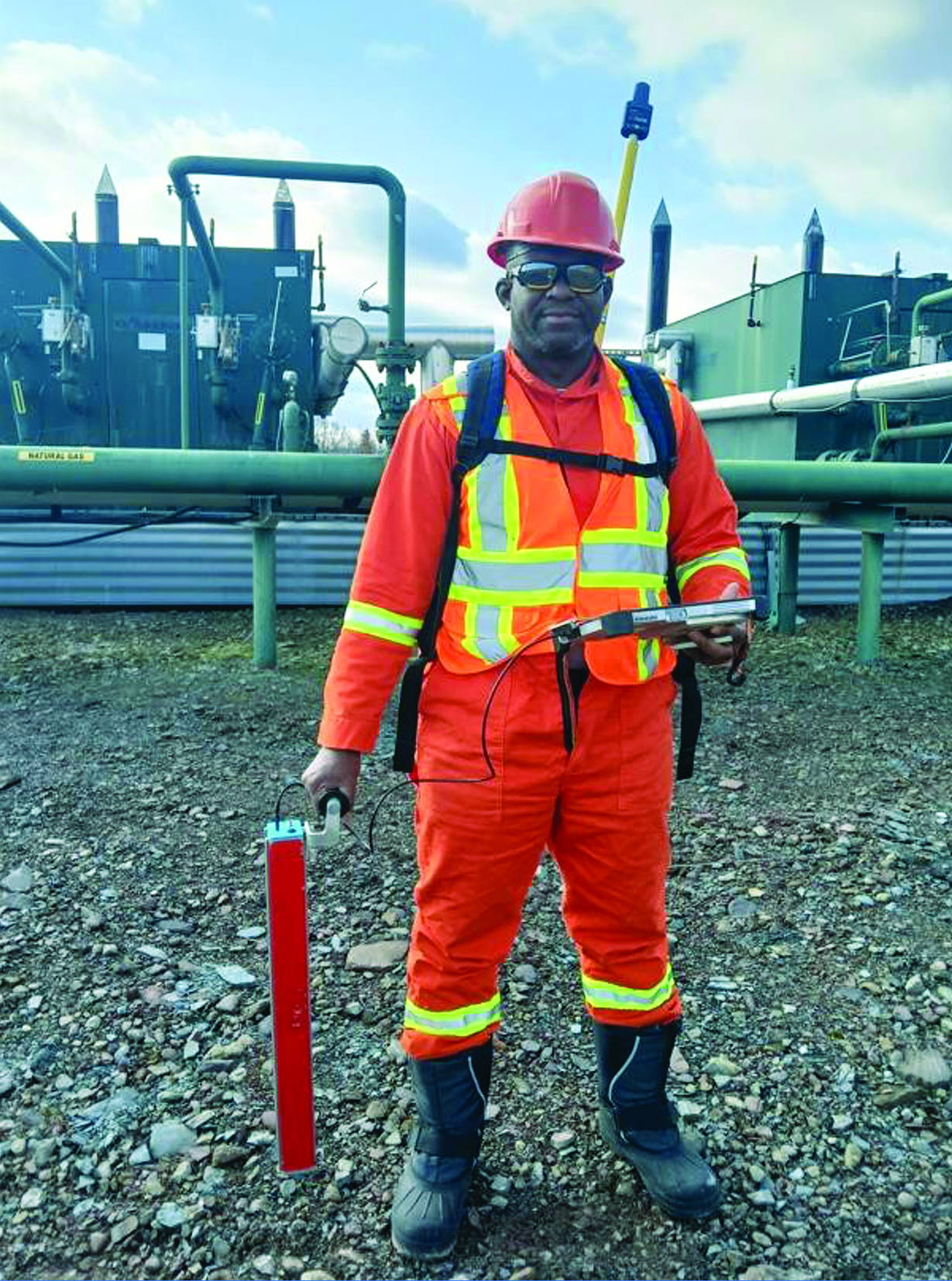
By translating these non-contact magnetic signatures into interpretable engineering indicators, CMIT enables operators to directly identify and prioritise integrity threats that would otherwise remain concealed beneath intact coatings or undisturbed soil. Figure 1 shows CMIT operation in action.
Strengths of CMIT in Defect Detection
Corrosion Metal Loss Detection
One of the primary strengths of CMIT is its ability to detect corrosion and metal loss. Because magnetic field disturbances are directly influenced by changes in wall thickness, CMIT can identify sites of localised thinning caused by both internal and external corrosion mechanisms. This capability is particularly valuable in scenarios involving disbonded or shielding coatings, where conventional external corrosion assessment techniques (direct current voltage gradient (DCVG), alternating current voltage gradient (ACVG), and cathodic protection close interval survey (CIPS)) cannot provide reliable indications of the pipe-wall condition.
Crack and Stress Corrosion Cracking (SCC) Detection
CMIT also demonstrates sensitivity to stress concentration zones associated with crack initiation and propagation, including SCC. Magnetic distortions arising from localised strain accumulation provide insight into regions that may be susceptible to SCC, offering the potential for earlier identification of high-risk areas compared to traditional surface surveys alone.
Mechanical Threat Identification
In addition to corrosion and cracking, CMIT can identify mechanical integrity threats such as dents, buckles, wrinkles, and ovalities. These features generate characteristic magnetic signatures that can be detected and spatially resolved, allowing operators to assess mechanical damage that may compromise structural integrity or accelerate fatigue and crack growth.
Geohazard Interaction Monitoring
A particularly compelling application of CMIT is in the detection and monitoring of pipeline interactions with geohazards. Geotechnical threats, including landslides, erosion, flooding, frost heaves, thermal expansion, subsidence, and seismic activity, can impose bending, axial strain, and localised deformation on buried pipelines. These mechanical responses induce measurable magnetic field anomalies that CMIT can detect along the pipeline right-of-way, providing an early indication of geohazard-related stress before visible surface damage or failure occurs.
For unpiggable pipelines, the challenge of managing geohazard risk is especially acute. Existing approaches rely largely on localised geotechnical investigations, aerial or satellite monitoring, and selective excavations, each of which may fail to capture subtle subsurface pipeline strain or provide continuous pipeline-specific insight. CMIT addresses this gap by enabling the identification of deformation and strain signatures that are characteristic of pipeline-geohazard interactions, thereby supporting proactive mitigation and risk-informed integrity decision-making.
Figures 2 – 3 show the spatial presentation of prioritised anomalies and identification of a stress concentration zone on a pipeline subjected to a stress-deformed state.
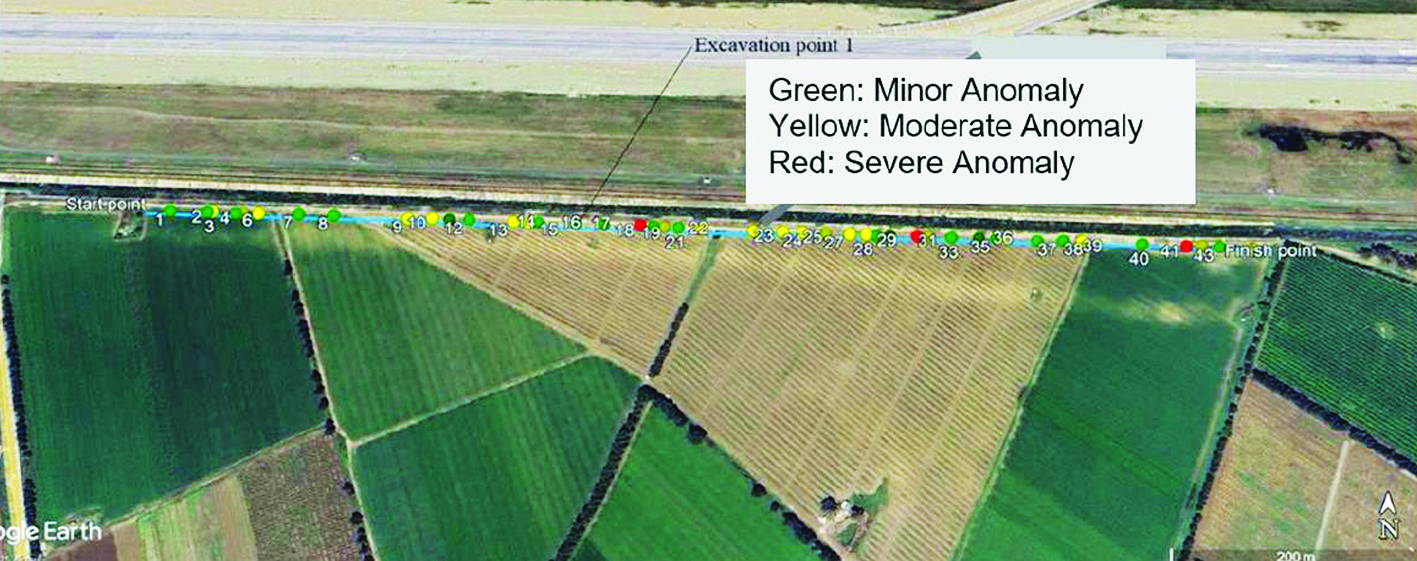
Figure 2: Spatial Presentation of Prioritised Anomalies [1].

Figure 3: Identification of Stress Concentration Zone on a Pipeline Subjected to a Stress-Deformed State [2].
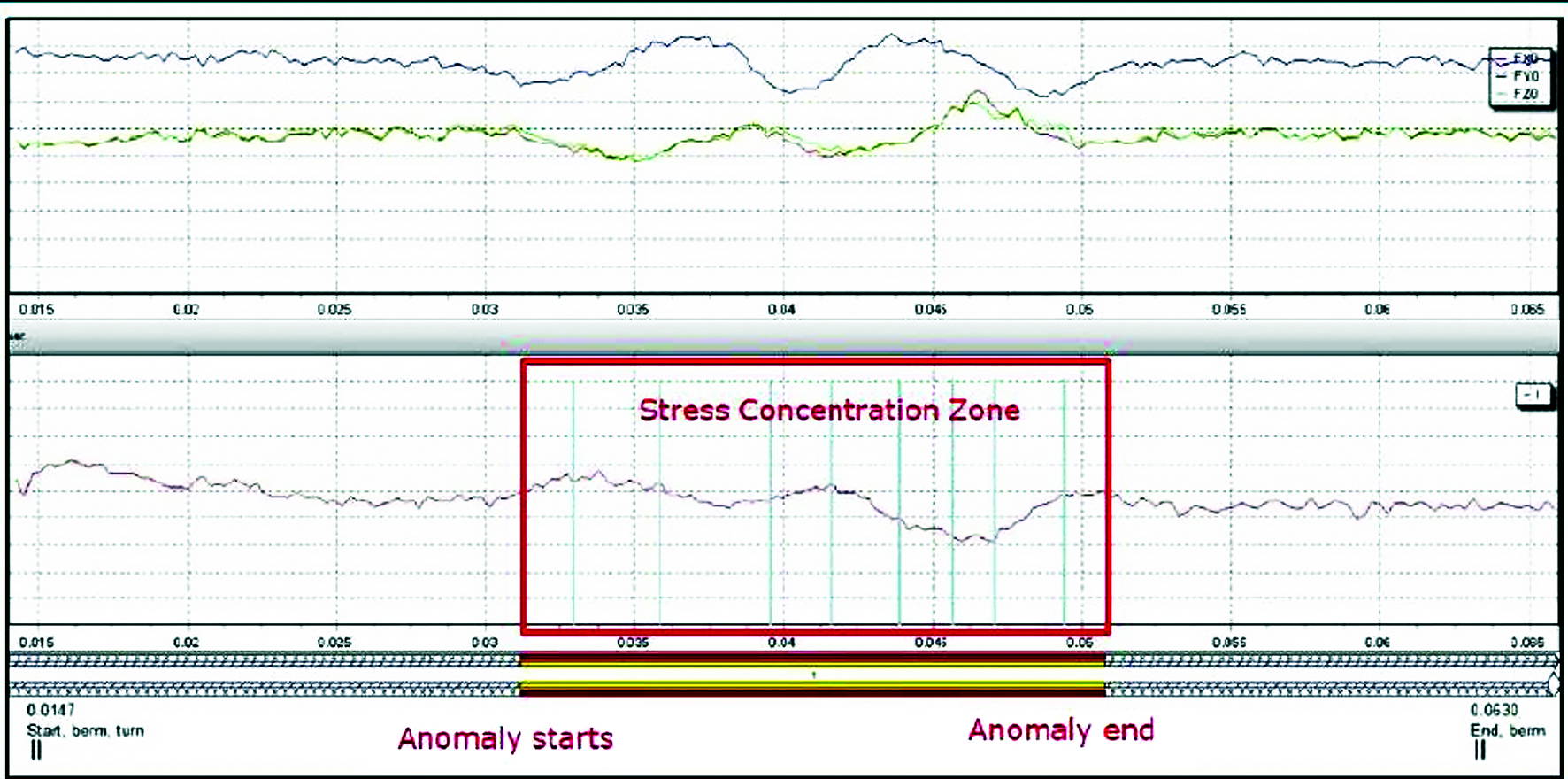
Figure 4: Identification of Stress Concentration Zone on a Pipeline Subjected to a Stress-Deformed State [2].
Integrated Pipeline Integrity Approach with CMIT
Collectively, the integration of CMIT within established DA frameworks represents a decisive shift toward a more evidence-based, performance-driven integrity paradigm for unpiggable pipelines (Figures 5 and 6).
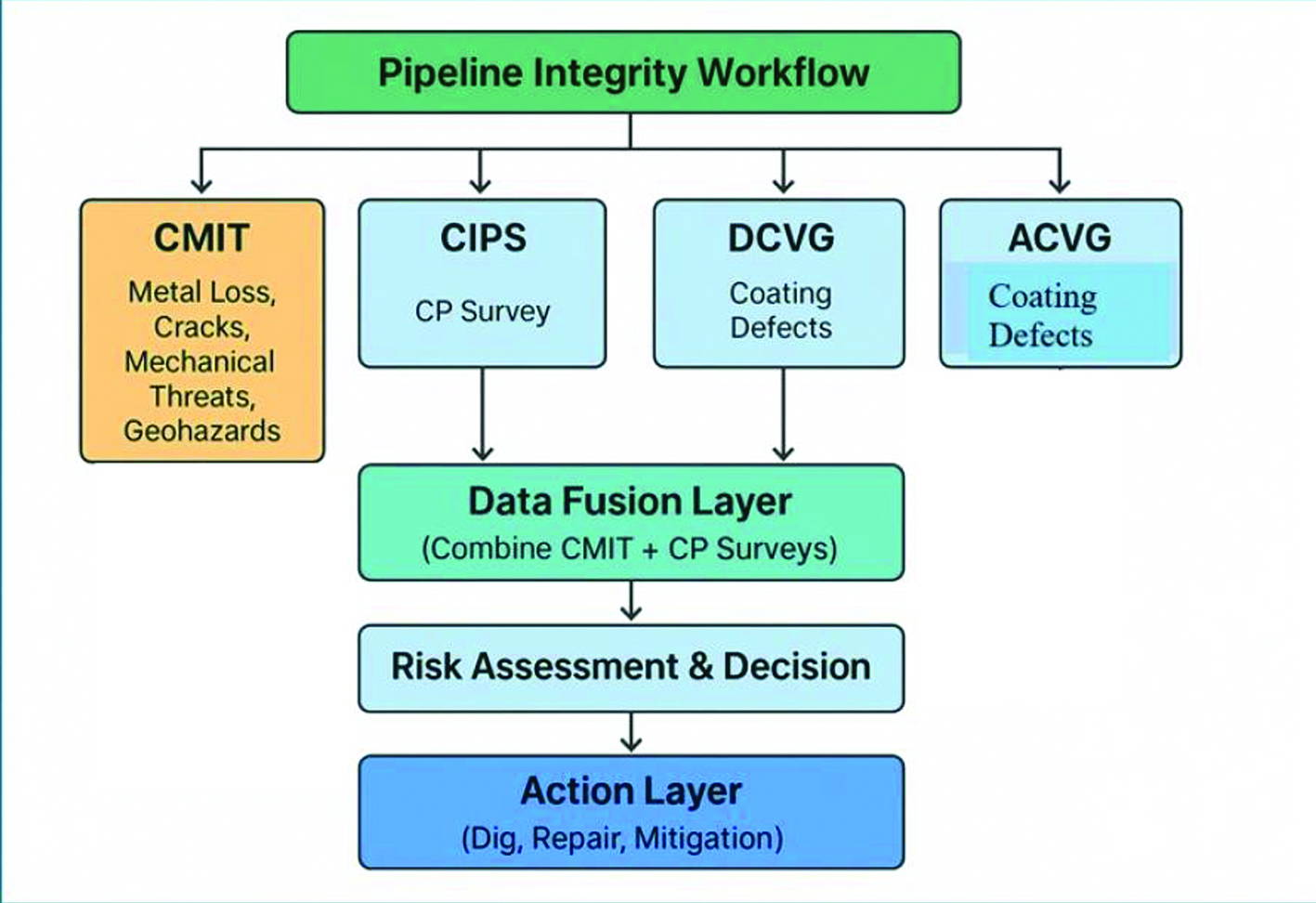
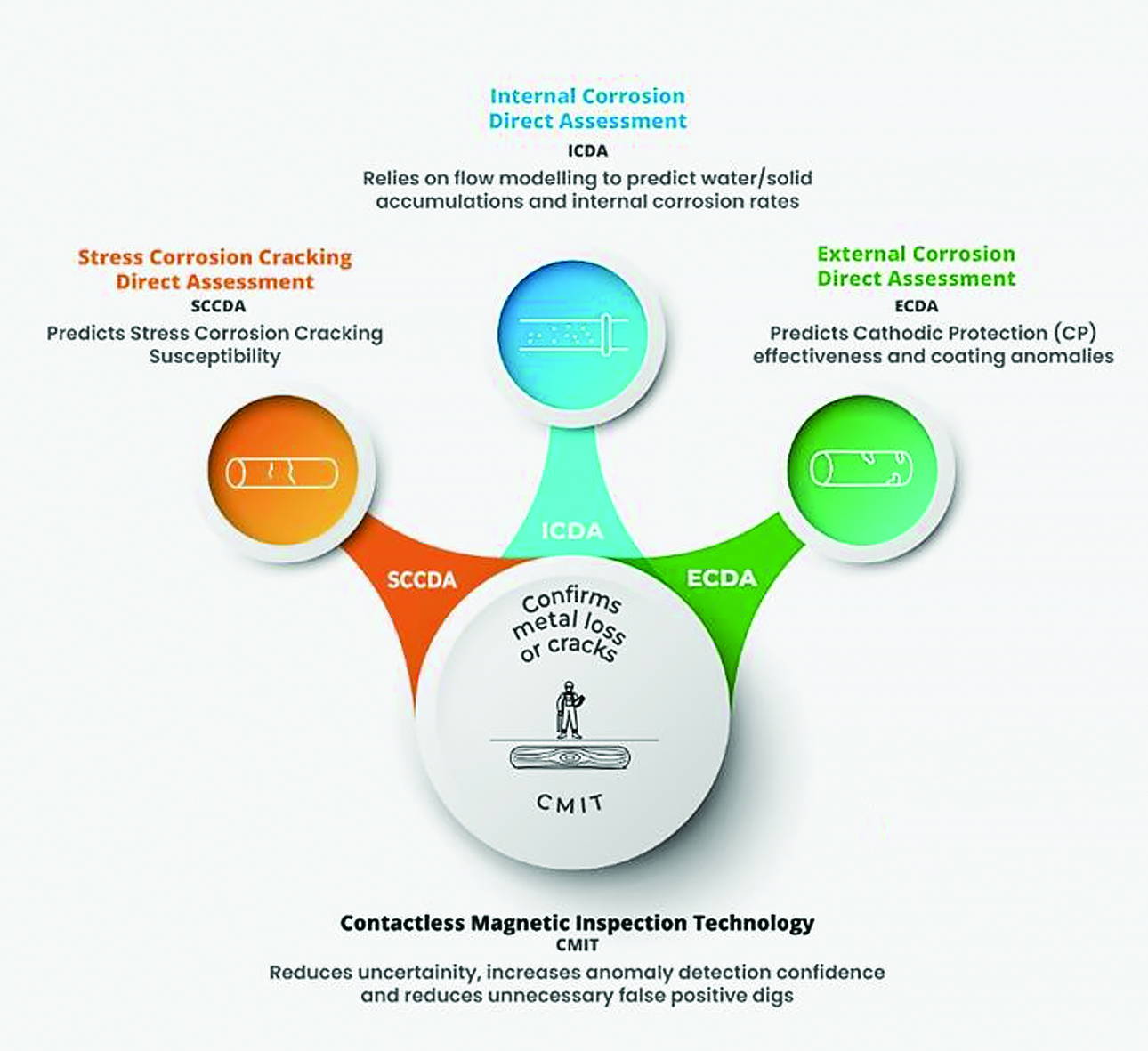
Figure 5: The Synergistic Relationship of CMIT with CP CIPS, DCVG and ACVG in the Integrity Assessment of Unpiggable Pipelines [1, 3].
Figure 6: Integration of CMIT with DA Methodologies [4 – 9].
By delivering inspection-grade, aboveground data that directly reflect corrosion, cracking, mechanical deformation, and geohazard-induced strain, CMIT substantially reduces the uncertainty inherent in ECDA, ICDA, and SCCDA methodologies, transforming predictive assumptions into verifiable engineering insights. CMIT’s non-intrusive, repeatable deployment enables efficient assessment across remote, environmentally sensitive, and high-consequence locations without disrupting operations or critical infrastructure, while its geo-referenced outputs seamlessly integrate with GIS, historical DA records, and adjacent ILI datasets.
This convergence of technologies enhances anomaly detection confidence, optimises excavation decisions, and minimises unnecessary digs, ultimately strengthening regulatory defensibility and operational efficiency. As pipeline systems continue to age and regulatory expectations evolve, CMIT-enabled integrity programmes provide operators with a scalable pathway from reactive threat management to predictive, proactive stewardship, thereby extending asset life, reducing risk, and establishing a new benchmark for the modern integrity management of non-ILI assets.
Practical Deployment of CMIT in the Integrity Assessment of Buried Unpiggable Pipelines
Figure 7 presents a recent CMIT case study conducted on a buried 20-inch natural gas pipeline coated with high-density polyethylene (HDPE) tape.
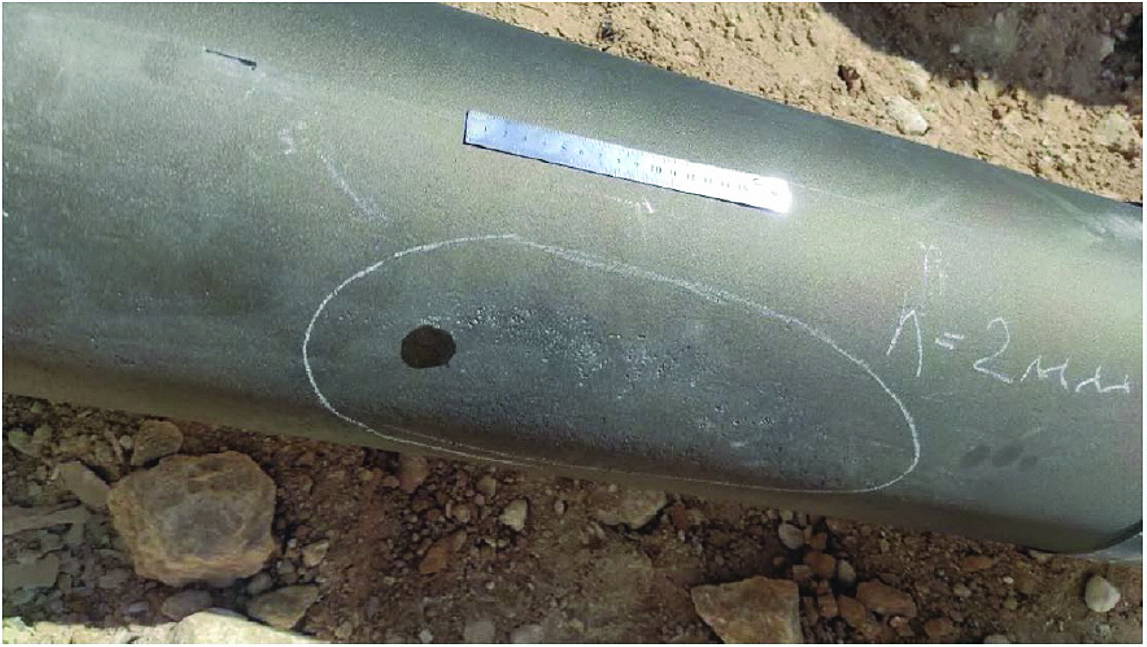
Figure 7 (a): Direct Examination Photos After Coating Removed and Pipe Blasting [1].
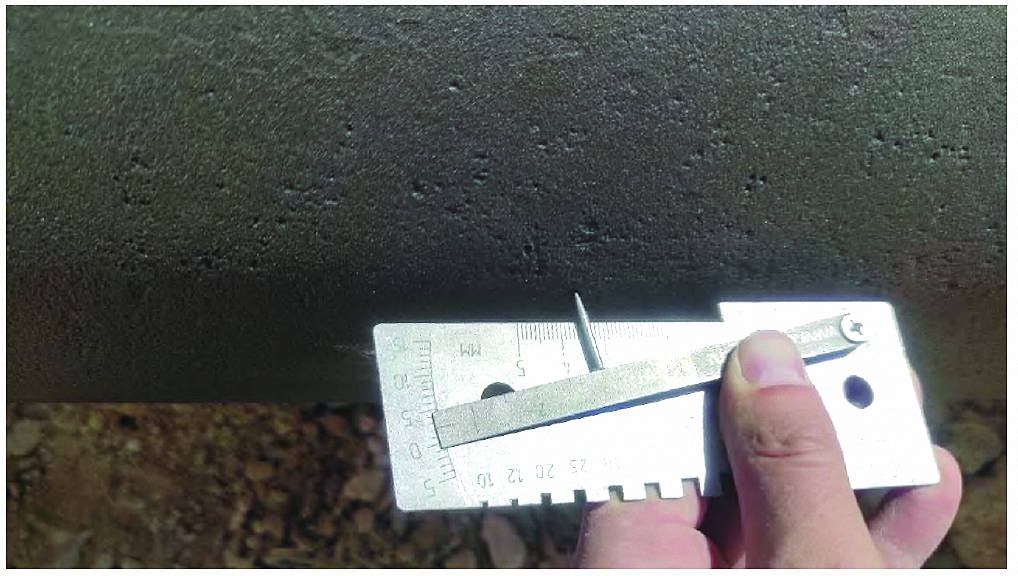
Figure 7 (b): Direct Examination photos
This case study illustrates the practical deployment of CMIT under conditions that are widely recognised across the industry as particularly challenging for conventional integrity assessment methodologies.
High-dielectric, shielding coating systems, such as polyethylene tape coatings that are improperly applied or have degraded over time, are known to electrically isolate disbonded regions of the pipeline from the surrounding electrolyte. This electrical isolation can significantly impair the effectiveness of cathodic protection (CP) systems by preventing sufficient protective current from reaching the steel surface beneath the coating. As a result, localised external corrosion may initiate and propagate undetected beneath the disbonded coating, even while CP survey data continue to indicate apparent compliance with established protection criteria. Under such conditions, traditional indirect inspection tools, including CP monitoring, DCVG, and CIPS, are inherently limited in their ability to reliably detect or confirm active corrosion beneath shielding coatings.
CMIT overcomes these limitations by directly sensing magnetic field disturbances associated with changes in pipe wall thickness, stress concentration, and localised deformation from aboveground, without reliance on electrical continuity or direct contact with the pipeline.
Because CMIT responds to the physical manifestation of corrosion and stress within the steel itself, it provides a direct and independent means of identifying degradation beneath disbonded or shielding coatings. This capability positions CMIT as a powerful complementary technology to CP-based monitoring and conventional indirect inspection surveys, offering operators an additional layer of confirmation regarding actual pipeline condition.
Case Study 1 demonstrates the effectiveness of CMIT in identifying zones of coating disbondment and active external corrosion that were not evident through routine CP data alone. The CMIT results correlated with subsequent field verification, confirming the presence of external corrosion beneath the HDPE tape coating and validating the reliability of the technology as a diagnostic tool for buried, cathodically protected pipelines. A key advancement illustrated by this case study is CMIT’s demonstrated ability to detect external corrosion on pipelines protected by High-dielectric, shielding coating systems a long-standing challenge that has historically limited the effectiveness of external corrosion assessment programmes.
For operators managing buried, unpiggable pipelines, particularly those coated with shielding systems, CMIT provides a transformative pathway for identifying external corrosion and SCC threats that would otherwise remain undetected. When integrated within established DA frameworks, CMIT enhances anomaly detection accuracy, improves excavation prioritisation, and strengthens the technical defensibility of integrity decisions. Ultimately, the application of CMIT in these challenging environments contributes to improved pipeline safety, reduced uncertainty in integrity assessments, and a more robust, performance-based approach to managing non-ILI assets.
CMIT Case Study 2: High-Confidence Detection of Complex Defect Clusters in an Unpiggable Crude Oil Pipeline
In a recent field deployment, CMIT demonstrated exceptional accuracy in identifying and characterising a complex cluster of interacting anomalies along a 30-m (100-ft) section of a 10-inch crude oil transmission pipeline. Unlike even the most advanced ILI tools, which rely primarily on geometry-based measurements and physical access, CMIT is a fully contactless magnetic inspection technology capable of detecting both internal and external defects by sensing disturbances in the pipeline’s natural magnetic field. These disturbances arise from changes in magnetic permeability caused by corrosion, mechanical damage, deformation, bending strain, and crack precursor activity within the steel microstructure.
From an economic perspective, the cost differential between conventional ILI deployment and non-invasive CMIT inspection can be substantial. For pipelines that are not currently piggable, enabling ILI often requires installation of pig launchers and receivers, system modifications, and operational adjustments. In many cases, pipe pre-clearing activities are also required to remove debris, wax, scale, or deposits to ensure safe and effective tool passage. These activities are typically followed by multiple cleaning runs, gauging runs, and baseline ILI runs before usable integrity data can be obtained. Additional costs may include production impacts, temporary shutdowns, engineering studies, and operational risk management.
When these cumulative costs are considered, total ILI enablement and execution costs can be on the order of magnitude of approximately 20X compared to a baseline non-invasive CMIT inspection cost (1X), particularly for legacy or operationally constrained assets. In contrast, CMIT can be deployed without pipeline modification, product removal, or operational interruption, providing inspection-grade data while significantly reducing cost, schedule, and operational risk exposure.
Using high-resolution magnetic sensors, CMIT captured a continuous and elevated magnetic response across the full 30-m segment, indicating the presence of multiple interacting degradation mechanisms rather than isolated defects (Figure 8).
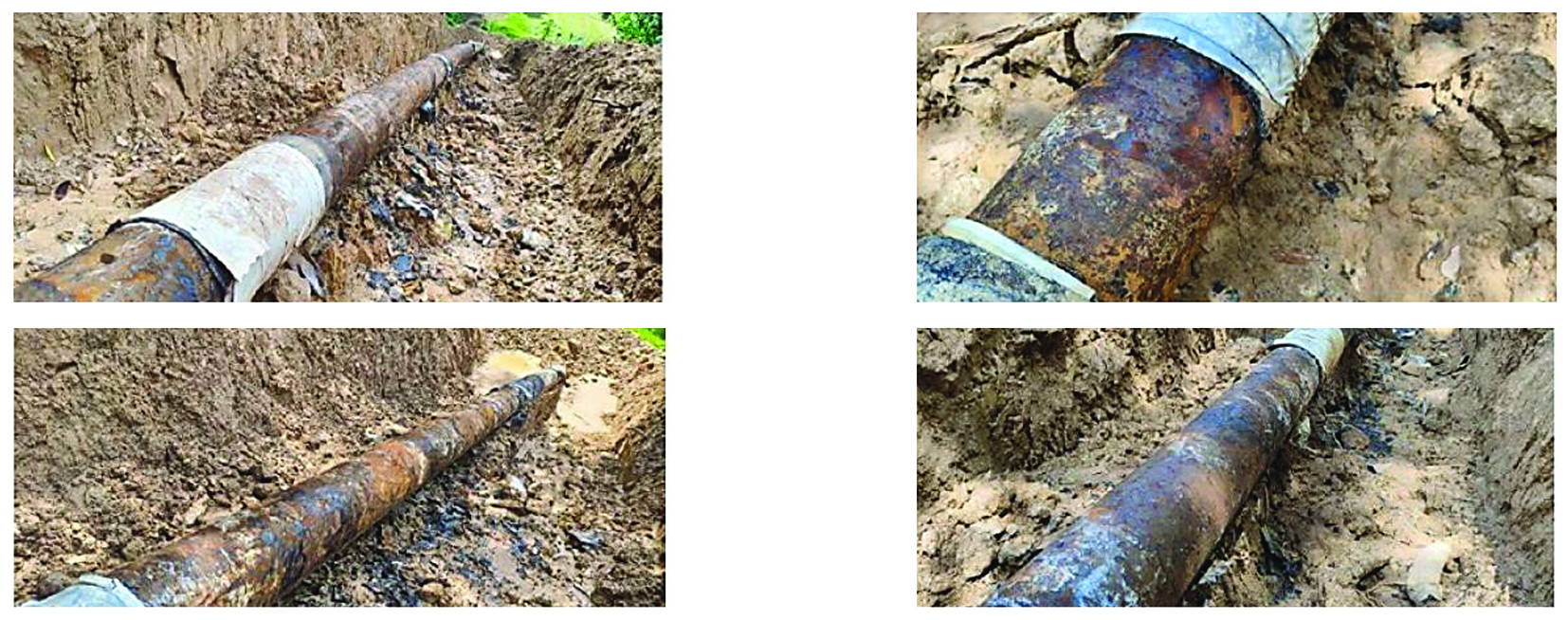
Figure 8 (a): Preliminary Sections of Exposed Pipeline Confirming Defects.
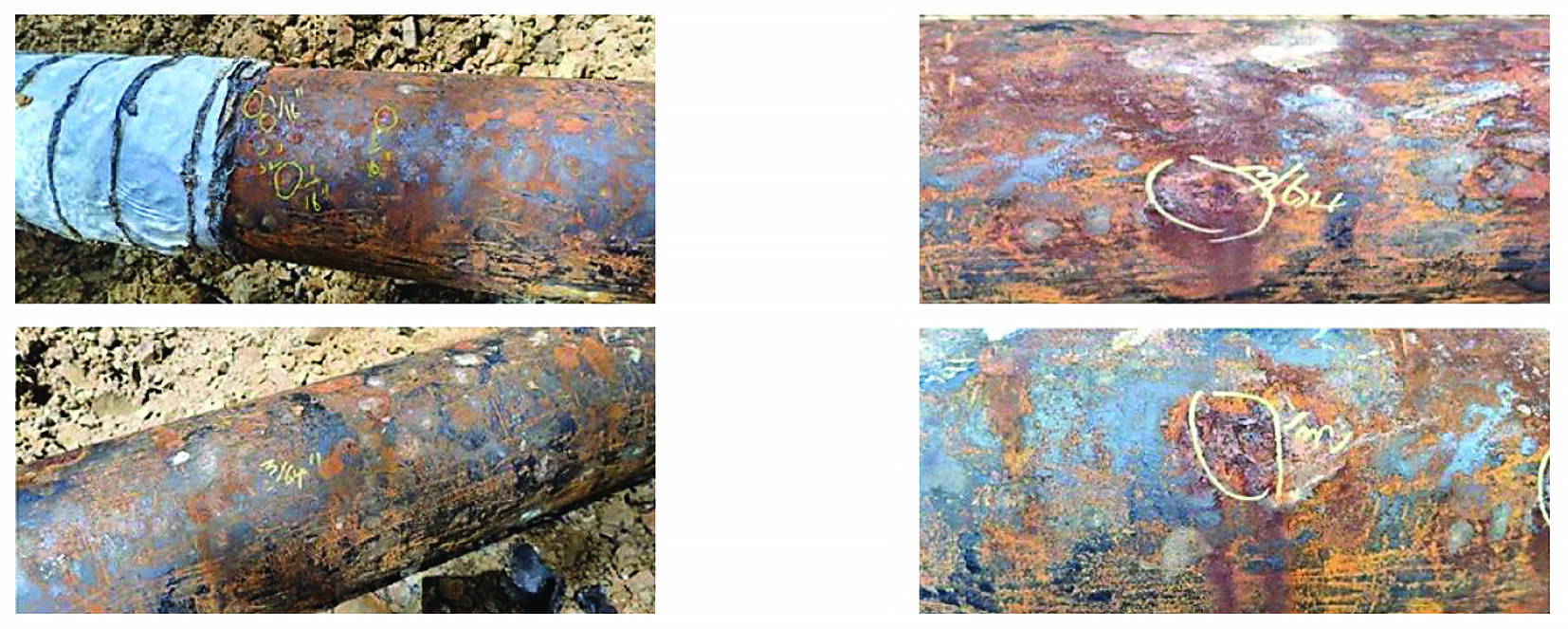
Figure 8 (b): Preliminary Sections of Exposed Pipeline Confirming Defects.
Case Study Outcomes
The technology successfully resolved signatures associated with continuous external corrosion metal loss, localised pitting and wall thinning, mechanical denting, ovality, long-seam strain, and residual stress accumulation. Because CMIT does not depend on piggability, flow conditions, or internal access, it is uniquely suited for operationally constrained or unpiggable pipelines where traditional ILI solutions are not feasible.
Based on the CMIT results, the identified pipeline segment was excavated for direct examination. At the time of reporting, abrasive blasting, surface preparation, and non-destructive examination were still in progress; however, early visual inspections had already confirmed the presence of continuous external corrosion, mechanical deformation, localised bending and strain, and surface features consistent with long-term coating disbondment and underfilm corrosion. These findings directly correlated with the moderate-to-severe CMIT response recorded prior to excavation.
The strong agreement between CMIT data and preliminary field observations validates the technology’s sensitivity to complex, multi-mechanism defect clusters and its ability to accurately map defect extent, severity, and interaction. Critically, CMIT enabled the operator to recognise a long, continuous zone of degradation that would not have been identified with comparable confidence using indirect assessment techniques alone. This level of insight is essential for understanding true integrity risk and for making defensible, risk-informed decisions.
Upon completion of a detailed NDE and engineering evaluation, appropriate mitigation measures, including recoating, reinforcement sleeves, localised repairs, stress-relief actions, or section replacement, will be implemented. The high-confidence, pre-excavation intelligence provided by CMIT allows these interventions to be precisely targeted, technically justified, and safety-focused.
In summary, this case study clearly demonstrates CMIT’s value as a deployable, inspection-grade solution for the early detection of complex defect clusters, enabling proactive intervention and significantly enhancing the safe and reliable operation of crude oil pipelines
Conclusions
This study demonstrates that CMIT provides a substantive advancement in the integrity management of unpiggable pipelines by overcoming key limitations of indirect-only assessment approaches. Field-validated case studies confirm CMIT’s ability to detect and characterise external corrosion, SCC-related stress concentrations, and complex interacting defect clusters, including degradation occurring beneath high-shielding dielectric coatings. The strong correlation between CMIT responses
and direct examination findings validates its sensitivity to defect extent, severity, and interaction, delivering inspection-grade insights beyond conventional DA methods.
When integrated within ECDA, ICDA, and SCCDA frameworks, CMIT reduces uncertainty, improves excavation prioritisation, and strengthens the technical defensibility of integrity decisions.
Collectively, CMIT establishes a deployable, non-intrusive, performance-based solution that enhances pipeline safety, supports proactive mitigation, and sets a new benchmark for the aboveground assessment of non-ILI assets.
References
- C Onuoha, “No contact, no problem: validating contactless magnetic inspection for corrosion detection on buried gas pipelines,” Paper C2026-00291, in Proceedings of the AMPP Corrosion Conference 2026, AMPP, Houston, TX.
- C Onuoha, “Innovative non-contact overline survey techniques for the water and wastewater industry,” Paper No. C2025-00220, in Proceedings of the AMPP Corrosion Conference 2025, AMPP, Houston,
- C Onuoha, “Coating anomaly detection with integrated indirect inspection tools,” Paper C2019-12810, in Proceedings of the AMPP Corrosion Conference 2019, AMPP, Houston, TX.
- C Onuoha, “Successful deployment of contactless magnetic inspection technology (CMIT) for the prioritisation of external corrosion engineering assessment (ECEA) digs,” Paper 10, in Proceedings of the AMPP Calgary Corrosion Conference 2026, AMPP.
- T Xu, “Understanding quantitative performance of large standoff magnetometry in detecting live gas pipeline anomalies with stress estimation,” in Proceedings of the International Pipeline Conference, Vol. 51869, Paper No. V001T03A020, ASME.
- S McDonnell, “Identifying stress concentrations on buried steel pipelines using large standoff magnetometry technology,” in Proceedings of the International Pipeline Conference, 51869, Paper No. V001T03A003, ASME.
- S McDonnell, “Improved methodology for identification of buried casings using indirect inspection method,” Paper C2017-9400, in Proceedings of the AMPP Corrosion Conference 2017, AMPP, Houston, TX.
- C Onuoha, “Advancements in stress corrosion cracking direct assessment using an integrated approach,” Paper C2018-11194, in Proceedings of the AMPP Corrosion Conference 2018, AMPP, Houston, TX.
- E Pozniak, “Use of large standoff magnetometry in pipeline integrity investigations,” Paper C2020-14475, in Proceedings of the AMPP Corrosion Conference 2020, AMPP, Houston, TX.