
ICorr President Visits The University of Manchester to Celebrate Scholarship Impact

ICorr President Visits The University of Manchester to Celebrate Scholarship Impact

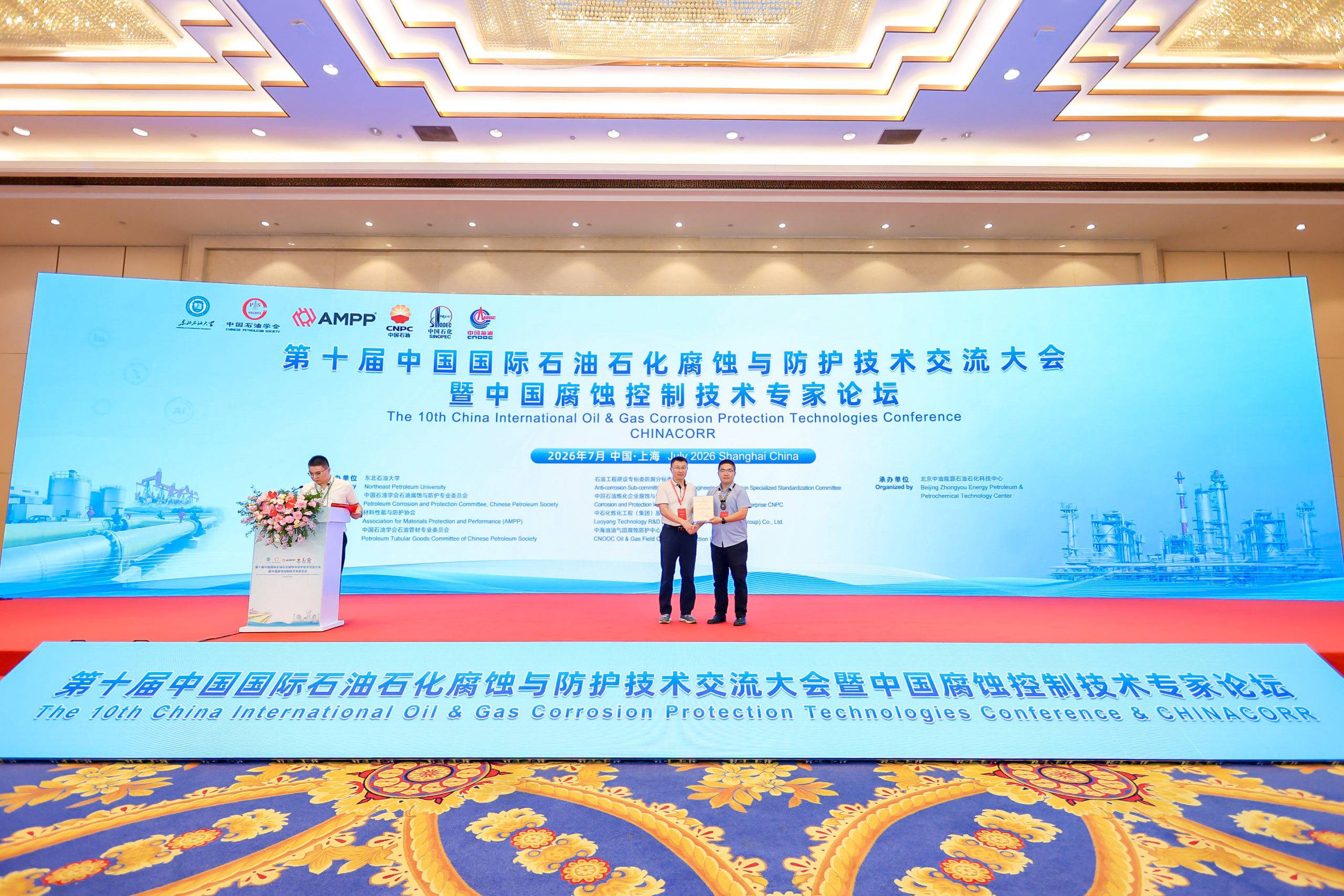
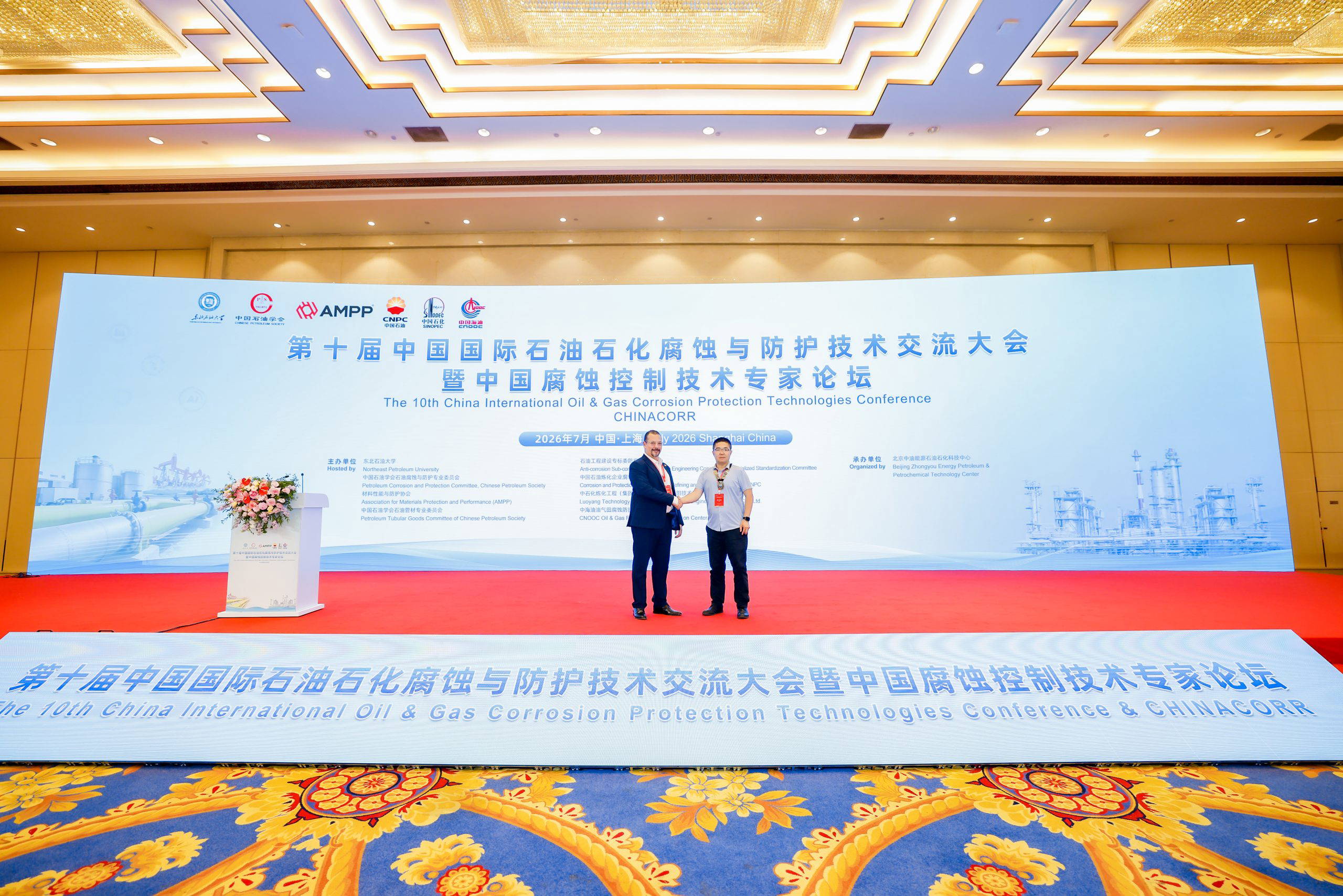
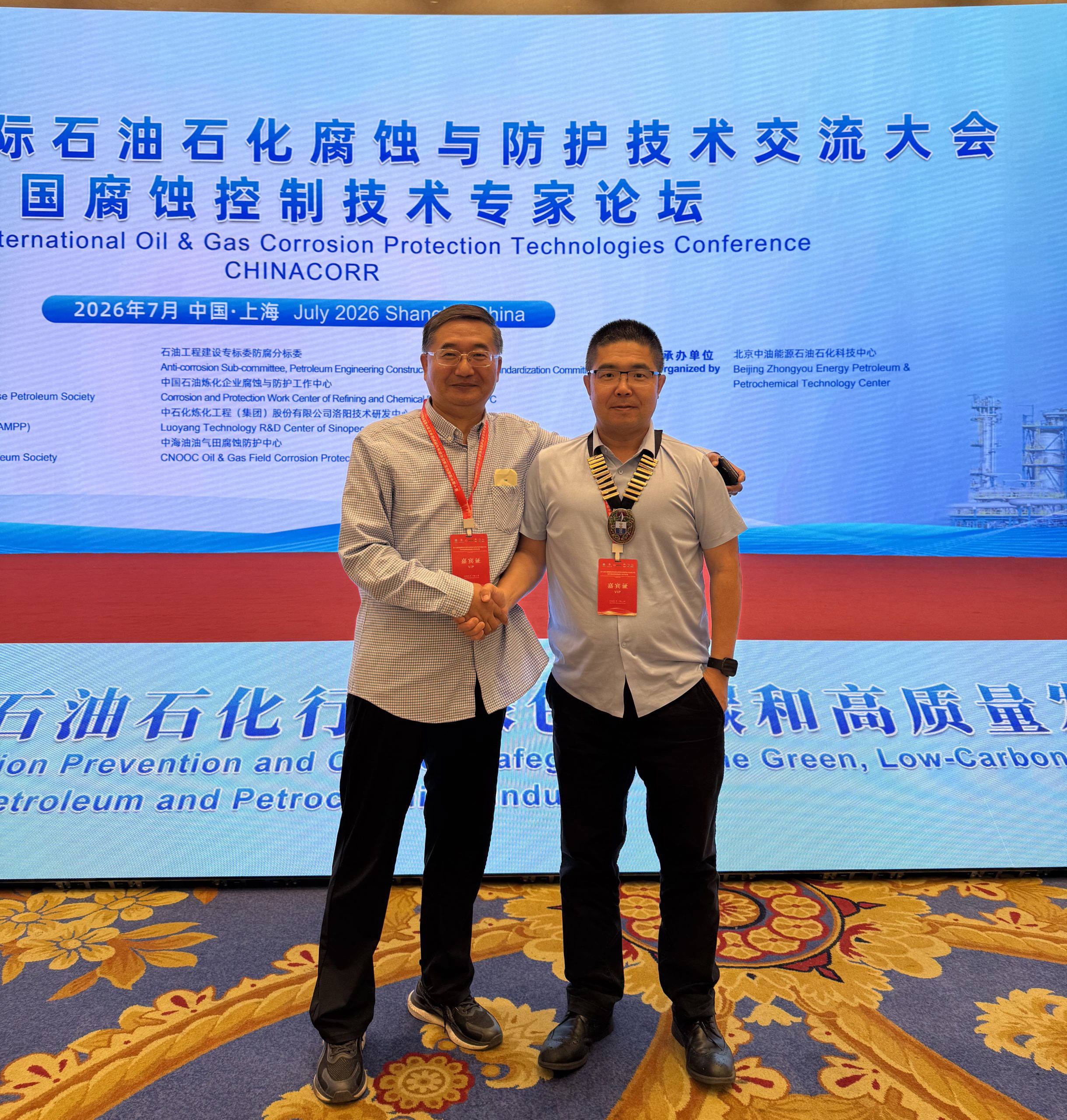
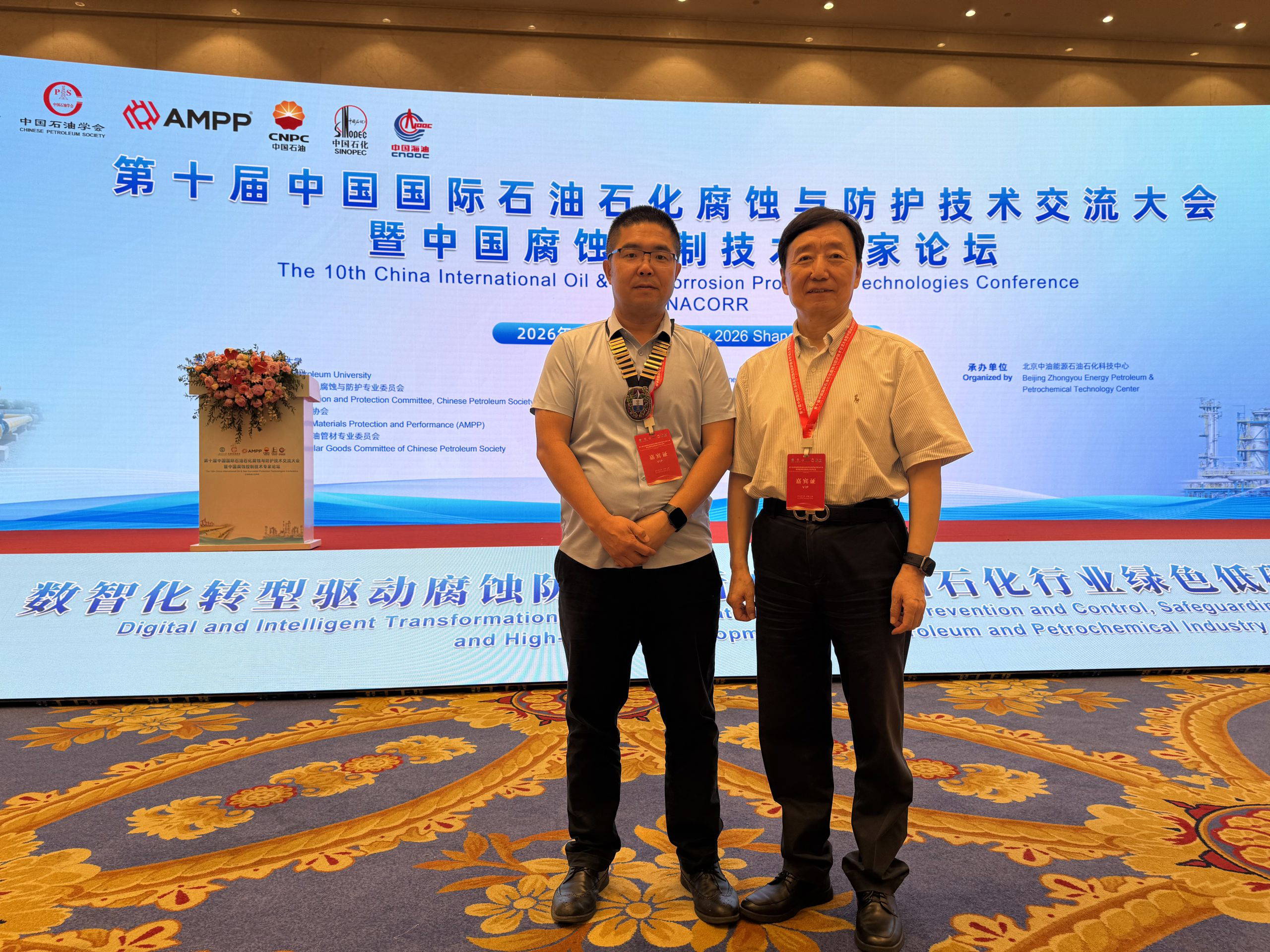
On 1 May 2026, Institute of Corrosion President Dr Yunnan Gao visited The University of Manchester to review the continuing success of the ICorr Scholarship Programme and to meet students and staff involved in corrosion education and research.

The visit included meetings with Dr Beatriz Mingo and Professor Dirk Engelberg from the Department of Materials, during which the annual review of the ICorr-funded scholarship programme was presented. Since 2023, ICorr has committed £25,000 per year over a five-year period to support MSc and MEng students specialising in corrosion-related disciplines. The review highlighted the growing success of the initiative, with strong student engagement and increased application numbers across both programmes.

Dr Gao also met with Professor Scott Heath, Vice-Dean for Students, Teaching and Learning in the Faculty of Science and Engineering, and held discussions with ICorr Scholarship recipients Ayrton Spiller and Jana Al Shami. During a tour of the University campus, Dr Gao was also accompanied by ICorr Scholarship recipient Charles Foxall.

The University expressed its appreciation for ICorr’s continued support in helping to develop the next generation of corrosion professionals. In February 2026, scholarship recipients Ayrton Spiller and Jana Al Shami were formally recognised during the Faculty of Science and Engineering Scholarship Awards Ceremony, reflecting the growing visibility and impact of the partnership between ICorr and the University.

The visit concluded with recognition of ICorr’s contribution on The University of Manchester President’s Circles of Philanthropy, The Beyer Circle Board, where the Institute is proudly acknowledged for its support of student development and engineering education.

ICorr Scholarship Certificate Presented by Professor Scott Heath to Ayrton Spiller during the Faculty of Science and Engineering Scholarship Awards Ceremony in February 2026.

ICorr Scholarship Certificate Presented by Professor Scott Heath to Ayrton Spiller during the Faculty of Science and Engineering Scholarship Awards Ceremony in February 2026.

ICorr Scholarship Certificate Presented by Professor Scott Heath to Jana Al Shami during the Faculty of Science and Engineering Scholarship Awards Ceremony in February 2026.

ICorr President Dr Yunnan Gao Meeting with ICorr Scholarship Recipients Ayrton Spiller and Jana Al Shami in Manchester on 1 May 2026.

ICorr President Dr Yunnan Gao Touring The University of Manchester Campus Accompanied by ICorr Scholarship Recipient Charles Foxall on 1 May 2026.

The University of Manchester President’s Circles of Philanthropy, The Beyer Circle Board, Including the Name of the Institute of Corrosion.

Digital Content Update

We are excited to announce that a new Digital Content Officer (DCO) – iIIona Kusuma is joining our team!

For all digital media enquiries, please get in touch through: media@icorr.org

Do reach out to say hello and stay tuned, as we will be updating the way we deliver our digital content across social media, newsletters and website.

#Instituteofcorrosion #ICorr #transformingcorrosion #MyICorr

For Bi-Monthly Corrosion Management Journal (CMJ) content, please contact: editor@icorr.org

Thank yo

iIIona DCO

ICorr South-West Updates

ICorr South-West Updates

The Inaugural CorMat Dinner Brings Corrosion and Materials Professionals Together

On 12th February 2026, a new milestone for collaboration across the corrosion and materials communities with the inaugural CorMat Dinner—an initiative jointly organised by the Wales and South-West Branch of the Institute of Corrosion and the Newport & Cardiff Materials Society (NCMS). The evening brought together professionals from across disciplines for an engaging night of networking, knowledge-sharing, and community building.

The event represented more than simply a dinner; it signalled
a renewed commitment to strengthening the links between corrosion specialists and materials scientists—two closely connected fields that benefit greatly from collaboration. By creating a shared forum for conversation, the CorMat Dinner aims to encourage the exchange of ideas, foster professional relationships, and promote cross-disciplinary learning within the engineering and materials sectors. The evening attracted a diverse group of attendees, including engineers, researchers, industry specialists, and early-career professionals. Conversations flowed easily as participants discussed emerging technologies, practical challenges in corrosion management, and opportunities for collaboration across academia and industry. The relaxed atmosphere, paired with excellent food and lively discussion, created the ideal setting for both professional engagement and social connection.

The organisers were particularly honoured to welcome two distinguished guests whose presence underscored the significance of the event. Among them was Yunnan Gao, President of the Institute of Corrosion, whose leadership continues to champion the advancement of corrosion science and professional development within the field. Also in attendance was Christine Blackmore, President of the Institute of Materials, Minerals and Mining (IOM3). Their participation helped highlight the importance of strengthening connections between professional institutions and technical communities.

Both guests expressed their support for initiatives that bring together professionals from related disciplines. In industries where materials performance and durability are critical—from infrastructure and energy to manufacturing and transportation—the integration of corrosion expertise with broader materials science knowledge is essential. Events like the CorMat
Dinner provide an important platform for encouraging these conversations. The success of the evening was the result of
the hard work and enthusiasm of the organising teams from both societies. Their efforts ensured that the event not only
ran smoothly but also created a welcoming and engaging environment for all attendees. The strong turnout and positive feedback demonstrated a clear appetite within the community for more opportunities to connect in this way.

Beyond the professional discussions, the evening also reminded attendees of the value of informal networking. Some of the most valuable insights and collaborations in engineering arise not only from conferences and technical papers but also from the conversations that happen around the dinner table. By bringing people together in a relaxed setting, the CorMat Dinner helped strengthen relationships that may well lead to future partnerships, projects, and innovations.

With such a successful launch, the organisers are hopeful that this inaugural gathering will become the first of many. The vision is for the CorMat Dinner to evolve into a regular event that continues to bring together corrosion and materials professionals from across the region and beyond.

If the enthusiasm of the first evening is any indication, the CorMat Dinner has already established itself as a valuable new addition to the professional calendar, one that celebrates collaboration, community, and the shared goal of advancing materials performance and corrosion management.

Stay Connected

The Wales and South-West Branch deliver a diverse
technical programme. Future events will be posted at: https://www.icorr.org/events/

To join, or to present to the branch, please contact:
swchair@icorr.org You can also keep up to date on events by visiting its LinkedIn page; https://www.linkedin.com/groups/12992293/

ICorr North-West Updates

ICorr North-West Updates

NW Branch held its AGM at the Mott MacDonald office in Central Manchester on 20th January 2026.

The Committee elected the following roles:

Chair: Izabella Gajewska (starting in March)
Vice Chair: Jane Lomas
Secretary: Alyshia Keogh
Treasurer: Chris Atkins

Remaining committee members are to continue in their present roles.

Ben Hudson from Premtech – premtech.co.uk gave an excellent talk on the Young Engineer Programme (YEP) and his experience of working on the case study.

Members, including coatings and CP experts, attended and have been mailed by the chair to say thanks and that we welcomed their event ideas, with various away days given as options.

Greg Brown stood down and said “what a pleasure it had been to chair the branch for the past 5 years and that he was just fortunate that the branch had such a good committee.”

The NW committee offer their thanks for all Greg’s past support and guidance. Research showcase events are planned for the spring in partnership with Leeds Uni / Yorkshire Branch.

Mott MacDonald is hosting the YEP lecture programme this year at its Piccadilly Gardens, Manchester offices and the initial events with Jane Lomas and Paul Lambert have proved very successful.

 Branch meetings for the year will be finalised when handover
to the new Chair is complete and will be posted to:
https://www.icorr.org/events/ Anyone wishing to attend or get involved should contact nwchair@icorr.org

ICorr London Updates February 2026

For the second branch technical meeting of 2026, Nick Bander of GPT Industries presented “Critical Service Isolation: Why Yesterday’s Designs Fail Today” on 12th February 2026.

Nick Bander is the director of engineering and product management at GPT Industries https://www.gptindustries.com/ with over 15 years of experience in mechanical engineering, corrosion mitigation, and pipeline integrity. Nick has supported domestic and international energy projects across more than a dozen countries and has played a key role in the development and launch of multiple isolation and sealing technologies. A named inventor on several patents, he focuses on translating engineering rigour into practical, field-proven corrosion control solutions.

Nick began by explaining how pipeline operating conditions are becoming increasingly more severe, with higher pressures and temperatures, more sour and conductive media, stricter safety requirements, and reduced tolerance for downtime. These changes are placing new demands on electrical isolation systems used for corrosion mitigation on critical service pipelines. The designs that were once adequate are now being pushed beyond their intended limits.

The presentation then examined why isolation design and specification are more important than ever, and Nick reviewed the evolution of isolation technologies and highlighted common failure mechanisms observed in laboratory and field conditions, including GRE permeation, chemical incompatibility, hydrolysis, loss of bolt load, fire exposure, and conductive media bridging. The key design factors such as material selection, gasket geometry, and inside-diameter sealing strategies were discussed in detail

In conclusion, the lessons learned were highlighted to help improve the reliability, safety, and long-term performance of pipeline isolation systems operating in today’s demanding environments, and Nick gave some practical design guidance.

This was an interesting talk which generated a lively discussion, and as is usual, Nick was presented with an ICorr pen as thanks for his presentation by Ashokan Gopal, the branch vice chair.

For more information about London branch events, please see the ICorr website: https://www.icorr.org/ and https://www.icorr.org/events/ For London Branch updates and enquiries contact: londonchaire@icorr.org

London Branch AGM

The branch held its AGM on 12th March, when the current chair, Paul Brooks, gave an overview of the branch’s activities for the last year. The accounts were presented by the treasurer, Jim Glynn, which showed the branch had a very successful year and that more than £6k (£1k more than the allocation) was returned to Head Office. These were proposed and agreed.

Paul stood down as chair, and Ashokan Gobal was proposed as chair, together with the existing committee, which was accepted by the meeting. The committee is now:

Chair: Ashokan Gopal
Vice Chair: Berenyka Syrek-Gesterkornf
Treasure: Jim Glynn
Secretary: Anthony Setiadi
Committee members: Brian Goldie, Ennery Leon, Chiara Sorrentino, Alejandra Fernandez-Vinas and Paul Brooks

There was a discussion about members attending the technical talks and whether to go to a hybrid event or do more events rather than talks. The committee agreed to look into these suggestions at their next meeting.

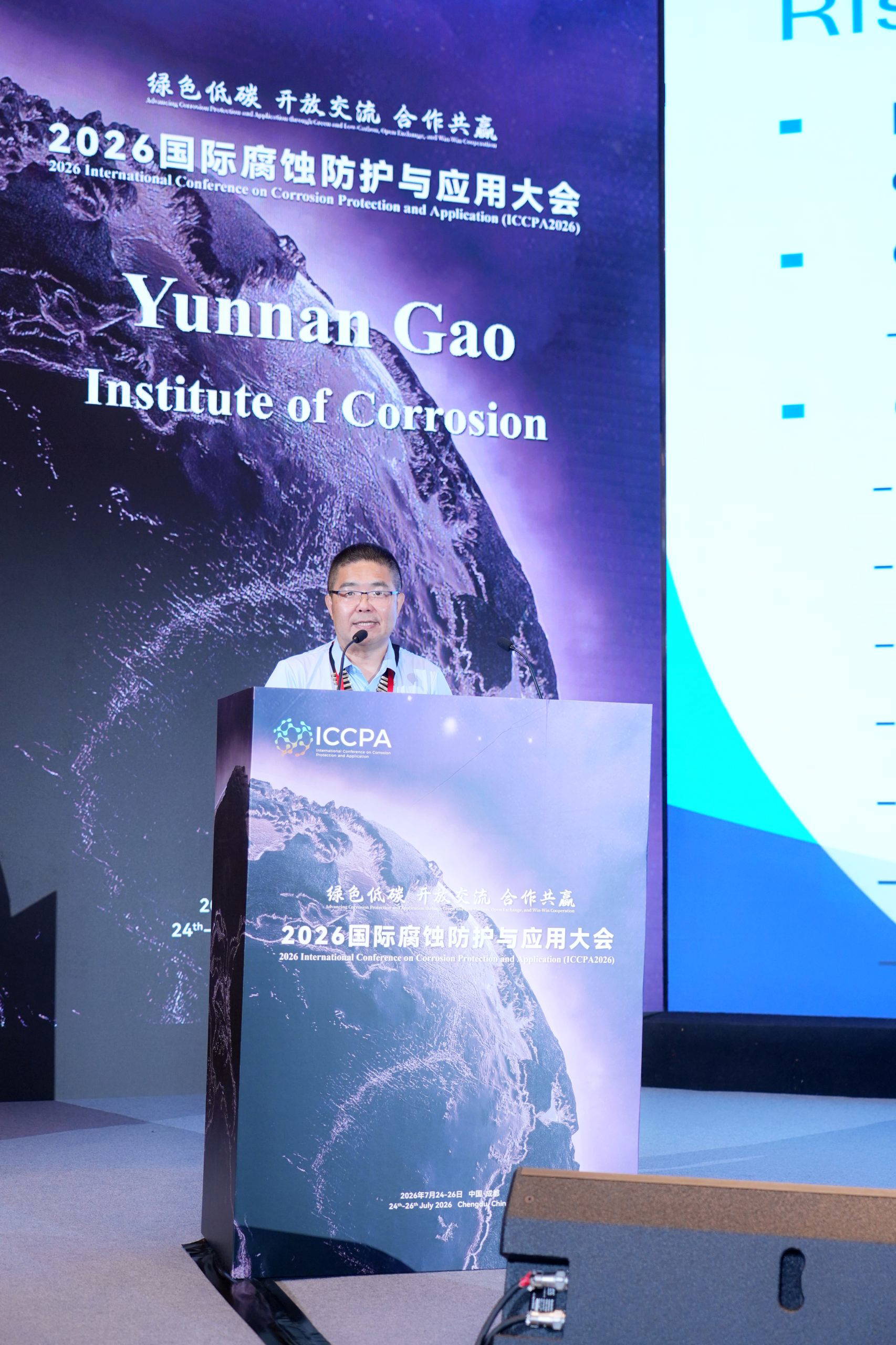
The AGM was followed by a talk from the ICorr president. Yunnan
described the current set-up and operation of the institute and its
various operations, including the national and international growth,
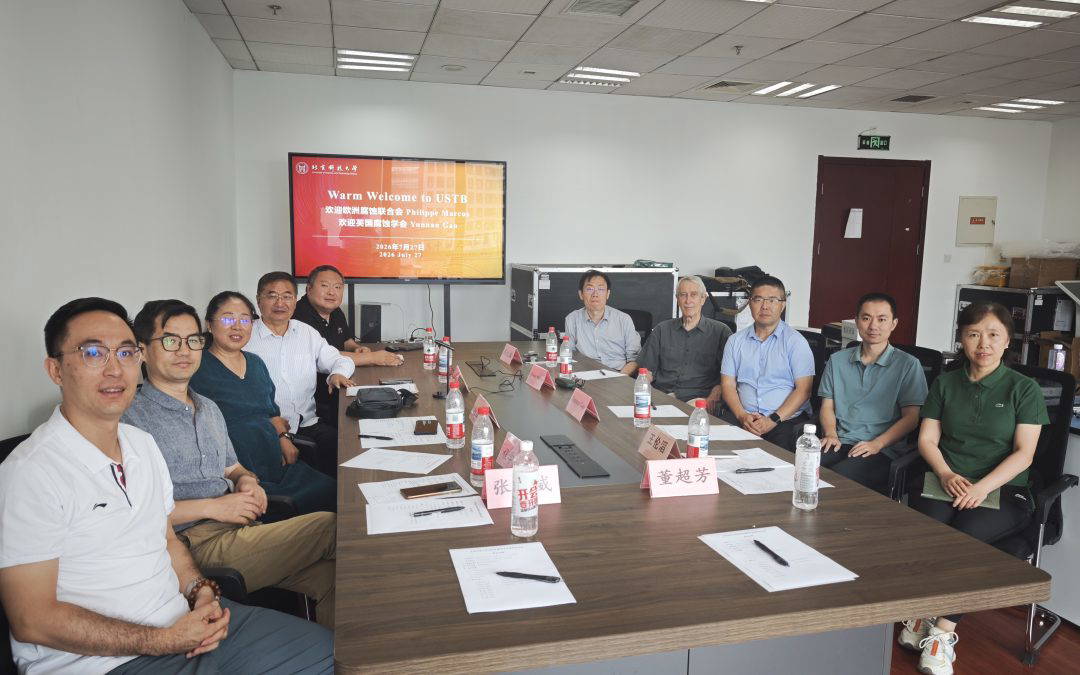
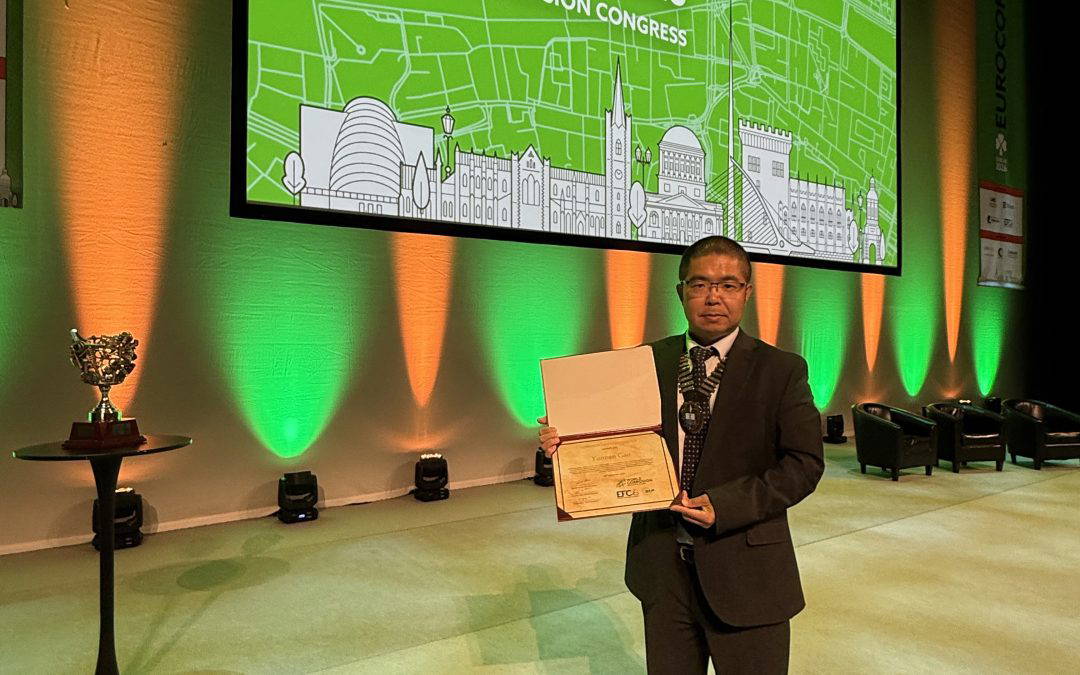
developments across the Photo: Dr Yunnan Gao. events programme, and the institute’s newly awarded licence status with the Engineering Council – an important milestone in strengthening ICorr’s professional framework. He then outlined the upcoming events in which the institute was playing a major part, for example, the 2nd China-UK Corrosion Summit in Beijing, China, hosted by the University of Science and Technology Beijing (USTB). For more information about London branch events, please see the ICorr website or contact the branch at, londonchaire@icorr.org


ICorr India Updates

ICorr India Updates

The ICorr India Branch has continued its programme of technical activities and knowledge sharing during the early part of 2026. The branch remains committed to promoting professional engagement, technical learning, and collaboration within the corrosion community.

On Tuesday, 20th January 2026, the branch organised an online webinar titled “Advances in the Technology of Corrosion Inhibitors.” The presentation was delivered by Dr Shweta Goyal, Professor and Head of the Civil Engineering Department at Thapar Institute of Engineering and Technology, Patiala, and Vice-Chair of the ICorr India Branch. The talk provided a detailed overview of the development of corrosion inhibitor technology for reinforced concrete.

Dr Goyal discussed the evolution of inhibitors from traditional inorganic compounds, such as nitrites, to modern organic
and environmentally friendly alternatives. Organic inhibitors containing amine,aldehyde and carboxylic functional groups were highlighted for their ability to form protective films on steel reinforcement and reduce corrosion during both the initiation and propagation stages. She also emphasised the importance of two-stage testing, beginning with pore solution studies followed by testing within concrete systems to confirm effectiveness and compatibility. Advanced techniques such as electrochemical impedance spectroscopy (EIS), potentiodynamic polarisation (PDP), FTIR and XPS were presented as valuable tools for understanding inhibitor mechanisms.

The talk also highlighted recent developments in sustainable corrosion protection. Amino acid–based inhibitors were discussed as promising eco-friendly solutions capable of mitigating corrosion in chloride and carbonation environments. In addition, smart corrosion inhibitors and microencapsulation technologies were presented as emerging approaches that allow inhibitors to be released only when corrosion or cracking occurs. The Bidirectional Electromigration (BIEM) technique was also introduced as a hybrid method combining chloride extraction with inhibitor injection for improved durability of reinforced concrete structures.

On Tuesday 17th February 2026, the branch hosted another technical presentation titled “Beyond Monitoring: Leveraging AI and Digital Twins for Predictive Corrosion Resilience,” delivered by Dr G. H. Thanki https://shethgroupofindustries.com/dr-g-h-thanki/

The presentation explored how artificial intelligence and digital twin technologies are transforming corrosion management by moving from reactive maintenance to predictive and data-driven strategies.

Dr Thanki explained how the integration of IoT sensors, physics-based models and advanced analytics can create digital twins that simulate asset behaviour and predict corrosion risks. These technologies allow asset owners to anticipate degradation and take preventive action before failures occur. 

He noted that corrosion costs the global economy an estimated USD 2.5 trillion annually, while also contributing significantly to environmental impacts due to the need to replace damaged infrastructure and materials.

The presentation highlighted the benefits of digital twin–based corrosion management, including potential reductions of 30–40% in maintenance costs, 25% extension of asset life, and significantly faster inspection processes.

Dr Thanki also discussed future developments such as multimodal AI combining sensor, imaging and documentation data, intelligent coatings with embedded inhibitors, and advanced simulations for designing corrosion-resistant materials.

Stay Connected

To stay informed about ICorr India Branch activities and technical programmes, follow us on LinkedIn: https://www.linkedin.com/in/institute-of-corrosion-india-branch-india-branch-ab3003379/ For branch-related queries, please contact: INDIAchair@icorr.org