





ICorr Welcomes New Member: C-Cube International

ICorr Welcomes New Member: C-Cube International

ICorr is pleased to announce that C-Cube International has joined the Institute as a new Sustaining Member.

Photo: C-Cube International CEO, Mr Tje Wei Hu (Middle) and Wood PLC Engagement Lead, Mr George Winning (Right) with ICorr President Dr Yunnan Gao at AMPP Italy 2026, Genoa

C-Cube International B.V., founded in 2005 and headquartered in Delft, the Netherlands, is a technology company specializing in advanced sensor systems and data-driven solutions for monitoring coating degradation and corrosion on steel assets.

With more than 20 years of expertise, C-Cube supports asset owners, operators, and research organizations in assessing the condition and performance of protective coating systems. The company develops both handheld and permanently installed sensors that provide fast, reliable measurements of coating degradation and corrosion activity. Based on Electrochemical Impedance Spectroscopy (EIS), an established laboratory technique for evaluating coating performance, C-Cube successfully translates high-quality electrochemical measurement methods into practical field applications.

C-Cube’s technologies enable precise condition assessments, support predictive maintenance strategies, and help extend the service life of critical infrastructure. Its solutions are applied across diverse sectors, including offshore wind, oil and gas, civil infrastructure, maritime, aviation, and academic research. By combining high-precision sensing with data analytics and predictive algorithms, C-Cube helps stakeholders make evidence-based maintenance decisions, reduce inspection and repair costs, and improve asset integrity management.

Having completed more than 2 million field EIS measurements and established partnerships in over 20 countries, C-Cube is recognized within the coating and corrosion community for its technical expertise, practical experience, and ongoing commitment to innovation. Through its advanced technologies and services, C-Cube contributes to the safer, more efficient, and more sustainable management of steel infrastructure worldwide.

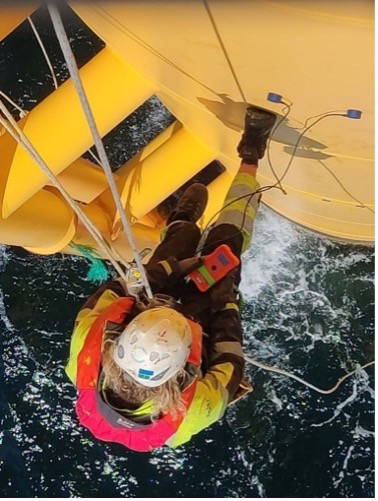
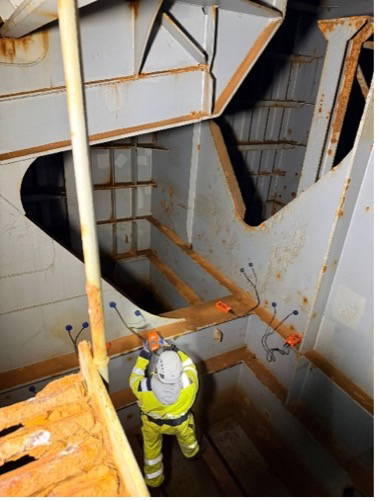
Photo: Field Inspection using C-Cube’s Coating Quality Measurement (CQM)

Contacts
Email: th@ccube.nl
Website: https://www.c-cube-international.com/

Corrosion Challenges for Carbon Capture and Storage – Acid Formation and Precipitation Requires Control of CO2 Composition

Corrosion Challenges for Carbon Capture and Storage – Acid Formation and Precipitation Requires Control of CO2 Composition

Meet the Author

Hans has built his career on a strong practical background and a natural curiosity, leading him to a wide range of roles in materials and corrosion across operations, engineering, research, and technology. He is committed to developing and applying deep technical knowledge to deliver practical and effective solutions.

Hans is currently the global expert for Materials and Corrosion in Carbon Capture and Storage (CCS) at Shell, where he provides guidance and support to many CCS projects worldwide. To address specific corrosion challenges, he is actively involved in research collaborations with several institutes and universities. In recent years, his work has focused particularly on the effect of CO2 purity on corrosion behaviour. Hans has published extensively on corrosion issues related to oil and gas production as well as CCS. He is also actively involved in standardisation work, including serving as Chair of SC 20 / SC 26 and a TCI for CCS at AMPP.

Introduction

To mitigate CO2 emissions from a wide range of industries, Carbon Capture and Storage (CCS) projects have been initiated to process, transport and inject CO2 captured from multiple emitters. These CO2 sources have a wide variety of compositions, and it has been discovered through testing in recent years that mixing the CO2 streams can cause their impurities to react and cause precipitation of a highly corrosive acidic phase well below the water dewpoint. It was found that a group of impurities (H2O, H2S, SO2, NOx and O2) can react to form products that include H2SO4 , HNO3 as well as elemental sulphur1-3,, which with their low solubility4 can trigger precipitation that causes severe corrosion6,7.

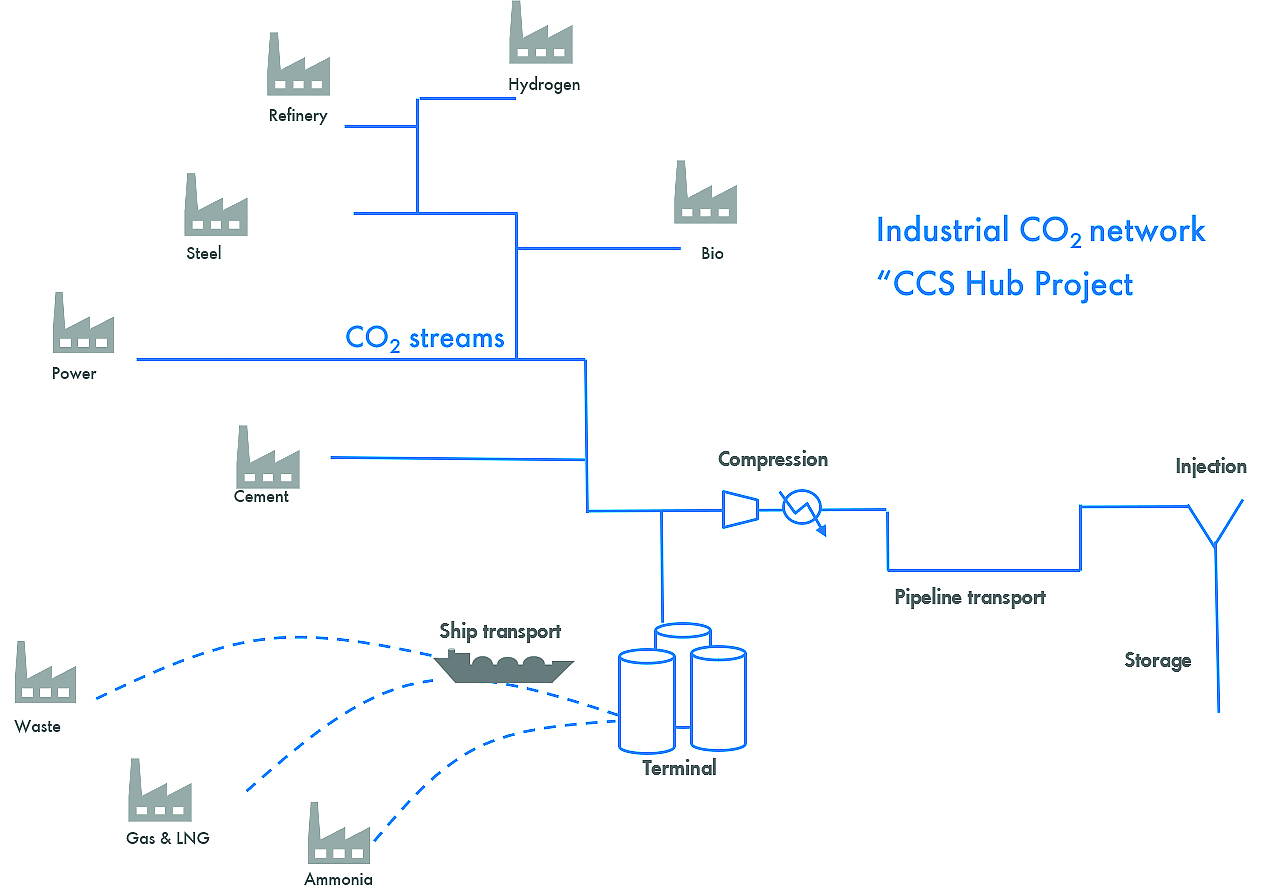
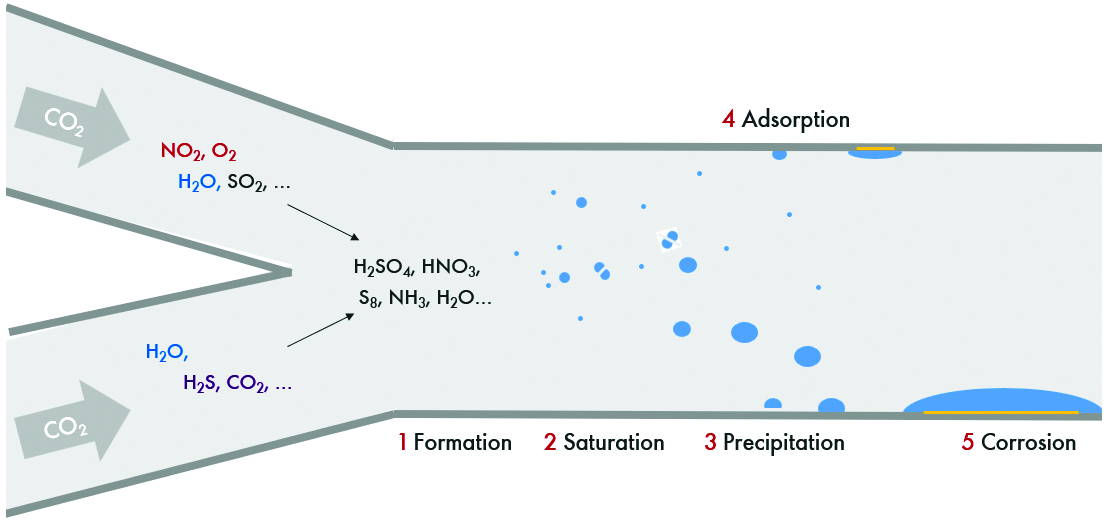
Figure 1 presents a schematic overview of these so-called CCS hub projects with a wide range of industry CO2 sources.

Figure 1: Schematic Overview of a Possible CCS Hub Project that Gathers,

With the tight economics of CCS projects, it is inevitable that carbon steel will be selected for the long pipeline networks required to connect the CO2 emitters to the storage location. This makes the management of corrosion a critical factor for the commercial viability of these projects. Corrosion control starts with setting of limits for impurities in a defined CO2 specification. To safeguard long term integrity, control of both CO2 composition and process conditions, in combination with highly sensitive monitoring, will be required. As new energy transition technologies like CCS are developed, diligence is needed in identifying new potential corrosion threats to avoid in-service surprises.

A standard practice has been developed by AMPP (AMPP SP 21632-2025)8 that outlines the basic requirements for corrosion control for CCS projects. These include:

  • Prevention of precipitation/drop-out of strong acids present due to interaction between impurities in transported CO2 streams by validation of impurity limits for H2O, H2S, SOx, NOx, and O2.
  • Continuous monitoring to control the levels below the validated conditions for liquid precipitation for all operating scenario’s,
  • Assessment of the risk of potential off-spec scenario’s,
  • Incorporating the worst-case for combinations of these impurities and conditions.

The generic guidance provided by AMPP SP 21632-2025 and recent literature needs to be addressed in detail during project design and operations.

Corrosion control starts with understanding the corrosion mechanisms, including the main triggers for corrosion to occur in practice. When these are identified, the worst-case compositions and conditions can be identified and tested, leading to the development and implementation of an appropriate corrosion management strategy.

This article outlines the basic principles of the corrosion mechanism associated with acid formation and precipitation and the critical factors that need to be controlled to enable effective corrosion management, and to offer guidance for tackling the challenges associated with managing newly recognised corrosion mechanisms in CCS.

Corrosion Mechanism “Reactive Phase Behaviour”

The corrosion mechanism caused by chemical reactions and precipitation in CCS is complex and uncertain. The initial reaction can form a separate phase contributing to or leading to further reactions within that phase known as “reactive phase behaviour”. In some cases (reaction) products adsorbed on metal surfaces cause corrosion before precipitation occurs.

The corrosion mechanism is visualised in Figure 2.

Figure 2: Corrosion Mechanism Caused by Mixing of Impure CO2 Streams Leading to Formation of Reaction Products that Can Adsorb or Coalesce and Precipitate as a Corrosive Phase.

 The corrosion mechanism is initiated when two impure CO2 compositions, containing H2O, H2S, SOx, NOx, and O2., interact, allowing their respective impurities to react and generate various reaction products.

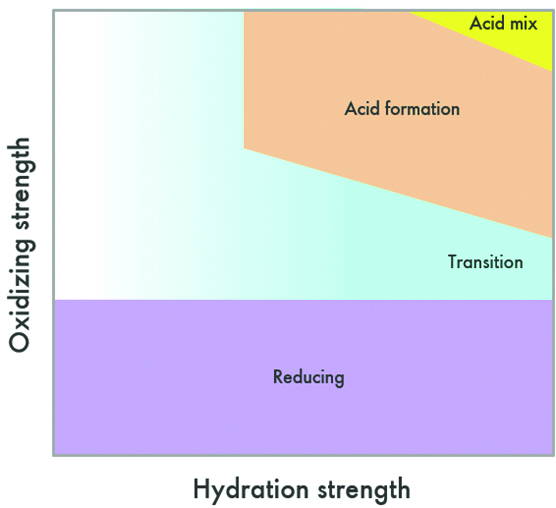
The observed reactions appear to be triggered primarily by the presence of H2S which acts as a strong reducing agent, and NO2, which can initiate a radical chain reaction, With sufficient oxygen, these reactions can result in the formation of H2SO4 and HNO3 formation 1,2,3. Chemical equilibrium calculations (CEC) can be used to determine the likely reaction products, which can be illustrated in a stability diagram that maps hydration and oxidising strengths as shown in Figure 3. Acid formation is anticipated only when sufficient oxidising and hydration strength is present,6,7,9,10

Figure 3: Visual representation of chemical reactivity as a “stability diagram” for speciation of reaction products based on the presence of different concentrations of impurities. Acids can be formed – in the orange area typically H2SO4 and in the yellow area both H2SO4 and HNO3. The blue area indicates water saturation, and the purple area covers reducing conditions where for e.g. elemental sulfur can form.

 Reaction products can coalesce to form a separate phase that can grow until the point of saturation. Due to the very low solubility of H2SO4 n CO2 precipitation can be expected4, even at low concentrations, however, discrepancies between precipitation by this mechanism and solubility measured by H2SO4 uptake have been identified7. Reasons for this include incomplete conversion of reaction products due to blocking of some chemical reactions, chemical kinetics and supersaturation before precipitation. The separate phase likely contains not only pure H2SO4 but also a combination of acids and water that have a strong affinity to each other potentially creating a highly corrosive phase.

Comprehensive understanding of this process is currently lacking. Once acid precipitation occurs it can settle at the bottom and cause corrosion. Continuous accumulation by replenishment significantly increases corrosion rates, while discontinuous acid formation may be less severe but is unpredictable due to uncertainty around composition of precipitants, location, and duration.6,7.

Recent findings also show that corrosion can sometimes be initiated via adsorption prior to precipitation, particularly when NOX predominates and there is an excess of H2O. This effect has been demonstrated in particular in gas phase CO2.7,9 In these situations corrosion is likely to occur around the full circumference of the pipe and affect a larger area. The process appears to result from direct adsorption and salt formation rather than strong acid formation, which may not significantly influence this mechanism. Consequently, the corrosion rate is likely to be lower, although this has not yet been fully investigated.

Condition Driving Corrosion

Effective control of corrosion requires an understanding of the triggers and critical aspects that drive the corrosion mechanism. By managing these main triggers, it is possible to prevent corrosion and develop effective mitigation strategies. The primary factors for this corrosion process include:

  • Chemistry of reaction between H2O, H2S, SOx, NOx, and O2
    • Chemical reactions initiate mainly due to the presence of NO2 asa radical and H2S (and to a lesser extent SO2) as a strong reducing agent; radical chain reactions are initiated at low concentrations when these both are 1,2,3,6,7.
    • The presence of oxygen (O2) promotes acid formation, and excessO2 further pushes the equilibrium towards acid formation with an increase in conversion Sufficient oxidising strength is essential for acid formation and minimal levels can lead to precipitation.7,9
    • While water is required for acid formation, it is not needed for H2SO4 Even at very low concentrations, water does not appear to control this process if other hydrogen donors are available. However, too much water, even below the dewpoint, can encourage precipitation or early-stage corrosion especially when NOx is prevalent or in gas phase.9 Therefore, strict control over water content is critical.
  • Phase behaviour
    • Lower temperatures result in the lowest solubility for acids and even at low temperatures reaction kinetics are not sufficiently slowed to prevent acid formation reactions from taking
    • There is a considerable difference between the thresholds for acid formation and precipitation compared to acid solubility from uptake, likely due to chemical kinetics and coalescence. The effect of flow remains understudied, and all these uncertainties create unpredictability in this mechanism.
  • Corrosion
    • High rates of continuous acid formation and precipitation can lead to severe corrosion (and possibly loss of containment) with observed rates exceeding 100 mm/year 6,7. This level of corrosion is unacceptable, so to prevent such events requires stringent control measures, real-time CO2 composition monitoring, and alarms that immediately trigger shutdown of the source of the problem.
  • Nevertheless, many uncertainties In some cases, salts may form before acids, or corrosion may precede acid formation9, typically across larger areas, with significantly lower corrosion rates. Such scenarios might be acceptable during specific upset conditions, but then a more detailed understanding is required.

Corrosion Control

To effectively manage corrosion the following actions can be taken:

  1. Identifynon-corrosive CO2 compositions by determining threshold concentrations for precipitation, considering all impurities and lowest operating Chemical Equilibrium Calculation (CEC) can be used to assess reaction tendencies, oxidising/hydration strength7,9,10. and equivalent sulphuric acid concentration Cacid . These help identify worst case scenarios for acid formation and precipitation that can be tested to verify that no precipitation occurs under all operating scenario’s11.
  2. Composition controls should include alarms to critical impurities at the emitter side source before acids form, as dissolved acids are hard to This requires special techniques for control since the limits can be low and stringent. Collaboration with emitters will help anticipate possible effects of upsets and enable early intervention.
  3. Exceedance of individual limits may be acceptable during an upset if outside the acid formation and precipitation ranges. CEC can be used for assessment of these incidences, and acceptance may be provided H2S and NOx are not present at the same time.
  4. If an upset causes acid formation and precipitation, the impact on integrity can be evaluated based on oxidising/hydration strength and sources like H2S and NOx, also considering the consequence of possible delayed reactions if one impurity increases after mixing.
  5. Inspection and corrosion monitoring using automated and highly sensitive probes (e.g. UT) should target low temperature areas prone to precipitation, such as a gas sphere, low-point of a vessel or pipework, considering a CRA (Corrosion resistant alloy) or cladding for such sections is For pipelines this is often too complex or costly to address fully, and it is recommended to keep conditions in dense phase with shut-in during upset scenarios and keep phase transitions to the minimum (since acid solubility seems much lower in gas phase than in dense phase).

Summary and Conclusions

Progression towards the energy transition and the development of an emerging industry, such as CCS-Hub facilities, introduces distinct corrosion challenges. Due to the rapid expansion of this sector, prompt and effective measures are essential to mitigate excessive corrosion.

To safeguard asset integrity and prevent premature failures that may adversely affect the industry’s reputation.

Effective corrosion control requires active management of the composition of the CO2 during its capture, transport and storage, especially with respect to purification and process controls. As part of a comprehensive corrosion management strategy the following steps are recommended:

  1. Understand and continuously review the composition of the sources of CO2 feeding into the project to identify a possible risk of chemical reactions that can cause acid precipitation and corrosion.
  2. As carbon steel is usually the most cost-effective it is necessary to establish and enforce an IOW (Integrity Operating Window) that requires inclusion and clear definition of composition and impurity thresholds that avoid corrosive conditions.
  3. Consider using CRAs in areas where a high acid precipitation risk may exist, since corrosion rates due to continuous acid precipitation can be
  4. Maintain operations within the non-corrosive conditions through strict automated monitoring and control of composition.
  5. Develop upset management protocols, identifying scenarios where deviations may be acceptable as long as they are not resulting in significant acid precipitation
  6. Implement broader corrosion management initiatives such as:
    1. Review of compositional upsets, especially individual components to evaluate their potential impact and determine locations for inspection.
    2. Perform focussed automated inspection and corrosion monitoring at critical locations (e.g. tank bottoms or cold sections).
    3. Develop mitigation strategies, including possible closely monitored composition to prevent acid formation and precipitation, recognising that this is currently a largely unexplored topic.

Due to the numerous unknowns associated with this corrosion mechanism due to reactive phase behavior, ongoing research is being conducted to identify its key triggers. To date, only a limited range of non-corrosive composition thresholds have been established for specific conditions.

References

  1. A Dugstad, M Halseid, B H Morland, “Testing of CO2 specifications with respect to corrosion and bulk phase reactions,” Energy Procedia 63 (2014) 2547-2556. https://doi.org/10.1016/j.egypro.2014.11.277.
  2. B H Morland, Tjelta, T Norby and G Svenningsen, “Acid reactions in hub systems consisting of separate non-reactive CO2 transport lines,” International Journal of Greenhouse Gas Control 87 (2019) p. 246-255. https://doi.org/10.1016/j.ijggc.2019.05.017.
  3. B H Morland, A Dugstad, G Svenningsen, “Experimental based CO2 transport specification ensuring material integrity,” International Journal of Greenhouse Gas Control, 119 (2022) https://doi. org/10.1016/j.ijggc.2022.103697.
  4. B H Morland, A Tadesse, G Svenningsen, D. Springer and A. Anderko, “Nitric and Sulfuric Acid Solubility in Dense Phase CO2,” Industrial & Engineering Chemistry Research, 2019. 58(51): p. 22924- https://pubs.acs.org/doi/10.1021/acs.iecr.9b04957.
  5. J Sonke, W M Bos, S J Paterson, “Materials Challenges with CO2 Transport and Injection for Carbon Capture and Storage,” International Journal for Greenhouse Gas Control 114 (2022): 103601. https://doi. org/10.1016/j.ijggc.2022.103601
  6. J Sonke, B H Morland, G Moulie, M S Franke, Corrosion and Chemical Reactions in Impure CO2, International Journal for Greenhouse Gas Control 113 (2024) 104075. https://doi.org/10.1016/j. ijggc.2024.104075.
  1. J Sonke, Y Zheng, R I Slavchov R Walker, S M Clarke,, B H Morland, Impurity threshold definition for non-corrosive CO2 transport – chemical equilibrium calculations and laboratory testing, International Journal of Greenhouse Gas Control,. 153 (2026) 104672. https://doi. org/10.1016/j.ijggc.2026.104672
  1. AMPP SP 21632-2025 “Standard Practice for Materials Selection and Corrosion Control for Carbon Capture & Storage (CCS) Projects, 2025 https://doi.org/10.1016/j.ijggc.2026.104672 .
  2. J Sonke B H Morland, G Svenningsen, Chemistry Theory and Threshold Definition for Reactions and Precipitation in Impure CO2 Transport AMPP Conference 2026 C2026-00022 https://doi.org/10.5006/C2026-
  3. R I Slavchov, M H Iqbal, S Faraji, D Madden, J Sonke, S Clarke, Corrosion maps: stability and composition diagrams for corrosion problems in CO2 transport Corrosion Science 236, (2024) https://doi.org/10.1016/j.corsci.2024.112204.
  4. J Sonke, T De Cazenove, L Galliot, J Zwart, S De Kruijf, H. Morland, Svenningsen, Corrosion Control Based CO2 Specification, A project approach, Eurocorr 2025 ref. 54592.
Cambridge Corrosion Conference 2026 Highlights Advances in Digital Corrosion Management

Cambridge Corrosion Conference 2026 Highlights Advances in Digital Corrosion Management

In advance of World Corrosion Awareness Day on 24th April, the ICorr Midlands Branch jointly hosted the Cambridge Corrosion Conference 2026 with the European Federation of Corrosion (EFC) Working Party 15 and CorrosionRadar on 21–22 April 2026 in Cambridge, UK.

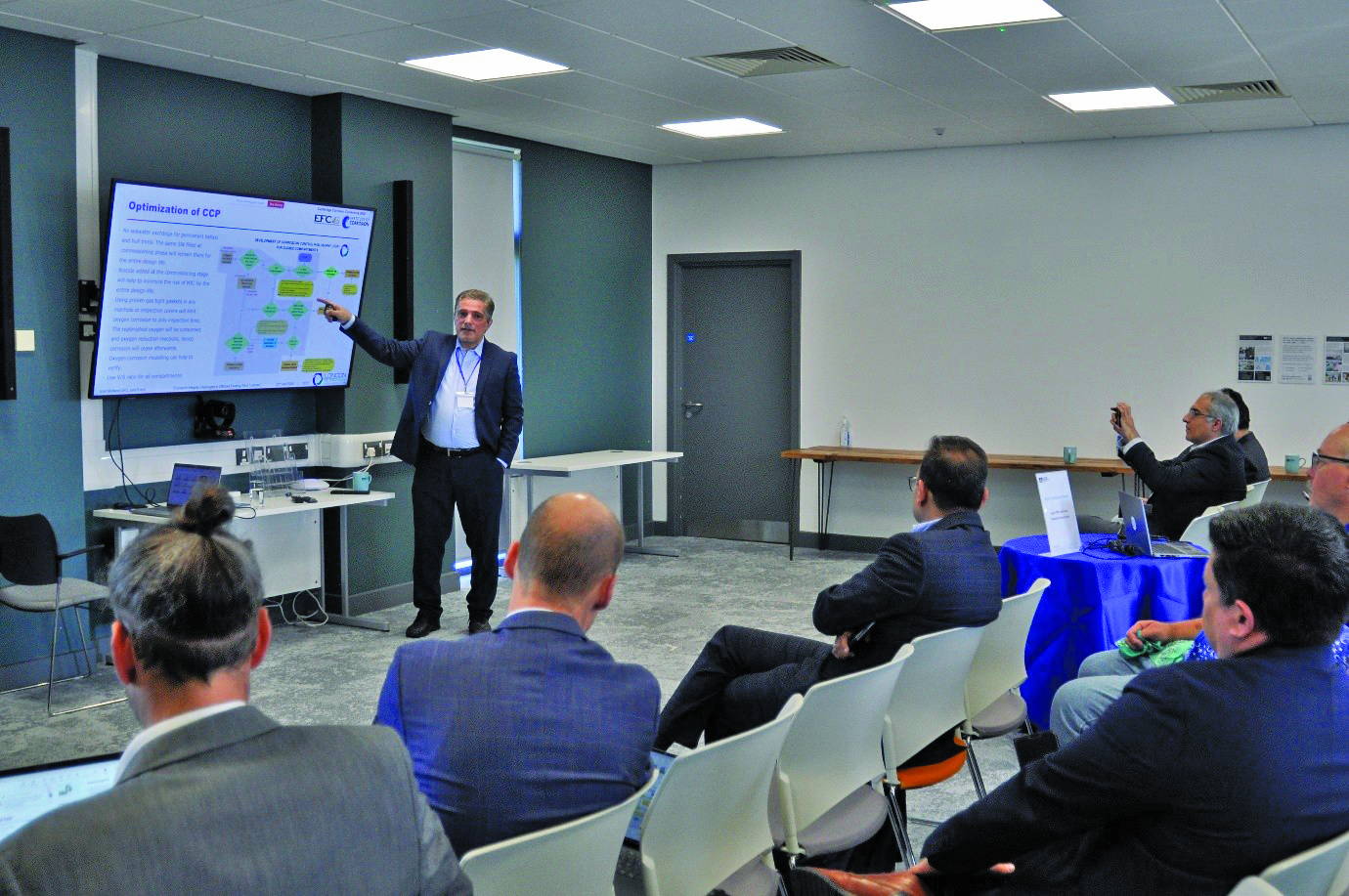
The two-day conference attracted delegates from across the UK and Europe and provided an excellent platform for discussion between industry and academia on current and emerging corrosion challenges.The conference was opened by ICorr President Dr Yunnan Gao and Dr Prafull Sharma, Immediate Past Chair of the ICorr Midlands Branch. Dr Gao also presented an overview of ICorr activities and achievements during 2025–2026.

The technical programme focused on digital monitoring, artificial intelligence (AI), corrosion under insulation (CUI), inspection technologies and corrosion challenges linked to energy transition systems. The event included presentations from major organisations including Cenosco, Emerson, Inductosense, Dow, Worley, Becht, Eddyfi Technologies, Moeve and Linde Engineering.

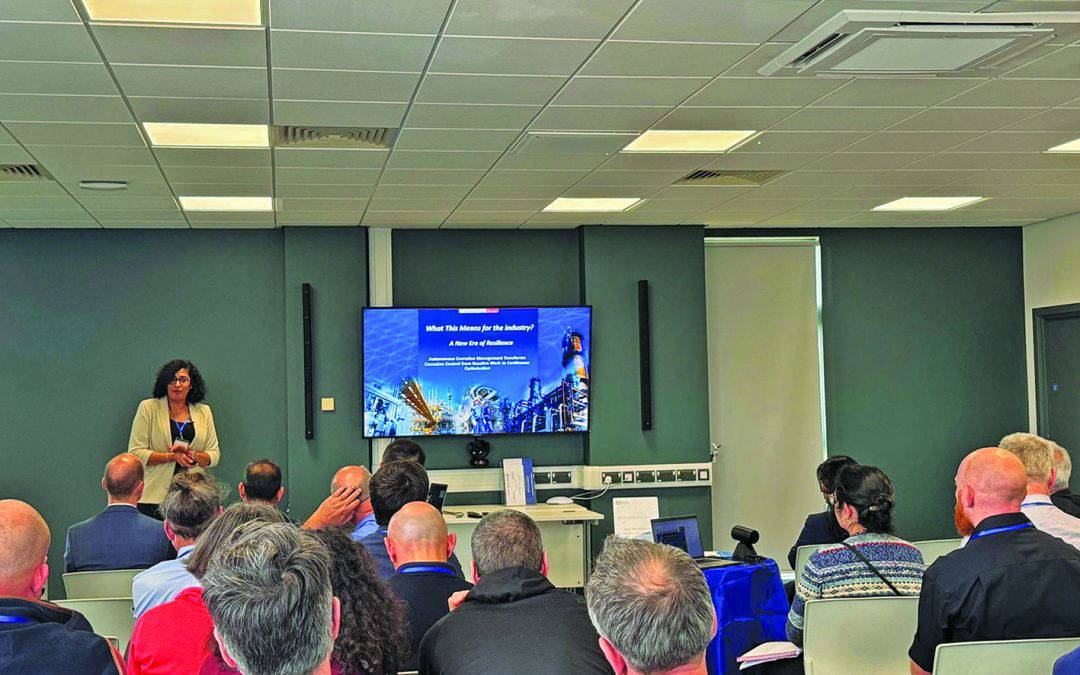
The opening keynote, “Future of Corrosion Engineering with AI”, was delivered by Dr Chiraz Ennaceur, CEO of CorrosionRADAR. The presentation explored how digital technologies and AI are influencing future corrosion management practices, while also highlighting the continued importance of engineering expertise, reliable data and human oversight.

Several presentations focused on AI applications and digital inspection systems. Rowan Vaduganathan of Cenosco presented “Integrating Machine Vision and AI into Risk Based Inspection Workflows”, while Stefano Cuomo from Inductosense discussed “From Inspection to Prediction: Redefining Corrosion Monitoring with Online Sensors and Hybrid Models”. Gerrit Buchheim of Becht delivered two presentations on “Machine Learning for Complex HF Alky Corrosion” and “CML Optimisation.” Philipp Schempp from the Technical University Cologne also presented on “Corrosion Prediction with Machine Learning.”

Corrosion monitoring and CUI management formed another major theme throughout the conference. William Fazackerley of Emerson presented “New Novel Area Monitoring Solution for Localised Damage,” and Ogbonnaya Agwu of Dow discussed “CUI Monitoring at a Petrochemical Plant”. Theo Knijff from Kai-Con presented recommendations for implementing CUI monitoring strategies, while Kus Slawomir of Corrology Innovations discussed thermal and visual image data analysis for targeted CUI inspection planning.

The conference also addressed corrosion challenges associated with renewable and low-carbon energy systems. Dr Hosseini from London Petrotech delivered a keynote presentation on “Corrosion Integrity Challenges in Floating Offshore Wind.” Florian Hairer from Linde Engineering presented “Hydrogen: HEE and Standardisation – Status and Outlook”, highlighting material and integrity challenges linked to hydrogen systems.

Other technical highlights included presentations on UT corrosion monitoring by Xavier De Schepper of Eddyfi Technologies, microwave inspection of non-metallic tanks and piping by Alessandro Demma of Omnia Integrity, and refinery corrosion case studies presented by Martin Vosecky of Nalco Water and Pedro Rangel of Moeve.

The event concluded with a series of open discussions covering topics such as AI for corrosion rate prediction, refinery corrosion mitigation, corrosion education and the future of inspection technologies. Delegates also participated in networking activities and an industrial tour of CorrosionRADAR facilities.

Overall, the Cambridge Corrosion Conference 2026 successfully highlighted the growing role of digitalisation, AI and advanced monitoring technologies in corrosion engineering. The conference demonstrated the importance of collaboration between researchers, technology providers and industry in developing safer, more reliable and sustainable asset integrity solutions for the future.

Photo 2: Day 2, keynote by Dr Mohammad Hosseini (MD, London Petrotech) on Corrosion Integrity Challenges in Floating Offshore Wind.

ICorr Corrosion Engineering Division Conference 2026

ICorr Corrosion Engineering Division Conference 2026

Summary Report: Corrosion Challenges in CCUS Applications

Date: 24th April 2026 (Corrosion Awareness Day)
Venue: Sir William Henry Bragg Building, University of Leeds Theme: NetCorr – Corrosion Challenges in CCUS Applications

Introduction

The ICorr Corrosion Engineering Division (CED) Conference 2026, titled NetCorr – Corrosion Challenges in CCUS Applications, was held at the Sir William Henry Bragg Building at the University of Leeds on Corrosion Awareness Day 2026. The event brought together professionals from industry, academia, regulatory bodies, and research organisations to discuss one of the most pressing technical challenges associated with the energy transition: corrosion management within Carbon Capture, Utilisation and Storage (CCUS) infrastructure.

The conference focused on the integrity, reliability, and long-term operational challenges associated with dense-phase CO2 systems, impurity management, corrosion testing methodologies, materials selection, and the practical realities of deploying CCUS at industrial scale.

The event was organised by the Institute of Corrosion (ICorr) Corrosion Engineering Division in partnership with the Royal Academy of Engineering and the University of Leeds.

Conference Overview

The conference attracted 54 registered professionals from across the corrosion, energy, integrity management, and materials engineering sectors. The programme included:

• 7 technical presentations
• 1 industry panel discussion
• 3 laboratory and facility tours
• Representatives from industry, academia, research institutions, and regulatory bodies
• Attendance from ICorr leadership, including the ICorr President, Vice President, and Past President

The event theme, “Corrosion Challenges in CCUS Applications”, highlighted the critical role corrosion science and engineering will play in enabling safe and sustainable Net Zero infrastructure.

Photo 2: Danny Burkle (ICorr CED Chair, Cortest)Introducing This Year’s Theme.

Sponsors and Supporters

The conference was supported by the following organisations:

• Cortest
• Intertek CAPCIS
• Industrial Coatings Inspectors Global Ltd
• Corrocoat
• OGC Energy
• University of Leeds

Additional support and partnership were provided by:

• Institute of Corrosion (ICorr)
• Royal Academy of Engineering

The conference organisers acknowledged the importance of sponsor support in enabling technical collaboration, knowledge sharing, and professional networking within the corrosion engineering community.

Photo 3: ICorr CED Conference 2026 Sponsors.

Opening Remarks

The conference opened with a welcome from Danny Burkle (ICorr CED Chair, Cortest), followed by remarks from ICorr President Yunnan Gao.

Danny framed the day’s theme by emphasising that CCUS corrosion is not simply a materials problem – it is a chemistry, flow, and systems problem. He highlighted real-world failures including the 2020 Denbury Gulf Coast pipeline rupture and delays to the Gorgon CCS project caused by corrosion risk.

A key message throughout the opening session was that corrosion engineering is central to the successful deployment of CCUS, hydrogen, offshore renewables, and geothermal technologies. The audience was reminded that while corrosion failures within CCUS infrastructure may currently appear infrequent, the consequences can be significant, including pipeline failures, loss of containment incidents, and project delays.

Speakers emphasised that corrosion is not simply a materials challenge, but also a societal and infrastructure challenge linked directly to safety, environmental protection, and the wider energy transition.

The conference also recognised Corrosion Awareness Day 2026, reinforcing the importance of raising awareness of corrosion prevention and the value corrosion professionals bring to society and industry.

Photo 4: A welcome from our ICorr President, Yunnan Gao.

Technical Programme Summary

Photo 5: ICorr CED Conference 2026 Speakers.

CCUS – The Big Picture Problem

Danny Burkle (Cortest) opened the technical programme with an overview of the wider corrosion challenges associated with CCUS deployment. The presentation explored the scale of infrastructure required for Net Zero ambitions and highlighted the operational risks associated with transporting and storing dense phase CO2.

Real-world examples of failures, pipeline ruptures, and containment incidents were discussed to demonstrate that corrosion risk in CCUS systems is already becoming an operational reality. The presentation also emphasised the importance of understanding when and where corrosion mechanisms become critical, rather than simply whether corrosion can occur.

Key challenges identified:

• Impurity chemistry: Parts-per-million levels of SOx, NOx, O2, and H2S can form strong acids.
• Phase behaviour: Stratified flow creates localised attack at low points.
• Non-linear corrosion: Small condition changes can trigger large jumps in corrosion rates.
• Testing gaps: No standardised methodology; results vary by an order of magnitude between labs.

Managing Corrosion Risk in CCS Infrastructure

Chris Scales (HSE Energy Division) discussed the importance of integrity management, regulation, and risk assessment within future CCS infrastructure.

The presentation highlighted the challenges associated with scaling up CCUS infrastructure while maintaining safe operation and regulatory compliance. The role of industry standards, inspection methodologies, and operational monitoring was discussed alongside the need for practical approaches to corrosion management within emerging CCS projects.

Chris outlined the new regulatory framework under the Carbon Capture, Utilisation, Storage and Offshore Hydrogen Production Regulations 2026, effective 6 April 2026. CCS projects now require formal safety cases demonstrating risks are managed to levels “as low as reasonably practicable” (ALARP).

He emphasised:

• CO2 is heavier than air – releases offshore will slump rather than disperse.
• Joule-Thomson cooling during depressurisation creates structural risks.
• Corrosion management is a critical element in safety case acceptance.
• Operators must engage early with regulators during design phases.

Are Current CO2 Specifications Realistic?

Steve Paterson (Arbeadie Consultants) delivered a presentation focused on CO2 specifications and impurity management within CCS projects.

A major topic of discussion throughout the conference was the balance between operational practicality, economic viability, and corrosion risk reduction. The presentation explored whether current impurity specifications are achievable for emitters and whether overly restrictive specifications could negatively impact project viability.

Discussions during both the presentation and panel session highlighted:

• The importance of understanding impurity interactions.
• No universal agreement exists on safe impurity limits.
• The challenge of controlling oxygen and acidic species.
• The need for alignment between emitters, transport operators, and storage operators.
• Lessons being learned from global CCS projects such as Northern Lights and ADM.
• Concerns around the gap between design assumptions and operational reality.
• Round-robin testing across laboratories is needed to validate results.

The audience discussion demonstrated strong industry interest in how specifications will evolve as projects move from design into long-term operation.

CO2 Capture and Conditioning

George Winning (Wood PLC) explored impurity reactions, CO2 conditioning, and the importance of understanding changing CO2 streams from different emitters.

The presentation discussed:

• Different capture technologies (amine absorption, physical solvents, membranes, cryogenic) produce different impurity profiles.
• Pre-treatment and post-treatment add costs that must be balanced against specifications.
• Chemical treatments such as scavenging and inhibition show promise for upset conditions.
• Online monitoring at ppm levels presents practical challenges. • Challenges associated with developing standardised specifications.

Reference was made to Joint Industry Projects (JIPs) focused on impurity specifications and corrosion risk management.

A recurring theme was that future CCS networks will require collaboration between emitters, transport operators, regulators, and researchers to ensure specifications remain technically achievable while maintaining infrastructure integrity.

Corrosion Testing Challenges in CCUS

Richard Barker (University of Leeds) from the University of Leeds discussed corrosion mechanisms and testing challenges associated with CO2 -rich environments.

The presentation focused on:
• Electrochemical behaviour in CO2 systems.
• Localised corrosion risks.
• Scale formation and breakdown.
• The complexity of reproducing realistic service environments within laboratory testing.
• The need for representative testing methodologies for CCS applications.

Richard described the challenges of laboratory testing in supercritical CO2:

• Impurity depletion in closed systems produces misleading integrated measurements.
• Water splashing during pressurisation and condensation during depressurisation create artefacts.
• Absorption/desorption on infrastructure creates lag times.

The session reinforced the importance of high-quality experimental work in understanding corrosion mechanisms and supporting future material selection and design decisions. Leeds is developing continuous-injection infrastructure to support improvement in testing methodologies in this area.

Autoclave vs Full Ring Pipe Testing

Paul Wood (Intertek Capcis) compared autoclave testing with full ring pipe testing methodologies. Paul presented comparative testing, examining pipe-section versus autoclave tests for shut-in pipeline conditions. Autoclave tests produced corrosion rates ten times higher than pipe-section tests due to different solution volume-to-surface-area ratios. The waterline region showed the highest attack rates (0.96 mm/year), while submerged regions showed minimal corrosion.

The presentation explored the advantages and limitations of different testing approaches, particularly in relation to:

• Simulating realistic operating conditions.
• Reproducing flow and stress conditions.
• Scaling laboratory results to field performance.
• Understanding material performance under dense phase CO2 conditions.

The discussion highlighted the importance of selecting appropriate test methodologies depending on the specific corrosion mechanism and operational scenario being assessed.

Standardised Test Methodology for Dense Phase CO2

Shravan Kairy (NPL) from the National Physical Laboratory
(NPL) presented work focused on standardised corrosion testing methodologies for dense phase CO2 systems.

Shravan addressed the need for standardised test methodology. Literature data shows order-of-magnitude variation in reported corrosion rates for identical conditions, largely due to procedural differences. He emphasised the need for consistency and repeatability across corrosion testing programmes to improve data quality, comparability, and industry confidence.

NPL’s validated methodology includes:

  • Gradual pressurisation (40 minutes) with stirring for rapid impurity
  • System dilution before depressurisation to avoid water condensation
  • No corrosion detected when water remains below solubility
  • NPL aims to publish a Good Practice Guide by 2027 and draft international standards by

The session highlighted the growing importance of collaborative testing frameworks as CCS infrastructure expands globally.

Facility Tours

Following the morning technical sessions, attendees participated in laboratory and facility tours hosted by the University of Leeds.

The tours were split into four groups and included three parallel activities:

  1. Bragg analytical facilities tour
  2. Virtual corrosion laboratory tour – Overview of corrosion research programmes.
  3. Chemistry corrosion laboratory tour focused on CCUS research featuring the new continuous-injection reactor infrastructure under development.

The tours provided attendees with direct insight into ongoing corrosion and materials research activities being carried out within the university. Delegates were able to view analytical equipment, discuss experimental methodologies, and gain a better understanding of the practical research supporting future CCUS deployment.

The facility tours were particularly well received as they allowed attendees to connect the technical presentations with real-world experimental work and infrastructure.

The Bragg Centre highlighted access schemes through the Henry Royce Institute, including SME access and the Royce Industrial Collaboration Programme.

Panel Discussion Highlights

The conference concluded with an open panel discussion involving Steve Paterson, George Winning, and Richard Barker. The discussion encouraged audience participation and focused on several key themes:

  • The realism and practicality of current CO2 impurity
  • The gap between design assumptions and operational
  • Monitoring and controlling impurities during
  • Lessons from existing global CCS
  • Material selection
  • The balance between risk reduction and economic
  • The need for industry collaboration and knowledge

The panel format created valuable interaction between industry, academia, and delegates, with open discussion around both technical and commercial challenges facing the CCUS sector.

Networking and Exhibiting

Throughout the day, delegates had multiple opportunities to network with fellow corrosion professionals, researchers, equipment suppliers, and industry representatives during registration, refreshments, lunch, and between technical sessions

The conference environment encouraged open discussion and collaboration across industry, academia, and regulatory organisations. Sponsors and supporting organisations also showcased their capabilities and services, allowing attendees to discuss current projects, technical challenges, testing approaches, and future collaboration opportunities linked to CCUS and corrosion management.

Tribute and Reflection

During the conference, attendees also took part in a moment of reflection following the recent passing of Charles Watkinson, CEO of Corrocoat.

A tribute recognised his more than 50 years of contribution to corrosion engineering, coatings technology, and the wider corrosion industry.

Colleagues reflected on his leadership, innovation, and commitment to advancing corrosion protection technologies globally. The tribute served as a reminder of the long-standing expertise and dedication within the corrosion engineering community.

Conclusion

The ICorr CED Conference 2026 successfully brought together leading experts from across the corrosion and CCUS sectors to discuss the technical, operational, and strategic challenges associated with corrosion management in dense phase CO2 infrastructure.A consistent theme throughout the day was the importance of collaboration between industry, academia, regulators, and research organisations. Speakers highlighted that achieving safe and reliable CCUS deployment will require not only advances in materials and testing, but also practical alignment between specifications, operations, monitoring, and long-term integrity management.The event provided attendees with valuable technical insight, networking opportunities, and direct engagement with current research and industrial practice. Through both the technical presentations and facility tours, the conference reinforced the critical role corrosion science and engineering will play in supporting the global energy transition and future Net Zero infrastructure.

Key Takeaways

  1. Specifications are not Systems must be designed assuming off-spec conditions will occur.
  2. Water location matters more than concentration. Acid formation occurs at phase boundaries, cold spots, and low points – not
  3. Testing standardisation is urgent. Without reproducible methods, material selection decisions cannot be made with
  4. Regulation is now formal. UK CCS projects require accepted safety cases; corrosion management is central to these.
  5. Collaboration is essential. No single organisation has all the answers; shared data and aligned methodologies are needed.

Key Conference Statistics

  • 54 registered professionals
  • 7 technical talks
  • 6 sponsors and supporters
  • 3 facility tours
  • 1 open panel discussion
  • Hosted at the University of Leeds on Corrosion Awareness Day 2026

Acknowledgements

The event was organised by Dr Danny Burkle (CED Chair) CEDchair@ icorr.org with support from Joshua Owen and the Bragg Centre team at the University of Leeds. Special thanks to Stephanie Foster for venue coordination and to all sponsors whose support made the event possible. Next Major Event: EUROCORR Dublin 2026, Convention Centre Dublin, 6–10 September 2026. See: Registration – Eurocorr 2026 to register advance interest. CED will also present at the ICorr National AGM to be held at the National Physical Laboratory (NPL) in London on Wednesday 18th November 2026, which will feature the Paul McIntyre award ceremony which recognises a senior corrosion engineer who has not only made significant technical contributions, but has also championed European collaboration and international standards – reflecting the values and legacy of the late Professor Paul McIntyre.

Report prepared by Danny Burkle. Photograph captured by Chijioke Godwins.

CED DIVISION: Danny Burkle (Chair), Email: cedchair@icorr.org

ICorr President Visits the University of Manchester to Celebrate Scholarship Impact

ICorr President Visits the University of Manchester to Celebrate Scholarship Impact

On 1 May 2026, Institute of Corrosion President Dr Yunnan Gao visited the University of Manchester to review the continuing success of the ICorr Scholarship Programme and to meet students and staff involved in corrosion education and research.

The visit included meetings with Dr Beatriz Mingo and Professor Dirk Engelberg from the Department of Materials, during which the annual review of the ICorr-funded scholarship programme was presented. Since 2023, ICorr has committed £25,000 per year over a five-year period to support MSc and MEng students specialising in corrosion-related disciplines. The review highlighted the growing success of the initiative, with strong student engagement and increased application numbers across both programmes.

Dr Gao also met with Professor Scott Heath, Vice-Dean for Students, Teaching and Learning in the Faculty of Science and Engineering, and held discussions with ICorr Scholarship recipients Ayrton Spiller and Jana Al Shami. During a tour of the university campus, Dr Gao was also accompanied by ICorr Scholarship recipient Charles Foxall.

The university expressed its appreciation for ICorr’s continued support in helping to develop the next generation of corrosion professionals. In February 2026, scholarship recipients Ayrton Spiller and Jana Al Shami were formally recognised during the Faculty of Science and Engineering Scholarship Awards Ceremony, reflecting the growing visibility and impact of the partnership between ICorr and the University.

The visit concluded with recognition of ICorr’s contribution on The University of Manchester President’s Circles of Philanthropy, The Beyer Circle Board, where the Institute is proudly acknowledged for its support of student development and engineering education.

Photo 3: ICorr President Dr Yunnan Gao Meeting with ICorr Scholarship Recipients Ayrton Spiller and Jana Al Shami in Manchester on 1 May 2026. 

Photo 4: ICorr President Dr Yunnan Gao Touring the University of Manchester Campus Accompanied by ICorr Scholarship Recipient Charles Foxall on 1 May 2026

Photo 1 and 2: ICorr Scholarship Certificate Presented by Professor Scott Heath to Ayrton Spiller (in Photo 1) and Jana Al Shami (in Photo 2) During the Faculty of Science and Engineering Scholarship Awards Ceremony in February 2026.

Photo 5: The University of Manchester President’s Circles of Philanthropy, The Beyer Circle Board, Including the Name of the Institute of Corrosion.