

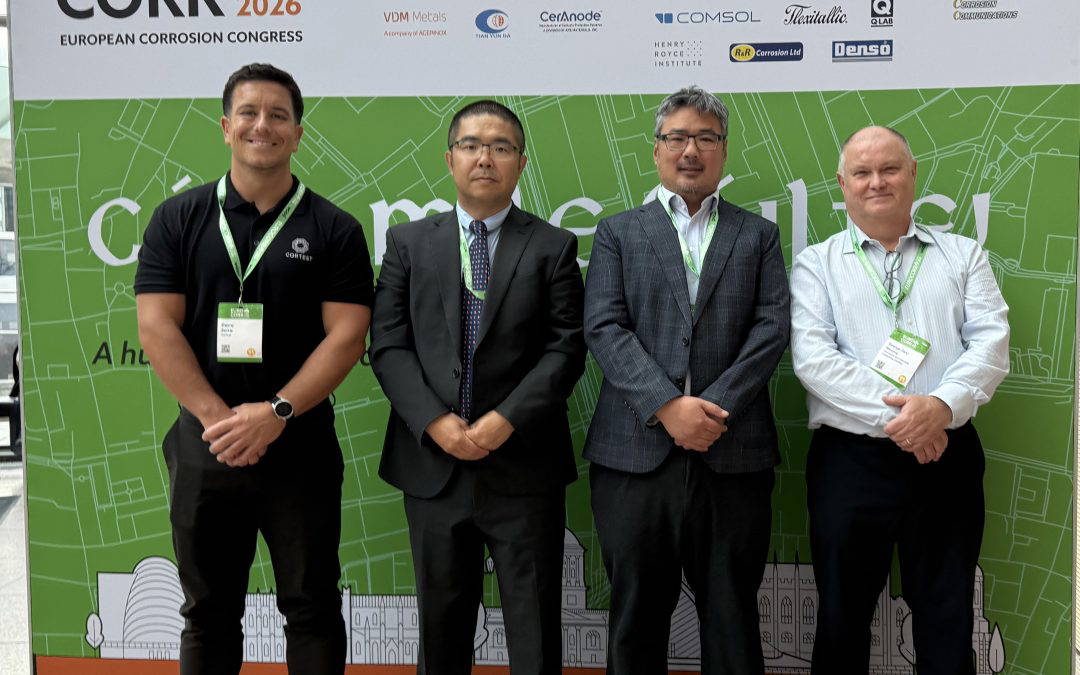
EUROCORR 2026 in Dublin: ICorr Strengthens International Collaboration at a Landmark European Corrosion Congress

EUROCORR 2026 in Dublin: ICorr Strengthens International Collaboration at a Landmark European Corrosion Congress

6–10 September 2026 | Convention Centre Dublin, Ireland

EUROCORR 2026 brought the international corrosion community together in Dublin from 6–10 September 2026 for five days of scientific exchange, technical discussion, professional networking and international collaboration.

Held under the theme “Investing in our future: corrosion challenges for green technologies”, the congress highlighted the increasingly important role of corrosion science, engineering and materials protection in enabling the energy transition and the deployment of sustainable, low-carbon technologies. EUROCORR 2026 welcomed more than 1,200 delegates from 48 countries and regions. Its broad international technical programme featured 656 conference abstracts and 158 posters.

For the Institute of Corrosion (ICorr), EUROCORR 2026 was a particularly significant occasion. It was the first EUROCORR held in the British Isles since Edinburgh in 2008, after an 18-year interval, and provided an important opportunity for ICorr and the Institute of Materials, Minerals & Mining (IOM3) to help host the European corrosion community in Ireland.

The congress was organised under the auspices of the European Federation of Corrosion (EFC), with ICorr, IOM3 and DECHEMA working together as event partners. Its successful delivery demonstrated the value of collaboration among professional institutions and the wider international corrosion community.

A Strong ICorr Presence in Dublin

ICorr maintained a strong presence throughout EUROCORR 2026 through its leadership, technical divisions, speakers, awards programme and international engagement.

A major ICorr contribution was the 67th Corrosion Science Symposium (CSS), organised by ICorr’s Corrosion Science Division and incorporated into the EUROCORR programme as a dedicated specialist session. The CSS is ICorr’s flagship annual meeting for students and early-career researchers in corrosion science and engineering. Its inclusion in EUROCORR enabled emerging researchers to present their work to a wider international audience while retaining the supportive and focused environment traditionally associated with the symposium.

The CSS programme reflected the breadth of modern corrosion science, including areas such as surface science, marine corrosion, coatings, hydrogen and green energy systems, tribocorrosion, AI-supported corrosion testing, corrosion imaging, nuclear corrosion and low-carbon technologies.

Integrating the CSS into EUROCORR reinforced ICorr’s commitment to supporting students, early-career researchers and the next generation of corrosion professionals. This commitment aligned closely with the wider Young EFC programme, which included networking activities, a careers fair, presentation awards and further opportunities for early-career engagement.
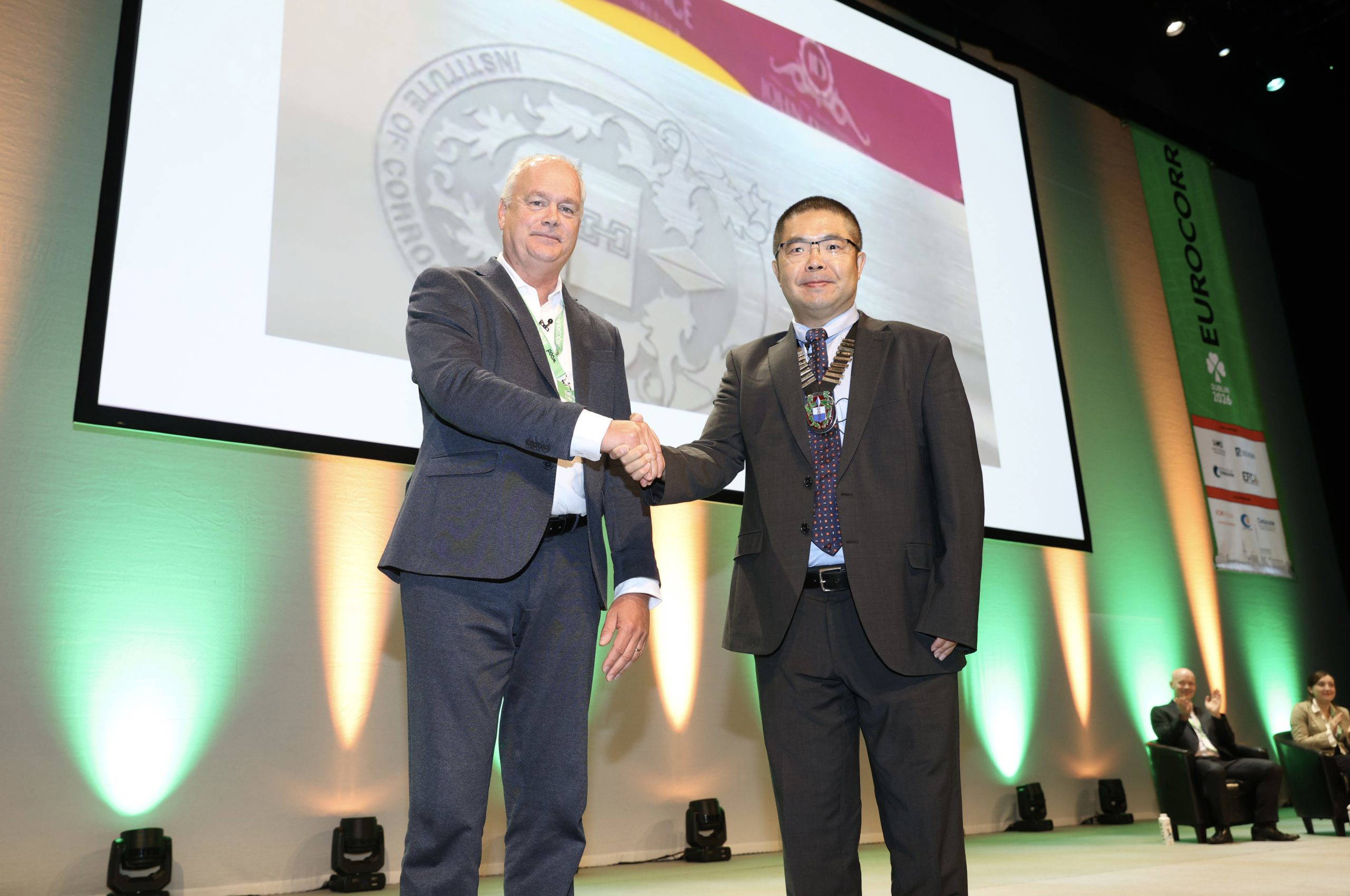
Photo 2: ICorr President Dr Yunnan Gao presents the 2026 ICorr U.R. Evans Award to Professor Arjan Mol.

Advancing Corrosion Awareness Internationally

EUROCORR 2026 also provided an important platform for ICorr to continue raising the profile of corrosion prevention and management beyond the traditional technical community.

During the morning plenary programme on 10 September, Dr Yunnan Gao received the 2026 World Corrosion Organization (WCO) Corrosion Awareness Honour, presented by Professor En-Hou Han, President of WCO.

The honour recognises Dr Gao’s contribution to promoting awareness of corrosion and corrosion protection, together with his continuing work across industry, academia, professional institutions and the wider engineering community. WCO specifically recognised his efforts to strengthen international collaboration and encourage the next generation of corrosion professionals.

For ICorr, the recognition also highlights the importance of making corrosion prevention more visible as an issue of engineering reliability, infrastructure resilience, safety, environmental performance and sustainability.
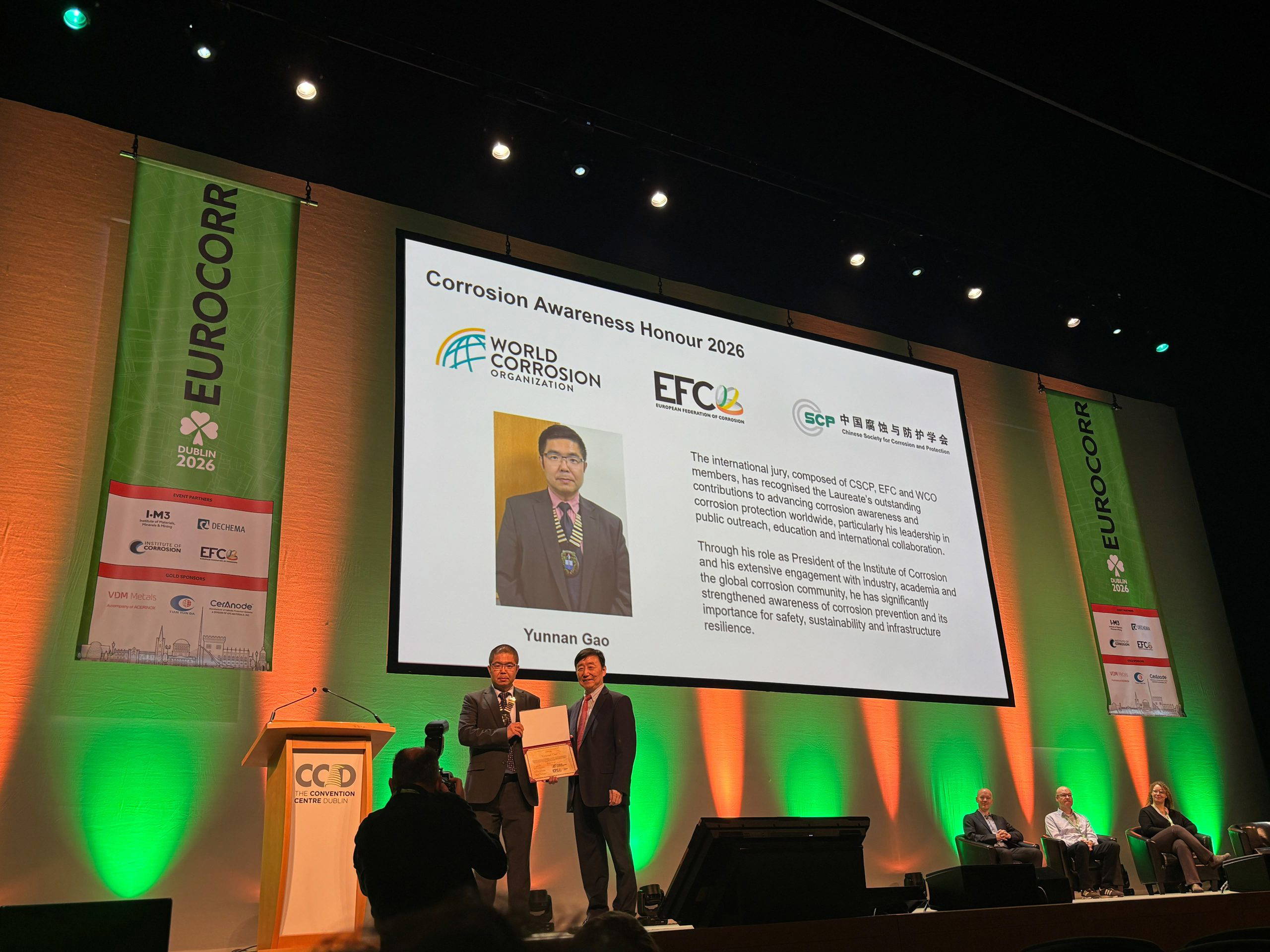
Photo 3: Dr Yunnan Gao, President of ICorr, Receives the 2026 Corrosion Awareness Honour from Professor En-Hou Han, President of WCO.

From Corrosion Science to Corrosion Advocacy

A further highlight of the final day was the Plenary Session on Advocacy, held in the Auditorium on the morning of 10 September. Chaired by Professor Gareth Hinds, EFC President, the session brought together Kimberly-Joy Harris of AMPP, Ayushka Dhakal of WCO, Dihao Chen of CSCP and Izabela Gajewska of ICorr, representing four major international corrosion organisations.

The speakers considered how the corrosion community can communicate more effectively with industry leaders, governments, infrastructure owners, educators and wider society. The discussion emphasised that advocacy should translate technical evidence into clear messages about public safety, asset reliability, infrastructure resilience, environmental protection, sustainability and whole-life value. The session also demonstrated the benefit of international organisations working together to strengthen corrosion education, public awareness and professional engagement. Its inclusion in the closing morning programme, immediately following the 2026 Corrosion Awareness Honour, underlined the importance of advocacy alongside scientific and engineering excellence.
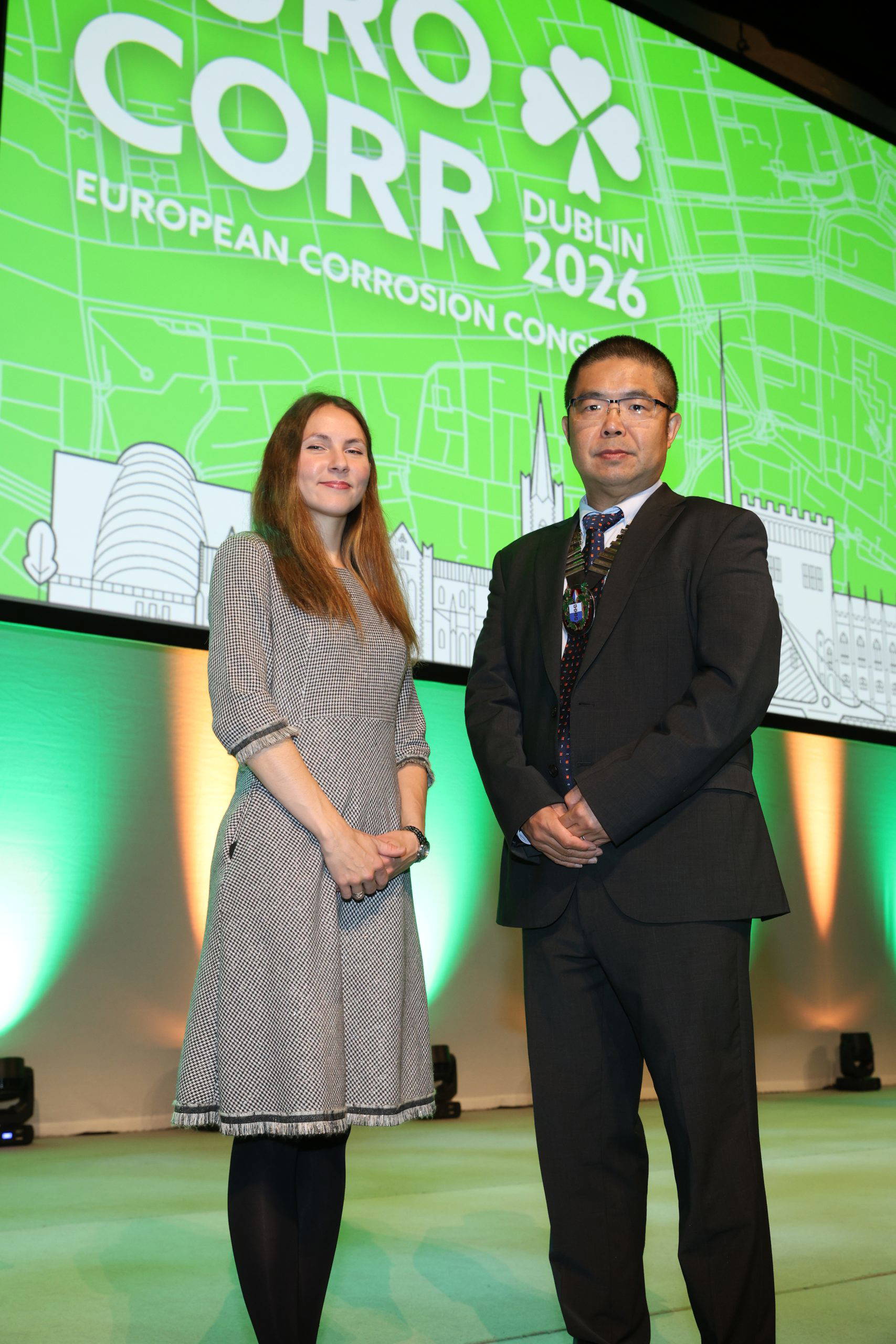
Photo 4: Izabela Gajewska, ICorr speaker during the Plenary Session on Advocacy, with Dr Yunnan Gao, ICorr President.

Strengthening the Global Corrosion Network

For ICorr President Dr Yunnan Gao, EUROCORR 2026 was also an important opportunity to continue a programme of high-level dialogue with fellow leaders of corrosion organisations around the world.

During the congress, Dr Gao held a series of discussions and collaborative meetings with senior representatives of the European Federation of Corrosion (EFC), World Corrosion Organization (WCO), Chinese Society for Corrosion and Protection (CSCP), Association for Materials Protection and Performance (AMPP), and Materials Engineering Association (MEA) in Saudi Arabia.

These discussions covered opportunities for greater international cooperation in areas including professional development, technical exchange, education, corrosion awareness, knowledge sharing, technology transfer and future joint activities.

This engagement supports ICorr’s broader international strategy of building practical links among corrosion professionals and institutions across geographical and organisational boundaries, while creating greater opportunities for members and the wider corrosion community.
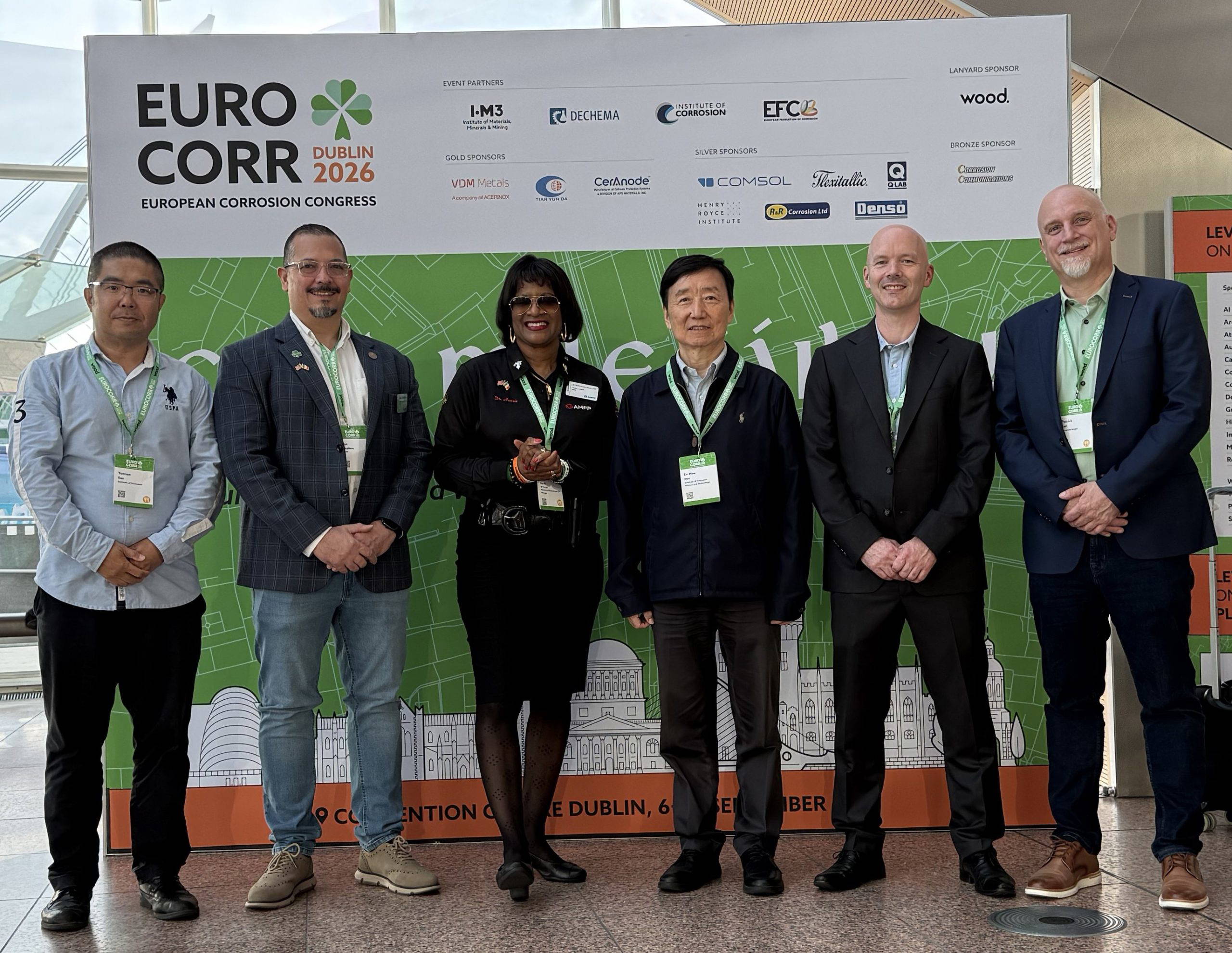
Photo 5: Presidents and senior leaders of international corrosion organisations meet during EUROCORR 2026 in Dublin. From left: Dr Yunnan Gao, ICorr President; Juan Caballero, Immediate Past Chair of the AMPP Board of Directors (2026); Dr Kimberly-Joy Harris, Chair of the AMPP Board of Directors (2026); Professor En-Hou Han, WCO President; Professor Gareth Hinds, EFC President; and Dr Patrick Keil, EFC Vice President.

Strengthening UK–Europe–China Collaboration

A particularly important element of EUROCORR 2026 was the continued dialogue between ICorr, EFC and CSCP.

Professor Xiaogang Li, President of CSCP, led a Chinese delegation to Dublin. More than 120 representatives from over 20 Chinese universities, research institutes and organisations attended EUROCORR 2026. CSCP reported that its delegation participated extensively in technical presentations and discussions and held exchanges with EFC, ICorr and CEFRACOR on future cooperation in talent development, academic exchange, bilateral seminars and other collaborative activities.

The presence of such a substantial Chinese delegation demonstrated the increasingly global nature of EUROCORR and the importance of maintaining strong connections between European and Chinese corrosion communities.

For ICorr, these relationships form part of a wider programme of international engagement designed to encourage open technical exchange, professional mobility, shared learning and collaborative solutions to global corrosion challenges.
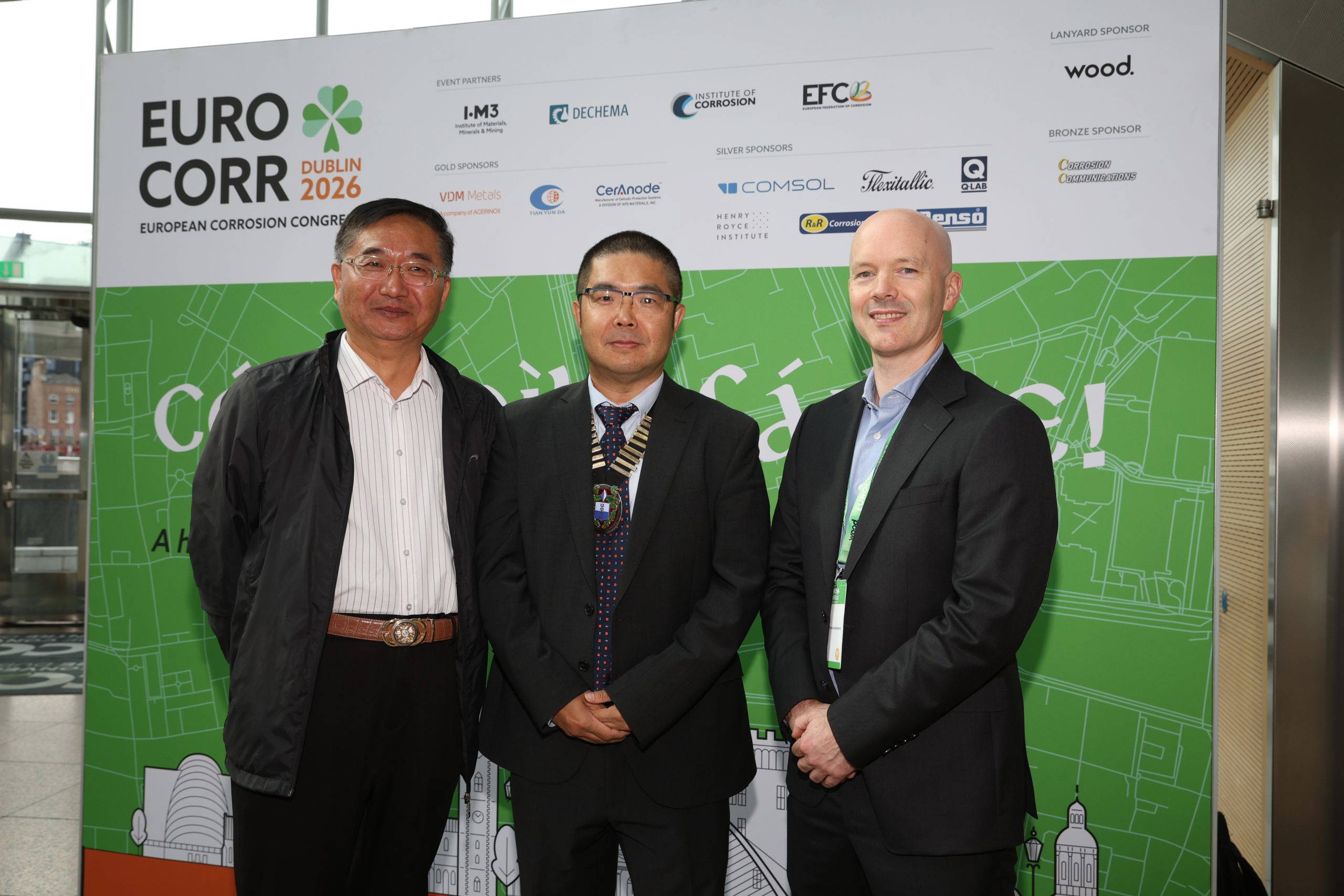
 

Photo 6: ICorr, CSCP and EFC leadership. From left: Professor Xiaogang Li, President of CSCP; Dr Yunnan Gao, President of ICorr; and Professor Gareth Hinds, President of EFC.

Strengthening ICorr-MEA Collaboration in Saudi Arabia

EUROCORR 2026 also provided an important opportunity to strengthen the growing collaboration between the Institute of Corrosion (ICorr) and the Materials Engineering Association (MEA) in Saudi Arabia.

The discussions built on the relationship established during ICorr’s visit to Saudi Arabia in November 2025, when ICorr and MEA met at the 19th Middle East Corrosion Conference and Exhibition and subsequently signed a Memorandum of Understanding (MoU) to develop closer professional and technical cooperation.

Building on that agreement, discussions in Dublin focused on practical implementation of the ICorr–MEA collaboration, including the planned delivery of ICorr engineering courses in Saudi Arabia during the fourth quarter of 2026. The courses are intended to give corrosion and materials professionals in the Kingdom access to ICorr’s technical expertise and professional training, while supporting the continued development of engineering competence in corrosion management and related disciplines.

The discussions also provided an opportunity for both organisations to review the next steps for implementing the MoU and to strengthen their longer-term cooperation in professional education, technical training and knowledge exchange.

ICorr is pleased to continue working closely with MEA to develop practical activities that combine the two organisations’ professional and technical strengths and provide tangible value to corrosion and materials professionals in Saudi Arabia.
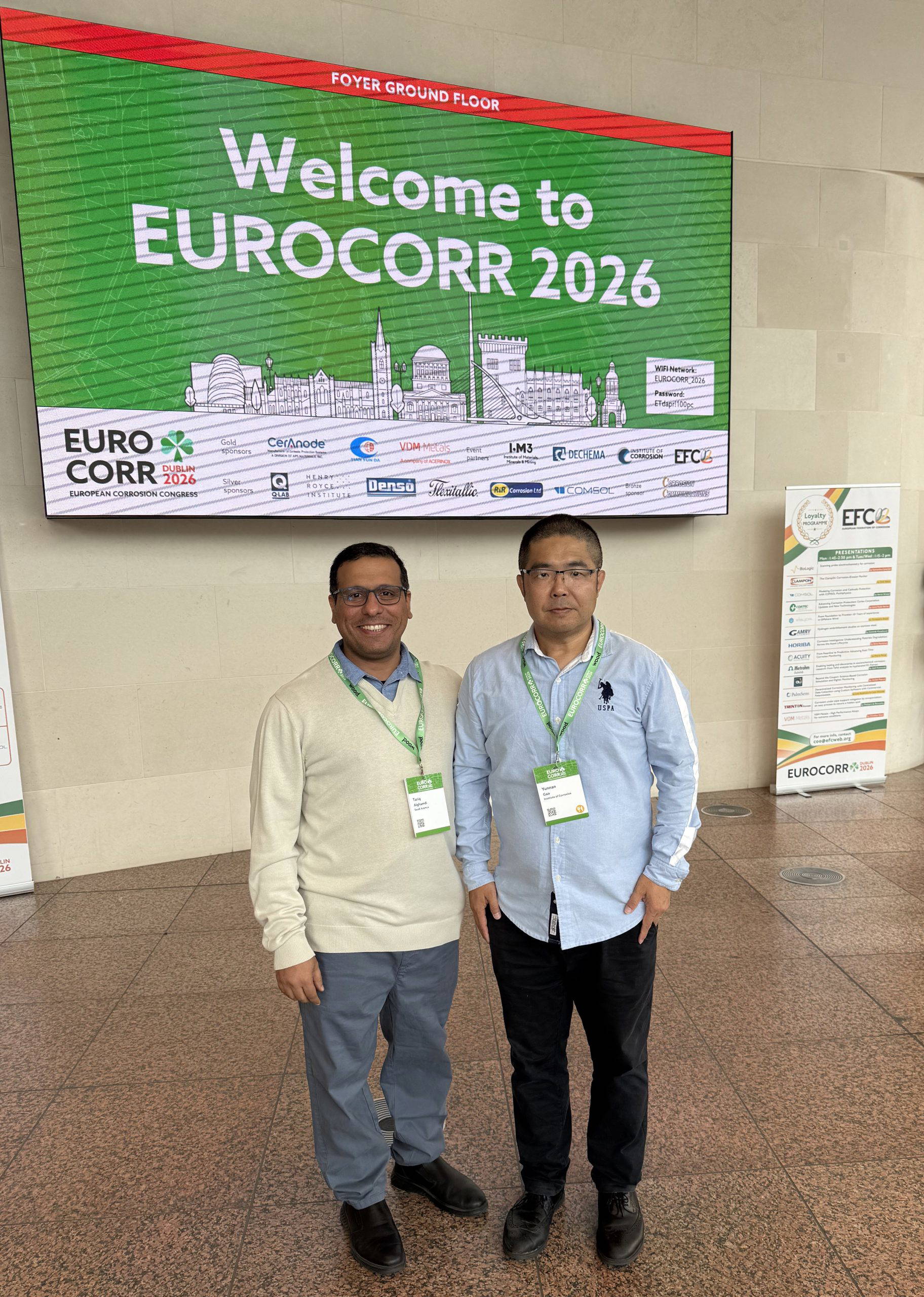
Photo 7: ICorr and MEA leadership. From left: Dr Tariq A. Alghamdi, MEA President, and Dr Yunnan Gao, ICorr President, during EUROCORR 2026.

Looking Towards the Future

EUROCORR 2026 demonstrated once again the breadth and importance of the corrosion profession. From fundamental corrosion science and advanced materials to hydrogen, carbon management, renewable energy, nuclear technologies, coatings, cathodic protection and digital approaches, corrosion management remains fundamental to the safe and sustainable deployment of new technologies.

The conference programme covered a wide range of technical areas, including high-temperature corrosion, nuclear corrosion, marine corrosion, microbial corrosion, coatings, cathodic protection, tribocorrosion, corrosion in water systems, aerospace corrosion, CO₂ applications, atmospheric corrosion and corrosion in green and low-carbon energy technologies.

The successful Dublin congress also demonstrated the continuing strength of international cooperation within the corrosion community. For ICorr, the event provided an opportunity not only to contribute technically, but also to strengthen institutional relationships, promote professional development, support emerging researchers and advance the global conversation on corrosion awareness.

Eighteen years after EUROCORR was last held in the British Isles, in Edinburgh in 2008, EUROCORR 2026 marked a highly successful return to these shores. ICorr is proud to have played a significant role alongside IOM3, EFC and DECHEMA in supporting this major international gathering.

The Institute looks forward to building on the relationships and collaborations developed in Dublin and continuing to work with colleagues around the world to advance corrosion science and engineering, strengthen corrosion awareness and support a more sustainable and resilient future.


The Architecture, Mechanical Performance and Atmospheric Durability of a Triple Resin DTM Coating System

The Architecture, Mechanical Performance and Atmospheric Durability of a Triple Resin DTM Coating System

Jeremy Pasatta, Vice President of Technology, Advanced Polymer Coatings, Avon, OH, USA

Introduction

Industrial coatings face extreme and varied stressors: chemical exposure in processing facilities, ultraviolet light and weathering in outdoor service, vibration and impact in transport, and high humidity or temperature fluctuations in storage. Traditional solutions rely on multi-layer systems, each designed for a separate performance role. While technically effective, such systems introduce practical drawbacks: long cure times, complex application requirements, sensitivity to environmental variables, and risks of inter-coat adhesion failure.

Asset owners demand coatings that can perform multiple functions under real-world conditions across sectors such as rail transport, chemical processing, and heavy industry. Coatings must resist corrosion and chemical attack, remain flexible under vibration or thermal cycling, retain gloss and colour under UV light, and be applied efficiently in environments that may be less than ideal.

Advanced Polymer Coatings (APC) have developed a triple resin DTM (direct-to-metal) system to meet these evolving needs. This system merges the performance benefits of multi-coat structures into a single, co-cured architecture.

The triple resin coating system represents a deliberate shift away from this paradigm, integrating three distinct resin chemistries into a single film seeks to balance chemical resistance, mechanical toughness, UV durability, and rapid cure in one step. Co-curing ensures compatibility between components and creates a uniform polymer network with balanced properties. The result is a formulation designed not only for laboratory excellence but also for field reliability.

This paper integrates three complementary investigations of the system:

  1. Atmospheric Durability – assessment of UV stability, corrosion protection, chemical spot testing, and heat ageing.
  2. Mechanical Performance – using ASTM standards to evaluate adhesion, flexibility, and impact resistance.
  3. Performance Architecture – an in-depth look at resin selection, formulation strategy, and co-curing integration.

Atmospheric Durability of a Triple Resin DTM Coating

Materials and Test Methods

QUV Accelerated Weathering (ASTM D4587)

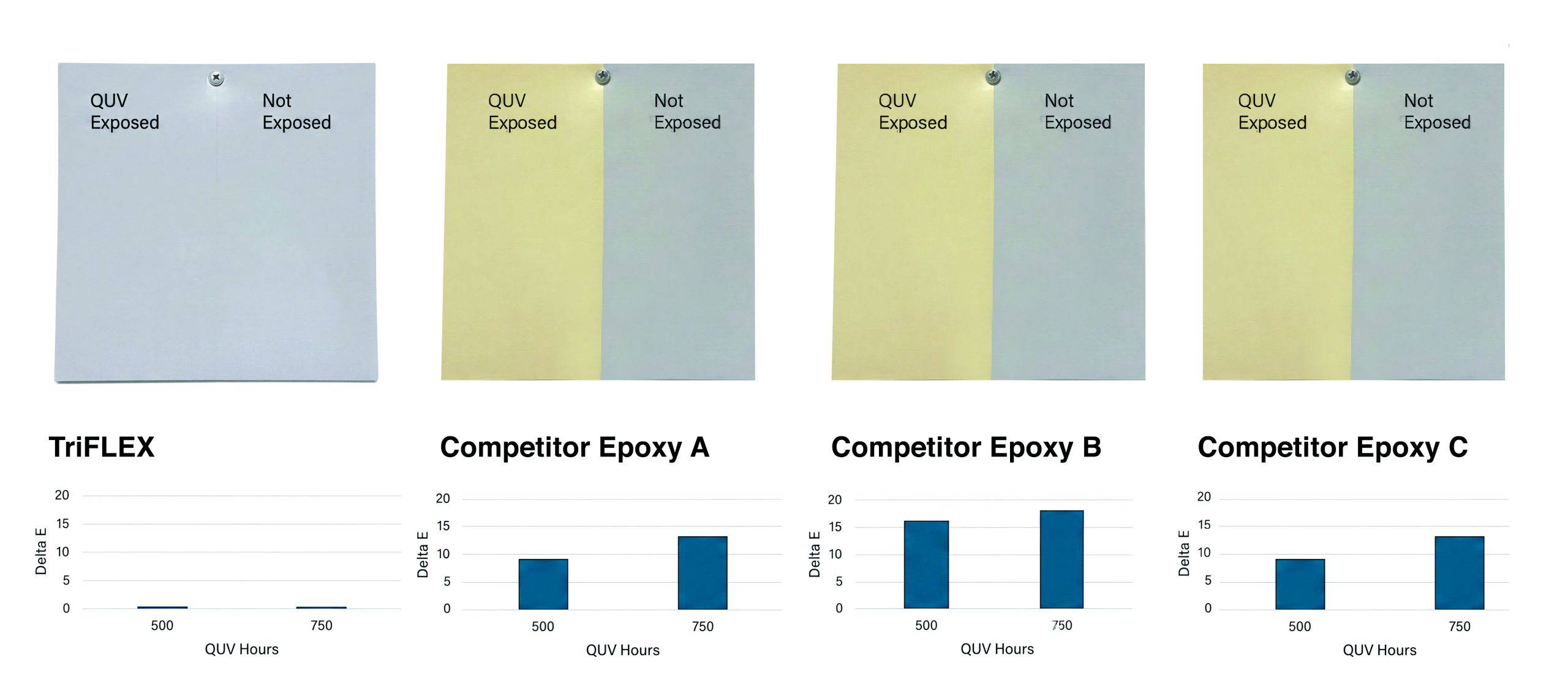
12” x 12” (30 x 30 cm) steel panels were sprayed with the triple resin coating system, along with three competitive epoxies. Each panel was partially masked to preserve an unexposed control area. Panels were subjected to 750 hours of UV exposure using UVA-340 bulbs. Colour stability was measured using Lab* colour space and Delta E calculations to quantify change.

Dry Heat Ageing (120°C, 720 Hours)

Performed by GPI Laboratories Project ID: N102301.B. The triple resin coating system panels were exposed to 120°C for 720 hours to simulate continuous high-temperature service. The post-exposure evaluation included visual assessment per ASTM D660 and D772 and adhesion testing per ASTM D4541.

Corrosion Testing (ISO 12944-6:2018)

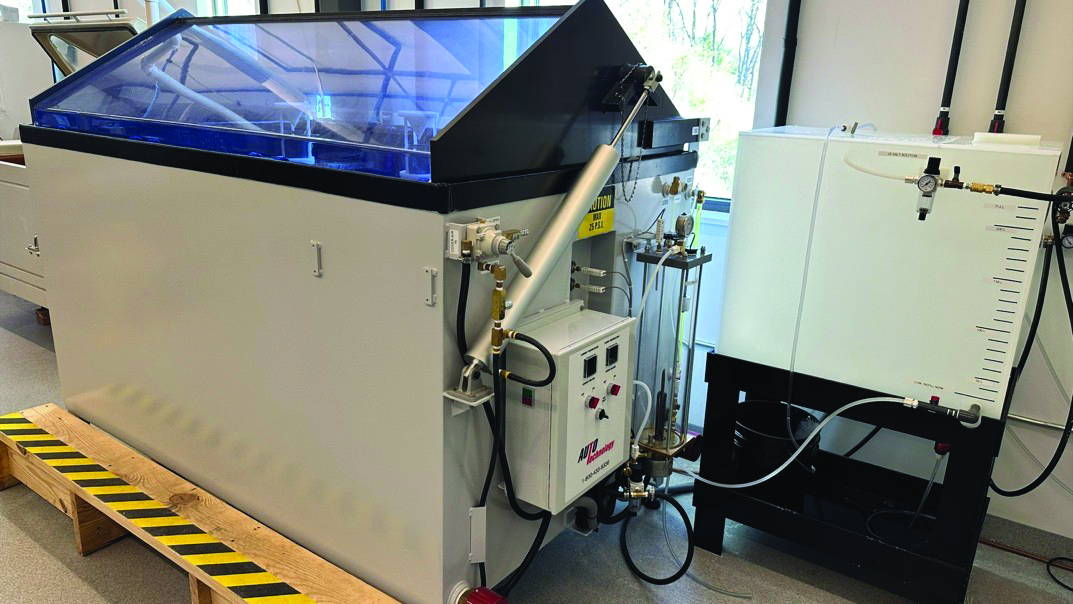
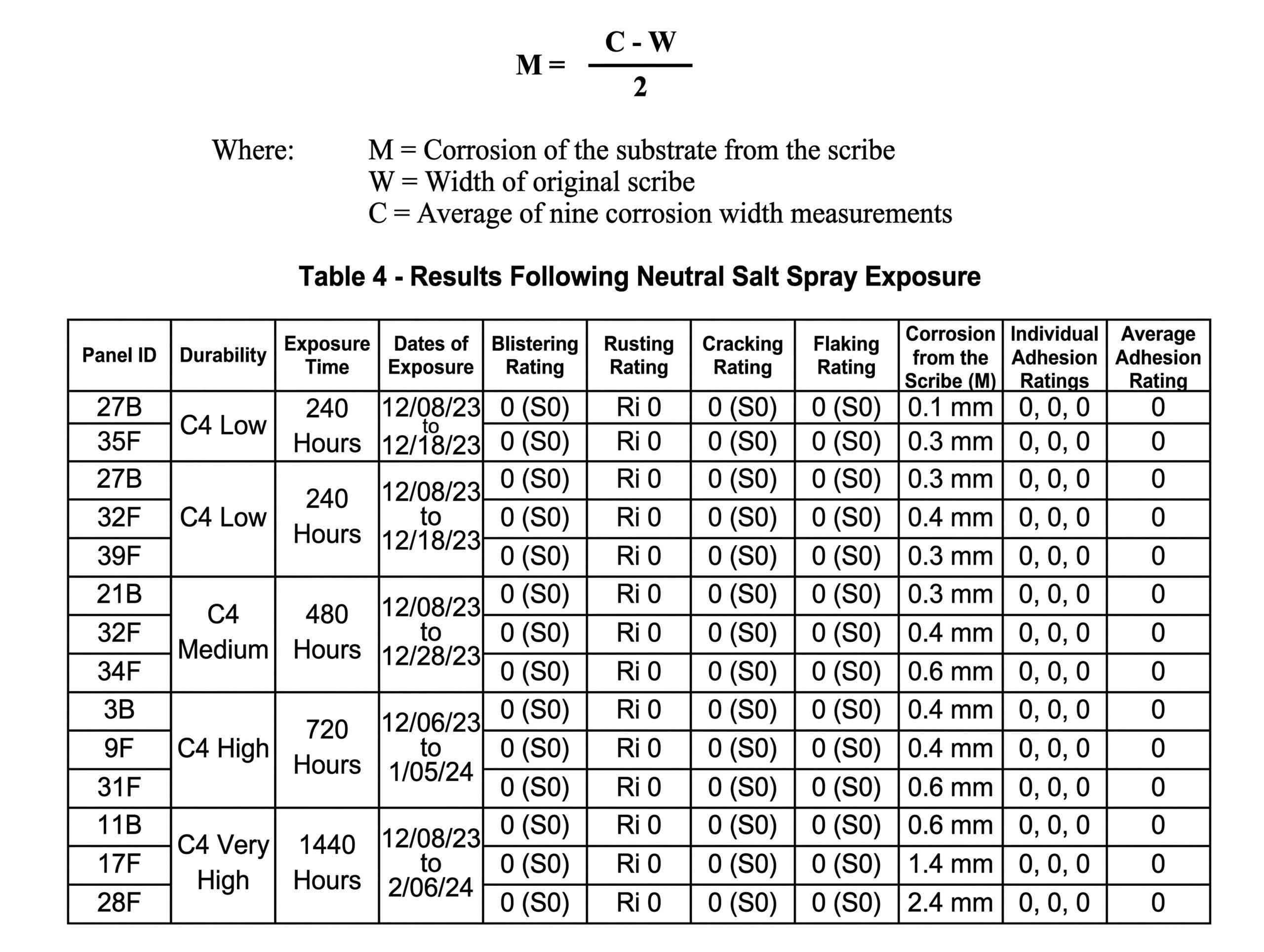
Performed by KTA-Tator, INC. Project No. 66075853-R2. Panels coated at 6.0-8.0 mils (150-200 microns) were subjected to salt spray (ISO 9227), humidity (ISO 6270-1), and cyclic ageing. Each test included multiple durability classifications from C3 to C4 (Low through Very High). The assessment included rusting, blistering, cracking, and scribe creep.

Figure 1: KTA-Tator, INC. Project No. 66075853-R2.

Chemical Spot and Humidity Testing (ASTM D1308, D2247)

Panels were exposed to ten aggressive chemicals for 72 hours at 23°C. The post-exposure evaluation included blistering (ASTM D714), rusting (ASTM D610), and visual degradation. Separate humidity exposure was performed at 38°C in 100% humidity for 1000 hours.

Spot and Spill Acid Resistance

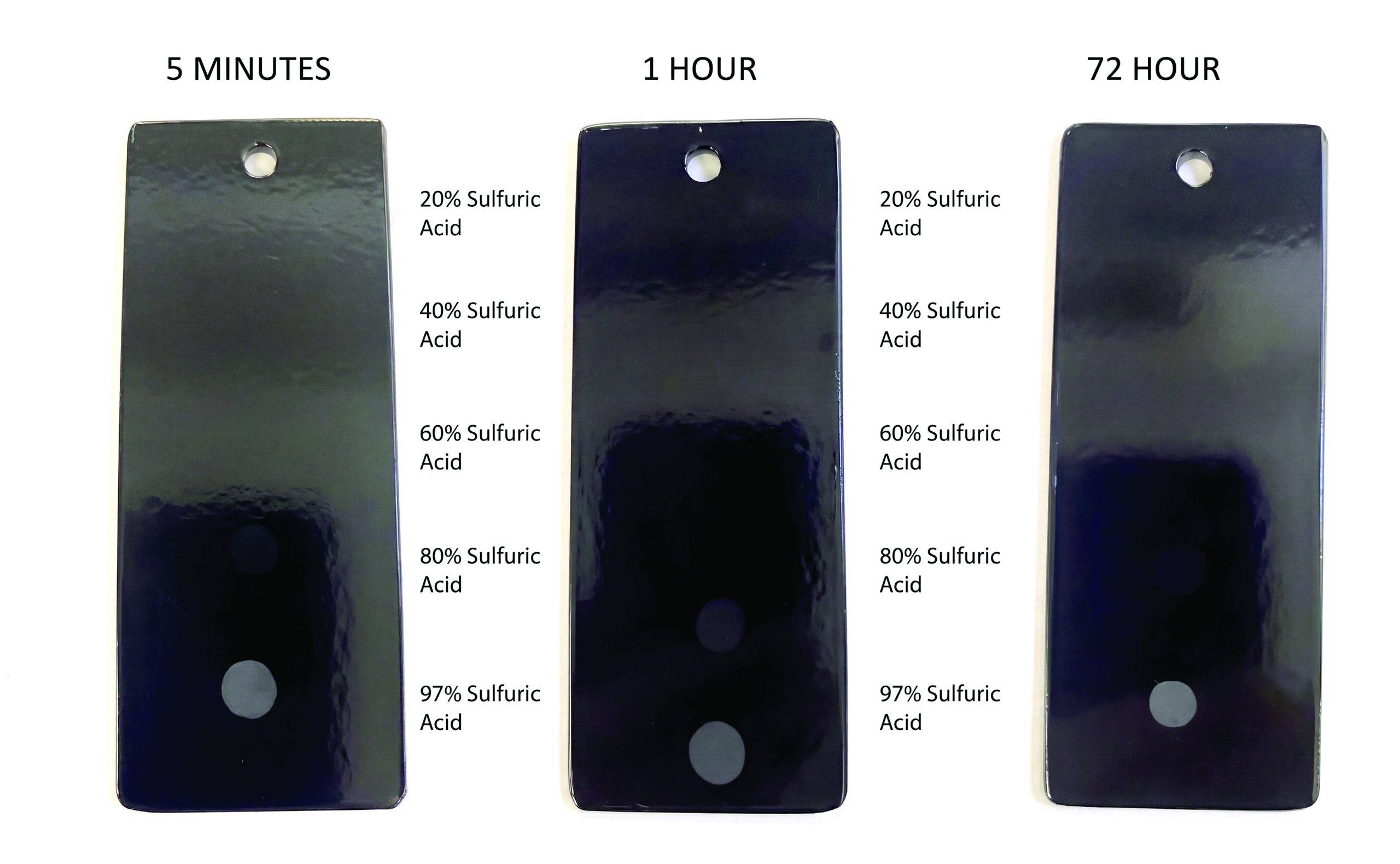
Panels were exposed to concentrated acids, including nitric, phosphoric, sulphuric, acetic, and hydrochloric, for up to 72 hours. Gloss loss, discolouration and film integrity were evaluated.

Results and Discussion

QUV Accelerated Weathering (ASTM D4587)

After 750 hours of UVA-340 exposure, the triple resin panels showed only minor discolouration and gloss loss compared to epoxies. Delta E measurements confirmed superior colour stability, highlighting its enhanced UV resistance. Masked panels directly compared exposed unexposed areas, demonstrating long-term aesthetic retention. This enhanced performance is considered due to UV-stable polyaspartic and polyurethane resins that absorb and dissipate radiation without the chain scission typical of conventional epoxies.

Figure 2: Results of QUV Accelerated Weathering (ASTM D4587) Testing at 500 and 750 Hours, Showing that TriFLEX Maintains Colour Stability with Minimal Change, While Competitor Epoxies A, B, and C Exhibit Significant Yellowing and Higher Values After Exposure.

Dry Heat Ageing Performance (120°C for 720 hours)

After prolonged exposure at 120°C, the triple resin system maintained structural and adhesive integrity, with no cracking, flaking or blistering. Adhesion exceeded 3600 psi, with cohesive rather than interfacial failure, suggesting strong thermal stability and possible cross-linking benefits. Minor discolouration and gloss loss were superficial, confirming suitability for continuous dry heat service up to 20°C.

Corrosion Resistance (ISO 12944-6:2018)

Corrosion testing by KTA-Tator, including salt spray, humidity, and cyclic aging per ISO 12944-6, showed the triple resin system met or exceeded C4 durability requirements. Panels exhibited no rusting, blistering, flaking, or cracking, and adhesion remained intact. Scribe creep was minimal and within limits, with only the most extreme accelerated regime causing higher creep than allowed. Overall, the results confirm the system as a reliable corrosion barrier for demanding coastal and industrial environments.

Chemical Spot and Humidity Resistance (ASTM D1308 and D2247)

The triple resin coating system strongly resisted aggressive chemicals, including concentrated acids and bases. After 72 hours of exposure, only minor gloss loss or surface yellowing was observed, with better retention of appearance and integrity than a leading epoxy. In 1000 hours of humidity testing at 38°C, panels exhibited minimal blistering, reduced underfilm corrosion, and superior adhesion.

These results confirm the system’s suitability for environments with frequent chemical contact and sustained moisture.

Figure 3: Results of Spot and Spill Acid Resistance Testing for TriFLEX™ Panels

Formulation Strategy and Resin Components

The foundation of this approach lies in the deliberate selection and chemical compatibility of three primary resins:

  • a Cyclic polyolefin-based polymer,
  • a Cycloaliphatic polyurethane, and
  • an Aliphatic polyaspartic (fast-curing, durable resin).

Each resin contributes to a specific performance domain, and together, they co-react to form a single crosslinked polymer network during cure.

Cyclic Polyolefin-Based Polymer

Serving as the primary barrier resin, the cyclic polyolefin-based polymer provides the dense, inert matrix necessary for chemical resistance and moisture impermeability. Unlike traditional epoxies, which often embrittle over time or under cyclic loading, this polymer retains its flexibility and integrity. Its molecular structure is characterised by tightly packed chains and minimal free volume, which translates into low water vapour transmission rates and high resistance to underfilm corrosion.

Cycloaliphatic Polyurethane

The second resin in the formulation is a cycloaliphatic polyurethane, chosen for its resistance to ultraviolet degradation and weathering. Derived from sterically hindered aliphatic isocyanates and UV-stable polyols, this polyurethane is chemically engineered to avoid the common pitfalls of aromatic variants, which degrade quickly under UV exposure.

Aliphatic Polyaspartic Resin

Completing the resin triad is an aliphatic polyaspartic resin formed by reacting a polyaspartic ester with an aliphatic isocyanate. This component offers several key benefits. First, it enables a rapid cure profile, reducing overall project timelines. Second, it is highly tolerant to humidity and temperature variations during application. These properties are particularly useful in real-world environments where conditions are rarely ideal.

Resin Integration Through Co-Curing

While each resin in the system offers unique attributes, the formulation’s performance depends on more than just its individual properties. Central to the system’s effectiveness is its co-curing behavior. Unlike traditional multi-coat systems, where each resin is applied and cured in isolation, the triple resin formulation is designed for simultaneous chemical reactions.

This co-curing strategy addresses several critical challenges. First, it prevents phase separation, a common issue when combining

chemically dissimilar polymers. The resins in this system are selected for their function and compatibility in terms of reactivity, polarity, and molecular weight distribution. Second, simultaneous cure minimises differential shrinkage and stress accumulation within the film. These unmitigated stresses can lead to cracking or delamination over time.

The result is a coating with a uniform modulus profile across the film thickness. This uniformity enhances both mechanical toughness and resistance to environmental degradation.

Furthermore, the system achieves a high crosslink density, improving chemical resistance and moisture impermeability. The balance of hardness and flexibility achieved through co-curing is especially significant, as most conventional coatings tend to favour one of these properties at the expense of the other.

Application and Performance Considerations

From a practical standpoint, this triple resin coating system is designed to perform in varied and unpredictable environments. Its moisture-tolerant cure behaviour, primarily driven by the polyaspartic component, allows for application under high-humidity or low-temperature conditions without introducing common defects such as amine blush or incomplete film coalescence.

The barrier properties of the cyclic polyolefin base bolster the formulation’s chemical resistance. At the same time, the cycloaliphatic polyurethane ensures surface durability in the presence of UV light, cleaning agents, and temperature fluctuations. The three resins contribute to a versatile performance profile that addresses the full range of chemical, mechanical, and aesthetic challenges commonly encountered in protective coatings.

In addition, the single-coat approach simplifies logistics. It reduces labour requirements, eliminates inter-coat inspection steps, and shortens turnaround time. This streamlined process is particularly advantageous in fast-paced project environments or settings where consistent environmental control is difficult.

Mechanical Performance of a Triple Resin DTM Coating

Materials and Test Methods

Adhesion Testing with Surface Conditioner

To evaluate the system’s adhesion to steel substrates under realistic surface conditions, carbon steel panels were prepared via dry abrasive blasting to a near-white metal finish (SSPC-SP10 / NACE No. 2). Panels were then exposed to three different pre-coating treatments:

  • No submersion (control)
  • Submersion in distilled water
  • Submersion in a 50:1 water dilution of HoldTight®102

HoldTight® 102 is a biodegradable, non-flammable surface preparation additive that removes soluble salts and prevents flash rusting post-blasting. Although widely used in field settings, its compatibility with high-performance coatings must be verified to ensure no adverse impact on adhesion.

After treatment, panels were coated with the triple resin coating system Grey at an average dry film thickness (DFT) of 8 mils (203 microns) and cured under ambient laboratory conditions (23 ± 2°C, 50 ± 5% RH) for seven days. Pull-off adhesion was tested per ASTM D4541 using an Elcometer 510 hydraulic adhesion tester with 20 mm aluminium dollies. Failure modes were classified as adhesive (at the substrate), cohesive (within the coating), or interfacial (between coating and dolly).

Flexibility Testing

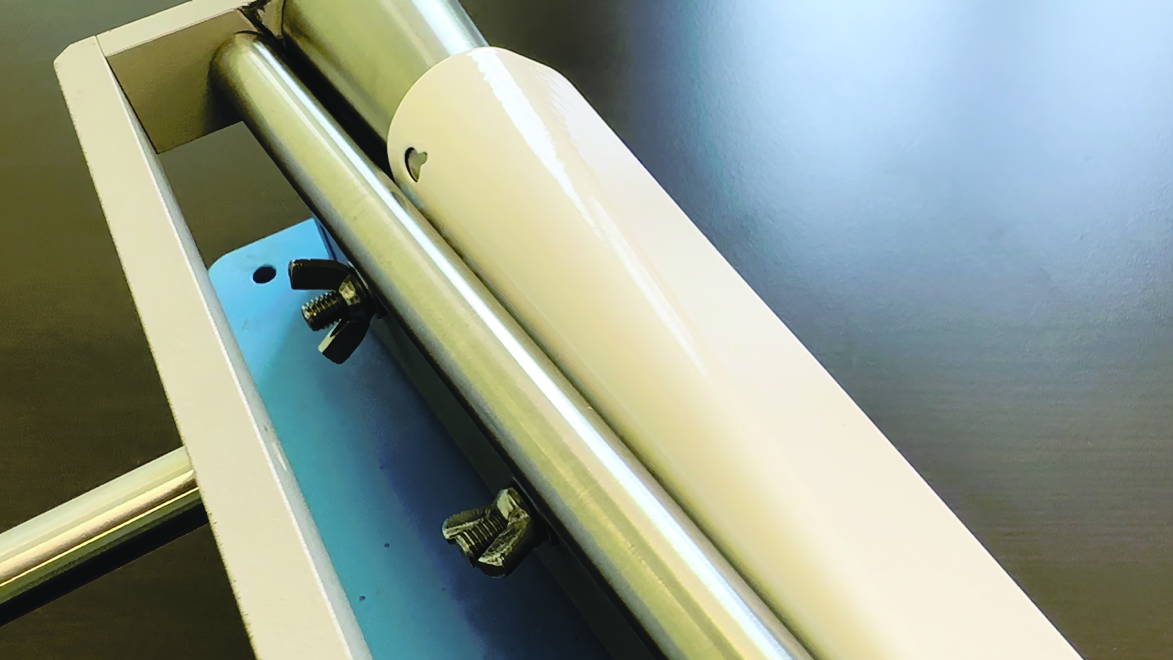
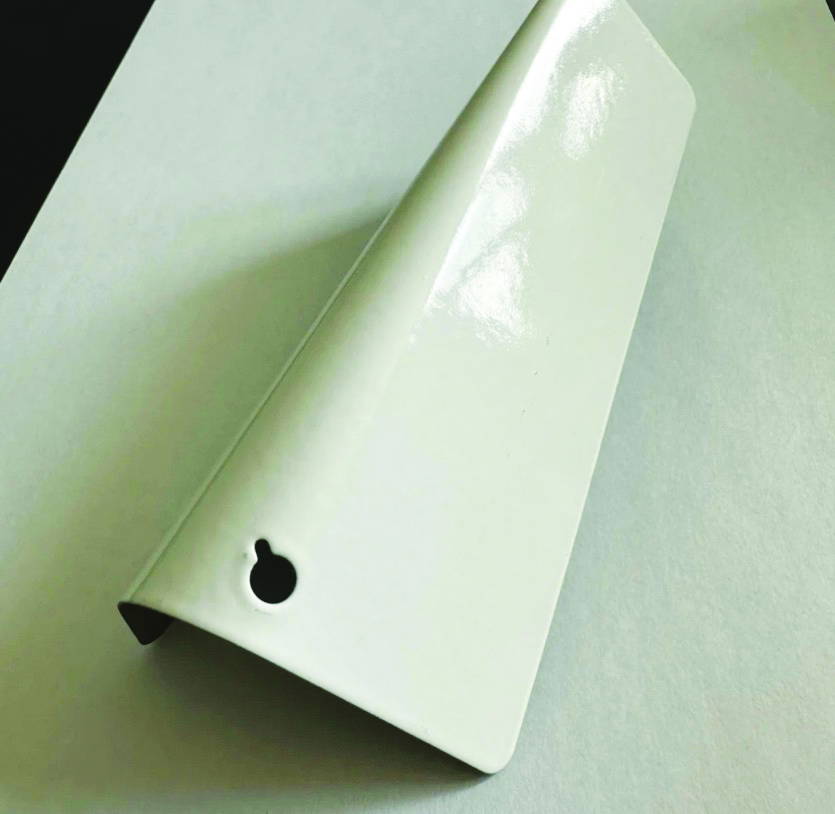
Flexural properties were assessed using the ASTM D522 Method A test for cylindrical mandrel bend. Coated panels were conditioned for 7 days post-application and then bent 180 degrees over mandrels of decreasing diameter, ranging from 1 inch (25.4 mm) to 1/8 inch (3.2 mm). The smallest mandrel diameter with no observed cracking was recorded. In parallel, a qualitative assessment of the coating’s crack resistance was performed by manually flexing fully cured panels back and forth to evaluate performance under repetitive bending stress, simulating flexural fatigue.

Figure 4: Mandrel Bend Test Performed on a TriFLEX™ Coated Panel.

Impact Resistance Testing

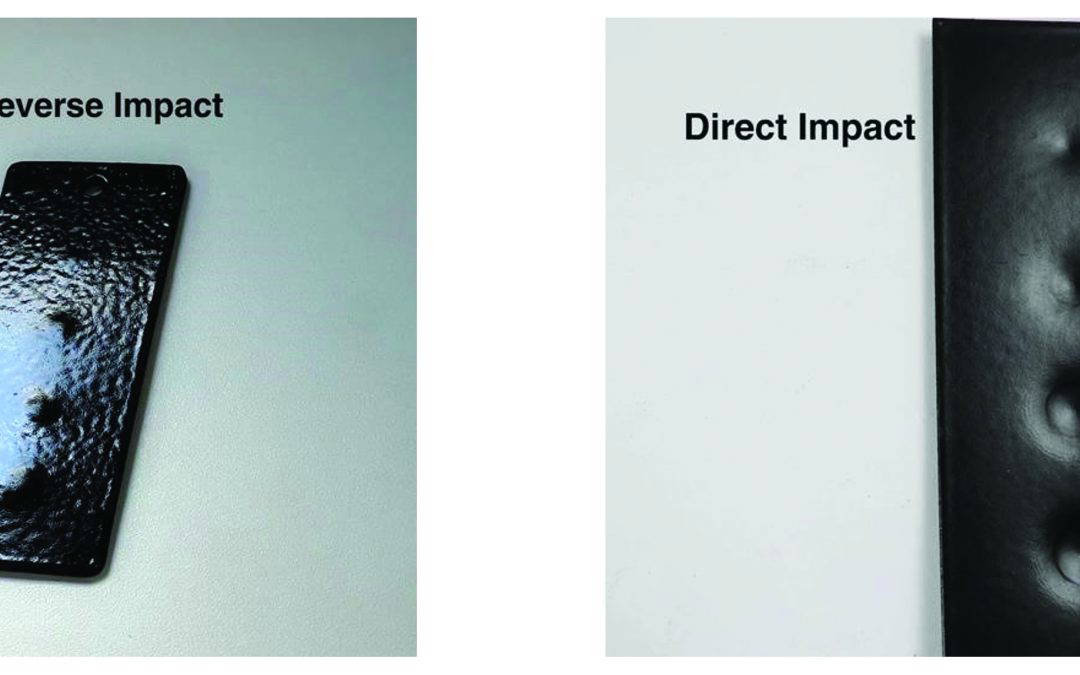
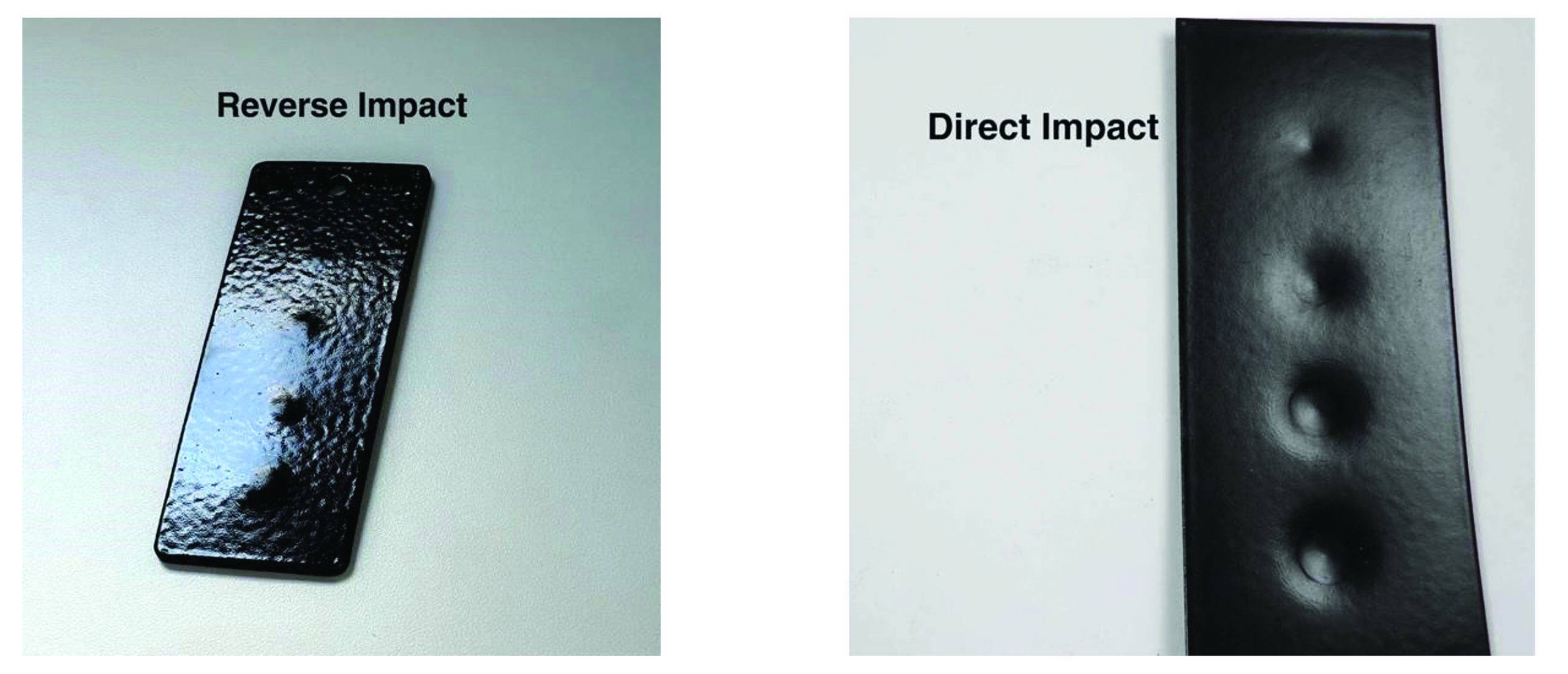
Impact resistance was evaluated by ASTM D2794, using a falling weight impact tester capable of delivering both direct and reverse impact. A hemispherical indenter was dropped from a fixed height to apply a known energy load (measured in inch-pounds) to the coated surface. For direct impact, the indenter contacted the coating directly. For reverse impact, force was applied to the uncoated backside of the panel. Failure was defined by visible cracking, delamination, or complete rupture of the coating film. The system’s results were compared to reference data from standard epoxy coatings.

Results and Discussion

Adhesion Performance

The average adhesion strength across all test conditions remained consistent. The control panel exhibited a pull-off strength of 1802 psi, while the distilled water-treated and HoldTight® 102-treated panels measured 1814 psi and 1796 psi, respectively. These differences are statistically negligible and fall within the expected variability of field-blasted substrates. More importantly, all tests exhibited cohesive failure within the system’s film, indicating that the failure occurred in the bulk material rather than at the substrate interface. This suggests that a

triple resin coating system establishes a robust bond to carbon steel surfaces and maintains interfacial strength even in salt removal agents or residual moisture films. Field use of HoldTight® 102 as part of the surface preparation process does not compromise adhesion and may be confidently included in standard surface treatment protocols.

Flexibility Results

The triple resin coating system demonstrated high flexibility, withstanding 180-degree bending over a 1/8-inch mandrel without cracking, delamination, or visible film degradation. This performance equates to an elongation threshold exceeding 30%, which surpasses the flexibility range typically observed in conventional epoxies (6% to 12%).

The triple resin matrix appears to distribute mechanical stress across the film, reducing localised strain concentrations that would otherwise initiate cracks. When manually flexed in both directions, panels retained film integrity, supporting that the system possessed static flexibility and dynamic strain tolerance. These attributes make the coating advantageous for mechanical vibration, thermal cycling or structural movement environments.

Results of Mandrel Bend Test Performed on a TriFLEX™ Coated Panel.

Impact Resistance

Results from ASTM D2794 testing showed that the triple resin coating system provides impact resistance values exceeding 160 in-lb for both direct and reverse impacts. Conventional epoxy coatings typically register direct impact resistance in the 70 to 90 in-lb range and show significantly diminished resistance in reverse impact due to their brittleness.

The coating’s ability to absorb and dissipate mechanical energy from both directions without cracking or film failure reflects the synergistic effect of its resin composition. This makes it well-suited for highwear environments where equipment may be subjected to dropped tools or shifting loads. The dual-mode impact resistance also suggests that the coating can provide reliable protection during service, fabrication, transport and installation.


Figures 6: Results of Revers Impact and Direct Impact ASTM D2794 Testing of TriFLEX™ Panels.

Conclusion

This research indicates significantly improved performance traditionally reserved for multi-coat architectures through uniting three distinct resin chemistries into a co-cured single-coat system. The performance architecture study established the scientific rationale for resin selection and integration. The mechanical study confirmed that adhesion, flexibility, and impact resistance exceed conventional epoxy benchmarks. The atmospheric research validated resilience against UV, corrosion, humidity, heat, and chemical exposure.

Together, these results confirm the developed triple resin coating system as a durable, versatile, and efficient solution for industrial and transportation applications, offering asset owners the ability to reduce downtime, simplify coating application, and extend protection cycles.

ICorr Strengthens UK-China Corrosion Research Collaboration

ICorr Strengthens UK-China Corrosion Research Collaboration

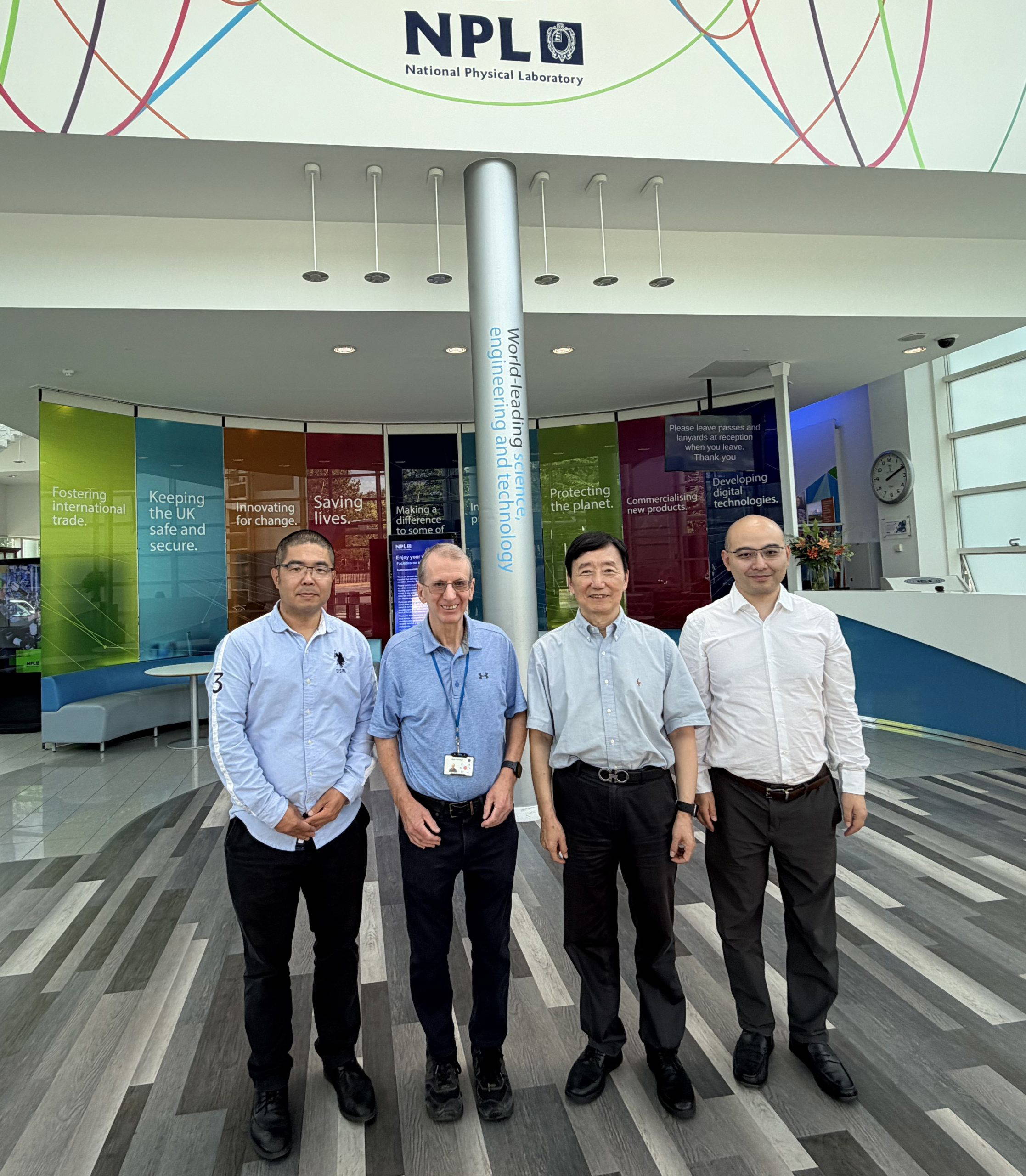
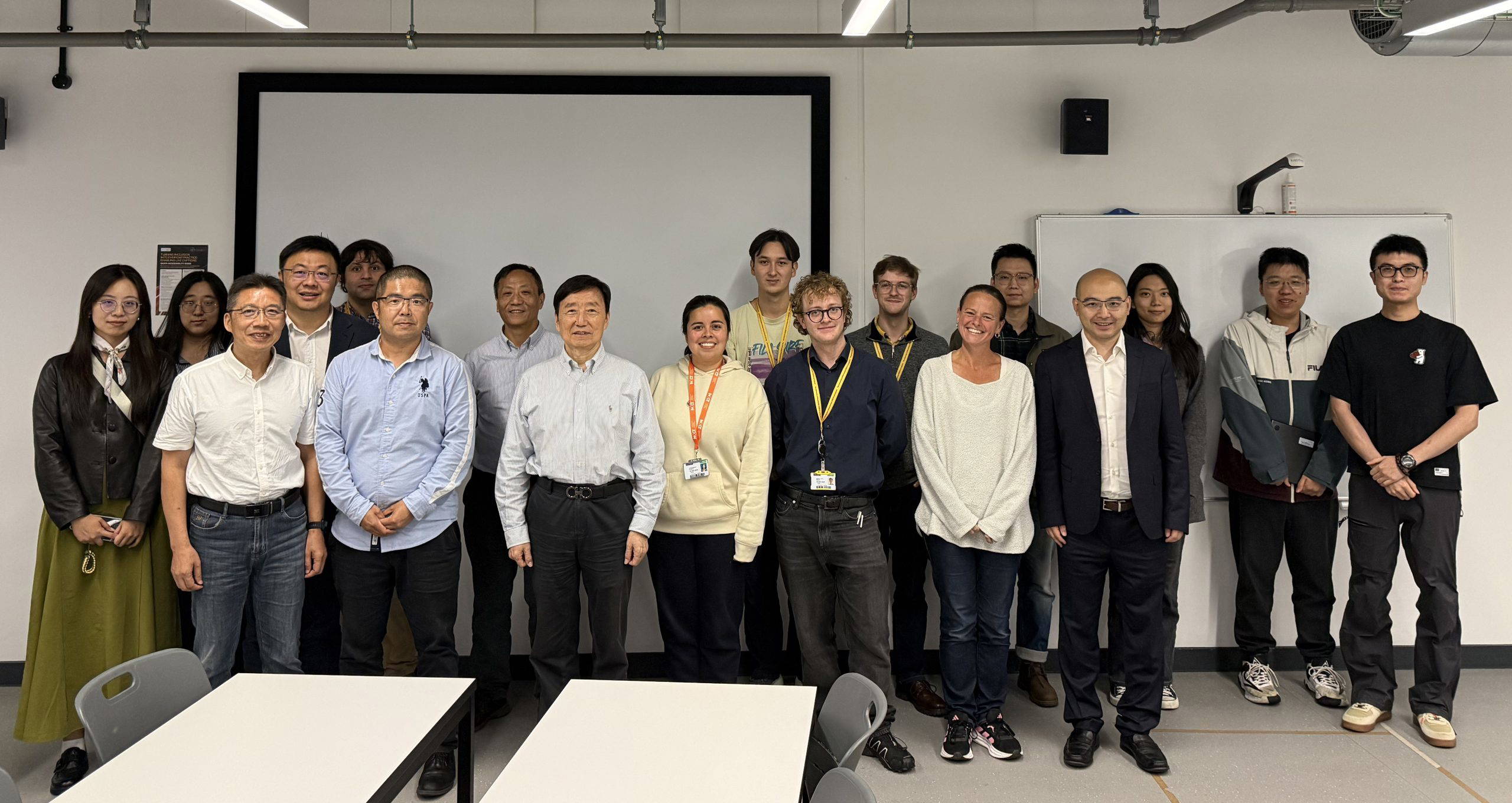
Ahead of EUROCORR 2026 in Dublin, ICorr President Dr Yunnan Gao hosted a delegation of leading Chinese corrosion and materials scholars for a programme of academic and research exchanges in London and Manchester in September 2026.

The delegation brought together renowned researchers from South China University of Technology, Huazhong University of Science and Technology, Northeastern University and Southwest Petroleum University, including Professor En-Hou Han, Professor Zehua Dong, Professor Dake Xu and Professor Junlei Tang.

The visit provided an important opportunity to strengthen links between the UK and Chinese corrosion communities and to explore opportunities for future academic collaboration and joint research

Photo 1: Chinese Scholars Delegation at NPL, London

The programme began in London with a visit to the National Physical Laboratory (NPL), where the delegation undertook academic exchanges and gained an insight into the UK’s national measurement and research capabilities.

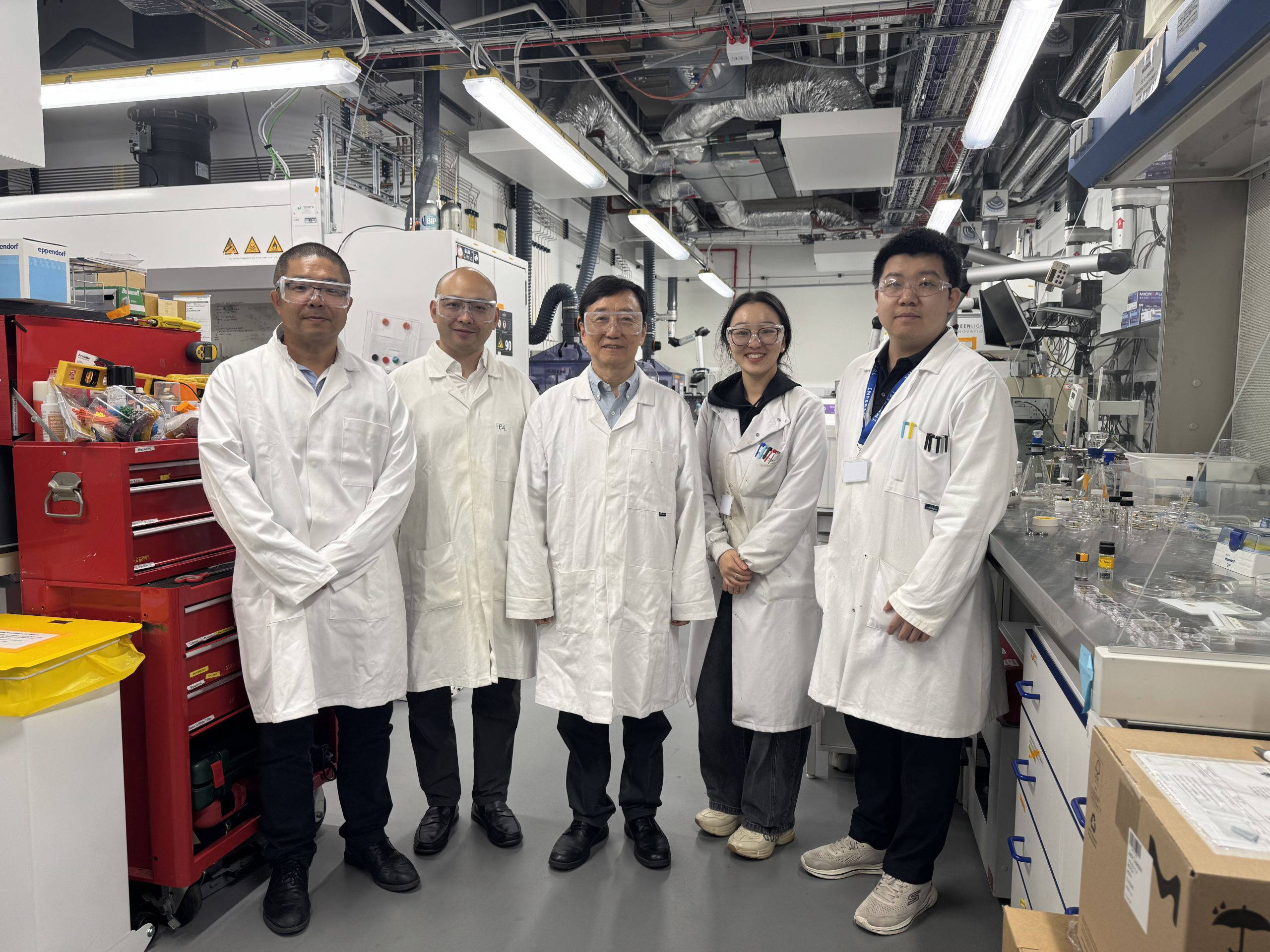
The delegation also visited the laboratories of Imperial College London, providing further opportunities for technical discussions and exchange of expertise in materials and corrosion research.

Photo 2 Chinese Scholars Delegation at Imperial College London

The programme continued at the University of Manchester (UoM), where the delegation was hosted by Professor Xiaorong Zhou, Professor Dirk Engelberg and Dr Rob Lindsay, colleagues in the University’s materials, metallurgy and corrosion research community.

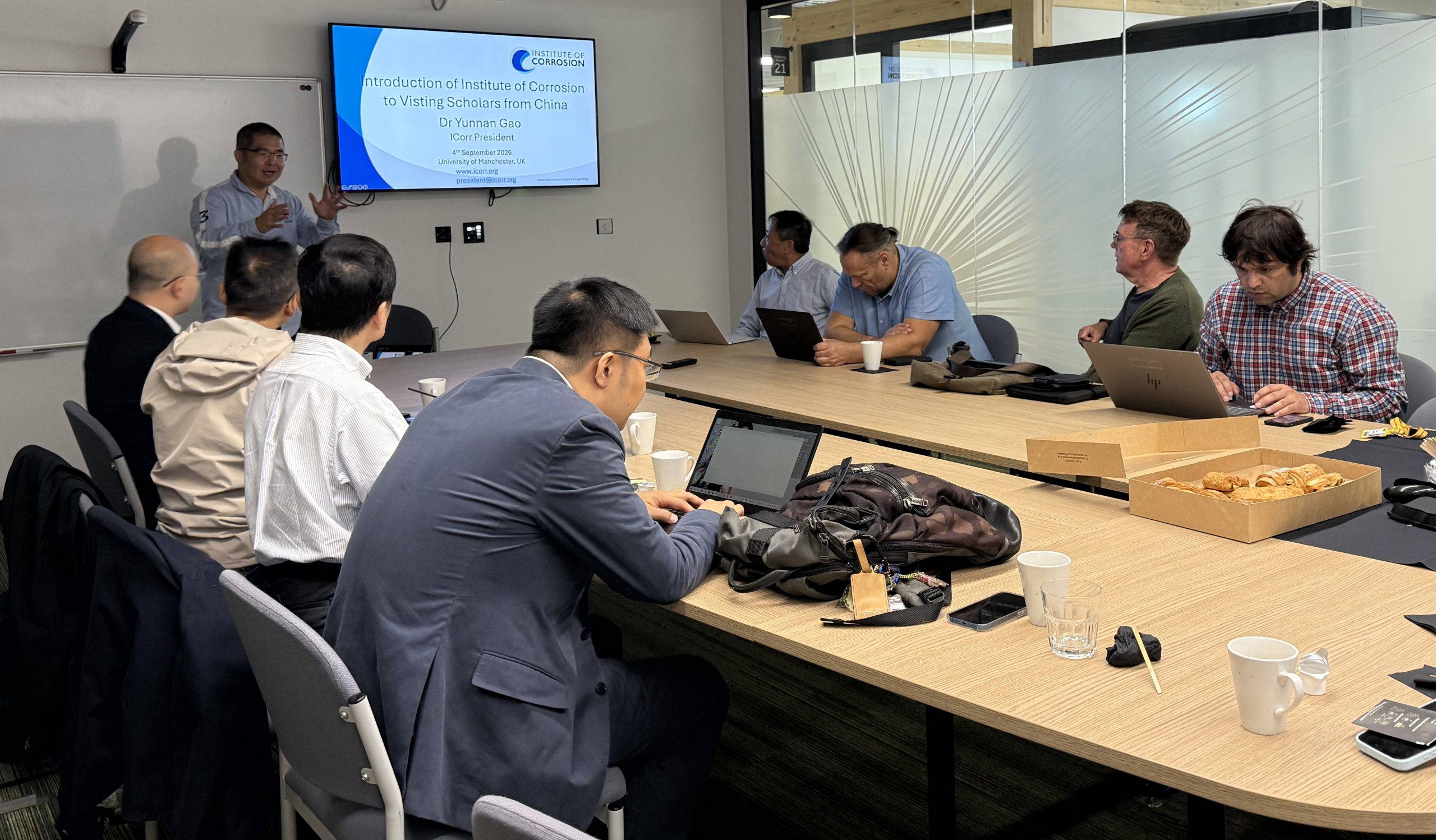
The programme included an introduction to Corrosion@Manchester and ICorr, discussions on future collaboration and joint research programmes, and a series of technical plenary lectures by the visiting Chinese scholars.

Photo 3: ICorr President Dr Yunnan Gao Presenting ICorr at the University of Manchester

Dr Yunnan Gao presented an overview of the Institute of Corrosion (ICorr), its international activities and its role in connecting corrosion professionals, researchers and institutions internationally. The exchange highlighted the opportunities for further engagement between the UK and Chinese corrosion communities.

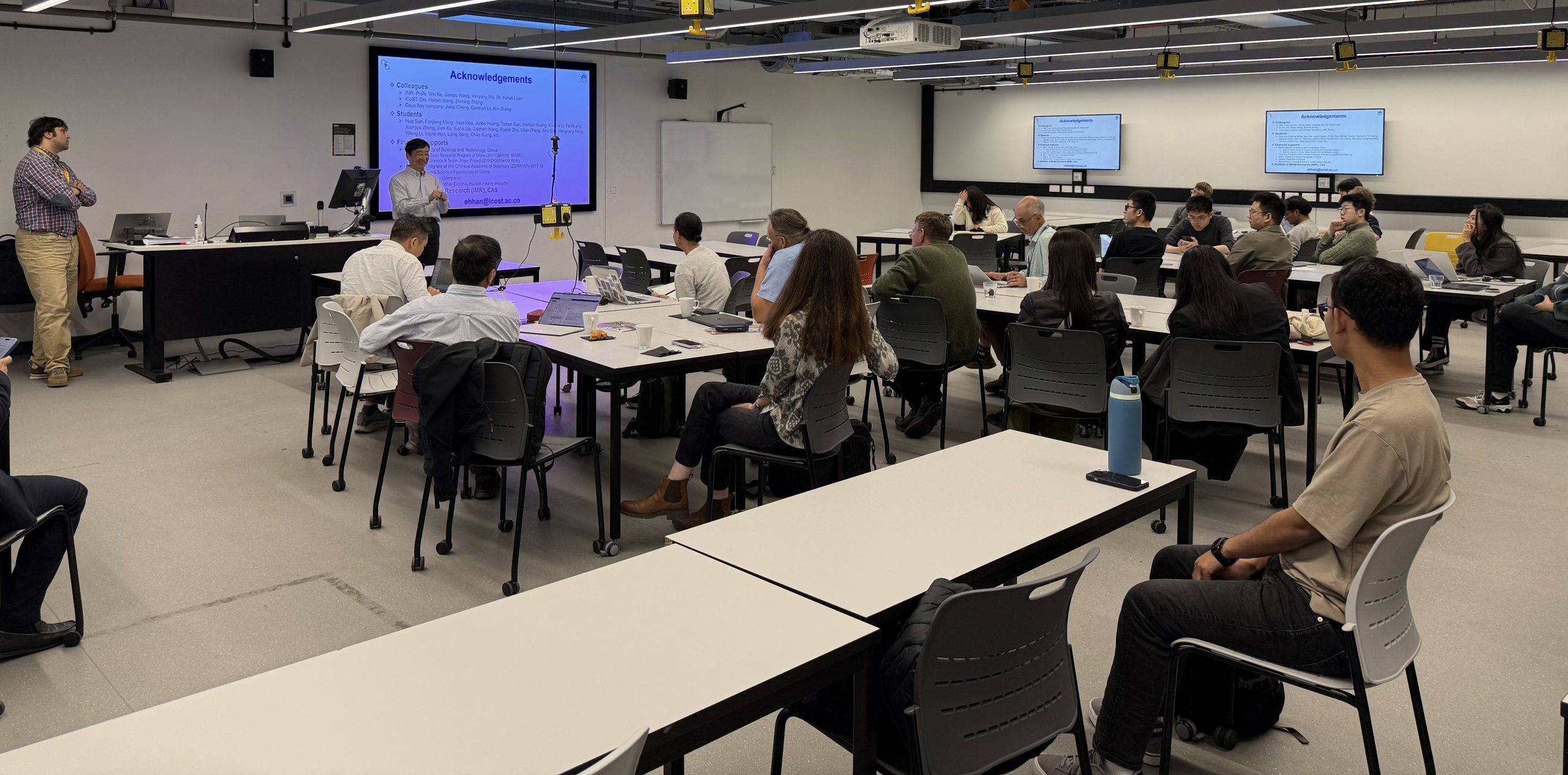
A key part of the Manchester programme was a technical seminar featuring plenary lectures from the visiting Chinese scholars. Professor En-Hou Han, Professor Zehua Dong, Professor Dake Xu and Professor Junlei Tang each delivered a 30-minute presentation followed by questions and discussion.

Photo 4: Professor En-Hou Han Delivering a Plenary Lecture at the University of Manchester

The plenary session provided an opportunity for researchers and academics to exchange knowledge on current developments in corrosion science and engineering and to identify areas of shared research interest. The academic programme was complemented by detailed discussions on potential collaboration and joint research programmes, reinforcing the importance of international academic links in addressing the increasingly global challenges associated with corrosion and materials degradation.

Photo 5: UK-China Corrosion Research Exchange at the University of Manchester

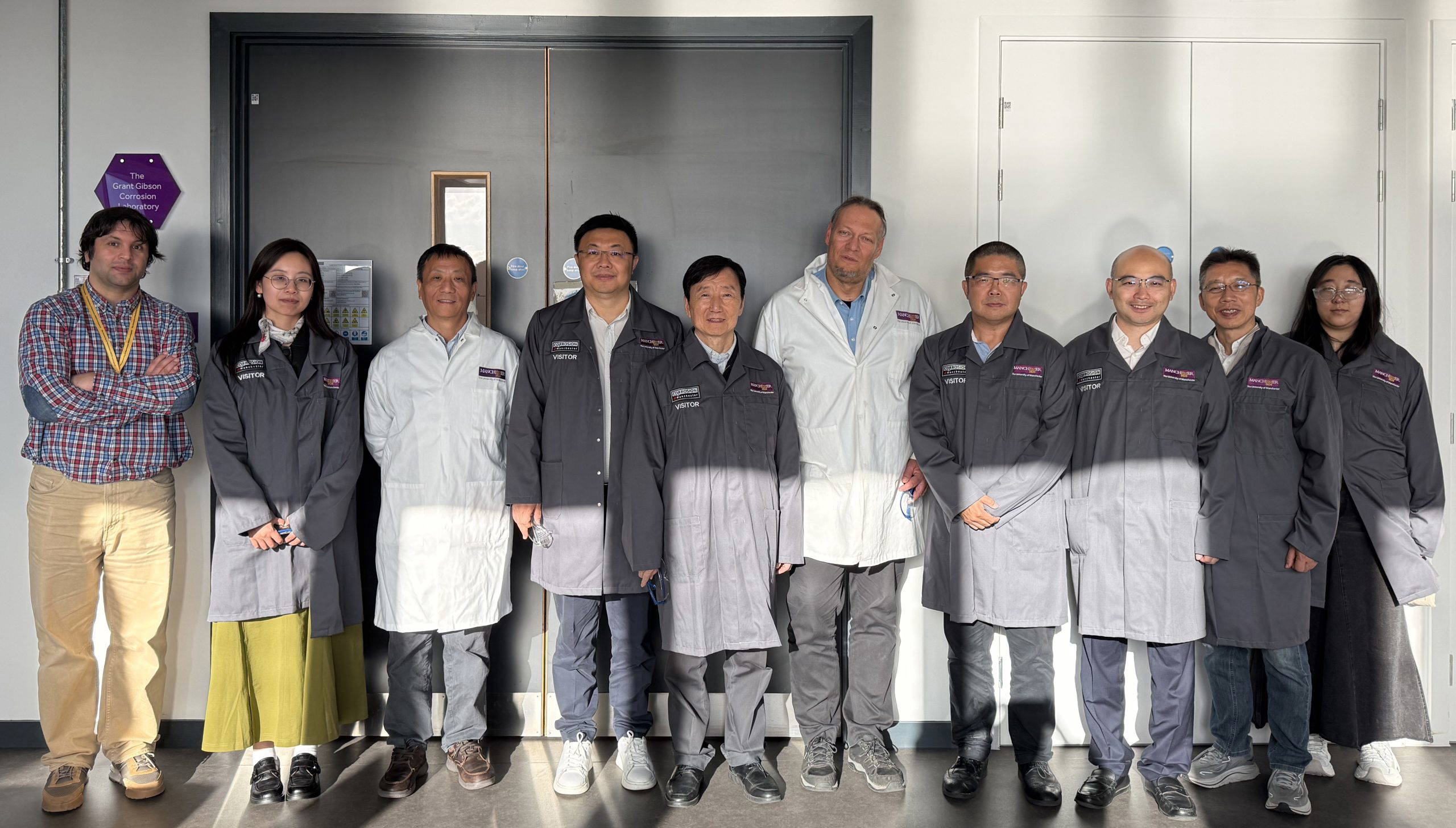
The delegation subsequently visited the University of Manchester’s advanced research facilities, including the Corrosion Laboratory, Electron Microscopy Centre and Royce M4DE facilities. The visit provided an opportunity to exchange knowledge on advanced materials characterisation and corrosion research capabilities.

Photo 6: Chinese Scholars Delegation Visiting Corrosion Research Facilities at the University of Manchester

The visit demonstrated the value of direct engagement between researchers, universities and professional organisations across the UK and China. It also provided a platform for identifying areas of common research interest and developing further opportunities for collaboration in corrosion science, materials performance, advanced characterisation and corrosion engineering.

For ICorr, strengthening international collaboration is an important part of its continuing commitment to advancing corrosion science and engineering and connecting the global corrosion community.

With the international corrosion community coming together at EUROCORR 2026 in Dublin, the London and Manchester programme provided a timely opportunity to reinforce UK–China academic and professional connections and to look towards deeper cooperation in corrosion research, education and professional development.

The Institute of Corrosion is grateful to the participating Chinese scholars and to colleagues at NPL (Dr Alan Turnbull, Dr Shengqi Zhou, Dr Sophie Zhang), Imperial College London (Dr Mengjun Gong, Dr Zhenyu Shi, Xiaoxi Ruan) and the University of Manchester (Professor Xiaorong Zhou, Professor Dirk Engelberg, Dr Rob Lindsay and Dr Ali Kosari) for their contributions to this successful programme and for their commitment to strengthening international collaboration in corrosion science and engineering.

37th Annual ICorr London Branch Christmas Luncheon

37th Annual ICorr London Branch Christmas Luncheon

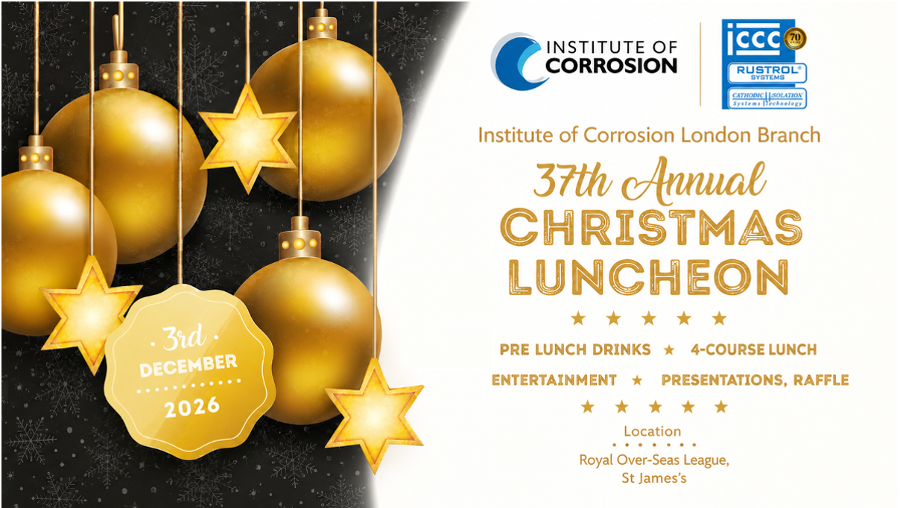
The ICorr London Branch Christmas Luncheon returns onT hursday 3 December 2026, marking its 37th annual celebration.

The luncheon is a longstanding event in the ICorr London Branch calendar, bringing together professionals, colleagues and friends from across the corrosion industry for an afternoon of networking, conversation and celebration.

Guests are invited to enjoy pre-lunch drinks, a four-course luncheon, entertainment, presentations and a raffle at the Royal Over-Seas League, London, SW1A 1LR.

Companies are welcome to book tables and attend with colleagues, clients and industry contacts.

Event details
Date: Wednesday 2 December 2026
Venue: Royal Over-Seas League, Over-Seas House, Park Place, St James’s Street, London, SW1A 1LR
Pre-lunch drinks: 11.30
Lunch: 13.00
Format: Four-course luncheon, entertainment, presentations and raffle

The ICorr London Branch gratefully acknowledges ICCC / Rustrol Systems for their sponsorship of this year’s event.

For enquiries or further information, please contact Berenika Syrek at London.event@icorr.org.

We look forward to welcoming guests to the 37th Annual ICorr London Branch Christmas Luncheon. 🎄

📍 Directions to Royal Overseas League can be found here

A Day at EUROCORR 2026

A Day at EUROCORR 2026

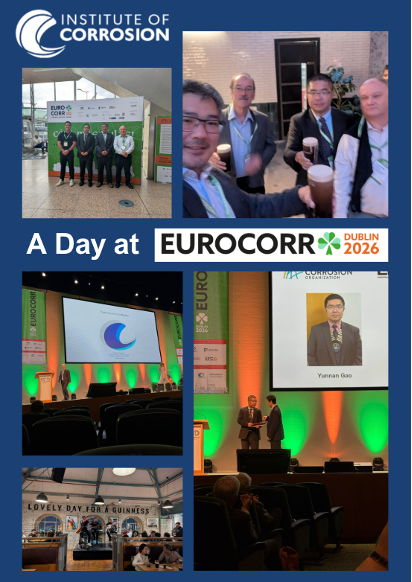
Follow Anthony Setiadi and his thoughts on EUROCORR 2026

Arriving at Eurocorr at the Dublin Convention Centre, my first thought was simply: what a fantastic event this is.

The scale of the conference was impressive, with parallel sessions running throughout the day covering such a wide range of topics across corrosion science and engineering. There really was something for everyone, whether you were a student, researcher, engineer or industry professional.

With so many interesting sessions happening at the same time, the Eurocorr app quickly became my essential companion for planning the day and finding my way between rooms. It was a great way to make sure I didn’t miss the talks that were particularly relevant to me. The quality of the presentations was excellent, and the Q&A sessions afterwards were equally engaging. Credit must go to both the presenters for sharing their knowledge so openly and to the organisers for putting together such a comprehensive programme.

It was particularly encouraging to see so many ICorr Sustaining Member companies represented. Having the opportunity to speak with representatives from these companies, I could really see how passionate they are about our industry and, importantly, how keen they are to engage with the next generation. The Careers Fair was a great example of this. Many of the companies had stands where students could come along, ask questions about the industry and find out more about the skills and qualities that employers are looking for. I think initiatives like this are incredibly important.

One of the things that ICorr is keen to promote is greater engagement between our members and younger people who may be considering a career in corrosion. We need to inspire the next generation to join our industry and help build the talent pool that will be needed to take on the important challenges ahead. And those challenges are significant. Corrosion has an enormous economic impact, estimated at around 3% of global GDP, as well as important environmental consequences. As we move towards greener technologies and look for ways to extend the life of critical infrastructure, understanding and managing corrosion will become increasingly important. Bringing talented young people into our industry is therefore not just desirable, it is essential.

This year, EUROCORR also incorporated ICorr’s Corrosion Science Symposium, organised by our Corrosion Science Division. It was great to see the latest research being presented and to experience the enthusiasm of those working at the forefront of corrosion science. The strong attendance continued throughout the afternoon, right up until the closing sessions at 6pm, with some talks attracting such large audiences that they were standing room only.

Another highlight of my EUROCORR day is our president Yunnan Gao receiving his 2026 World Corrosion Organization (WCO) Corrosion Awareness Honour. This is a huge honour for both Yunnan and ICorr, and it makes me incredibly proud to be part of an Institution that makes such a real difference.

Of course, a conference is not just about presentations and technical discussions. One of the things I enjoy most is the opportunity to meet people, reconnect with colleagues and make new connections. The Conference Networking Dinner at the Guinness Storehouse was certainly a memorable way to finish the day. The venue was fantastic, the food and drinks were excellent, and, most importantly, the people were wonderful. There were plenty of lively conversations throughout the evening — some about corrosion, some about the industry, and plenty about everything else.

Before I knew it, my day at Eurocorr had come to an end, and it was time to prepare for my flight home the following morning. Looking back, I feel very fortunate to have had the opportunity to attend Eurocorr and to support ICorr and our members. It was a fantastic experience and a great reminder of just how much knowledge, expertise and enthusiasm exists within our industry.

To join ICorr’s global community of corrosion experts, visit https://www.icorr.org/join-the-institute/

For more information on ICorr, email: admin@icorr.org

For more information on EUROCORR, visit: https://eurocorr.org/