
The cart is empty!
Event Announcement
4th Middle East Asset Integrity Management Conference & Showcase (AIMCS EXPO 2026)
📅 22–23 September 2026
📍 Rixos Marina, Abu Dhabi, UAE
🕣 08:30 – 18:00
Download event brochure

4th Middle East Asset Integrity Management Conference & Showcase (AIMCS EXPO 2026)
📅 22–23 September 2026
📍 Rixos Marina, Abu Dhabi, UAE
🕣 08:30 – 18:00
Download event brochure
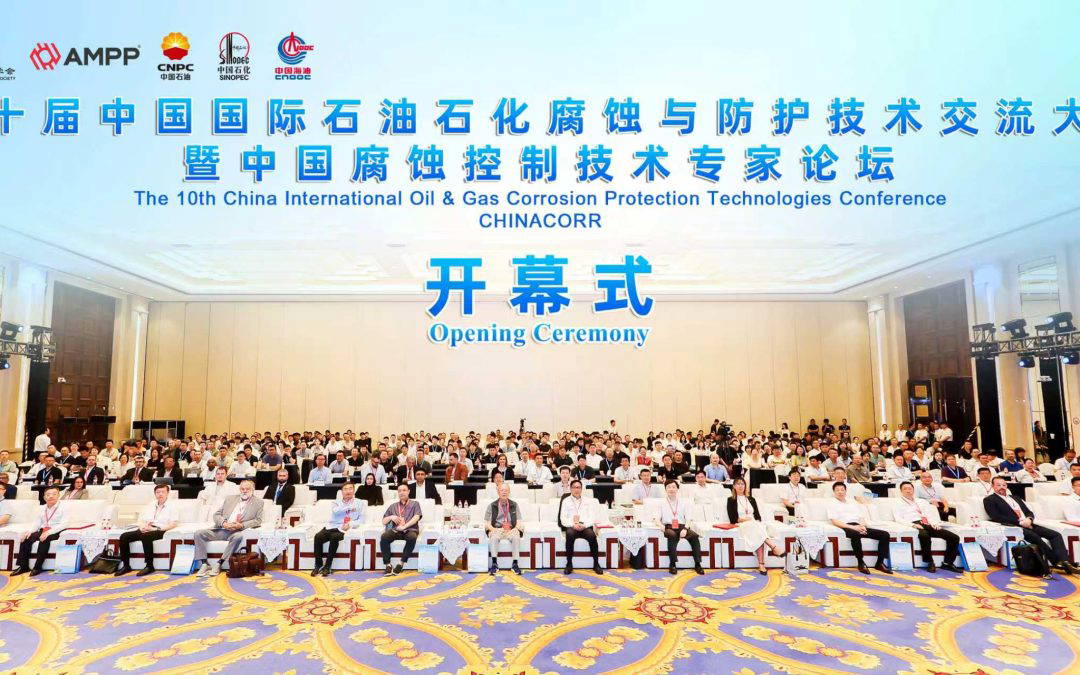
ICorr President Dr Yunnan Gao represented the Institute of Corrosion at the 10th China International Petroleum and Petrochemical Corrosion and Protection Technology Exchange Conference (2026 ChinaCorr), held in Shanghai, China, in July 2026. The conference provided another important opportunity for ICorr to engage with the international corrosion community, including valuable interaction with the Association for Materials Protection and Performance (AMPP) and leading corrosion professionals from China and around the world.
Following ICorr’s participation in the ICCPA 2026 conference in Chengdu earlier in July, the Shanghai event represented a further significant opportunity during the President’s visit to China to promote ICorr internationally and strengthen professional relationships across the global corrosion and materials protection community.
The 10th China International Petroleum and Petrochemical Corrosion and Protection Technology Exchange Conference brought together senior representatives, technical experts, researchers and industry professionals from across the petroleum, petrochemical, oil and gas, pipeline and engineering sectors.
The conference is positioned as an international platform for technical exchange and cooperation in corrosion protection, with a particular focus on the transformation of corrosion management towards whole-life-cycle, digital and intelligent approaches. The technical programme addressed a wide range of current industry challenges, including corrosion integrity management, digital monitoring and early warning, corrosion big data and artificial intelligence, corrosion-resistant materials, coatings and inhibitors, cathodic protection, CCUS and supercritical CO₂, hydrogen transportation, and pipeline integrity.
The breadth of participation reflected the increasingly international nature of corrosion engineering and asset integrity. The conference information specifically identified participation from major international oil and gas companies, professional organisations, universities, research institutes and technology providers, alongside major Chinese petroleum and petrochemical organisations.
Upon invitation, ICorr President Dr Yunnan Gao attended the conference on behalf of the Institute of Corrosion and delivered a plenary lecture introducing ICorr and its activities, followed by a technical presentation on a relevant corrosion engineering topic.
The presentations provided an opportunity to introduce ICorr’s role as a leading UK professional body for corrosion science, engineering and management, and to highlight the Institute’s growing international engagement. They also provided a platform for sharing practical experience and technical knowledge with a large audience of corrosion professionals from China and overseas.
The strong interest from delegates demonstrated the value of international professional organisations sharing experience, technical practice and approaches to professional development across national and regional boundaries.
A particularly important feature of 2026 ChinaCorr was the strong participation of the Association for Materials Protection and Performance (AMPP).
AMPP was one of the organisations listed among the hosts of the conference, alongside Northeast Petroleum University, the Petroleum Corrosion and Protection Committee of the Chinese Petroleum Society and several major Chinese industry organisations. AMPP also promoted the event internationally under the name 2026 ChinaCorr, describing it as an event focused on new technologies, methods and achievements for the industry, with digital transformation and low-carbon, high-quality industrial development among its key themes.
For ICorr, the presence of an AMPP delegation provided an especially valuable opportunity for direct interaction with senior colleagues from another leading international corrosion organisation. Dr Gao met with AMPP representatives during the conference, including the Immediate Past Chair of the AMPP Board of Directors, Juan Caballero, providing an opportunity to exchange views on the development of the corrosion profession, international cooperation and opportunities for closer engagement between professional communities.
The relationship between ICorr and AMPP is particularly important in the context of the increasingly global nature of corrosion engineering. While the two organisations operate within different professional and geographical environments, they share many common objectives: advancing corrosion knowledge, supporting professional competence, promoting good engineering practice, developing the next generation of corrosion professionals and raising awareness of the importance of corrosion management.
The Shanghai conference therefore provided a valuable setting for continuing dialogue and strengthening professional relationships between ICorr and AMPP.
In addition to engagement with AMPP, Dr Gao took the opportunity to meet with senior representatives of other international and Chinese corrosion organisations.
These included discussions with the President of the Chinese Society for Corrosion and Protection (CSCP), Professor Xiaogang Li and the President of the World Corrosion Organization (WCO), Professor En-Hou Han, further strengthening the network of professional relationships that ICorr has been developing internationally.
Such engagement is an important part of ICorr’s international strategy. Through collaboration and professional exchange with organisations such as AMPP, CSCP and WCO, ICorr can help create stronger links between corrosion professionals across different regions and support the sharing of knowledge, standards, experience and best practice.
These relationships are also particularly relevant as the corrosion profession responds to rapidly developing challenges associated with the energy transition, including CCUS, hydrogen, new materials, ageing infrastructure, digitalisation and increasingly sophisticated approaches to corrosion risk management.
The participation in 2026 ChinaCorr forms part of ICorr’s continuing programme of international engagement in China and follows the Institute’s participation in ICCPA 2026 in Chengdu earlier in July.
Taken together, these engagements provided an excellent opportunity for ICorr to maintain a visible presence within the rapidly developing Chinese corrosion community, meet professional colleagues and industry leaders, and further develop relationships with international corrosion organisations.
For ICorr, international engagement is not simply about attending conferences. It is about building long-term professional relationships, sharing knowledge and experience, supporting the development of corrosion engineering as a profession, and creating opportunities for cooperation between organisations and their members.
The Institute is grateful to the organisers of 2026 ChinaCorr for the invitation and warm welcome extended to its President, and particularly values the opportunity to engage with the AMPP delegation and other international colleagues during the conference.
ICorr looks forward to continuing this dialogue and strengthening international cooperation in the corrosion and materials protection community.
Further information about the 10th China International Petroleum and Petrochemical Corrosion and Protection Technology Exchange Conference (2026 ChinaCorr) is available from the Official Conference Website and the AMPP 2026 ChinaCorr event page.
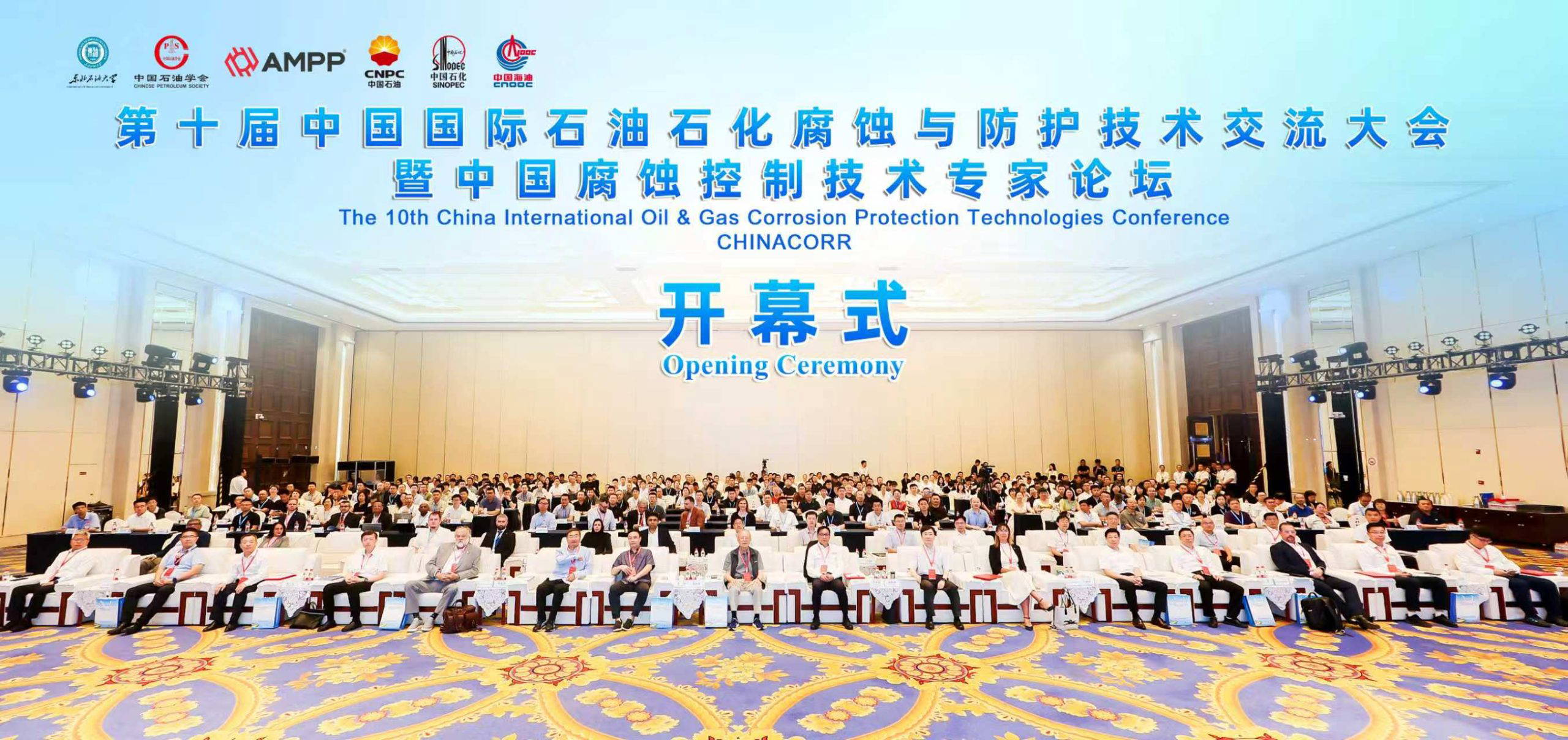
Photo 1: Delegates Attending 2026 ChinaCorr in Shanghai, China, July 2026.
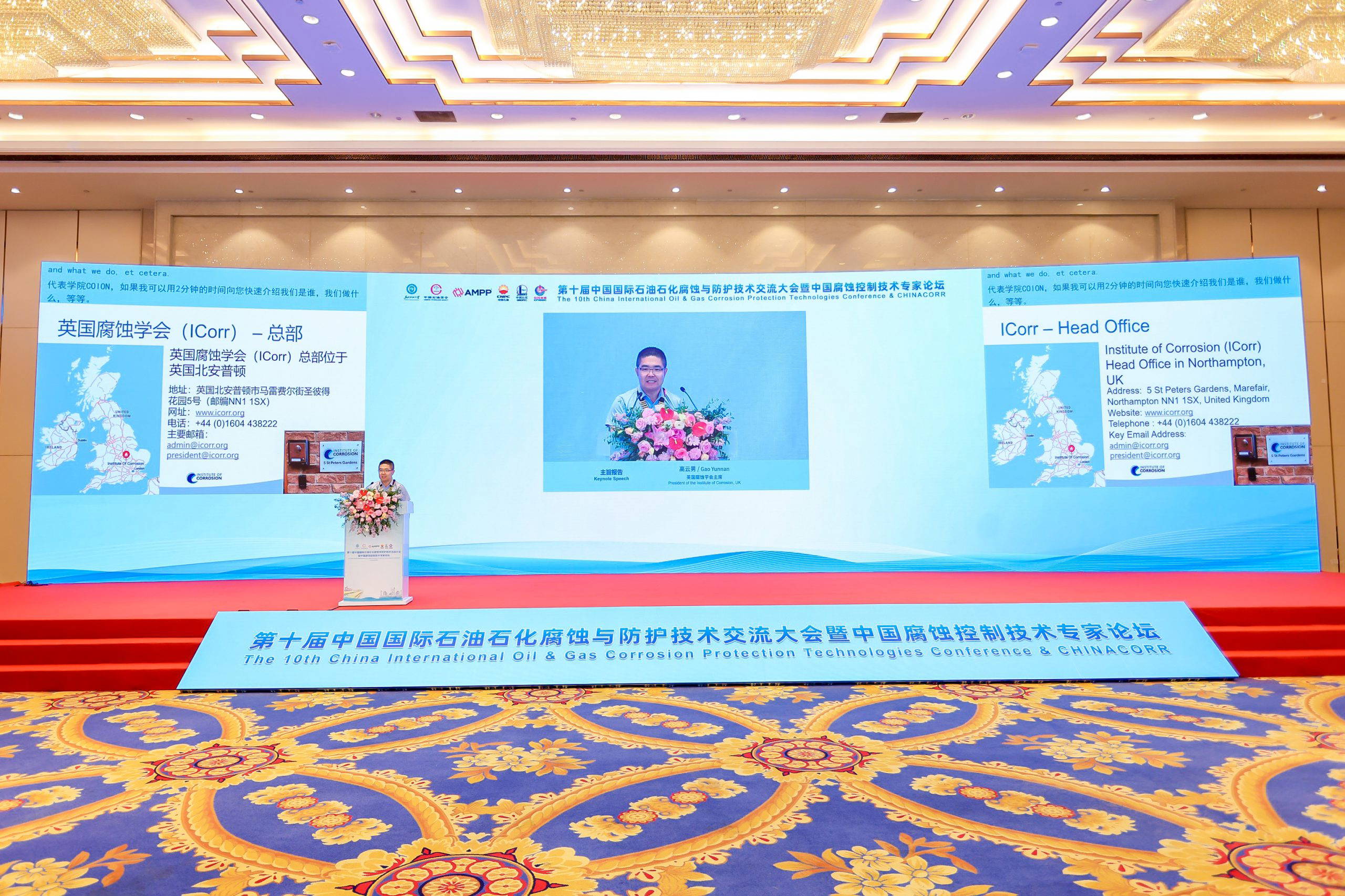
Photo 2: ICorr President Dr Yunnan Gao Delivering a Plenary Lecture on ICorr and A technical Topic at 2026 ChinaCorr.
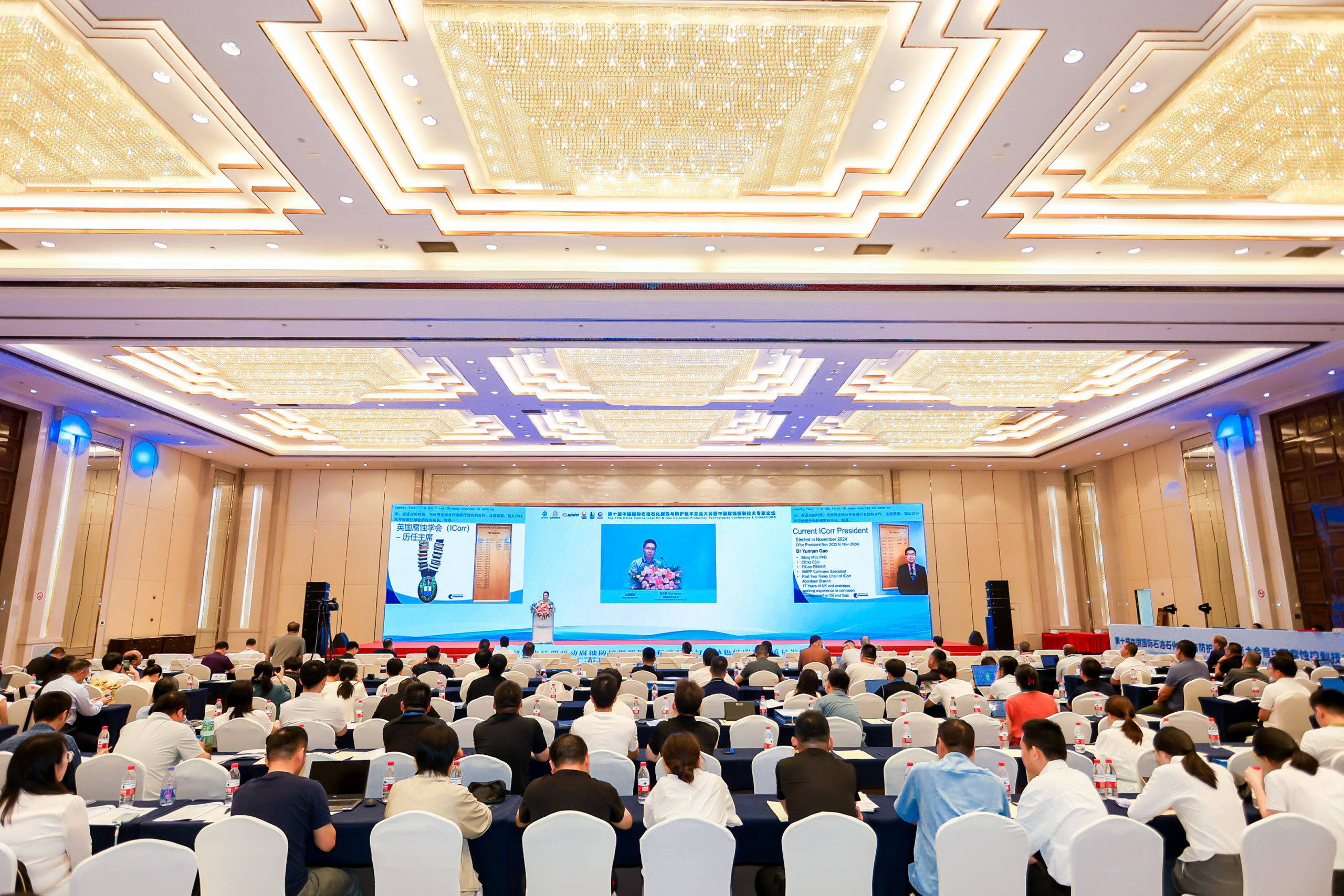
Photo 3: Delegates Attending the Plenary Lecture Delivered by ICorr President Dr Yunnan Gao at 2026 ChinaCorr.
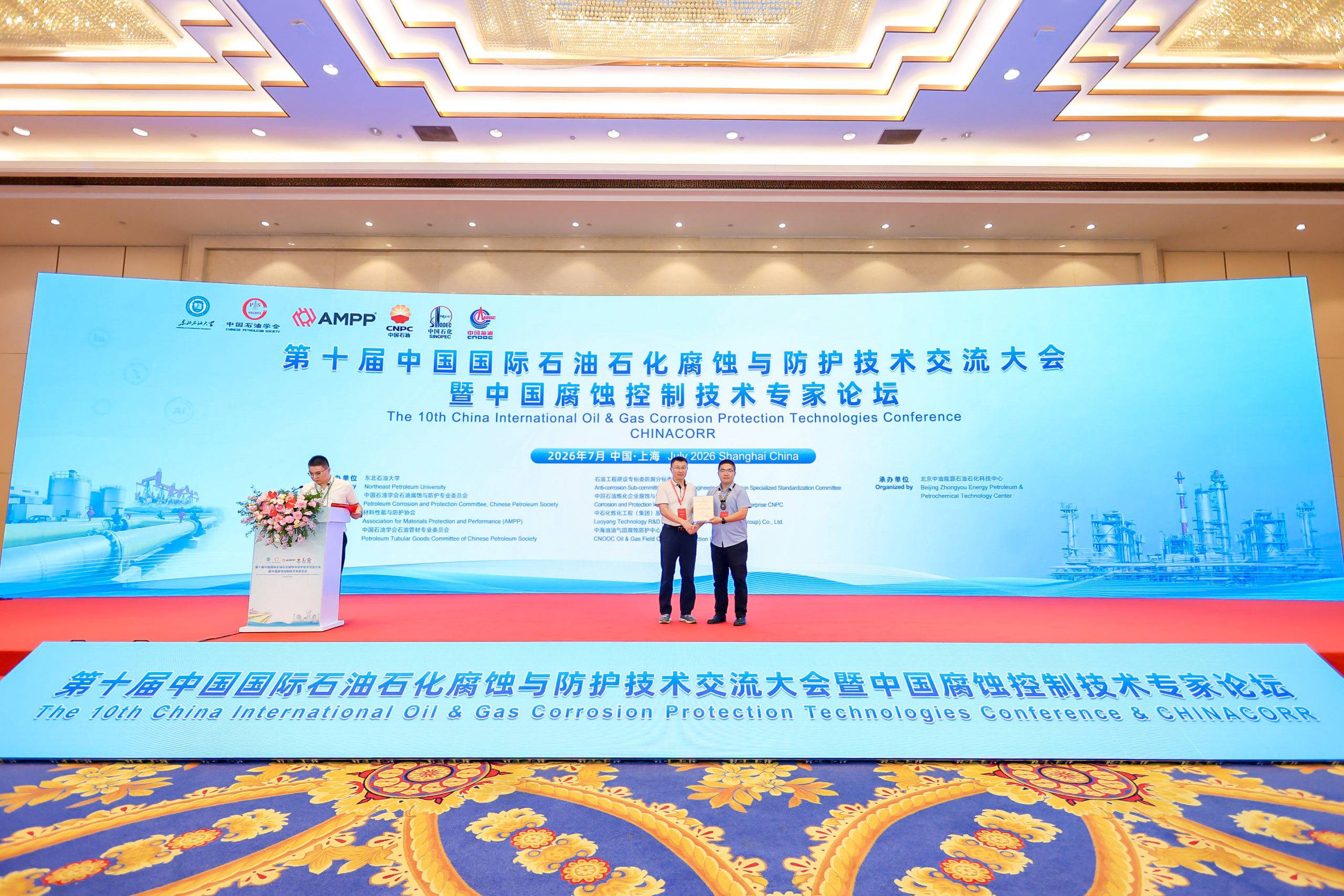
Photo 4: ICorr President Dr Yunnan Gao Receiving A Certificate of Appreciation at 2026 ChinaCorr.
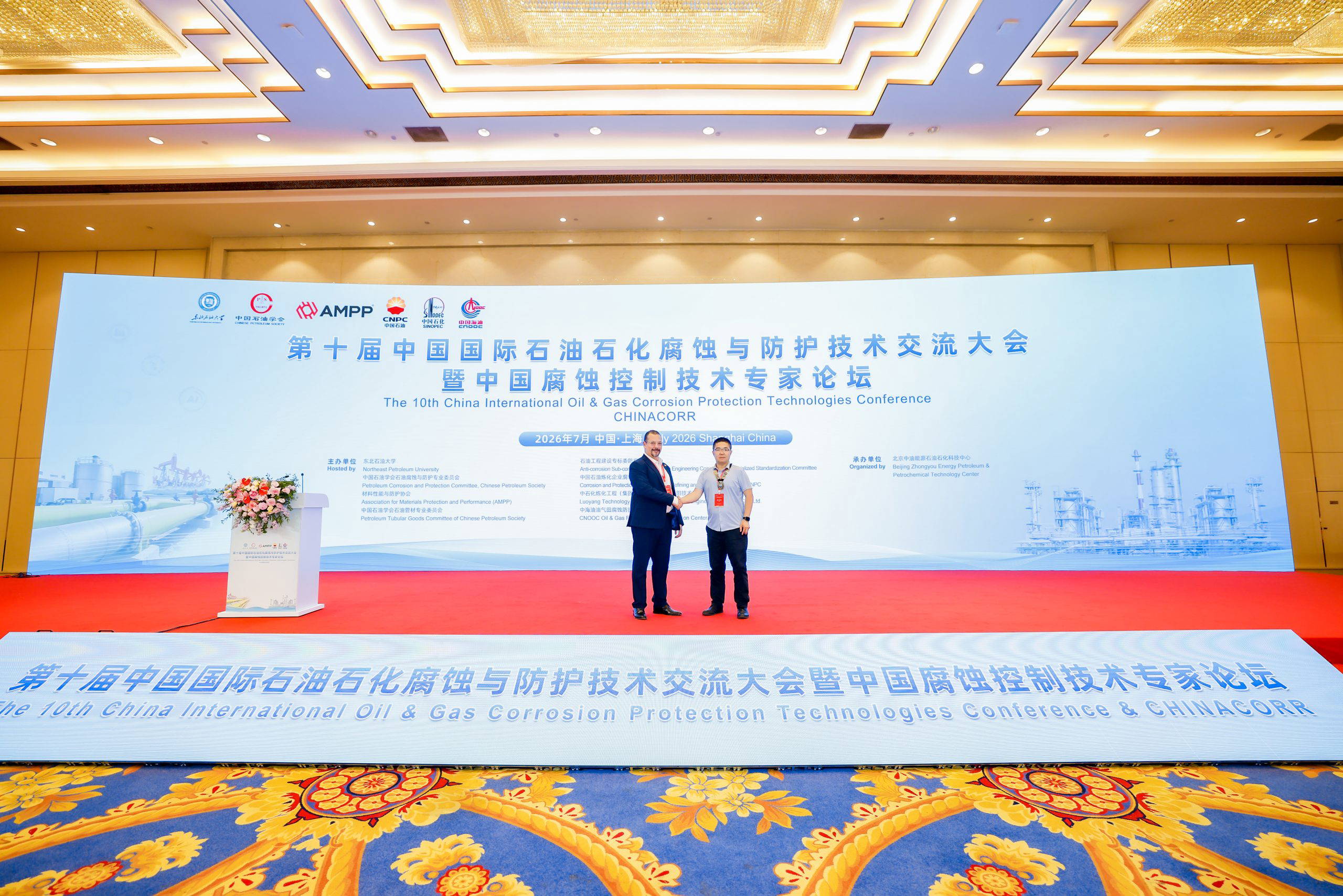
Photo 5: ICorr President Dr Yunnan Gao with the Immediate Past Chair of the AMPP Board of Directors, Juan Caballero, at 2026 ChinaCorr.
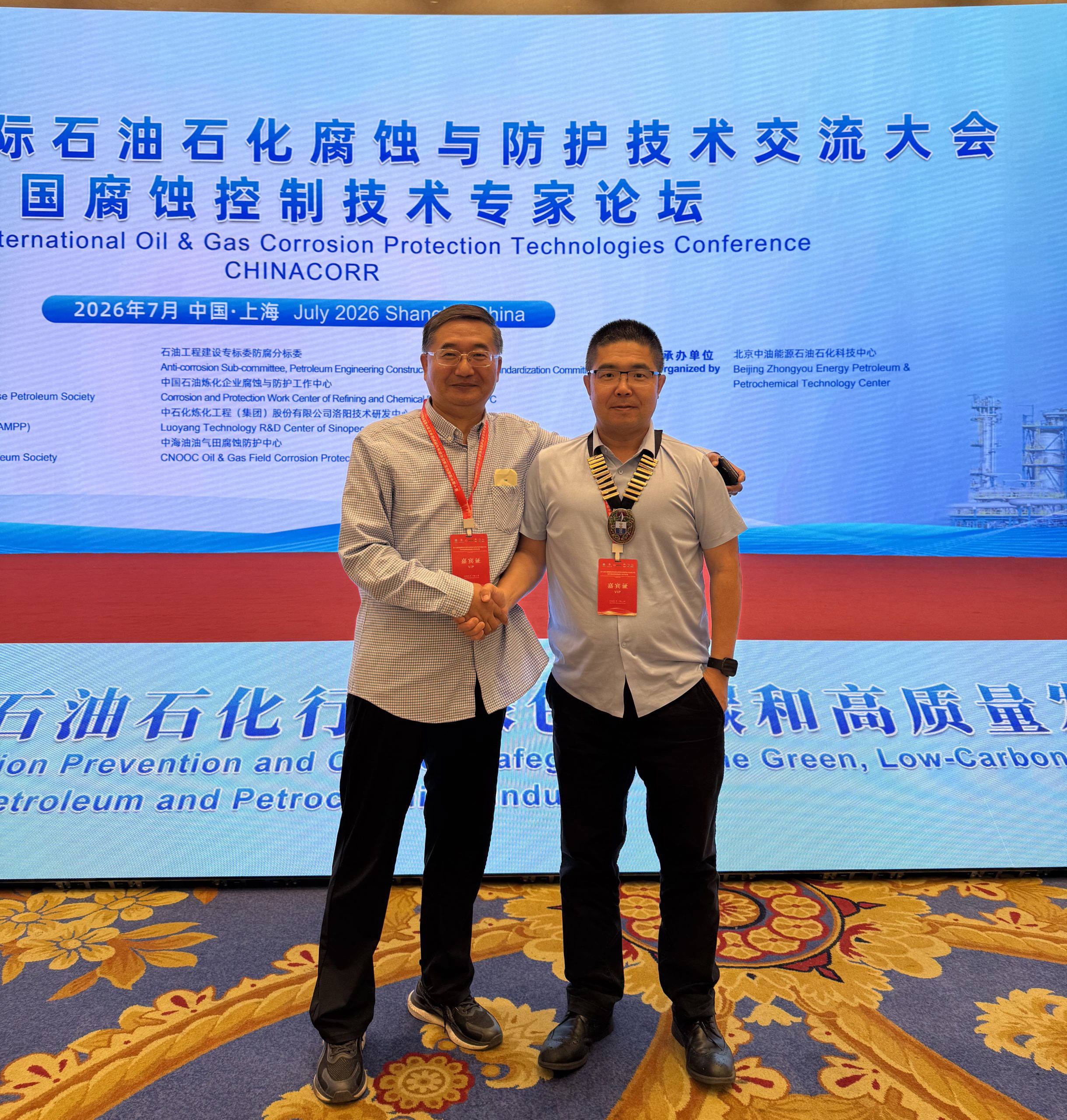
Photo 6: ICorr President Dr Yunnan Gao with the President of the Chinese Society for Corrosion and Protection (CSCP), Professor Xiaogang Li, at 2026 ChinaCorr.
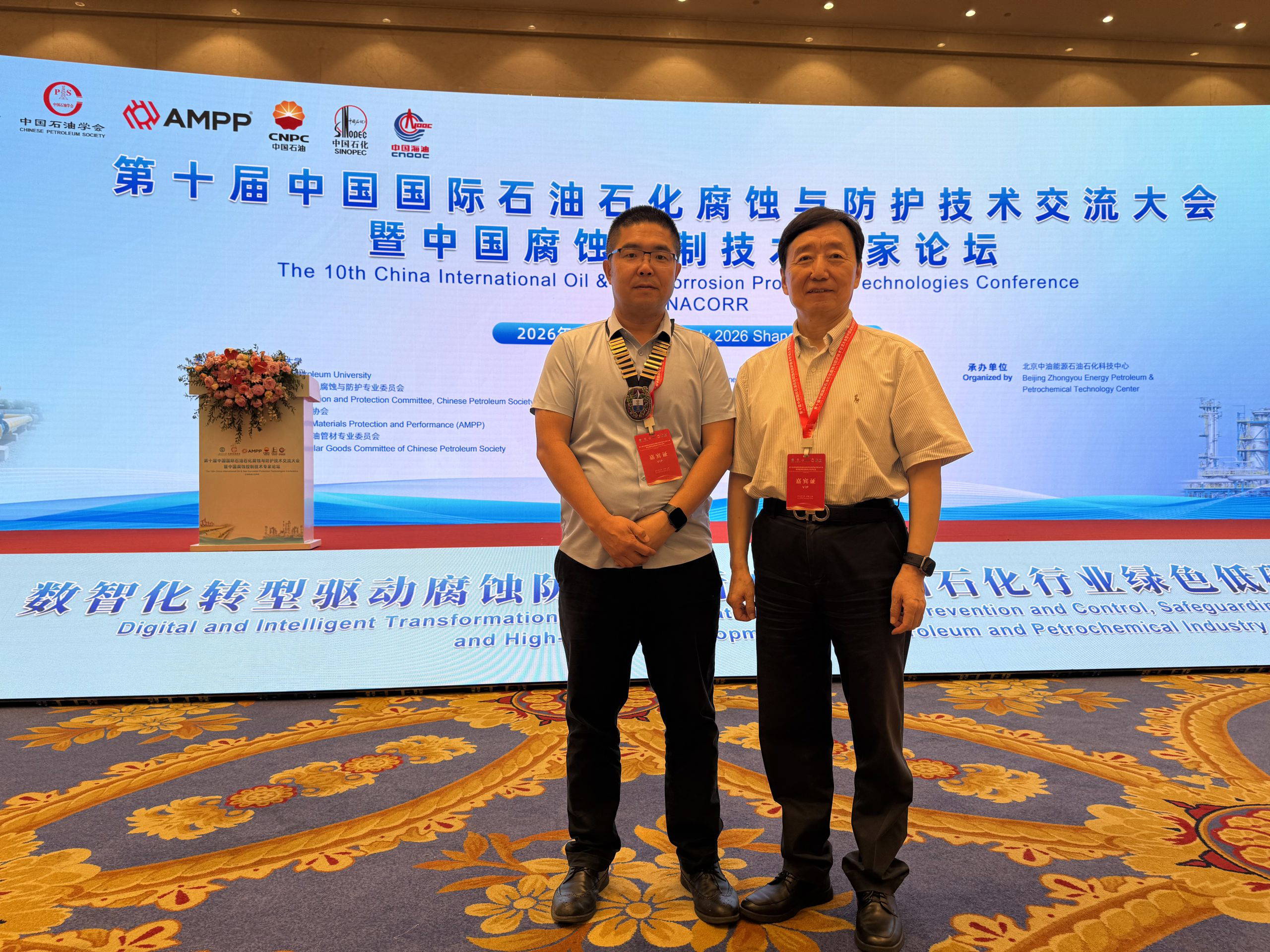
Photo 7: ICorr President Dr Yunnan Gao with the President of the World Corrosion Organization (WCO), Professor En-Hou Han, at 2026 ChinaCorr.

Dr Yunnan Gao, President of the Institute of Corrosion, represented ICorr at the International Conference on Corrosion Protection and Application (ICCPA 2026), held in Chengdu, China, in July 2026. As an EFC Event No. 549, ICCPA 2026 provided an important international platform for the exchange of knowledge and expertise in corrosion and corrosion protection, bringing together experts, researchers and industry professionals from China and around the world.
The 2026 International Conference on Corrosion Protection and Application (ICCPA 2026) was held in Chengdu, Sichuan Province, China, from 24 to 26 July 2026 under the theme “Green and Low Carbon, Open Exchange, Cooperation and Win-Win”. The conference was jointly organised by the European Federation of Corrosion (EFC), the Sichuan Society for Corrosion and Protection, the Chongqing Society for Corrosion and Protection and the Southwest Institute of Technology and Engineering, together with a wide range of academic, research and industrial organisations in China.
ICCPA 2026 was designated EFC Event No. 549, making it a significant event within the EFC international conference programme and one of the largest EFC events to have been held in China. The conference attracted more than 500 experts, academics and technical professionals from over 10 countries, including China, the United Kingdom, France, Germany and the Czech Republic, as well as other European countries.
The conference programme covered a broad range of topics reflecting the increasingly diverse challenges facing corrosion science, engineering and materials protection. These included material damage and surface protection in extreme environments, corrosion protection of aerospace materials and structures, high-temperature corrosion, marine corrosion, corrosion and protection in sustainable energy systems, oil and gas corrosion, corrosion inhibitor technology, abrasion-resistant materials, advanced functional anti-corrosion and anti-fouling coatings, as well as a dedicated Young Scientists Forum.
The technical programme provided an opportunity for researchers and practitioners to exchange the latest developments in corrosion mechanisms, materials performance, surface engineering and corrosion protection technologies, while also considering the application of these developments to major industrial challenges.
The conference featured contributions from a number of internationally recognised corrosion and materials experts. Among the invited speakers were Chinese Academy of Engineering Academicians Professor Shandong Tu, Professor Shengkai Gong and Professor En-Hou Han, together with international experts including Professor Damien Feron of Université Paris-Saclay, Professor Philippe Marcus of École Nationale Supérieure de Chimie de Paris and Professor Tomáš Prošek of the University of Chemistry and Technology, Prague.
The Institute of Corrosion was represented by its President, Dr Yunnan Gao, who attended the conference on behalf of ICorr and contributed to the technical programme as an invited plenary speaker..
Dr Gao’s participation provided an opportunity to introduce the Institute of Corrosion to a broad international audience in China and to highlight ICorr’s role as a professional body supporting the development of corrosion science, engineering competence and professional standards.
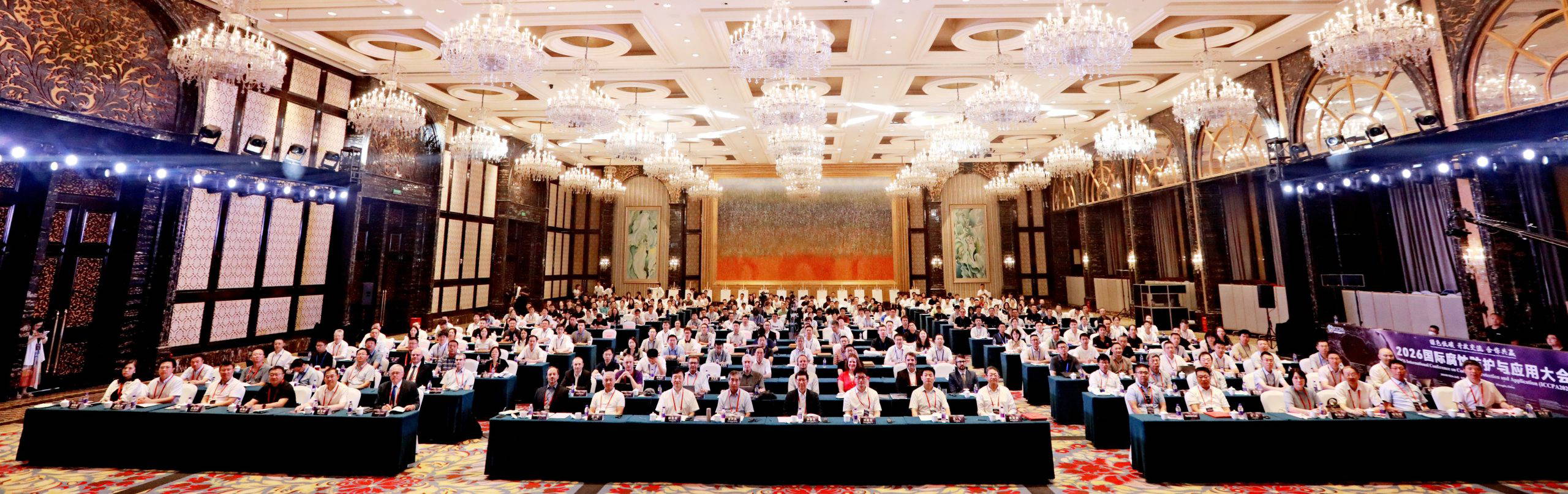
Photo 1: Delegates at ICCPA 2026 in Chengdu, China, July 2026.

Photo 2: ICorr President Dr Yunnan Gao at the ICCPA 2026 Opening Ceremony.
As part of the plenary programme, Dr Gao delivered a lecture introducing ICorr and its international activities, followed by a technical presentation on a topical issue in corrosion and materials engineering.
The plenary lecture provided an opportunity to share ICorr’s experience and professional activities with delegates from China and other countries, while demonstrating the Institute’s commitment to international cooperation and knowledge exchange. It also provided an effective platform for strengthening awareness of ICorr among corrosion professionals, academics and industry representatives in China.
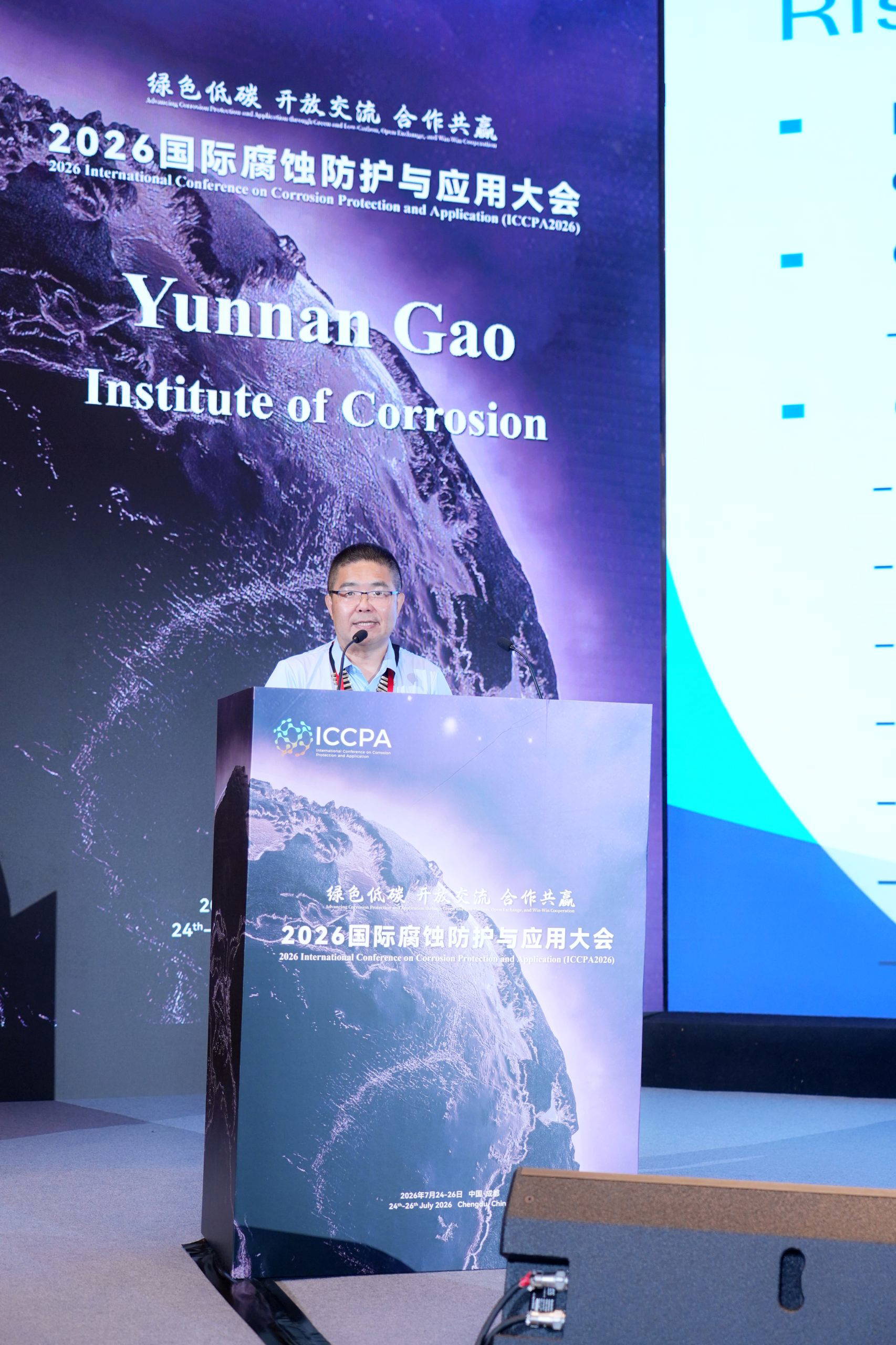
Photo 3: ICorr President Dr Yunnan Gao Delivering A Plenary Lecture at ICCPA 2026.
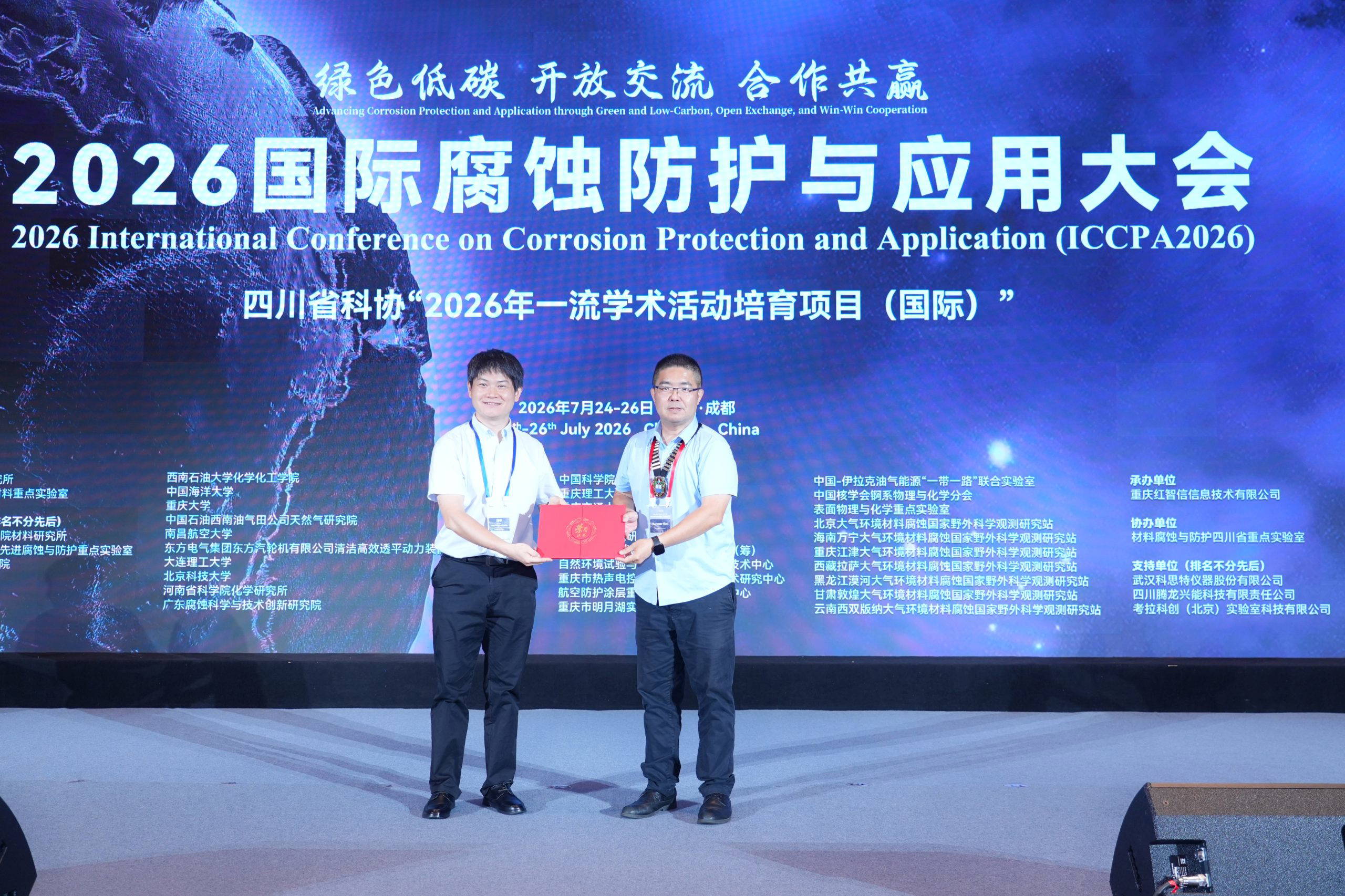
Photo 4 ICorr President Receiving the Certificate of Appreciation at ICCPA 2026.
ICCPA 2026 was particularly significant for ICorr because of its status as an EFC Event No. 549. The conference brought together representatives of the EFC community and provided a valuable opportunity for ICorr to engage directly with EFC colleagues and the wider corrosion community in China.
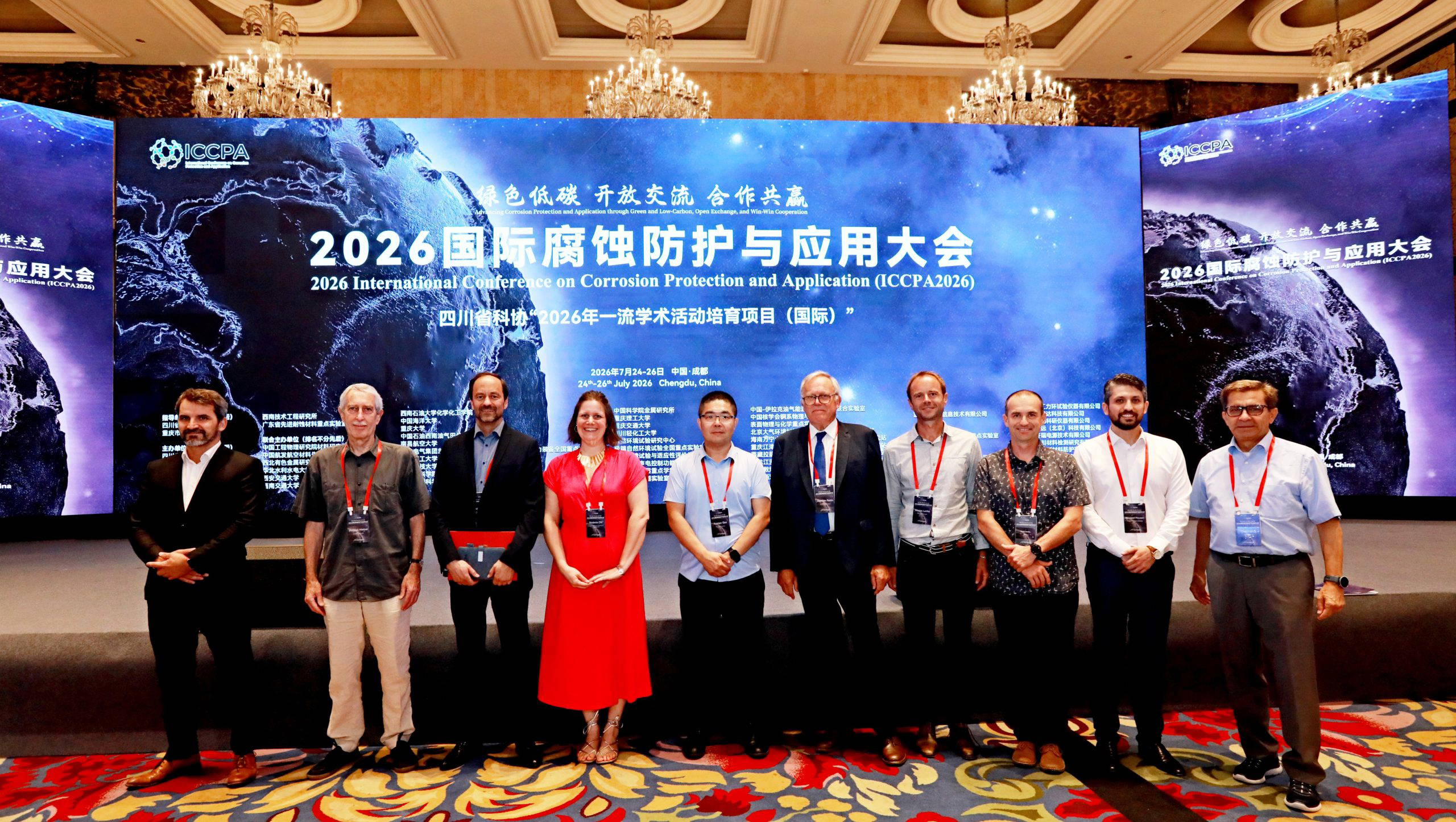
Photo 5: EFC Delegates at ICCPA 2026, including ICorr President Dr Yunnan Gao.

Tom, our ICorr member, is a PhD student, who is finalising his PhD thesis at the University of Manchester with a BSc in chemistry and physics from Keele University. His research has focused on establishing multi-technique-informed
pitting corrosion detection and monitoring techniques – such as hyperspectral imaging (HSI) – for remote inspection of marine infrastructure. He has developed the use case for hydrogen mapping with laser-induced breakdown spectroscopy (LIBS) to detect occluded corrosion reactions. Additional research focuses include development of rapid, low-cost hydrogen detection routines; depassivation mechanisms; and leveraging atomic hydrogen for engineering applications.
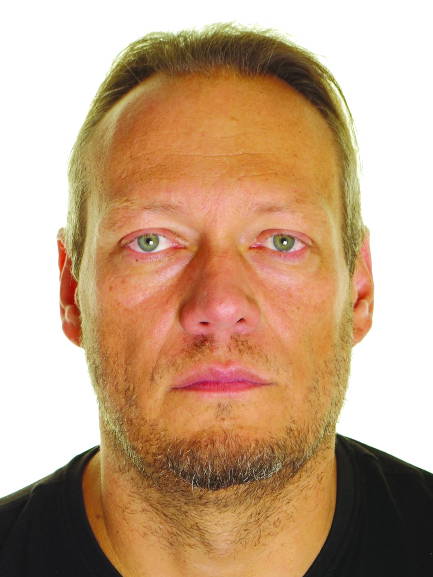
Dirk Engelberg, our ICorr member, is a professor in materials performance and corrosion at the University of Manchester. He obtained a Dipl.-Ing. (FH) in Surface Engineering and Materials Science from Aalen University (Germany) before moving to Manchester in 2000 for an MSc in Corrosion Science and Engineering and a
PhD in Metallurgy and Materials Science. He joined the Corrosion and Protection Centre as an academic lecturer in 2010, which is now part of Metallurgy and Corrosion (Corrosion@Manchester) in the Department of Materials. Dirk’s research is centred on (i) understanding material degradation related to the storage, disposal, and decontamination of nuclear waste; (ii) applied electrochemistry and high-throughput screening techniques; (iii) development of innovative solutions for net-zero engineering; and (iv) localised corrosion, stress corrosion cracking, and hydrogen embrittlement. Dirk is also an expert in microstructure engineering and leads several cross-disciplinary projects combining mechanical, civil, and chemical engineering with chemistry, physics, and materials-based research.
Under the Net-Zero drive, Hydrogen energy and infrastructure have seen tremendous growth with electrolyser technologies having seen a 3-4 fold increase in investment over the past years alone [1]. It is therefore expected for hydrogen to grow in its proliferation as a means for energy production and storage. However, being the smallest atom and having an extremely high diffusivity leads to deleterious effects on the mechanical properties of steels, typically referred to as hydrogen embrittlement (HE). Here, the localised presence of diffusible hydrogen atoms within the microstructure can result in local embrittlement and lead to premature component failure [2], [3], [4]. This is not limited to hydrogen storage or transport alone: hydrogen generation from cathodic sites under atmospheric corrosion conditions may also induce crack nucleation in certain alloy classes [5], [6], [7], [8], [9], [10].
It is therefore pertinent to establish techniques for localised hydrogen concentration detection and quantification in metals and engineering structures. Existing analytical methods are, however, limited. Some require the destruction of the test specimen – such as TDA/TDS [11], [12], [13] and hot/melt extraction [14], [15], [16], [17] – or adequate surface preparation – SKP [8], [18], [19] or GD-OES [20], [21]. Destructive techniques may require temporary shutdown for hydrogen contents to be measured and limits on surface condition may stymie the range of regions of interest [22], while the low diffusivity of hydrogen in widely used austenitic steels place potentially untenable detection times for devices such as gas sensors [23], [24].
Laser-induced breakdown spectroscopy (LIBS) is a localised, “quasi-nondestructive” technique for the acquisition of atomic spectra (Figure 1). A high-power laser is fired at the sample surface, often alongside a purge of inert gas (Ar, He, Ne, or other combinations [25]). A small volume (order of a few µm3) of the specimen’s surface is ablated and ionised, and optical photon emission – characteristic of the elements that make up the material – from the plasma recombination is then captured by a charge-coupled device (CCD).
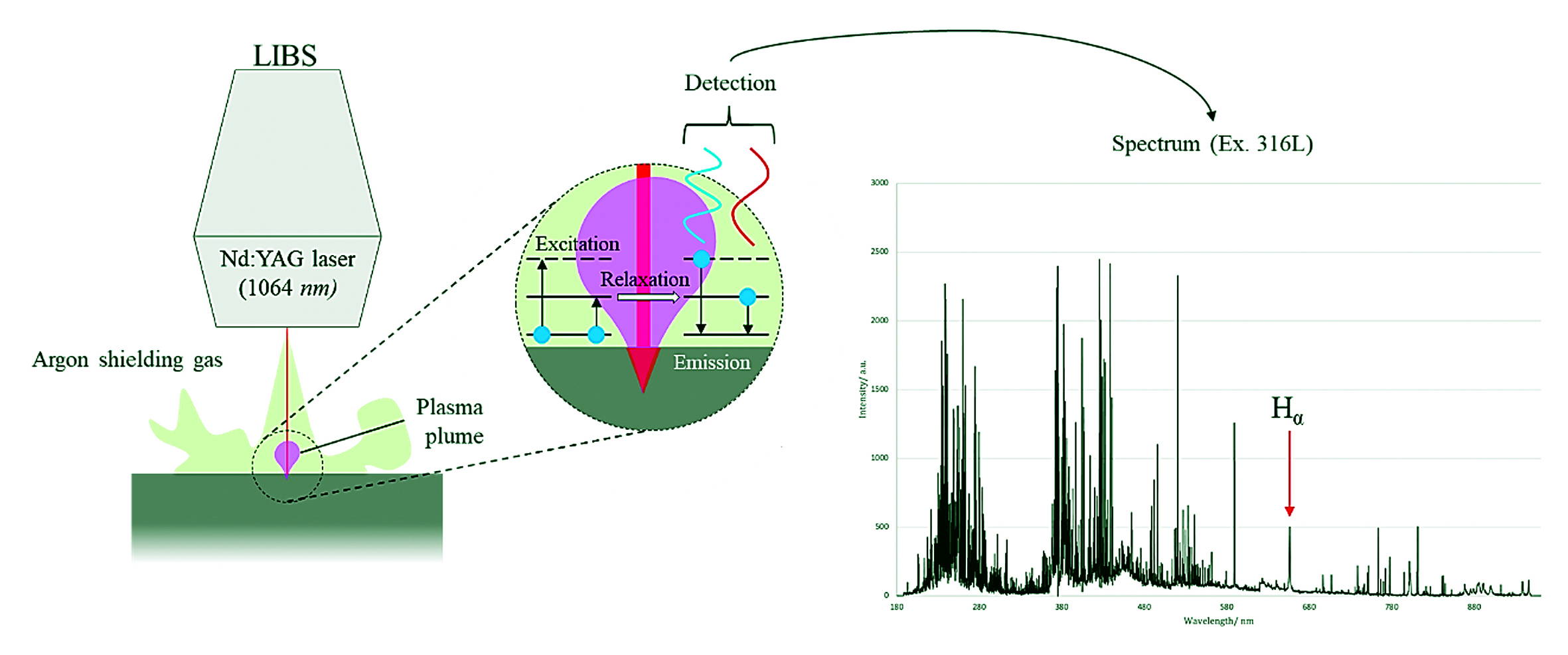
Figure 1: Sketch of the Working Principle of LIBS. The Hα Line Used for Hydrogen Determination is Highlighted.
A utility of LIBS is that it is scalable, and this has been exploited for use in geological and alloy identification for in-situ inspections [26], [27]. Additionally, the LIBS technique itself can capture the hydrogen Hα line at 656.2nm [28] and has been increasingly studied in recent years, with applications ranging from tritium monitoring in fusion reactor walls to hydrogen uptake in steel welds [28], [29], [30], [31]. In this article, the use case for localised hydrogen detection and quantification is demonstrated with a portable, hand-held
LIBS device.
Initially, three ‘hydrogen in steel’ calibration standards of concentrations 0.95ppm (SciLab), 2.3ppm (SciLab) and 6.23ppm
(LECO) were cold mounted in an epoxy resin and cured for 48 hours before grinding to P1200 with Silicon carbide (SiC) paper to expose the steel surfaces of each. LIBS spectra were acquired using 14 locations per standard. Two LIBS shots were applied per location, with the first as a “cleaning” shot and the second shot for spectra acquisition. This was done for each location to ensure minimal contribution of hydrogenated surface contaminants.
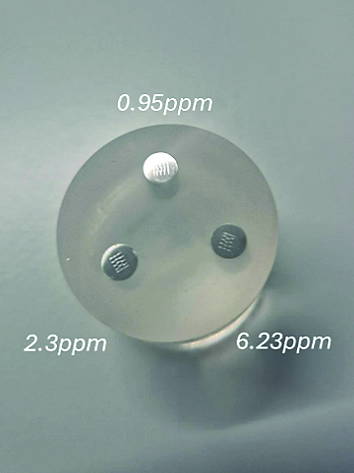
Figure 2: Mounted Hydrogen in Steel Standards with LIBS Shot Ablation Visible on Each of the Standard Surfaces.
Subsequently, four X52 steel coupons with dimensions 50.0mm × 5.0mm × 1.2mm were cut from a pipe section with an SiC abrasive cutoff wheel before surface grinding to P1200 with SiC paper. Coupons were rinsed with DI water before washing with ethanol and drying under cold air. Each coupon was cathodically charged in 0.1M NaCl under a current density of 15 mA cm2 for 122, 165 and 203 minutes to establish different hydrogen concentration depth profiles. Coupons were rinsed after hydrogen charging with DI water and ethanol and then dried under cold air prior to LIBS acquisition. Two LIBS shots were recorded for each charging time, with spectra obtained close to the center point of the charging surface of
each coupon. The first shot was taken as surface concentration measurement with the second shot assumed to be more indicative of the immediate sub-surface hydrogen concentration, allowing influences of surface conditions to be compensated for. The time interval from specimen hydrogen charging to LIBS surface analysis was recorded and kept to a minimum—typically less than 60 seconds—to avoid excessive hydrogen effusion.
LIBS spectra were obtained with a SciAps Z300 handheld LIBS unit equipped with a Nd:YAG 1064 nm laser with energy 5-6 mJ per pulse and Ar purge. Spectral integration time and delay were 1 ms and 250 ns, respectively. All LIBS spectra were processed in the same way: Voigt peak profiles were fitted to the Hα line at 656.2 nm and Ar(I) line at 763.5 nm, respectively, for each analysis and averaged. The resultant Hα peak intensities were normalised to the Ar(I) peak intensities. This peak was chosen for normalisation (over any of the Fe peaks), as it allows for comparison between spectra taken from different materials (such as carbon steel and stainless steel) and is in principle, independent of matrix composition. In this way, hydrogen abundance is normalised to the plasma composition only.
The calibration routine with results of both LIBS shots (1st cleaning + 2nd results) is summarised in Figure 3, indicating a larger variation of the surface concentration shot. This could be due to differences in the top surface sample condition and composition, for example, due to adherent water or near-surface physical/chemical discontinuities. The plot also highlights the efficacy of using an internal standardisation routine for LIBS calibrations for hydrogen abundances in stainless steels. The relationship between measured hydrogen concentration and LIBS signal was then approximated using these standard readings and applied to spectra obtained on the cathodically hydrogen-charged X52 line pipe steel samples. Expected hydrogen concentration readings in mild steel and carbon steels are typically in the sub-ppm range (<1 ppm), up to a few ppm, considering analysis of chemical/physical surface discontinuities.
The results in Figure 4 demonstrate the expected effect of charging time under constant current on the X52 coupons. A change of the measured hydrogen concentration for X52 samples in the as- received condition (before hydrogen charging) to material cathodically charged is clearly present. However, the variation of the obtained signal is quite large and overshadows clear trends of longer hydrogen exposure times. As expected, there is a marked increase in the calculated hydrogen abundance with hydrogen exposure. Of note is that the determined ppm values from the X52 samples fall above the calibration range used and are far larger than typically expected in mild/carbon steel. It is not certain at this point how linear the relationship is between hydrogen abundance and the Hα/Ar(763.5) peak height ratio far above the tens of ppm range. In the current stage, LIBS can be used to qualitatively determine differences between charged and uncharged microstructure conditions, but more work is needed to obtain quantitively reliable hydrogen readings. Further work is currently underway to (i) isolate the effect of relative humidity (adsorbed surface water) on the obtained hydrogen signal, (ii) to deconvolute effects of multiple LIBS shots on hydrogen redistribution, and (iii) application of LIBS to measure diffusion coefficients.
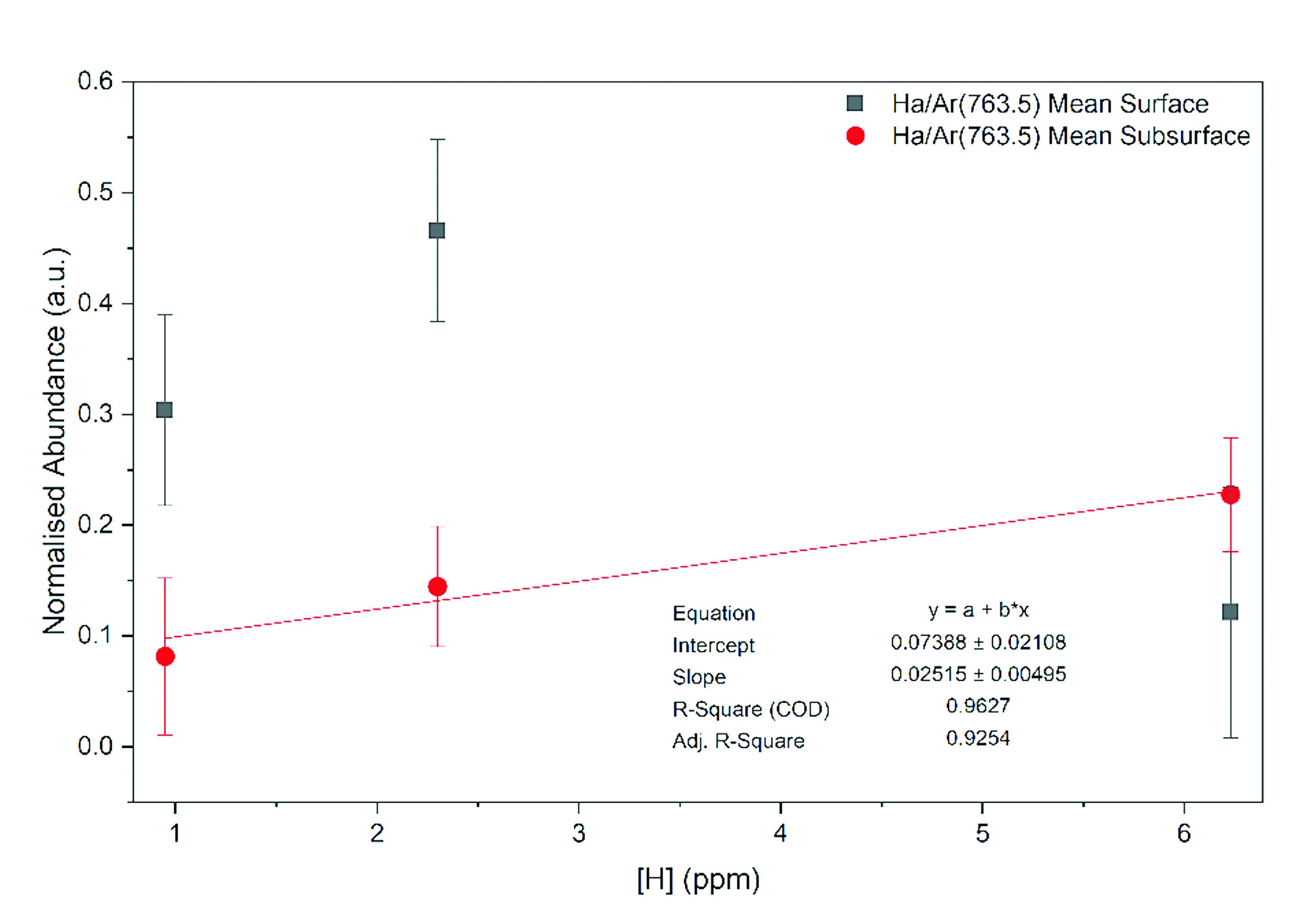
Figure 3: Calibration Plot of Analysed Hydrogen Standards for Normalised Hα Peak Intensity to the Ar763.5 Peak.
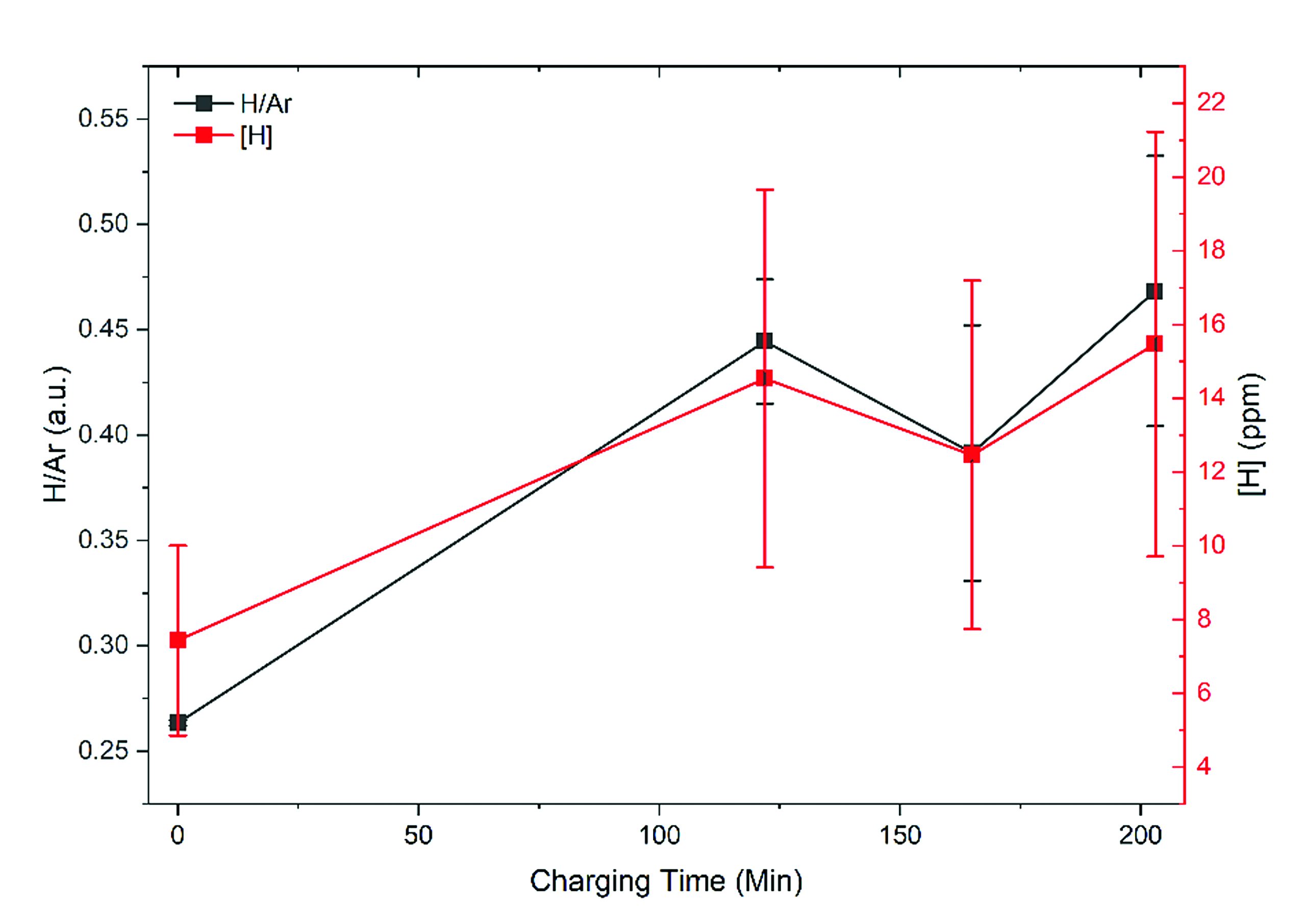
Figure 4: (Left) Measured H/Ar Peak Ratios; (Right) Calculated Hydrogen Abundances.
A handheld LIBS device has been calibrated on hot/melt hydrogen calibration pins, and qualitative differences in hydrogen content readings have been demonstrated on cathodically charged X52 coupons from a pipe section. The adoption of LIBS as a PMI (Positive Material Identification) technique in industry is strong, with advanced applications emerging, particularly in mining, manufacturing, and quality control. This article demonstrated that with correct calibration standards and data treatment, existing routines can readily be adapted into localised hydrogen measurement techniques.
The application of these techniques for structural maintenance applications and fitness-for-service inspection is currently under development but shows great promise at this stage.
1. “Global Hydrogen Review 2024 – Analysis,” International Energy Agency, 2024. https://www.iea.org/reports/global-hydrogen-review-2024 (accessed 6 November 2025).
2. J P Hirth, “Effects of hydrogen on the properties of iron and steel,” Metall. Trans. A, vol. 11, no. 6, 1980, pp. 861–890. https://doi. org/10.1007/BF02654700
3. J H Chuang, L W Tsay, and C Chen, “Crack growth behaviour of heat-treated 4140 steel in air and gaseous hydrogen,” Int. J. Fatigue, vol. 20, no. 7, 1998, pp. 531–536. https://doi.org/10.1016/S0142-1123(98)00019-X
4. A Laureys, T Depover, R Petrov, and K Verbeken, “Microstructural characterization of hydrogen induced cracking in TRIP-assisted steel by EBSD,” Mater. Charact., vol. 112, 2016, pp. 169–179. https://doi. org/10.1016/j.matchar.2015.12.017
5. S J Kim, J S Park, and S-P Jung, “Corrosion-induced hydrogen evolution, absorption, and cracking behaviors of ultra-high-strength galvanized and galvannealed steel sheets,” npj Mater. Degrad., vol. 6, no. 1, 2022, p. 31. https://doi.org/10.1038/s41529-022-00245-1
6. G Z Meng, C Zhang, and Y F Cheng, “Effects of corrosion product deposit on the subsequent cathodic and anodic reactions of X-70 steel in near-neutral pH solution,” Corros. Sci., vol. 50, no. 11, 2008, pp. 3116–3122. https://doi.org/10.1016/j.corsci.2008.08.026
7. A Turnbull, “2009 W.R. Whitney Award Lecture: Local Hydrogen Generation and Its Impact on Environment-Assisted Cracking and Crevice Corrosion,” Corrosion, vol. 66, no. 5, 2010, pp. 055001-1–055001-16. https://doi.org/10.5006/1.3430461
8. D Rudomilova, T Prošek, and M Ström, “Hydrogen Entry into Steel Under Corrosion Products,” Corrosion, vol. 77, no. 4, 2021, pp. 427–432. https://doi.org/10.5006/3675
9. T L Burnett et al., “Mechanisms of Environmentally Induced Crack Initiation in Humid Air for New-Generation Al-Zn-Mg-Cu Alloys,” Corrosion, vol. 79, no. 8, 2023, pp. 831–849. https://doi. org/10.5006/4336
10. J Srivastava et al., “The influence of partially recrystallized grain structures on hydrogen-environmentally induced cracking (H-EIC) behavior of AA7085 alloy in humid air,” Corros. Sci., vol. 256, 2025, p. 113199.
11. K Verbeken, “Analysing hydrogen in metals: bulk thermal desorption spectroscopy (TDS) methods,” in Gaseous
Hydrogen Embrittlement of Materials in Energy Technologies, Woodhead Publishing, 2012, pp. 27–55. https://doi.
org/10.1533/9780857095374.1.27
12. D Pérez Escobar, K Verbeken, L Duprez, and M Verhaege,
“Evaluation of hydrogen trapping in high strength steels by thermal desorption spectroscopy,” Mater. Sci. Eng. A, vol. 551, 2012, pp. 50–58. https://doi.org/10.1016/j.msea.2012.04.078
13. F von Zeppelin, M Haluška, and M Hirscher, “Thermal desorption spectroscopy as a quantitative tool to determine the hydrogen content in solids,” Thermochim. Acta, vol. 404, no. 1, 2003, pp. 251–258. https://doi.org/10.1016/S0040-6031(03)00183-7
14. L B Peral, A Zafra, I Fernández-Pariente, C Rodríguez, and J Belzunce, “Effect of internal hydrogen on the tensile properties
of different CrMo(V) steel grades: Influence of vanadium addition on hydrogen trapping and diffusion,” Int. J. Hydrogen Energy, vol. 45, no. 41, 2020, pp. 22054–22079. https://doi.org/10.1016/j. ijhydene.2020.05.228
15. M N Babikhina, V N Kudiiarov, A V Mostovshchikov, and A
M Lider, “Quantitative and Qualitative Analysis of Hydrogen Accumulation in Hydrogen-Storage Materials Using Hydrogen Extraction in an Inert Atmosphere,” Metals, vol. 8, no. 9, 2018, p. 672. https://doi.org/10.3390/met8090672
16. G K Padhy, V Ramasubbu, S K Albert, N Murugesan, and C Ramesh, “Hot Extraction of Diffusible Hydrogen and Its Measurement Using a Hydrogen Sensor,” Weld World, vol. 56, no. 7, 2012, pp. 18–25. https://doi.org/10.1007/BF03321361

Following the official announcement by the World Corrosion Organization (WCO), the Institute of Corrosion (ICorr) is proud to announce that its President, Dr Yunnan Gao, has been selected as the recipient of the 2026 World Corrosion Organization (WCO) Corrosion Awareness Honour, a major international recognition of his sustained leadership in promoting corrosion awareness, education, outreach and global collaboration.
This prestigious international honour recognises Dr Gao’s outstanding contribution to raising the profile of corrosion and corrosion protection across industry, academia, professional institutions and the wider engineering community. The award was established by the WCO in association with the European Federation of Corrosion (EFC) and the Chinese Society of Corrosion and Protection (CSCP) and recognises pioneering individuals who have made a substantial contribution to raising awareness of corrosion and corrosion protection among government, industry and the general public.
The official WCO announcement is available here: https://corrosion.org/Awards/Corrosion+Award+2026.html.
Commenting on the award, Dr Gao said:
“I am truly honoured and deeply humbled to receive the WCO Corrosion Awareness Honour. I see this recognition not only as a personal honour, but also as recognition of the collective efforts of the many colleagues, volunteers, professional organisations and industry partners around the world who are working together to raise awareness of corrosion and promote better corrosion prevention and protection.”
“Corrosion has profound implications for safety, infrastructure resilience, sustainability and society. I firmly believe that increasing awareness and understanding of corrosion is essential if we are to prevent avoidable failures, protect our infrastructure and support a more sustainable future. I am particularly pleased that this WCO honour recognises the importance of awareness, education, collaboration and communication in achieving this goal.”
The Institute of Corrosion warmly congratulates Dr Yunnan Gao on this prestigious international recognition. His receipt of the WCO Corrosion Awareness Honour is a proud moment for ICorr and a reflection of the Institute’s continued commitment to advancing corrosion awareness, professional competence and international cooperation.
The award will be formally presented by WCO President Prof. En-Hou Han during the plenary session on the morning of Thursday 10 September 2026 at EUROCORR 2026 in Dublin, where ICorr looks forward to celebrating this important achievement with Dr Gao and colleagues from across the global corrosion community.
The Institute of Corrosion (ICorr), established in 1959, is the UK professional body dedicated to advancing the science, engineering and professional practice of corrosion prevention and control. Through its members, branches, technical divisions, training, publications and international partnerships, ICorr promotes professional competence, knowledge sharing and best practice in corrosion management for the benefit of industry, infrastructure and society. To find out more about ICorr, visit: https://www.icorr.org/.