The President of the Institute of Corrosion (ICorr), Dr Yunnan Gao, was honoured to host Professor Xiaogang Li, President of the Chinese Society for Corrosion and Protection (CSCP) https://www.cscp.org.cn/ during a significant multi-day visit to the United Kingdom in November 2025. This most welcome visit marked another historic milestone in UK-China cooperation in corrosion science and technology and reflects the growing international influence of Professor Li – one of the world’s most distinguished leaders in corrosion science and engineering.
Professor Li, who also serves as Professor at the University of Science and Technology Beijing, Director of the National Materials Corrosion and Protection Data Centre, and Editor-in-Chief of npj Materials Degradation https://www.nature.com/npjmatdeg/ travelled to the UK with a CSCP delegation to deepen academic, industrial, and institutional collaboration with ICorr and leading UK research organisations.
Strategic Visit to The University of Manchester
The first stop of the visit was The University of Manchester https://www.materials.manchester.ac.uk/ where the ICorr President, Dr Yunnan Gao, welcomed Professor Li and the CSCP delegation. Discussions centred on establishing structured pathways for knowledge exchange, joint workshops, and collaborative programmes in corrosion science, materials degradation, and advanced characterisation.
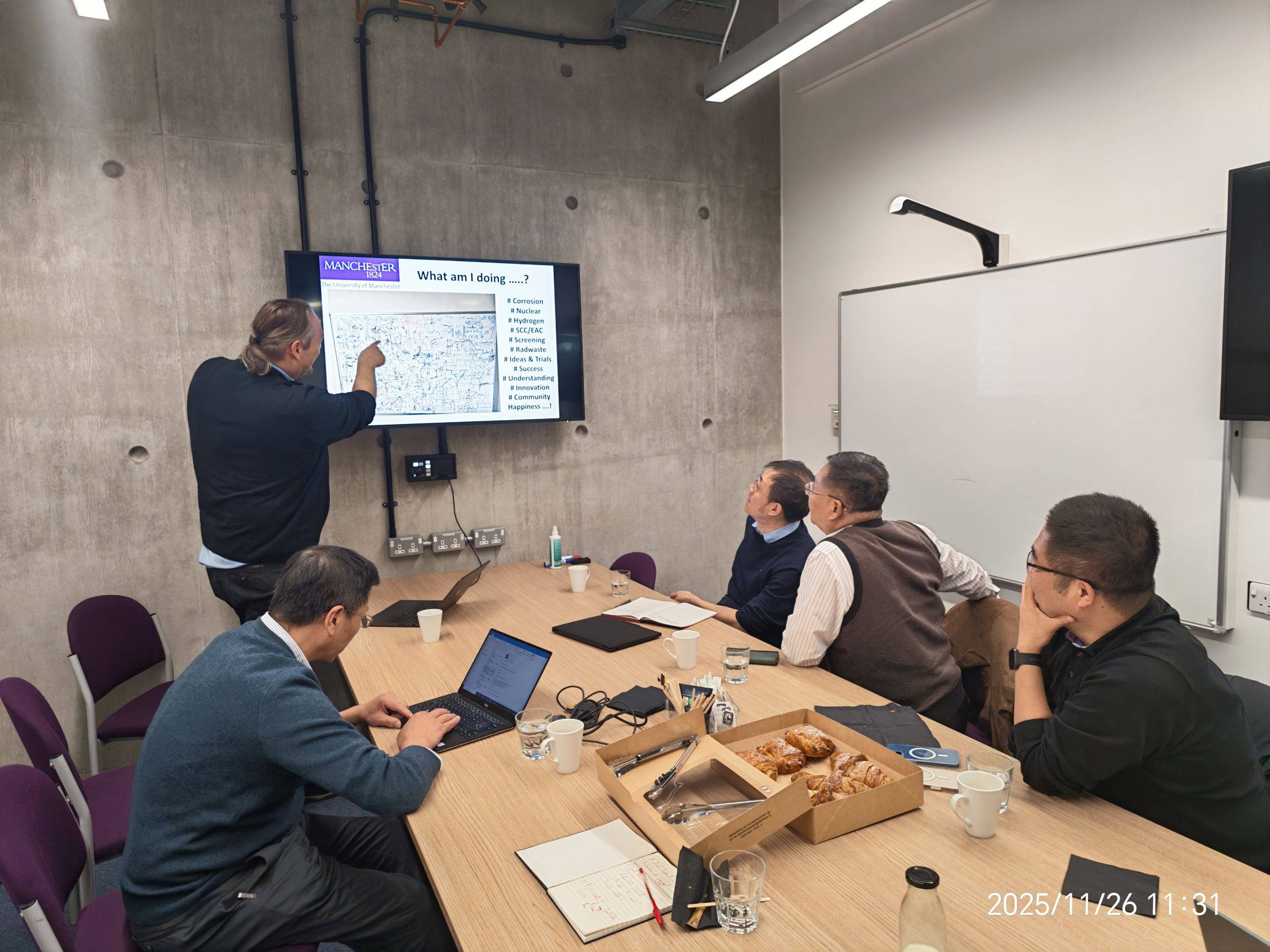
Photo 1: Collaboration Meeting at The University of Manchester. Professor Dirk Engelberg of Manchester University Giving a Presentation.
The delegation toured Manchester’s world-class materials and corrosion research facilities, including advanced electron microscopy laboratories and the Henry Royce Institute hub https://www.royce.ac.uk/ guided by Professor Xiaorong Zhou and Professor Dirk Engelberg, both internationally recognised leaders in corrosion and structural materials.
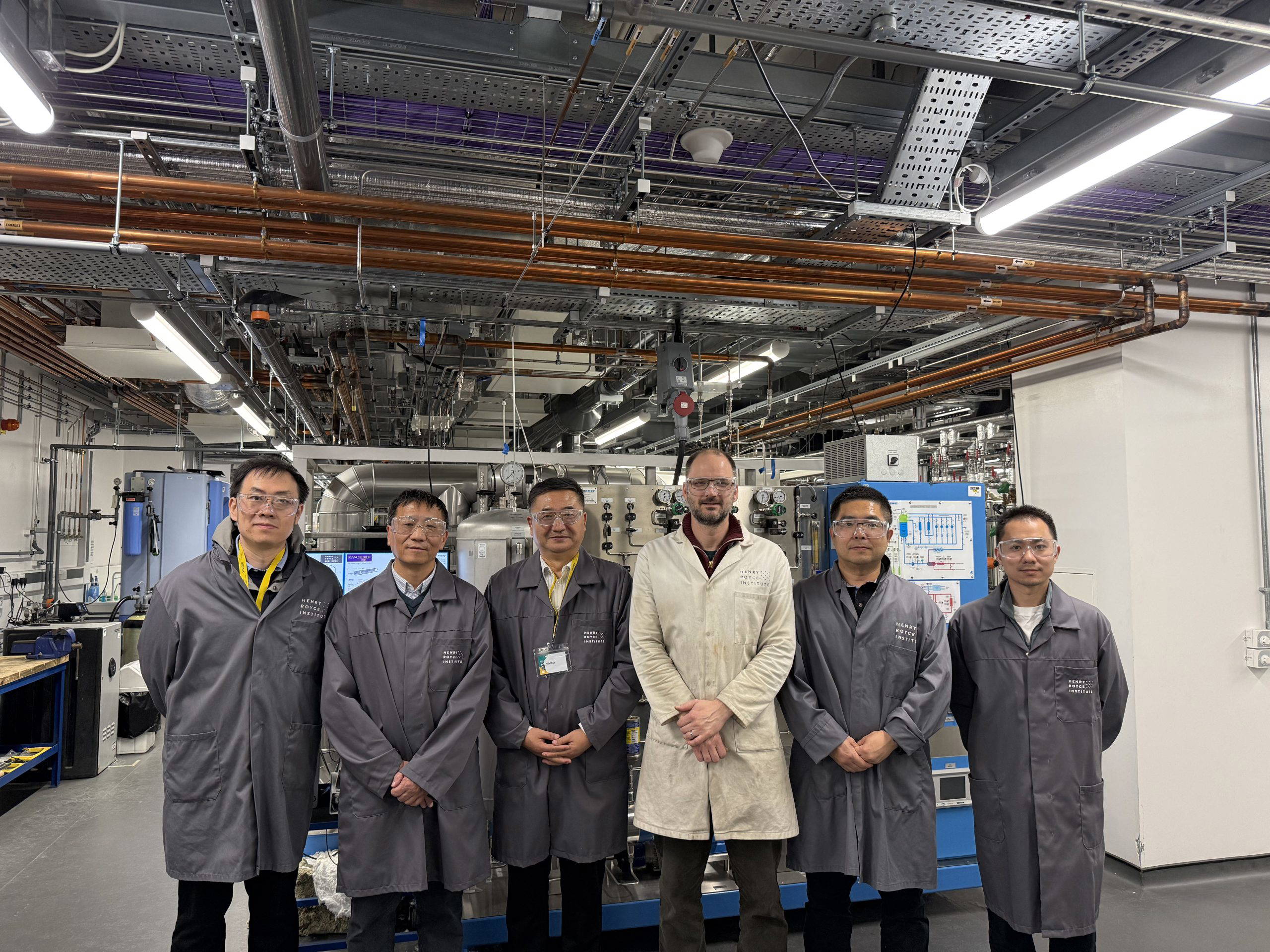
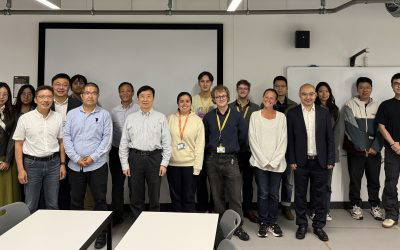
Photo 2: CSCP President Professor Xiaogang Li (L3), ICorr President Dr Yunnan Gao (R2) and the Whole Delegation Hosted by Manchester University Professor Xiaorong Zhou (L2) and the Team at Henry Royce Institute, Manchester University.
These engagements highlighted strong synergies between UK and Chinese research capabilities in environmental degradation, data-driven modelling, and materials genome methodologies—areas strongly aligned with Professor Li’s pioneering work in corrosion big data.
Visit to the University of Leeds
The delegation then travelled to the University of Leeds https://eps.leeds.ac.uk/mechanical-engineering-research-innovation where they were hosted by Professor Richard Barker and Dr Joshua Owen. A dedicated collaboration workshop focused on shared challenges across atmospheric corrosion, mechanical performance in complex environments, and infrastructure durability.

Photo 3: Collaboration Meeting at the University of Leeds. Dr Joshua Owen Giving A Presentation.
This was followed by technical tours of the University’s corrosion laboratories and the Henry Royce Institute facilities in Leeds, where cutting-edge capabilities in electrochemical methods, advanced microscopy, and materials testing were showcased.
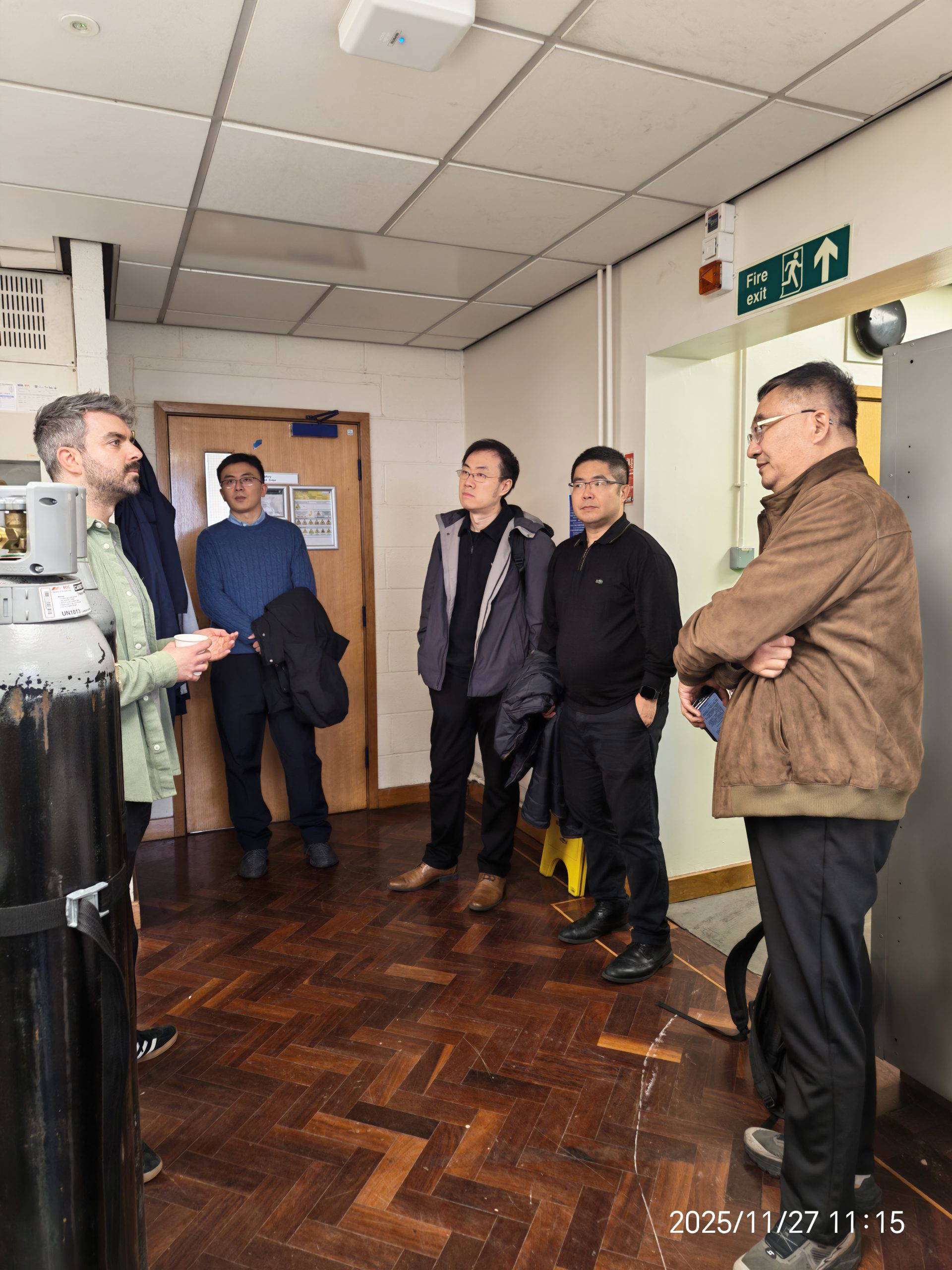
Photo 4: Visit to the Corrosion Laboratory at the University of Leeds.
ICorr and CSCP held productive discussions on joint collaborative initiatives, potential bilateral joint research programme, and co-developed technical guidance for emerging technologies.
Final Engagement at the National Physical Laboratory (NPL)
The final stage of the visit took place at the National Physical Laboratory (NPL) in London https://www.npl.co.uk/ hosted by Professor Gareth Hinds, a globally respected figure in electrochemistry and corrosion measurement science.
A high-level meeting explored future cooperation on standards development, corrosion testing methodologies, and the potential for coordinated international research programmes that link the UK, China, and broader global partners.

Photo 5: CSCP President Professor Xiaogang Li (L3), ICorr President Dr Yunnan Gao (Right) and China Delegation Hosted by Professor Gareth Hinds (R2) at NPL, London.
A detailed tour of NPL’s corrosion labs followed, highlighting UK leadership in precision materials characterisation, CCS (Carbon Capture and Storage) corrosion testing, and corrosion-related metrology.

Photo 6: Visit to the Corrosion Laboratory at NPL.
The visit concluded with a symbolic and impactful moment – the ICorr President and Professor Li shaking hands at the end of the visit at NPL, reaffirming the commitment of both organisations to long-term partnership.
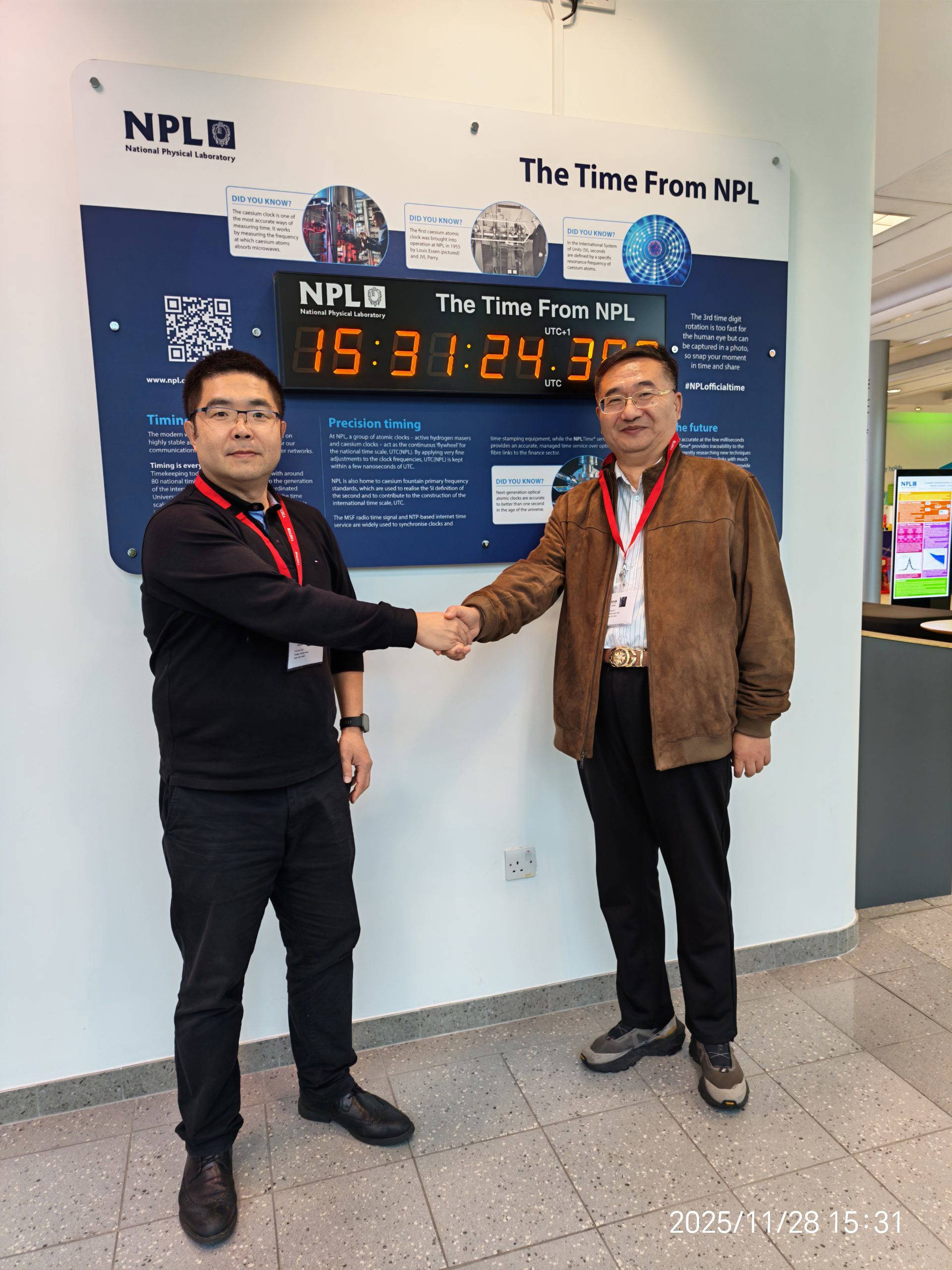
Photo 7: ICorr President and CSCP President – Shaking Hands at the End of the Visit.
A Transformative Step for Global Corrosion Collaboration
Professor Li’s visit represents one of the most significant international engagements in ICorr’s recent history. His exceptional global standing-reflected in his pioneering contributions to corrosion big data, materials genome engineering, atmospheric corrosion mechanisms, and the development of advanced corrosion-resistant steels-amplifies the strategic importance of this collaboration.
His leadership has had profound influence across China and the international corrosion community, and his engagements in the UK underscore the strong mutual interest in scientific cooperation, talent development, and harmonisation of methodologies across continents.
ICorr Statement on the Visit
The ICorr President commented:
“This visit marks a new affirmative chapter of international cooperation. Professor Li is one of the most influential corrosion scientists in the world, and the strengthening of ties between ICorr and CSCP will accelerate innovation, unify global communities, and help tackle some of the most complex materials challenges facing society. We look forward to expanding this partnership for the benefit of both nations and the global corrosion community.”
Looking Ahead
ICorr and CSCP have agreed to continue developing:
- Bilateral research programmes
- Collaborative standards development
- Exchange opportunities for students and early-career corrosion practitioners
- Joint international webinars, workshops and conferences
- New awards schemes
- Shared initiatives in corrosion data science, materials design, and advanced testing
This landmark visit has not only reinforced the scientific bonds between the UK and China but has also set the stage for a new era of global cooperation in corrosion science and engineering.