Kevin Harold is a Director at Paintel Ltd. He is a Level 3 ICorr Painting Inspector and Technical Director of Paintel Ltd. and has been involved with painting and coatings for nearly 50 years. Kevin is the retiring Correx Managing Director and also a Correx (Institute of Corrosion) ICATS trainer. During 2025, Paintel was awarded a new Painting / Inspection / Maintenance contract to refurbish and maintain the important Tamar Bridge crossing, running for the next 10 years. The company has maintained the structure since 1999.
Thomas Harold is employed as the Paintel Contracts Manager and is also a Director of Paintel Ltd. He is IPAF & IRATA qualified and an ICorr Level 2 Painting Inspector and ICATS approved Industrial Painting Supervisor with more than 15 years’ experience of applying protective coatings.
Introduction
This article is about the environmental effects and maintenance painting required for ‘Atmospheric Corrosion Control’ on exposed bridge structures and, in particular, the Tamar Bridge linking Devon and Cornwall on the A38 trunk road.
Spanning the River Tamar by the side of Brunel’s famous Saltash railway bridge, the new Tamar Road bridge provided an important new link by road between the City of Plymouth and the county of Cornwall. It was opened in October 1961; it has a total suspended length of around 335 meters plus two side spans and a water-level clearance of between 32 and 35 meters. All in all, a weighty corrosion problem.
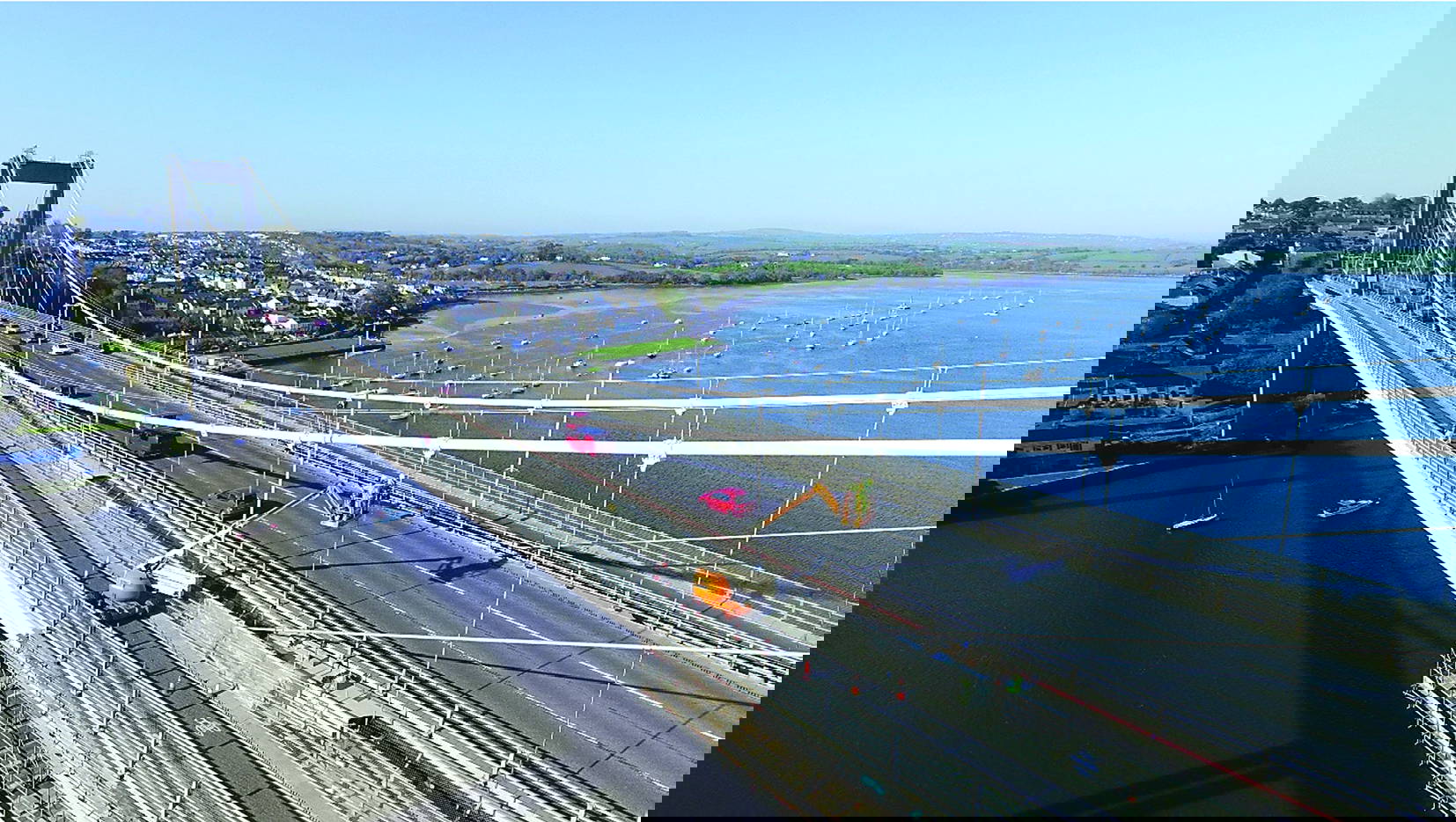
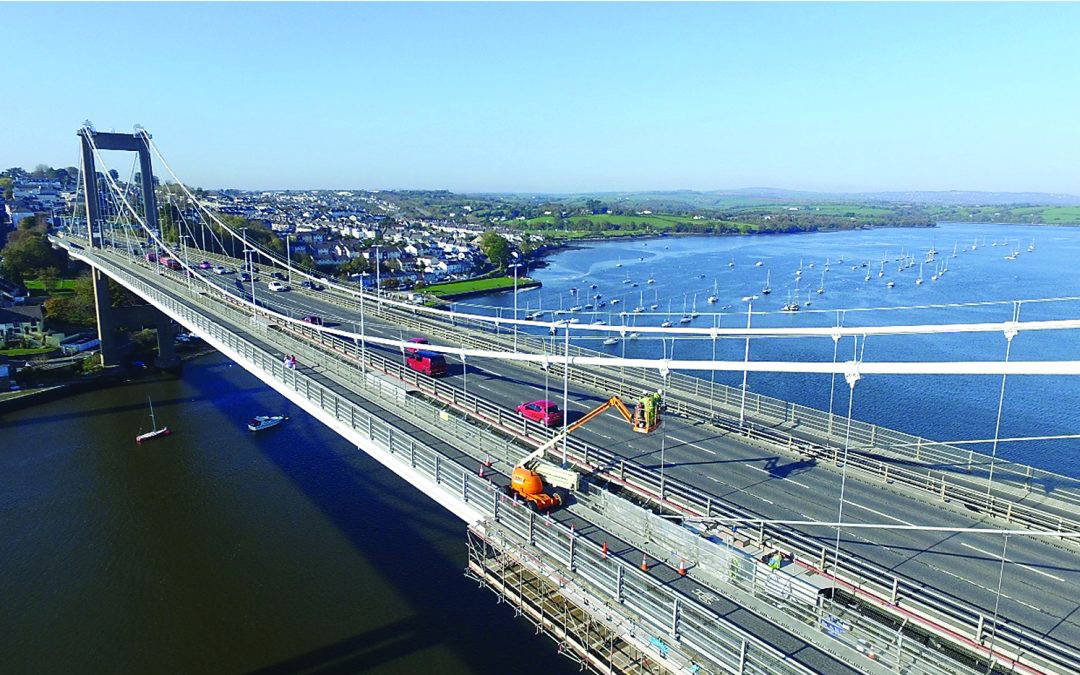
Photo: Overview of the Tamar Bridge With Cheery Picker Painting Maintenance Ongoing.
The structure carries around 50,000 vehicles per day in each direction. and is located in a fairly aggressive marine environment, towering over the river Tamar as it flows further into Cornwall in one direction and towards Devonport Dockyard in the other. The bridge has been in continual service since opening, even when it had two cantilevers added and coated during 1999-2000, under the supervision of Paintel.
Corrosivity of Bridge Environment
Its corrosivity classification in accordance with ISO 12944 (the accepted standard that sets out rules for the protection of assets from corrosion by use of coating systems and paint, originally released in 1998) probably ranges between a C4 and C5 (high to very high), plus the effects of the driving Southwest rain and winds, keeping it wet/damp for long periods, and also depending on the geography of the structure, causing corrosion deposits to build up.
The Tamar Bridge’s unique location over the tidal River Tamar and exposure to marine elements means site-specific monitoring and protection are critical for its structural integrity. Engineers conduct routine inspections normally every four months and use advanced techniques including test gauges to measure the depth of corrosion on main cable ropes, to monitor the progression of corrosion.
Challenges and Costs
The bridge’s annual maintenance cost is approximately £2 million, with significant, multi-million-pound projects funded by tolls to specifically address issues like corrosion and deck resurfacing.
As with many similar suspension type bridges, preparation and re-painting of the Tamar Bridge is not without its challenges. When you drive over any bridge you tend to only notice everything at ground/deck level, occasionally you might glance up to the towers and think my goodness that’s high or how on earth do you access that?
Working on tower tops or beams roadside of course involves significant challenges, as does painting beneath the deck level, and that is the case for all types of bridge structures really.
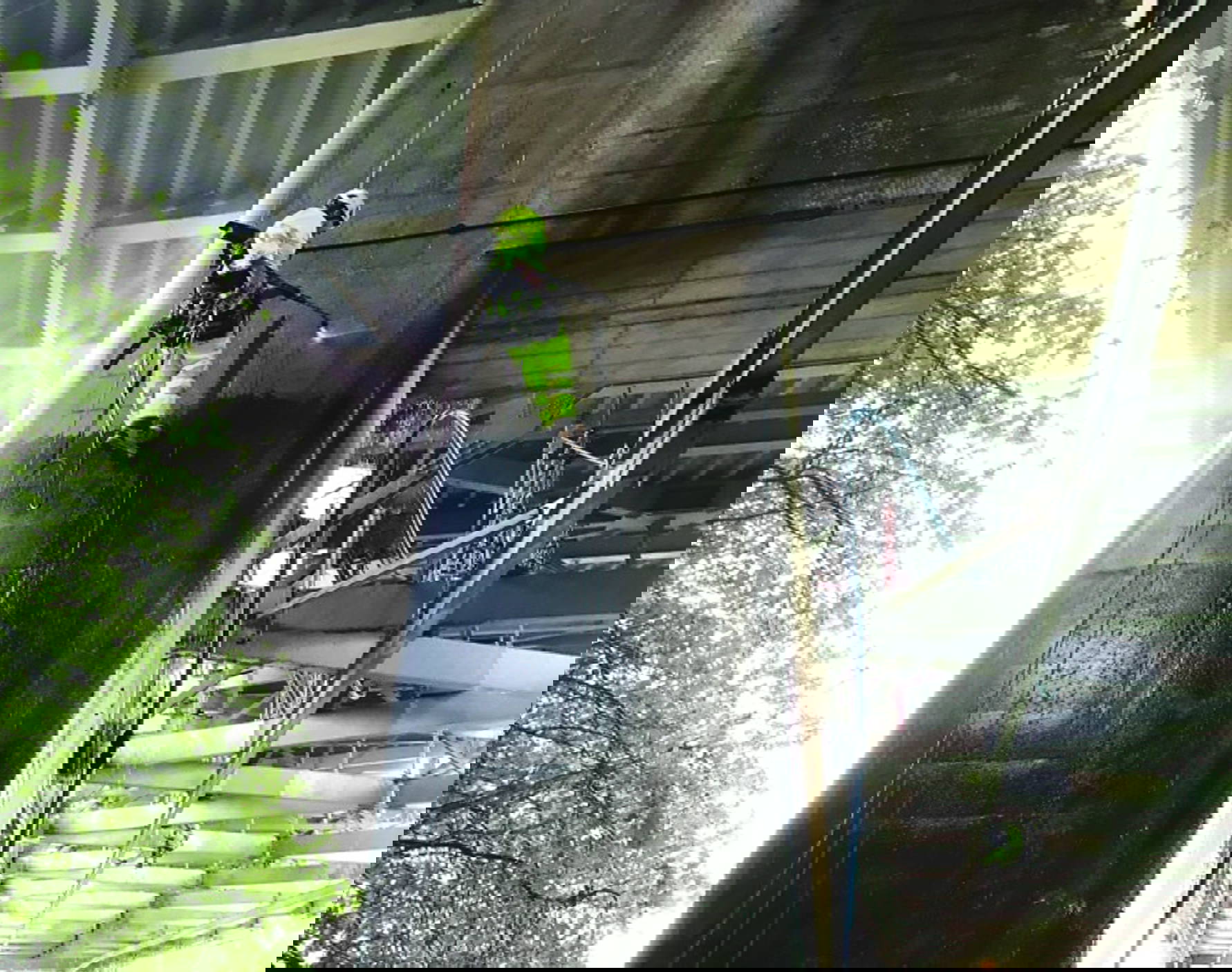
Photo: Distance Harness Assisted Solvent Wash Under Deck.
The steel arrangement beneath deck levels can appear to be very complex and once again your thoughts turn to how would you go about accessing what you might think is particularly inaccessible. Each area not only comes with access challenges but also must address the type and classification of corrosion at any location and how fast it may be progressing, particularly with structurally important fixings and smaller detail areas where corrosion is simply not acceptable.
Maintenance Painting Process and Access
Of course, it would very helpful if you could scaffold a bridge or structure every time maintenance was required or there was a permanent one in place (designed-in), but this can be expensive and time consuming and a quicker fix is often what’s required, providing of course, the quicker fix is acceptable and safe to all.
Access options at the Tamar Bridge do include scaffolds, but only when other methods are considered too dangerous or the works required will be of long duration. The Tamar Bridge has 4 gantries, two main deck and two cantilever gantries; these give access to many locations, but not directly underneath the deck and some other important areas.
Paintel has a MEWP (Mobile Elevating Working Platform)-trained team as well as a RAT (rope access trained) team using rope access methods for preparing, painting, repairing or cleaning surfaces. All these techniques allow us to paint areas that might appear at first to be inaccessible.
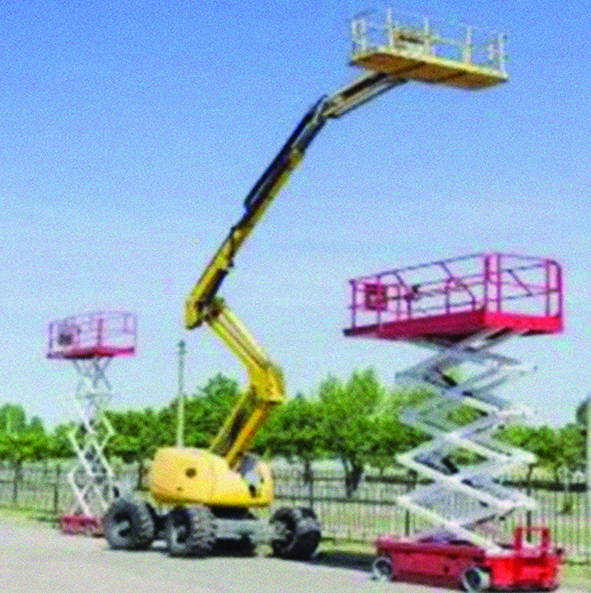
Photo: MEWP (Mobile ElevatingWorkingPlatform).
Selective Corrosion Repair Sites
You would have heard people say, “It’s like painting the Forth Bridge; I suppose you start at one end and work towards the other and then start again,” but this couldn’t be further from the truth. Corrosion is very selective, and the geography and geometry of a structure play a huge part in corrosion risk and corrosion rates, as well as the conditions each part is exposed to. Then add in some contamination, and different types appear: general, pitting, crevice and galvanic, to mention a few.
Corrosion first needs a base metal, steel most commonly, an electrolyte, water, or other, and of course oxygen to corrode/ oxidise any steel. Corrosion areas and rates vary considerably across the structure according to geometry and degree of exposure.
Photo: Bridge Hangar Painting.
Geography and Geometry
High sections (pier/tower tops) are prone to additional exposure, high and low temperatures, intense UV light, continuous wetting and drying, and North, South, East or West perspectives. Of which South dries the most, North dries the least, West is wetter, and East will be cooler; all of these conditions affect corrosion rates.
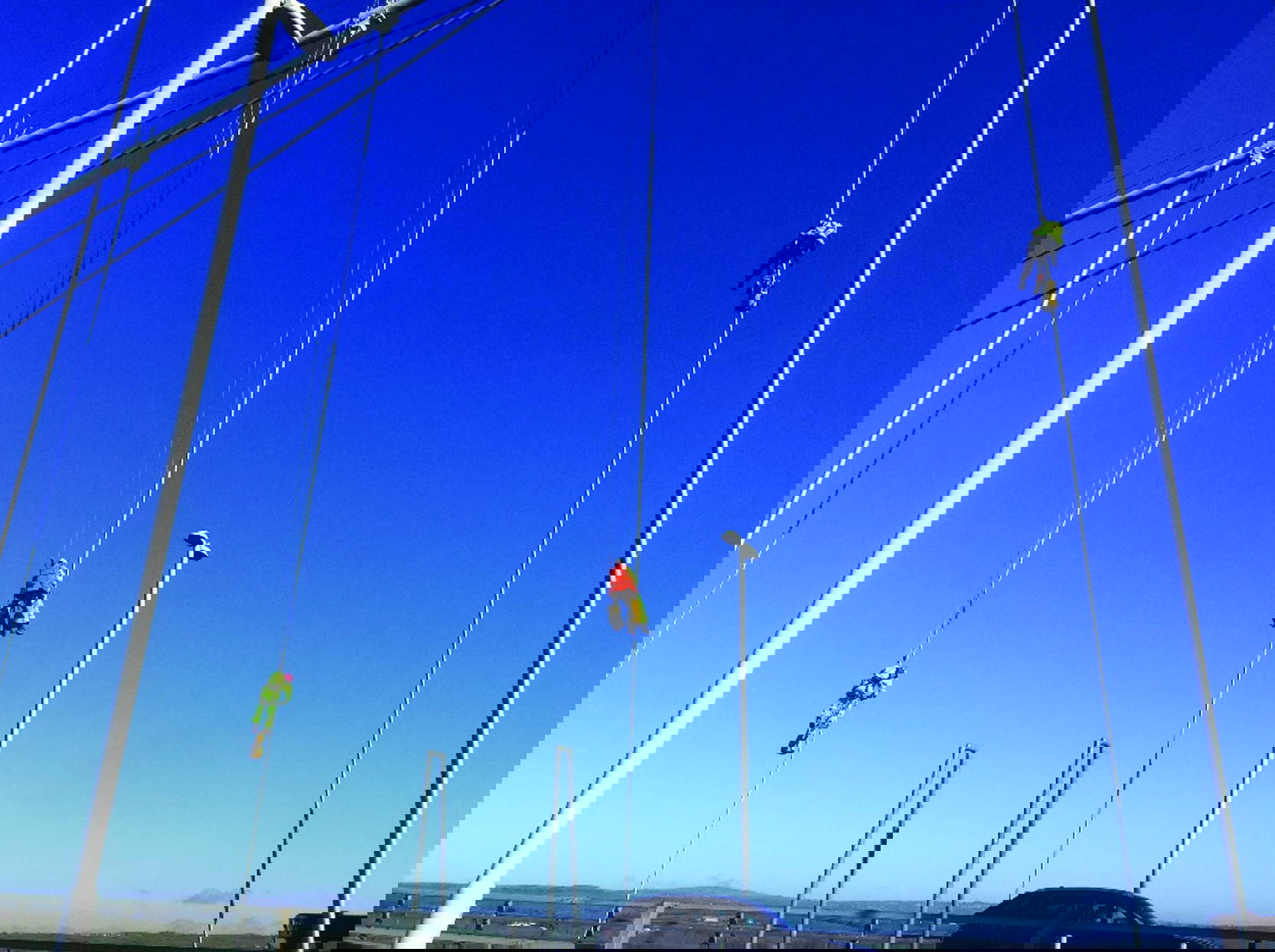
Many of these areas are accessed by ‘rope access’ methods, as many of the team are IRATA (Industrial Rope Access Trade Association) trained, with a level 3 RAT Team Lead.
Photo: Metal Coating Using A Trug.
RAT work necessitates:
A Head for Heights
Exposure to extremes of Climate
High levels of Fitness
The compensation for operatives is some of the best views a person can have.
Deck/Road Level – Traffic Issues
Exposed, but not the same exposure as the tops of the towers. Higher and lower temperatures. Temperatures can be higher at this level due to radiated heat from the road surface, lower windage and other protection from parapets/tower bottoms and cabins/storage areas. UV intensity remains high, and many surfaces remain wet for long periods due to drainage design with water weepage long after rain has stopped. Contaminated surfaces from traffic activity and the effects of north, south, east or west winds, perspectives all contributing additional corrosion effects.
Temperatures can be lower due to more standing water and ice during the winter and additional shading from piers and storage containers. Surfaces are also wetted and dried continuously with the additional consideration of contaminants.
Pollution from passing vehicles, salt from salt spreaders during winter months, and sludges created by dirt and wet from vehicles that do not dry all add to ongoing corrosion rates and challenges.
Below Deck
These areas are often the most prolific in terms of workload. Much more structural steel is being affected by microclimates. Other factors that influence corrosion rates include being closer to the water/river, rain run-off (from the deck), salt contamination from road salting and bird contamination. Little or no direct sunlight and non-drying of surfaces, sludges and slurry build-up accelerate corrosion rates enormously.
Photo: RAT Based Pressure Cleaning Activities.
Preparation and Painting Specifications
Because of the environmental difficulties associated with blasting, set-up, noise, encapsulation, danger, dust, time factor, clean-up, and spillage, all the preparation prior to painting is done by mechanical preparation standards. This is therefore normally done using small tools like needle guns, grinders, sanders, scrapers, etc., but not before precleaning with degreaser to remove most of the dirt and grease. All surfaces are then prepared to an ISO 8501-1 ‘very thorough’ surface preparation. Once an area of preparation is complete and re-cleaned, it is then inspected for quality control for acceptance. After acceptance, all areas receive a multi-coat paint system of:
The final dry film thickness (DFT) is in excess of 300 microns throughout (higher at spot primed locations).
The paint system being utilised can change depending on prevailing corrosion classification to include additional build with MIO, micaceous iron oxide. The bridge is subjected to a maximum of 6 monthly inspections, sometimes more frequent depending on the site zone, and these inspections flag up the more corroded affected areas, and they become priority work packages. Paint is most usually applied by brush and roller. This avoids problems associated with potential overspray and sheeting issues.
Photo: Incline Cable Painting.
Paint Lifetime Expectancy
In the coating business we often discuss and compare lifetime expectations of different types of preparation and painting techniques. Although many would argue that there is nothing better than blasting prior to painting with all the rules in place, as experienced coating applicators, we have proven ‘year on year’ that if you do thoroughly clean surfaces, prepare to the correct standard and paint to the specification, then this work will also last a very long time, often 10 years plus. Our extensive work on the Tamar Bridge has proved this conclusively.
References
BS EN ISO 12944 (2019) – Multi-part Document – Corrosion protection of steel structures by protective paint systems.
Dr Yashwantraj Seechurn is a senior lecturer in the Department of Mechanical and Production Engineering at the University of Mauritius. He teaches asset management at postgraduate level, and his main research interests include atmospheric corrosion, marine corrosion, materials chemistry, coatings, and surface engineering. He has presented at various international conferences and has many publications in international peer-reviewed journals. In 2019, he received a Commonwealth split-site PhD award for research in corrosion engineering at the University of Southampton. Yashwantraj is now actively involved in corrosion research as a principal investigator, striving towards achieving better corrosion prediction techniques and prevention strategies. He employs both field and accelerated lab-based corrosion testing, followed by advanced characterisation and modelling in his working approach. One of his most notable achievements is the development of the first corrosion map for Mauritius. He is also the chairperson of the Mechanical Engineering Standards Committee of the Mauritius Standards Bureau.
Introduction
Mauritius has a tropical climate with only two seasons: summer, which is hot and humid, and winter, which is colder and drier. In the absence of spring and autumn seasons, transition months indicate when the seasons shift. January and February are usually the most humid and the warmest, with the average daily high temperature reaching 29.2°C (Mauritius Meteorological Services, 2026). Furthermore, the later summer months (February and March) are the wettest. However, rainfall varies significantly across the island; the central plateau receives the majority of the island’s rainfall, while the sheltered west coast receives far less.
Within Mauritius, climate change adds a layer of urgency to managing atmospheric corrosion. Changes in pluvial precipitation patterns and wind regimes are expected to affect pollutant deposition and thus influence corrosion in coastal and industrial areas (Valdez et al., 2016). For instance, stronger winds can increase the inland reach of marine aerosols and industrial plumes, exposing new regions to higher chloride (Cl-) and sulphur dioxide (SO2) deposition (Alcantara et al., 2017; Tasic et al., 2013). Similarly, shifts in rainfall intensity and frequency could lead to changes in atmospheric corrosion rate (Alcántara et al., 2017). Wind speed and direction dictate the distance pollutants travel and their concentration at a given location. The effect is highly dependent on the direction of the wind relative to the pollutant source and the exposure site location (Santucci, Davis and Sanders, 2022; Daneshian et al., 2023). Also, increased wind speeds (> 3 – 5 m s-1) enhance wave breaking and turbulence, accelerating marine aerosol production (Alcantara et al., 2017; Madawala et al., 2024). However, higher wind speeds can also dilute SO2 concentrations depending on the wind direction. Several studies have noted that higher wind speeds are generally correlated with lower SO2 concentrations due to atmospheric dilution and mixing (Tasic et al., 2013). This effect was seen in urban-industrial environments. However, pollutant deposition may still increase if the monitoring site is located directly downwind of emission plumes (Tasic et al., 2013).
Rainfall also plays an important role in the atmospheric deposition of both SO2 and Cl-. In general, low to moderate rainfall increases the surface moisture, which acts as an electrolyte, facilitating the dissolution of pollutants on exposed metal surfaces (Alcántara et al., 2017). For instance, rain promotes the formation of sulfurous and sulfuric acids by absorbing SO2 from the atmosphere, thus accelerating corrosion. Similarly, Cl- in marine aerosols is more readily deposited during precipitation, leading to sustained surface conductivity (Alcántara et al., 2017). However, heavy rain (more than 600 mm) efficiently removes deposited pollutants from exposed surfaces, exerting a cleansing effect (Vera et al., 2018). The overall influence of rain on pollutant deposition rate also depends on its frequency. Intense and frequent rainfall can reduce surface corrosion by continuously washing off deposits (Gobinddass et al., 2020; Zhao & Li, 2013).
Relative humidity (RH) and temperature (T) are two of the most influential climatic parameters affecting pollutant deposition rate, and consequently corrosion rate (Michel, Nygaard and Geiker, 2013; Cai et al., 2020). An electrolyte film is formed on a metal surface when RH reaches the critical relative humidity (CRH) threshold, which subsequently triggers corrosion. High RH facilitates the dissolution of SO into atmospheric moisture and on surfaces (Cai et al., 2018, 2020). Similarly, Cl- deliquesces and adheres more readily to surfaces at RH > 75%, leading to a higher deposition rate. RH is dependent on T, which influences the evaporation and condensation of water vapor (Michel, Nygaard and Geiker, 2013). The period during which the water film is present on a metal surface is indicated by the Time-of-Wetness (TOW) (Hoseinpoor, Prošek, and Mallégol, 2025). Rainfall, dew and melting snow are some factors contributing to the formation of water films on metal surfaces (ISO 9223, 2012). TOW integrates the effect of RH and T. It is measured as the number of hours RH > 80% and T > 0°C in a year (ISO 9223, 2012). Higher TOW values indicate longer periods of water film presence, increasing the rate and severity of the corrosion process (Cai et al.,2020; Hoseinpoor, Prošek, and Mallégol, 2025). Temperature fluctuations affect RH, thus increasing the frequency of wet/dry cycles. High temperatures also accelerate the chemical reactions. A temperature increase of two units is likely to increase the corrosion rate by approximately 15% (Cai et al., 2018).
This study, specific to Mauritius, provides an insight into the time effects of changes in climatic factors on atmospheric corrosion by performing field exposure of metal samples and comparing the corrosion kinetics with those obtained about a decade ago.
Materials and Methods
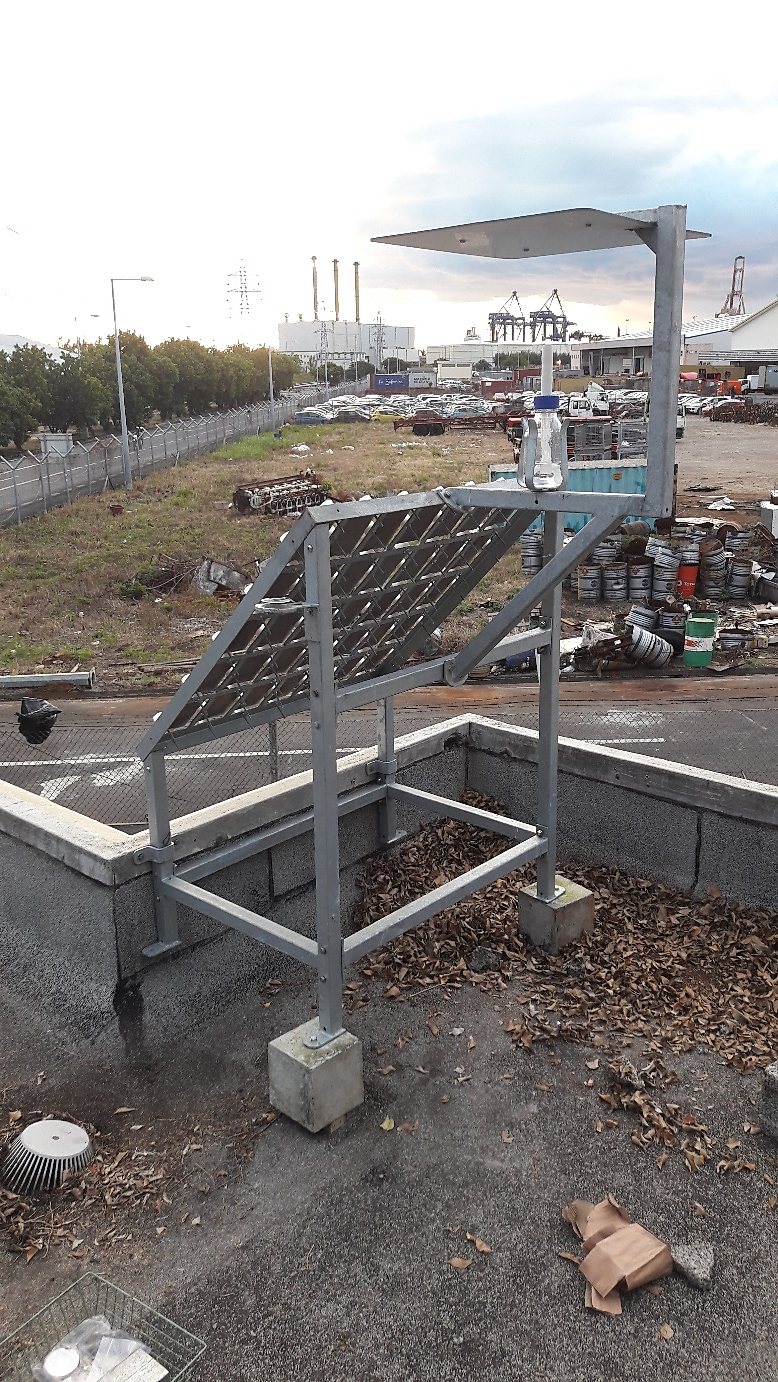
Carbon steel plates of size 150 mm × 100 mm × 3 mm were exposed in two different service environments in Mauritius (Figure 1): Port-Louis – PL (marine-industrial) and Medine Camp de Masque – MC (rural). All samples were mounted at 45° to the horizontal as per ISO 8565 (2011) (Figure 2). Figure 1 also shows sites SJ and PL (previous), where field exposures of carbon steel specimens were performed over a decade ago (Surnam & Oleti, 2012). MC lies 2.4 km from SJ (also rural), while the site in PL is just 1.1 km away from the previous one. Given the proximity, MC and PL (current) have the same environmental characteristics as SJ and PL (previous), respectively. To determine the effect of the environment on corrosion kinetics, the deposition rates of SO2 and Cl- were measured using the Huey lead dioxide plate and wet candle methods, respectively, according to ISO 9225 (2012). Furthermore, the TOW was estimated from daily RH variations obtained from the Mauritius Meteorological Services.
Figure 1: Map of Mauritius Showing Test Sites (Previous and Current).
Figure 2: Exposure Racks at Medine Camp de Masque – MC (Left) and Port-Louis – PL (Right).
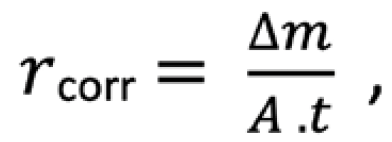
Following exposure, triplicate samples were retrieved at two-, five-, eight-, 11-, 14- and 24-month time points. The corrosion products were removed with the samples immersed in a solution of 50% wt./ vol. HCl and 3.5 g/L hexamethylenetetramine according to ISO 8407 (2014). The mass loss was measured using a Kern PNS 600-3 precision balance, with an accuracy of ± 0.001 g. Corrosion rate was then calculated over the first year of exposure using:
where is the corrosion rate in g m−2 y−1,m is the mass loss in g, A is the surface area in m2, t is the exposure time in years (y). A Zeiss Merlin scanning electron microscope (SEM) was used to determine the morphology of corrosion products on the surface of a 1 cm x 1 cm internal portion cut from the sample.
Results and Discussion
Table 1 lists the Cl–/SO2 deposition, the estimated TOW, and the corrosion rate at each site. The ISO 9223 (2012) classifications, including those of the previous sites, are given in Table 2. The corrosion rate for MC and PL (current) was found to be in the C3 (medium) and C2 (low) categories, respectively, while both SJ and PL (previous) were assigned corrosivity category C4 (Surnam & Oleti, 2012). Over more than a decade, there has been a significant decrease in corrosivity from C4 to C2 in PL and from C4 to C3 in the rural environment. This can be associated with a reduction of S02 deposition (P1 to P0) in PL and a decrease in TOW (T5 to T4) for SJ/MC.
Table 1. Pollution, Climatic and Corrosion Data Measured at MC and PL (Current).
MC
PL (current)
Cl– / mg m-2 d-1
SO2 /
mg m-2 d-1
TOW /
hour
CR /
g m−2 y−1
Cl– / mg m-2 d-1
SO2 /
mg m-2 d-1
TOW /
hour
CR /
g m−2 y−1
71.5
1.17
3300
207.7
11.4
1.16
1800
109.1
Table 2. Comparison of Environmental and Corrosivity Classification.
SJ
MC
PL (previous)
PL (current)
Cl–
SO2
TOW
CR
Cl–
SO2
TOW
CR
Cl–
SO2
TOW
CR
Cl–
SO2
TOW
CR
S0
P0
T5
C4
S1
P0
T4
C3
S1
P1
T3
C4
S1
P0
T3
C2
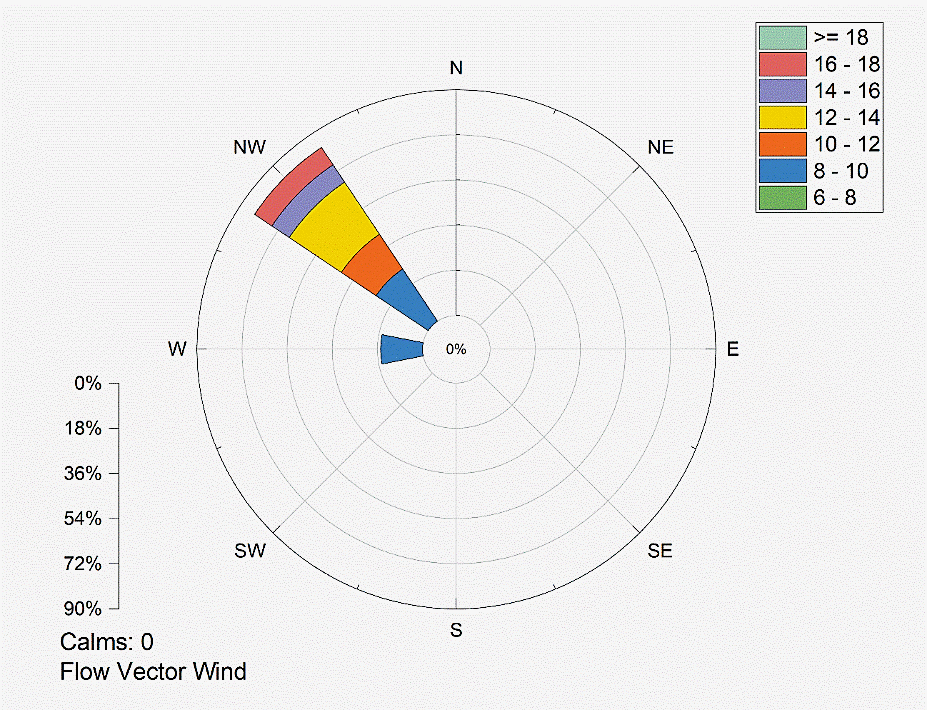
Emissions of SO2 have continued to rise over the years, driven by current growing energy demand on the island, mainly met by the combustion of heavy fuel oil. Furthermore, the presence of oil-fired power stations in PL implies significant SO2 concentration in the atmosphere. Wind in PL generally blows towards the west/northwest (Figure 3), i.e., from land to sea. The exposed specimens face the sea but on the downwind side, which explains the low deposition of SO2 and Cl-. However, climate change manifests as changes in the frequency and intensity of cyclones (World Bank Group, 2025), which disrupt normal wind patterns. Changes in wind directions are known to induce seasonal variations in chloride concentrations, which are more consequent during periods of strong winds (Gobinddass et al., 2020). High wind speeds also tend to coincide with rainfall, adding to the washing effect (Daneshian et al., 2023). Thus, the Cl-/SO2 environmental classification may vary periodically. Nevertheless, the gradual shift to renewable energy sources will eventually lead to SO2 being less of a concern to atmospheric corrosion.
Figure 3: Wind Rose Showing the Orientation (Blowing to) and the Speed (in km h-1) for Port Louis (PL).
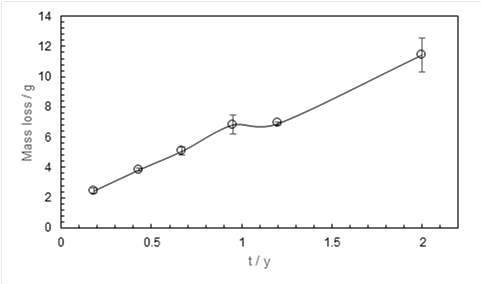
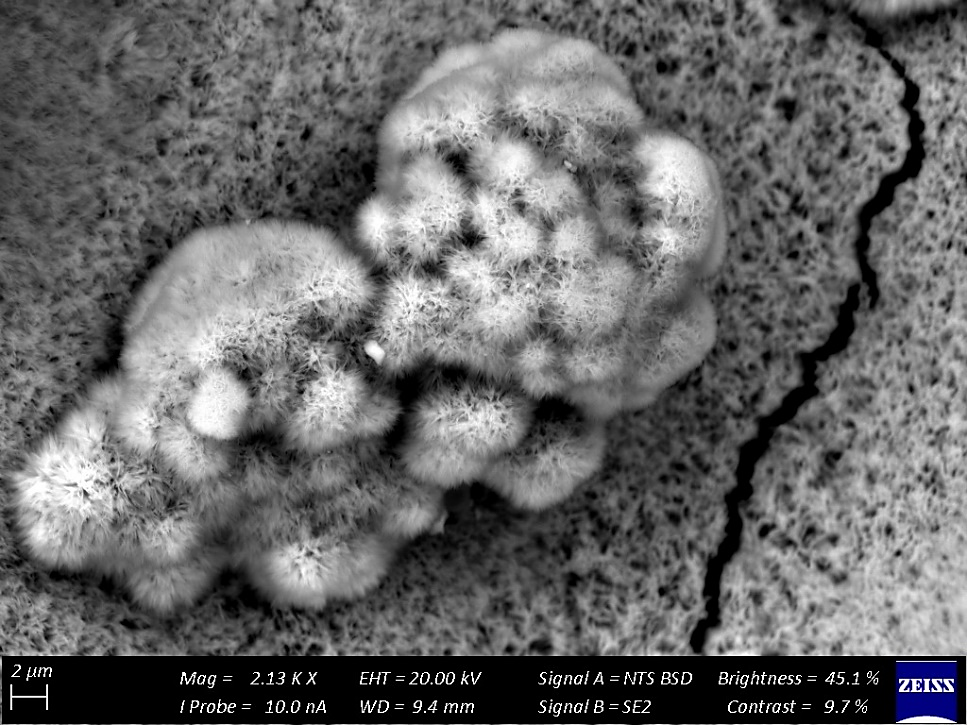
The plot of mass loss vs time for MC (Figure 4) shows a rise in corrosion rate following stabilisation around the first year of exposure. Corrosion kinetics at SJ show a similar trend during this time period (Surnam, 2015), except that the mass loss is lower for MC. SEM imaging of the 11-month exposed surface at MC shows a mixture of lepidocrocite (-FeOOH) and goethite (-FeOOH) rust phases (Figure 5), a characteristic ofregions with longer TOW (Thandar et al., 2022). MC/ SJ is an inland rural area, and TOW is the most likely factor influencing the corrosion rate, as observed with a shift in TOW from category T5 to T4 over the years. In general, Mauritius experienced a higher precipitation from 1990 to 2020, with an average annual increase of 8.6% (World Bank Group, 2025). This could have been effective in washing off deposited pollutants and thus contributed to the decrease in corrosion rate.
Figure 4. Mass Loss vs. Time for Carbon Steel Exposed at Medine Camp de Masque (MC).
Figure 5. SEM Image of the 11-Month Exposed Surface at Medine Camp de Masque (MC) Showing Bird Nest (-FeOOH) and Whiskers (-FeOOH) Formations.
Conclusions
Construction in high-corrosivity areas, such as marine or industrial zones, requires careful consideration with regard to materials selection and applied preventative measures, due to the increased corrosion risks to structural integrity and public safety. A range of international standards and regulatory policies exist to ensure the durability, safety, and longevity of infrastructures and these should be utilised. However, future climate variability will influence the dynamics of atmospheric corrosion, thus the need for renewed corrosion management strategies. This study has shown that it is essential to consider climatic parameters in atmospheric corrosivity classification, which not only account for present environmental aggressiveness but also for likely climate-driven variations in SO2/Cl- deposition.
Together with rainfall and wind patterns, time of wetness is likely to change, thus altering the corrosivity classifications.
References
J Alcántara et , (2017) “Marine atmospheric corrosion of carbon steel: A Review,” Materials, 10(4), p. 406. https://doi.org/10.3390/ma10040406.
Y Cai et , (2018) “Influence of environmental factors on atmospheric corrosion in dynamic environment,” Corrosion Science, 137, pp. 163–175. https://doi.org/10.1016/j.corsci.2018.03.042.
B et al. (2023) “Effect of climatic parameters on marine atmospheric corrosion: correlation analysis of on-site sensors data,” npj Materials Degradation, 7(1), p. 10. https://doi.org/10.1038/s41529-023-00329-6.
M L Gobinddass et al., (2020) “Coastal sea salt chlorine deposition linked to intertropical convergence zone (ITCZ) oscillation in french guiana” Journal of the Atmospheric Sciences, 77(5), pp. 1723–1731. https://doi.org/10.1175/JAS-D-19-0032.1.
M Hoseinpoor et , (2025) “Comprehensive assessment of time of wetness on coil-coated steel sheets,” Corrosion Science, 244, p. 112641. https://doi.org/10.1016/j.corsci.2024.112641.
ISO 8565 (2011) Metalsandalloys—Atmosphericcorrosiontesting— General requirements.
ISO 8407 (2014) Standards Publication Corrosion of metals and alloys- Corrosivity of atmospheres – Removal of corrosion products from corrosion test specimens.
ISO 9223 (2012) Standards Publication Corrosion of metals and alloys- Corrosivity of atmospheres – Classification, determination and
ISO 9225 (2012) Corrosion of metals and alloys — Corrosivity of atmospheres — Measurement of environmental parameters, BSI Standards Pubilication. BSI Standards Limited.
A Michel, et al., (2013) “Experimental investigation on the short-term impact of temperature and moisture on reinforcement corrosion,” Corrosion Science, 72, pp. 26–34. https://doi.org/10.1016/j.corsci.2013.02.006.
R J Santucci et al., (2022) “Atmospheric corrosion severity and the precision of salt deposition measurements made by the wet candle method,” Corrosion Engineering, Science and Technology, 57(2), pp. 147–158. https://doi.org/10.1080/147842 2X.2021.2005227.
B Y R Surnam (2015) ‘Three years outdoor exposure of low carbon steel in Mauritius’, Anti-Corrosion Methods and Materials, 62(4), 246–252. https://doi.org/10.1108/ACMM-12-2013-1328.
V Tasić, et al.,, Kovačević, R. and Milošević, N. (2013) “Investigating the Impacts of Winds on SO2 Concentrations in Bor, Serbia,” Journal of Sustainable Development of Energy, Water and Environment Systems, 1(2), pp. 141–151. https://doi.org/10.13044/j.sdewes.2013.01.0010.shie
W Thandar et al. (2022) “Investigation of Initial Atmospheric Corrosion of Carbon and Weathering Steels Exposed to Urban Atmospheres in Myanmar,” International Journal of Corrosion, https://doi.org/10.1155/2022/4301767.
B Valdez et al., (2016). “Corrosion assessment of infrastructure assets in coastal seas”. Journal of Marine Engineering & Technology, 15(3), 124–134. https://doi.org/10.1080/20464177.2016.1247635
R Vera etal. (2018) “Tropical/non-tropical marine environments impact on the behaviour of carbon steel and galvanised steel,” Materials and Corrosion, 69(5), pp. 614–625. https://doi.org/10.1002/maco.201709873.
World Bank Group (2025). Climate risk country profile: pp.1–21.
H Zhao and X Li, (2013) “Understanding the relationship between heavy metals in road- deposited sediments and washoff particles in urban stormwater using simulated rainfall,” Journal of Hazardous Materials, 246–247, pp. 267–276. https://doi.org/10.1016/j.jhazmat.2012.12.035.
Microbiologically‑Influenced Corrosion (MIC) is one of the most underestimated — yet most costly — threats to industrial assets worldwide. From pipelines and storage tanks to water systems and offshore infrastructure, MIC silently undermines integrity, safety, and profitability.
The consequences can be enormous. The Aliso Canyon Gas Leak (2015), where MIC was identified as a primary contributing factor, resulted in over USD 2 billion in costs, including a major lawsuit settlement in 2021.
Protecting your assets isn’t optional — it’s essential
ICorr MIC Training Course: 11–15 May 2026
Secure your place on one of the most respected MIC training programmes available. Delivered by leading researchers and field specialists, this course blends science, diagnostics, mitigation strategies, and real‑world case studies to give you the competence and confidence to manage MIC effectively.
Why Attend?
Advance your career with a well‑recognised ICorr certificate
Earn CPD credits and strengthen your path toward engineering chartership
Protect your company’s assets with practical, evidence‑based MIC knowledge
Learn from experts who work at the forefront of MIC research and field operations
Gain best‑in‑class training at fees that reflect ICorr non‑profit ethos — accessible, fair, and focused on industry benefit
Who Should Attend?
Engineers, inspectors, microbiologists, asset managers, corrosion specialists, and anyone responsible for integrity, safety, or operational performance.
Secure Your Registration Early
Places are limited, and demand is high. Register in good time to ensure your participation in this flagship ICorr course.
MIC is a major challenge — but with the right knowledge, it’s a controllable one
ICorr is pleased to offer a range of certified training courses—delivered by world‑leading experts—directly at your company premises worldwide. This approach enhances knowledge sharing, supports workforce development, and promotes the highest standards of science‑based corrosion control and asset protection across the global industrial community.
Hosting a course in‑house provides significant savings, reducing travel and accommodation costs while enabling a larger number of employees to participate together. Courses delivered on company premises are offered at notably reduced rates, and tailored bulk pricing for larger groups can also be arranged.
In addition, ICorr can provide a post‑course review of relevant company corrosion documents and offer guidance on prevention, monitoring, identification, and management strategies aligned with best practice and international standards. This optional service can be arranged separately for organisations wishing to extend the value of the training into their operational documentation and procedures.
Training can also be adapted to cover a combination of corrosion‑related disciplines, depending on the needs of the hosting company. Whatever your requirements, we are here to discuss them and apply our expertise and resources to support your organisation.
For more information or to discuss hosting a course, please contact Dr Tony Rizk on: ETGBchair@icorr.org
Dr Raghu Srinivasan is an Associate Professor and Chair of the Mechanical Engineering Department and Director of the Environmental Degradation Laboratory (EDL) at the University of Alaska Anchorage (UAA). He received his MS and PhD degrees in mechanical engineering at the University of Hawaii at Manoa in 2005 and 2010, respectively. Dr Srinivasan’s research focuses on atmospheric and marine corrosion, materials compatibility, and corrosion in oil and gas infrastructure, with a strong emphasis on Arctic and sub-Arctic environments. He currently serves as the Chair of the Research Society Leadership Council (RSLC, 2025–2027) and served as Vice-Chair of the Research Programme Committee (RPC, 2023–2025) for the Association for Materials Protection and Performance (AMPP). He has been recognised with multiple awards: UAA’s Chancellor Award for Research, the NACE Foundation Book Scholarship Award, the Harvey Herro Best Poster Award, the Materials Performance Corrosion Innovation of the Year Awards (2019 and 2023), and the NACE International Research Seed Grant (2019).
Introduction
Atmospheric corrosion is a complex process, which involves chemical, electrochemical, and physical changes to the metal exposed. Atmospheric corrosion occurs when a metal surface is under a thin layer of moisture, but not completely immersed, and the metal surface corrodes while exposed to environmental factors. The atmospheric corrosion damage in cold environments is close to the main human activity, which is concentrated near the coastal areas.
The substantial human growth and climate change in the Arctic and sub-Arctic region push for a renewed, better understanding of the atmospheric corrosion mechanisms that can lead to a good choice of materials selection and better design practices for infrastructure and other applications. This article describes the development of multi-angle corrosion test racks that were deployed at four test sites across Alaska, each distinct in their environment and equipped with weather sensors and chloride candles.
Atmospheric Corrosion in Cold Climates
The Arctic and sub-Arctic region identified by the U.S. Army Cold Regions Research and Engineering Laboratory (CRREL) [1] has an average temperature of -18°C or less during winter. The most common assumption is that there is very little to no corrosion in cold environments [2]. However, previous studies in the Antarctic and Arctic regions have disproved that notion, finding that corrosion rates are substantial [3-5]. The atmospheric corrosion damage in cold environments is close to the main human activity, which is concentrated near the coastal areas. Previous studies in the sub-arctic region of Canada, Norway, and Russia show extensive atmospheric corrosion rates (when compared to Antarctica) due to human developments and the resulting increase in mining and metallurgical industries [2]. Experimental and theoretical work has shown that the electrochemical process proceeds at temperatures as low as -25°C to -20°C [6-7].
Sereda measured the potential between platinum and zinc electrodes at -20°C, concluding that when an electrolyte is present, corrosion will proceed [6]. Moreover, very little corrosion data is available for metal alloys exposed to cold conditions. Studies by Divine and Perrigo [5] in Anchorage, Alaska; Biefer [8] in the
Canadian Arctic and sub-Arctic sites; Kucera et al. [9] in Scandinavia; and Mikhailov et al. [10] in eastern Siberia have shown corrosion rates of carbon steel close to the C1 category of the ISO 9223 classification (Table 1).
Even though the corrosion rates are lower than the C1 category, the substantial human growth and climate change in the Arctic and sub-Arctic region push that envelope. Because of this, there is a case to add a cold climate category to the classification. Factors that drive the atmospheric corrosion in cold climates are winds that can bring in salt-laden snow from the marine environment, and the use of de-icing salts can also contribute to high levels of chlorides [2]. The eutectic point, or the freezing point, of de-icing salts can be lowered to -50°C, melting the ice/snow layer on top of metal samples [7]. This phenomenon keeps metal samples moist for much longer periods, thus increasing the time of wetting (TOW).
In the presence of chlorides and moisture, extensive atmospheric corrosion damage can be observed on metal samples. Another contributing factor to high corrosion rates is low rainfall, which in turn cannot periodically wash off the deposited chlorides and SO2 on top of the samples [2]. In addition, ever-increasing ambient temperatures due to climate change in recent years affect the snow presence on top of the metal samples [11]. The temperature of the samples is not too high to evaporate the deposited snow/ice but high enough to cause melting and sustain moisture for longer periods of time. This leads to the formation of varying thicknesses of wet ice/snow layers on the metal surface. Long hours of sunlight in the summer also increase the surface temperature of metal samples beyond the ambient temperatures, causing dew formation and condensation, which in turn results in higher TOW.
Multi-Angle Test Rack Design
The design and methodology of atmospheric corrosion test racks have been guided by several pivotal standards over the years.
Prominently, the ASTM standard G50: “Standard Practice for Conducting Atmospheric Corrosion Tests on Metals,” and more particularly subsection five concerning exposure racks and frames, has served as an instrumental reference point for this research herein [12]. Similarly, ISO 8565, “Metals and alloys—Atmospheric corrosion testing—General requirements for field tests,” was another crucial standard consulted during the design process [13]. Over time, atmospheric corrosion test racks have seen iterative developments to address specific research requirements. Notable research endeavors that have trod a similar path include studies conducted in diverse geographies.These studies offer a comparative perspective and serve as benchmarks for the current investigation. A seminal study from 1995 introduced an atmospheric test rack design that facilitated specimen exposure across various orientations and angles [14].
Subsequently, a research team from the University of Hawaii devised the “Compact Octagonal-Prism Portable Exposure Rack” (COP-PER) to specifically assess the impact of wind direction and specimen orientation on corrosion rates [15]. Additionally, collaborative efforts from Spain and Portugal resulted in the development of a tree-shaped rack, designed to concurrently evaluate specimen orientation and exposure angle in atmospheric corrosion studies [16].
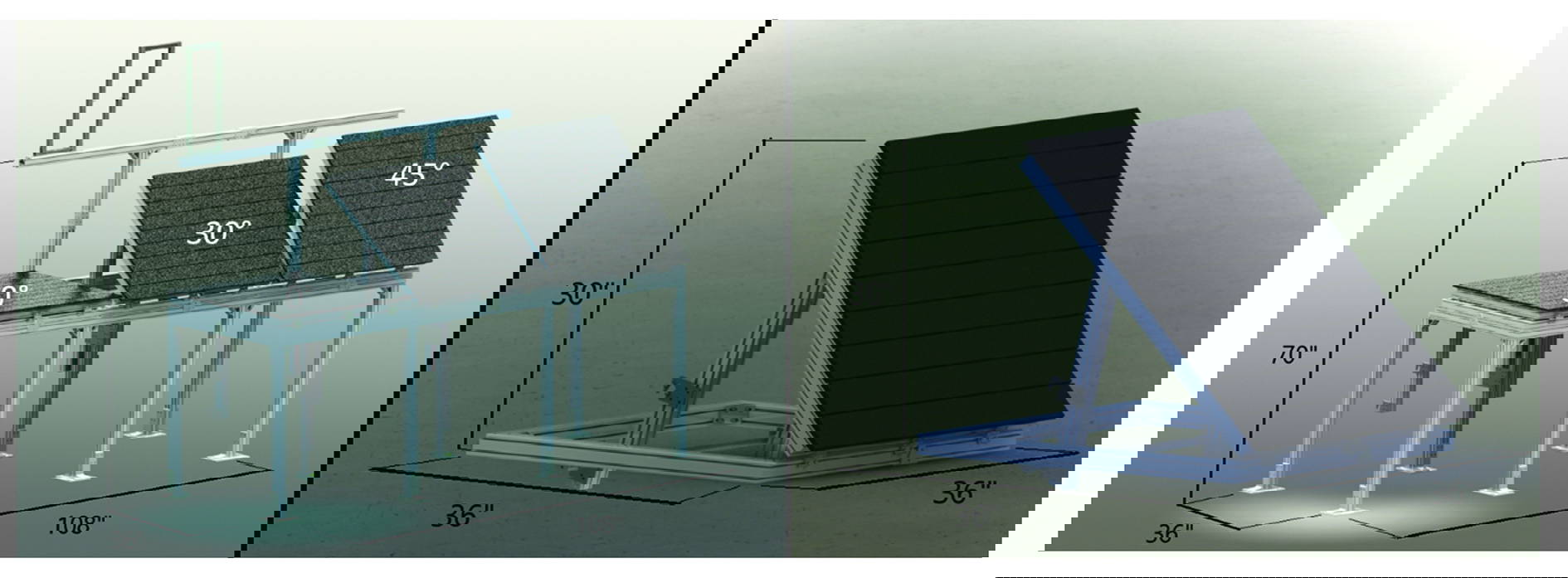
Traditional test racks used for atmospheric corrosion monitoring are often inadequate for Arctic deployment. They cannot withstand snow loads, high winds, or severe temperature swings. To address this, a modular and adjustable atmospheric corrosion test rack was designed, later patented in the United States as US 11,499,909 B2. The rack design includes adjustable exposure angles (0°, 30°, 45°), a modular aluminum frame, integrated sensors, and corrosion-resistant construction (Figure 1).
Figure 1: Adjustable Multi-Angle Corrosion Test Rack.
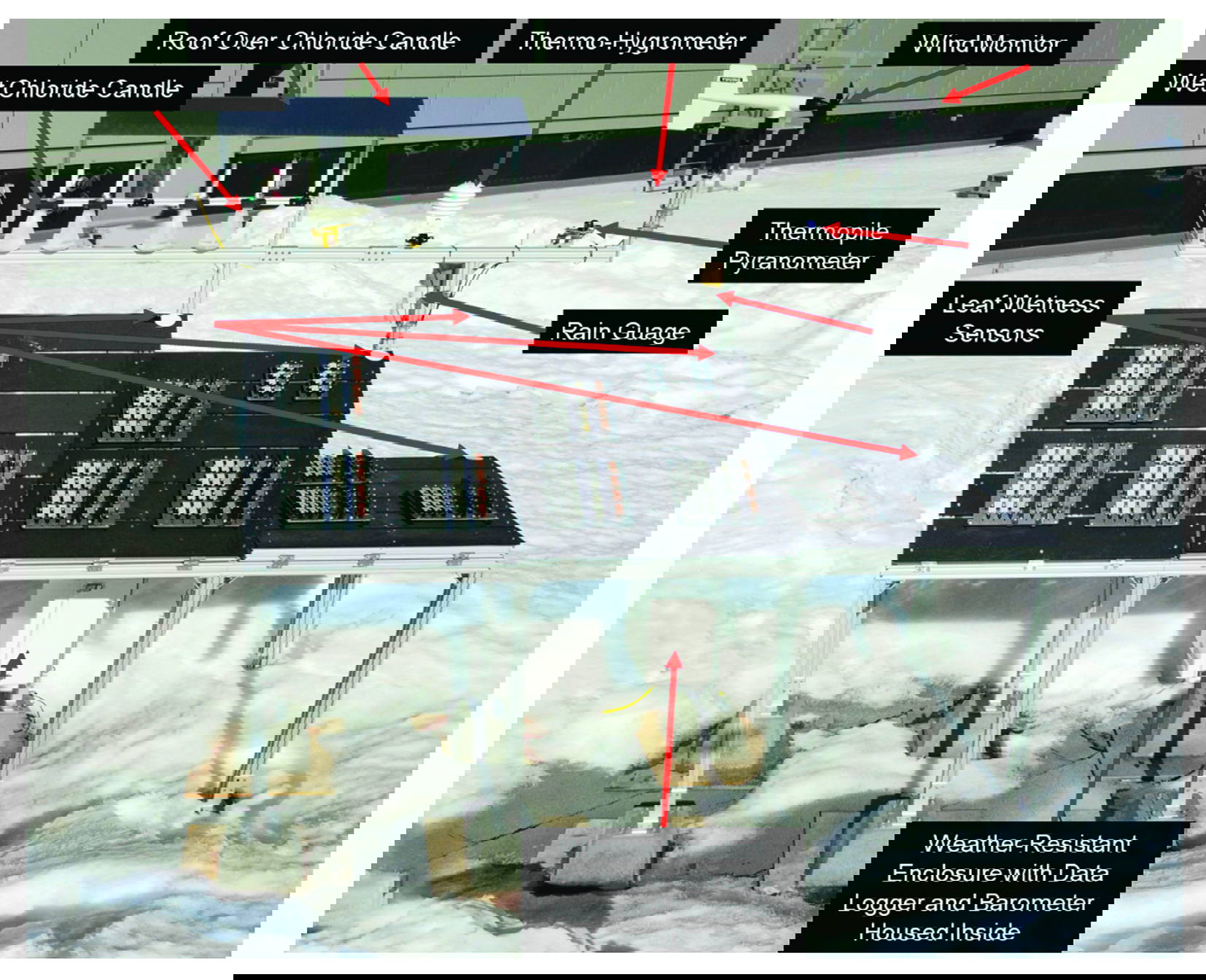
Atmospheric corrosion standards recommend an exposure angle of 30 degrees from the horizontal, facing south, and the lowest specimens be at least 30 inches above the ground. Time of wetness is one of the main parameters for atmospheric corrosion testing and can vary drastically depending on the angle of the exposed surface. This modular and adjustable corrosion test rack allows us to change the direction of exposure (north, south, east, or west) and the angle of exposure (0, 30, or 45 degrees to horizontal). These changes can be made easily and will save time when future adjustments are required for different exposure angles and directions. Lastly, this design can support a full weather monitoring system (Figure 2). These parameters include, but are not limited to, relative humidity (RH), ambient air temperature, TOW, rainfall, wind velocity, UV radiation, barometric pressure, and aerosol chloride and sulfate deposition.
Figure 2: Multi-Angle Corrosion Rack with Auxiliary Weather Station.
Establishing Test Sites
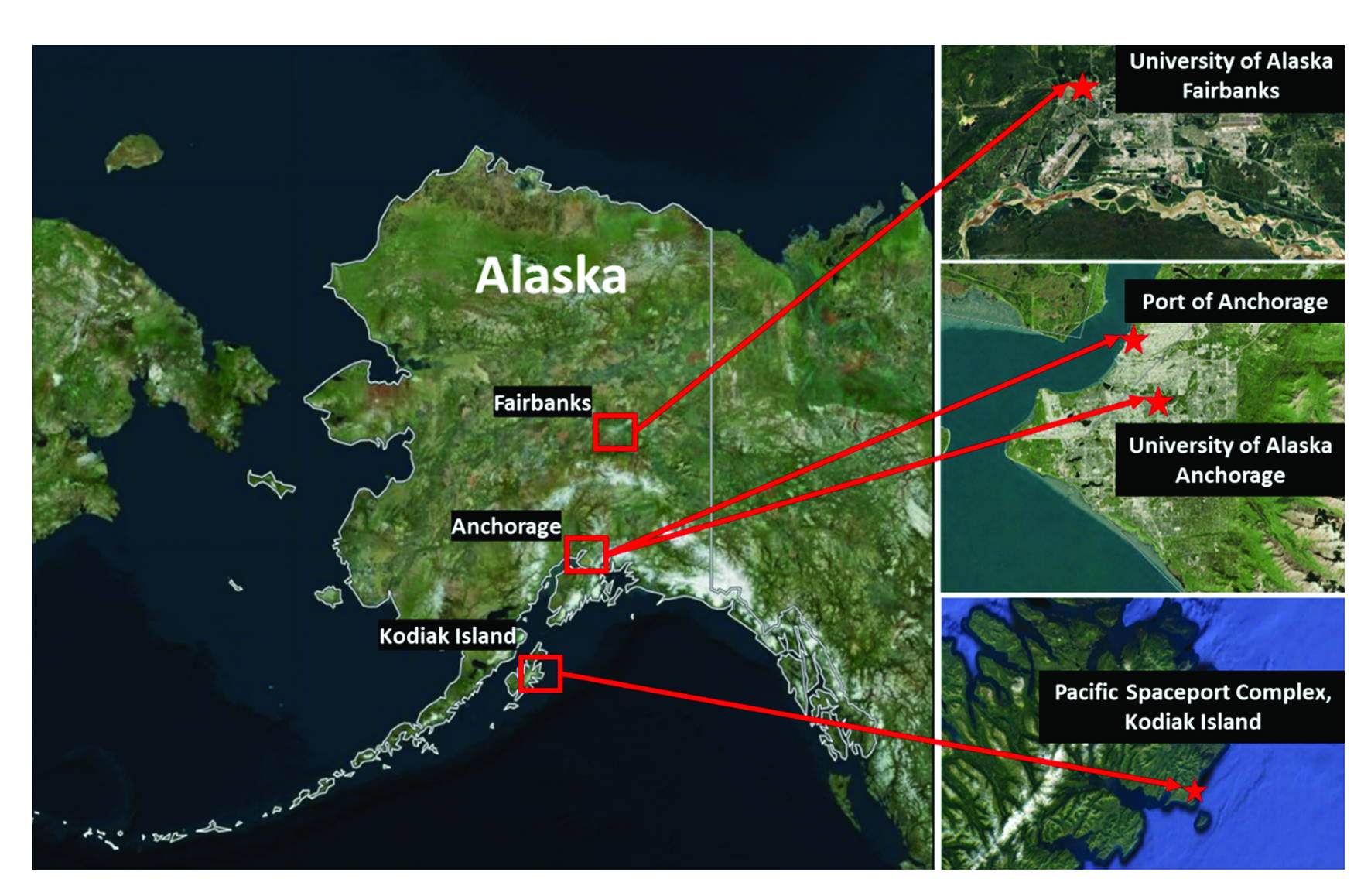
Four strategic locations were selected as preliminary testing sites, with site selection and characterization heavily influenced by ASTM G92 “Standard Practice for Characterisation of Atmospheric Test Sites” [17]. Their positions can be referenced in Figure 3, which provides a map of Alaska.
Figure 3: Map of Alaska Showing Four Corrosion Monitoring Sites.
Kodiak, AK, represents the aggressive marine environments commonly found along the southern and southeastern coastlines of Alaska. Coastal cities, such as Kodiak, receive on average a steady coastal breeze averaging 9 knots (4.6 m/s), average yearly precipitation of 65 inches (1651 mm), and average ambient temperatures of 41°F (5°C). This creates an aggressively corrosive
environment with relatively steady electrolyte exposure from rainfall and high relative humidity levels, as well as steady prevailing winds that provide high deposition rates of aerosol-borne Cl.
During the summer months, Kodiak experiences a maximum daily sunlight period of approximately 16 hours at the summer solstice and a minimum of 6.5 hours at the winter solstice. Both the summer and winter solstice are indicative of the maximum and minimum number of sunlight hours, respectively. This provides for periods of consistent solar irradiance exposure, which are maximized during the summers in Alaska. The exact exposure site is located in close proximity to the Pacific Spaceport Complex on Kodiak Island. Using pre-existing structures places the exposure rack ~5-6 feet elevated from the ground level and ~600 feet from the open ocean water.
Anchorage, AK – University of Alaska Anchorage (UAA) – Mild Marine Environment
Of the two exposure sites operated in Anchorage, AK, one resides at the University of Alaska Anchorage (UAA) and represents a very mild marine environment. Positioned 25 miles farther north than Kodiak, this site presents colder average temperatures and lower average precipitation rates comparatively. The average ambient temperature in Anchorage is 39°F (3.9°C) with an average precipitation of 16.9 in (430 mm). Both Anchorage sites typically exhibit lower average levels of relative humidity and receive lower Cl- deposition rates than those of Kodiak, but still experience these coastal effects, being only slightly offset from the shoreline.Anchorage sites receive longer periods of daily sunlight exposure, reaching upwards of 18.5 hours at the summer solstice and lowering to 5.5 hours at the winter solstice. This again provides generous solar irradiance exposure that is maximized during the summer months. At UAA, the particular exposure site is positioned on a building roof and is therefore elevated above the ground floor by ~30-45 feet. The site is also positioned much farther from the shoreline of the neighboring head of both the Knik and Turnagain Arm by ~4 miles. Where Kodiak is positioned far from any industrial or urban environment, UAA is positioned only a couple of miles from the downtown center. UAA is therefore more apt to be influenced by associated factors with urban areas, such as vehicle emissions and combustion byproducts, among others.
Anchorage, AK – Port of Alaska (POA) – Moderate Marine Environment/Mild Industrial Environment
The second of the two exposure sites, which operates in Anchorage, AK, resides at the Port of Alaska (POA, or “The Port”) and represents two environmental types with varying positions. Being situated similarly to the UAA site, all of the previous meteorological averages and data also apply to this site. The Port of Alaska handles the majority of fuel and freight cargo in Alaska, and it is an understatement that it is the lifeline of the Alaskan people. Its proximity to the ocean and constant truck movements make the Port of Alaska a strategic location to collect atmospheric corrosion data. In summary, upon inspection, the site presents a less corrosive environment than Kodiak does, with ample summer time solar irradiance exposure.
Fairbanks, AK – University of Alaska Fairbanks (UAF) – Inland Urban Environment
The last site is operated in Fairbanks, AK, at the University of Alaska Fairbanks (UAF), which best represents an inland urban environment. The summers are warmer than both Anchorage and Kodiak, with an average temperature of 60°F (15.6°C). However, the winters are much colder, with average winter temperatures of -4.3°F (-20°C). Average annual precipitation levels are the lowest of the four sites at 12.4 in (~315 mm). Fairbanks, being situated in a more northern location than Anchorage, receives exceptionally long periods of sunlight during the summer months, exceeding 21 hours at the summer solstice.
During winters, the inverse occurs with a mere 4 hours of sunlight at the winter solstice. This provides an incredibly large amount of solar irradiance exposure during the summer months relative to the other sites. Due to Alaska’s sheer size, Fairbanks lies approximately three hundred miles (~500 km) away from the nearest coastal area, which provides quite radical and unique weather challenges during the winter months. The particular site lies atop the Usibelli Engineering Building at approximately four stories, thus elevating the exposure rack ~60–72 feet above the ground floor.
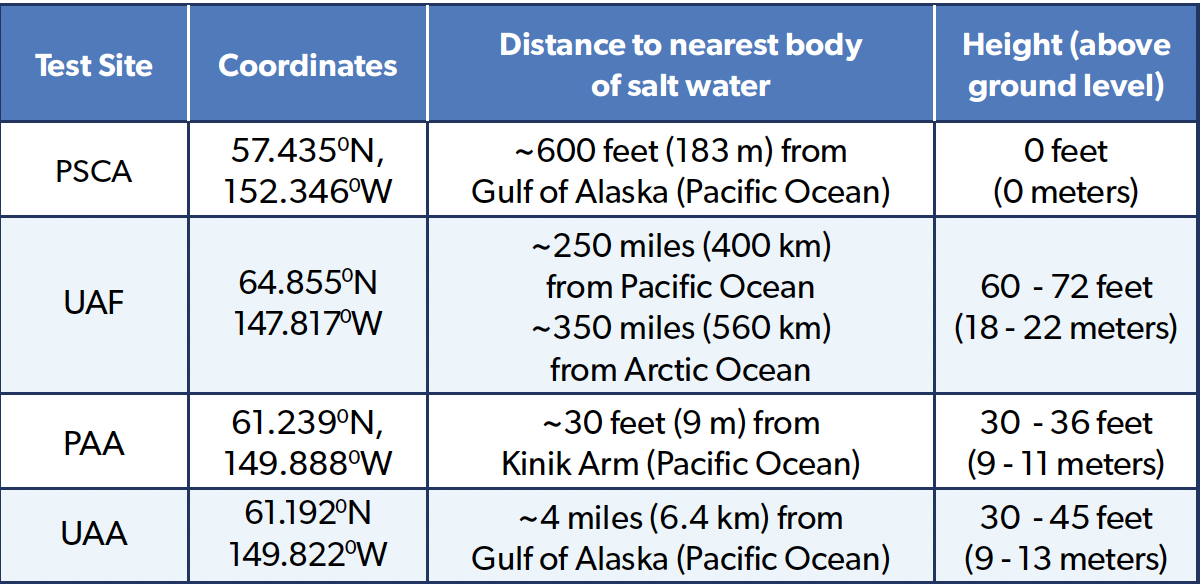
While the exposure to airborne Cl- and SO4²- is expected to be considerably lower than at 28 Kodiak due to the relative positioning from open bodies of salt water, respectively, the UAF exposure site does typically experience an elevated exposure to airborne SO4²-. Interior Alaska is abundant in individual residential heating solutions for the winter months. The most common combustion sources include heating oil and wood. Both produce either primary or secondary SO4²- within the atmosphere, with primary SO4²- generally making up the most significant percentages. Fairbanks’ geographical characteristics are also highly conducive to frequent temperature inversions during winter. Temperature inversions most often cause cold air masses to settle beneath larger warm air masses. In effect, this traps any and all airborne contaminants within the lower-lying cold air masses. Trapped contaminants then have a longer period and a chance to deposit on the sample surfaces. Additionally, UAF also sits across the street from the University Power Plant. Table 2 gives a detailed layout of each test location and geographical coordinates.
Table 2: Test Sites’ Coordinates, Distance From Sea, and Elevation.
Some Notable Results and Trends
Figure 4 delineates the ambient air temperature at the PSCA site, which, during the winter months, dips below the freezing mark on several instances and occasionally falls beneath -5°C. Despite these sporadic plunges, the overall trend captured by the solid red line indicates that the ambient air temperature stays above 0°C throughout the entire year-long exposure period, with the mean average, illustrated by the dotted red line, stabilising around 6°C. The PSCA’s proximity to the Pacific Ocean, a mere 600 feet away, confers a stabilising effect on its air temperature, moderating the extremes that might otherwise be observed. The climatic profile of Fairbanks, Alaska, is characterised by its starkly contrasting temperatures, with intense cold in the winter and, unexpectedly, notable warmth in the summer. As depicted in Figure 5, the ambient air temperature at the UAF site plummets to a frigid -35°C in December 2022 and soars to 28°C by late June 2022.
Figure 4: Ambient Air Temperature at PSCA – Raw vs Averaged Data. Figure 5: Ambient Air Temperature at Fairbanks – Raw vs Averaged Data.
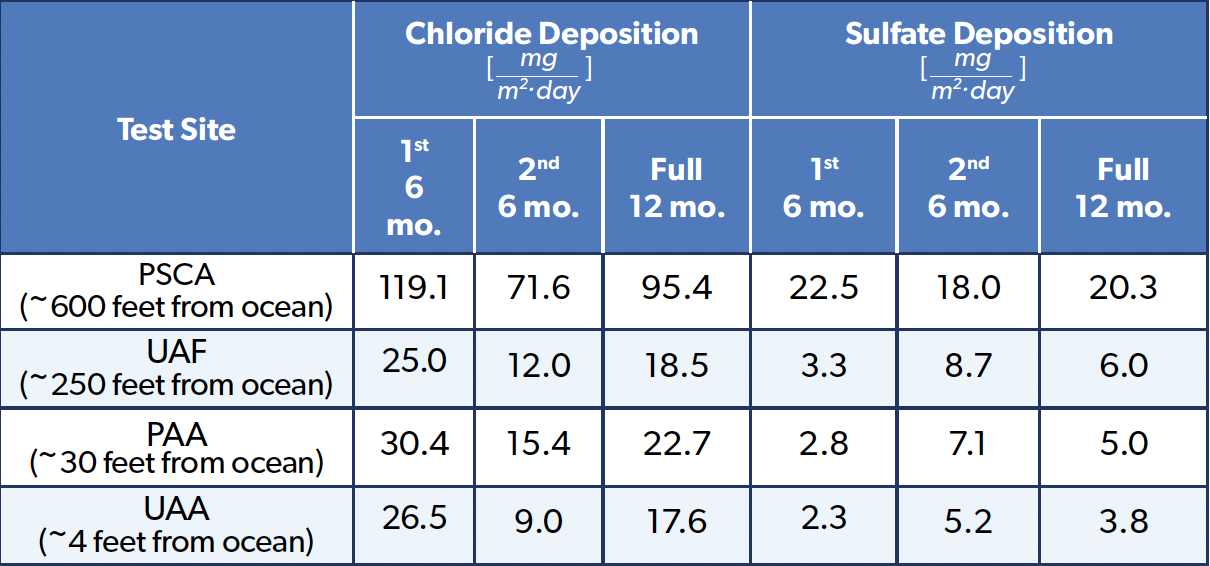
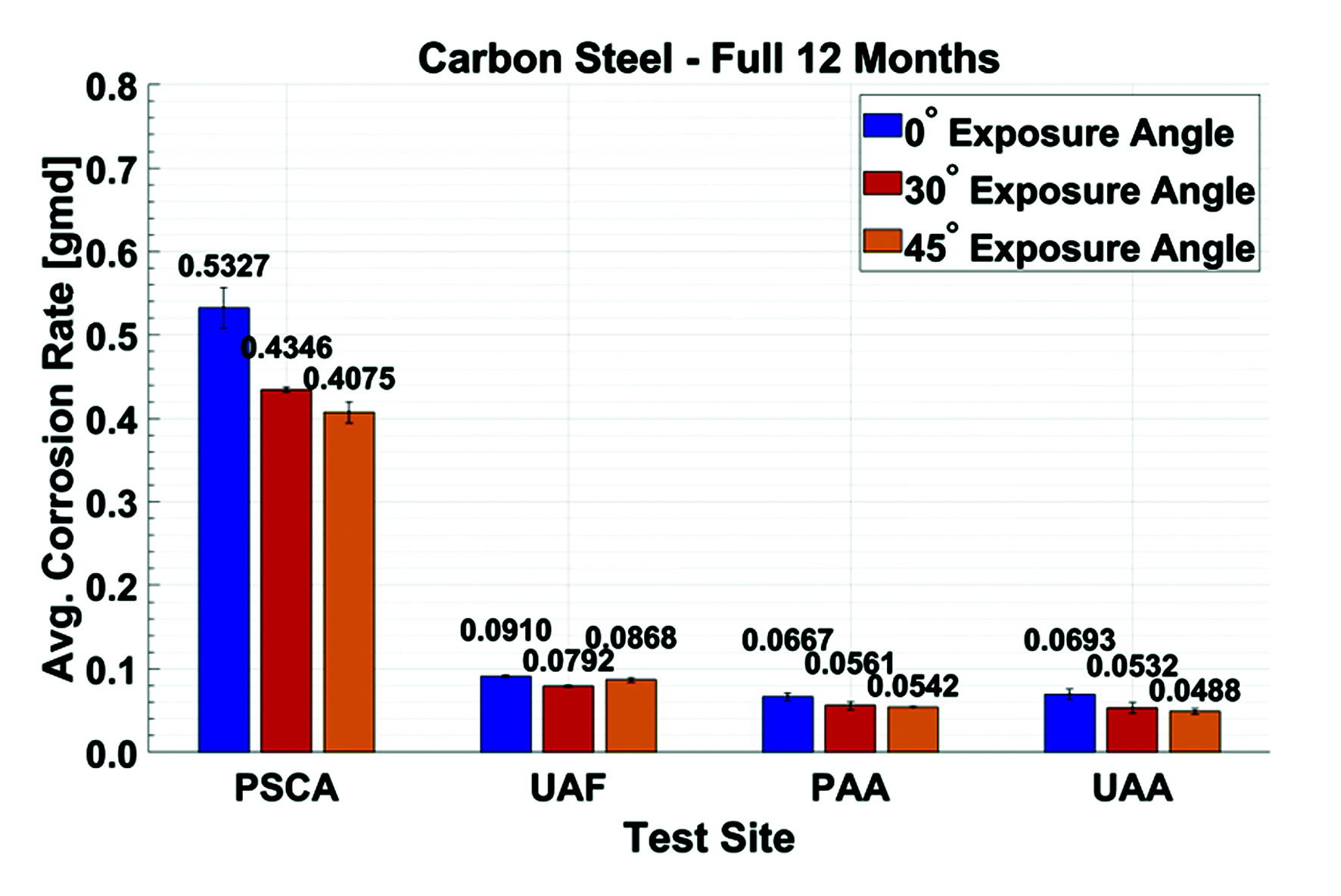
Table 3 shows the calculated chloride and sulfate deposition rates for each test site over each exposure. The PSCA site has four to seven times the amount of chlorides when compared to UAF and UAA, the PAA test sites. Figure 6 depicts the corrosion rates for 1008 carbon steel (UNS G10080) for a 12-month exposure period. The carbon steel samples at the PSCA site exhibited corrosion rates at least four times greater than the carbon steel samples exposed at UAF, PAA, and UAA.
This can be attributed to the weather data, where PSCA recorded at least four times the amount of chloride deposition, and the samples spent at least 18% more time wet through all sites and exposures. At the PSCA site, a distinct correlation was observed between the exposure angle and corrosion rate. Samples exposed at 0° showed the highest corrosion rates, followed by those at 30°, with the lowest rates seen at 45°. The TOW data indicates that the 0° angle samples remained wet for longer periods compared to 30° and 45°. Although the other sites – UAF, PAA, and UAA – exhibited less pronounced trends and experienced four times less corrosion than PSCA, the samples at 0° consistently showed higher corrosion rates than those at 30° and 45°.
Table 3: Chloride and Sulfate Deposition Rates.
Figure 6: Average Corrosion Rates of 1008 Carbon Steel Over Full 12-Month Exposure Period.
Corrosion Rate Conversion
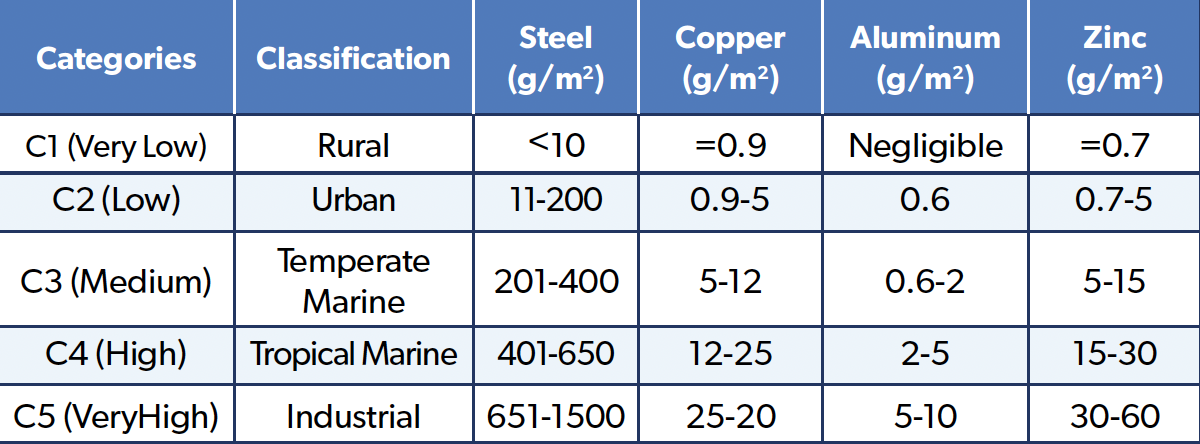
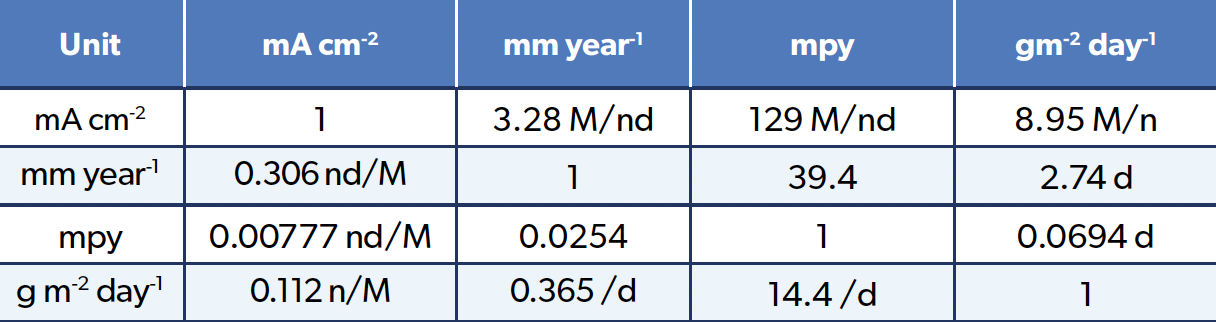
The following table is useful to put the above corrosion rates into context for the four test regions above.
Table 4: Corrosion Rate Conversion.
Conclusion
New and innovative multi-angle corrosion test racks, each with auxiliary weather stations, were established at four test sites spanning across Alaska, USA. Each of Alaska’s four test sites presents a distinct corrosion profile: Kodiak (PSCA) exhibits high chloride-driven corrosion, Anchorage (PAA/UAA) faces freeze-thaw cycles with de-icing salts, and Fairbanks (UAF) experiences frost-dew cycling. Initial field campaigns revealed a clear correlation between exposure angle and corrosion rate. The combination of urbanisation and proximity to marine environments makes Arctic and sub-Arctic regions in North America, particularly Alaska, an important natural laboratory to study atmospheric corrosion in cold regions and the development of predictive models and corrosivity maps tailored for Arctic conditions. The fundamental knowledge of studying the basic atmospheric corrosion mechanisms in extreme cold conditions will result in better design practices for the built environment in the changing Arctic.
Acknowledgements
The author acknowledges the UAA’s College of Engineering and ConocoPhillips Arctic Science and Engineering Endowment, NASA EPSCoR CAN grant, and the many undergraduate students and collaborators who contributed to the design, installation, and operation of the corrosion monitoring sites across Alaska. Special thanks to graduate students Mr Tyler Cushman, Mr Jozef Huner, Mr Lawrence Giron Jr., Mr. Jacob Bodolosky, and machinist Mr Corbin Rowe. The author also gratefully acknowledges the organizations that provided access and site space for test rack installation, including the Pacific Spaceport Complex–Alaska (Kodiak), the Port of Alaska, the University of Alaska Anchorage, and the University of Alaska Fairbanks.
References
E A Wright, CRREL’s First 25 Years: 1961–1986, US Army Cold Regions Research and Engineering Laboratory, Hanover, NH, 1986.
ASTM Committee G1 “Corrosiveness of Various Atmospheric Test Sites as Measured by Specimens of Steel and Zinc,”in Metal Corrosion in the Atmosphere, ASTM STP 435, American Society for Testing and Materials, Philadelphia, PA, 1968, 360–391.
A Pearce and C G Smith, The Hutchinson World Weather Guide, Hutchinson, London, 1984.
J R Divine and L D Perrigo, “Atmospheric corrosion testing in the arcticand subarctic—a review,” Paper No. 389, in Proceedings of the Corrosion 86 Conference, NACE, Houston, TX, 1986.
P Sereda, “Weather Factors Affecting Corrosion of Metals,” in Corrosion in Natural Environments. ASTMSTP 558, American Society for Testing and Materials, Philadelphia, PA, 1974, pp. 7–22.
G W Brass, “Freezing depression by common salts: implications for corrosion in cold climates,” in Proceedings of the National Association of Corrosion Engineers, Canadian Region Western Conference, Anchorage, Alaska, 1996, pp. 447–453.
G A Biefer, Perform., 20(1), 16 (Jan. 1981).
V Kucera et , “Corrosion of Steel and Zinc in Scandinavia with Respect to the Classification of the Corrosivity of Atmospheres,” in S.W. Dean and S. Lee (Eds.), Degradation of Metals in the Atmosphere, ASTM STP 965, American Society for Testing and Materials, Philadelphia, PA, 1988, pp. 264–281.
A Mikhailov, M Syloeva, and E Vasilieva, Data Base on Atmospheric Corrosivity in Towns and Industrial Centres in the Territory of the Former USSR, Institute of Physics and Chemistry, Russian Academy of Science, Moscow,
A A Mikhailov, P V Strekalov, and Yu M Panchenko, “Atmospheric corrosion of metals in regions of cold and extremely cold climate (a review)”, Protection of Metals, 2008.
ASTM G50, “Standard Practice for Conducting Atmospheric Corrosion Tests on Metals,” ASTM International, doi: 10.1520/G0050-20.
ISO 8565, “Metals and Alloys. Atmospheric Corrosion Testing. General Requirements,” BSI Standards Limited, 2011.
Coburn, M Komp, and S. Lore, “Atmospheric Corrosion Rates of Weathering Steels at Test Sites in the Eastern United States — Effect of Environment and Test-Panel Orientation,” in Atmospheric Corrosion, 100 Barr Harbor Drive, PO Box C700, West Conshohocken, PA 19428-2959: ASTM International, 1995, pp. 101-101–13.
L H Hihara, J Kealoha, and N Das, “Studying the effect of wind direction and specimen orientation on the corrosion of 1018 steel using a compact octagonal prism portable exposure rack,” NACE, 2019.
J J Santana, et , “The influence of test-panel orientation and exposure angle on the corrosion rate of carbon steel. mathematical modelling,” Metals (Basel), vol. 10, no. 2, p. 196, Jan. 2020.
ASTM G92, “Standard Practice for Characterisation of Atmospheric Test Sites,” ASTM International, 2020.
We use cookies to optimize our website and our service.
Functional
Always active
The technical storage or access is strictly necessary for the legitimate purpose of enabling the use of a specific service explicitly requested by the subscriber or user, or for the sole purpose of carrying out the transmission of a communication over an electronic communications network.
Preferences
The technical storage or access is necessary for the legitimate purpose of storing preferences that are not requested by the subscriber or user.
Statistics
The technical storage or access that is used exclusively for statistical purposes.The technical storage or access that is used exclusively for anonymous statistical purposes. Without a subpoena, voluntary compliance on the part of your Internet Service Provider, or additional records from a third party, information stored or retrieved for this purpose alone cannot usually be used to identify you.
Marketing
The technical storage or access is required to create user profiles to send advertising, or to track the user on a website or across several websites for similar marketing purposes.








 r and Technical Director of Paintel Ltd. and has been involved with painting and coatings for nearly 50 years. Kevin is the retiring Correx Managing Director and also a Correx (Institute of Corrosion) ICATS trainer. During 2025, Paintel was awarded a new Painting / Inspection / Maintenance contract to refurbish and maintain the important Tamar Bridge crossing, running for the next 10 years. The company has maintained the structure since 1999.