CSD – Science Council Celebration of Science 2025

CSD – Science Council Celebration of Science 2025

The Science Council hosted its annual Celebration of Science on 2nd December 2025, bringing together professionals from across the sector to recognise individuals and organisations that drive progress, professionalism, and excellence.

This year’s event marked the launch of our refreshed Recognition Awards, designed to reflect the diversity of roles and contributions across the UK science workforce. The evening’s inspiring keynote presentation was from Professor Liz Bentley, Chief Executive of the Royal Meteorological Society, who highlighted the vital role of effective science communication in building public understanding and trust. We were proud to celebrate all nominees and extend warm congratulations to our 2025 award winners:

Apprentice Ambassador Award: Amin Mirza – Institute of Cancer Research

CSci Award: Prof. Andy Lane (FCASES) – CASES

CSciTeach Award: Helen Harden – ASE • Elevating the Science Workforce (Team): Robert Cast, Gemma Norburn, Christian Burt & Samantha Bell – AAPT

Elevating the Science Workforce (Individual): Niru Dorrian – IMarEST • RSci Award: Jamie Mewburn-Crook – IOP

RSciTech Award: Jane Oldham – ASE

Volunteer Award: Sophie Dunajko – Science Council

The event brought together registrants, professional bodies, industry, academia and government partners, showcasing the collaboration that fuels scientific progress.


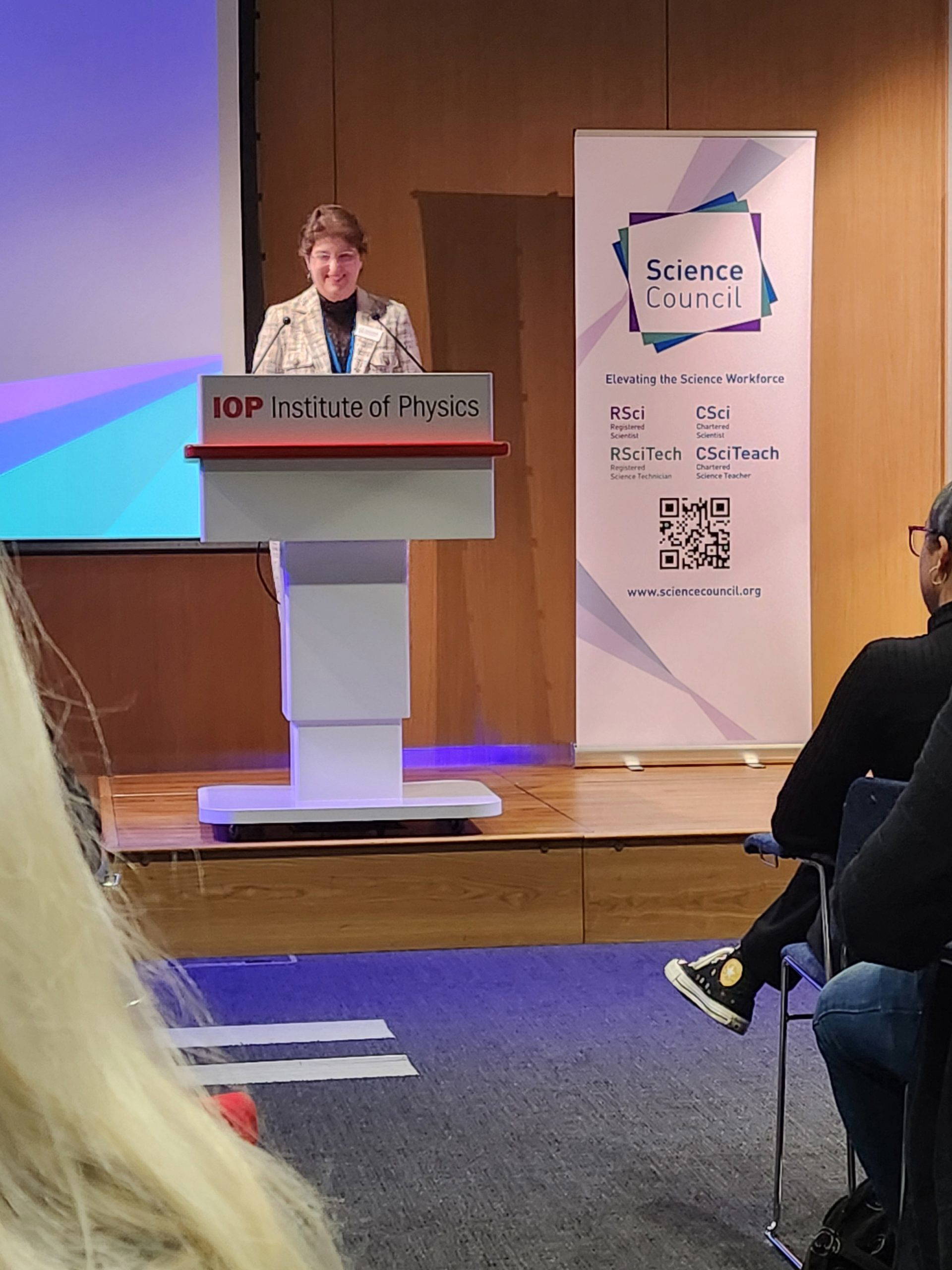
Photo: Science Council CEO Della Freeth.
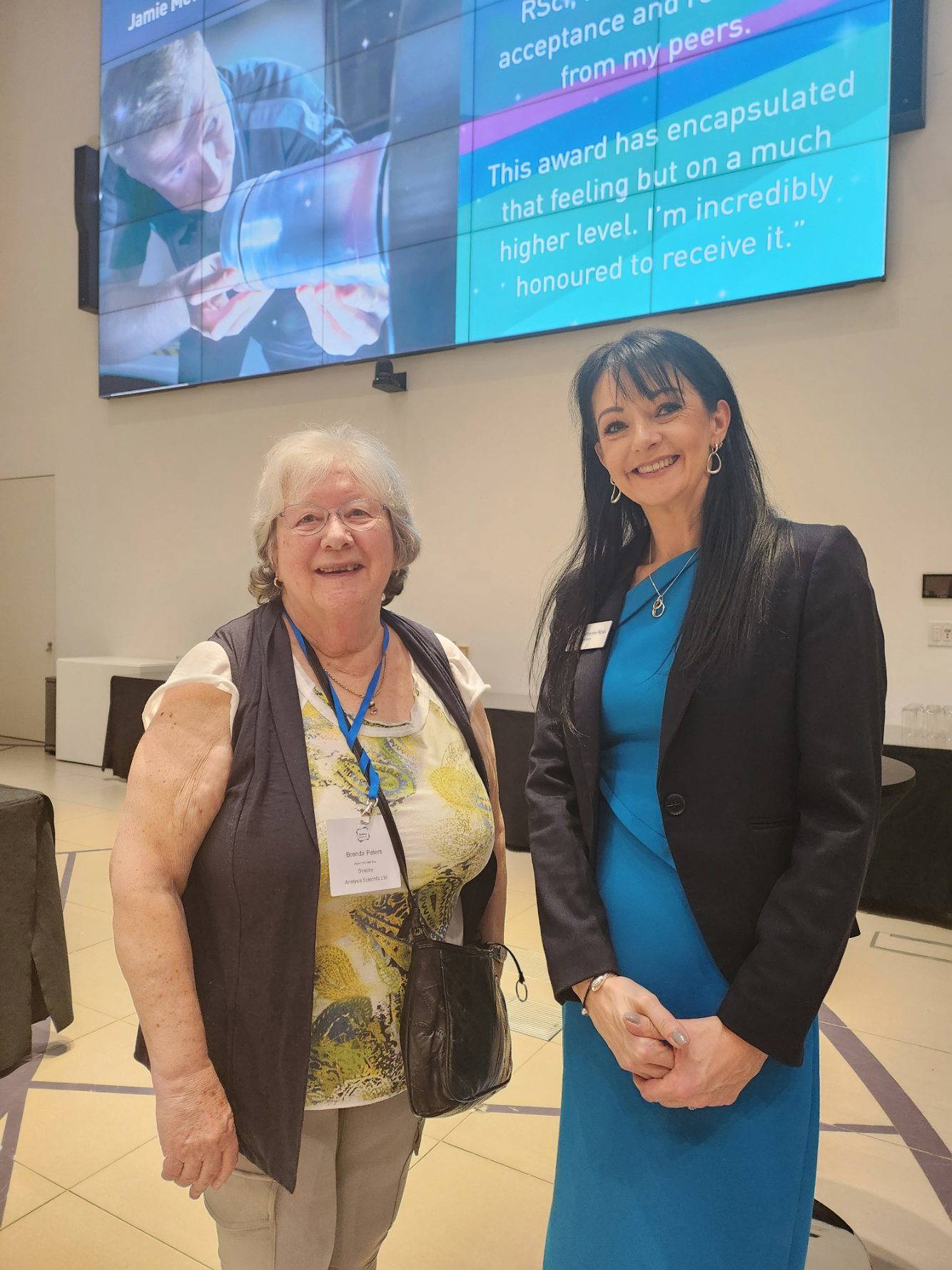
Photo: Brenda Peters Hon Sec ICorr and Professor Catherine Ross Science Council President

ICorr Certified Microbiologically Influenced Corrosion (MIC) Training Course

11–15 May 2026

ICorr Microbiologically Influenced Corrosion (MIC) course gives engineers, technologists,
consultants, and asset integrity professionals the knowledge and practical skills needed to
identify, mitigate, and manage MIC risks. Backed by industry experts, supported by current
research, approved by a major oil and gas operator, and certified by ICorr, this course provides
proven strategies to reduce MIC-related failures and maintenance costs. It also contributes to
your Continuing Professional Development (CPD) and supports the development of expertise
relevant to chartership.

MIC is not simply a biological issue—it is a systems issue that requires coordinated control from
design through operation, maintenance, competency, and monitoring. The course explores MIC
across multiple sectors, including water treatment, infrastructure and waterways, oil and gas,
nuclear energy, pulp and paper, and marine and freshwater vessels. Participants work through
real-world case studies, practical demonstrations, and both established and emerging
technologies shaping today’s MIC management practices.

Whether you are a manager, corrosion technologist, microbiologist, metallurgist, engineer,
laboratory or field scientist, consultant, contractor, failure investigator, senior technician, or
analyst, this course supports your professional development and strengthens your capability in
a critical area of corrosion control.

Course fees follow ICorr non-profit ethos, and ICorr members receive a 10% discount.
For more information: ETGBchair@icorr.org To register: admin@icorr.org

icorr
Corrosion Management Journal

Corrosion Management Journal

Formally Approved as an Official Journal of the European Federation of Corrosion

Corrosion Management Journal is delighted to announce that it has been formally recognised as an Official Journal of the European Federation of Corrosion (EFC), marking a significant milestone in the journal’s continued development and international standing.

Following a formal application submitted in June to the EFC Scientific Secretary, Mr Roman Bender, Corrosion Management Journal (CMJ) was reviewed by the EFC Board of Administrators. The application was approved at the Board’s meeting, held on 7th September in Stavanger, Norway. As a result, Corrosion Management has now been included in the EFC’s list of official journals. EFC Journals The journals listed below regularly publish information about the EFC and its activities. During 2026 and onwards they will carry the EFC logo on the front cover in order to reflect strong links with the EFC.

Materials and Corrosion
Wiley-VCH, Weinheim, Germany

Corrosion Engineering, Science and Technology (CST)
SAGE, on behalf of the the Institute of Materials, Minerals and Mining, United Kingdom

Matériaux et Technique
EDP Sciences, France

Ochrona przed Korozją
SIGMA-NOT Spółka z o.o, Poland

Koroze a ochrana materiálu (Corrosion and Material Protection)
Association of Czech and Slovak Corrosion Engineers (AKI), Czech Republic and Slovakia

Oberflächen- POLYSURFACES
Swiss Society for Surface Technology SGO/SST, Switzerland

Corrosion Management Journal (CMJ)
Published by the Institute of Corrosion, United Kingdom. The European Federation of Corrosion is a leading umbrella organisation representing corrosion societies, research institutions, and industry across Europe and beyond. Recognition as an official EFC journal reflects the quality, relevance, and technical integrity of Corrosion Management, as well as its commitment to serving both the scientific and industrial corrosion communities. This approval further strengthens CMJ’s role as a platform for the dissemination of high-quality technical articles, case studies, expert opinion, and industry best practice covering all aspects of corrosion science, materials performance, asset integrity, and corrosion management strategies. It also enhances the journal’s visibility within the wider European and international corrosion community, creating new opportunities for collaboration, knowledge exchange, and engagement with EFC working parties, events, and member organisations. Corrosion Management remains committed to supporting corrosion professionals, researchers, and engineers by delivering high-quality, accessible content that bridges the gap between research and practical application. Becoming an official EFC journal represents an important step forward in this mission and reinforces CMJ’s contribution to advancing corrosion knowledge and best practice globally. For more information login to https://efcweb.org/News+_+Publications/Journals.html and to the ICorr Members Area CMJ archive at Corrosion Management Archive New – Institute of Corrosion



Corrosion Around Us

Corrosion Around Us

By Stephen Tate, Immediate Past President

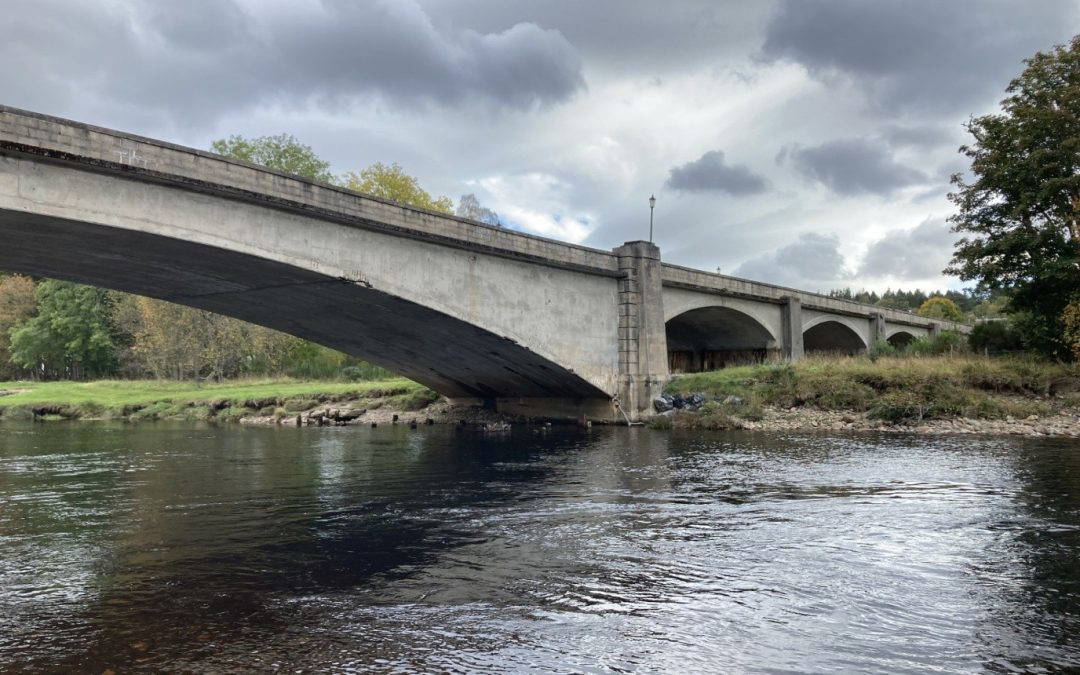
There appears to be increased news coverage of late, concerning major pieces of infrastructure affected by costly corrosion damage and weakening structures. On 5th December 2025, Aberdeenshire Council provided an important update on the future of the recently closed Aboyne Bridge, following new findings which have raised fresh concerns about the condition of the structure.

Aboyne Bridge is a seven-span reinforced concrete arch structure that carries the B968 Bridgeview Road carriageway over the River Dee in Aboyne, Aberdeenshire. The structure was designed by FA Macdonald & Partner, Engineers, and George Bennett Mitchell, Architect, in 1937 and constructed between 1938 and 1940 to replace a previous suspension bridge. The structure also has a category B historic listing, which was designated on 30th March 2000. Philip McKay, Head of Roads and Infrastructure, said: “As part of the ongoing design work for remedial repairs to Aboyne Bridge, further planned invasive site investigations have been undertaken over the recent months. These further tests were required to confirm assumptions made earlier in the options considered during appraisal work.

Assessment Outcomes

1. “Unfortunately, this work has confirmed that there are further anomalies in our understanding of the bridge design and several new significant structural issues.

2. It has now been established that the reinforcement in a critical part of the main bridge span, the hinge, is not what we had expected from the original design drawings. This compromises the original assumptions that were made regarding potential solutions to strengthen this element.

3. Due to the length of the bridge, the steel reinforcement bars are required to be joined. To achieve a structurally competent connection, in this case the joint is created with a device known as a coupler. Recent invasive investigations examined the condition of one of these couplers and found it to be suffering from significant corrosion, much worse than previously noted in the main reinforcement bars. While only one coupler was inspected, it is highly likely that the deterioration is repeated across the bridge. As a result, these elements cannot be repaired in the way we had planned.

4. Finally, the main deck is showing much more extensive corrosion assisted concrete deterioration in critical areas than anticipated, and this would mean that carrying out a reinstatement of the deck to re-establish a structurally sound reinforced concrete element would not be possible in the way we had planned. https://www.aberdeenshire.gov.uk/news/2025/dec/aboyne-bridge-update-51225

5. Bridge replacement costs were estimated as ~ £30M (Nov.24) for a 120 year life.

ICorr Proudly Supports the Prestigious  72nd Hatfield Memorial Lecture in Sheffield

ICorr Proudly Supports the Prestigious 72nd Hatfield Memorial Lecture in Sheffield

On the 2nd December 2025, the Institute of Corrosion (ICorr) was proud to serve as a sponsor of the prestigious 72nd Hatfield Memorial Lecture, hosted at the University of Sheffield. ICorr’s President, Dr Yunnan Gao, attended the event on behalf of the Institute, demonstrating ICorr’s ongoing commitment to supporting academic excellence and advancing corrosion and materials science across the UK.

A Distinguished Lecture Delivered by ICorr Fellow Professor Mary Ryan

This year’s lecture was delivered by Professor Mary Ryan, CBE, FREng, FICorr, a Fellow of ICorr and Vice Provost (Research and Enterprise) at Imperial College London, https://www.imperial. ac.uk/about/leadership-and-strategy/provost/vice-provost-research/ who is renowned globally for her work in corrosion, surface engineering, and nanomaterials. Professor Ryan offered an insightful and forward-looking presentation entitled “Life and Death at the Nanoscale” that captured the attention of industry experts, academics, and students alike. Her lecture continued the long-standing tradition of the Hatfield Memorial Lecture series, which honours metallurgist Professor William Hatfield and has become a cornerstone event for the UK materials and corrosion community.

Presentation of the Hatfield Award
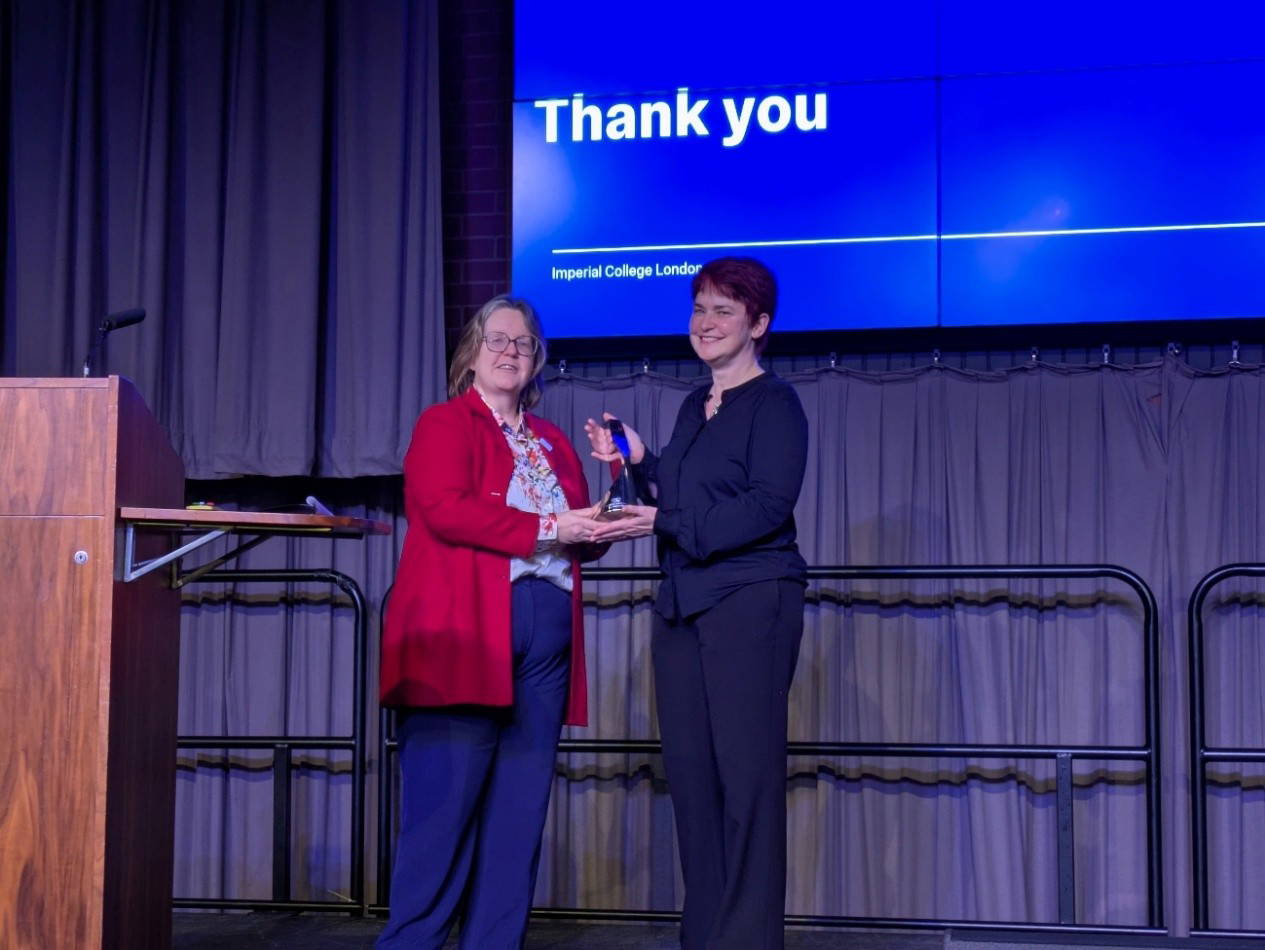
During the event, Professor Mary Ryan was formally recognised for her significant academic and professional achievements. She received a commemorative award presented by Professor Joan Cordiner, Head of the Department of Chemical and Biological Engineering (CMBE) at the University of Sheffield, marking a highlight of the evening.

ICorr’s Role and Presence at the Event
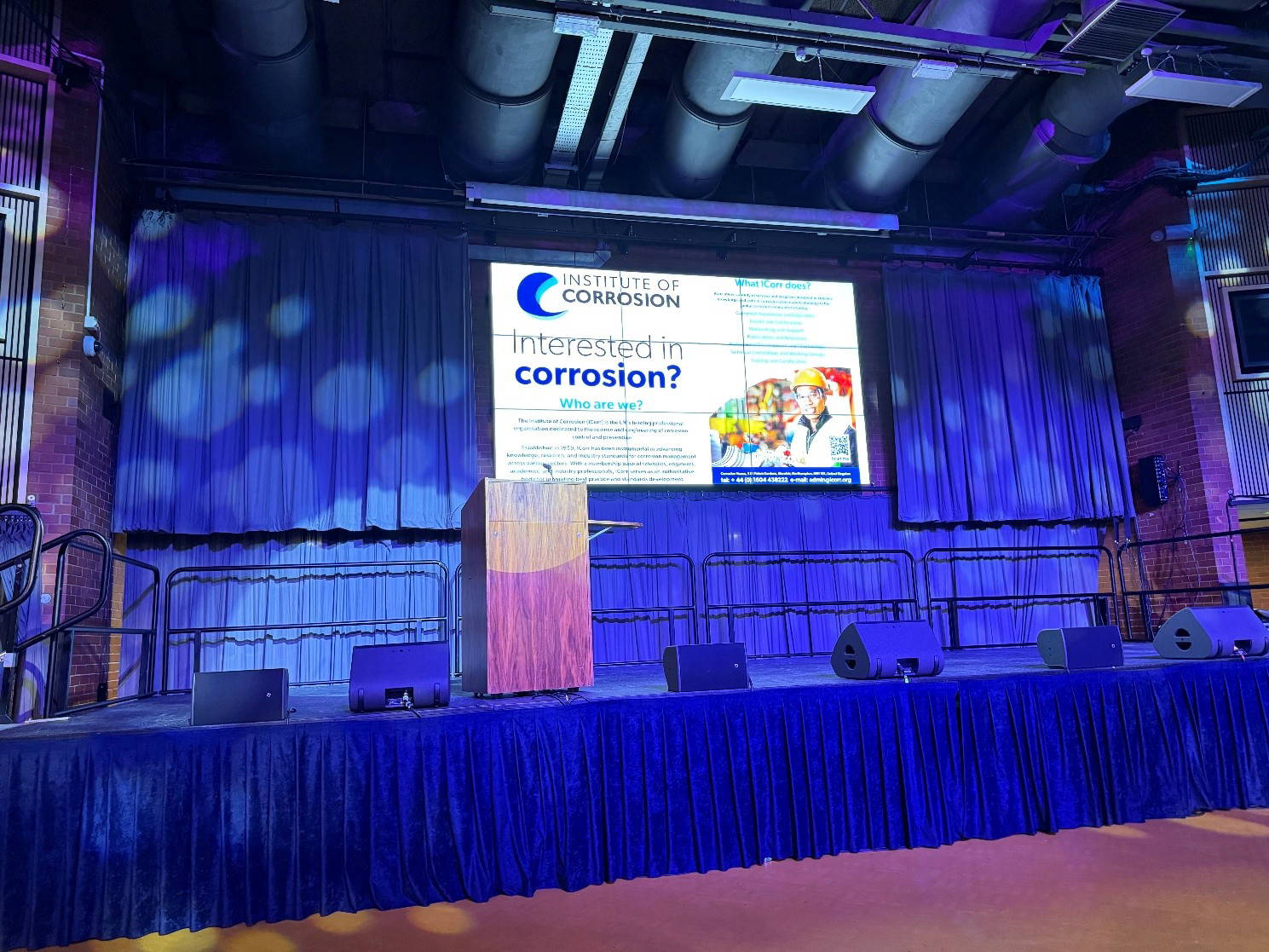
As one of the official sponsors, ICorr’s support was prominently acknowledged throughout the night, including on the main auditorium screen and event materials. The presence of the ICorr President reinforced the Institute’s mission to promote collaboration, scientific excellence, and knowledge exchange across the corrosion and materials community.ICorr’s involvement with the Hatfield Memorial Lecture reflects its dedication to fostering innovation and supporting both established and emerging experts in the field.

Photo: Professor Mary Ryan (Right) Receiving Her Award from the Head of CMBE of Sheffield University.

Photo: ICorr Highlighted as One of the Event’s Sponsors on the Main Screen.


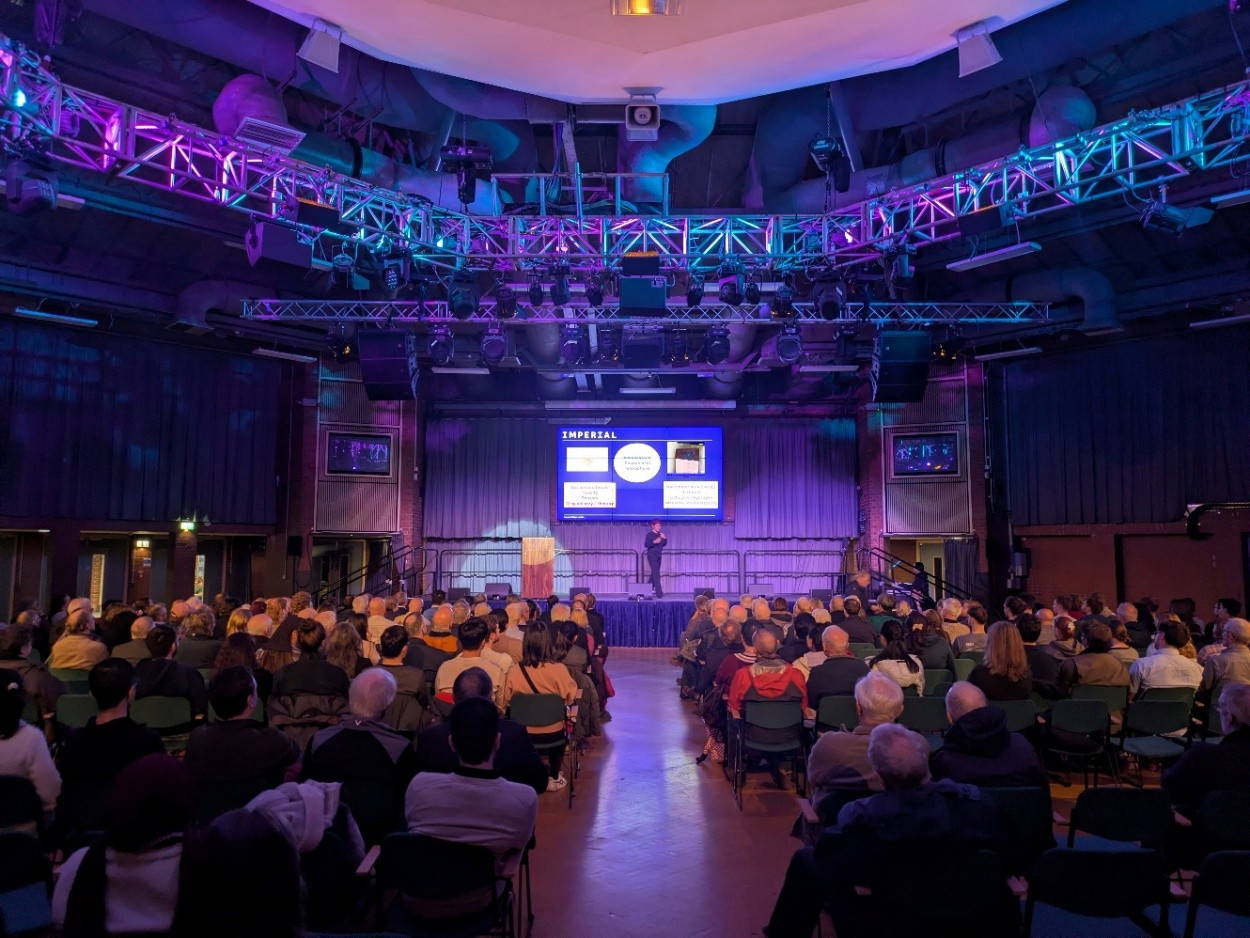
Photo: Overview of Venue of the 72nd Hatfield Memorial Lecture.