

Corrosion in Infrastructure Special Feature:  Inside Edinburgh’s £86M North 
Bridge Refurbishment

Corrosion in Infrastructure Special Feature: Inside Edinburgh’s £86M North 
Bridge Refurbishment

Article by Stephen Tate, Immediate Past President of ICorr

Introduction

It is not very often that such a well-documented corrosion repair project becomes available, but this key infrastructure link has made national news due to the extent of repairs required and, of course,
its huge cost!

On this same theme – ‘Reuse, Renew, or Replace?’ – Corrosion Management recently published several infrastructure-related articles presented to the Parliamentary and Science Committee, refer to https://www.icorr.org/wp-content/uploads/2025/03/CORROSION_MANAGEMENT_Issue183_48-pgs_LowRes.pdf

Photo 1:  The North Bridge in Edinburgh c. 1905.

.Background

It is one of Edinburgh’s most historically significant structures, a key transport link connecting the Old and New Towns and a vantage point to take in views of the capital’s iconic skyline – but for more than seven years now the North Bridge has been something of an eyesore, surrounded in scaffolding.

The North Bridge was originally constructed by Sir William Arrol between 1894 and 1897 after he completed both the Forth Bridge and Tower Bridge in London.

Since 2018 bridge has been concealed by over 300km of scaffolding tubes and partially closed to traffic and pedestrians after the Victorian structure was found to require significant corrosion-related repairs to ensure its continued use for future generations.

A repair project was initiated as a response to cast iron, spalled concrete and masonry falling onto the railway lines and the
street below.

Map: Location of North Bridge by Edinburgh Waverley Railway Station.

Structural Investigations

The bridge has three spans, each approximately 53 metres, with each span comprising six steel main arch girders with a reinforced concrete deck, masonry piers and abutments, and a decorative cast iron façade.

Photo 2: After Removal of Cast Iron Non-Structural Fascia.

Main contractor Balfour Beatty worked with Atkins Realis, who created a dynamic 3D model of the structure to assist all work scopes.

It became clear as the work progressed that more repairs and work were required. The paint on the bridge designed and constructed by Sir William Arrol, who created Forth Bridge and Tower Bridge, has been grit blasted and repainted – a job which has not been done since 1933, except for repainting of the decorative facings in the early 1990s.

Photo 3: Steel Under-Structure with Areas of Localised Corrosion Requiring Repair.

Investigations identified lots of Bimetallic Corrosion, Corrosion Traps between components, Water ingress and general Inadequate corrosion protection.

The huge complexity of bringing a Victorian structure up to 21st Century standards, without compromising its historic integrity, has proven challenging, technically and logistically.

Photo 4: Examples of Steelwork Repairs.

Costs

The work was supposed to take around two years and cost an estimated £22m, but as engineers took a closer look, often at sections not properly inspected in over 100 years, it became clear the job would be even more of a mammoth task than was first envisaged.

It is now expected to be finally completed in 2026 – six years behind schedule – and with an expected cost of £86m, nearly four times the initial estimate, but now magnificently restored!

Photo 5: Localised Reinforced Concrete Inspection/Repairs Including CP Installation and Structural Health Monitoring System – Reinforced Concrete Supports.

Photo 6: Cathodic Protection Junction Box and Site Connections.

Repairs Completed

There are 6,300 steel sections under the bridge, many of which were corroded, but now behind the extensive scaffolding have been repaired or replaced, approximately 2,000 components in total at a cost of £10m, due to complex logistics.

The wide scope of work has included:

•Contained wet blast/removal of existing coating – bituminous asbestos paint with arsenic, chromium and lead contaminants by licensed contractor. Asbestos was added to enhance durability, heat resistance, and fire resistance. The risks associated with asbestos exposure/removal are well-documented.

•Profile grit blasting and repainting of all structural steelwork, last renovated in 1933, 150 sqm to ST3 standard with 7-stage coating.

•Apply primer/stripe coat/mid coat/line gap/2nd stripe coat/topcoats and decorative colours/anti-graffiti finish.

•Repairing and refurbishing structural steelwork and cast-iron springer bearings.

•Refurbishing historic cast iron bridge façades, including the redesign of façade fixings, allowing for sectional movement and easier future repairs.

• Grit blasting, repair, sealing and repainting of parapets.

•Repairing the bridge’s concrete deck and installing cathodic protection and structural health monitoring systems.

o 6,500 Galvashield XP2 Anodes – subcontractor (Freyssinet)

o 40,778 Continuity Wires and Checks

• Repair and improve pavements and drainage.

• New waterproof membrane on bridge deck.

• New lighting and road surface.

•Remove all redundant utility pipes and ducts and rationalise those services that remain.

•Repair and repoint masonry in areas most susceptible to deterioration.

•Restore and repair the King’s Own Scottish Borderers War Memorial.

•Installing permanent platforms to improve access for future inspection and minor maintenance.

Photo 7: Process of Façade Reassembly.

Photo 7: Process of Façade Reassembly.

Photo 8: Reinstated North Bridge Façade and Final Touches.

Very complex scaffolding was required. Traditional scaffolding that relies on ground support could not be used and due to the interface with Edinburgh’s key railway station (Waverley) and the low capacity of the roof, scaffolding had to be suspended from the bridge itself. This required multiple stages of design and checks.

Photo 9: Steel Under-Structure After Repair / Recoating.

Reopening Plans

Major work is expected to be completed by spring 2026 with full completion in summer 2026.

Summary

This was a reactive project due to ongoing safety concerns and dropped objects from the decaying bridge that was mostly inaccessible for regular inspection, despite being directly above a busy main railway station.

A range of corrosion mechanisms was identified and eliminated by different corrosion prevention techniques.

A key part of the renovation was providing permanent access for future inspection by bridge engineers.

The need for removal of original toxic coatings complicated the repair and recoating processes.

Novel solutions, including widespread use of galvanic anodes, were incorporated into the refurbishment of reinforced concrete components.

An advanced Structural Health Monitoring System has been now
been installed.

A critical piece of infrastructure has now been rescued for future generations to enjoy.

Sources

1. https://www.bbc.co.uk/news/uk-scotland

2. https://news.stv.tv/west-central/

3. https://theedinburghreporter.co.uk/

4. https://www.edinburghinquirer.co.uk/

5. https://www.edinburghlive.co.uk/

6. https://x.com/balfourbeatty/status/1918298520047571249

7. (21) Post | https://www.linkedin.com/posts/zaynah-khalil

8. https://www.edinburgh.gov.uk/

9.https://talesofonecity.wordpress.com/2025/02/04/the-north-bridge/

10. https://canmore.org.uk/

11. https://www.capitalcollections.org.uk/

12.Thesis Jan.2024 – A Critical Review of Cathodic Protection as a Repair Strategy for the Edinburgh North Bridge Refurbishment by Zaynah Khalil, MEng Student at University of Glasgow and Graduate Civil Engineer at Balfour Beatty.

13. Cathodic Protection – FreyssinetUK

14.https://www.vector-corrosion.com/technologies/view/3/galvashield-xp/

15.https://www.ice.org.uk/events/recorded-lectures/north-bridge-refurbishment

This complex project will be further presented at the forthcoming Aberdeen Branch 2025 Corrosion Awareness Day: An Introduction to Corrosion and Cathodic Protection at the Palm Court Hotel, Aberdeen on 26th August 2025.

See: https://www.icorr.org/event/2025-corrosion-awareness-day-introduction-to-corrosion/

TÜV Rheinland Successfully Conducts ICorr PCI Training in Shanghai, Empowering Professionals in Coating and Corrosion Protection‌

TÜV Rheinland Successfully Conducts ICorr PCI Training in Shanghai, Empowering Professionals in Coating and Corrosion Protection‌

On 4th June 2025, TÜV Rheinland, Shanghai, successfully hosted multiple sessions of ICorr PCI (Protective Coating Inspector) Level 2 and Level 3 training courses, providing Chinese professionals with advanced knowledge in coating and corrosion protection.

These internationally recognised certification programs equipped participants with critical skills to excel in industries such as oil & gas, marine and infrastructure.

The intensive training covered key topics including coating inspection standards, failure analysis, and quality control, enabling attendees to enhance their technical expertise and career prospects.

Two participants, who were voted as outstanding candidates in 2025 H1, shared their experiences.

•“The trainer combined theory with real-world case studies, making complex concepts easy to understand. Earning this Level 3 certification has significantly boosted my credibility in the industry. Beyond the course content, TÜV Rheinland’s training organisation was impeccable—from venue facility to accommodation arrangement. Their team provided seamless support throughout the program” — Qianwei Zhu, Technical Service Supervisor, Jotun, China.

•“L2 course gave me a solid foundation. The hands-on practice and detailed feedback from instructors were invaluable. I now feel confident to take on more responsibilities at work.” — Lu Taijin, Quality Assurance Department Manager, Guangxi Jingdian Steel
Structure Co., Ltd.

Contact

TÜV Rheinland, Shanghai offers a wide range of ICorr approved training courses and maybe contacted at:

Tel.: +86 10 8524 2141
Fax : +86 10 8524 2200
Mobile : +86 139 1179 0253
Email: Jing.Fang@tuv.com

TÜV Rheinland (China) Ltd, Room 301, 3F and Room 403, 4F, Building 4, No. 15, Ronghua South Road, Beijing
Economic-Technological Development Area, Beijing, China.

www.tuv.com

Photo: (From Left to Right): Tiger Hu (Tutor), Lu Taijing, Zhu Qianwei,  David Wang (TUV Rheinland Industrial Inspection VGM).

ICorr China Branch Moves Closer to Establishment

ICorr China Branch Moves Closer to Establishment

The Institute of Corrosion (ICorr) is steadily advancing preparations to establish its China Branch, with several crucial administrative and engagement steps now complete.

Key milestones achieved include engagement with regulatory authorities, completion of the Hague Apostille and document notarisation, and submission of the Application to Establish a Foreign NGO Representative Office to the official bureau.

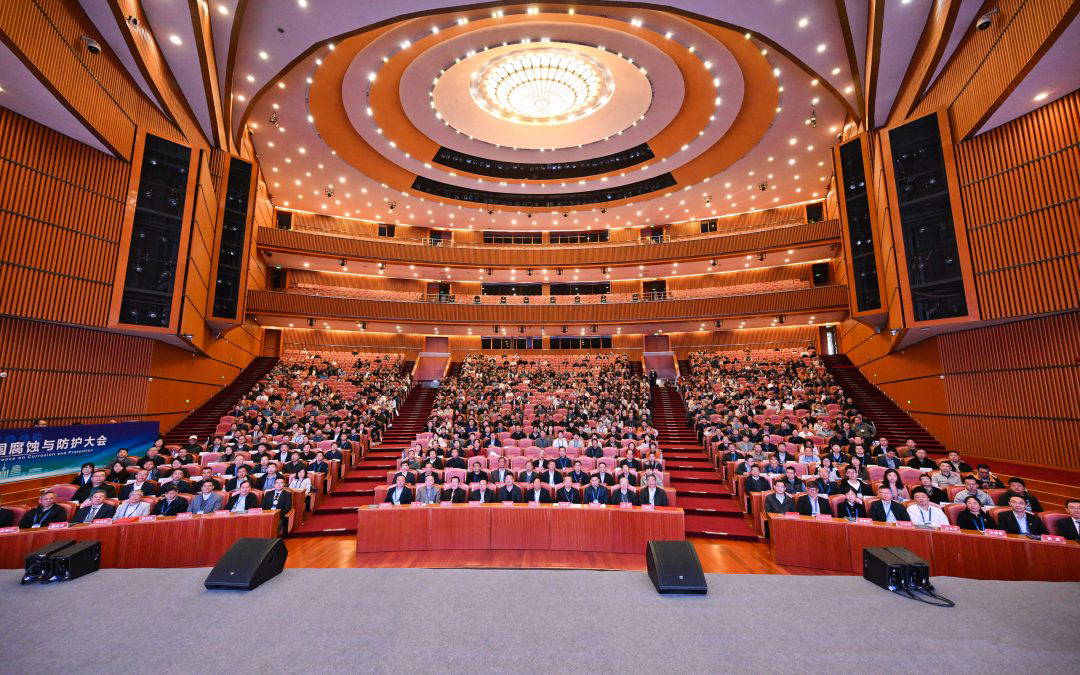
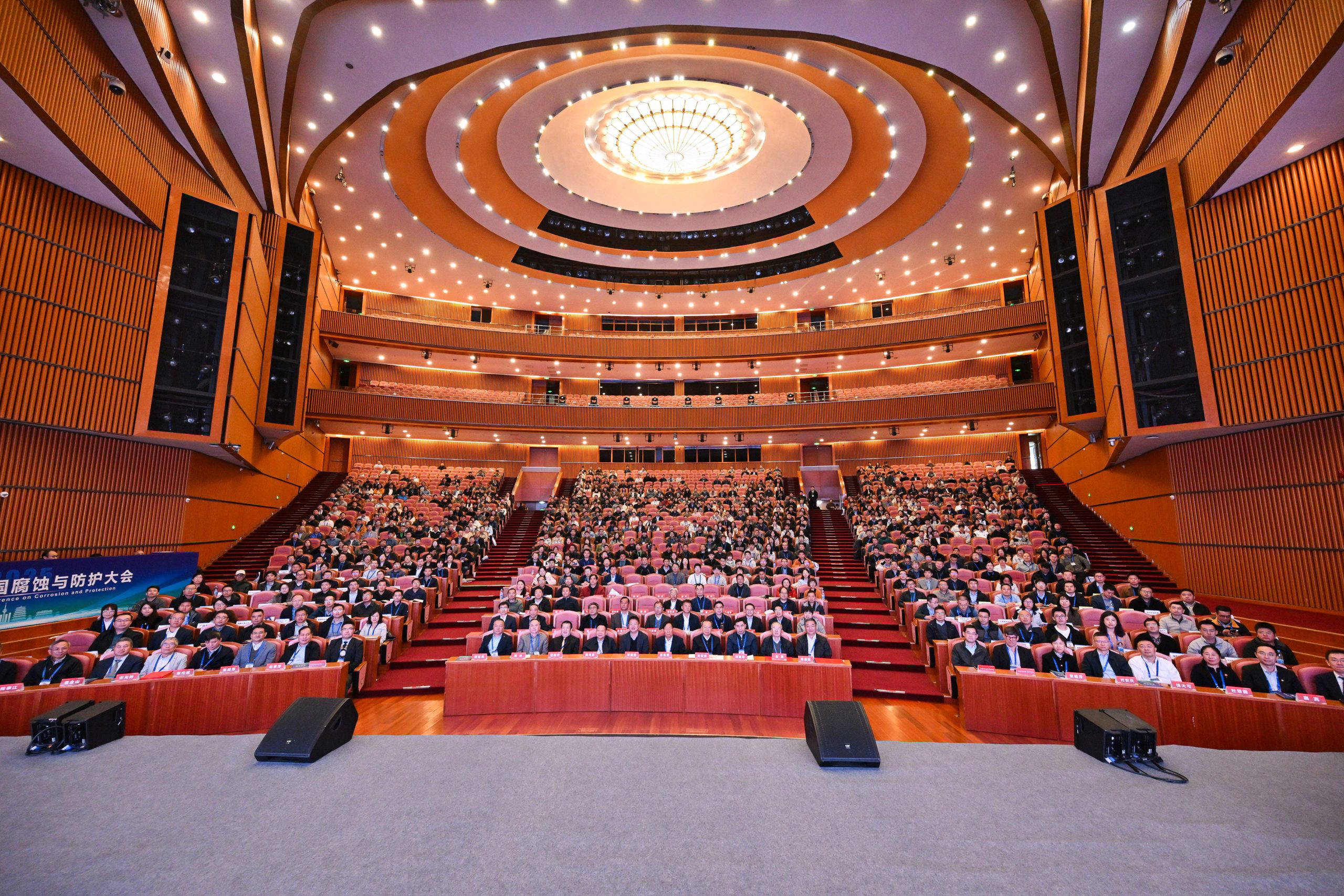
As part of its outreach and networking efforts, ICorr hosted a one-day In-Person Exchange and Collaboration Meeting on 11th July 2025 in Ningbo, Zhejiang Province. The event brought together dozens of academics and industry experts to share the latest developments in corrosion research and to explore practical strategies for how the ICorr China Branch can best serve and support the corrosion community in China.

Exchange and Collaboration Meeting of ICorr China Branch Held on 11th July in Ningbo, China

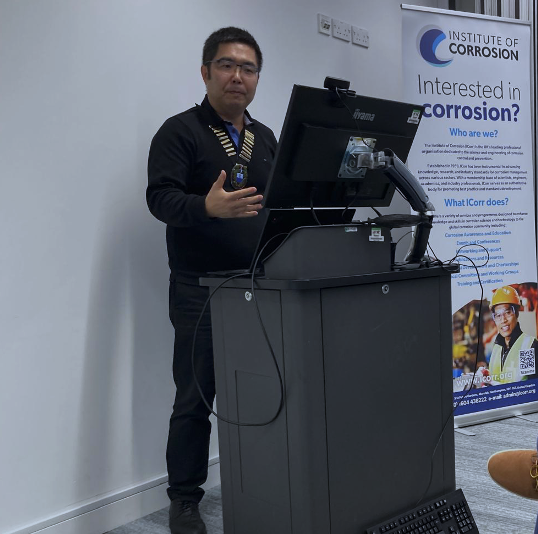
ICorr President Dr. Yunnan Gao attended the event in person, delivering a keynote presentation introducing ICorr and outlining his vision and expectations for the China Branch. Discussions covered not only the organisational framework for the new branch but also opportunities to foster international collaboration, promote best practices, and support innovation in corrosion prevention and control.

Under the lead initiator, Dr Yuyou Wu, FICorr, individuals from both corrosion academia and industry have been identified from across China and inducted to develop the first ICorr China Branch Committee, ensuring broad regional representation. The new branch to be headquartered in Ningbo, Zhejiang Province aims to strengthen collaboration and support the corrosion community across China.

ICorr President, Dr Yunnan Gao and the ICorr UK China Branch Initiator, Dr Yuyou Wu, FICorr, in front of the Preparatory Office of ICorr China Branch, Located in Ningbo, Zhejiang.

ICorr President Dr Yunnan Gao and Some Onboard ICorr Branch Committee Members

The establishment of the ICorr China Branch represents a significant step forward in connecting the global corrosion community with China’s vibrant network of researchers, engineers, and industry professionals, paving the way for greater knowledge exchange and collaborative progress. Legal processes are still underway, but it is hoped to hold a local branch Annual General Meeting in the near future.

Advancing Corrosion Training through World Class Training

Advancing Corrosion Training through World Class Training

Advancing Corrosion Engineering Through World-Class Training

We are proud to introduce the Engineering Training Governing Board (ETGB)—a bold new initiative by ICorr, focused on shaping the future of professional development in corrosion engineering. This launch is especially timely, following ICorr’s recent award of a Professional Engineering Institution (PEI) licence from the Engineering Council (EngC PEI), reinforcing our commitment to delivering internationally recognised, best-in-class training and certification.

ETGB will work alongside our existing Cathodic Protection and Coatings Training Governing Boards (CPGB/STGB) reporting to ICorr Council.

 ETGB Mission:

  • Develop and deliver new certified and general awareness courses aligned with evolving industry needs
  • Strategically manage and expand ICorr’s training portfolio of engineering courses
  • Strengthen global engagement within the international corrosion community
  • Support ICorr’s Continuing Professional Development (CPD), and chartership registration

What This Means for You:

  • Access to a wider selection of specialised corrosion-related training pathways
  • Curriculum tailored to the latest developments, standards, and best practices
  • Tools to advance your expertise and confidently address complex corrosion challenges

Join Us:

At ICorr, we are committed to delivering best-in-class training that fosters long-term growth, innovation, and resilience across the industry. ETGB is dedicated to expanding the range of training courses available to corrosion professionals, delivered directly at our UK training sites, in-company, or through global partners, to ensure a dynamic and relevant knowledge-sharing experience for professionals worldwide.

Get Involved:

Let us collaborate to advance corrosion engineering and empower the next generation of experts. For enquiries or partnership opportunities, reach out to:

Dr. Tony Rizk, PhD, FICorr, ETGB Chair: etgbchair@icorr.org

Advancing Corrosion Engineering Through World-Class Training

We are proud to introduce the Engineering Training Governing Board (ETGB)—a bold new initiative by ICorr, focused on shaping the future of professional development in corrosion engineering. This launch is especially timely, following ICorr’s recent award of a Professional Engineering Institution (PEI) licence from the Engineering Council (EngC PEI), reinforcing our commitment to delivering internationally recognised, best-in-class training and certification.

ETGB will work alongside our existing Cathodic Protection and Coatings Training Governing Boards (CPGB/STGB) reporting to ICorr Council.

 ETGB Mission:

  • Develop and deliver new certified and general awareness courses aligned with evolving industry needs
  • Strategically manage and expand ICorr’s training portfolio of engineering courses
  • Strengthen global engagement within the international corrosion community
  • Support ICorr’s Continuing Professional Development (CPD), and chartership registration

What This Means for You:

  • Access to a wider selection of specialised corrosion-related training pathways
  • Curriculum tailored to the latest developments, standards, and best practices
  • Tools to advance your expertise and confidently address complex corrosion challenges

Join Us:

At ICorr, we are committed to delivering best-in-class training that fosters long-term growth, innovation, and resilience across the industry. ETGB is dedicated to expanding the range of training courses available to corrosion professionals, delivered directly at our UK training sites, in-company, or through global partners, to ensure a dynamic and relevant knowledge-sharing experience for professionals worldwide.

Get Involved:

Let us collaborate to advance corrosion engineering and empower the next generation of experts. For enquiries or partnership opportunities, reach out to:

Dr. Tony Rizk, PhD, FICorr, ETGB Chair: etgbchair@icorr.org

Bookings open now for 2026 – ICorr Microbiologically Influenced Corrosion (MIC) Training Course

Bookings open now for 2026 – ICorr Microbiologically Influenced Corrosion (MIC) Training Course

ICorr Microbiologically Influenced Corrosion remains a Global issue.

Join our MIC Training Courses, running from 11 to 15 May 2026. Secure your spot today and gain expert insights into the industry most misdiagnosed threat.

Microbiologically Influenced Corrosion (MIC) is a complex phenomenon that silently undermines industrial and infrastructure assets across the globe. Despite its widespread impact, MIC remains one of the least understood and most frequently misdiagnosed form of corrosion.

In 2023, a relatively minor leak at the Wytch Farm oil field, United Kingdom, triggered the temporary closure of Poole Harbour, Europe’s largest natural harbour and a designated Site of Special Scientific Interest. This incident served as a stark reminder of MIC potential to cause significant environmental and economic disruption, and the urgent need for more robust understanding and control strategies.

The Institute of Corrosion (ICorr) proudly offers the only MIC training course of its kind delivered by a major professional body. This comprehensive programme is designed to meet industry demand, equip professionals with cutting-edge knowledge, and empower them to protect assets and advance their careers.

Industry-Relevant Scope

While MIC is most extensively studied in the oil and gas sector, this course also addresses its impact across:

  • Water treatment and filtration systems
  • Nuclear energy facilities
  • Marine structures and vessels (ships, yachts, narrowboats)
  • Paper and pulp industries
  • Infrastructure, including Accelerated Low Water Corrosion (ALWC)
  • Non-metallic materials (polymers, cementitious systems)

Cutting-Edge Content

  • Traditional and advanced monitoring and mitigation technologies
  • Molecular microbiology for precise microbial characterisation
  • Future trends in MIC modelling and predictive analytics

Expert-Led Instruction

  • Based on over 35 years of research and field experience
  • Delivered by leading experts in industrial and oilfield microbiology
  • Enriched with global case studies and best practices

Practical Meets Theoretical

  • In-depth exploration of microbial colonisation in water-prone systems
  • Covers both metallic and non-metallic degradation mechanisms
  • Actionable strategies for detection, control, and prevention

Flexible Learning Formats for Every Level

Certified MIC Technologist

A five-day intensive course focuses on developing and managing MIC control programmes, monitoring strategies, data interpretation, and risk identification. Includes a half-day certification exam. ICorr Certified MIC Technologist certificate awarded upon passing the exam.

MIC Technologist

A four-day version of the above course, without the certification exam. Certificate of attendance provided.

Awareness Level

A one-day overview designed for managers and stakeholders. Focuses on understanding MIC risks and mechanisms to support informed decision-making and cost avoidance. Certificate of attendance provided.

 Who Should Attend?

This course is of significant benefits for:

  • Managers, consultants, and project leaders
  • Industrial biologists and corrosion technologists
  • Engineers, scientists, and students
  • Contractors, field management, and technical staff.

Course Fees

Course Format

Fee (excl. VAT)

One-Day Awareness Course

£800 + VAT

Four-Day MIC Technologist

£1,950 + VAT

Certification Exam (Optional)

£500 + VAT

Note: VAT is reclaimable by VAT-registered companies. Fees apply to UK-based courses.

Delivery Options

Courses are currently delivered in a classroom format and can be hosted:

  • At ICorr Headquarters at Northampton in the UK, or
  • On-site at your organisation, anywhere in the world.

Delivered by a Global Expert

The course is led by Dr. Tony Rizk, a world-renowned authority in MIC with decades of hands-on experience in industrial microbiology and corrosion control.

Get in Touch

For further information, contact: Dr. Tony Rizk, ETGBchair@icorr.org

To register, email: ICorr Admin, admin@icorr.org


ICorr STSM – Job Vacancy

ICorr STSM – Job Vacancy

The Institute of Corrosion welcomes applications from ICorr members, for this important arising vacancy due to retirement of Jane Lomas, FICorr the existing post holder.

Job Title: Training Scheme Manager (Surface Treatments and Passive Fire Protection)

Location: Remote Working with occasional Northampton ICorr HQ Visits

Company Name: Institute of Corrosion

Job Type: Part-Time Consultancy (2 Days a week – part remunerated/part voluntary).

Remuneration: 15K/Annum (Reviewed Annually)

Applications: Initially via email to admin@icorr.org attaching CV and Training Experience Record

Closing Date: 31st October 2025

Commencement Date: 1st January 2026 (with prior Handover)

 Job Description:

General

  • To act on behalf of the Institute of Corrosion (ICorr) in all matters relating to Surface Treatment Training and Competence Assessment (the Surface Treatment Scheme).
  • To report to President and take instructions from the Surface Treatment Governing Board (STGB) in all activities.
  • To keep the President and chair of STGB advised of all significant activities and to extend this advice to the President of ICorr in respect of any issues that may have significant strategic importance or expose ICorr to risk.
  • To issue monthly STSM reports with dashboards to President
  • To liaise with the Professional Assessment Committee (PAC) in respect of Certification of personnel (Certification being the ultimate responsibility of PAC) and in respect of any complaints received.
  • To liaise with course providers in respect of their marketing, booking and organising of all Surface Treatment (ST) and Passive Fire Protection (PFP) courses, in accordance with the Qualification Procedure Document (QPD), using approved ICorr Tutors and ICorr Course Packages, monitoring updates where required.
  • To actively help promote ST and PFP courses and maintain ICorr Website information.
  • To attend monthly STGB meetings and contribute to STGB updates of the QPD.
  • To work towards progression of Iso Certification for ST courses.
  • To recruit, train and mentor a deputy in all aspects of the role, with a view to succession planning.

Key Requirements

  • Ability to manage time effectively and prioritise tasks.
  • Experience at senior level in the surface treatment industry
  • Hold membership of ICorr, preferably FICorr.
  • Knowledge of Institute of Corrosion training activities (or other established Corrosion Training provider)
  • Level 3 certification
  • Significant experience in training and certification management
  • Strong relationships with key industry stakeholders