
The 67th Corrosion Science Symposium (CSS) was held jointly with Electrochem2025 at the University of Northumbria, between the 31st August and 2nd September 2025. The CSS has been held annually since its launch in 1960 by Prof. L.L. Shreir.
The symposium is always an ideal opportunity for students and early-career researchers in corrosion science from across the UK and Europe to congregate, discuss their work, share ideas and, above all, enjoy themselves in a stimulating/friendly environment. This year there were 10 talks and 13 posters, and the UR Evans award plenary talk was given by Prof. Herman Terryn (Vrije University, Brussels).

Photo: Plenary Lecture by Professor Ritu Kataky.
In his plenary lecture, Prof. Herman Terryn (Vrije Universiteit Brussel) explores why this goal has long seemed utopian—and how recent advances are bringing it closer to reality. The quest to accurately predict the lifetime of metals remains one of the most pressing challenges in corrosion science. Current industry practice relies on accelerated laboratory tests and long-term field exposure to estimate durability. However, laboratory tests often fail to replicate real-world conditions, while field trials can take up to a decade, slowing innovation. Prof. Terryn’s research aims to bridge this gap by developing a comprehensive platform for predicting the long-term performance of organic-coated metals under realistic environmental ageing. His team combines cutting-edge electrochemical techniques, in situ surface analysis, and advanced finite element modelling, now enhanced with sensors and machine learning. The lecture also introduces VIPCOAT, an EU Horizon 2020 project creating an open innovation platform to design sustainable coating systems and accelerated life tests. Initially targeting aeronautics, VIPCOAT will expand to other sectors, leveraging standardised European Materials Modelling Ontologies. The plenary talk expertly underscored a paradigm shift: from empirical testing toward data-driven, predictive corrosion science, thus paving the way for more sustainable and efficient materials design.

Photo: UR Evans Award to Professor Herman Terryn by ICorr President Dr Yunnan Gao.
Highlights from Electrochem2025: Advances in Corrosion Science The Corrosion Science and Engineering symposium at Electrochem2025 featured several outstanding contributions. Harry Tookey (University of Leeds) presented an insightful study on the effect of salinity on corrosion product characteristics and inhibitor performance in geothermal environments. His work demonstrated how varying NaCl concentrations influence FeCO3 formation on X65 carbon steel and inhibitor efficiency, offering practical guidance for corrosion control in high-salinity systems.
Anjali John (University of Warwick) gave a talk on the initial stages of anodic corrosion of boron-doped diamond electrodes. Using advanced in situ and ex situ techniques, her research provided a rare glimpse into early corrosion mechanisms under extreme electrochemical oxidation conditions, critical for improving electrode durability in advanced oxidation processes.
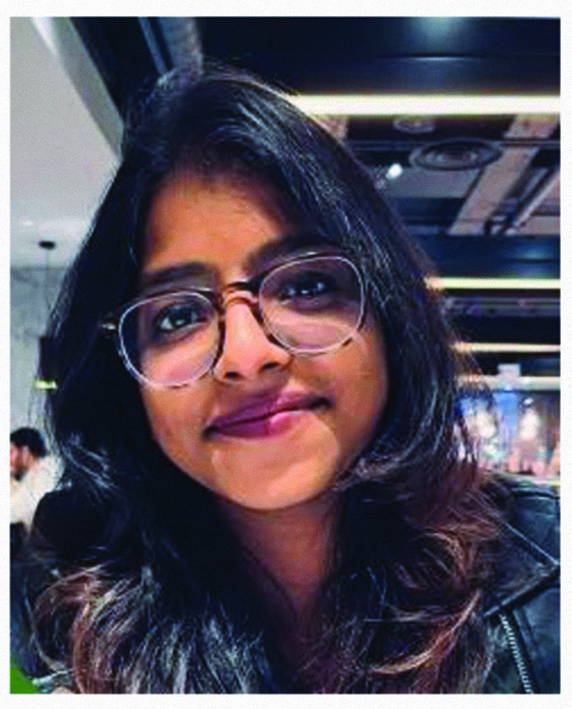
Photo: Talk by Anjali John (University of Warwick).
Mohammadhasan Sarabchi (University of Leeds) addressed the challenge of corrosion inhibition in geothermal systems with his presentation on optimising multi-component surfactant mixtures. By combining kinetic modelling with electrochemical testing, he identified formulations that deliver rapid adsorption and strong persistence, paving the way for more sustainable and effective inhibitor strategies. These talks exemplify the innovative approaches currently providing new insights in corrosion science – bridging fundamental understanding with real-world applications.
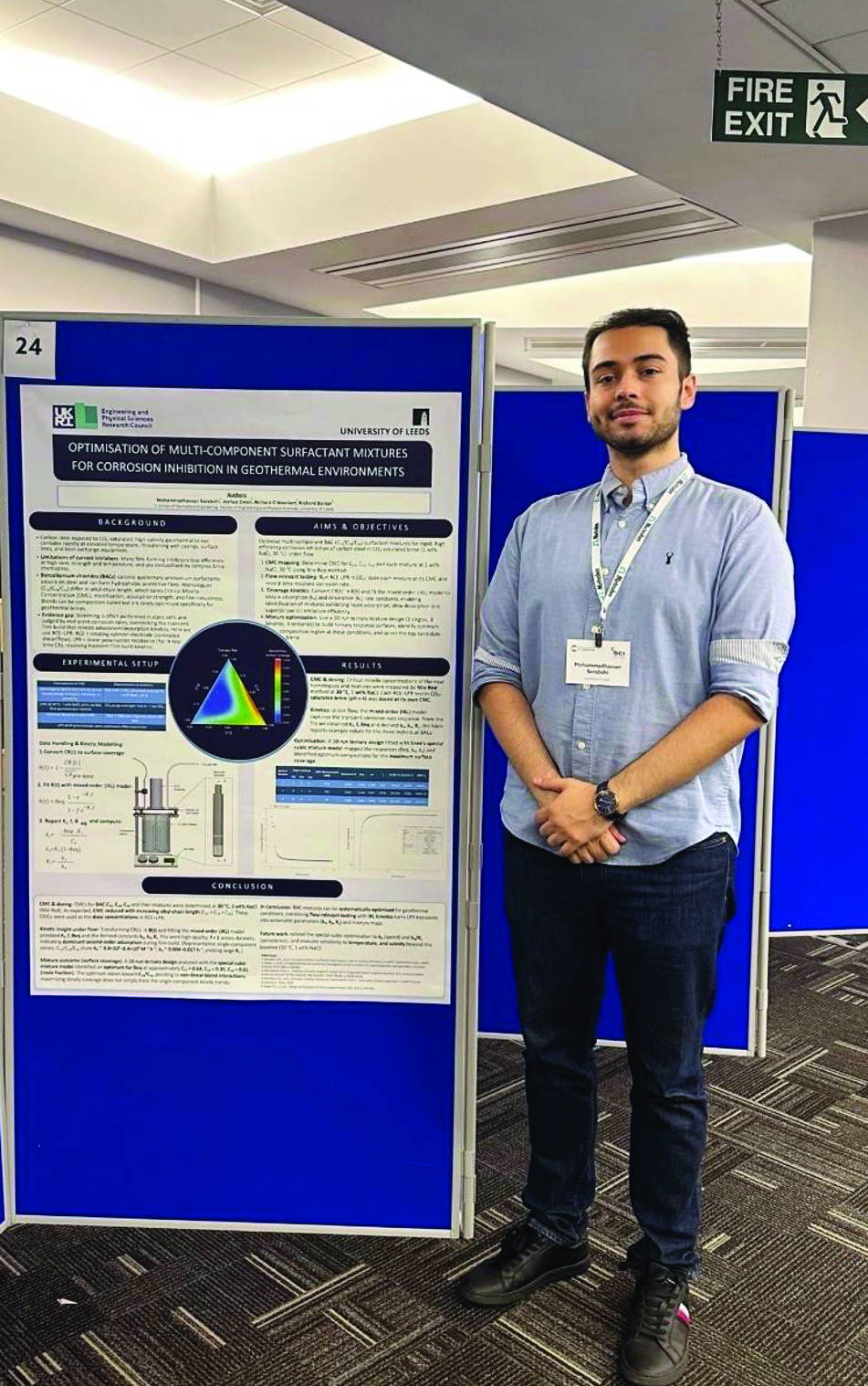
Photo: Mohamadhasan Sarabchi – Corrosion Inhibitors & Geothermal Energy EPSRC Researcher at University of Leeds.
Harry Tookey was awarded the Shreir Prize 2025 for the best early career research presentation.
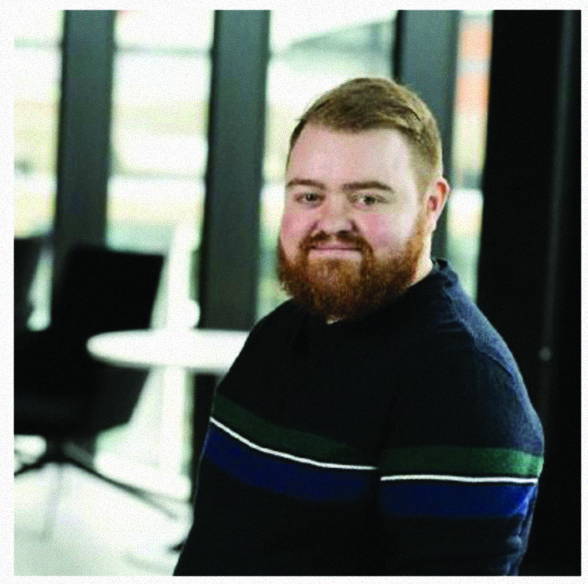
Photo: Harry Tookey
For further information about Corrosion Science Division (CSD) activities, please contact: Julian Wharton (Chair) Email: csdchair@icorr.org