

ICorr Wales and South-West Branch Marks One-Year Anniversary with Joint Event in Cardiff with IOM3  Newport and Cardiff Materials Society

ICorr Wales and South-West Branch Marks One-Year Anniversary with Joint Event in Cardiff with IOM3 Newport and Cardiff Materials Society

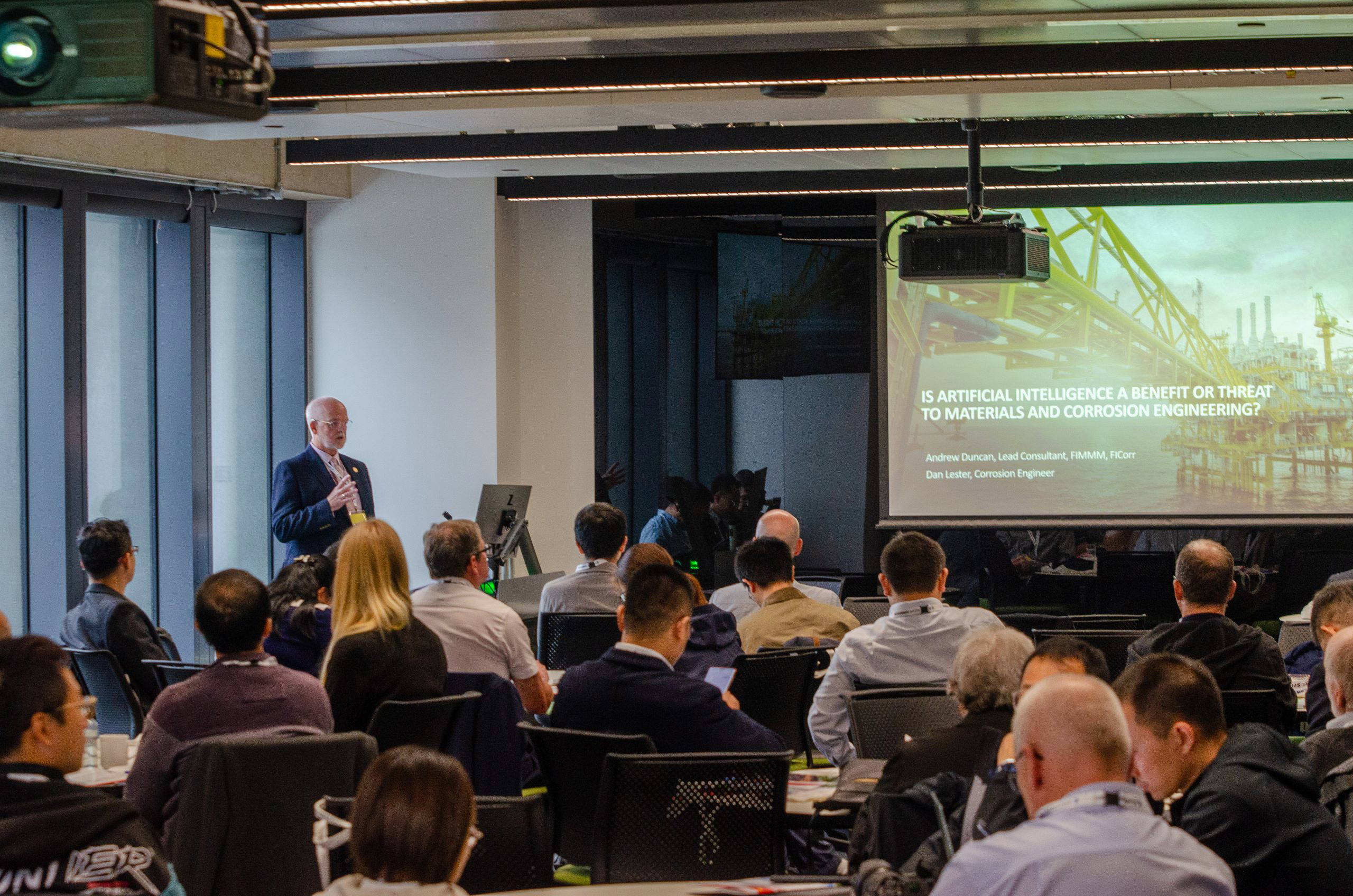
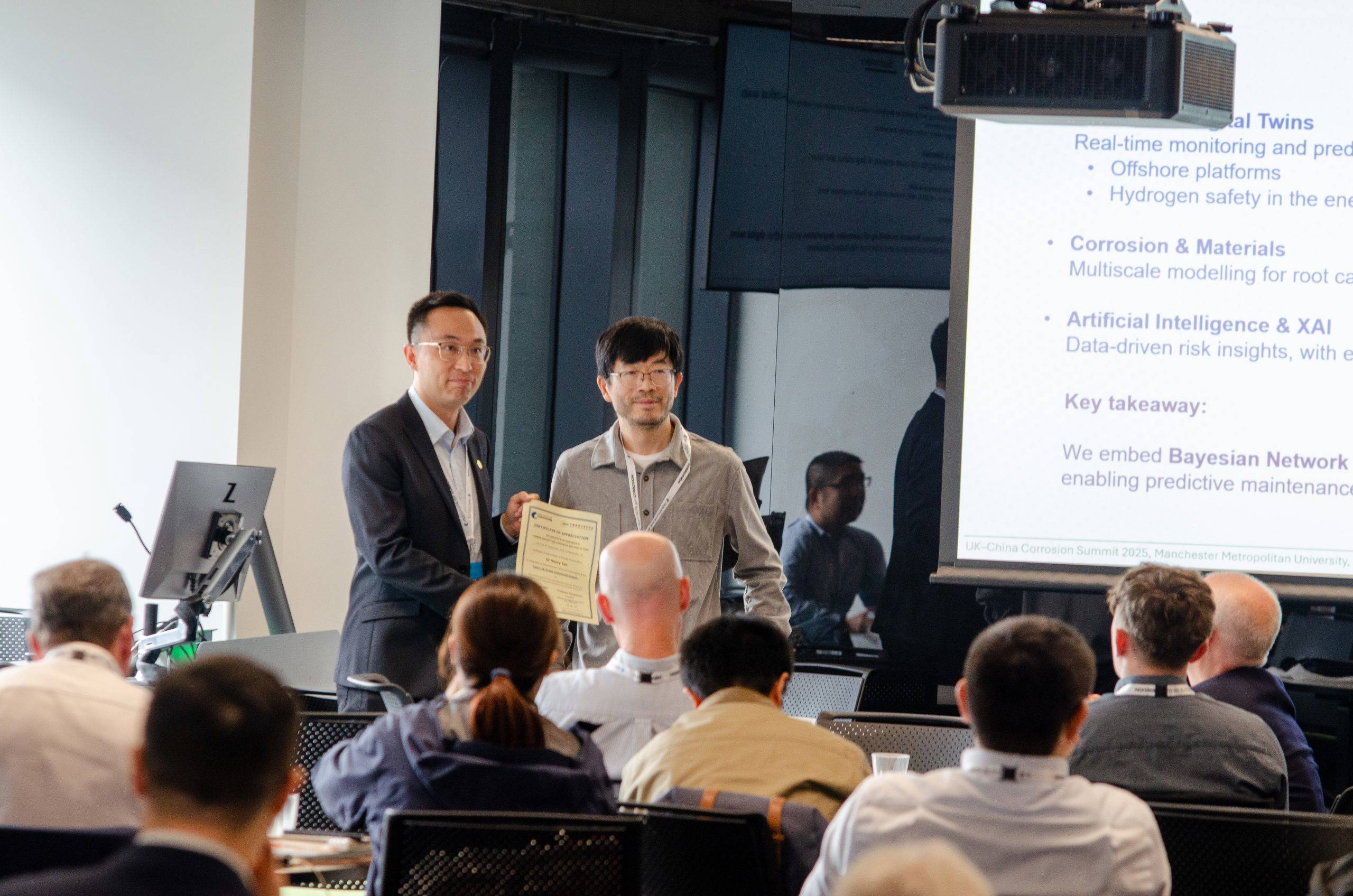
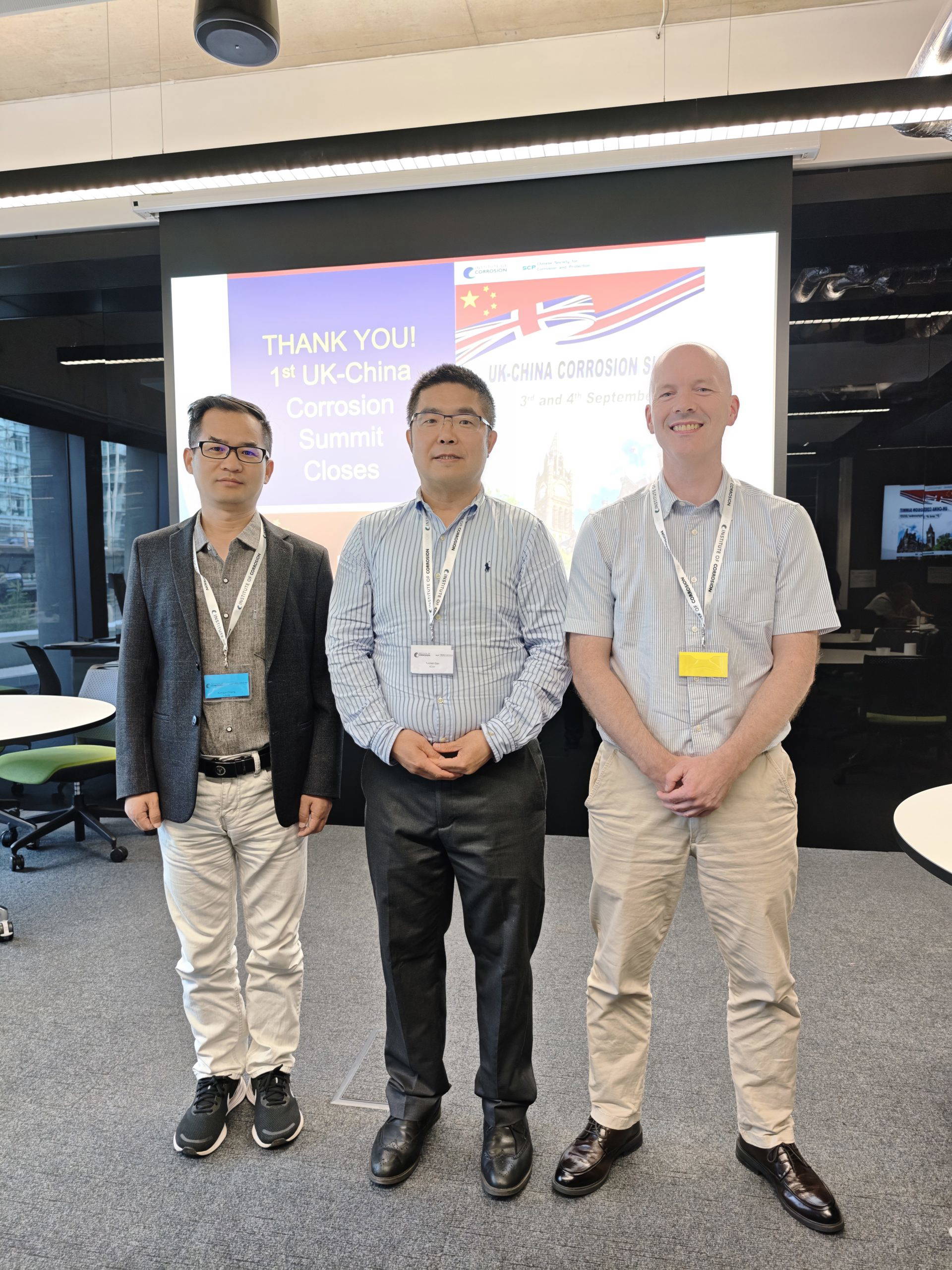
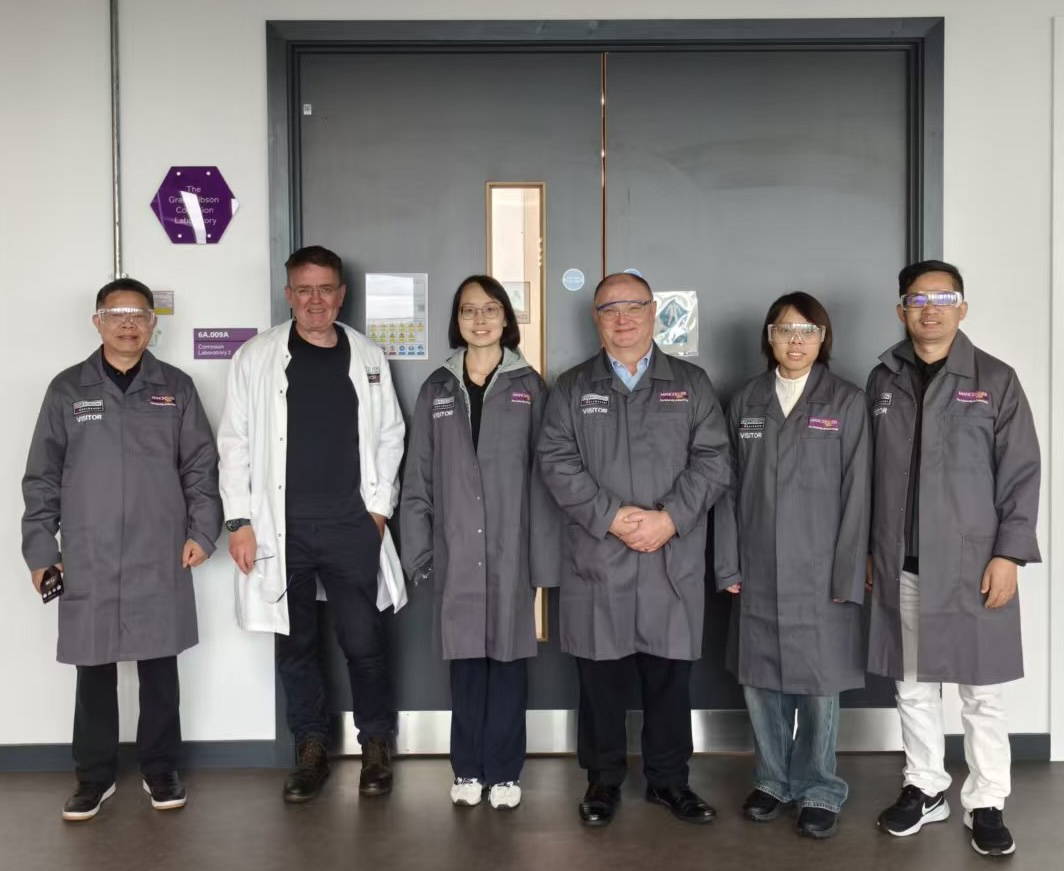
The Wales and South-West Regional Branch of the Institute of Corrosion marked its one-year anniversary with a collaborative event in Cardiff, held in partnership with the IOM3 Newport and Cardiff Materials Society. The event brought together professionals, students, and experts from across the fields of corrosion and materials science for an evening of knowledge sharing, networking, and cross-disciplinary engagement.

Hosted at Cardiff University, the event featured two technical presentations, the first being delivered by Simon Daly, who is a Senior Consultant at Safinah Group. The presentation focused on the growing complexity and importance of passive fire protection (PFP) and protective coatings in large-scale infrastructure projects such as high-rise buildings, stadiums, and data centres. It highlighted the challenges posed by evolving fire scenarios, new materials, and compressed project timelines, emphasising that quality outcomes depend on thorough planning, early-stage specification, and effective coordination across all project phases. Drawing on extensive industry experience, the presentation explored how risks increase and opportunities for value diminish as projects progress, underscoring the need for a proactive, design-first approach and illustrating key lessons through real-world examples of project handoffs and failures.

The second presentation was given by Dr Nicola Emmerson, a practical conservator and lecturer with a focus on the preservation of metallic heritage. The presentation covered the challenges faced by conservators in preserving metal heritage, from historic structures like iron bridges and ships to archaeological artefacts. It discussed how corrosion science is applied to heritage conservation, balancing preservation of original materials with maintaining the object’s intangible historical value. Through research examples conducted at Cardiff University in partnership with heritage organisations, the presentation emphasised the importance of collaboration between corrosion scientists and conservators to develop effective corrosion prevention strategies within ethical and professional guidelines.

Since its launch in 2024, the ICorr Wales and South-West Branch has rapidly grown in momentum, hosting a series of successful technical events and building a strong network of industry professionals, academics, and early-career engineers. The anniversary event not only celebrated this progress but also reinforced the importance of regional collaboration and community in addressing the evolving challenges in corrosion and materials performance. The ICorr Wales and South-West Branch also held its Annual General Meeting (AGM), which provided an important platform to acknowledge the ongoing contributions of the committee members. All members, apart from Ben Capewell, who has resigned from the committee, will continue their roles in driving the organisation’s initiatives forward. The AGM also introduced Syed Umair Niaz Bukhari, who joined the committee as a new member, bringing fresh perspectives and energy to the group.

For more information about the branch and upcoming events, contact: swchair@icorr.org

You can also keep up to date on events by visiting our LinkedIn page; https://www.linkedin.com/groups/12992293/

ICorr North-West Branch Hosts Joint Event with the Institute of Asset Management (IOM)

ICorr North-West Branch Hosts Joint Event with the Institute of Asset Management (IOM)

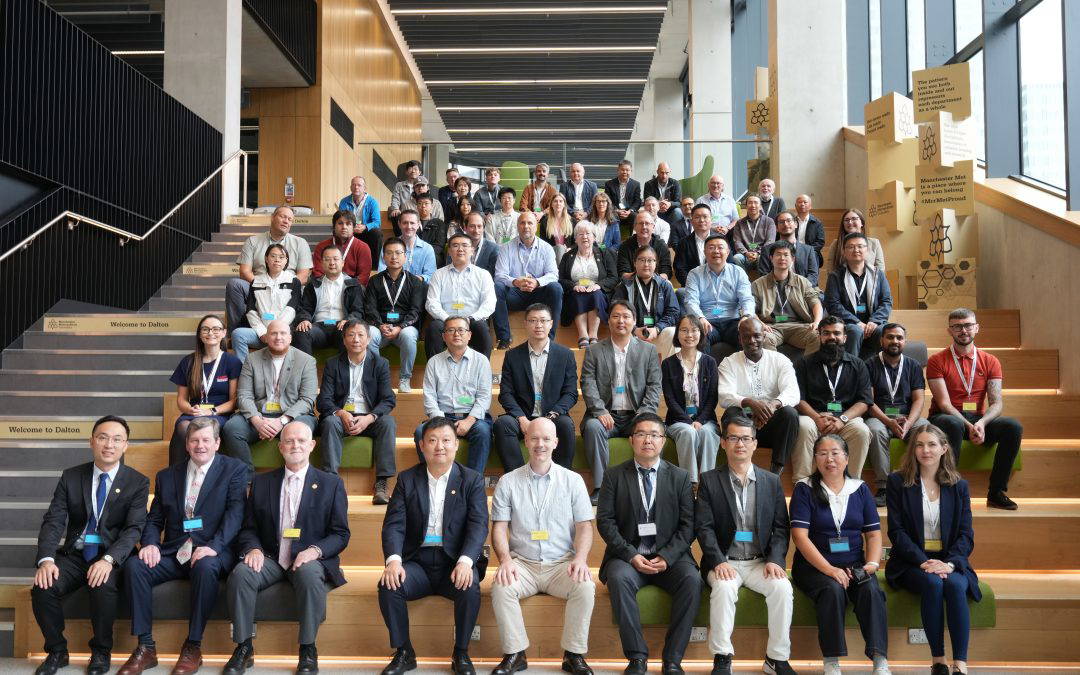
ICorr NW Branch held a joint meeting with the Institute of Asset Management at the University of Manchester on 1st April 2025. The event explored the theme of infrastructure asset failures, with speakers presenting various case studies—particularly highlighting the impact of corrosion to infrastructure.

Dave Champness  (Post-Graduate Researcher and Previous Water Industry Engineer) opened the session with a personal story related to asset management and aspects of corrosion in his talk “Concepts of Asset Management and How Corrosion Features”.  Paul Russell, Product Manager Concrete Repair and Composites at Mapei (UK) Ltd then spoke on product environmental sustainability, sharing case studies on extending the lifespan of structures in his presentation “Re-Lifing Structures to Extend Service”. Paul covered the carbon reduction gained in the products Mapei employs and also how they’ve sympathetically restored heritage buildings. Darren Henson (Workshop Manager at United Utilities) spoke about how corrosion can affect key assets such as pumps and the challenges of maintenance and prevention of shutdowns. Carlos Sanchez Senior Materials Scientist at The Health and Safety Executive (HSE) also contributed, using case studies to illustrate his presentation, “How Corrosion can Result in Catastrophic Asset Failure”.

This was a very well attended event that attracted many questions from the Audience.

Presentations

All presentations will be uploaded soon to: https://www.icorr.org/northwest/ under Local Technical Programme.

Forthcoming Events

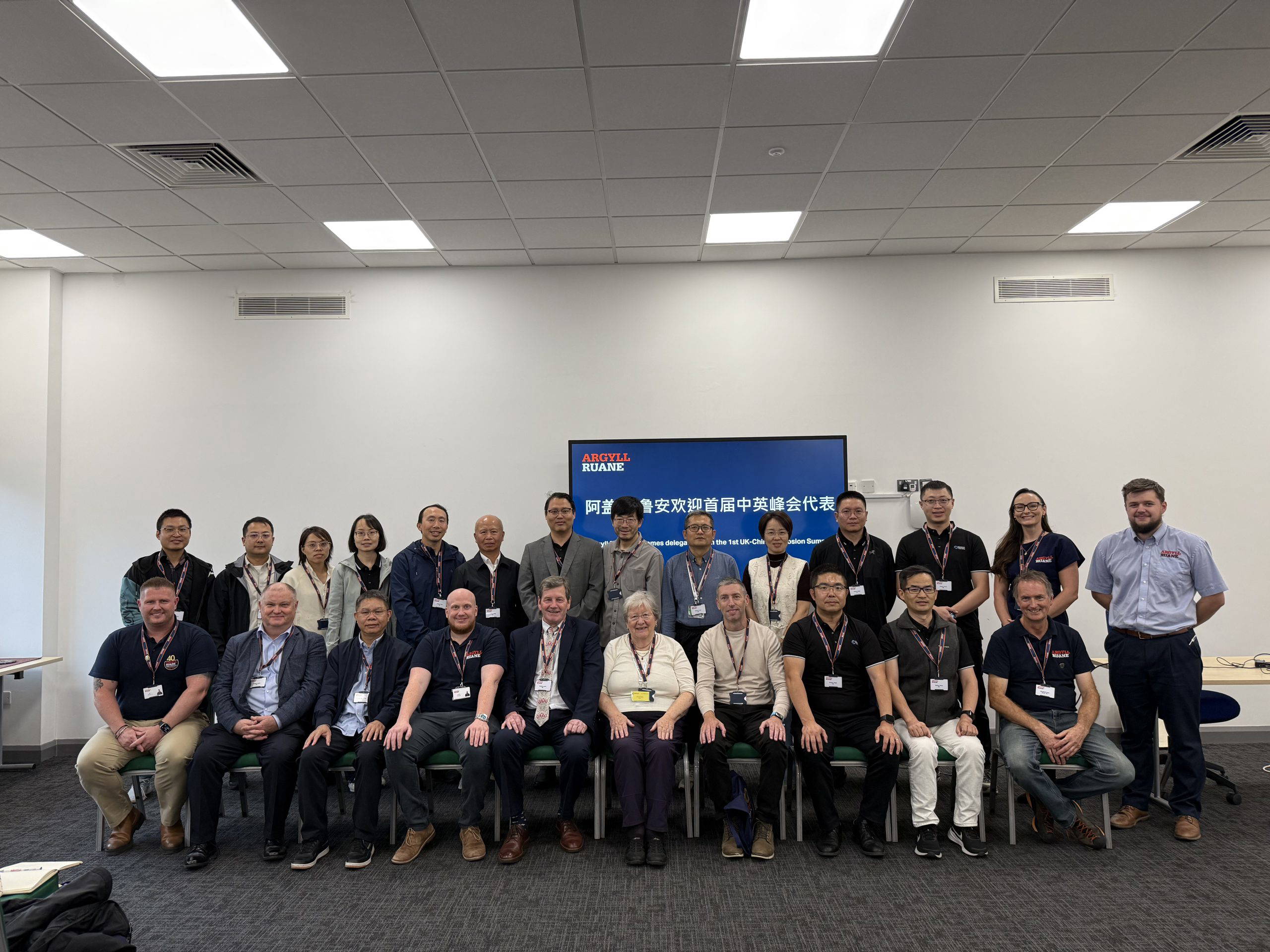
UK-China Corrosion Summit – 3rd-4th September 2025

Institute of Corrosion National AGM – November 19th.

Planning continues for these exciting events. Further details will be released to the NW Branch website, mailing list and ICorr members in due course.

Future NW Branch Committee meetings are planned for:

• 12th August 2025

• 14th October 2025

If you would like to know more about our activities or become involved with the NW Branch, please contact: nwchair@Icorr.org

ICorr North-East Updates

ICorr North-East Updates

The NE Branch Programme for 2025 has also been agreed with 3 technical evenings planned and 2 social events. Presenters will be announced once confirmed.

Late July/early August – Summer Social.

11th September – Technical Evening with AGM

13th November – Technical Evening

11th December – Christmas Social

Due to the increasing costs of using Neville Hall, the Committee has been investigating other venues. Afterresearch by the committee members, the next door Lit and Phil (https://www.litandphil.org.uk/) was visited at the start of May. The Lit and Phil is a 200-year-old society housed in another historic venue (Grade II listed building), which provides plenty of character and is also relevant to ICorr, as the Lit and Phil Society was founded to discuss and develop scientific as well as artistic topics. The Committee has agreed that the Lit and Phil would be a suitable venue for future NE Branch events.

All event slide packs are available in the North-East Branch web page at: www.icorr.org/northeast/ under Local Technical Programme.

For all other inquiries and membership / sponsorship opportunities, please contact the Branch Chair Matt
Fletcher at:
nechair@icorr.org

ICorr Midlands Update

ICorr Midlands Update

Annual General Meeting, DNV Facility Visit and AI Webinar on Corrosion Inspection.

The UK Midlands branch officially commenced its 2025 activities with the Annual General Meeting (AGM) held on 28th April, attended by ICorr President Dr. Yunnan Gao.

Annual General Meeting

The ICorr Midlands Chair, Dr. Prafull Sharma, introduced the new committee volunteers, who were formally approved to commence their roles. Strategic priorities for the year were set. A key focus is expanding engagement with academia to promote student membership. The committee chair also emphasised collaboration with other professional societies, aligning with ICorr’s broader strategy for mutual growth and knowledge exchange. As part of the new strategy, the branch will also host subject-specific webinars, such as the timely topic of AI application in corrosion and inspection management on 16th April.

Uzma Anjum (DNV) will oversee the branch’s online events
and webinars.

Other committee roles include:

Ali Oskuie (Worley): Committee Secretary

Louis Ramdall (Premtech): Coordinator for in-person events

Ben Knight (Premtech): Social media and digital communications

The committee will also benefit from the continued support of Bill Whittaker, former Midlands Chair, whose experience will help guide strategic decisions.

DNV Facility Visit

Screenshot

Coinciding with the 2025 AGM, the committee and guests participated in a technical visit to DNV’s Loughborough facility. Attendees from both academia and industry took part in the event, gaining valuable insights into DNV’s operations in the field of failure and root cause analysis. The Midlands branch extends its appreciation to DNV for hosting both the visit and the AGM.

Attendees participated in a guided tour of the facility, where they observed firsthand the sophisticated techniques and methodologies used in root cause and failure investigations.
The lab showcased a variety of real-world case studies, including failures in gas pipelines and components from the energy sector. These samples illustrated the complexity of determining failure causes, which often involve a blend of technical, managerial, and communication-related factors.

The visit also included a series of technical presentations, highlighting DNV’s multidisciplinary approach to integrity management across the renewable, hydrocarbon, and electricity sectors. The sessions offered deeper insights into how engineering expertise, forensic analysis, and risk assessment converge to support industry resilience and safety.

The ICorr Midlands committee extends its sincere appreciation to DNV, especially Uzma Anjum and Kathryn Thomas, for their generous hospitality and for making the event a rich learning experience for all. Events like this reinforce the importance of cross-sector collaboration and knowledge sharing in the evolving field of corrosion and asset integrity.

Webinar on AI Application in Corrosion Management

The branch hosted a well-attended webinar titled “AI-Powered Digital Corrosion Inspection and Coating Survey”, presented by Kashif Salim (Abyss Solutions). This session explored Abyss Solutions’ advanced system, which integrates high-precision data collection tools—such as 3D scanning—with AI algorithms to assess and prioritise corrosion risks, particularly in offshore piping systems. The topic resonated with online attendees, generating many audience questions and highlighting the growing importance of digital tools in asset integrity management.

This was the second webinar on the application of the AI in corrosion management. The Midlands branch plans to continue offering webinars on high-interest topics and will soon release its annual webinar calendar.

Further Contacts

www.linkedin.com/posts/icorr-midlands_corrosion-materialsscience-engineering-activity-7312949751820267520-FSzp/ and see the ICorr Events Calendar at: www.icorr.org/events/

Interested members can also subscribe to the branch’s YouTube channel to access recordings of past webinars at:
www.youtube.com/@ICORRMidlands

All event slide packs are available in the Midlands Branch web page at: Midlands Branch – Institute of Corrosion under Local Technical Programme.

For all other inquiries and membership / sponsorship opportunities, please contact the Branch Chair
Dr. Prafull Sharma at: midlandschair@icorr.org

Aberdeen Branch Updates

Aberdeen Branch Updates

In the past 2 months, the Aberdeen Branch has provided 2 excellent presentations showcasing the changing world of Inspection. On Tuesday 25th March they welcomed a well-attended talk on Digital Approaches to Enhance Integrity Management by Kevin McDonald (Sonomatic).

About the Speaker

Kevin is a principal integrity engineer within Sonomatic’s integrity team. He is a mathematician with a PhD in computing science. He has extensive experience in data analytics and inspection planning, co-authoring the non-intrusive inspection (NII) recommended practice. As well as integrity consultancy, he is involved in technical capability development for the integrity team. Developments focus on novel applications of statistics to the analysis of inspection data implemented following both topside and subsea inspection campaigns.

Kevin McDonald

Digital Approaches to Enhance Integrity Management

Integrity management of equipment relies heavily on inspection to ensure the asset remains fit for service. Inspection can take several forms, each requiring planning to ensure the inspection is efficient and effective, plus post-inspection analysis to ensure the most informed integrity management decisions are reached.

Sonomatic have developed and regularly deploy a suite of software tools to enhance each stage of the integrity management process.

In the pre-inspection planning phase, digital tools – such as a digital twin or similar component model – can be used to better visualise inspection plans and to keep an accurate record of requested inspection locations.

This model can then be deployed during an inspection campaign, allowing data to be populated to facilitate easy visualisation for multiple stakeholders. Data would remain within the model for evaluation and analysis, which, again, allows easy explanation and presentation to stakeholders.

Integrity management relies heavily on inspection to ensure the asset remains fit for service.

Inspection can take several forms for identifying internal degradation risks: corrosion mapping (CM), internal visual inspection (IVI), non-intrusive inspection (NII), remote internal inspection (RII) and spot-point readings (Manual UT/Radiography).

A digital twin is a virtual representation of real-world entities and processes, synchronised at a specified frequency and fidelity, using real-time and historical data to represent the past and present and simulate predicted futures.

Sonomatic have developed digital twins specifically geared to inspection use.

Non-Intrusive Inspection

Non-Intrusive Inspection (NII) is a 4-stage process applied to pressure vessels in which inspection is aimed at replacement or deferment of internal visual inspection (IVI). NII involves assessing if the vessel is suitable for NII, developing a work scope to ensure the inspection meets a specific set of criteria, inspecting the vessel according to the work scope, then evaluating and analysing the inspection results to ensure the inspection met the requirements.

Figure 1 Non- Intrusive Inspection (N1) Process Overview

Figure 2 Ni Evaluation and Conformance

Coating Correction

Algorithms can account for varying coating thickness between repeat inspections. They can calculate the most accurate growth rates for input into integrity management decisions. Kevin illustrated this with an example. Repeat inspection, by a third party, on a critical item with significant internal corrosion.

Figure 3 Coating Correction for UT Measurement

Post-Inspection Evaluation

Post-inspection evaluation using digital tools can extract maximal value from inspection data, providing significant enhancements to most current processes. Crucial to the integrity management process are calculations on corrosion rates and remaining life estimates. However, when there is a large catalogue of previous inspection data, there is often little consideration given beyond the two most recent results. A digital approach, where all inspection history can be housed in an easily accessible platform, allows the use of corrosion rate calculation using a longer-term statistical trend. This makes use of all previous data and provides the most representative corrosion rate possible. In addition, when calculating corrosion rates, emphasis is generally placed solely on changes to the minimum values. When more expansive inspection data has been recorded, such as a corrosion map, it is rare that growth of other corrosion features of a shallower depth than the minimum is considered, but this is often where corrosion growth is most pronounced. To assess such trends, an accurate like-for-like comparison is essential, looking at areas common to both inspection campaigns; digital tools are crucial in assisting with
this analysis.

Crucial to this topic is quality data that is representative of the current state of the inspected component. Sonomatic’s deploy propriety algorithms that can differentiate between internal corrosion, external corrosion and inclusions as well as providing insights into potential coating breakdown.

Summary

Digital tools improve consistency, accuracy, understanding, repeatability and decision outcomes.

Digital tools facilitate detailed analysis of inspection data critical to reliable integrity decision-making. Growing need for data analytics capability in integrity teams.

Digital solutions include 3D mini-digital twins, digitised flowcharts and calculations, and batched and automated reporting. Digitisation allows integration of simple and complex tools.

On Tuesday, 29th April 2025, the Aberdeen Branch were kindly hosted by Bilfinger for a most interesting industrial visit to their workshops at the Bridge of Don.

Bilfinger is an international industrial services provider serving many areas of manufacturing. The aim of the group’s activities is to increase the efficiency and sustainability of customers in the process industries and to establish itself as the number one partner in the market for this purpose. Bilfinger’s comprehensive portfolio covers the entire value chain from consulting, engineering, manufacturing, assembly, maintenance and plant expansion to turnarounds and digital applications.

Process industry customers come from sectors that include energy, chemicals and petrochemicals, pharma and biopharma, and oil and gas. With its ~30,000 employees, Bilfinger upholds the highest standards of safety and quality and generated revenue of €4.5 billion in financial year 2023. To achieve its goals, Bilfinger has identified two strategic thrusts: repositioning itself as a leader in increasing efficiency and sustainability and driving operational excellence to improve organisational performance.

Introductory Presentation by Ross Anderson and Matthew Daniel Hale

The company delivers its services in two key service lines: Engineering and Maintenance and Technologies. Bilfinger are primarily active in Europe, North America and the Middle East. Its new Bridge of Don facility houses extensive offices and workshops. Bilfinger is a leading provider of maintenance, modification and operations services to clients in the offshore oil, gas and wind markets in northwest Europe. Through integrated service offerings, innovative products and multi-skilled teams, the company aims to enhance the efficiency of assets, ensuring a high level of availability and reduced maintenance costs. Bilfinger has over 40 years’ experience in all phases of operations, including inspection, repair, maintenance and decommissioning. Following an overview presentation, ICorr Aberdeen guests were treated to a full facility tour, including demonstrations of PA-CAT, Creaform, Eddy Current Array and Advance NDT technologies. This department is under the overall management of Scott Westwater, a long-standing Bilfinger employee. 

Advanced NDT Demonstrations by Matthew Hale, NDT Engineer

With the recent shift from conventional NDT methods to advanced (ANDT), Bilfinger NDT services can now accurately detect, size, and locate defects with remarkable precision.

Special thanks are due to the staff of Bilfinger who stayed late to make our visit possible. The Aberdeen branch was very proud to facilitate these informative presentations, for which there were extensive question-and-answer sessions. Feedback to date has been extremely favourable for its 2024-2025 technical season.

Branch Information

Please contact the Aberdeen Branch Chair at ABZchair@icorr.org
if you wish to present or for any further information on upcoming events and check
www.icorr.org/events/

Our online event recordings are uploaded to the ABZ ICorr YouTube Channel at ICorr YouTube Channel


World Corrosion Awareness Day 2025

World Corrosion Awareness Day 2025

CED Teesside Event – Celebrating ‘Innovation and Collaboration’ in Corrosion Engineering.

On 24th April 2025, a broad spectrum of corrosion professionals came together at the Net Zero Industry Innovation Centre (NZIIC) for the INSTITUTE OF CORROSION – Corrosion Engineering Division (CED) Working Day and Symposium – an event that proudly coincided with World Corrosion Awareness Day 2025 founded by the World Corrosion Organization (WCO).

It was a timely reminder that our work as corrosion engineers is not just technical – it’s vital. Corrosion may often be invisible, but its impact on infrastructure, safety, and sustainability is anything but. Raising awareness of these. Challenges are essential if we are to support the global energy transition. This year’s theme, “Innovations in Corrosion Engineering for Sustainable Energy Systems”, captured the importance of uniting our expertise to build a more reliable, low-carbon future.

Photo: Danny Burkle, Opening the ICorr CED Working Day and Symposium.

With over 40 attendees from across industry and academia, we shared technical insights, celebrated collaboration, and honoured excellence in the field.

Photo: Delegates for the ICorr CED Working Day

A Day of Learning, Innovation and Shared Purpose – Key Highlights Throughout the day, we heard from speakers across LBBC Baskerville, University of Leeds, TWI, OGC Energy, Scottish Power Renewables, and Corrpro Europe – each providing insights into how corrosion engineering is evolving to support sustainable energy systems.

Opening Remarks from Gari Harris – Net Zero Industry Innovation Centre.

Gari Harris, Director of the Net Zero Industry Innovation Centre, opened the day by setting a powerful and thought-provoking context around the global climate crisis and Teesside’s critical role in addressing it.

• Gari highlighted the stark message from the IPCC’s most recent reports — that we are now at a “final warning” stage, and swift, bold action is essential.

• Gari then explained the concept of transitional, physical, liability and reputational risks that businesses face if they don’t adapt to climate and carbon targets.

• He showcased Teesside’s incredible positioning as a hub for hydrogen production, CCUS infrastructure, and renewable energy innovation, backed by government Track 1 support. https://www.spglobal.com/commodity-insights/en/news-research/latest-news/energy-transition/100324-uk-government-awards-gbp22-bil-to-track-1-ccus-blue-hydrogen-projects

• Delegates learnt about NZIIC’s world-class labs, research collaborations, skills development work, and its mission to support both SMEs and large industries in scaling up decarbonisation.

• The presentation also outlined how NZIIC is leading on everything from green shipping corridors to direct air carbon capture (DAC), circular economy labs, and digital twin models for net-zero infrastructure.

Gari’s talk was a strong reminder that climate adaptation is no longer optional – it’s a strategic opportunity and Teesside, thanks to its geography, geology, and growing collaborative ecosystem, is uniquely placed to lead.

Technical Talk 1
Corrosion Testing Challenges in CCUS – Danny Burkle – LBBC Baskerville

Danny talked about the complexities of corrosion in dense-phase CO2 environments and the urgent need for collaboration to improve testing methodologies, material selection, and predictive models. It is evident that no single organisation can solve this alone — we must work together to deliver safe and resilient infrastructure.

  • Discussed corrosion challenges in Carbon Capture, Utilisation, and Storage (CCUS) environments.
  • Highlighted failure risks, including hidden corrosion threats, and the critical role of autoclave testing
  • Emphasised the importance of understanding localised corrosion, erosion-corrosion, and predictive modelling.
  • Proposed new-generation autoclave testing solutions integrating real-time monitoring and AI-enhanced modelling.
  • Stressed that collaboration across industry, academia, and equipment manufacturers is essential to meet the complex corrosion challenges faced in CCUS environments.
  • Encouraged knowledge-sharing initiatives and closer partnerships to accelerate innovation and ensure the development of reliable corrosion mitigation strategies.
  • Highlighted that no single organisation can solve these challenges alone, and collective effort will be critical to supporting the transition to a lower-carbon future.

Technical Talk 2
Investigating CO2 Corrosion in Carbon Steel – Amber Sykes – University of Leeds

  • Amber shared new findings on FeCO3 protective layer formation using advanced electrochemical techniques, contributing to better corrosion rate predictions.
  • Presented research on FeCO3 protective layer formation and its impact on CO2 corrosion rates.
  • Used electrochemical techniques (EIS, LPR) to monitor corrosion under realistic conditions.
  • Identified a significant reduction in corrosion rates due to FeCO3 formation.
  • Highlighted gaps in current mechanistic models and opportunities for further research.

Technical Talk 4
Technical Talk 4 – Lessons from Energy Transition Projects – Tuncay Kurtulan – OGC Energy

  • Tuny brought case studies from CCS and hydrogen projects, showing how real-world impurity profiles and tailored corrosion assessments are reshaping the standards we use — and how to avoid “copy-paste” specifications.
  • Presented case studies from major CCS and hydrogen projects (e.g., Porthos CCS, NZTC H2 Backbone Link).
  • Discussed pioneering corrosion risk assessments and standards contributions.
  • Emphasised the need for bespoke material integrity strategies based on real operating data.

Technical Talk 5
Technical Talk 5 – Offshore Coatings Innovation – Pedro María Alonso Muñoz – ScottishPower Renewables

  • Pedro introduced sustainable coating systems using recycled cork and low-VOC materials. These new systems offer both corrosion protection and alignment with net-zero goals through reduced maintenance and carbon impact.
  • Focused on sustainable coatings for offshore corrosion protection.
  • Introduced innovative coatings using recycled cork and low-VOC components.
  • Shared testing methodologies and promising results from abrasion, salt spray, and offshore exposure tests.
  • Aligned innovations with UK Net Zero goals and offshore maintenance cost reductions.

Technical Talk 6
Cathodic Protection for Renewables
– Zsolt Ronafalvi – Corrpro Europe

  • Zsolt explored the emerging challenges of cathodic protection in hydrogen facilities, solar farms, and offshore wind.
  • Shared practical insights into managing the significant AC/DC interference and corrosion risks through updated standards and smart monitoring.
  • Discussed new challenges faced by cathodic protection systems in renewable energy sectors, including hydrogen plants, solar farms, and offshore wind.
  • Addressed AC interference issues from new electrical infrastructure and their mitigation.
  • Highlighted corrosion issues in solar farms, such as chlorine concentration, pH imbalance, and copper earthing effects.
  • Proposed cathodic protection solutions like sacrificial anodes, ICCP systems, and use of decouplers.
  • Examined offshore wind structures’ corrosion risks and the importance of ISO 24656:2022 and DNV standards.
  • Shared design considerations, including MMO anodes, reference electrodes, TR units, armoured cables, and remote monitoring systems.
  • Emphasised proactive monitoring and tailored CP designs to meet evolving net-zero infrastructure needs

Facility and Lab Tours

Two separate Tours showcased testing capabilities for carbon capture, hydrogen, smart energy systems, and recycling innovations.

Group 1: Tour of NZIIC facilities with Gari Harris.

Group 2: Tour of TWI laboratories with Chris Graham.

Recognising Excellence: The Paul McIntyre Award

A very special moment of the day was honouring Chris Williams PhD CEng FIMMM FICorr, as the 2024 Paul McIntyre Award recipient.

With over 30 years in corrosion engineering, Chris has made significant contributions to both international standards and the mentoring of future engineers. His reflections on proactive corrosion management and sustainable practices were a highlight of the day.

This award was presented by: ICorr President – Dr Yunnan Gao (PhD CEng CSci FIMMM FICorr) and honoured the legacy of Paul McIntyre, emphasising his impact on corrosion engineering standards and collaboration.

Yunnan introduced the 2024 recipient: Dr Chris Williams (bp).

Looking Ahead

As we face the challenges of climate change and energy transition, corrosion engineering plays a critical role in securing the future of sustainable energy systems. It was especially meaningful that our CED Working Day coincided with World Corrosion Awareness Day 2025, an arrangement that we hope to follow in future years.

This essential annual reminder underlines why events like ours are so important – not just to share technical innovations, but to raise broader awareness of corrosion challenges and the vital part corrosion management plays in infrastructure resilience, safety, and sustainability. If we are to build a lower-carbon world, we must also build a world that is protected, reliable, and enduring. Raising awareness across industries, governments, and the public is fundamental to this mission.

There’s more to come: Keep an eye out for the next edition of the ICorr Corrosion Management Journal, where a full write-up of the day’s discussions will be published.

Presentations from the event will also be uploaded soon to the ICorr members’ area on the website – a fantastic resource for those who want to revisit the content in more detail. https://www.icorr.org/corrosion-engineering-division/

I left the event feeling incredibly optimistic about what can be achieved when we come together as a community. Thank you once again to all the speakers, sponsors, organisers, and attendees who supported us and who made the day so special and especially our Event Sponsors: METEC Group, Corrocoat, Corrpro Europe, Duvine Ltd.