




Ask the Expert

Ask the Expert

Screening Tests for Corrosion Inhibitors

By Joseph Itodo Emmanuel

Meet the Author

Dr. Joseph Itodo Emmanuel

Joseph Itodo Emmanuel is a corrosion specialist with core expertise in corrosion and integrity management in the upstream, mid-stream and downstream sectors of the oil and gas industry.

He is Chartered Engineer registered as a European Engineer with FEANI (Europe), 
and also a Fellow with Institute of Corrosion (UK).

Joseph obtained his Bachelors in Chemical Engineering from FUT Minna, Nigeria, Masters in Science (MSc) from Heriot-Watt University, Edinburgh, UK, Masters in Business Administration (MBA) from University of South Wales, UK and Postgraduate Certificate in Education (International) from Liverpool John Moore’s University, Liverpool, UK. He is a certified Corrosion Specialist, Chemical Treatment Specialist and Cathodic Protection Specialist. and also a member of SPE (USA), AMPP USA), EI (UK), IET (UK), COREN (NIG), NSChE (NIG), COREN (NIG) and NSBE (USA).

Joseph is a trainer, scholar, mentor, STEM facilitator, and author of books and peer 
reviewed journal publications to his credit.

  1. How do we best screen for Corrosion Inhibitors?

There has been a growing call by stakeholders in academia, industry, and government for a switch from conventional chemical inhibitors due to their high toxicity and harmful impact on human, environment, and aquatic life to organic green corrosion inhibitors (OGCI) developed from nanomaterials and plant extracts through green synthesis. The preference for OGCI developed from nanomaterials and plant extracts has led to renewed global interest, with a focus on sourcing OGCI materials from plant extracts. OGCI from plant extracts have strong adsorption, eco-friendliness, non-toxicity, non-bioaccumulation, biodegradability, extraction ease, availability, and cost effectiveness.

Laboratory Screening Test for Candidates OGCI

After the initial laboratory static testing of the proposed candidate OGCIs, those with good performance (high efficiencies) above 80% are then subjected to a four-phase test programme. These tests are aimed at ensuring the candidate OGCI meets the stringent industry requirements by functioning with similar efficiencies under field-simulated conditions.

  • 
The first phase involves the testing of the physical and chemical properties of the candidates OGCI and a robust verification process by assessing the quality assurance and control (QA/QC) parameters.
  • 
The second phase, involves bubble tests at near-field operating temperatures and pressures to screen the performance of OGCI for field application before field trials. The test temperatures can vary between 37 to 40 oC (this is a very low temperature range v industrial applications), and the test pressure is simulated to be close to the operating pressure of the pipeline to be inhibited and for OGCI to be deployed for sub-surface facilities, higher test bubble pressures and temperatures are technically recommended considering the higher operating temperature downhole and the need to simulate near-field conditions. These tests can be conducted in the brine phase or in a in a crude oil and brine mixture. The bubble test can also be divided into three subsets: the first simulating a sweet corrosion environment using carbon (IV) oxide (CO2), the second simulating a sour conditionusing hydrogen sulphide (H2S), and the third simulating a sweet and sour condition using a mix of carbon (IV) oxide (CO2) and hydrogen sulphide (H2S).
  • 
The third phase involves conducting a dynamic test using a rotating cylinder electrode (RCE) to replicate (duplicate) the real-field operating pressure, temperature, and flow effects. During this phase, if the candidate inhibitor is tested for gas systems and not oil or water systems, it is also tested for the likelihood of hydrogen-induced cracking (HIC).
  • 
During the fourth phase, the OGCI candidates are subjected to a supplementary test, viz., a pitting test, to confirm the presence or absence of pitting using test coupons (strip coupons).

Field Trial for Candidates OGCI

After the candidates OGCI have passed the laboratory screening test, they are further subjected to laboratory field trials as a final test to determine OGCI efficiency in the live system and to assess and evaluate secondary effects, viz., compatibility, physical (fouling), and functionality with other oilfield chemicals, process fluids, chemical injection pump parts, and materials (seals, etc.).

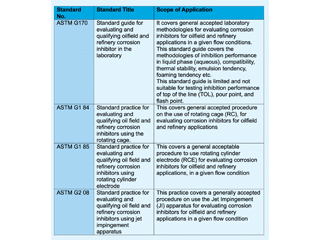
The effects of the dosed OGCI further downstream from the injection location include the likelihood of forming emulsions, the secondary effects of oil on the quality of the produced water, the stability of the formed foams, and general effects on people and the environment in the event that the product is accidentally discharged or spilled. In addition, a range of process stream parameters should be considered as they have effects on the corrosivity of the test system, viz., operating pressure, operating temperature, water cut, flow rate (flow regime), CO2, H2S, dissolved oxygen, organic acids, free sulphur, SRB (bacteria), water chemistry, organic acids, scaling tendency, total dissolved acids, pH, and gas oil ratio (GOR) (59, 60). The four most commonly used laboratory methodologies and standards for evaluating corrosion inhibitors in general for oilfield and refinery applications are presented in Table 1 on the next page.
Secondary Effects Associated with Testing OGCI

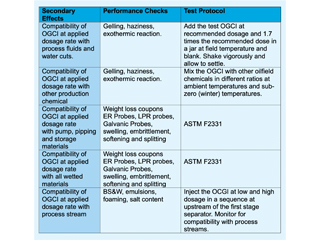
During the field trial of the screened OGCI, the secondary effects are closely monitored by implementing the required procedures, checks and test protocol to ensure OGCI is compatible with system fluids at recommended injection rate (dose rate), water cuts, other production chemicals (emulsifier, oxygen scavengers, flow assurance chemicals, biocides etc.), storage and pump materials, wetted materials within the system, and process stream. The secondary effects, performance check and test protocol carried out are summarised in Table 2 below.
Prospects, and Challenges

Empirical studies have revealed good inhibition efficiency for OGCI developed from nano sized plant extracts and nanomaterials. However, the reported inhibition efficiency from gravity (weight loss) and electrochemical methods would not qualify when subjected to stringent industrial screening tests, viz., kettle (bubble) tests, rotating cylinder electrode (RCE) tests or cylinder electrode rotating cages, jet impingement, high-pressure loop tests, wheel tests, localised corrosion tests, and autoclave tests. To validate the reported performance data, the same product should be tested under industrial conditions. In addition, there is the need for the chemical and physical properties of the developed OGCI to be further investigated under field operating conditions to evaluate their solubility in produced fluid, their emulsion forming tendency, their foaming characteristics, thermal and hydraulic (pressure stability), compatibility, film persistence in in-service conditions, and optimum protection at optimum inhibition efficiency. Also, more studies of OGCI made from nano sized plant material extracts and nanomaterials need to be undertaken to investigate the complex corrosion inhibition mechanism of plants-based extracts on carbon steels and other alloys.

Table 1:Laboratory Methodologies Standards for Evaluating Corrosion Inhibitors.

Table 2: Secondary Effects, Performance Check and Test Protocol.

ICorr Wales and South-West: Technical Event

ICorr Wales and South-West: Technical Event

On 16th May 2024, the Wales and South-West Regional Branch held an event at the Steel and Metals Institute covering the topic “Hydrogen research capabilities – now and into the future.”

Dr Barrie Goode discussed in detail the requirements for progressing in this important area of research. Barrie is the Director of Industrial Research at the Steel and Metals Institute (SaMI), an ‘open access’ innovation centre, based at Swansea University. With a Doctorate in Engineering, BEng Materials Science and Engineering and over 20 years of experience in the steel and metals industry, Barrie has held senior positions in a number of businesses within the technical and operation functions, including electrical steels. He joined SaMI in 2019 and is responsible for developing and managing relationships with industry and setting the direction for the internal operations to meet customer research demands effectively. He also has an MBA from the University of Warwick and is a chartered engineer and Fellow of the IOM3 (Institute of Materials, Minerals & Mining).

Refer to: www.samiswansea.co.uk and recent blogs at: www.samiswansea.co.uk/blog/

He is also a valued member of the Wales and South-West committee, its current student and liaison and CPD officer.

The Steel and Metals Institute collaborates with a wide range of partners to develop both public and privately funded research aligned to industry needs, with a focus on decarbonisation and product development. The development and evolution of hydrogen testing capabilities have been at the forefront of the facility’s growth and will continue to be a key focus to support the requirements of industrial stakeholders moving forward.

This most interesting presentation provided an insight into the hydrogen testing capabilities currently on offer at the Institute and the ongoing research and development programmes being

ICorr Welcomes Corrodere Academy: Pioneering Excellence in Corrosion Control Training

Introduction
The Corrodere Academy stands as a beacon of expertise in the field of corrosion control alongside ICorr, providing unparalleled education and training to professionals worldwide. With a mission to combat the pervasive challenge of corrosion, the Academy equips individuals and organisations with the knowledge and skills necessary to protect assets, ensure safety, and enhance durability across industries.

History and Evolution
Founded in 2000, the Corrodere Academy began with a vision to address the growing need for specialised corrosion control and prevention training. Over the years, it has evolved into a globally recognised Academy, offering a comprehensive suite of courses and certifications tailored to meet the diverse needs of industries such as oil and gas, marine, construction, and manufacturing and renewables.

Course Offerings
The Academy’s portfolio of courses has been designed to cover all aspects of corrosion control, covering inspection, application and specialist knowledge.

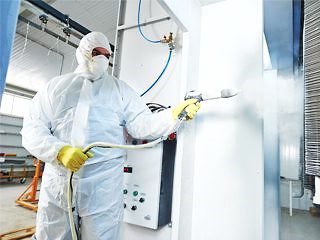
Above: Powder Coatings Course

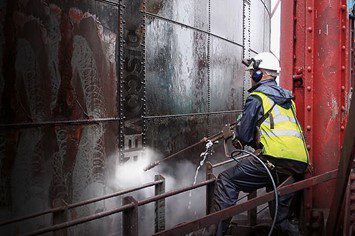
Above: Blast Cleaning Course

Key courses include:

1. Inspection – ICorr endorsed Coating Inspection Level 1, 2 and 3 courses. – Other introductory Coating Inspection courses covering Insulation, Fireproofing, Pipeline, Hot Dip Galvanising, Thermal Metal Spraying, and Marine Coatings.

2. Train the painter – Protective Coating Application, Spray Painting and Abrasive Blast Cleaning modules.

3. Specialist Coating – Corrodere Diploma in Coatings for Corrosion Control alongside Coating Surveys, Corrosion Management and Corrosion Under Insulation courses.

Each course combines theoretical knowledge with practical, hands-on training, ensuring that participants gain a deep and actionable understanding of their chosen subject.

Certification Programmes

The Corrodere Academy offers internationally recognised QCA certification that validates the skills and expertise of industrial coating applicators. Certifications such as are highly regarded in the industry, often serving as a benchmark for excellence.

– QCA – A1 Abrasive Blast Cleaner
– QCA – P1 Protective Coatings Applicator
– QCA – S1 Spray Painter
– QCA – T1 Thin Film Intumescent Applicator

Expert Faculty
The Academy’s strength lies in its team of seasoned experts, who bring a wealth of experience and knowledge to the training material. These industry veterans are not only educators but also active practitioners, providing students with insights drawn from real-world challenges and solutions.

Global Reach
With a network of training centres and partners around the world, the Corrodere Academy extends its reach globally, providing its training material in a number of multiple languages, that makes its portfolio of courses accessible to a diverse audience. This international presence ensures that the Academy stays at the forefront of global trends and developments.

Industry Collaboration
Collaboration with industry leaders and professional bodies such as the Institute of Corrosion is a cornerstone of the Corrodere Academy’s approach. By partnering with key stakeholders, the Academy ensures its training programmes are aligned with industry standards and address current challenges within the Corrosion

Prevention Industry. These collaborations also facilitate development initiatives, driving innovation in corrosion prevention and control.

Success Stories
The impact of the Corrodere Academy is best illustrated through the success stories of its alumni. Students have gone on to make significant contributions in their respective fields, from ensuring safety is at the highest level on site, to progressing their careers and leading large-scale corrosion management projects.

Future Initiatives
Looking ahead, the Corrodere Academy is committed to continuing its tradition of excellence and innovation in Training delivery. Future initiatives include:

• Development: Investing in market research to stay ahead of emerging corrosion challenges and provide training solutions to industry.
• Expansion of Online Training: Enhancing the accessibility and flexibility of its programmes through advanced interactive e-learning platforms.
• Sustainability Focus: Integrating sustainability into its training programmes, emphasising eco-friendly corrosion prevention methods and company operational initiatives.

Conclusion
The Corrodere Academy stands at the forefront of corrosion control education, closely working with international corrosion societies and setting the standard for excellence in the field. By offering cutting-edge training, fostering industry collaboration, and driving innovation, the Academy plays a pivotal role in protecting assets and ensuring safety across industries worldwide.

Photo: ICorr Level 2 Coating Inspector

Contacts
For more information, visit the Corrodere Academy website or contact the team directly to learn how they can help your organisation. www.corrodere.com T: +44 (0) 1252 732 236 E: Lucy Pavia lucy@corrodere.com

ICorr welcomes Automa: Remote Monitoring Solutions as New Gold Sustaining Member

ICorr welcomes Automa: Remote Monitoring Solutions as New Gold Sustaining Member

Founded in 1987, AUTOMA is an Italian company specialised in the production of solutions for the remote monitoring and control in the Oil, Gas, and Water sectors. The company is best known for the design, engineering, and production of advanced solutions that enhance the efficiency and safety of distribution and transportation networks.


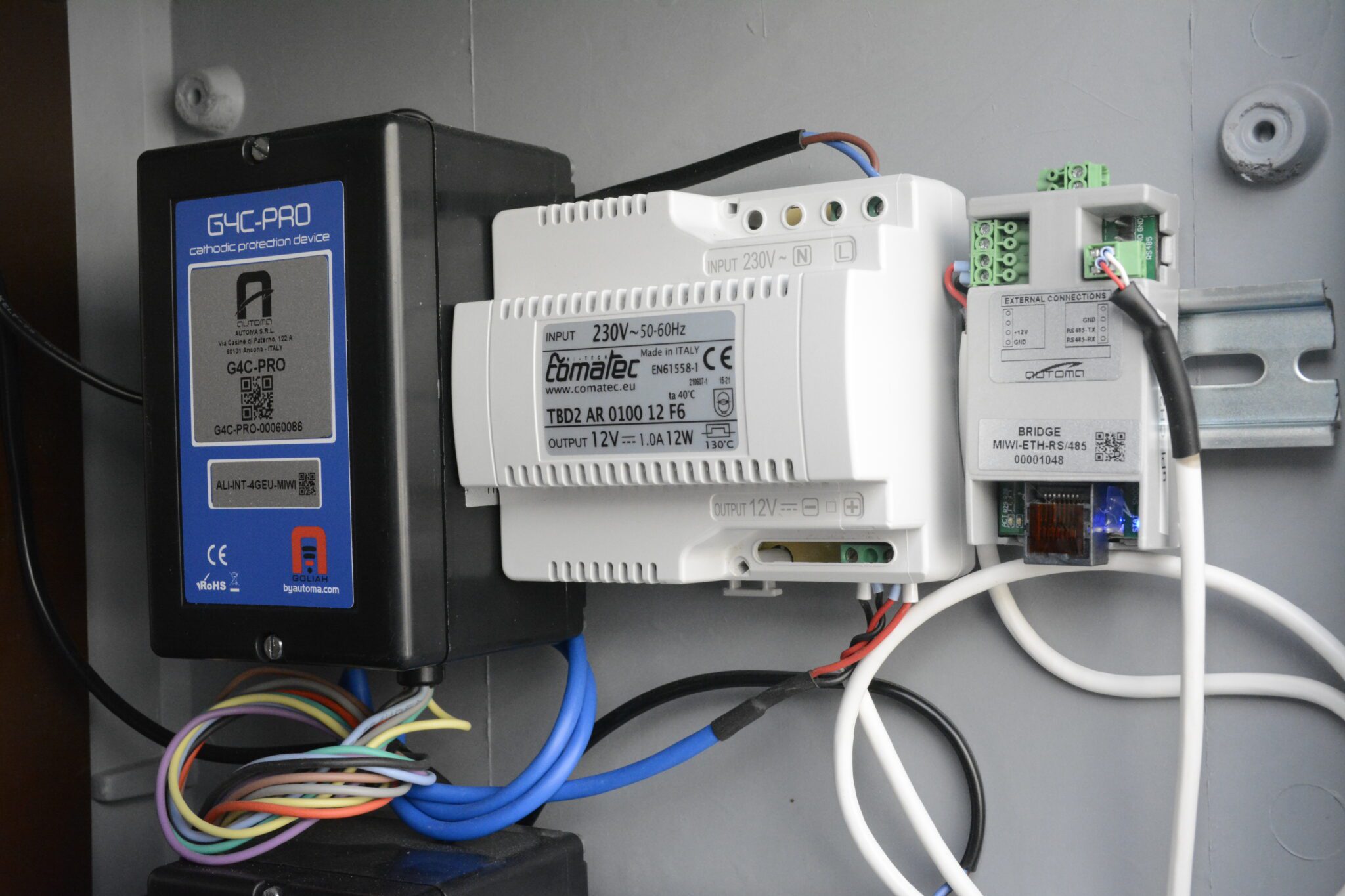
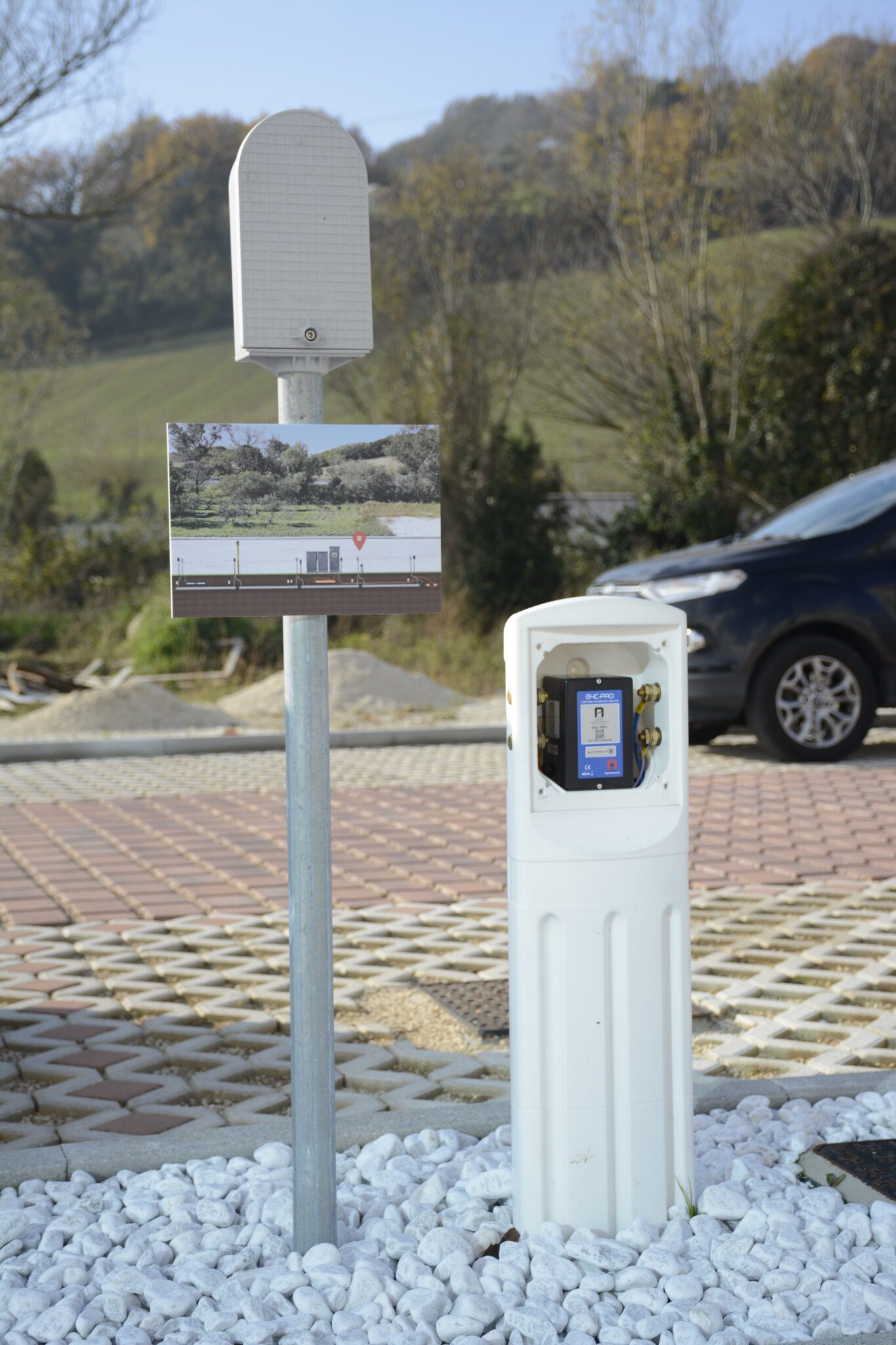
Photo: Automa G4C-Pro CP Monitoring Device

AUTOMA has introduced solutions for the remote monitoring and control of cathodic protection systems of buried metal structures in the water, gas, and oil industries, with over 45,000 units worldwide. Its cathodic protection suite offers reliable solutions for monitoring, logging and functional control of activities thanks to a variety of devices that can be used both for remotely and locally.

AUTOMA has also developed a proprietary SCADA system specifically designed for the cathodic protection field, that allows users to carry out analysis of historical data and graphs, to configure all the devices, to download reports and to receive real-time alarms.


Photo: Automa Intermediate CP Monitoring Station

The complete solution, known as GOLIAH®, offers all the necessary tools for a correct and timely monitoring in accordance with the current industry standards. This guarantees network operators a real and complete ownership of all the data and enabling a real-time and accurate control of the cathodic protection system. www.goliah.info/en/

AUTOMA’s key focus is on the quality and reliability of its products, guaranteed by international certifications and a constant commitment to innovation. Each solution is custom-designed to meet customer needs, supported by a dedicated research and development team.

Contact information
AUTOMA s.r.l.
Ancona (An) – Italy
Tel.: +39.071.8028042
e-mail: sales@byautoma.com
www.byautoma.com


GPT Industries Launched Next Generation Remote Asset Integrity Monitoring System

GPT Industries Launched Next Generation Remote Asset Integrity Monitoring System

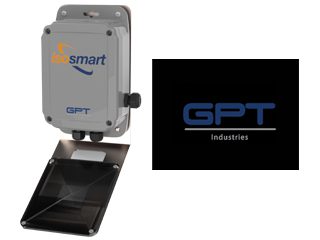
GPT Industries (Wheat Ridge, CO), a provider of Cathodic Protection solutions for over 35 years, has announced the launch of its remote pipeline monitoring system, Iso-Smart™. With nearly four decades focused on corrosion prevention, GPT is leveraging extensive industry expertise to set a new standard for a versatile, user-friendly remote asset integrity monitoring.

Iso-Smart is an all-in-one solution developed based on customer feedback for checking Cathodic Protection (on and instant off potentials), Isolation, Bond currents, AC vs. DC on the line, and more from remote locations. It incorporates True RMS technology to provide reliable data, helping pipeline owners make informed decisions and comply with DOT pipeline integrity regulations.

The Iso-Smart solution seeks to combine corrosion expertise with the latest remote monitoring technology.

Key features of Iso-Smart enabling this remote monitoring capability include:

  • An intuitive dashboard
  • Cellular LTE connectivity
  • Rechargeable battery for 
 multi-year operation
  • Rugged, compact design

Iso-Smart was recently showcased at the 2024 Association for Materials Protection and Performance (AMPP) Conference. Interested parties can request a demonstration or find more information by visiting www.gptindustries.com/products/iso-smart

ICorr and University of Science and Technology Beijing (USTB) Collaboration Meeting in London

ICorr and University of Science and Technology Beijing (USTB) Collaboration Meeting in London

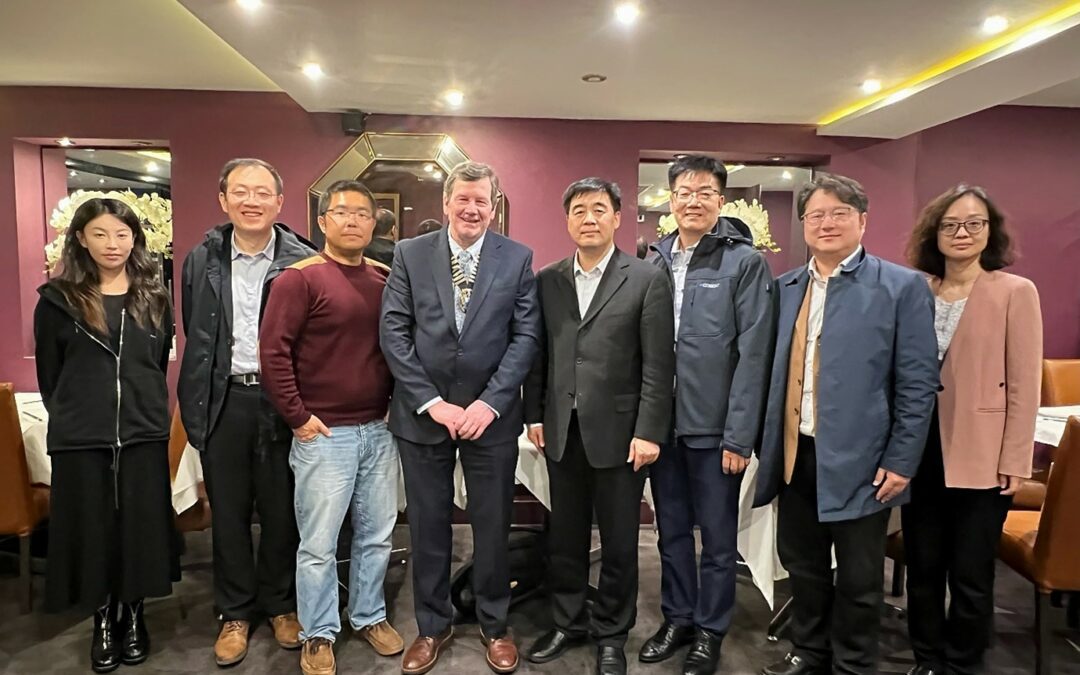
On Sunday 28th April 2024, the President (Stephen Tate) and Vice President (Yunnan Gao) had the greatest pleasure in meeting up with the delegation from University of Science and Technology Beijing, USTB, https://en.ustb.edu.cn/  the foremost University in China for Corrosion education. The London delegation was led by the Vice Chancellor and President of the University and formed of six people.

We have discussed a number of possible collaborative matters between ICorr and USTB going forwards.

In the September/October issue of Corrosion Management, Professor ZHANG Dawei, Director of Office of International Affairs, USTB, China will contribute a paper on the Application of Artificial intelligence and Machine learning in Corrosion management based on his recent research.

Also in October 2024, at the kind invitation of Chinese Society for Corrosion and Protection (CSCP) described below, Stephen and Yunnan will attend the 22nd International Corrosion Congress to be held on 22 – 26 October 2024 in Xi’an, China https://icc-corrosion.org/

The International Corrosion Council (ICC) on which ICorr is represented, was founded in 1961 to advance corrosion science and engineering represents 68 countries of the world including the UK and every three years organises the International Corrosion Congress.

Chinese Society for Corrosion and Protection (CSCP)

As an integral part of China Association for Science and Technology, the Chinese Society for Corrosion and Protection (CSCP) is registered in Ministry of Civil Affairs and is an academic organisation with independent legal entity in China. Founded in November 1979, CSCP currently has 7,979 individual members and 287 group members.

The 11th Council of CSCP comprises, Academician Baorong Hou, Academician Tongyi Zhang, Academician Shengkai Gong, Professor Guangzhang Chen, Professor Yu Zuo, Professor Lijie Qiao and Professor Fuhui Wang, who serve as the Honorary Presidents. Professor Xiaogang Li is the President, Professor Cuiwei Du et al are the Deputy President, Professor Xuequn Cheng is the Secretary-General.

CSCP consists of 7 working committees, 24 specialized committees and one standardization committee, and has 15 branches in Beijing, Shanghai, Liaoning and other provinces and cities in China.

The society is committed to building an academic exchange platform. The National Corrosion Congress, the Marine Corrosion Conference and the Electrochemical Corrosion Conference have become the brand conferences of CSCP. Each professional committee organises different forms of academic events every year. CSCP has also established several academic journals such as Journal of Chinese Society for Corrosion and Protection and Materials Protection.

CSCP carries out various kinds of popular science activities and publishes the popular science journal Corrosion and Protection Fan. It also issues scientific and technological awards to outstanding experts in the field of corrosion and protection at the National Corrosion Congress. Furthermore, it organises technical training and certification for corrosion engineers and enterprises, evaluation meetings for scientific and technological achievements, and provides consulting and other technical services for its members.

As an academic body, CSCP attaches great importance to the training of young corrosion scientists and engineers by organising Youth Corrosion Seminars and establishing Distinguished Academic Achievement Award for Young Talents.

The international organisations with which CSCP is affiliated include International Corrosion Council (ICC), Asia Pacific Materials and Corrosion Association (APMCA) and World Corrosion Organisation (WCO). CSCP has also formed long-term partnerships with AMPP International and European Federation of Corrosion (EFC) and will shortly complete the signing of an MoU with our own Institute (ICorr).

Agreements in Principle Made by Both Parties:

  • To collaborate in the areas of training, joint webinars, conferences, ICorr membership and UK professional registration, including Chartered Engineer (CEng) and Chartered Scientist (CSci).
  • To start the work to compose a formal MoU to document the agreements (to be formally signed at International Corrosion Congress).
  • To hold the very first Webinar event later in 2024.
  • To hold the regular joint Co-operation Meetings.
  • To have alternating awards to outstanding ICorr and CSCP Members.


Photo: ICorr and University of Science and Technology Beijing (USTB) Collaboration Meeting in London on 28/04/2024

From Left to Right

  1. QIN Yuqing, Program Coordinator of Office of International Affairs, USTB, China
  2. Prof ZHANG Dawei, Director of Office of International Affairs, USTB, China
  3. Yunnan Gao, Vice President of ICorr, UK
  4. Stephen Tate, President of ICorr, UK
  5. Prof ZHANG Weidong, Vice President, USTB, China
  6. Prof ZHENG Wenyue, School of Materials Science and Engineering, USTB, China
  7. Prof XING Yi, Dean of School of Energy and Environmental Engineering, USTB, China
  8. ZHAO Meng, Director Office of Co-operation and Development, USTB, China.


Do please regularly check the ICorr Events Calendar for further details of upcoming activities www.icorr.org/events/