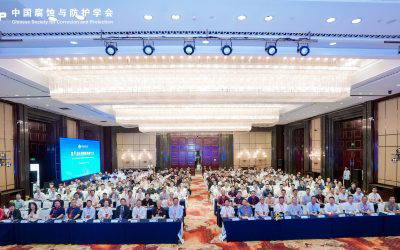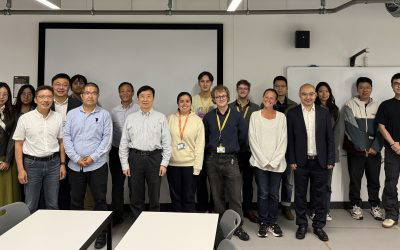

On Monday, 2nd March 2026, ICorr participated in the Parliamentary and Scientific Committee (P and SC) meeting at the House of Parliament titled “How microbes are a crucially overlooked part of environmental and biodiversity legislation”. The session brought together leading scientists, engineers, academic institutions, and policymakers to examine the increasingly recognised influence of microbial systems across industrial sectors.
Microbial communities underpin a wide range of natural and engineered processes. Their adaptability enables them to thrive in environments spanning the energy sector, agriculture, water treatment and infrastructure, marine and freshwater systems, and the pulp and paper industry, among others. Within the oil and gas sector, specific microbial groups are strongly associated with microbiologically influenced corrosion (MIC) and reservoir souring—both of which carry significant environmental, operational and financial implications. Conversely, beneficial microbial populations offer opportunities for bioremediation, selective anti-souring strategies and potentially microbially enhanced oil recovery (MEOR), supporting improved resource efficiency and environmental performance.
This duality formed a central theme of the meeting: microbial ecosystems must be better understood, monitored and integrated into future environmental and biodiversity legislation. Effective policy must recognise both the detrimental impacts of harmful microbial activity and the potential advantages of harnessing beneficial microbial processes.
Discussions throughout the event emphasised the need for more environmentally responsible industrial practices, including the adoption of less persistent, more targeted interventions. Working with microbial diversity— rather than inadvertently disrupting it—was highlighted as essential for long-term operational resilience and the development of modern, science based regulatory frameworks.
ICorr remains committed to supporting evidence driven policy development and advancing sustainable, technically robust practices across the corrosion and materials sectors. As microbial science continues to evolve, ICorr will continue to provide expertise to ensure that legislation reflects current understanding and supports innovation in corrosion management.