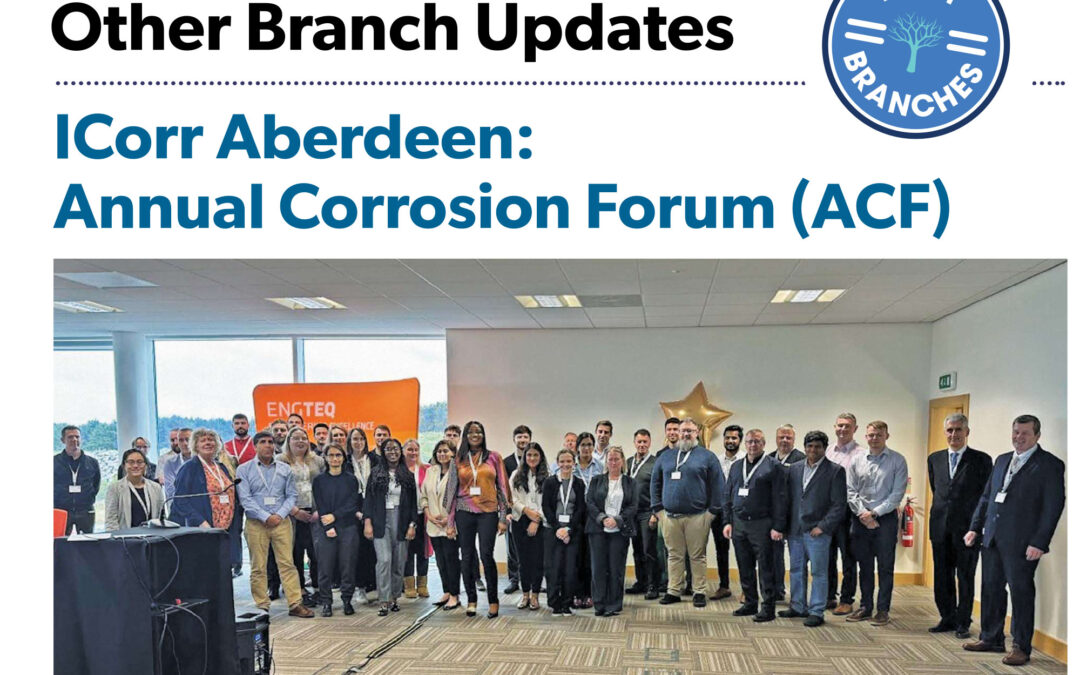
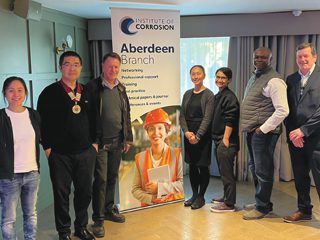
On 26th August 2025 the Aberdeen Branch again successfully held its annual corrosion awareness event at the Palm Court Hotel with key sponsor Automa.
The Aberdeen branch has been active for more than 40yrs now and has been providing awareness training since before 2010 through generous industry support and a dedicated committee.
This year’s Forum was kindly sponsored by Automa of Italy, specialists in automated monitoring and themed on Cathodic Protection (CP).
Automa provided the Venue and all Catering for the day.
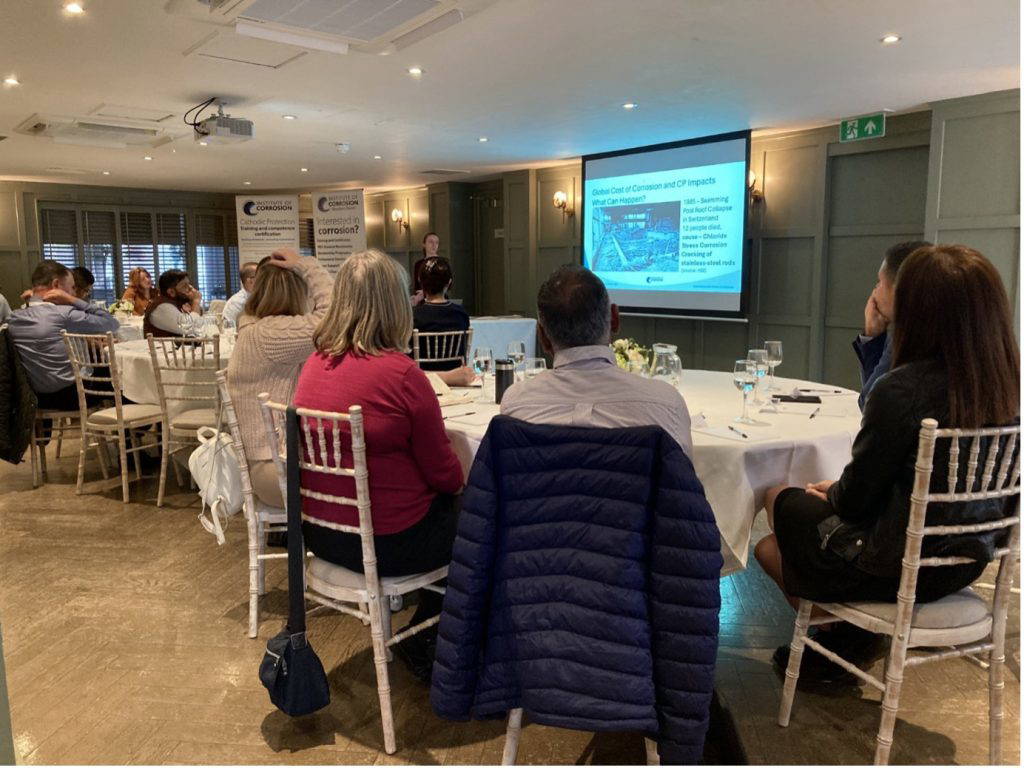
Introductory talks on the principles and costs of corrosion were followed by a series of talks explaining Cathodic protection principles, methods and anode manufacture. Thereafter some excellent case studies presented some recent Cathodic protection applications in order to raise awareness of some of the practical considerations such as electrical isolation from plant, electrical interference and fault-finding methods for CP system commissioning.
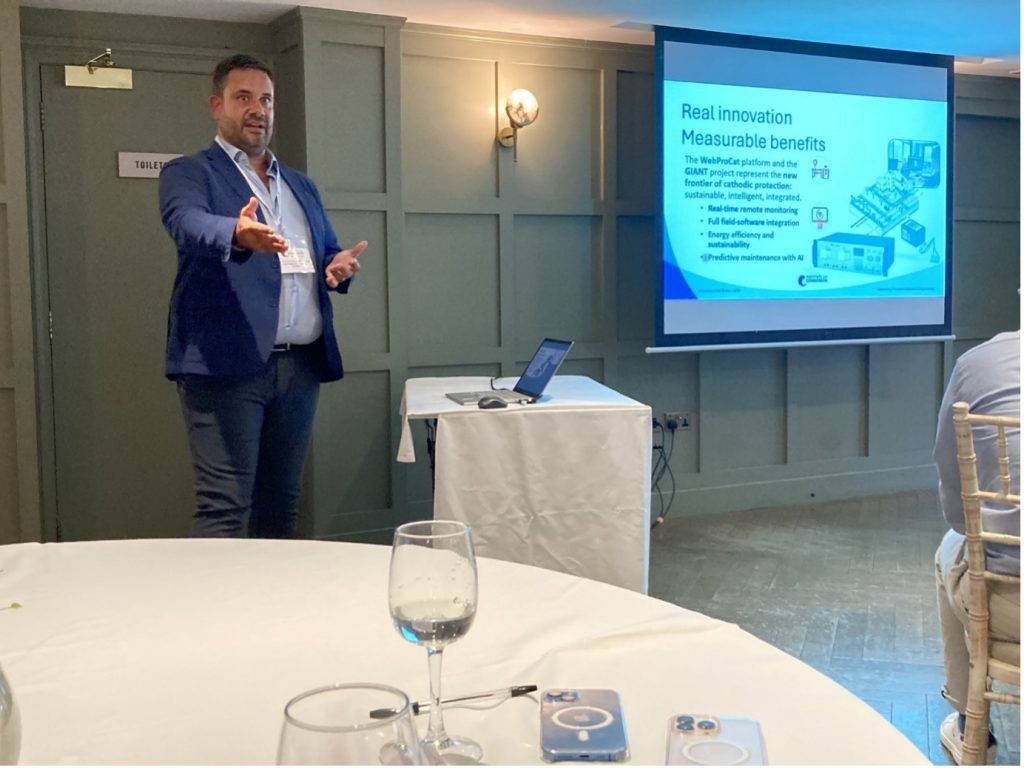
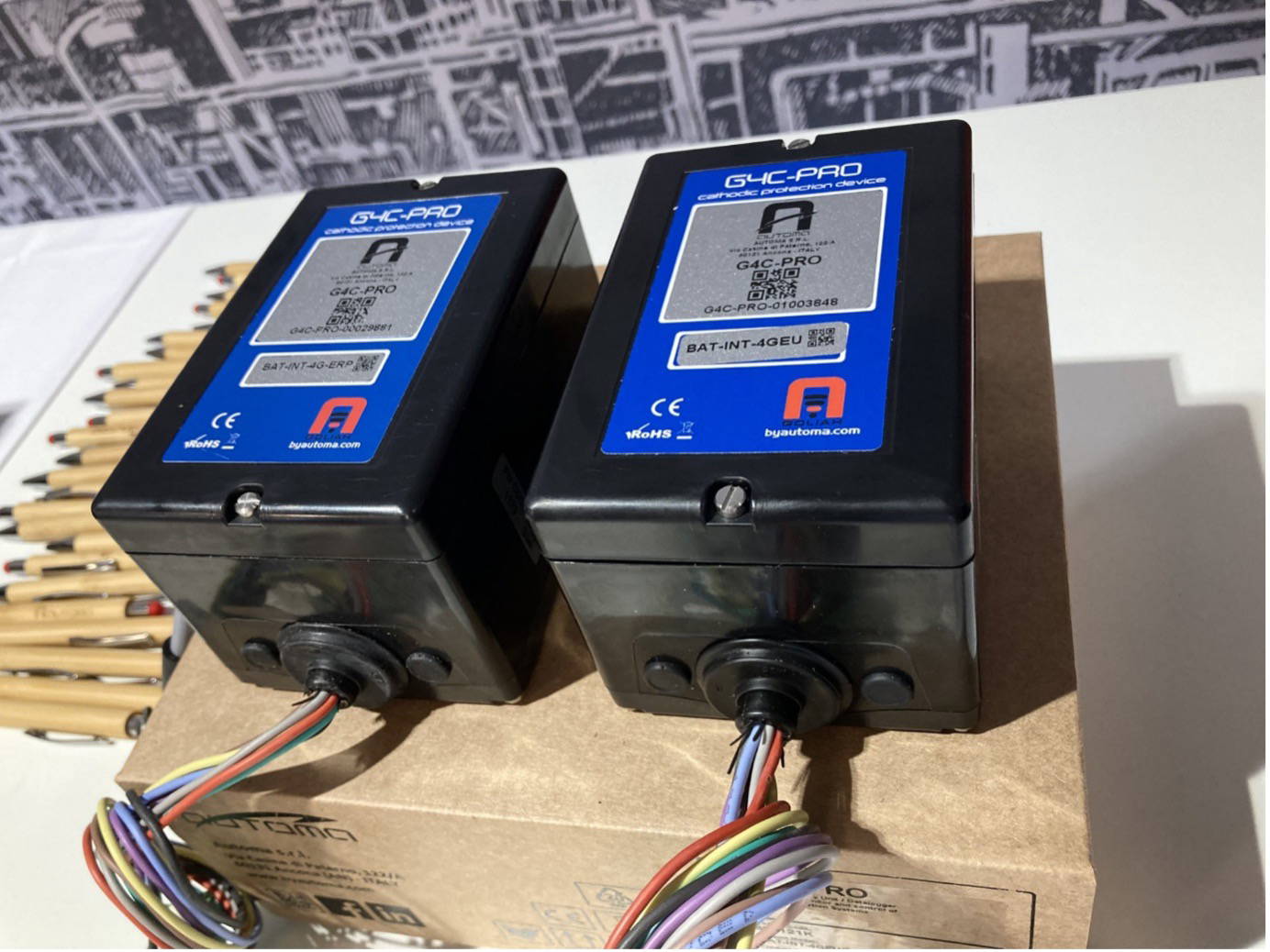
The afternoon sessions continued with several presentations by the sponsor Automa on advanced CP system monitoring and AI assisted data management and analysis. Automa then provided some excellent demonstrations of their devices and their software both widely used within Europe.
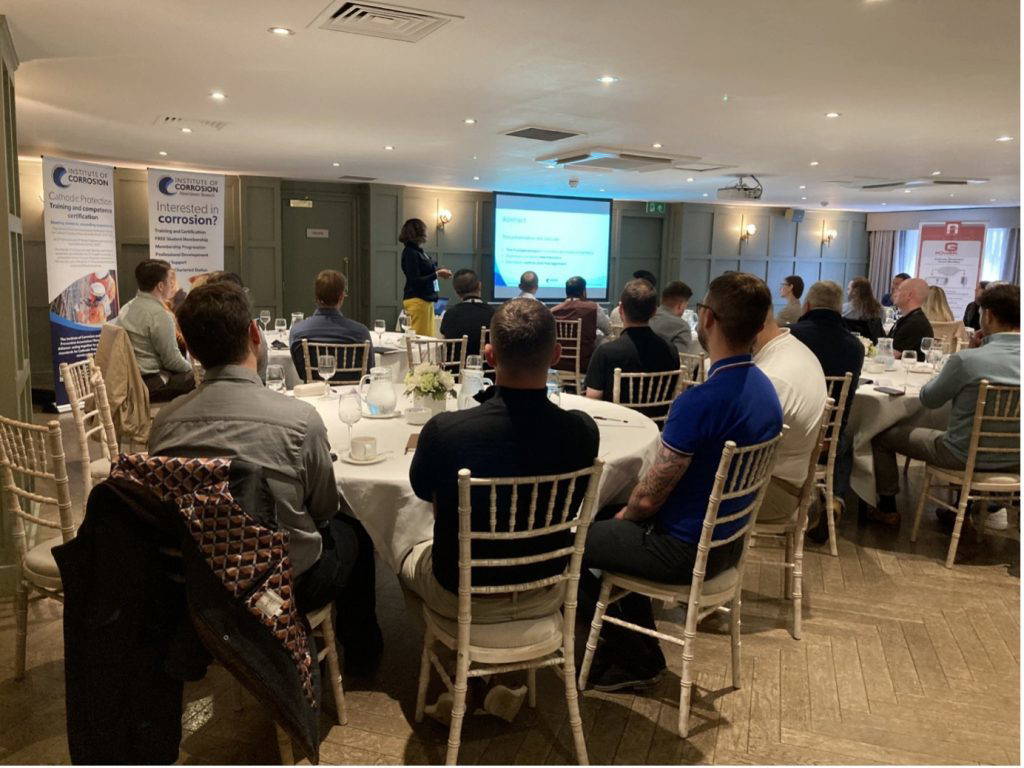
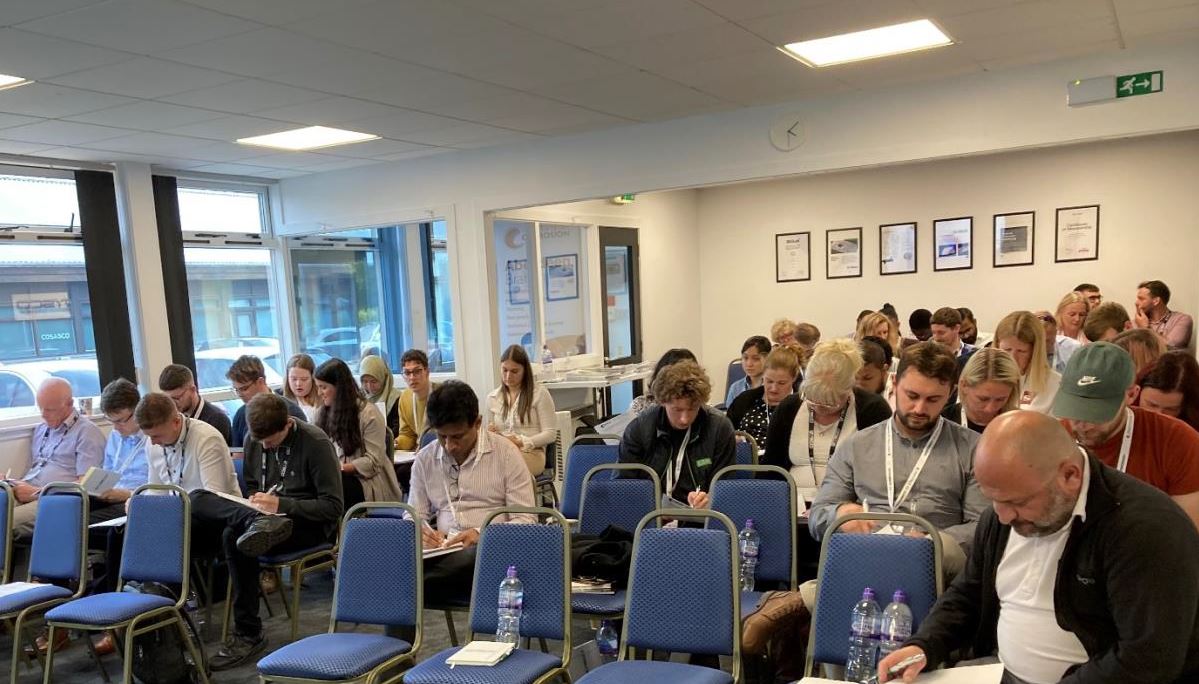
This popular Annual event attracted 43 registrants including many from its 16 local sponsor companies and also from our ICorr national sustaining companies.
Proceedings will be posted to the Aberdeen branch web page in due course at https://www.icorr.org/aberdeen/ ‘Local Technical Programme’
The Aberdeen ICorr Committee expresses its immense gratitude to all Attendees, Speakers, Sponsors and particularly to its Event Chairs – Eilidh MacDonald/Stephanie Okoye and to Fatemeh Faraji, the ABZ Events Coordinator.
On September 30th, 2025, the branch will host its first Event of the 2025-26 Technical Programme. This will be a Joint Event with the TWI North Scottish Branch and entitled ‘From Snapshots to Continuous Insight: Driving Maintenance Efficiency and Safety with Automated UT Monitoring by William Vickers of Ionix Advanced Technologies / Leeds, U.K.
Attendees will gain practical insight into how automated, non-invasive UT monitoring is being applied in the field today to enhance safety, optimise inspection programmes, and improve long-term asset performance.
Aberdeen welcomes your attendance at future events of the branch. Please contact icorrabz@gmail.com if you have any queries at all, or if you wish to join its committee.
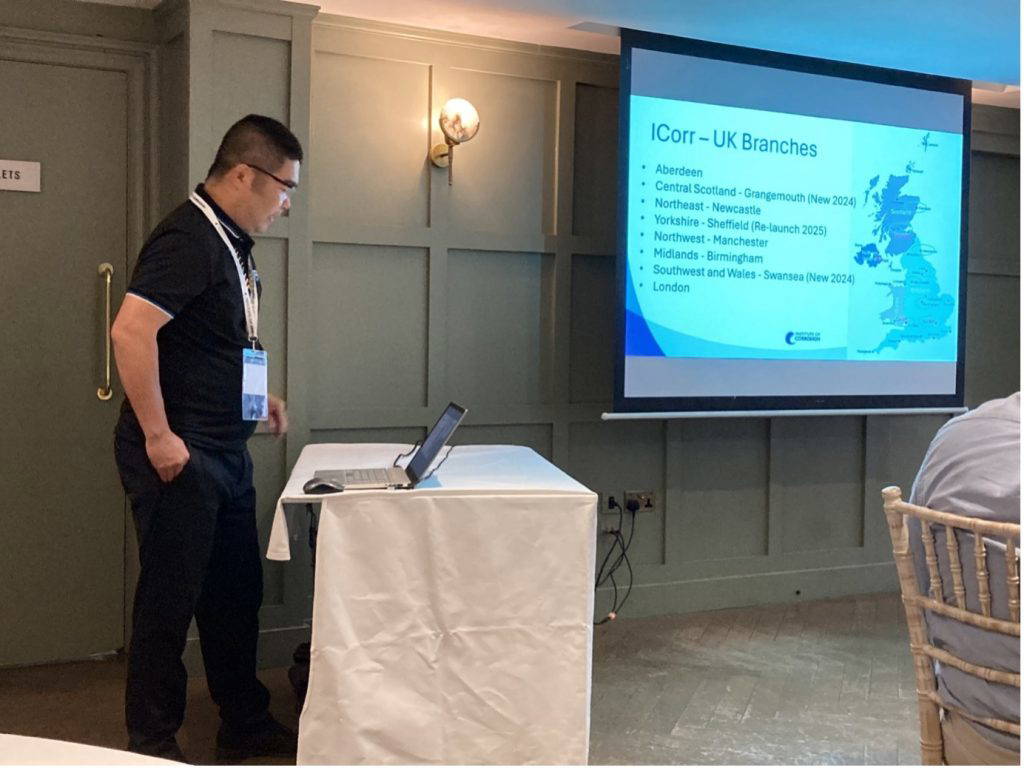
Aberdeen ACF 2025 – President Dr Yunnan Gao giving Event Introductions
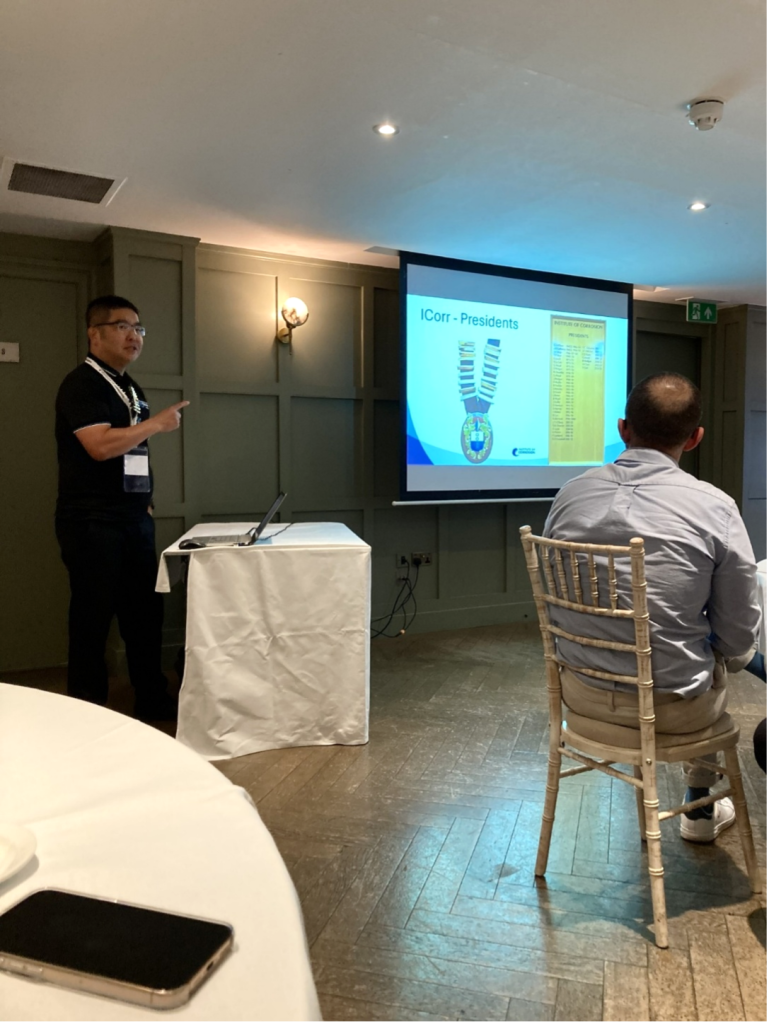
Aberdeen ACF 2025 – President Dr Yunnan Gao giving Event Introductions
Aberdeen ACF 2025 – Guest Speaker Ivano Magnifico of Automa presenting on Advanced Automated Monitoring
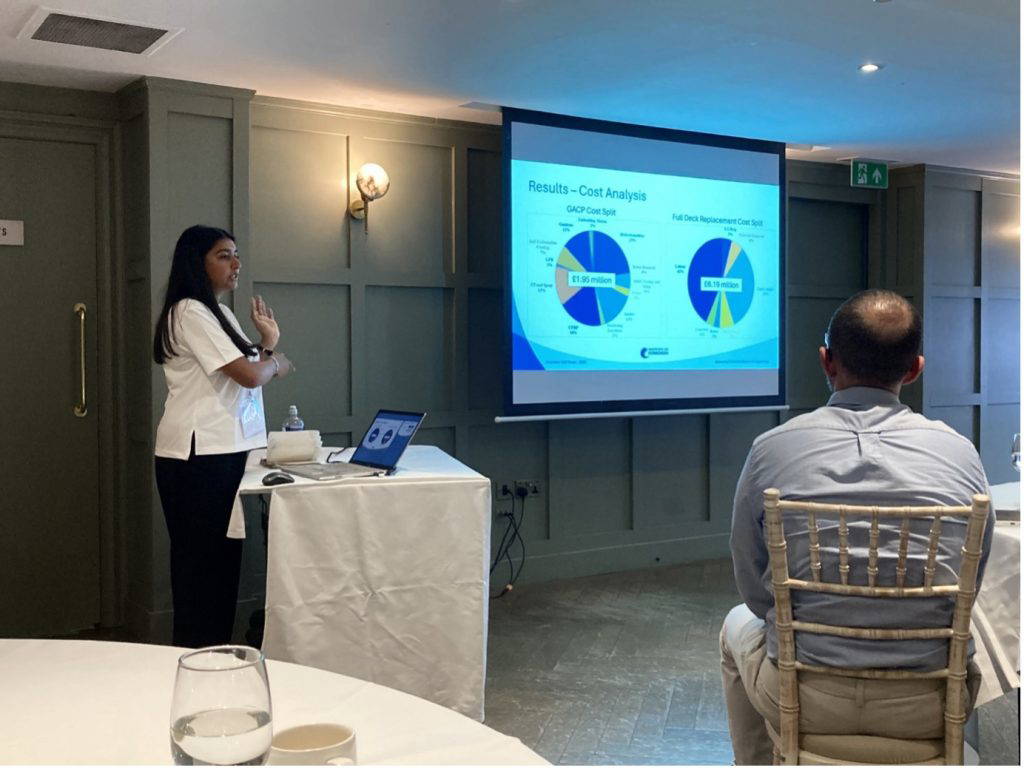
Aberdeen ACF 2025 – Guest Speaker Zaynah Khalil of Balfour Beatty presenting on the Edinburgh North Bridge CP project
On Tuesday 22nd August 2023 the Aberdeen Branch held its annual fund-raising Corrosion awareness Day (CAD) and welcomed eight corrosion industry speakers along with multiple equipment demonstrations from Rysco, who were ICorr’s host for this one special event. CAD is designed to assist the development of those unfamiliar with Corrosion & it’s prevention and provides and understanding of the corrosion processes and causes which are specific to a range of common industries.
Delegates learnt the basics of the role of the corrosion engineer; including materials selections, corrosion mitigations; failure investigation; testing and design issues.
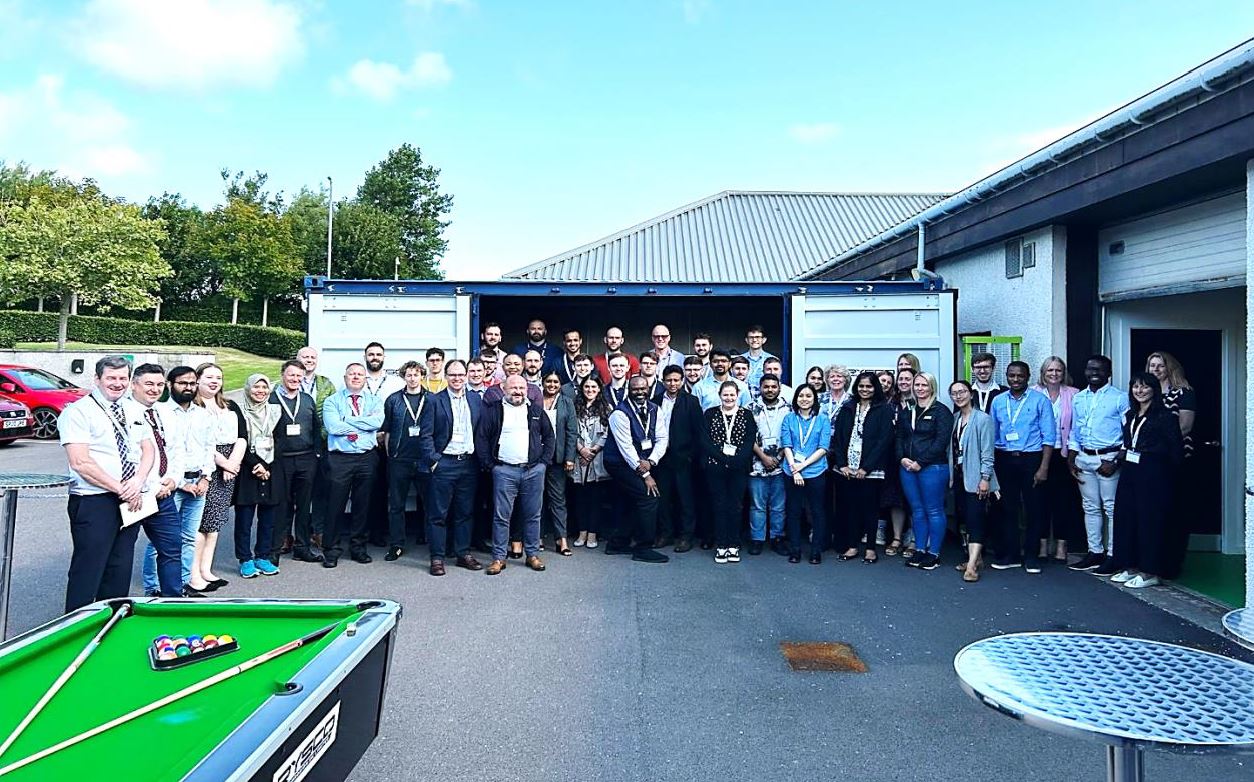
Delegates – Group Photo
The Welcome was provided by the Aberdeen Branch Chair, Siji Anjorin supported by Dean Smith, Bridge of Don Operations Manager for Rysco U.K for the Safety Moment.
Rysco are headquartered in Calgary and are a global provider of Corrosion Management Solutions. They are both an ICorr Gold Sustaining Member and Aberdeen Local Branch Sponsor.
Compiled: Nigel Owen and Stephen Tate
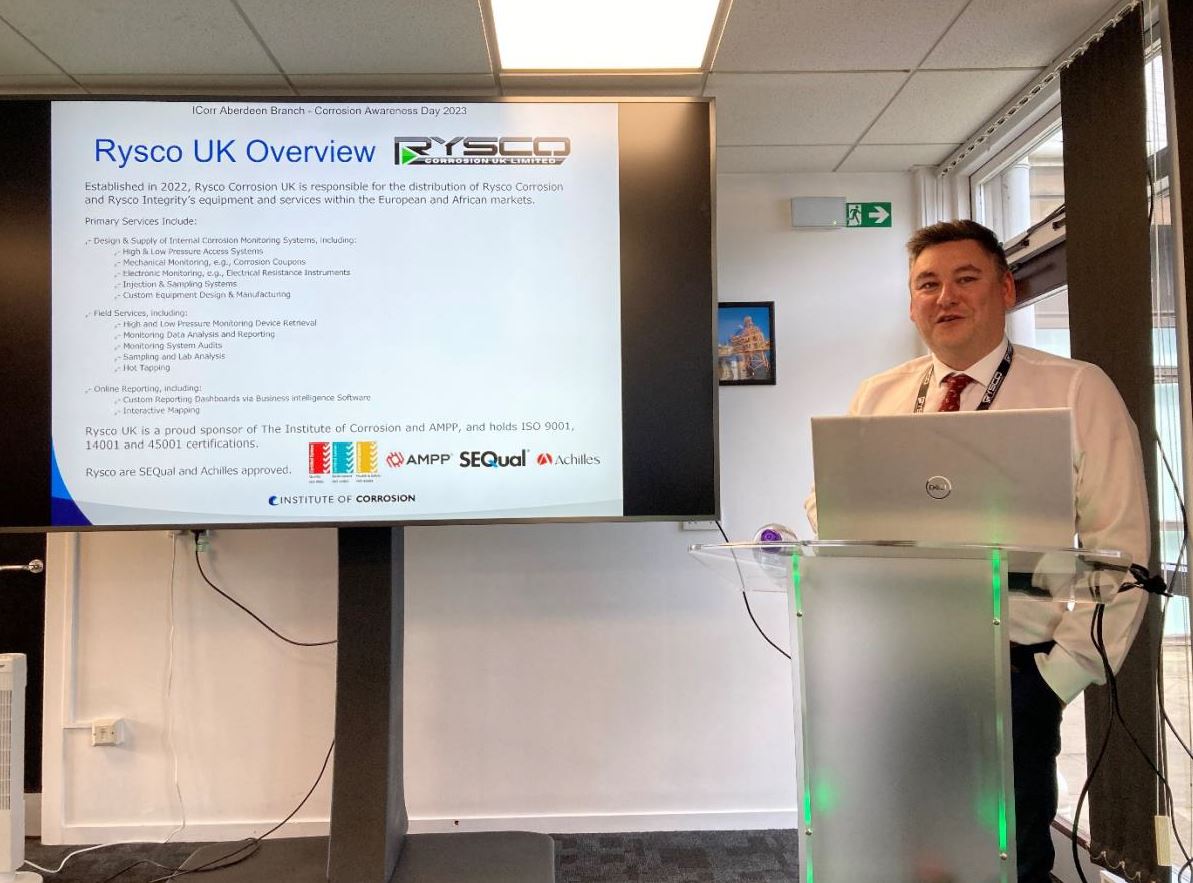
Dean Smith, Operations Manager for Rysco U.K
A comprehensive series of Talks and Demonstrations followed the Introductions, designed to cover all they key Corrosion Topics.
1. Principles and Costs of Corrosion
Steve Paterson, Ph.D, C.Eng, Arbeadie Consultants provided the opening presentation running through the fundamentals of corrosion and electrochemistry with emphasis on what drives corrosion and the corrosion process of metals. He then outlined the different types of corrosion and common corrosion mechanisms and how these related to the Oil & Gas industry. Internal Corrosion mechanisms discussed were: Acid gas corrosion (CO2/H2S) consisting: CO2 (sweet) corrosion, Preferential weld corrosion, H2S (sour corrosion, Mixed sweet & sour corrosion), Sulphide stress cracking (SSC), Hydrogen induced corrosion (HIC), Hydrogen embrittlement, Chloride pitting/crevice corrosion, Oxygen corrosion, Microbial induced corrosion (MIC) and Sand erosion.
Several methods of corrosion control and management were outlined including:
• Materials selection: The most effective solution that can remove the corrosion threat completely (e.g. CRA/Non-metallic material).
• Water removal by dehydration.
• Chemical treatments (e.g. corrosion inhibitor, biocide or oxygen scavenger) a common mitigation method for internal protection of carbon steels.
• Use of Coatings and linings.
• Anodic/Cathodic protection used to limit and control Corrosion in both internal and external situations.
• Control of process parameters/environment, e.g. by limiting temperature and chloride content can reduce the risk of SCC.
Steve then highlighted the costs and significance of corrosion and demonstrated how implementing corrosion prevention best practices could result in savings of between 15% and 35% with the NACE 2016 study quoting savings of 3.4% of global GDP (Gross Domestic Product), giving immense motivation for corrosion engineers to contribute in achieving such savings and associated improvements in integrity of infrastructure and protection of the environment
2. Materials Selection
Rob Howard, PhD, of Lloyd’s Register discussed materials selection critical to the Oil & Gas processing industry making reference to a process diagram from well to final product, he looked at the common types of corrosion witnessed in the process equipment: A selection of materials for corrosion resistance was reviewed showing how we can move from Martensitic and Austenitic Stainless steels up to Duplex and onto Ni and Titanium alloys to get sufficient resilience, albeit with some heavy cost implications.
Rob Howard graduated with a in Materials Engineering from the University of Cape Town in 1995. and worked as a post-doctoral researcher at the Corrosion and Protection Centre, University of Manchester. He joined Lloyd’s Register in 1998 and at present he is the team leader for the Offshore Materials team in LR, whose main function is to provide technical support to surveyors and clients and to review design specifications for oil and gas and offshore wind projects.
He explained how the choice of equipment materials is influenced by parameters such as corrosivity, flowrates and chloride and hydrogen sulphide levels. However, equally important are the heat treatment condition and mechanical properties required, the corrosion resistance and issues such as weldability and ongoing costs for inspection maintenance and repair of materials selected. Rob referenced a number of international sources which are particularly useful for materials selection and stressed the need to examine Manufacturer capability and quality control of the product:
• Norsok M-001 (edition 5, Sept 2014)
• ISO 21457
• ISO 15156 (NACE MR-0175)
3. Oilfield Microbiology Analysis and Data Trending
Carol Devine, PhD, BSc (Hons) of NICMB has over twenty-five years’ experience in oilfield microbiology. She has a particular interest in microbiologically influenced corrosion (MIC), sulphate-reducing bacteria (SRB), seawater injection systems and molecular microbial ecology in general. NCIMB preserve, store and supply a collection of cultures to industry and universities with the largest collection of industrial, marine and food bacteria in the UK and have approx. 10,000 strains; 300 genera; 2000 species – and still growing.
Oilfield equipment is commonly damaged by the presence and activity of micro-organisms in systems for Production, Seawater Cooling, Water Injection, Cooling/Heating and in handling of Produced Water, Firewater, reinjection (PWRI), Diesel Storage & Ballast Water. The Organisms are either Planktonic from bulk water phases or Sessile biofilms on surfaces.
Carol explained the role of the oilfield microbiologist in generating useful and appropriate data in order to:
• Predict which particular systems, vessels, pipelines, locations are under threat from microbiologically influenced corrosion (MIC)
• Prioritise areas for treatment according to budget and time available
• Apply and monitor appropriate strategies to mitigate against the effects of MIC or biofouling
Techniques for analysis where explained: Triplicate MPN’s, qPCR and Metagenomic Analysis (NGS) to assess the threat of MIC and to quantify, identify and assess the activity which needs to be monitored on a continuous basis to see trends from production changes and implement actions to control and prevent system infestation which affects flow and efficiency in the process.
4. Corrosion Mitigation by Cathodic Protection
Dr. Nigel Owen, B.Sc., D.I.C, Ph.D., MIMMM, MICorr, Aberdeen Foundries has worked in the Aluminium Industry for over 35 years on alloy development and manufacturing processes, spending his later years at Aberdeen Foundries as Sales, Technical and Plant Manager, manufacturing Sacrificial Anodes He now oversees manufacturing, testing and design of all subsea and marine sacrificial anode systems.
Nigel explained how the Galvanic table shows naturally what materials are suitable as bases for sacrificial anodes. Aluminium, Zinc and Magnesium being the primary common bases for development of the alloys. With a sufficiently electronegative potential the base material can be alloyed with other elements to make it more electronegative and efficient as an anode. Aluminium has a high current output per Kg consumed and therefore has become the material of choice for anodes, particularly on large structures.
His presentation covered:
• Alloys for Sacrificial Anodes
• Design of a CP system to protect a structure
• Applications of Anodes
• The selection of the CP system:
• The pro’s and con’s of Sacrificial and Impressed systems and their applications.
The process of designing of a sacrificial anode system was explained from assessment of (cathode) material areas and the effect of coating to the calculation of anode mass and current output for a structure in an immersed environment.
Comparison was made between Sacrificial and impressed current systems in terms of their benefits or advantages in given current demand situations and maintenance requirements. Performance being determined by the conductivity (salinity) and the temperature (water depth/ geographic region) of deployment.
5. Corrosion Mitigation by Coatings
Colin Thomson HND, FM Lead at Bilfinger Salamis, has over 20years experience working in oil and gas fabric maintenance after serving in the Merchant Navy. He has supported various clients FM requirements including, BP, and Conoco Phillips, ExxonMobil and Petrofac. He skilfully explained how Fabric Maintenance prevents corrosion, degradation and wear which could otherwise lead to safety and or operational issues. Coatings acts as a barrier to the environment therefore all locations where coatings are damaged must be maintained to prevent metal loss. Colin also brought everyone up to date with modern FM strategies and also instantaneous barrier methods such as anti-corrosion tapes (ACTs) and Corrosion Inhibiting Waxes.
Various key properties of coatings were highlighted including:
• Anti-Fouling
• Environmental Protection
• Fire Protection
• Process Flow aids.
• Safety
• Thermal protection / insulation
The complete range of surface preparation techniques were evaluated along with all factors affecting coating ‘Life Expectancy’ for example:
• Anchor Pattern (too rough or too smooth)
• Chemical Salts
• Condensation
• Existing Coatings
• Fabrication Defects (weld spatter, sharp edges)
• Mill Scale
• Oil, grease and soil
• Surface Corrosion
6. Corrosion and Chemicals Management
Jennifer Watson HNC, Senior Account Manager/Production Chemist at Champion X is currently based within the BP office supporting Glen Lyon FPSO and has over 20 years experience in Oil & Gas operations offshore and onshore. She enthusiastically described all the key chemical mitigations deployed within the energy sector including:
• Biocides for preventing MIC
• Corrosion inhibitors for internal corrosion
• Drag reduction
• Oxygen and H2S scavengers pH stabilization
Jen also discussed all commonly used monitoring processes and analysis methods for rates, chemical residuals and other dosing checks. Most importantly she emphasised the need for having appropriate Chemical & Corrosion Control Matrices (CCCM) in place. These are the basis for understanding individual threats and how they should be mitigated by applied chemical application or other barriers.
A magnificent Lunch followed with an opportunity for all to network.
One of many Networking Opportunities.
7. Integrity Management and Risk Based Inspection.
Simon Hurst, BSc, MSc has been with CAN since 2008 and is currently the Engineering Director where he is responsible for the ENGTEQ business stream and is the nominated Technical Manager under their UKAS Accreditation for Integrity Management and Pressure Systems Inspection. He commenced his talk by defining Integrity Management – BS ISO 55000:2014 states that it enables an organization to achieve its objectives through the effective and efficient management of its assets. The application of an asset management system provides assurance that those objectives can be achieved consistently and sustainably over time.
Simon went on to define some of the key components of Asset Integrity Management including the following:
• Ageing and Life Extension
• Anomaly Management
• Corrosion Control Matrices
• Failure Investigations
• Integrity Operating Windows
• Risk Based Assessments leading to Risk Based Inspection
He then defined with good detail the nature of risk and the various different methodologies for Risk Based Assessment. In relation to CRA’s Simon usefully highlighted that:
• Although the use of corrosion resistant alloys generally leads to an increase in the time between inspections, the subsequent inspection of those CRAs is normally significantly more problematic than say on Carbon Steel.
• The use of CRAs (v CS) doesn’t normally lead to a significant increase in the periodicity for the first in-service inspection as this is more about identifying fabrication type defects than in-service damage.
In closing he reminded Delegates that it is best practice to create a “Written Scheme of Examination” (WSE) that details the applicable degradation mechanisms, and the precise location and inspection technique that will be used in order to try and either find the mechanism or confirm its absence.
8. Corrosion and Erosion Monitoring
Dean Smith is an experienced Operations Manager in the Corrosion Monitoring industry, having started his career as a Retrievals Technician in 2007 and worked his way up to field services management and eventually operations management. He emphasised that erosion and corrosion pose significant challenges to oil and gas production, impacting safety, efficiency, and profitability and effective monitoring techniques, combined with ongoing innovation and investment, are essential to mitigate these challenges and ensure the sustainability of the industry.
Prior to the practical demonstrations, Dean gave a run-through of the key services of Rysco UK which cover the following:
Design & Supply of Internal Corrosion Monitoring Systems including: High & Low Pressure Access Systems:
Field Services including: High and Low Pressure Monitoring Device Retrieval.
• Hot Tapping
• Monitoring Data Analysis and Reporting
• Monitoring System Audits
• Sampling and Lab Analysis
Online Reporting including: Custom Reporting Dashboards via Business intelligence Software and Interactive Mapping
Sponsor’s Process Equipment Demonstrations
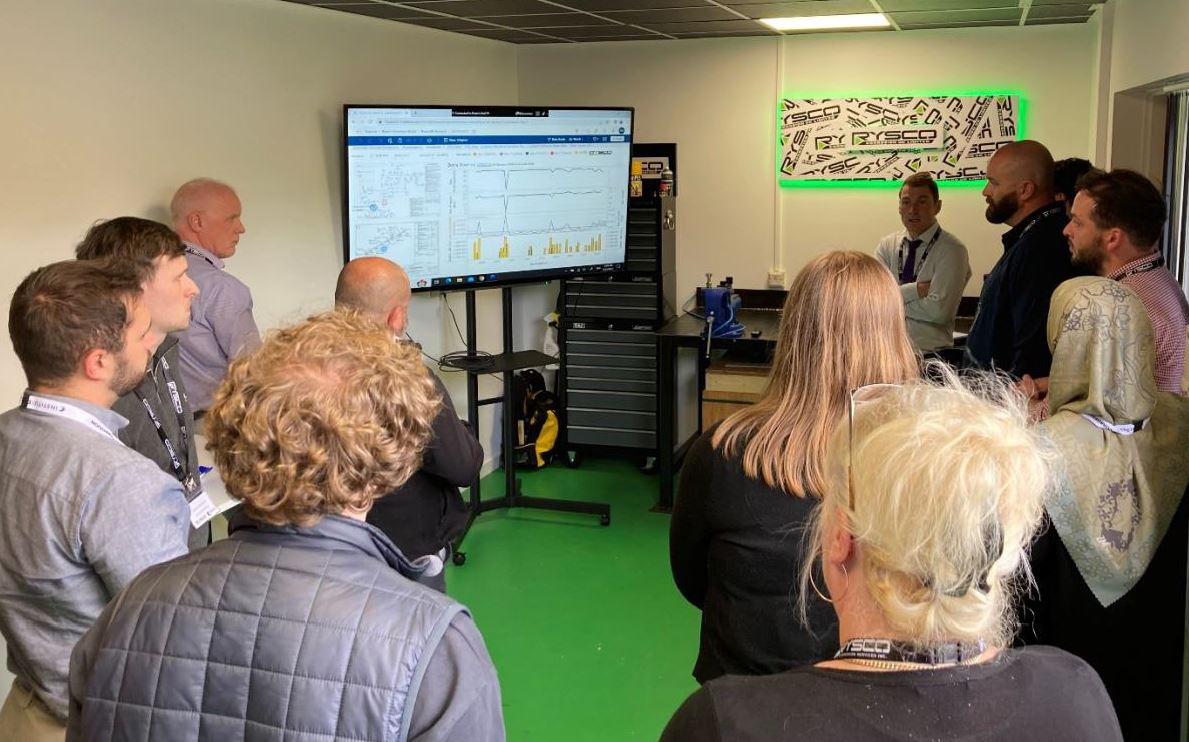
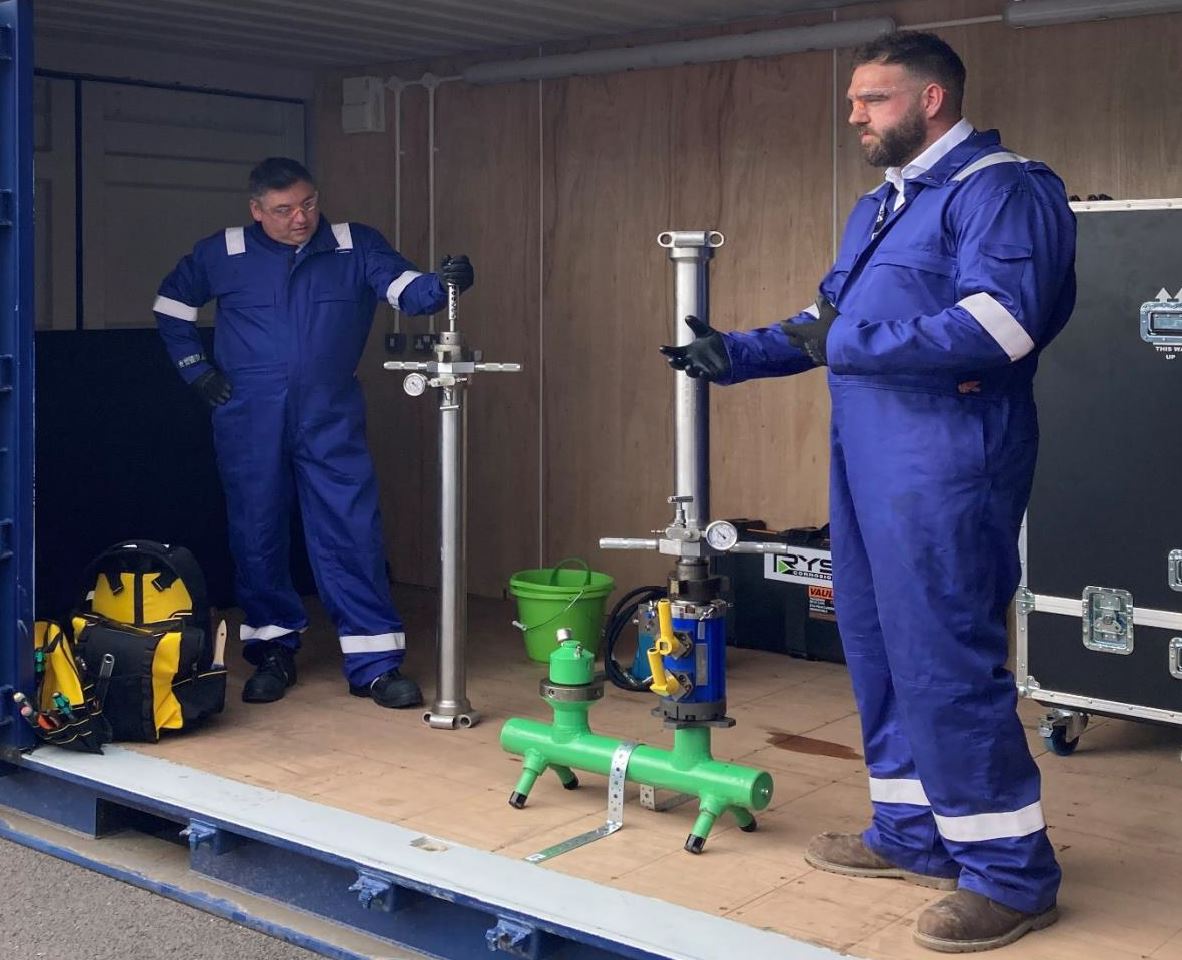
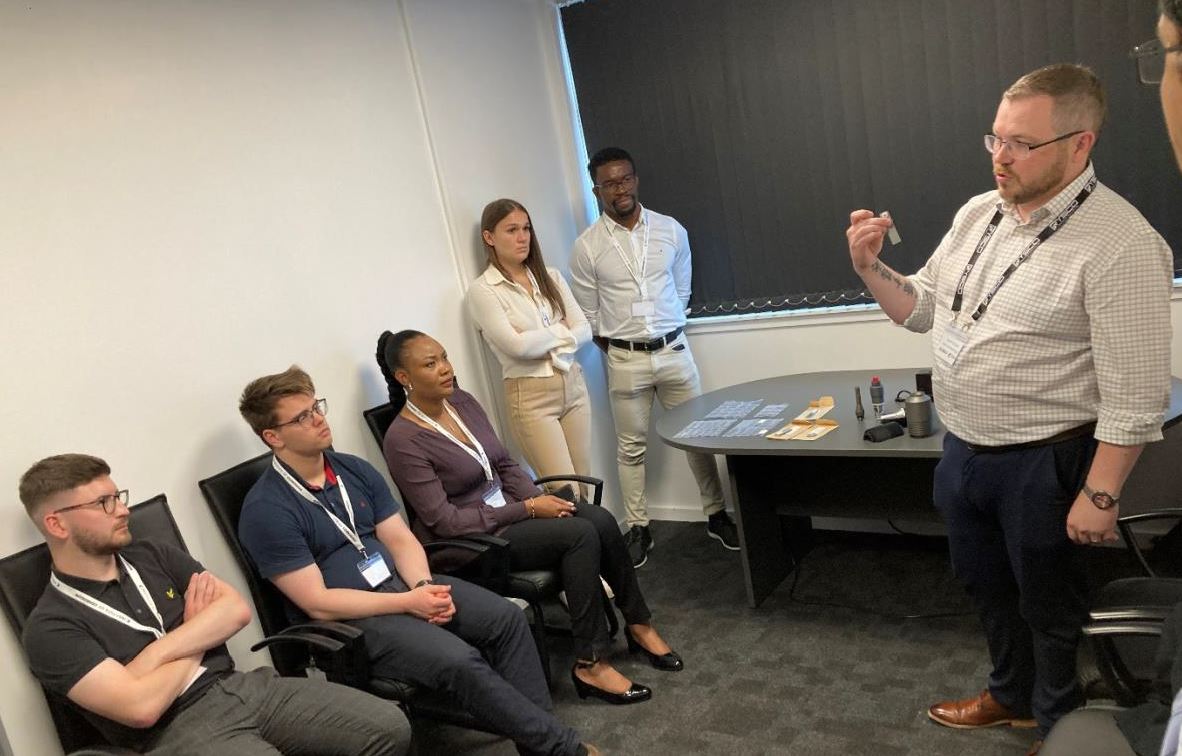
Three separate demonstrations followed for which the 52 strong gathering was split into 3 rotating groups.
Richard Rae of Rysco U.K explains Integrated Corrosion Data Management
Retrieval Tool Demonstration
Corrosion Coupon Review
A Corrosion Quiz covering multiple aspects of the Speaker Presentations followed by a vote of thanks from the President and CPD awards closed this very successful event attended by over 50 delegates.
Delegates enjoying the Corrosion Quiz
ICorr Aberdeen welcomes suggestions for further Industrial visits.
Abstracts of potential papers for the Aberdeen Technical Programme are always welcome, and anyone wishing to join committee should correspond with the 2023/2024 Technical Programme Co-ordinator: Adesiji Anjorin anjorin@gmail.com
Further Information about the Aberdeen Branch, and past presentations, may be found on their website page: Aberdeen Branch – Institute of Corrosion (icorr.org), and to join the Aberdeen Branch mailing list, please contact: icorrabz@gmail.com
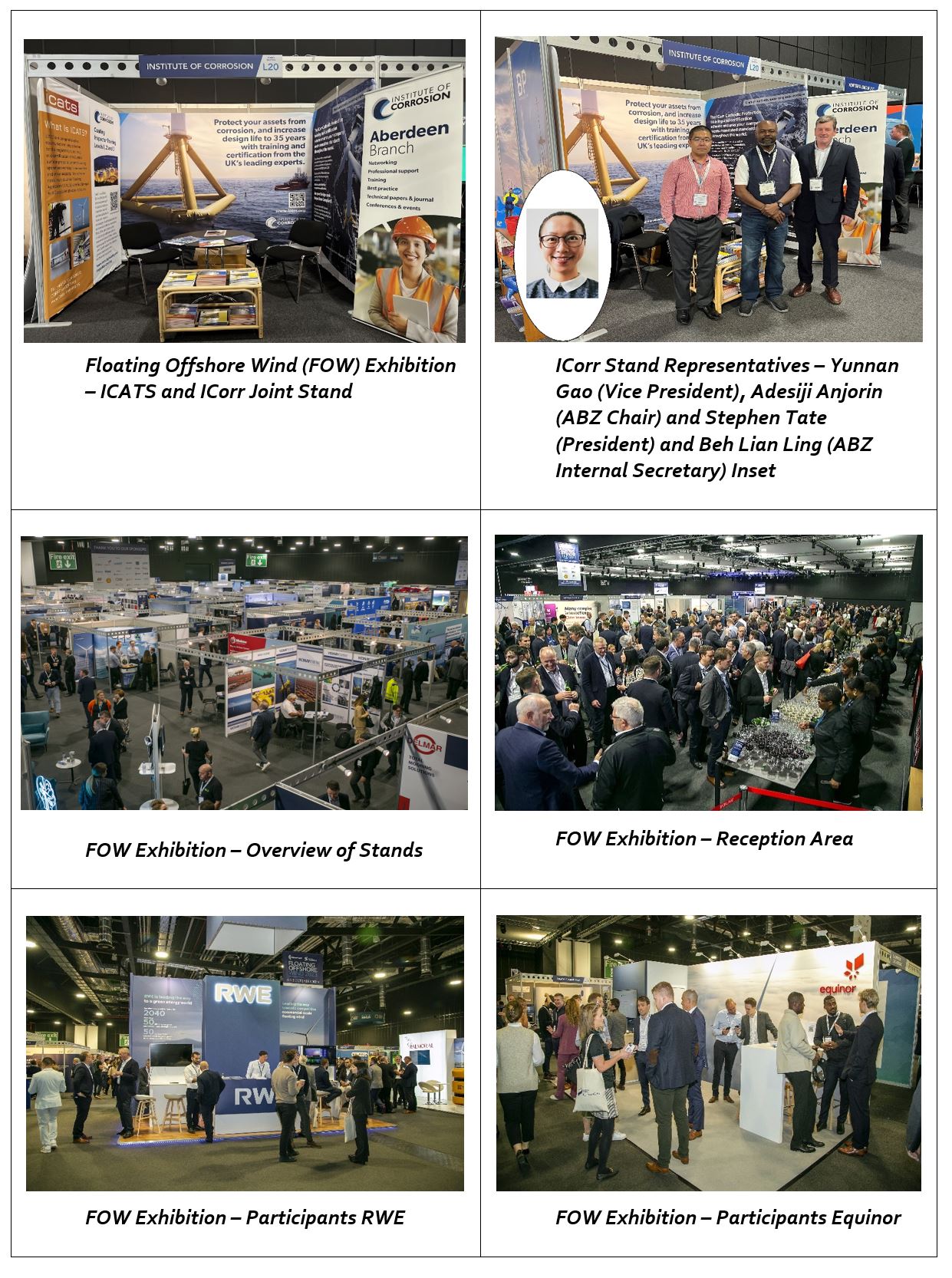
Initiated by Council and CP Governing Board member Bryan Wyatt, the Institute exhibited at Floating Offshore Wind (FOW) Expo 2023 (Conference & Exhibition) on the 4th and 5th of October 2023.
This unique operator and service provider event comprised around 100 Speakers, 200 Exhibitors and 2000+ high level attendees from around the globe.
ICorr Council and CP Governing Board member Bryan Wyatt (seen presenting at CEOCOR)
FOW is the meeting place for all the current and future players in the global floating wind industry. Providing an unrivalled opportunity to meet and network with all the key players as well as discuss the key technical challenges and solutions surrounding the industrialisation and commercialisation of floating wind.
ICorr’s participation was very successfully handled by the Aberdeen Branch and attracted a wide range of stand visitors. The key focus for this Event was our Training Services – Industrial Coating Applicator Scheme (ICATS) and ICorr’s Cathodic Protection and Coating Inspector courses that promote independent reporting to Facility Owners, (as now required in DNV-RP-B401 for their Cat IV coating). The highest levels of Competency, Specification and Performance Assessment at all stages from Design onwards are essential to maximise FOW Equipment life with Operators now seeking up to 35yr lifespans.
In the Cathodic Protection World, initial FOW structures were designed to RP-B401 which provides good guidance for conventional fixed jackets but is considered inadequate for monopiles or floating turbines. Latest available standards however, (the improved) RP-B401 and (the new) ISO 24656 require design by a competent, experienced CP Engineer/Expert (and Level 4 certification is the best measure, noted on both DNV and ISO).
One of the Key Objectives of our participation was to help drive Quality throughout the FOW Industry.
ICATS and ICorr’s presence at the Expo resulted in more than 60 high quality leads and around half of these were enquiries related to our existing –‘Training Services’ and others requesting new courses specifically covering the updated RP-B401 – 2021 and (the new) ISO 24656 – 2022 standards.
The Event provided excellent FOW Industry engagement and neatly followed our very well attended North-East branch sustainability conference. North East Branch – Institute of Corrosion (icorr.org) refer Local Technical Programme – 2023 Presentations.
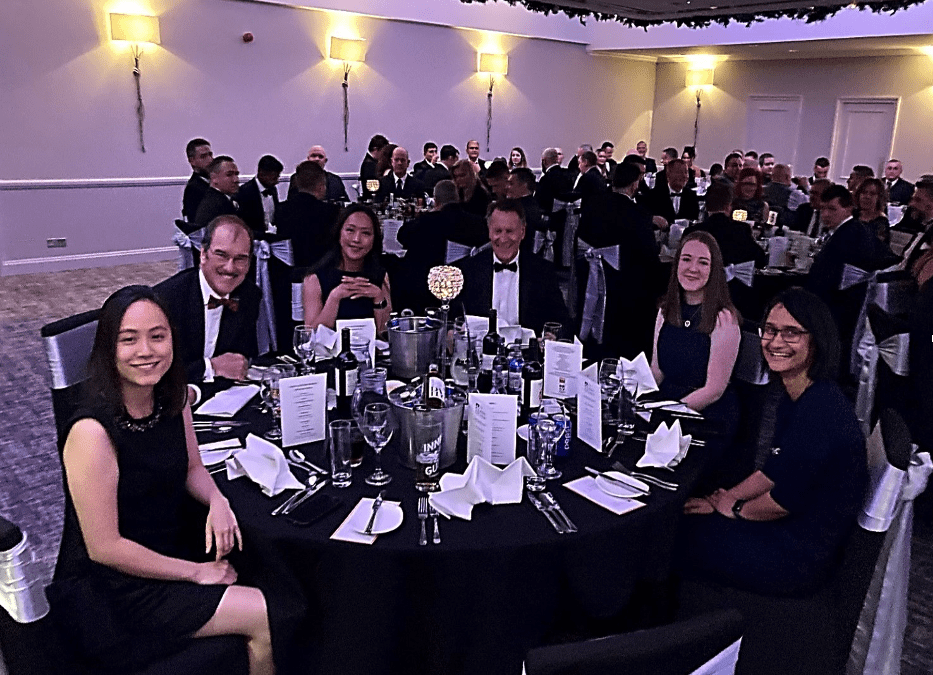
On 17th November 2023 the Aberdeen Committee, as close partners of the North Scottish Branch of The Welding Institute (TWI) were invited to attend their 38th Annual Dinner, held at the Aberdeen Altens Hotel. This year the TWI are celebrating their 100th Anniversary.
Aberdeen Branch Committee Members – L to R, Mei Ling Cheah (former YICorr Officer and now Vice Chair), Steve Paterson (YEP Mentor’s and Case Study Co-ordinator), Lian Ling Beh (Secretary Internal), Nigel Owen (Secretary External), Eilidh Macdonald (2022 YEP Winner and now Events Co-ordinator) and Leela Ramachandran (University Liaison & CPD Officer).
There were some truly excellent presentations by Brian Bell (TWI Chairman), Katy Heidenreich (OEUK – Offshore Energies UK, Supply Chair and People Director) and Stephen Anarach (TWI- Oil and Gas Energy Transition Manager).
Later guests from across Energy companies in Aberdeenshire, were greatly entertained by Gordon Smith, former CEO of the Scottish Football Association and professional footballer who made 490 league appearances, six international appearances and scored 117 goals for teams including Brighton, Kilmarnock, Manchester City, Oldham Athletic, Rangers and Stirling Albion.
With some hilarious storytelling, Gordon told us what really goes on behind the scenes in the football world and some key life lessons from his own experiences.
The Aberdeen Branch expresses its sincere thanks to the committee of the TWI North Scottish Branch for making this all possible.
On Tuesday 30th May 2023 the branch welcomed David Wickham and Chris Fyfe of AkzoNobel, who gave a talk on Maintenance and Repair Solutions for Damaged or Aged PFP. This was a hybrid Joint ICorr/AMPP event with over 40 Attendees.
The branch was very pleased to be able to return to the Palm Court Hotel on this occasion, a place with which it has so long been associated.
David Wickham is a practising fire and explosion engineer with 24 years’ experience in the field of passive fire protection. He is a Chartek fire engineer / technical manager, Fire Protection, holds a Master’s degree in Fire and Explosion Engineering from the University of Leeds, UK (2002), and is also an ICorr PFP Epoxy Coating Inspector Level 3. David is currently the Fire Protection Technical Manager at International Paint (part of AkzoNobel) a member of the Institution of Fire Engineers (MIFireE), and also a visiting lecturer on the MSc course, presenting on ‘Aspects of Fire Protection in building design’. He is responsible for providing technical support for upstream and downstream oil and gas projects, fire protection in the Built Environment and ‘special projects’ and has particular expertise in the area of ‘fire testing and evaluation of test data’ to support accreditation and certification of products to global fire test standards. Along with fire protection in Maintenance and Repair (M&R), he is currently a project leader looking at solutions for fire protection for battery electrical energy storage systems (BEESS).
Chris Fyfe is a PFP Senior field auditor and coach. As a Chartered Scientist, Senior Corrosion Technologist, and Fellow of the Institute of Corrosion, Chris also holds an AMPP Senior Level 3 coating qualification. He has extensive knowledge of both new build and maintenance projects ranging over 35 years with several operators and has been employed as a surface protection specialist and fabric maintenance coordinator, understanding first-hand the many challenges for maintenance and repair.
Maintenance and Repair Solutions for Damaged or Aged Passive Fire Protection (PFP)
Many facilities have reached, or are reaching, the end of their original design life. However, in many cases, these facilities are required to continue operation beyond this time. This poses many operational health and safety issues, among them the efficacy of in-situ passive fire protection (PFP) that may have been applied when the facility was first commissioned. In many cases, this PFP will have deteriorated to a point where it may not provide the required protection in the event of a fire. Where this damage may be extensive, this can create difficult economic (M&R) decisions to overcome. M&R resources are not limitless, and where repair priorities have been identified, selecting the most efficient repair solution becomes important. The two most important requirements are demonstrable fire resistance performance and application costs (both materials and installation). In many cases, the latter may far outweigh
the former. Costs of installation may have a significant bearing in active process areas subject to limits on operational activities (such as surface preparation).
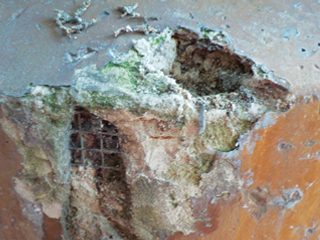
On older upstream and downstream facilities, in-situ PFP may comprise structural steel encased in dense concrete, Light-Weight Cementous (LWC) or other systems. Where these types of PFP are cracked or damaged, they may expose the substrate, leading to accelerated corrosion, operational integrity concerns, and dropped object hazards, in addition to concerns about continued PFP functionality. The true extent of all underlying corrosion may not be immediately apparent, and removal or replacement is normally the best course of action.
As a company, AkzoNobel recognises how M & R activities surrounding PFP performance are integral to maintaining plant operational safety by allocating limited M and R budgets more effectively. – this includes identifying and prioritising the damage of most concern (fire integrity assessment – what damage level will not meet the site fire scenario) and providing repair materials that: have proven fire resistance performance, and offer ease of installation.
The company has identified various schemes for items that need PFP repair:
• Scheme 1 – PFP adequate for the fire case – repair solution to arrest rate of corrosion.
• Scheme 2a) – Risk of dropped object hazard – repair required to remove the hazard and ensure repair is PFP functional.
• Scheme 2b) – loss of PFP functionality and corrosion concern – tested repair solution that reinstates the PFP and stops advancement of corrosion.
• Scheme 3 – ‘special case’– repair acceptable based on other criteria or requiring specific fire testing.
Examples were given of the putty and mortar products used in the repairs onto primed or prepared surfaces and their characteristics:
• MP: A single component mouldable putty compound.
• SFR: Single component structural grade mesh-free repair mortar.
• No tools required – MP can be applied direct from the pail by hand.
• SFR only mixing with water required – and can be applied direct by hand.
• Both the above products are completely non-hazardous and repairs can be completed without any hot work permits.
For Missing and Cracked PFP – Concrete / LWC:
• SFR product can be used; this product has been both jet and pool fire tested for over 180 minutes.
• MP is an alternative and this is jet and pool fire tested to 120 minutes. The products can fill cracks up to 50 mm wide and voids up to 900 cm2 and are Lloyds / UL verified.
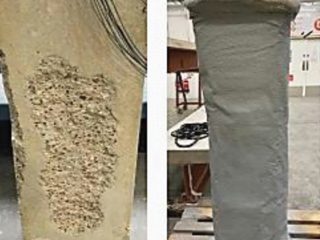
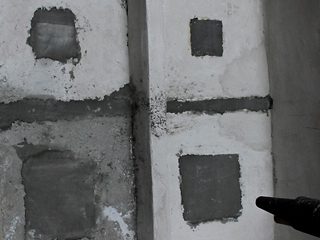
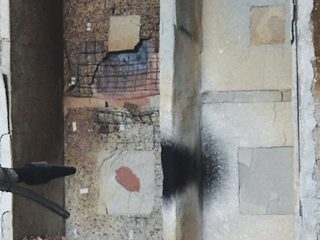
For the repair, the edges of the concrete to which it will bond need to be checked for contaminants, and wire brushing should be used to clean the surfaces. Any exposed steel needs to be cleaned and an approved surface tolerant primer, such as 670HS, applied. Where the base material is concrete, the cementitious edges should be wetted to improve adhesion, and PVA glue should be used as an additive agent to help bond. The Interkote material needs to be brought flush with the concrete for this repair, no wire netting is required.
On Tuesday 28th March 2023, the branch meeting welcomed Dr Kevin McDonald – Sonomatic, with a talk entitled ‘Effective pipework analysis and inspection planning using Digital Twins’.
Kevin is a principal integrity engineer within Sonomatic’s integrity team in Aberdeen. He is a mathematician with a PhD in computing science. He has extensive experience in data analytics and inspection planning for pipework, pressure vessels and pipelines, co-authoring the recommended practice for Non-Intrusive Inspection (NII) as applied to pressure vessels. As well as integrity consulting, he is involved in the technical capability development for Sonomatic’s integrity team with a focus on statistical approaches. Recently, he has been involved in developing a statistics-based method of inspection planning and evaluation applied to subsea pipelines for a major operator.
Effective pipework analysis and inspection planning using digital twins
The integrity of pipework is essential for the safe and reliable operation of process plants. Inspections are traditionally performed at large numbers of individual test points, with results recorded in an inspection database. In general, this data is subject to relatively simple analysis, with the results used in integrity management decisions. However, this traditional approach can be heavily influenced by poor processes, outliers, or errors for example: incorrect entry of results, not recording higher thickness readings than those obtained previously, and inconsistencies in inspection location, are some examples of how error can be introduced into this process. This could lead to poor integrity decisions and misinterpretation of wall thickness trends. Analysis of pipework data, which is in general restricted to the difference between two thickness readings relative to the dates the readings were taken, can then be driven by measurement error.
Kevin proposed a novel alternative is to consider historic datasets as a whole and look at long-term statistical behaviour to consider how corrosion could be affecting pipework. This approach looks at whole datasets to determine behaviour before considering any sub-groupings of data points that are showing similar behaviour. The Sonomatic developed SPiDARS software accommodates many data formats. Boxplots can be used to display the whole of an inspection history in one view. In this example a normalised view allows all schedules of pipe to be compared. Boxplots can also be used to provide a quick overview of long-term trends (up or down) and can show stability over several years or highlight changes graphically that cannot be seen from data alone, due to spreads and errors affecting judgement.
The illustrated example shows a downward long-term trend indicative of increased corrosion activity. It provides context and a jump in the final result, indicating replacement of the pipe. Data can also be grouped for pipes by diameter which can show that larger pipes seem to have more corrosion issues than smaller ones, or by pipe configuration feature type such as bends, caps, reducers, or straight sections to search for trends.
Corrosion rates determined from Non Destructive Testing ( NDT) generally trend toward wall loss percentile values as the principal criteria. Looking at group trends mitigates measurement error and gives more accurate short and long-term corrosion rate estimates. Any point showing a concerning trend can be extrapolated to predict when an alarm limit may be reached. Corrosion rate data can be plotted in different ways to try and identify issues such as localised and unusual corrosion rates. Lots of data on wall thickness measurement may just behave in a linear sense such as presented here for selected years and locations – nothing unusual is shown and general corrosion is happening at expected rates.
Sonomatic have developed 3 different inspection planning methodologies. The Type 2 methodology was further discussed with steps detailed below:
• Define corrosion state (is it what we expect to find)
• Define a corrosion coverage from previous results
• Define extent of corroded material
• Define thresholds of concern (based on historic results)
• Consider points flagged as over/under inspected
• Consider expected corrosion mechanisms that have a bearing on applied technique
• Define detection threshold
• Define probability of detection (POD)
This approach is underpinned by simple and effective access to the data, which is linked to a 3D mini digital twin.
The mini-Twin also hosts a variety of data, as well as individual test points, corrosion maps, and can house inspection histories, photographs, and further data analysis of corrosion rates, fitness for service etc. 3D is used to present data in efficient ways to quickly provide an overview of the health of the pipework circuit, for example inspection frequency, inspection count, corrosion rates, all of which is valuable information for engineers and asset stakeholders.
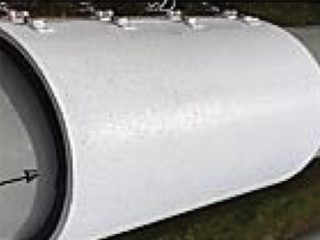
For identified ‘Dropped Object’ hazards: the item can be encased using GRP wrap + Chartek 7E paste filler at 2mm or an encasement system pipe shell or epoxy box is used with product Chartek/Benarx, for which there are simple procedures (see image below).
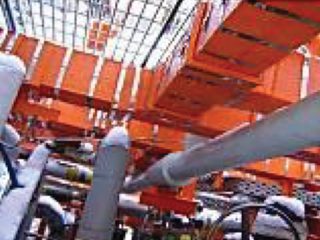
Systems were also discussed for upgrading 3 sided beams using either Chartek 2218 at a 6mm thickness level to primed steel areas and overlapping the cementitious edges either side, or alternatively MP can be used and applied to steel surface prepared to SP11 finish. This material can be rolled out at a 30 mm layer thickness that adheres to the prepared steel. This solution is good for support beams for walkway grating supports.
Studies were also presented on fire testing of the repaired products to given standards.
Fire Testing of Repaired Products
The fire performance of both Interkote MP and SFR has shown excellent fire performance (in some cases better) than the in-situ LWC or concrete. IK MP was verified in EPFP testing (TN to update). Technical note F_021 may be deployed to select the best repair solution to meet fire protection requirements.
AkzoNobel’s PFP repair solutions extend the available range of Chartek solutions for maintaining damaged or failing PFP. The focus is on simple repairs to damaged LWC and concrete PFP (EPFP to be added for IK MP) for application simplicity and cost-effectiveness. The intention is to give customers confidence that repair solutions will provide the required fire resistance and repair integrity. All the repair solutions are backed up by third party approvals.
The branch held its AGM on June 27, 2023, and unanimously elected Adesiji Anjorin MSc, BEng, CEng, MICorr, MNSE, COREN of ENGTEQ as its next Branch Chair and Mei Ling Cheah AMPP Certified Corrosion Specialist, BEng MSc PhD CEng CSci FIMMM FICorr, of IMRANND as
its new Vice Chair.
The branch was sorry to see the departure of its 3 times Chair, Dr Muhammad Ejaz, PhD, CEng, FICorr, FIMMM, AMPP Corrosion Specialist, after 13 years of service, and a presentation will be made to him at a later date, once he has settled into his new home in Abu Dhabi.
On the same day, the branch also held an online event entitled – Direct Assessment for Unpiggable Pipelines, which covered both Internal and External Corrosion threats, and was led by Dirk L.Van Oostendorp.
Dirk is Director of Engineering and Technical Services for Corrpro, based in Houston, TX and Van Oostendorp has more than 40 years of global experience in all aspects of pipeline and structural integrity, encompassing cathodic protection, corrosion control, material selection, protective coatings, inspection technologies, and risk assessment. More recent experience includes integrity monitoring, failure analysis, and pipeline integrity issues. He holds undergraduate and graduate degrees in chemical technology and physical chemistry. He is a Fellow of the Royal Society of Chemistry, a Fellow of the Institute of Corrosion, and a NACE Corrosion Specialist. He was a member of the original INGAA-Battelle team that developed what has now become the Direct Assessment Methodology (DAM).
This presentation discussed the four essential steps of the Direct Assessment methodology, highlighted success factors, shared results from actual projects, and assessed the various challenges that can be encountered during implementation.
The majority of North American natural gas transmission pipelines were not constructed to permit inspection using intelligent tools (ultrasonic, magnetic flux leakage). This was due to the lack of launching and receiving facilities, but also throughput requirements, varying (telescopic) diameters, short radius or wrinkle bends, reduced port valves, or branch connections. In order to adequately ensure the structural integrity of these pipelines, some alternative forms of condition determination and evaluation was required. The Interstate Gas Association of America, together with the
Gas Technology Institute, assembled an expert team to address this
issue. The result was the development of an alternate inspection methodology, coined Direct Assessment, which made use of a combination of proven techniques.
Based on Federal laws signed in 2001, pipeline operators in the USA were required to develop a proactive Pipeline Integrity Management Plan (IMP) intended to manage risk and protect the public in areas near operational pipelines. Inline inspection (ILI) was the preferred methodology to inspect pipelines, and hydrostatic testing was the alternative.
AMPP, as the industry representative, was called upon to develop standard procedures to govern the correct implementation of Direct Assessment and provide guidance for practitioners. Early in the development process, it was noted that the methodology needed to be segmented, in order to address differing integrity threats, and External Corrosion Direct Assessment (ECDA), Internal Corrosion Direct Assessment (ICDA), and Stress–Corrosion Cracking Direct Assessment (SCCDA) resulted. NACE initially published RP0502 for ECDA in 2002, and other standard practices for the other methodologies followed. As living documents, these standard practises are subjected to peer review every 4–6 years.
Dirk very clearly explained the details of the processes now being followed and how supplementary investigations may come into play as the assessment proceeds.
Both the AGM and the June presentation were fully recorded and are available at: https://youtu.be/B9_4DHySnmg and at ICorr Aberdeen – YouTube
Abstracts of potential papers for the Aberdeen Technical Programme are always welcome, and anyone wishing to present should correspond with the 2023/2024 Technical Programme Co-ordinator: Adesiji Anjorin anjorin@gmail.com
Further Information about the Aberdeen Branch, and past presentations, may be found on their website page: Aberdeen Branch – Institute of Corrosion (icorr.org) and to join the Aberdeen Branch mailing list, please contact: icorrabz@gmail.com
The Branch has the following upcoming conference event for which attendance is strictly limited to 50 persons: This Event will include a number of Practical Demonstrations.
On 22nd August, the branch will hold its Corrosion Awareness Day at Rysco, Bridge of Don, Aberdeen, from 9-5pm
Attendees (and their respective companies) will gain an understanding of the fundamentals of corrosion science and engineering; which can give insights into technical corrosion / materials challenges, improve their understanding of corrosion processes, raise their awareness of corrosion management, and provide confidence to attendees when discussing corrosion-related issues and concerns; and sales people will gain insights into the corrosion problems and needs of their customers by enabling relevant technical conversations with clients regarding corrosion issues.
Registration for this Event closes on 15th August 2023.
Please see the ICorr Events Calendar for all the latest information.
TABLE:
ITEM F EXISTING PFP / SUBSTRATE DEFECT / ANOMALY TYPE
Concrete Or Cementiltious PFP / Carbon SteelDropped Object Hazard
Repair System Installation Photos/Drawings Limitations / Notes
Chartek 7E
& GRP Overwrap a) Damaged/loose concrete/cementitious should be left in place.
b) Cut the GRP material so that there is a minimum 50 mm overlap around the perimeter of the section being wrapped.
c) The GRP should be pulled tight around the damaged PFP and then left to cure. Cure time is dependent on good light levels which should be between 1-2 hours. Any top protective layer should be removed to leave a matt surface finish.
d) Once the GRP is fully , apply Chartek 7E at minimum 2 mm directly to the matt surface of the GRP. No primer required. Refer to the GRP manufacturers manual for application instructions.
Benarx Boxes & Pipe Shells a) Damaged/loose concrete/cementitious should be left in place.
b) The Benarx box/pipe shell can be fitted around the loose PFP and held in place using integral toggle & latch fasteners or stainless steel bands. Installation of Benarx solutions will require accurate measurements to ensure
correct fit.
CAPTIONS:
David Wickham and Chris Fyfe of AkzoNobel.
PFP Interkote Repair Solutions – Site in Belgium.
Failed LWC on vessel skirt.
Cut out defective LWC Simplehand application of KSFR.
Interkote SFR finished repair.
Interkote SFR@50/28mm Concrete/LWC repair –jet fire testbox.
InterkoteSFR –post jet firetest.
IMAGE Left to Right – Aberdeen Committee Members at June AGM – Mei Ling Cheah – New Branch Vice Chair, Yunnan Gao – ICorr Vice President, Nigel Owen – External Secretary, Lian Ling Beh – Internal Secretary, Leela Ramachandran – University Liaison & CPD Officer, Adesiji Anjorin – New Branch Chair and Stephen Tate – ICorr President.
Dirk L. Van Oostendorp, Director of Engineering and Technical Services for Corrpro.
We use cookies to optimize our website and our service.
Functional
Always active
The technical storage or access is strictly necessary for the legitimate purpose of enabling the use of a specific service explicitly requested by the subscriber or user, or for the sole purpose of carrying out the transmission of a communication over an electronic communications network.
Preferences
The technical storage or access is necessary for the legitimate purpose of storing preferences that are not requested by the subscriber or user.
Statistics
The technical storage or access that is used exclusively for statistical purposes.The technical storage or access that is used exclusively for anonymous statistical purposes. Without a subpoena, voluntary compliance on the part of your Internet Service Provider, or additional records from a third party, information stored or retrieved for this purpose alone cannot usually be used to identify you.
Marketing
The technical storage or access is required to create user profiles to send advertising, or to track the user on a website or across several websites for similar marketing purposes.