Summary Report: Corrosion Challenges in CCUS Applications
Date: 24th April 2026 (Corrosion Awareness Day)
Venue: Sir William Henry Bragg Building, University of Leeds Theme: NetCorr – Corrosion Challenges in CCUS Applications
Introduction
The ICorr Corrosion Engineering Division (CED) Conference 2026, titled NetCorr – Corrosion Challenges in CCUS Applications, was held at the Sir William Henry Bragg Building at the University of Leeds on Corrosion Awareness Day 2026. The event brought together professionals from industry, academia, regulatory bodies, and research organisations to discuss one of the most pressing technical challenges associated with the energy transition: corrosion management within Carbon Capture, Utilisation and Storage (CCUS) infrastructure.
The conference focused on the integrity, reliability, and long-term operational challenges associated with dense-phase CO2 systems, impurity management, corrosion testing methodologies, materials selection, and the practical realities of deploying CCUS at industrial scale.
The event was organised by the Institute of Corrosion (ICorr) Corrosion Engineering Division in partnership with the Royal Academy of Engineering and the University of Leeds.
Conference Overview
The conference attracted 54 registered professionals from across the corrosion, energy, integrity management, and materials engineering sectors. The programme included:
• 7 technical presentations
• 1 industry panel discussion
• 3 laboratory and facility tours
• Representatives from industry, academia, research institutions, and regulatory bodies
• Attendance from ICorr leadership, including the ICorr President, Vice President, and Past President
The event theme, “Corrosion Challenges in CCUS Applications”, highlighted the critical role corrosion science and engineering will play in enabling safe and sustainable Net Zero infrastructure.
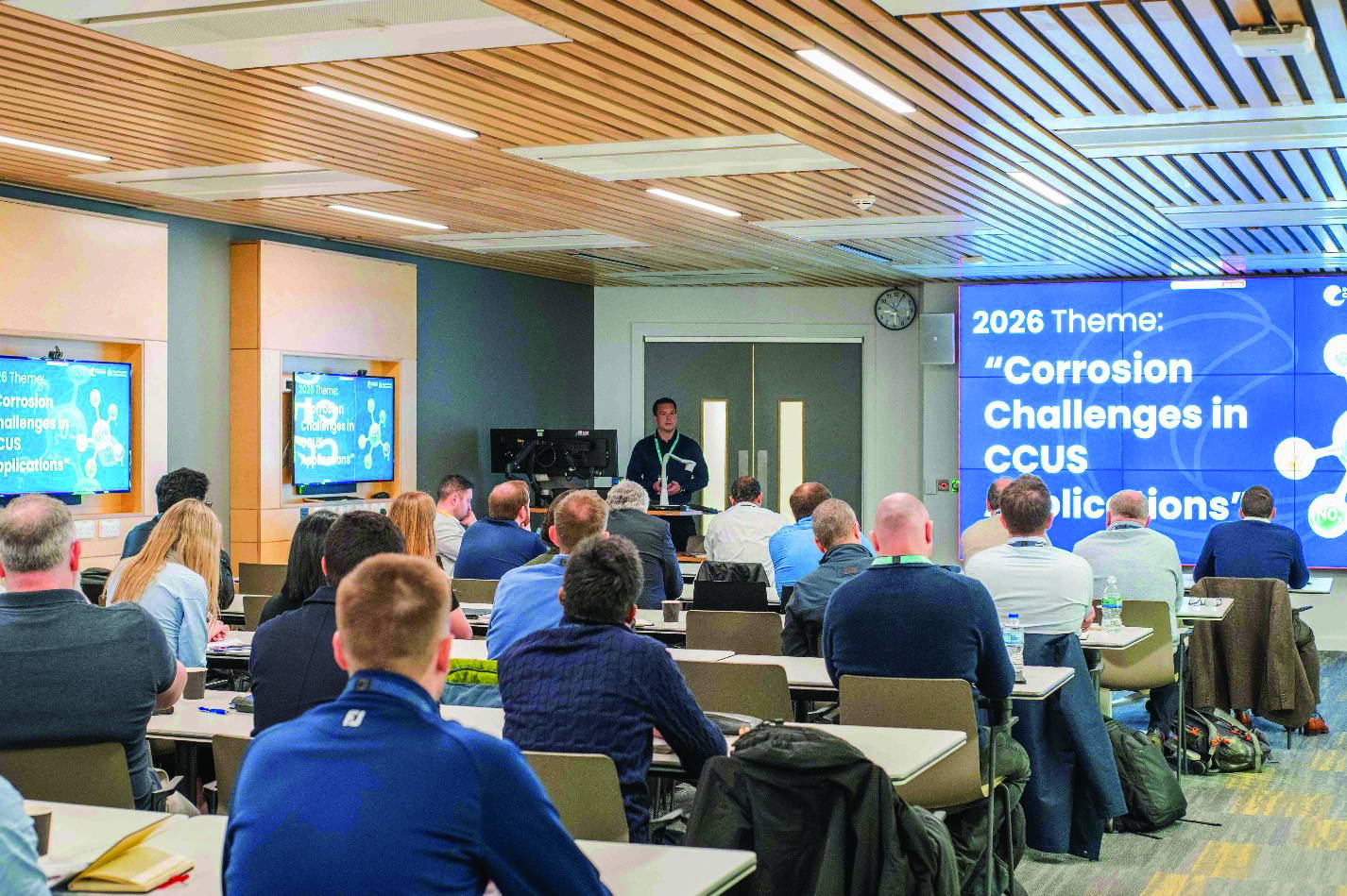
Photo 2: Danny Burkle (ICorr CED Chair, Cortest)Introducing This Year’s Theme.
Sponsors and Supporters
The conference was supported by the following organisations:
• Cortest
• Intertek CAPCIS
• Industrial Coatings Inspectors Global Ltd
• Corrocoat
• OGC Energy
• University of Leeds
Additional support and partnership were provided by:
• Institute of Corrosion (ICorr)
• Royal Academy of Engineering
The conference organisers acknowledged the importance of sponsor support in enabling technical collaboration, knowledge sharing, and professional networking within the corrosion engineering community.
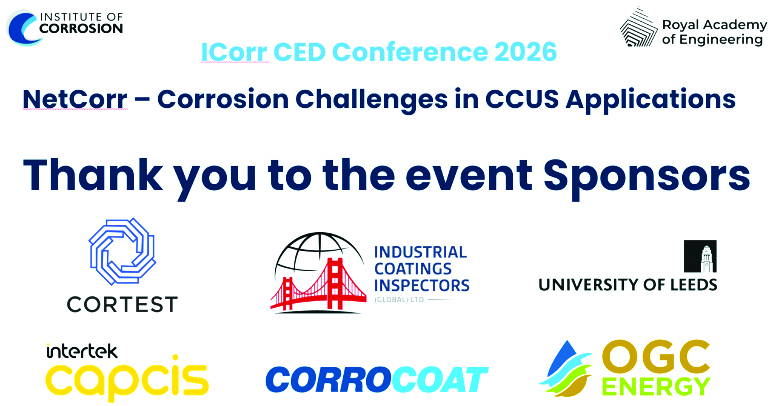
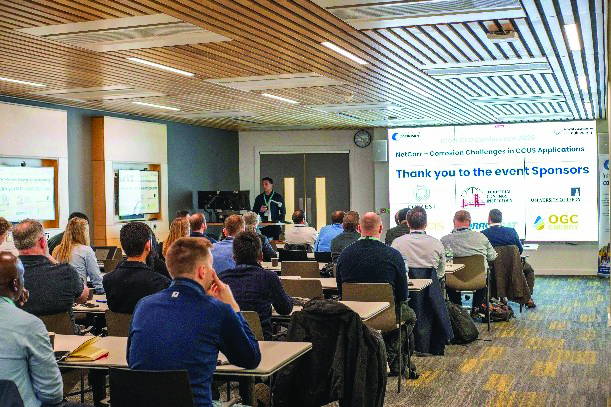
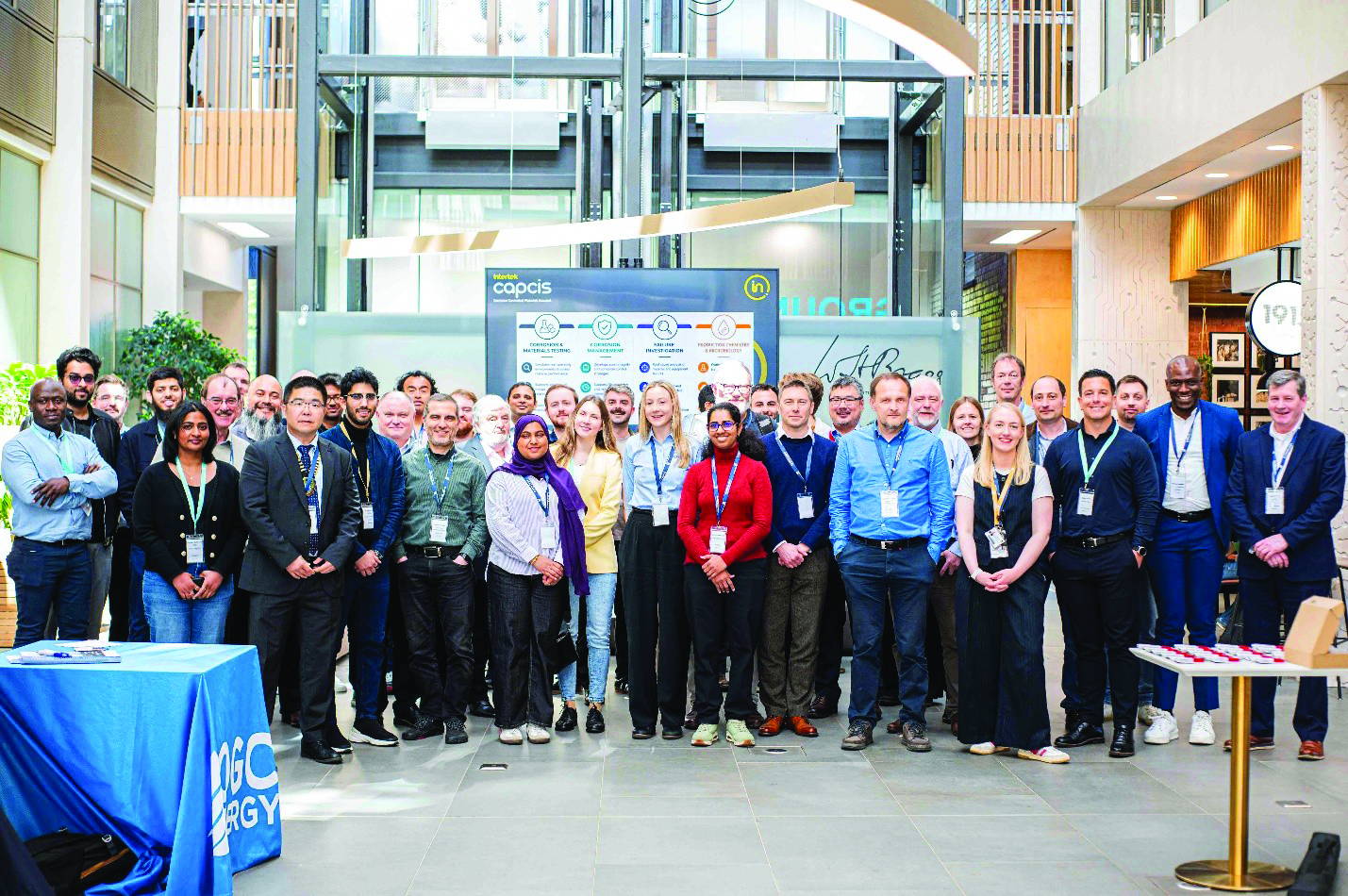
Photo 3: ICorr CED Conference 2026 Sponsors.
Opening Remarks
The conference opened with a welcome from Danny Burkle (ICorr CED Chair, Cortest), followed by remarks from ICorr President Yunnan Gao.
Danny framed the day’s theme by emphasising that CCUS corrosion is not simply a materials problem – it is a chemistry, flow, and systems problem. He highlighted real-world failures including the 2020 Denbury Gulf Coast pipeline rupture and delays to the Gorgon CCS project caused by corrosion risk.
A key message throughout the opening session was that corrosion engineering is central to the successful deployment of CCUS, hydrogen, offshore renewables, and geothermal technologies. The audience was reminded that while corrosion failures within CCUS infrastructure may currently appear infrequent, the consequences can be significant, including pipeline failures, loss of containment incidents, and project delays.
Speakers emphasised that corrosion is not simply a materials challenge, but also a societal and infrastructure challenge linked directly to safety, environmental protection, and the wider energy transition.
The conference also recognised Corrosion Awareness Day 2026, reinforcing the importance of raising awareness of corrosion prevention and the value corrosion professionals bring to society and industry.
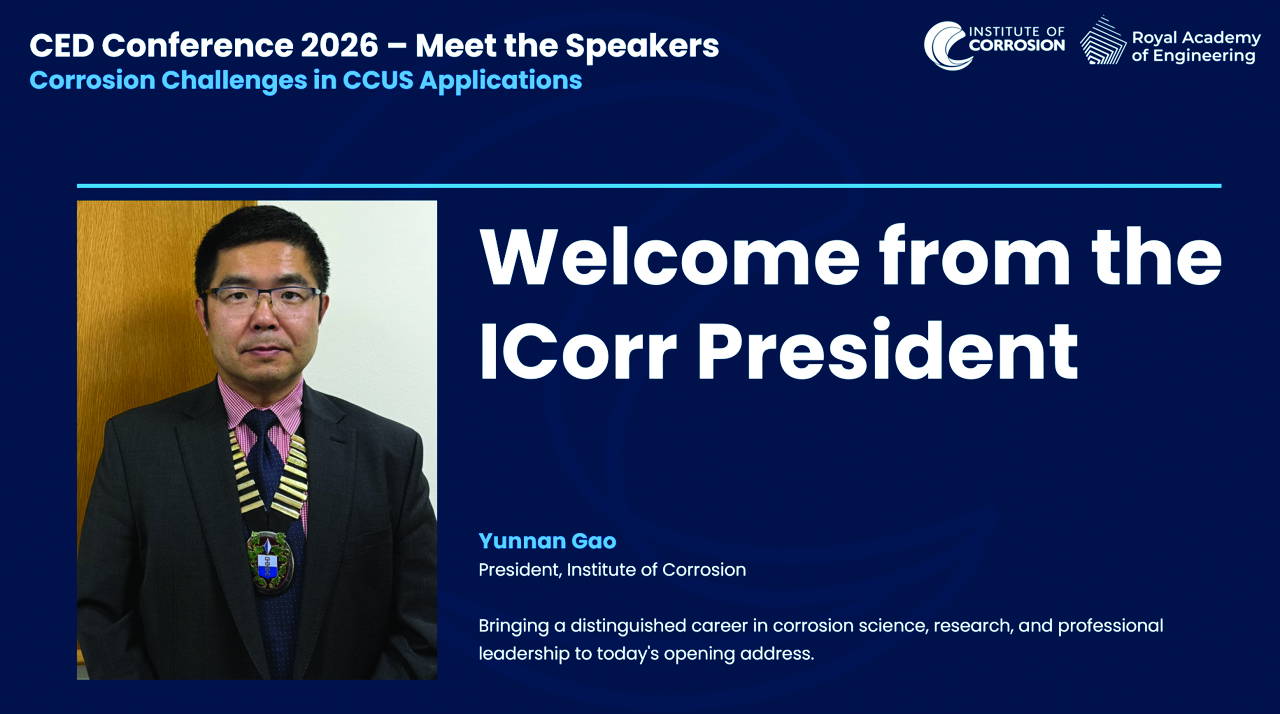
Photo 4: A welcome from our ICorr President, Yunnan Gao.
Technical Programme Summary
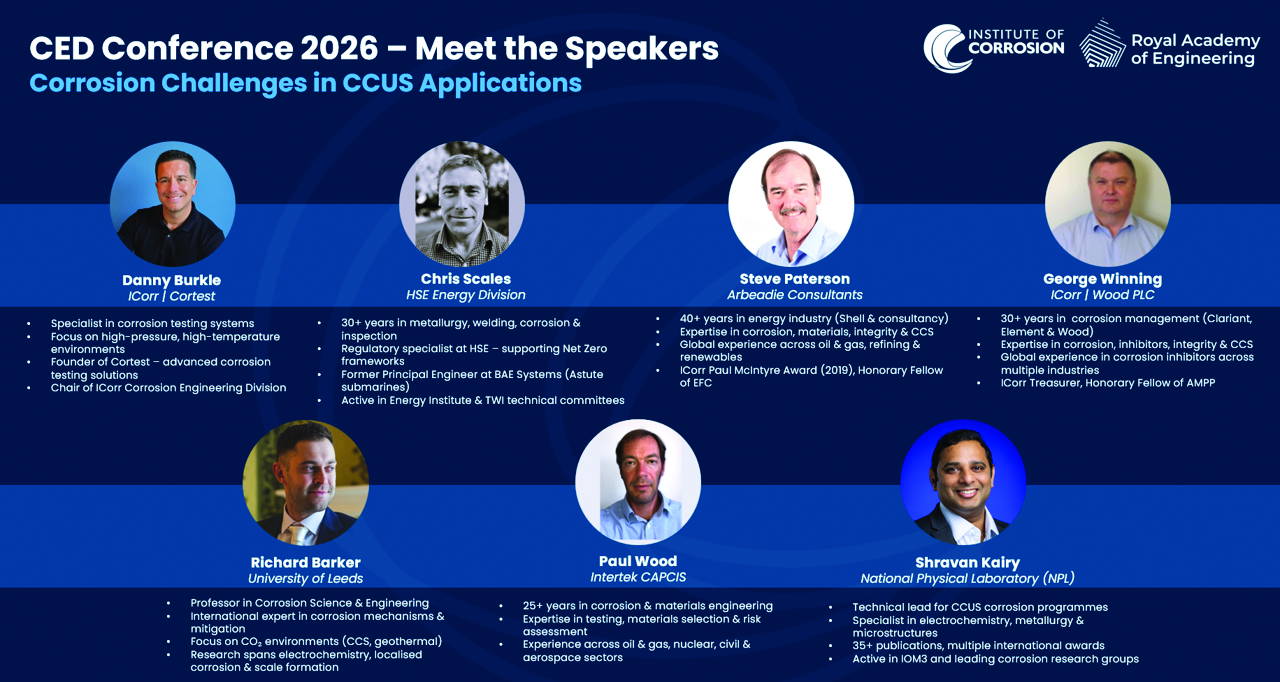
Photo 5: ICorr CED Conference 2026 Speakers.
CCUS – The Big Picture Problem
Danny Burkle (Cortest) opened the technical programme with an overview of the wider corrosion challenges associated with CCUS deployment. The presentation explored the scale of infrastructure required for Net Zero ambitions and highlighted the operational risks associated with transporting and storing dense phase CO2.
Real-world examples of failures, pipeline ruptures, and containment incidents were discussed to demonstrate that corrosion risk in CCUS systems is already becoming an operational reality. The presentation also emphasised the importance of understanding when and where corrosion mechanisms become critical, rather than simply whether corrosion can occur.
Key challenges identified:
• Impurity chemistry: Parts-per-million levels of SOx, NOx, O2, and H2S can form strong acids.
• Phase behaviour: Stratified flow creates localised attack at low points.
• Non-linear corrosion: Small condition changes can trigger large jumps in corrosion rates.
• Testing gaps: No standardised methodology; results vary by an order of magnitude between labs.
Managing Corrosion Risk in CCS Infrastructure
Chris Scales (HSE Energy Division) discussed the importance of integrity management, regulation, and risk assessment within future CCS infrastructure.
The presentation highlighted the challenges associated with scaling up CCUS infrastructure while maintaining safe operation and regulatory compliance. The role of industry standards, inspection methodologies, and operational monitoring was discussed alongside the need for practical approaches to corrosion management within emerging CCS projects.
Chris outlined the new regulatory framework under the Carbon Capture, Utilisation, Storage and Offshore Hydrogen Production Regulations 2026, effective 6 April 2026. CCS projects now require formal safety cases demonstrating risks are managed to levels “as low as reasonably practicable” (ALARP).
He emphasised:
• CO2 is heavier than air – releases offshore will slump rather than disperse.
• Joule-Thomson cooling during depressurisation creates structural risks.
• Corrosion management is a critical element in safety case acceptance.
• Operators must engage early with regulators during design phases.
Are Current CO2 Specifications Realistic?
Steve Paterson (Arbeadie Consultants) delivered a presentation focused on CO2 specifications and impurity management within CCS projects.
A major topic of discussion throughout the conference was the balance between operational practicality, economic viability, and corrosion risk reduction. The presentation explored whether current impurity specifications are achievable for emitters and whether overly restrictive specifications could negatively impact project viability.
Discussions during both the presentation and panel session highlighted:
• The importance of understanding impurity interactions.
• No universal agreement exists on safe impurity limits.
• The challenge of controlling oxygen and acidic species.
• The need for alignment between emitters, transport operators, and storage operators.
• Lessons being learned from global CCS projects such as Northern Lights and ADM.
• Concerns around the gap between design assumptions and operational reality.
• Round-robin testing across laboratories is needed to validate results.
The audience discussion demonstrated strong industry interest in how specifications will evolve as projects move from design into long-term operation.
CO2 Capture and Conditioning
George Winning (Wood PLC) explored impurity reactions, CO2 conditioning, and the importance of understanding changing CO2 streams from different emitters.
The presentation discussed:
• Different capture technologies (amine absorption, physical solvents, membranes, cryogenic) produce different impurity profiles.
• Pre-treatment and post-treatment add costs that must be balanced against specifications.
• Chemical treatments such as scavenging and inhibition show promise for upset conditions.
• Online monitoring at ppm levels presents practical challenges. • Challenges associated with developing standardised specifications.
Reference was made to Joint Industry Projects (JIPs) focused on impurity specifications and corrosion risk management.
A recurring theme was that future CCS networks will require collaboration between emitters, transport operators, regulators, and researchers to ensure specifications remain technically achievable while maintaining infrastructure integrity.
Corrosion Testing Challenges in CCUS
Richard Barker (University of Leeds) from the University of Leeds discussed corrosion mechanisms and testing challenges associated with CO2 -rich environments.
The presentation focused on:
• Electrochemical behaviour in CO2 systems.
• Localised corrosion risks.
• Scale formation and breakdown.
• The complexity of reproducing realistic service environments within laboratory testing.
• The need for representative testing methodologies for CCS applications.
Richard described the challenges of laboratory testing in supercritical CO2:
• Impurity depletion in closed systems produces misleading integrated measurements.
• Water splashing during pressurisation and condensation during depressurisation create artefacts.
• Absorption/desorption on infrastructure creates lag times.
The session reinforced the importance of high-quality experimental work in understanding corrosion mechanisms and supporting future material selection and design decisions. Leeds is developing continuous-injection infrastructure to support improvement in testing methodologies in this area.
Autoclave vs Full Ring Pipe Testing
Paul Wood (Intertek Capcis) compared autoclave testing with full ring pipe testing methodologies. Paul presented comparative testing, examining pipe-section versus autoclave tests for shut-in pipeline conditions. Autoclave tests produced corrosion rates ten times higher than pipe-section tests due to different solution volume-to-surface-area ratios. The waterline region showed the highest attack rates (0.96 mm/year), while submerged regions showed minimal corrosion.
The presentation explored the advantages and limitations of different testing approaches, particularly in relation to:
• Simulating realistic operating conditions.
• Reproducing flow and stress conditions.
• Scaling laboratory results to field performance.
• Understanding material performance under dense phase CO2 conditions.
The discussion highlighted the importance of selecting appropriate test methodologies depending on the specific corrosion mechanism and operational scenario being assessed.
Standardised Test Methodology for Dense Phase CO2
Shravan Kairy (NPL) from the National Physical Laboratory
(NPL) presented work focused on standardised corrosion testing methodologies for dense phase CO2 systems.
Shravan addressed the need for standardised test methodology. Literature data shows order-of-magnitude variation in reported corrosion rates for identical conditions, largely due to procedural differences. He emphasised the need for consistency and repeatability across corrosion testing programmes to improve data quality, comparability, and industry confidence.
NPL’s validated methodology includes:
- Gradual pressurisation (40 minutes) with stirring for rapid impurity
- System dilution before depressurisation to avoid water condensation
- No corrosion detected when water remains below solubility
- NPL aims to publish a Good Practice Guide by 2027 and draft international standards by
The session highlighted the growing importance of collaborative testing frameworks as CCS infrastructure expands globally.
Facility Tours
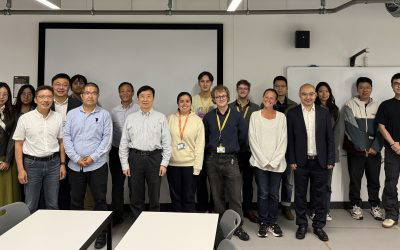
Following the morning technical sessions, attendees participated in laboratory and facility tours hosted by the University of Leeds.
The tours were split into four groups and included three parallel activities:
- Bragg analytical facilities tour
- Virtual corrosion laboratory tour – Overview of corrosion research programmes.
- Chemistry corrosion laboratory tour focused on CCUS research featuring the new continuous-injection reactor infrastructure under development.
The tours provided attendees with direct insight into ongoing corrosion and materials research activities being carried out within the university. Delegates were able to view analytical equipment, discuss experimental methodologies, and gain a better understanding of the practical research supporting future CCUS deployment.
The facility tours were particularly well received as they allowed attendees to connect the technical presentations with real-world experimental work and infrastructure.
The Bragg Centre highlighted access schemes through the Henry Royce Institute, including SME access and the Royce Industrial Collaboration Programme.
Panel Discussion Highlights
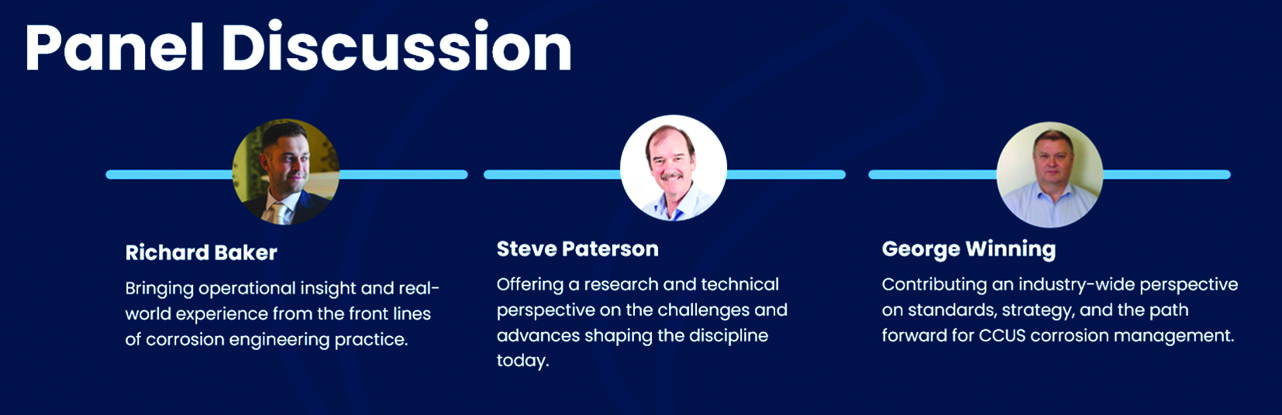
The conference concluded with an open panel discussion involving Steve Paterson, George Winning, and Richard Barker. The discussion encouraged audience participation and focused on several key themes:
- The realism and practicality of current CO2 impurity
- The gap between design assumptions and operational
- Monitoring and controlling impurities during
- Lessons from existing global CCS
- Material selection
- The balance between risk reduction and economic
- The need for industry collaboration and knowledge
The panel format created valuable interaction between industry, academia, and delegates, with open discussion around both technical and commercial challenges facing the CCUS sector.
Networking and Exhibiting
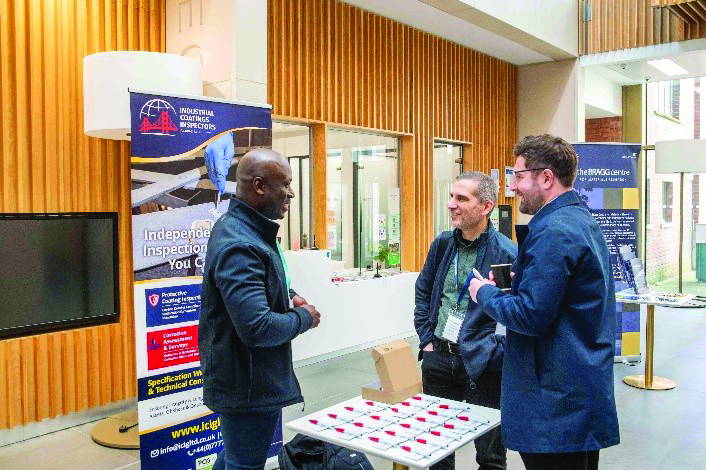
Throughout the day, delegates had multiple opportunities to network with fellow corrosion professionals, researchers, equipment suppliers, and industry representatives during registration, refreshments, lunch, and between technical sessions
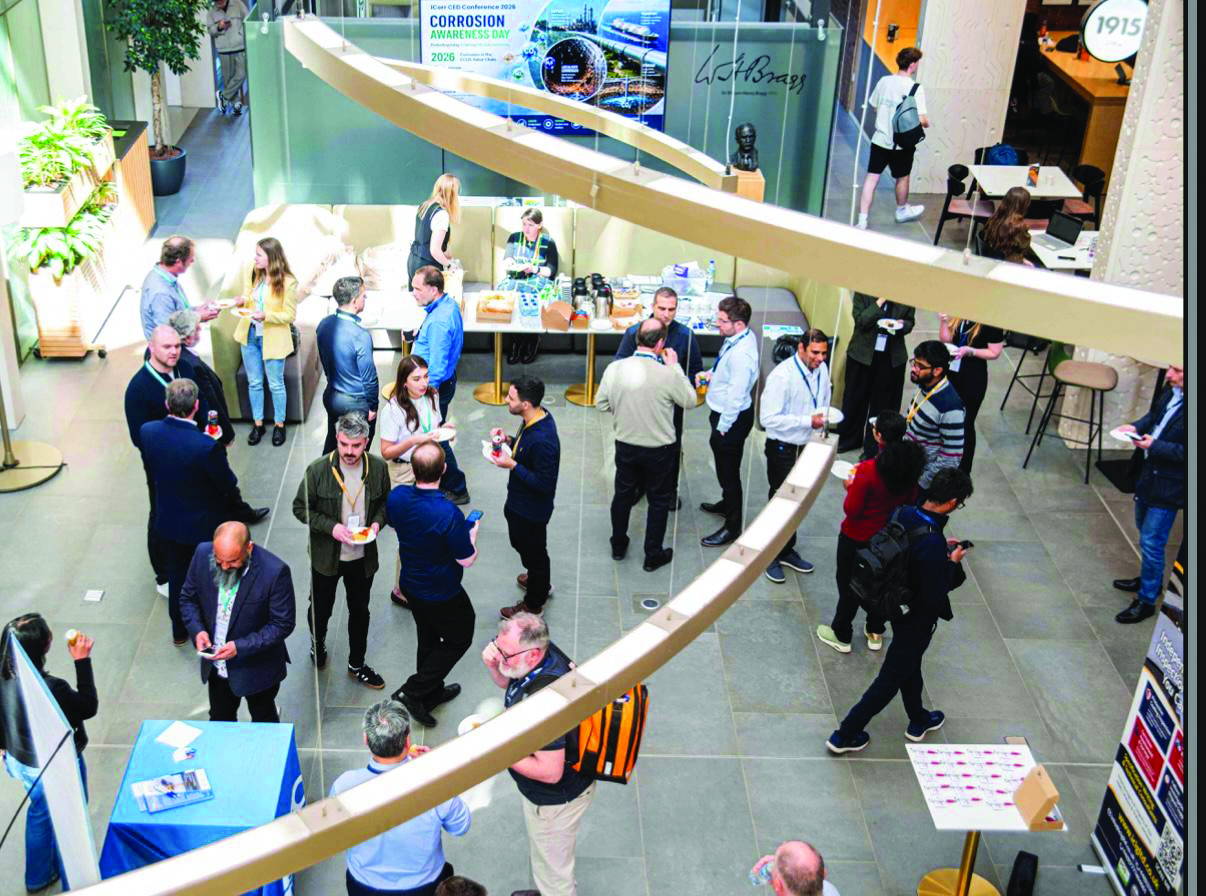
The conference environment encouraged open discussion and collaboration across industry, academia, and regulatory organisations. Sponsors and supporting organisations also showcased their capabilities and services, allowing attendees to discuss current projects, technical challenges, testing approaches, and future collaboration opportunities linked to CCUS and corrosion management.
Tribute and Reflection
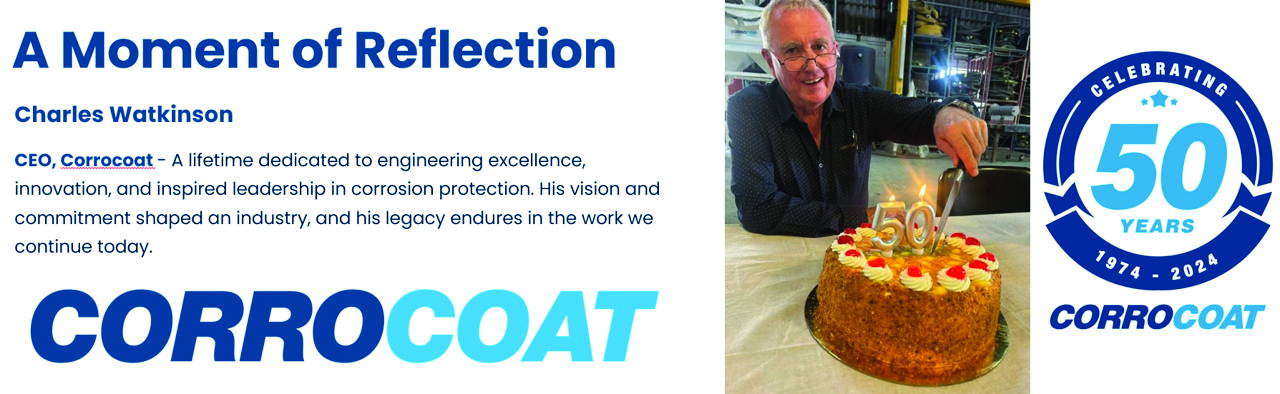
During the conference, attendees also took part in a moment of reflection following the recent passing of Charles Watkinson, CEO of Corrocoat.
A tribute recognised his more than 50 years of contribution to corrosion engineering, coatings technology, and the wider corrosion industry.
Colleagues reflected on his leadership, innovation, and commitment to advancing corrosion protection technologies globally. The tribute served as a reminder of the long-standing expertise and dedication within the corrosion engineering community.
Conclusion
The ICorr CED Conference 2026 successfully brought together leading experts from across the corrosion and CCUS sectors to discuss the technical, operational, and strategic challenges associated with corrosion management in dense phase CO2 infrastructure.A consistent theme throughout the day was the importance of collaboration between industry, academia, regulators, and research organisations. Speakers highlighted that achieving safe and reliable CCUS deployment will require not only advances in materials and testing, but also practical alignment between specifications, operations, monitoring, and long-term integrity management.The event provided attendees with valuable technical insight, networking opportunities, and direct engagement with current research and industrial practice. Through both the technical presentations and facility tours, the conference reinforced the critical role corrosion science and engineering will play in supporting the global energy transition and future Net Zero infrastructure.
Key Takeaways
- Specifications are not Systems must be designed assuming off-spec conditions will occur.
- Water location matters more than concentration. Acid formation occurs at phase boundaries, cold spots, and low points – not
- Testing standardisation is urgent. Without reproducible methods, material selection decisions cannot be made with
- Regulation is now formal. UK CCS projects require accepted safety cases; corrosion management is central to these.
- Collaboration is essential. No single organisation has all the answers; shared data and aligned methodologies are needed.
Key Conference Statistics
- 54 registered professionals
- 7 technical talks
- 6 sponsors and supporters
- 3 facility tours
- 1 open panel discussion
- Hosted at the University of Leeds on Corrosion Awareness Day 2026
Acknowledgements
The event was organised by Dr Danny Burkle (CED Chair) CEDchair@ icorr.org with support from Joshua Owen and the Bragg Centre team at the University of Leeds. Special thanks to Stephanie Foster for venue coordination and to all sponsors whose support made the event possible. Next Major Event: EUROCORR Dublin 2026, Convention Centre Dublin, 6–10 September 2026. See: Registration – Eurocorr 2026 to register advance interest. CED will also present at the ICorr National AGM to be held at the National Physical Laboratory (NPL) in London on Wednesday 18th November 2026, which will feature the Paul McIntyre award ceremony which recognises a senior corrosion engineer who has not only made significant technical contributions, but has also championed European collaboration and international standards – reflecting the values and legacy of the late Professor Paul McIntyre.
Report prepared by Danny Burkle. Photograph captured by Chijioke Godwins.
CED DIVISION: Danny Burkle (Chair), Email: cedchair@icorr.org