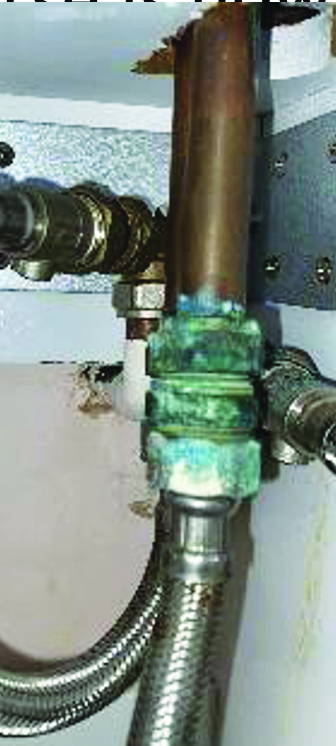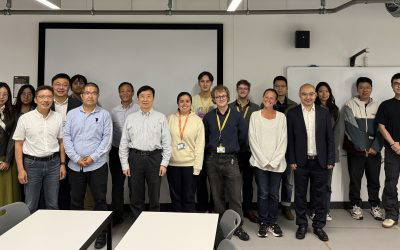

Joint Corrosion Mechanisms in Stainless Steel
The Corrosion Mechanisms in Stainless Steel course offers a structured, practical overview of stainless steel behaviour in service and the reasons failures arise. The programme begins with key
metallurgy and corrosion principles, then examines the mechanisms most commonly encountered in industry, including tea staining and rouging, general corrosion, pitting and crevice corrosion, selective attack, galvanic corrosion, chloride and caustic stress corrosion cracking, polythionic acid SCC, hydrogen-induced cracking, high-temperature corrosion, microbial corrosion, corrosion under insulation (CUI), erosion corrosion and corrosion fatigue.
For each mechanism, the course outlines how degradation develops, the critical environmental and material factors, how to recognise damage in service, and which grades are most susceptible. Typical plant locations and practical mitigation measures are also covered.
Who Should Attend: Engineers, designers, manufacturers, fabricators, buyers, sales teams, distributors, maintenance and inspection personnel, and quality engineers seeking deeper insight into stainless steel performance in demanding environments.
CPD Certification: Participants receive a CPD approved certificate confirming completion and learning in stainless steel corrosion mechanisms and mitigation.
The course is delivered in collaboration with RTECH and the British Stainless-Steel Association. The next session will be held on 8th October in Birmingham, with additional dates available from mid-May.
Corrosion at Home and its Prevention
Many people assume corrosion is simply “something we have to live with,” but understanding this natural phenomenon is important. Corrosion can lead to:
Health concerns (e.g.,contaminated water from corroded plumbing)
Financial losses (repairing or replacing damaged items)
Aesthetic deterioration (rust stains, tarnished surfaces, degraded equipment)
Reduced functionality and safety (motor vehicles)
The good news is that with the correct choices, corrosion can be controlled, and often prevented, with simple, practical steps. Even basic household chemicals and a bit of common sense can go a long way in maintaining the quality, appearance, and performance of everyday items.
That’s why we’re developing “Corrosion at Home and Its Prevention”, a new awareness course designed to make corrosion science approachable and useful for everyone. The course is now at an advanced stage and has been crafted to support:
• STEM – School and student programmes
• Community groups
• Public awareness programmes
• Anyone interested in protecting their home and belongings
Our aim is to empower people with knowledge that saves money, improves safety, and reduces waste, all while making science engaging and accessible.
More details will be shared soon by our growing Institute of Corrosion (ICorr). Corrosion may be everywhere, but with the right understanding, it doesn’t have to be a problem.