


The cart is empty!
CAD 26 – Lloyds Register Welcome the ICorr Aberdeen Branch
On Friday 28th August 2026 the Aberdeen Branch held its annual fund-raising Corrosion awareness Day (CAD), magnificently supported and hosted by Lloyds Register (LR) of Kingswells, Aberdeen https://www.lr.org/ with Event chaired by Stephanie Okoye
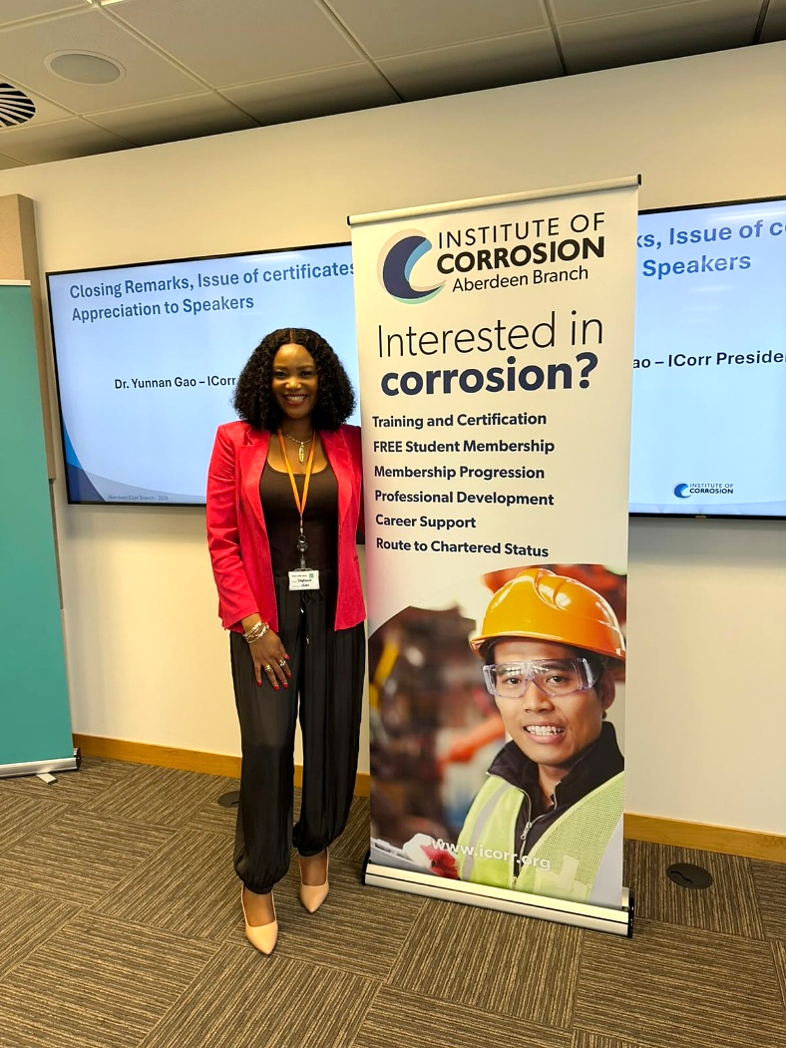
Photo: Stephanie Okoye, BEng, MSc, CEng
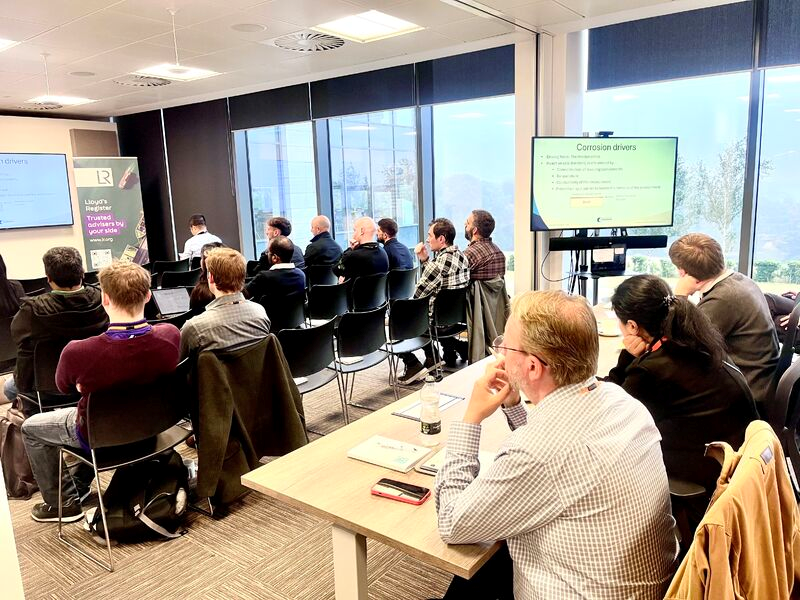
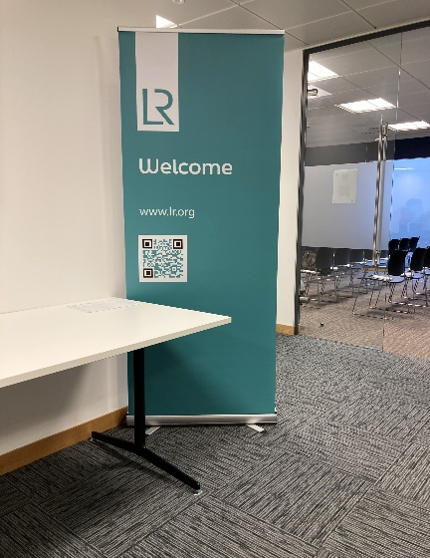
Photos: Conference Facilities of Lloyds Register
CAD is designed to assist the development of young career professionals and those unfamiliar with Corrosion and its prevention. This most important event in the ICorr Calendar provides an understanding of the corrosion processes and causes and impacts which are specific to a range of common industries. The 2026 event focussed particularly on the Offshore Energy sector including Offshore Wind. Delegates learnt the basics of the role of the corrosion engineer; including materials selection, corrosion mitigations; failure investigation; testing and design issues. The environmental, safety and cost aspects of corrosion failures were also highlighted to attendees. ICorr Aberdeen have held more than 20 Annual Corrosion Awareness events since their formation over 40 years ago with more than 1000 trainees befitting. Considerable financial contributions have also been made to the Institutes funds nationally from its many branch sponsors over the years. The branch currently has 16 local company sponsors and always welcomes new sponsors to engage with us and to contribute to our technical programmes https://www.icorr.org/branch-sponsorship-2/
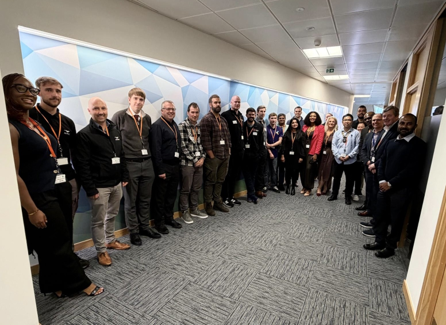
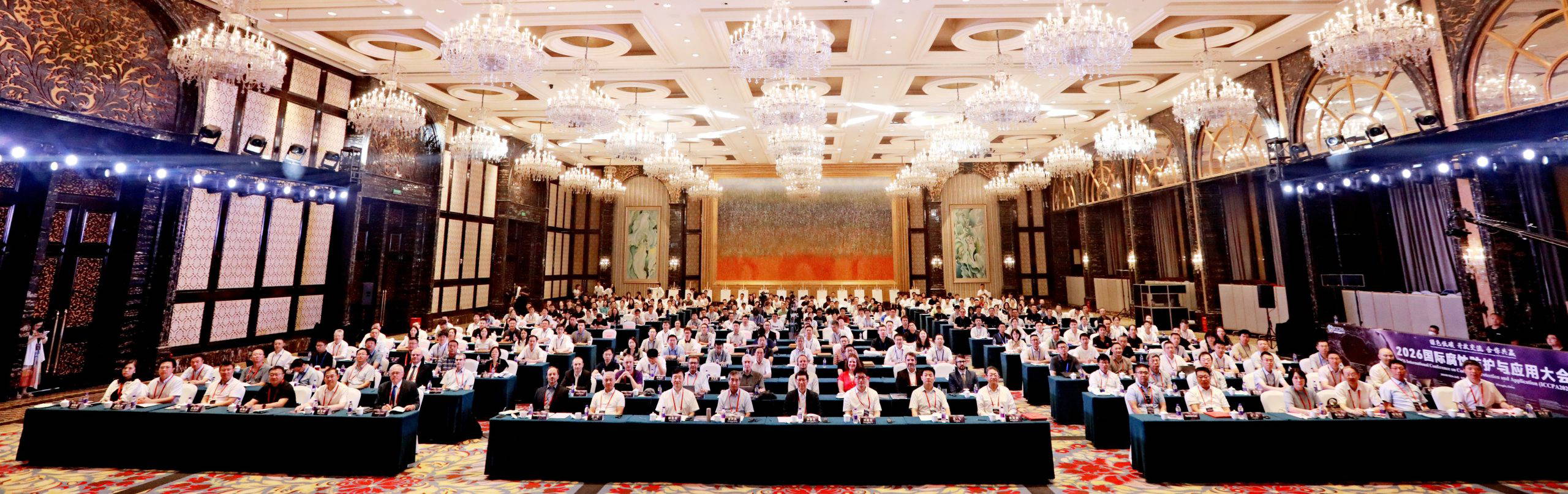
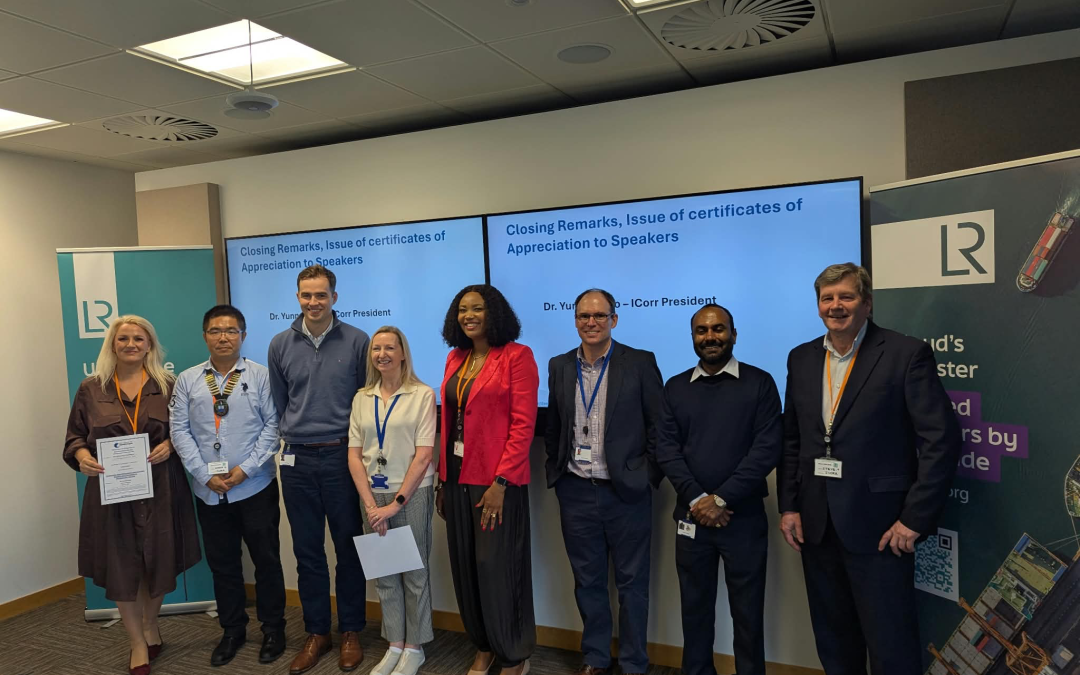
Photo: CAD 26 Delegates The welcome was jointly provided by the Aberdeen Branch Chair, Stephanie Okoye, BEng, MSc, CEng, AMPP – Lead Corrosion Engineer – Vysus Group, supported by Rob Howard PhD, CEng of Lloyd’s Register – Materials Team Leader in the Offshore Technical Support Division
Presentations
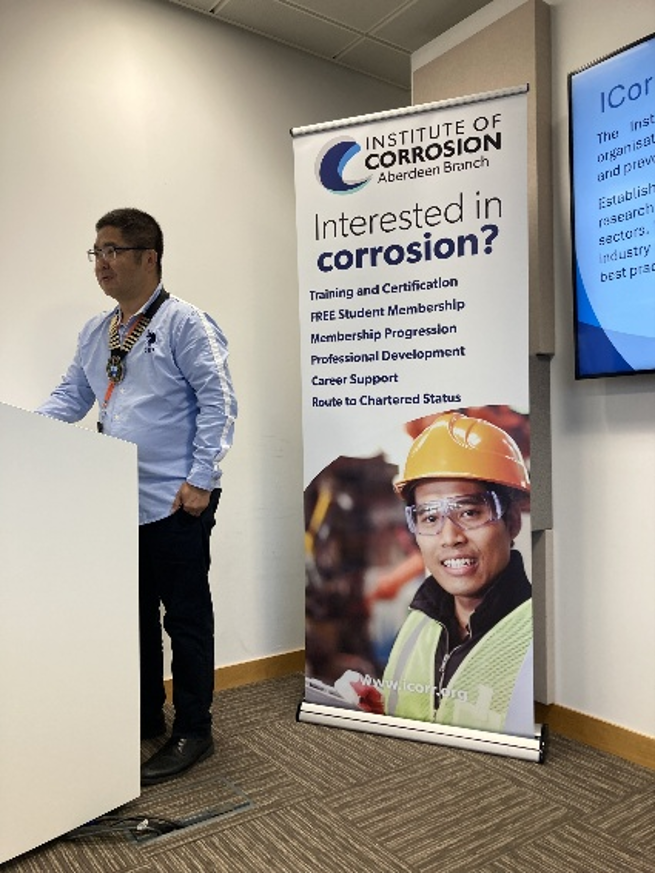
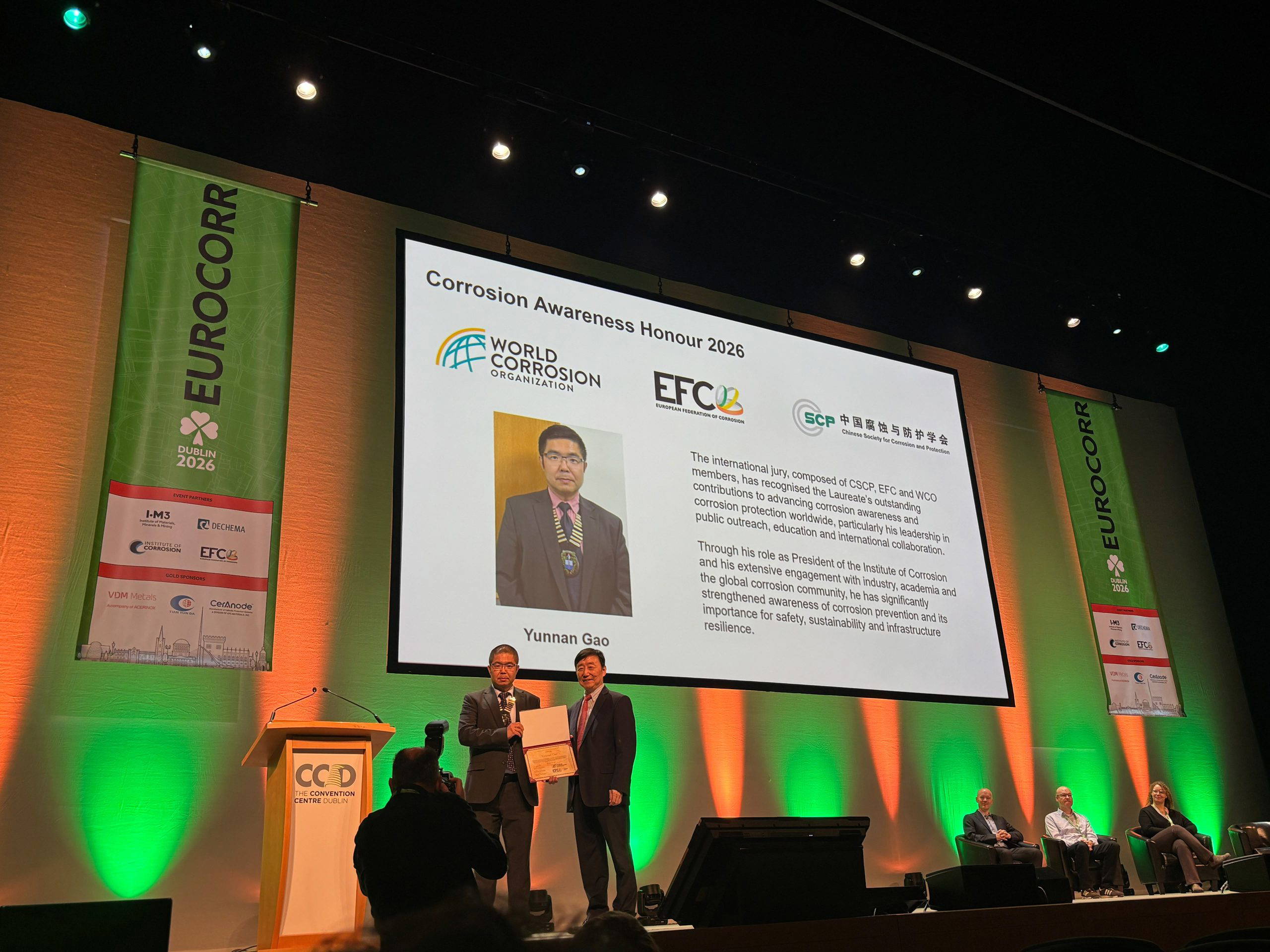
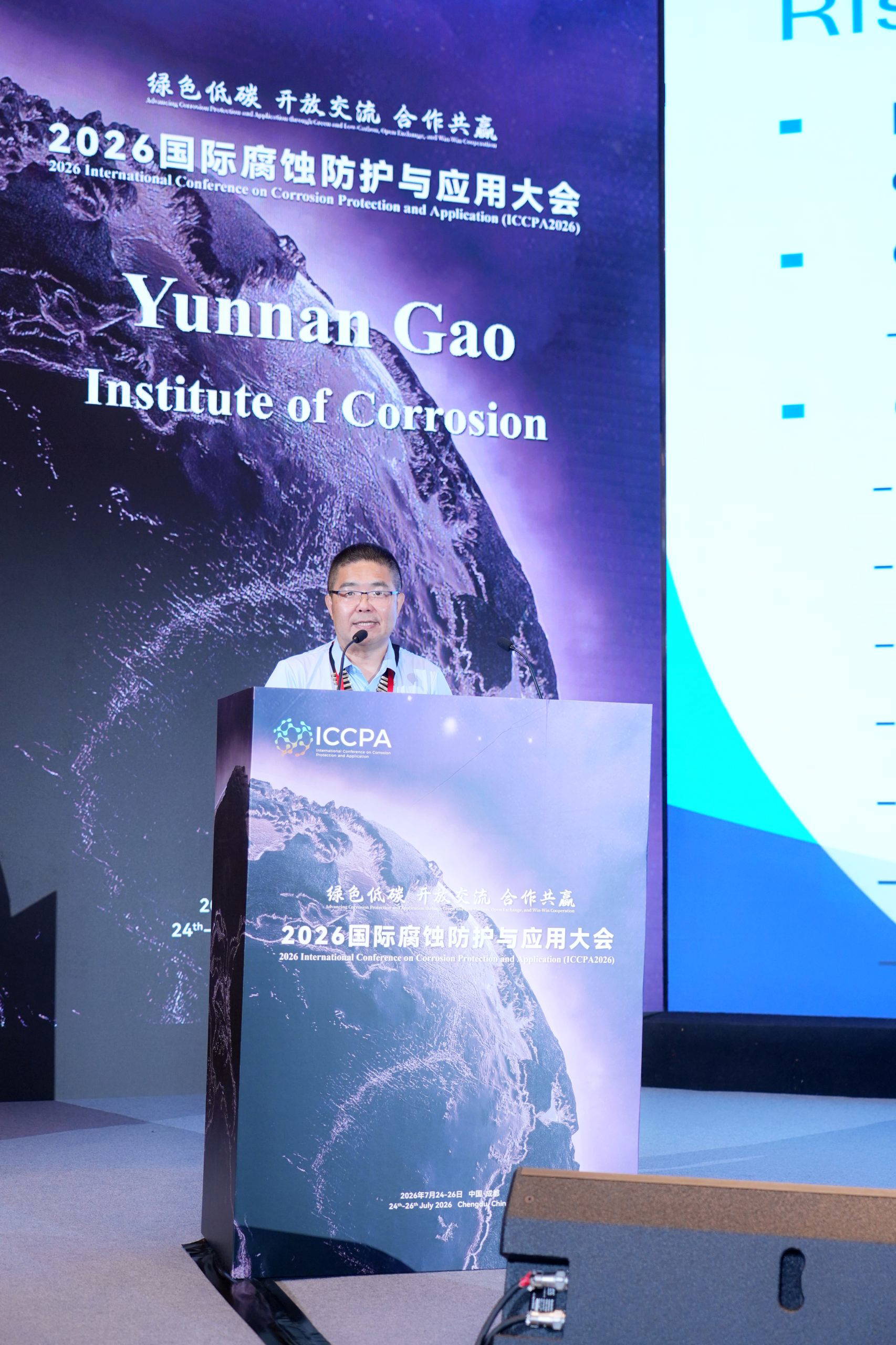
Photo: President – Dr Yunnan Gao
Opening Remarks
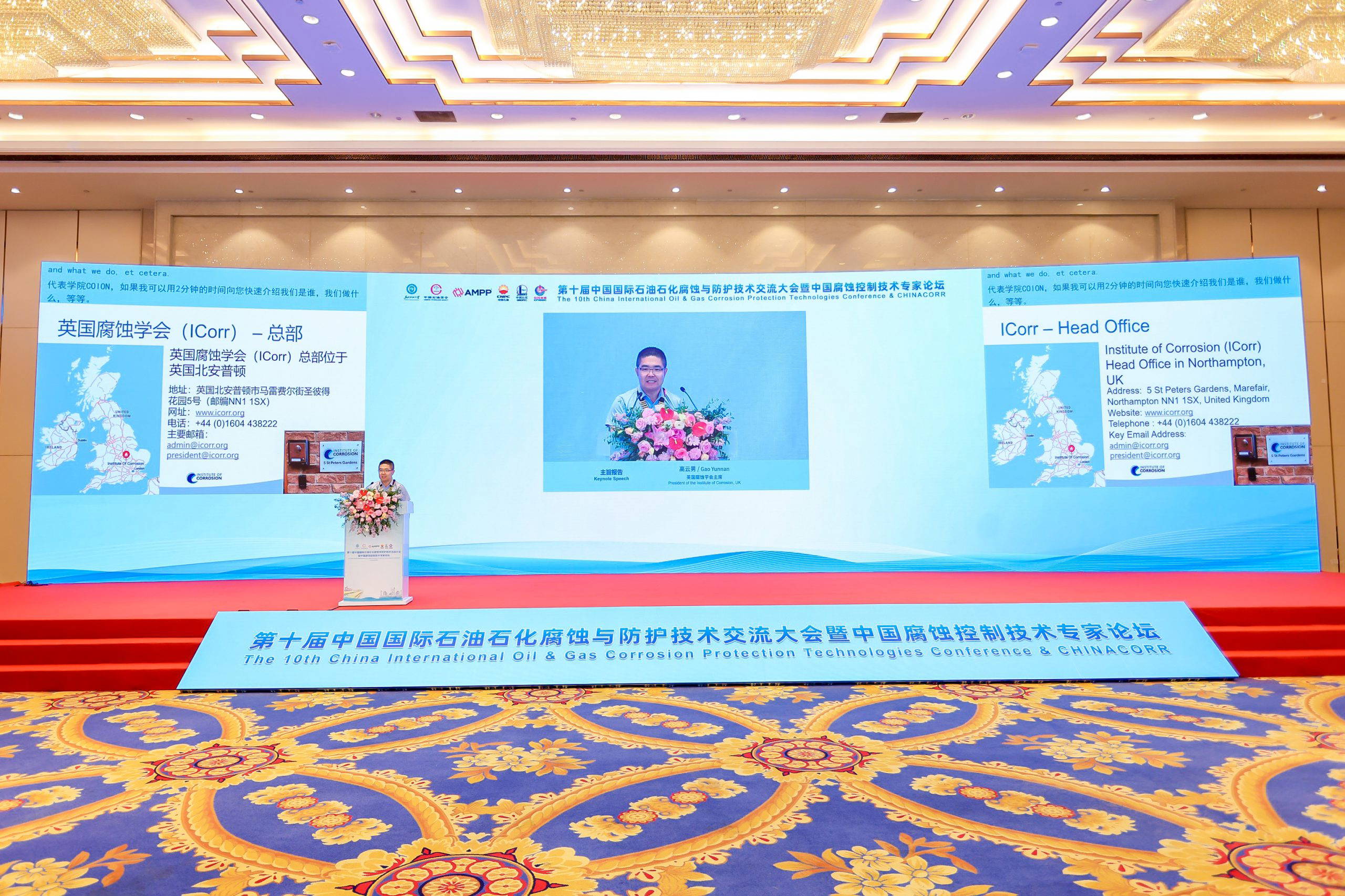
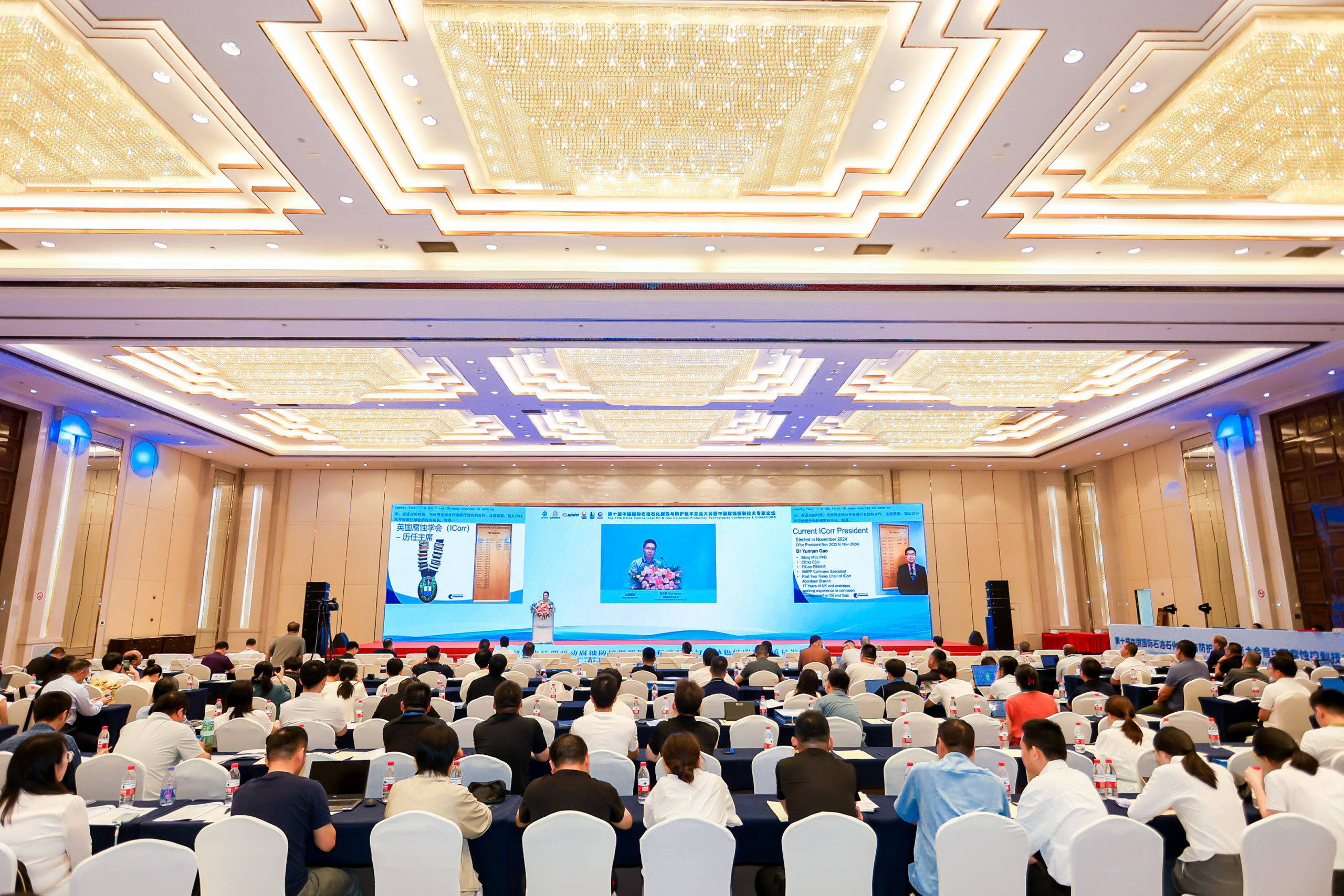
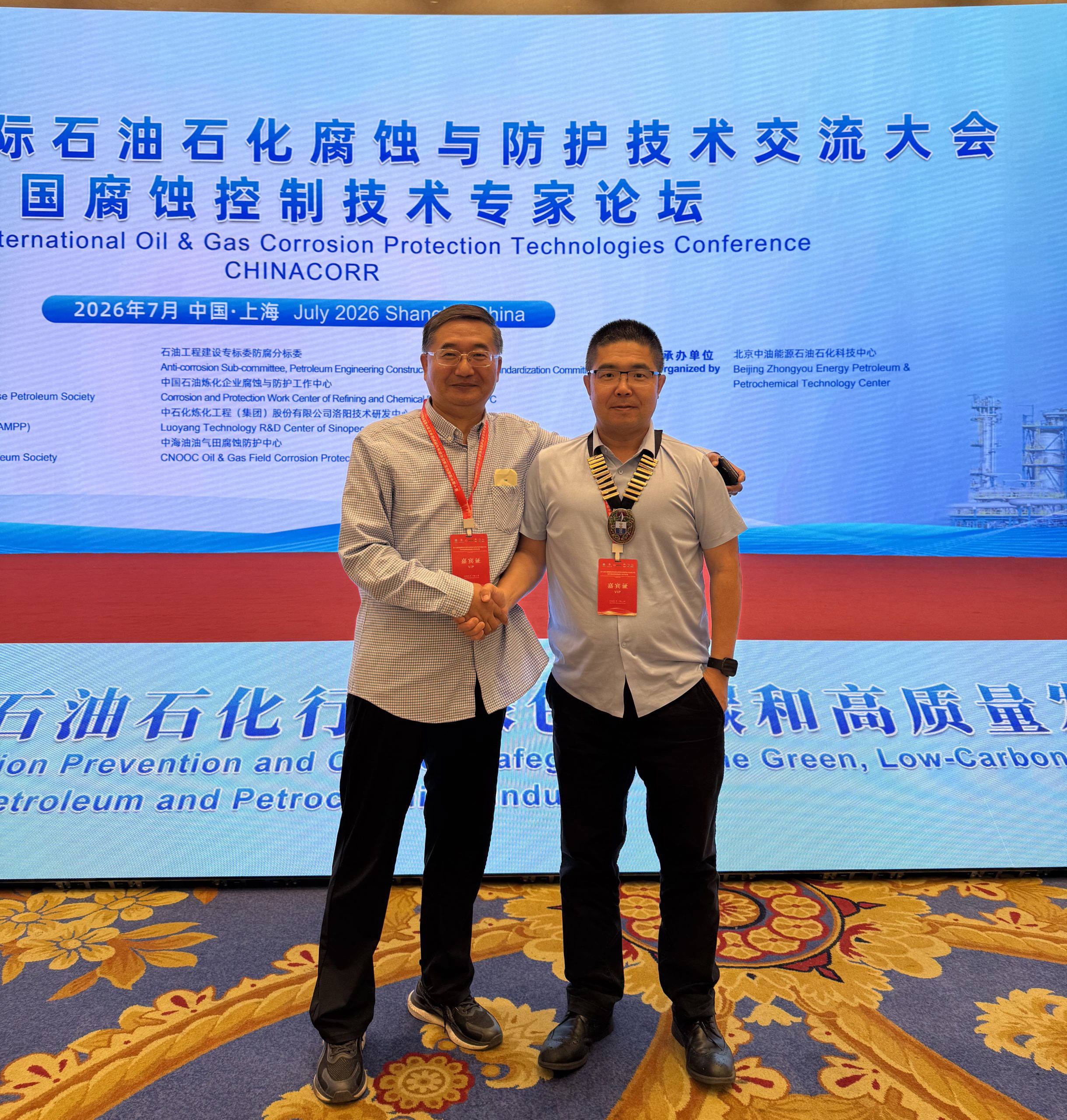
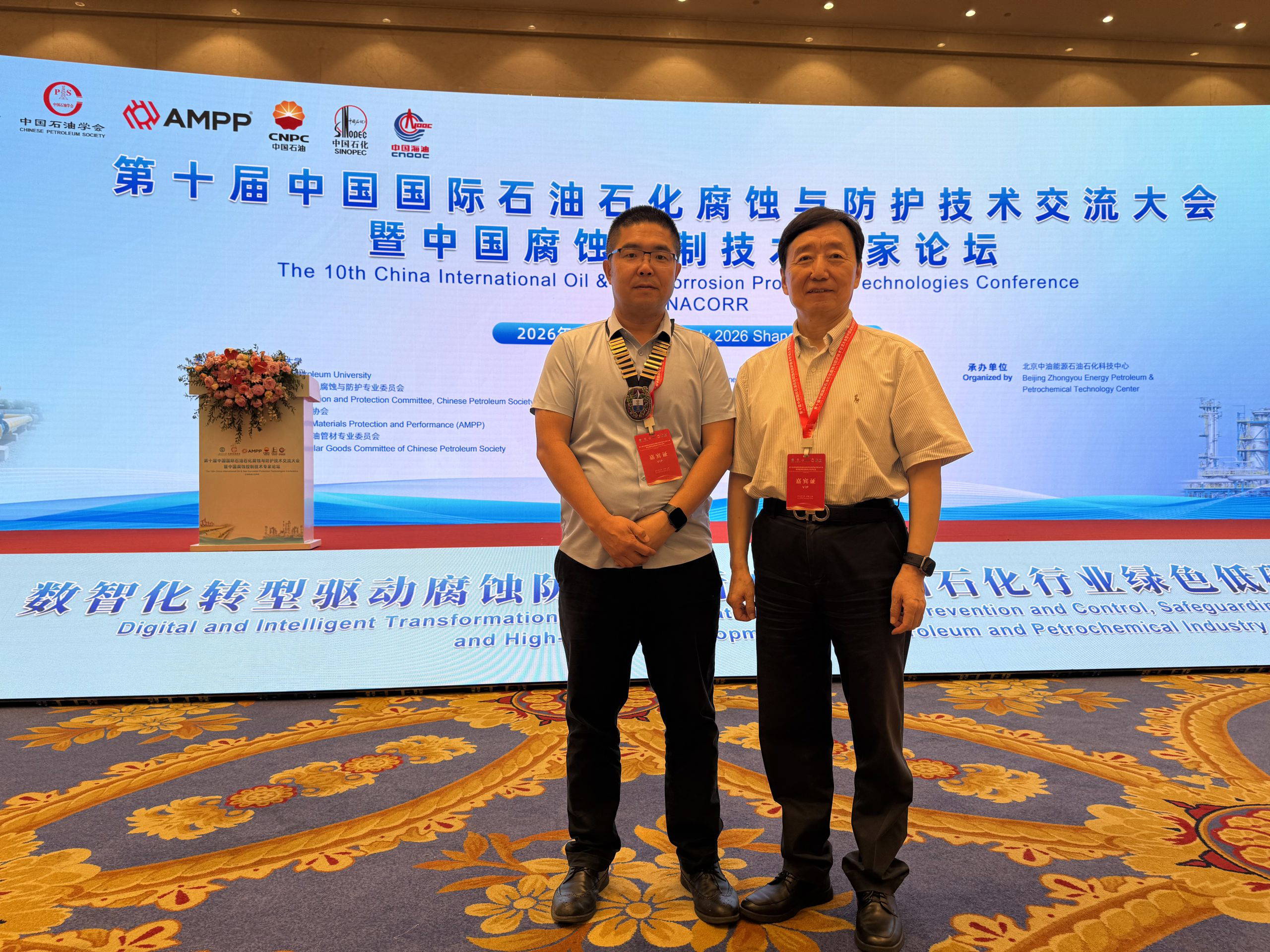
The branch was honoured to have an opening speech by the current ICorr National President – Dr Yunnan Gao, PhD, FICorr, FIMM, CEng, CSci, AMPP, who gave comprehensive introduction to the work of the Institute, its mission, activities, and role in supporting the corrosion profession. He stressed the opportunities and benefits available through ICorr membership – Career development, continuing professional development (CPD), and pathways to professional registration and engagement with international corrosion organisations and global activities.
The Fundamentals of Corrosion
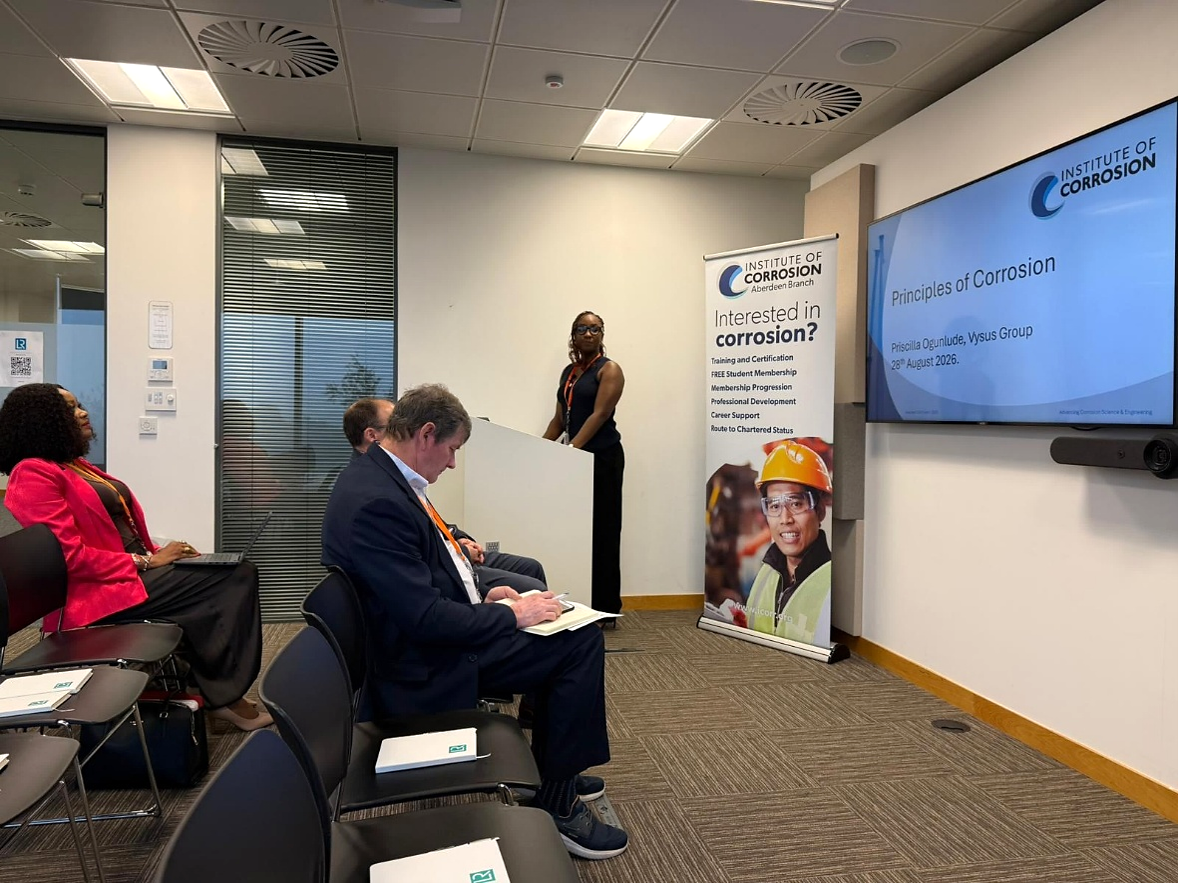
Photo: Priscilla Ogunlude PhD, MSc, API
Technical proceedings commenced with Dr Priscilla Ogunlude PhD, MSc, API, a Corrosion Engineer with Vysus Group specialising in corrosion assessment, asset integrity, risk-based inspection and corrosion management for oil and gas and energy transition assets. Priscilla is passionate about corrosion awareness, knowledge sharing and supporting the development of future corrosion professionals and she gave a very clear presentation on the fundamental of corrosion, using practical examples throughout, highlighting the importance of understanding degradation mechanisms as the industry transitions towards lower-carbon technologies.
Cost of Corrosion and Failures Impacts
Photo: Pavin Pavithran, BEng, MSc, MBA, CEng, FICorr
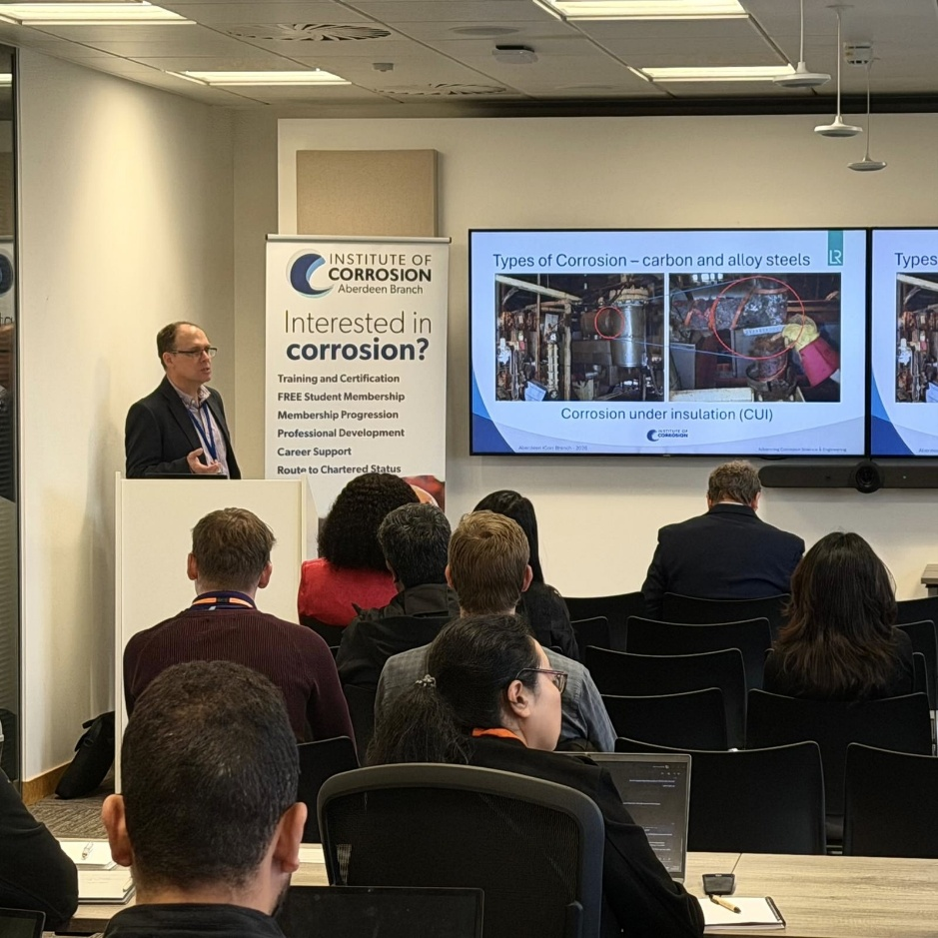
Photo: PG Dip Eng, MBA, MICorr
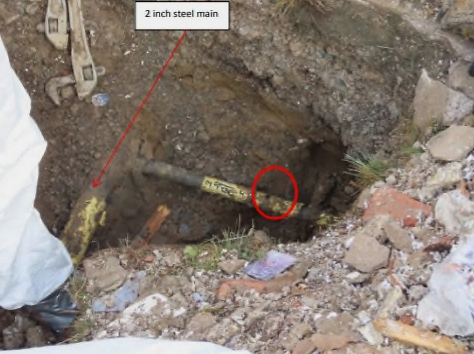
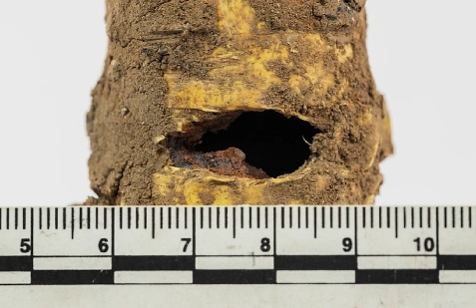
Stephen Tate, MBA, PG Dip Eng, MICorr, is the Immediate Past President of the Institute of Corrosion (ICorr) and a highly experienced corrosion professional with an extensive career spanning the global energy industry. He has been a long-standing member of the ICorr Aberdeen Branch Committee for over 15 years. This presentation was designed to raise awareness of the significant economic burden that corrosion places on society, as well as the environmental, operational, and safety risks associated with corrosion-related failures, including several examples from the Aberdeenshire area. It also highlighted the vital role of corrosion professionals in safeguarding critical infrastructure and discussed the importance of developing the next generation of corrosion engineers and specialists.
Corrosion Engineers in Action
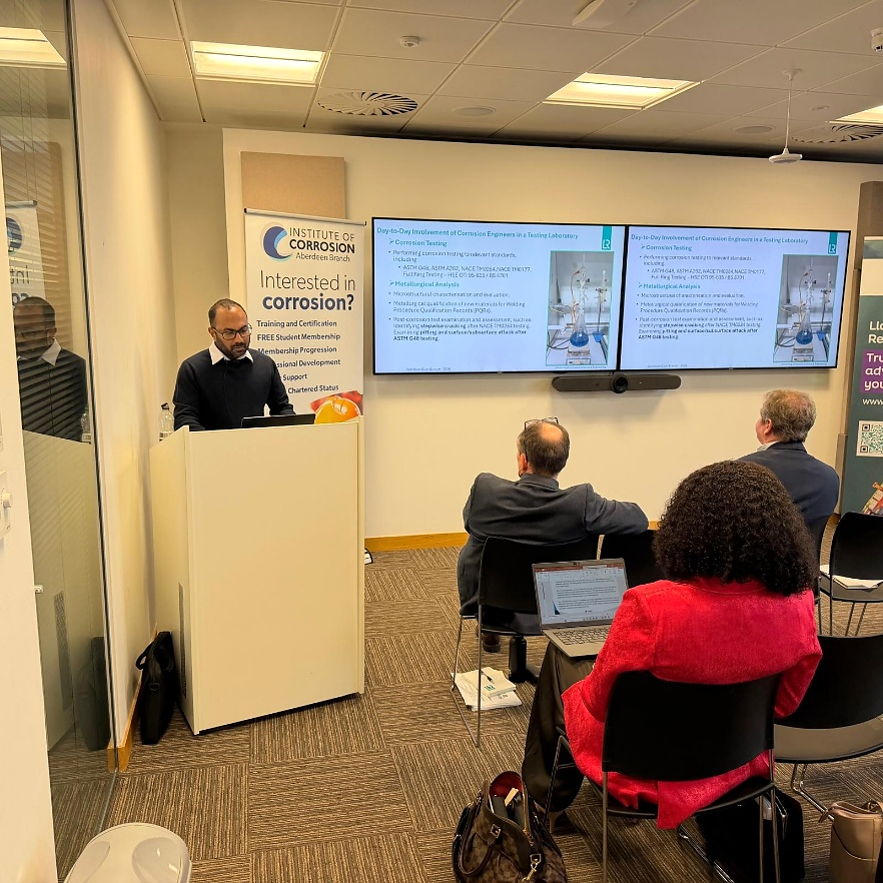
Photo: Pavin Pavithran, BEng, MSc, MBA, CEng, FICorr
This most engaging session was given by Pavin Pavithran, BEng, MSc, MBA, CEng, FICorrAMPP Protective Coating Specialist, AMPP Corrosion Specialist, AMPP Senior Corrosion Technologist who is a Senior Corrosion Specialist at Lloyd’s Register. His current role is in the independent assurance of cathodic protection, coatings, corrosion degradation assessments and material selection. The presentation was based on his 20 year career in Corrosion and Materials. This provided early-career corrosion engineers a clear understanding of the variety of roles they may encounter throughout their careers. The presentation illustrated the role of corrosion engineers across different stages of the energy industry lifecycle, highlighting their contributions in areas such as design, project execution, testing, operations, and turnarounds, demonstrating how the discipline supports asset integrity, reliability, and safe operations.
Material Selection for Upstream Oil and Gas
Photo: PG Dip Eng, Photo: Rob Howard, PhD, CEng
Rob Howard, PhD, CEngof Lloyd’s Register discussed materials selection critical to the Oil & Gas processing industry making reference to a process diagram from well to final product, he looked at the common types of corrosion witnessed in the process equipment: A selection of materials for corrosion resistance was reviewed showing how we can move from Martensitic and Austenitic Stainless steels up to Duplex and on to Ni and Titanium alloys to get sufficient resilience, albeit with some heavy cost implications. He also explained how the choice of equipment materials is influenced by parameters such as corrosivity, flowrates and chloride and hydrogen sulphide levels. However, equally important are the heat treatment condition and mechanical properties required, the corrosion resistance and issues such as weldability and ongoing costs for inspection maintenance and repair of materials selected. Rob referenced a number of international sources which are particularly useful for materials selection and stressed the need to examine Manufacturer capability and quality control of the product:
Continuous Area Monitoring for Localised Erosion and Corrosion
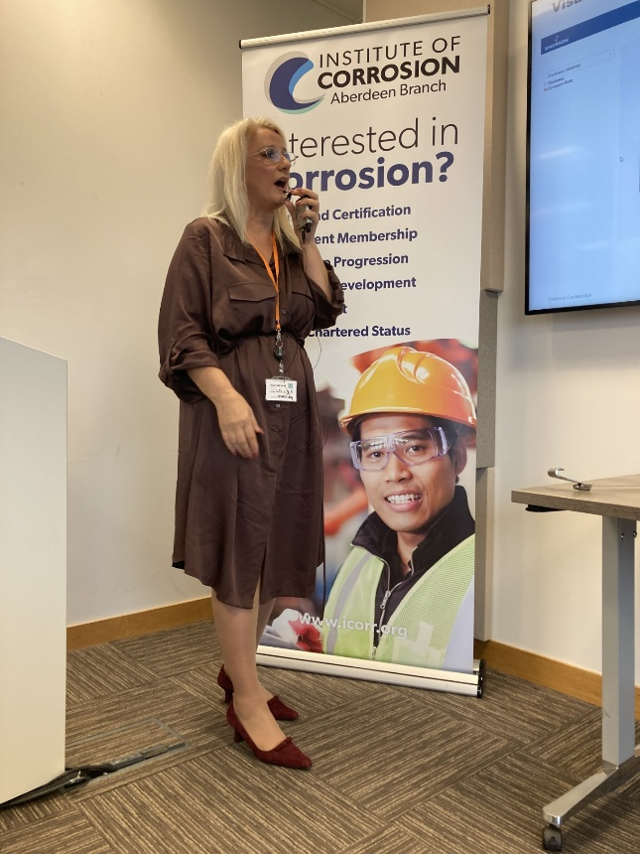
Photo: Lirije Lilly Kadriu, MSc, BSc, CIM
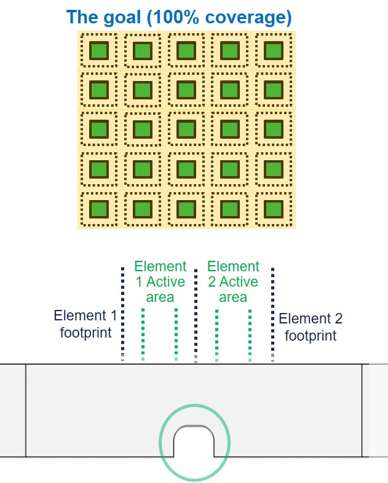
Lirije Lilly Kadriu, MSc, BSc, CIM, is Senior Manager, Global Product Management at Emerson. Based in the UK, she has worked closely with customers, industry experts, and global engineering teams to advance technologies that help asset owners improve integrity management, reduce risk, and optimise operational performance across the energy and process industries. Localised erosion and corrosion remain among the most difficult integrity threats to manage in upstream oil and gas production. Manual ultrasonic inspection covers a wider area but is infrequent, labour-intensive, and exposes personnel to repeated visits to hazardous locations. This presentation introduced a new class of online monitoring sensor designed to close this gap – the Rosemount LA120 Area Monitor that uses a dense array of Electromagnetic Acoustic Transducer (EMAT) elements to deliver direct ultrasonic wall thickness measurements continuously across a defined area of the pipe surface without the need for couplant’, and through coatings up to 500 microns. Due to be launched in Q1 2027, the 28 strong sensor array is fully non-intrusive, requires no hot work, and can be retrofitted easily to existing assets in Zone 0 and Class I Division 1 hazardous environments.
Corrosion Management Considerations for Assets Approaching CoP
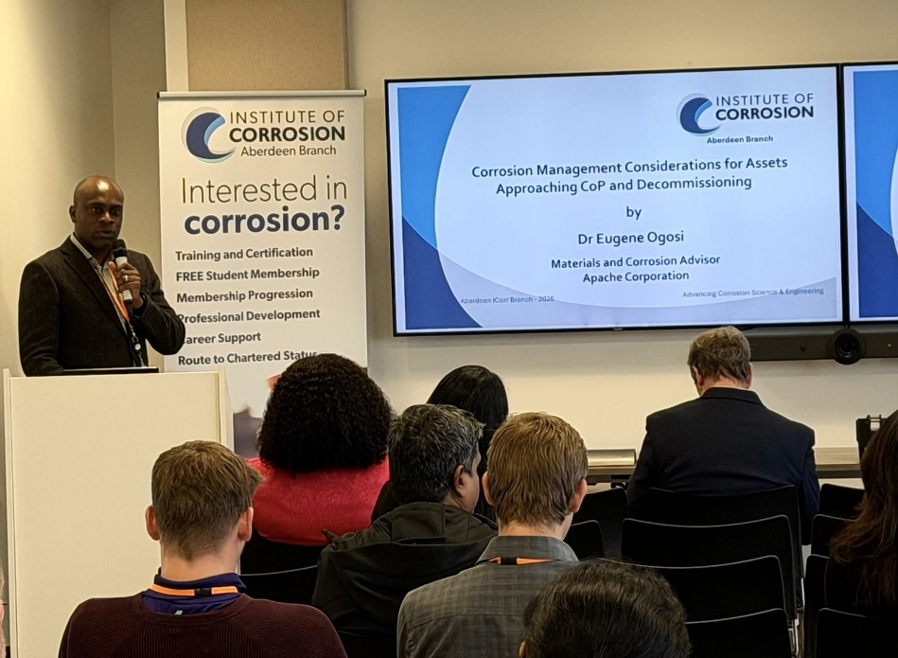
Photo: Eugene Ogosi, PhD, MSc, BEng, CEng, FICorr, AMPP
The morning session was closed with an excellent presentation by Dr. Eugene Ogosi, PhD, MSc, BEng, CEng, FICorr, AMPP, who has worked across operators, service companies, and verification bodies, gaining extensive experience in materials selection, cathodic protection, and integrity management. He is currently Materials and Corrosion Advisor at Apache Corporation and provides technical leadership for implementation of Integrity Management practices. Emphasis was placed on techniques designed to optimise inspection, monitoring, anomaly management, fabric maintenance, and corrosion mitigation through streamlined processes, targeted technologies, and data-driven decision-making. Eugene explained that robust, risk-based corrosion assessments are essential; but their implementation is often challenged by data gaps, ageing infrastructure, and limited resources.
A magnificent Lunch followed with an opportunity for all to network.
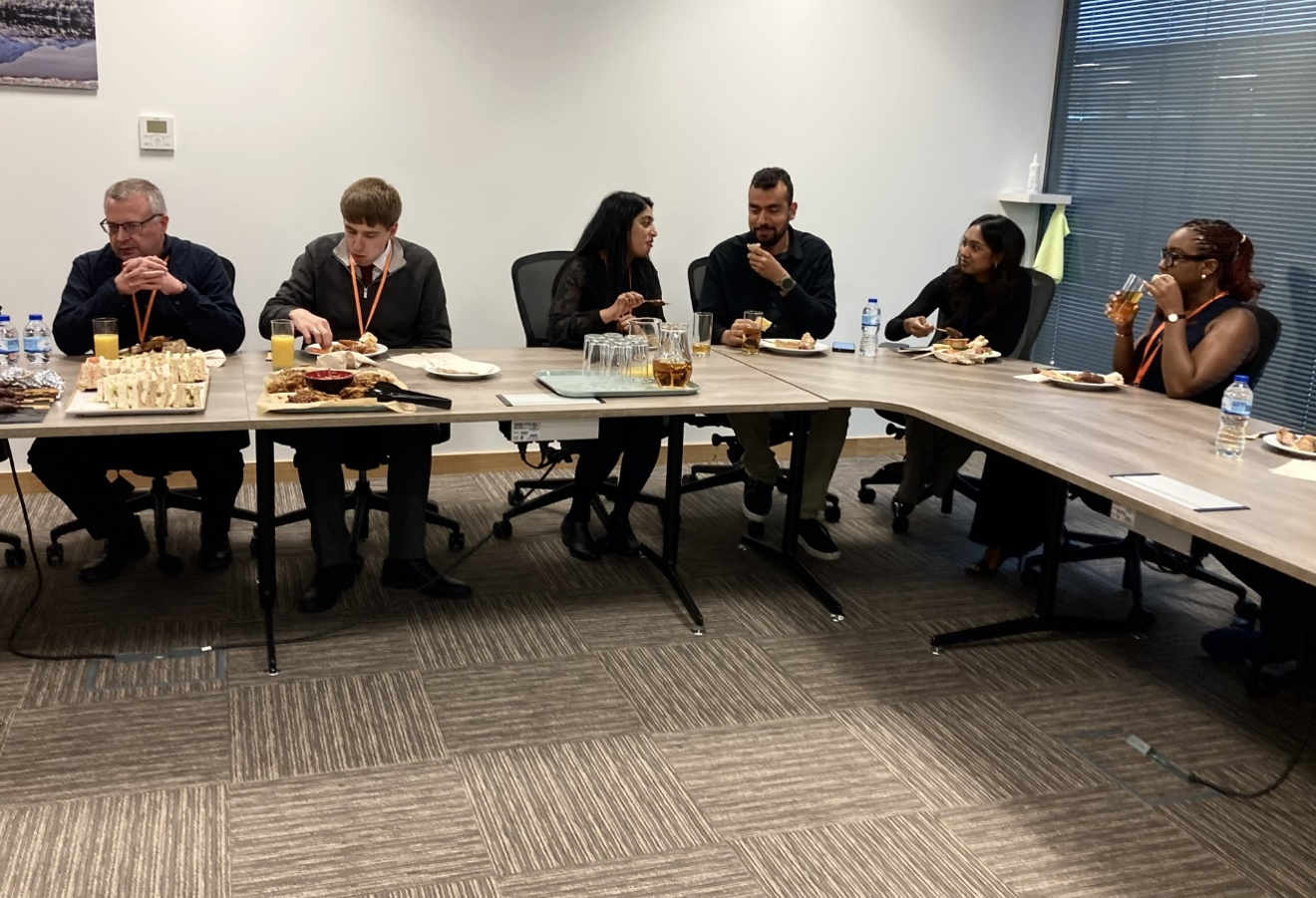
Photo: CAD 26 Buffet – One of many Networking Opportunities throughout the day.
Our hosts Lloyds Register (LR) kindly provided a very varied selection food to cater for all tastes.
Overview of LR Compliance Services and Case Studies
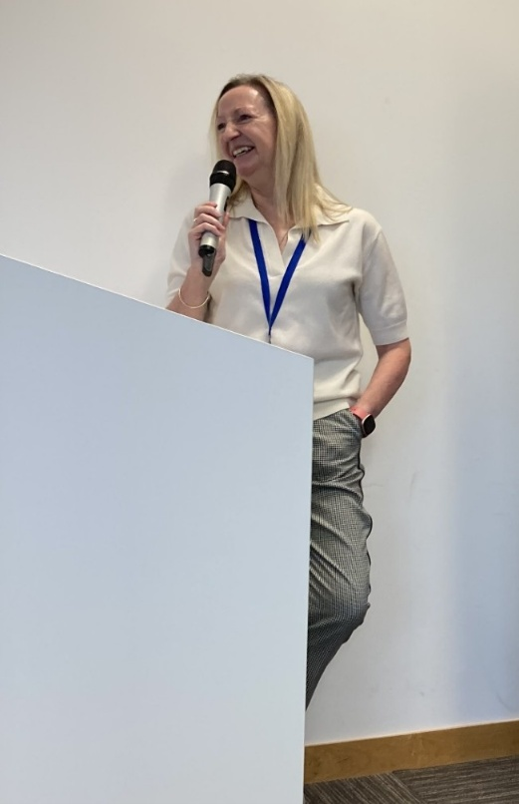
Fiona Clark
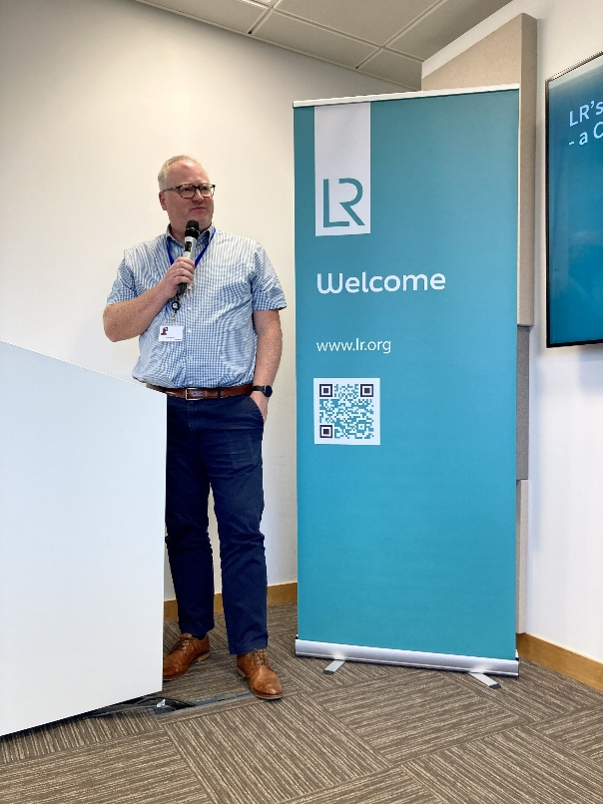
Colin McKenzie
Fiona Clark – Head of Global Projects at LR and Colin McKenzie – Principal Project Manager commenced the afternoons proceedings with a comprehensive overview of LRs compliance services and the benefits that these services bring to clients, using recent examples from real projects, offering solutions during every stage of an asset’s lifecycle.
Overview of LR Advisory Services
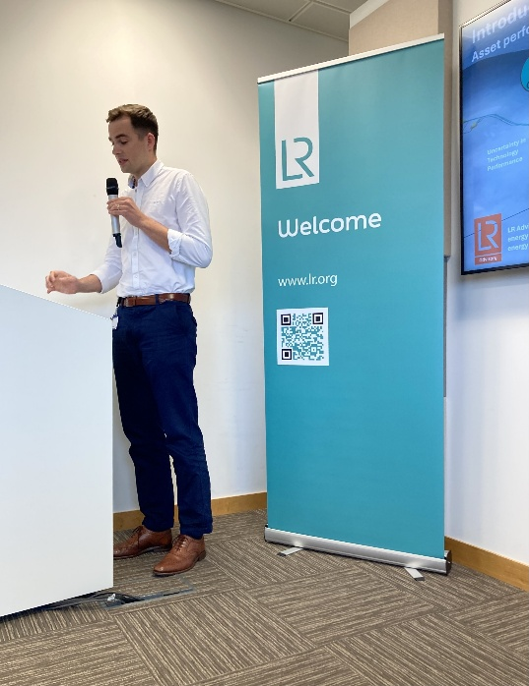
Photo: Luke Munro, MEng
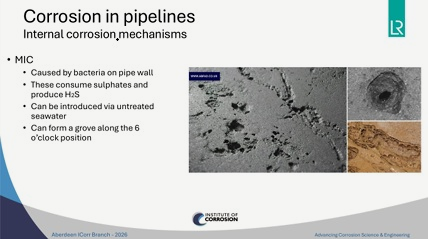
A very impressive presentation then followed by Luke Munro, MEng a Pipeline Specialist in the Lloyd’s Register Subsea and Wellheads team He outlined the wide range of engineering consultancy services provided by LR Advisory, and illustrated this with a case study from consultancy work performed by LR Pipeline Specialists, reviewing the inline inspection results from a UK North sea pipeline, assessing the distribution and severity of reported defects and recommending monitoring and remedial actions for continued safe operation.
Overview of Fixed and Floating Offshore Wind
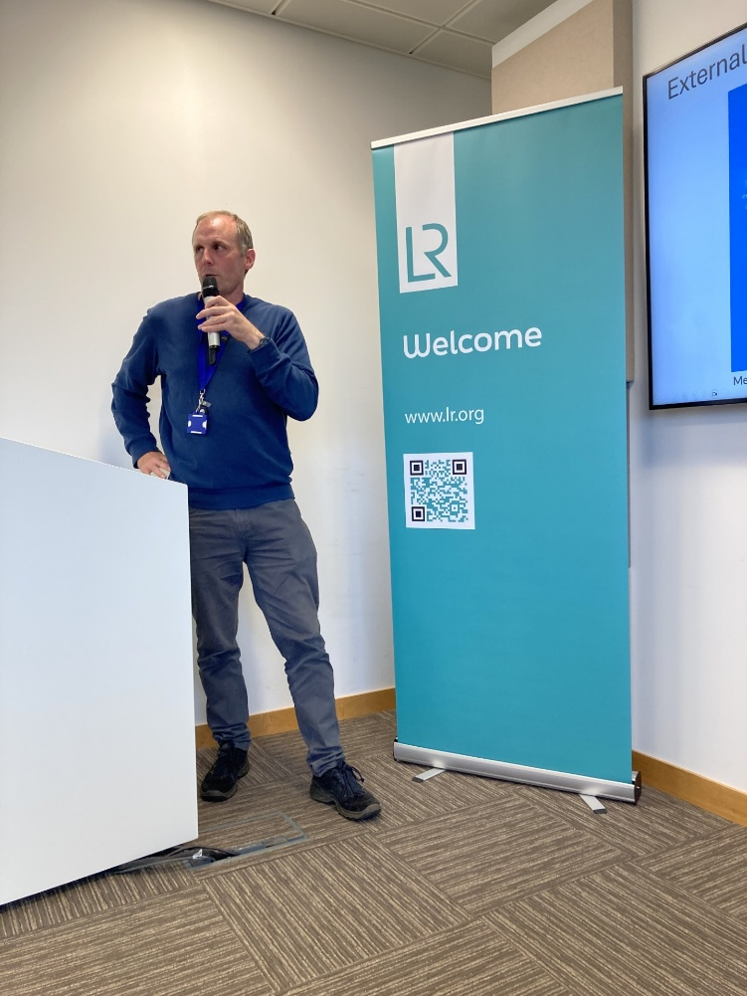
Photo: Neil Morgan, PhD CEng
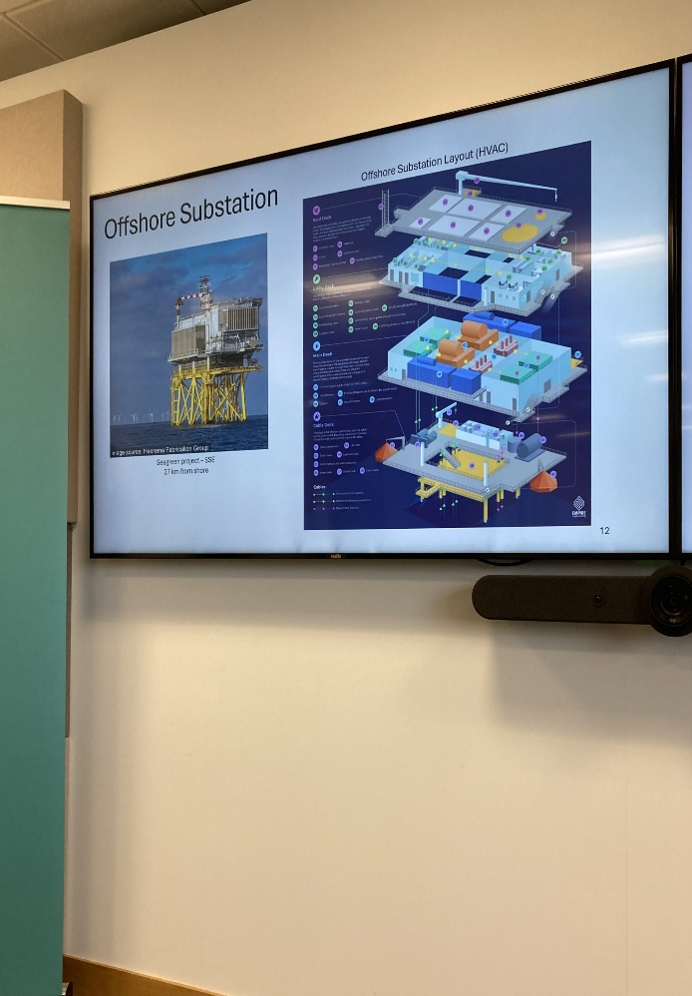
The event concluded with a venture into the Offshore Wind Sector by Neil Morgan, PhD CEngwho has over 20 years’ experience as an offshore Geotechnical Engineer and engineering manager for offshore projects in the wind and oil & gas industries. He has worked on fixed and floating projects globally and is convenor of the ISO WG10 committee covering seabed & foundation related content for the ISO 19900 series of standards. His talk provided an in-depth look at typical windfarm layout, and the assets within a typical wind farm, including the turbines themselves, cables and substations, with an overview of the engineering challenges behind designing and installing windfarm assets. This provided a perfect end to our CAD 26 proceedings.
A huge thank you to (LR) for hosting the event and providing excellent support throughout and special thanks to Rob Howard, who was an absolute pleasure to work with. His commitment, professionalism, and support made the planning process seamless from start to finish.
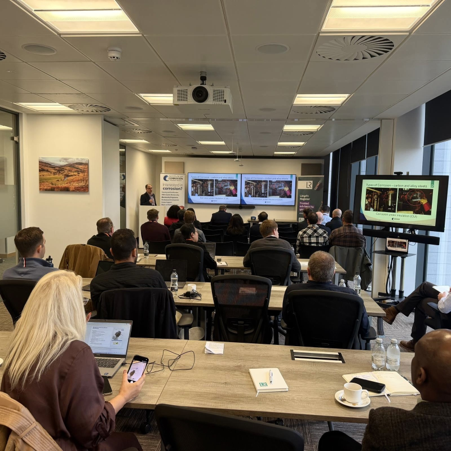
Photo: Grand Finale – The Corrosion Quiz

Photo: Dr Steve Paterson, ICorr Aberdeen Committee Member and Quiz
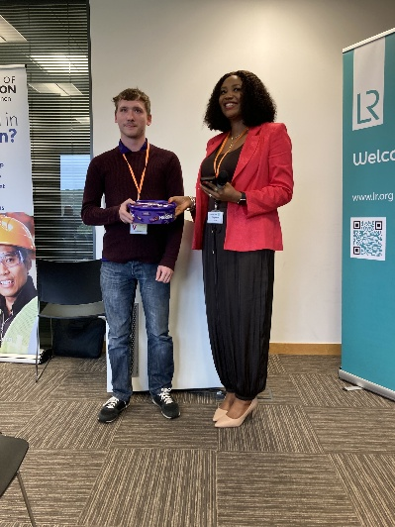
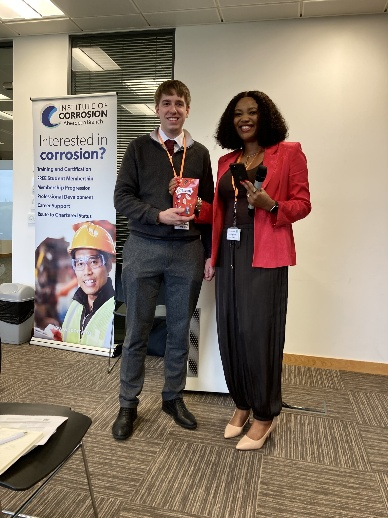
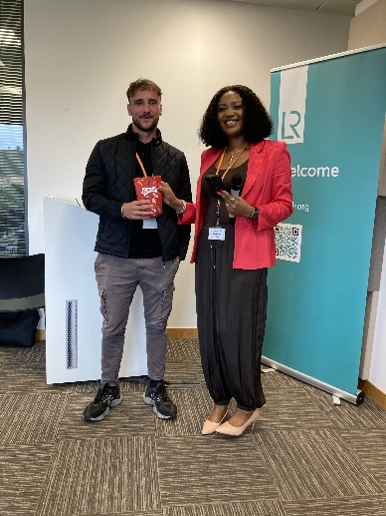
Photos: Winners of the CAD 26 Corrosion Quiz with Aberdeen Chair – Stephanie Okoye, 1st Prize – Ruslan Postupalenko (Kent PLC), 2nd Prize – Ruaridh Yates (Student – Edinburgh) and 3rd Prize – Dylan Griggs (Altrad).
Behind every successful event is a dedicated team working tirelessly behind the scenes. The Chair expressed her heartfelt thanks to the Aberdeen Committee and particularly to Fatemeh Faraji (Event Co-ordinator) for all their hard work, commitment, and support throughout the planning and delivery of the event.
Future Events
On Tuesday 29th September, Aberdeen will join with the Noth Scottish Branch of TWI “North Scottish Branch” northscottishbranch@theweldinginstitute.com for an In-Person Event at the Palm Court Hotel, Aberdeen for a talk entitled Laser Additive Manufacturing – Coatings, Repair, and Net-Shape Manufacture by Dr. Emma Woods of Laser Additive Manufacture, TWI Ltd.
All upcoming Aberdeen events are now published on: https://www.icorr.org/events/
Abstracts of potential papers for the Aberdeen Technical Programme are always welcome, and anyone wishing to join committee should correspond with the Aberdeen Chair: Stephanie Okoye ABZchair@icorr.org
Further Information about the Aberdeen Branch, and past presentations, may be found on their website page: Aberdeen Branch – Institute of Corrosion (icorr.org) at: Local Technical Programme https://www.icorr.org/aberdeen/
To join the Aberdeen Branch mailing list, please contact: icorrabz@gmail.com
With additional thanks to all our local Branch sponsors for their ongoing support. The 2026 Corrosion Awareness Day was a tremendous success.