New Corporate Member – Bilfinger UK

New Corporate Member – Bilfinger UK

The Institute of Corrosion welcomes its latest Corporate Member, the highest company grade of membership that is increasingly sought after, offering the highest level of engagement with ICorr, for companies with 5 or more employees working in the corrosion prevention sector. Bilfinger UK is a leading engineering and maintenance provider, supporting customers across the chemical and petrochemical, nuclear, oil and gas, pharmaceuticals and biopharma, power and energy, utilities, renewables and food and beverage markets. The company enhances the efficiency of assets, ensuring a high level of availability and reducing maintenance costs.

Bilfinger UK has extensive experience in offshore and onshore facilities; specialising in asset management services throughout all life cycle phases from consulting, engineering, manufacturing, assembly, operations, maintenance, and decommissioning.

This commitment is delivered by an experienced and highly competent workforce of over 4,500 employees operating from 14 offices in strategic industrial hubs, upholding the highest standards of safety, compliance and quality.

Contact Details: Johnny Morton, Bilfinger UK Limited, 
4 Greenhole Place, Aberdeen AB23 8EU

Phone: 01224 246108   Mobile: 07741 314435

johnny.morton@bilfinger.com

What Is the Role of a Passive Fire Protection Inspector?

What Is the Role of a Passive Fire Protection Inspector?

Safeguarding the Future: The Crucial Role of PFP Inspectors in Industry Safety

In the critical landscape of the oil, gas, and energy industry, the need for stringent safety measures is undeniable. Passive Fire Protection (PFP) is a safety-critical item, protecting structures, lives and the environment. Consequently, the role of the PFP Inspector is highly important to meeting high standards of installation and therefore dependability in the event of a fire.

As a PFP Inspector, your role is pivotal in mitigating risk. You’ll be responsible for ensuring that PFP systems are installed in compliance with standards, specifications reflecting regulation, and in accordance with current best practices. The objective? To assess installation of PFP systems so they achieve the objectives of safeguarding assets, human lives, and the environment.

In short, a PFP Inspector is far more than a job title – you are a key player in maintaining high safety standards.

Key Takeaways

  • PFP Inspectors play a pivotal role in mitigating risks within the oil, gas, and energy industry.
  • Their work involves ensuring PFP systems comply with international regulations, standards, and best practices.
  • A deep understanding of the PFP installation process, from surface preparation to final topcoat, is essential.
  • Critical problem-solving skills are developed through specialised PFP training courses.
  • ICorr PFP Inspector Training Courses stand out for their comprehensive curriculum and practical insights.

What Are the Responsibilities and Work of a PFP Inspector?

As a PFP Inspector, your responsibilities revolve around ensuring the uncompromised safety and compliance of PFP systems within the high stakes environment of the oil, gas, and energy industry. Your overarching responsibility is to ascertain the integrity of PFP installations, making certain they adhere to project specifications and documentation relating to product use and qualification. Achieving the highest standards of installation is key to the longevity and durability of the system.

General Responsibilities

Your role as a PFP Inspector encompasses a myriad of critical functions:

  • Ensuring Compliance

Verifying that the installation of all PFP materials are completed to the highest possible standard, utilising established quality control procedures at every stage of the installation.

  • Liaising Among Stakeholders

You act as the critical link between the parties involved in the design and construction of key oil and gas assets, be they owners, engineers, contractors, PFP installers or other parties key to the project. Being able to liaise with all parties who have influence on the installation process to achieve a satisfactory outcome is a key skill of the PFP Inspector.

  • Participating in Site Meetings

By understanding plans and targets, you communicate observations directly, ensuring that any potential safety or quality concerns are addressed promptly and effectively.

  • Inspecting Material Quality

You rigorously inspect materials for compliance with certification and general quality, ensuring that they meet design specifications and contribute to the overall safety of the project.

  • Initiating Mock-Ups

You oversee the creation of test pieces to serve as a reference piece to the system build and appearance, ensuring that the final product will meet both aesthetic and safety standards.

  • Verifying Tool and Machinery Compliance

You ensure that all tools and machinery used in the installation process comply with the PFP manufacturer’s requirements, method statements, and other documentation, safeguarding against potential hazards.

Daily/Project-Based Activities

Daily, your activities might include:

  • Pre-Job Meeting and Method Statement

You will be a key participant in the pre-job meeting where all parties involved in the project take time to understand each other’s roles, participation, and deliverables. It will be part of the Method Statement which describes how the project is to be executed.

  • Checking Ambient Conditions

Prior to work commencement, you assess the ambient conditions on-site, ensuring they project specification requirements and the PFP manufacturers requirements for environmental conditions.

  • Working to Project Specification and Documentation

Understanding the project specification and key documents such as the Inspection Test Plan (ITP) will be part of your daily work. Matching project specification against PFP product documentation, such as Type Approval Certificates, will be a key part of your role.

  • Documenting Observations

You document observations regarding the application processes, ensuring that every aspect of the installation aligns with the project specifications and documentation, reporting and managing nonconformance issues as they may arise, and managing their resolution.

How Are PFP Inspectors Employed?

Depending on the operational framework and specific needs of the project, a PFP Inspector might serve as a representative of the owner, the constructor, or the installation contractor. Whoever is your employer, your objective is clear: to ensure the safety and integrity of oil, gas, and energy projects through meticulous oversight and implementation of sound inspection practices and quality processes.

What Are the Key Attributes of Successful PFP Inspectors?

As a PFP Inspector, you’ll be charged with a complex combination of responsibilities and expectations. During the installation process, deviation from best practices and sound principles can lead to significant short- or long-term issues with a PFP system. To navigate the challenges of the role successfully, you must embody certain key attributes.

First and foremost, a deep and sound understanding of the entire process of installing PFP materials is essential. This encompasses everything from the initial surface preparation of the steel to the application of the final topcoat on the PFP. You’ll need to take a nuanced approach, and recognise potential pitfalls, to pre-empt and resolve issues that could compromise the safety and durability of the installation.

Moreover, your ability to understand all elements of the PFP installation process and effectively collaborate with all parties involved is critical. This involves not just oversight, but active engagement with the various teams and individuals who contribute to the installation. Remember, your prime responsibility is to ensure that every facet of the application meets the highest-quality standards. This requires a blend of technical knowledge and interpersonal skills.

Additionally, the capacity to work constructively with the various disciplines involved in a PFP application is indispensable. A successful PFP Inspector facilitates efficient installation within prescribed timelines, navigating the complexities of project schedules and the diverse needs of stakeholders. You’ll need technical knowledge and project management skills, as well as the ability to communicate effectively to ensure that everyone involved is working toward the common goal.

In essence, the key attributes of successful PFP Inspectors hinge on:

  • A comprehensive understanding of the PFP installation process
  • The ability to foster collaboration among diverse project teams
  • The skill to manage the intricacies of project timelines and quality standards

How Do You Start a Career as a PFP Inspector?

To embark on and thrive in a career in PFP inspection, specialised PFP training that sets you apart is essential. This is where the ICorr PFP Inspector Training Courses distinguish themselves.

Developed in collaboration with PFPNet, ICorr’s PFP courses are built upon a foundation of unparalleled theoretical knowledge and practical experience. This ensures that the curriculum remains at the cutting edge of industry standards and practices.

With a comprehensive approach that covers material types, product qualification, and potential installation complications, the Level 3 PFP Inspector Training offers an in-depth exploration of what it takes to ensure PFP systems meet rigorous fire protection requirements. This is not just about learning the right methods; it’s about understanding what can go wrong and how to address these issues effectively, making you a valuable asset in safeguarding infrastructure and lives.

In short, in the field of PFP inspection, qualifying via ICorr Level 3 PFP Inspector Training not only elevates your professional standing, but also equips you with the critical problem-solving skills needed in this vital industry role.

 

Second Young Engineer Programme 2024-202×5 Session

Second Young Engineer Programme 2024-202×5 Session

The second session of the Young Engineer Programme (YEP) 2024-2025 took place on February 22nd 2024, and was hosted online via Zoom.

The event featured an enlightening presentation delivered by Paul Lambert, Head of Materials and Corrosion at Mott MacDonald, a distinguished figure in the field of materials and corrosion engineering. Paul Lambert’s wealth of experience and expertise, combined with his previous and present leadership roles within the Institute of Corrosion (ICorr), added significant value to the session.

Presenter Profile

Paul Lambert, Head of Materials and Corrosion Technology, 
Mott Macdonald

Paul Lambert, with over 40 years of experience, has been at the forefront of structural durability and degradation investigations. He has also contributed extensively to the development of innovative remedial techniques for civil and building structures. Paul’s tenure as the President of ICorr from 2008 to 2010 and his current role as the Chair of the ICorr Professional Assessment Committee underscore his prominence and influence in the industry.

Key Highlights of the Session

Key Highlights of the Session

Paul Lambert’s presentation provided a comprehensive overview of material selection and its pivotal role in corrosion prevention. The following are the key highlights discussed during the session:

  • 
Paul explained the importance of selecting the appropriate materials for corrosion prevention strategies. He emphasised the critical role of materials in ensuring the longevity and integrity of various structures.
  • 
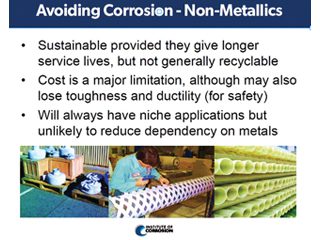
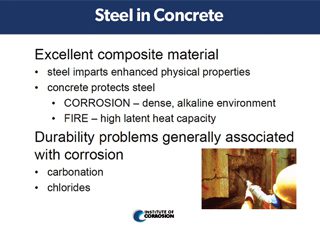
The presentation covered a wide range of materials commonly used in industrial applications, including carbon steels, corrosion-resistant alloys, polymers, composites, and concrete. Paul mentioned the benefits, limitations (including susceptibility to different degradation mechanisms), and specific industrial applications of each material type.
  • 
Paul underscored the significance of adhering to relevant codes and standards in material selection and corrosion prevention practices. He highlighted the importance of regulatory compliance in ensuring the safety and reliability of engineering projects.

The Young Engineer Programme 2024-2025 participants expressed their appreciation for Paul’s insightful presentation through positive feedback shared in the meeting chat and the lecture was well-received, with attendees acknowledging the valuable knowledge and practical insights gained.

In conclusion, Paul Lambert’s presentation at the second Young Engineer Programme 2024-2025 session was highly informative and engaging. His expertise in materials and corrosion engineering, coupled with his leadership roles within ICorr, provided YEP attendees with invaluable insights into the intricacies of material selection and corrosion prevention.  The YEP 2024-2025 organisers, Izabela Gajewska and Dr. Danny Burkle, extend their sincere gratitude to Paul Lambert for his exceptional contribution to the Young Engineer Programme 2024-2025 session. His expertise and insights significantly enhanced the educational value of the session, undoubtedly leaving a lasting impression on all participants.

North East Branch

North East Branch

The Institute of Corrosion has changed in many ways since our foundation in 1959 and our North East Branch is part of that expansion. Following the Covid pandemic it relaunched very successfully at the Institute of Mining building on 15th December 2022, an event which was greatly enjoyed by all.  During 2023 it hosted a major two-day Sustainability Conference in partnership with NEIMME, that included several industrial visits to nearby facilities linked to renewables. It continues to offer a varied and informative programme.

Most meetings are held at Neville Hall, Westgate Road, Newcastle upon Tyne NE1 home of the North of England Institute of Mining and Mechanical Engineers (NEIMME), which is right at the heart of Newcastle city centre with easy access by train and car, and within walking distance of a number of high standing hotels. This historic 19th century venue has a range of excellent facilities including lecture theatres, breakout rooms, and a superb library available 
for networking.

The technical events normally start at 18.00 with complimentary drinks and the technical presentation starts at 18.30.

There is complementary buffet and drinks are from 19.30 onwards.

The meeting generally closes around 21.00.

The branch hosts a regular social programme and presently intends to hold its next  Technical evening on 25th April with a presentation from Elcometer and further details will be posted to the Events Calendar: https://www.icorr.org/events/category/north-east-branch/list/  On 13th November in Newcastle, it will host this year’s ICorr AGM and supporting Technical Conference.

The Committee currently comprises:

  • Matt Fletcher (Chair)
  • Bruno Ravel (Vice Chair)
  • David Mobbs (Secretary)
  • Josie Watson (Treasurer)
  • Barry Turner (Events Manager)
  • Patrick Johnson (Committee Member)
  • Simon Daly (Committee Member)

Should you wish to provide a Technical Presentation to either a Branch meeting, or to the AGM Technical Conference, please send an Abstract, Bio and Photo to: Matt Fletcher @ nechair@icorr.org

Midlands Branch

Midlands Branch

The Midlands Branch is one of our seven ICorr Regional Branches, all strategically located to support our Membership throughout the United Kingdom. They provide a focal point for the local Engineering Fraternity to gather, discuss the pro’s and con’s of the latest technology and also to network socially.

Midlands like all our Branch Committees is made up of volunteers who work together to engage and provide support to the local engineering communities. They also work with other Engineering and Academic Institutions to provide interesting and diverse topics for discussion at a local level including, , IOM3, Institute of Welding, Institute of Chemical Engineers and also in support of YICorr activities.

Our Midlands Branch had a very successful year during 2023 organising two major all-day events, a Technical Conference at the Birmingham City Chambers in February 2023 and hosting the ICorr AGM at the Birmingham ThinkTank Museum in November 2023.

The Midlands – A Thriving and Developing Area.

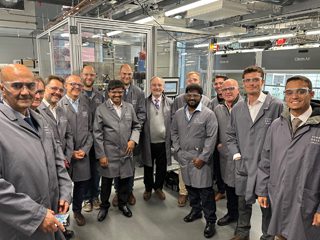
In September 2023, the Midlands Branch paid a ‘much in demand visit to UoM (University of Manchester) when Professor of Corrosion Control – Stuart Lyon provided a presentation on the work of the University and the 
Corrosion Group, including 65 years of Corrosion History 
at Manchester

Midlands Venue: Different venues are used, watch our 
magazine Diary Dates or link to each event for details at: 
www.icorr.org/events/ The evening events normally start at 18.00 with complimentary drinks with the Technical Presentation following at 18.30. There is a complimentary buffet and a full bar from 19.30 onwards. The meeting generally closes around 21.00.

Should you wish to provide a Technical Presentation to the Branch meeting during its upcoming Technical Programme, then please send an Abstract, Bio and Photo to: Midlands Chair at: midlandschair@icorr.org

For other general enquires about events or supporting the Branch, please feel free to get in touch with the Midlands Branch Committee at: midlandschair@icorr.org

Attendees for the University of Manchester Laboratories Visit.