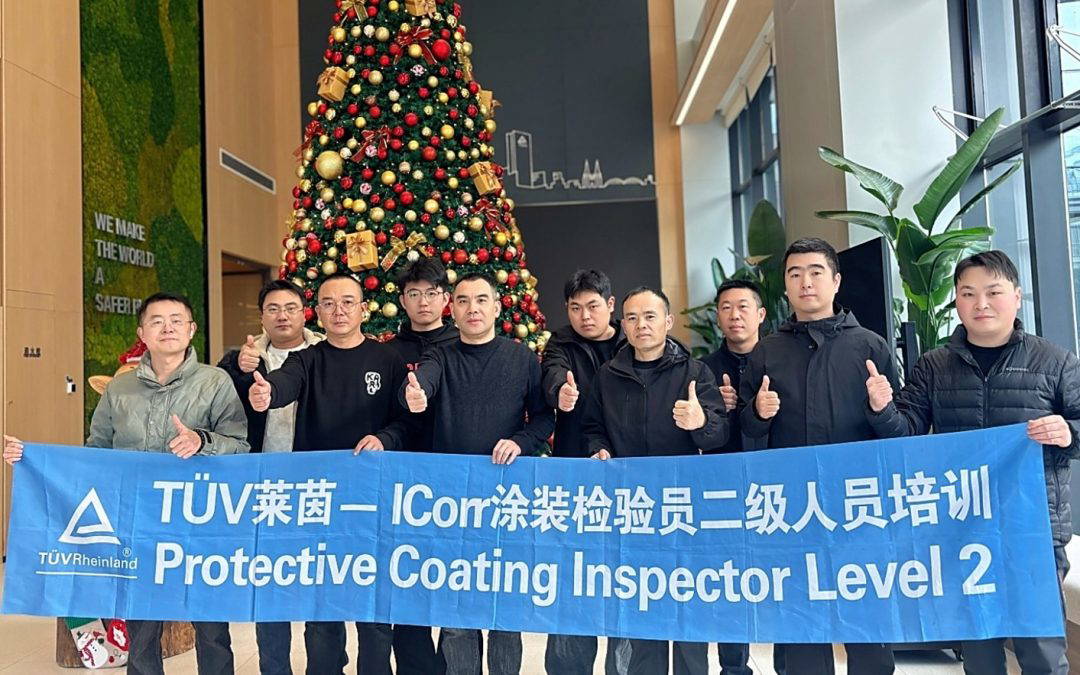
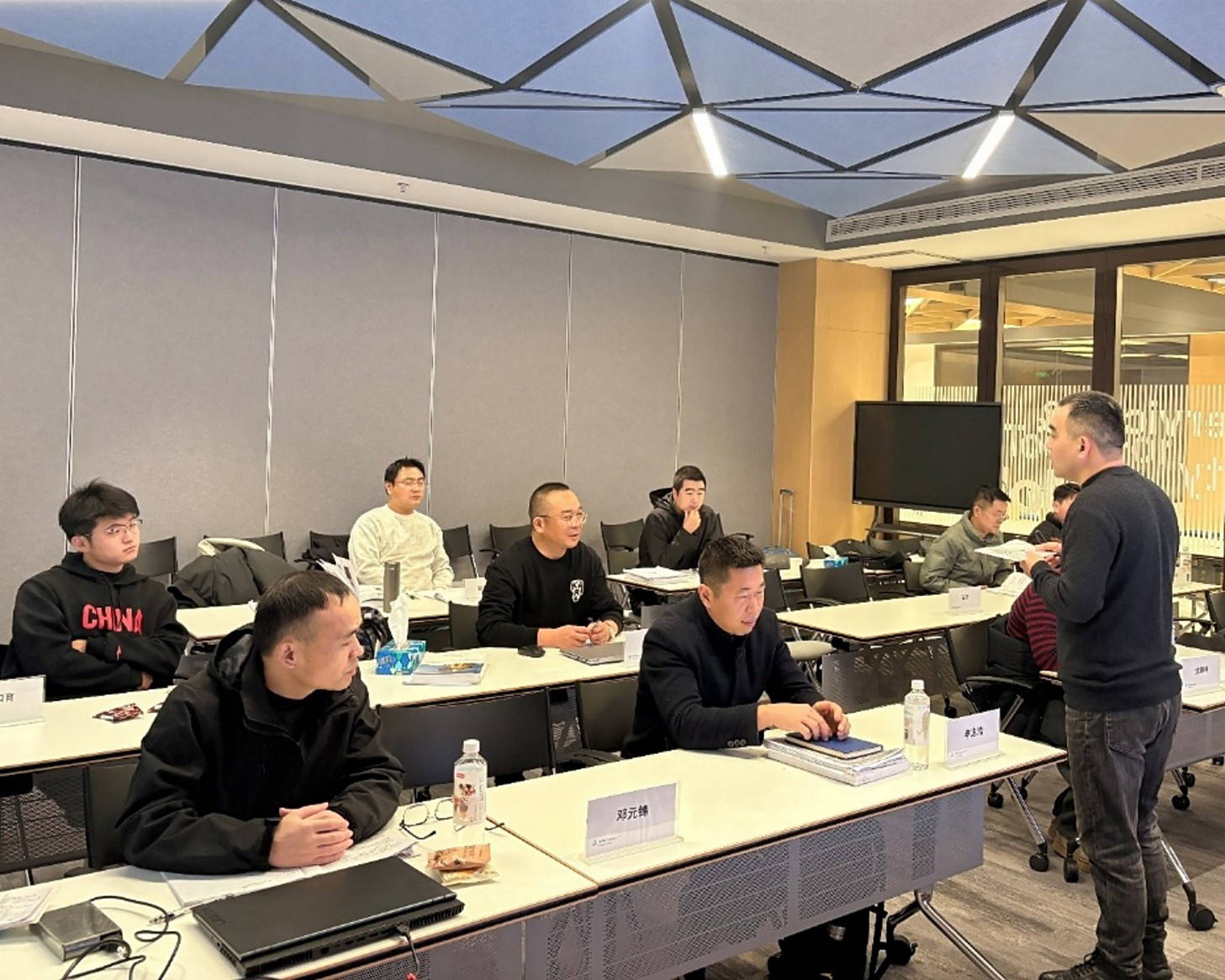
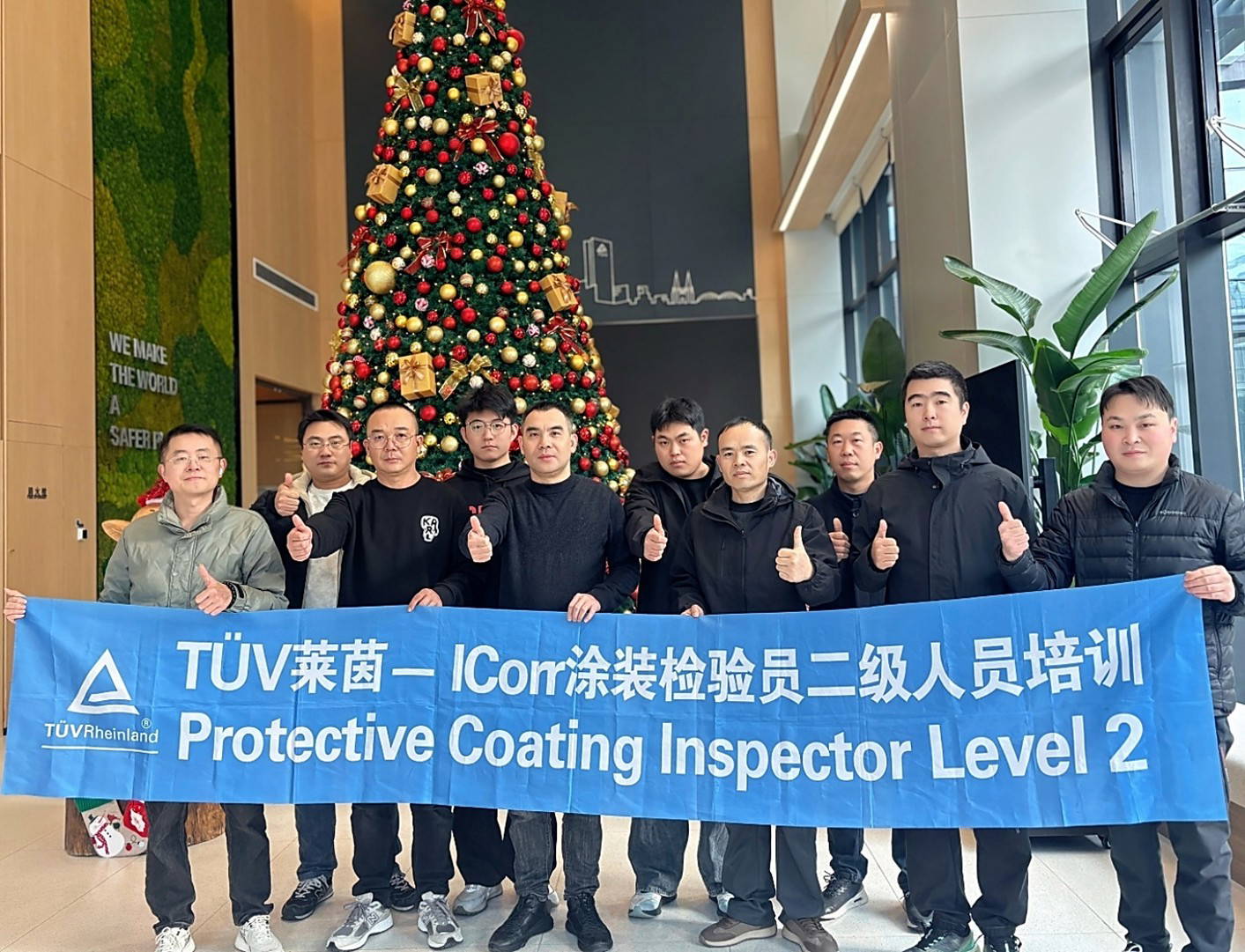
TÜV Rheinland, (Technischer Überwachungsverein) are a very well-established ICorr/ARL (Argyll Ruane Ltd) Training partner.
They have issued 133x ICorr Training Certifications and 68x ICorr Training Re-Certifications in 2025 alone, from their Shanghai Training Centre.
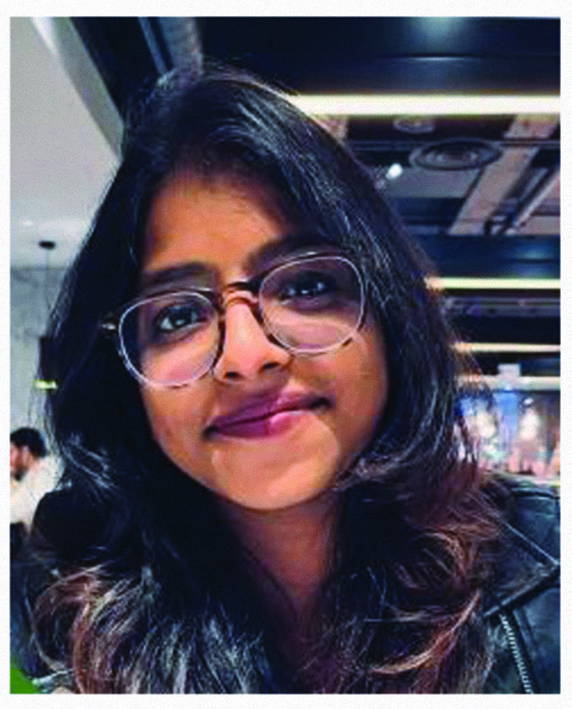
Jing Anita Fang is the Key Account Manager for TUV Rheinland in China.
Photo: TUV HQ, Shanghai
About TÜV Rheinland
TÜV Rheinland, founded in 1872, is a global leader in technical services, providing safe and sustainable solutions for the interaction between humans, the environment, and technology. Since 1996, they have offered training and personnel certification in China, being Europe’s largest independent education institute. TÜV Rheinland Industrial Services Greater China, comprising world-leading experts, delivers technical inspection, testing, and certification for the oil, gas, chemical, petrochemical, energy, power, construction, and process industries worldwide. Their comprehensive services ensure products and equipment meet market requirements, supporting local industries in developing safely and sustainably.
History with ICorr
In collaboration with Argyll Ruane, TÜV Rheinland has successfully introduced ICorr training to China, becoming the sole ICorr training provider in the country in 2018. On-site training is conducted in coastal cities such as Shanghai, Tianjin, Qingdao, Zhuhai, Qidong, and Zhoushan, where numerous international offshore FSPO and LNG projects are active. During 2024, ICorr, TÜV Rheinland (China) Ltd., and Argyll Ruane (Sheffield, UK) celebrated 7 years’ collaboration, and achieved the 1000th ICorr Certificate issue in China. In the same year, Protective Coating Inspector Training Level II and Level III have been delivered by TÜV Rheinland, where all ICorr surface treatment courses are available for the candidates in China now.
The President of the Institute of Corrosion (ICorr), Dr Yunnan Gao, was honoured to host Professor Xiaogang Li, President of the Chinese Society for Corrosion and Protection (CSCP) https://www.cscp.org.cn/ during a significant multi-day visit to the United Kingdom in November 2025. This most welcome visit marked another historic milestone in UK-China cooperation in corrosion science and technology and reflects the growing international influence of Professor Li – one of the world’s most distinguished leaders in corrosion science and engineering.
Professor Li, who also serves as Professor at the University of Science and Technology Beijing, Director of the National Materials Corrosion and Protection Data Centre, and Editor-in-Chief of npj Materials Degradation https://www.nature.com/npjmatdeg/ travelled to the UK with a CSCP delegation to deepen academic, industrial, and institutional collaboration with ICorr and leading UK research organisations.
Strategic Visit to The University of Manchester
The first stop of the visit was The University of Manchester https://www.materials.manchester.ac.uk/ where the ICorr President, Dr Yunnan Gao, welcomed Professor Li and the CSCP delegation. Discussions centred on establishing structured pathways for knowledge exchange, joint workshops, and collaborative programmes in corrosion science, materials degradation, and advanced characterisation.
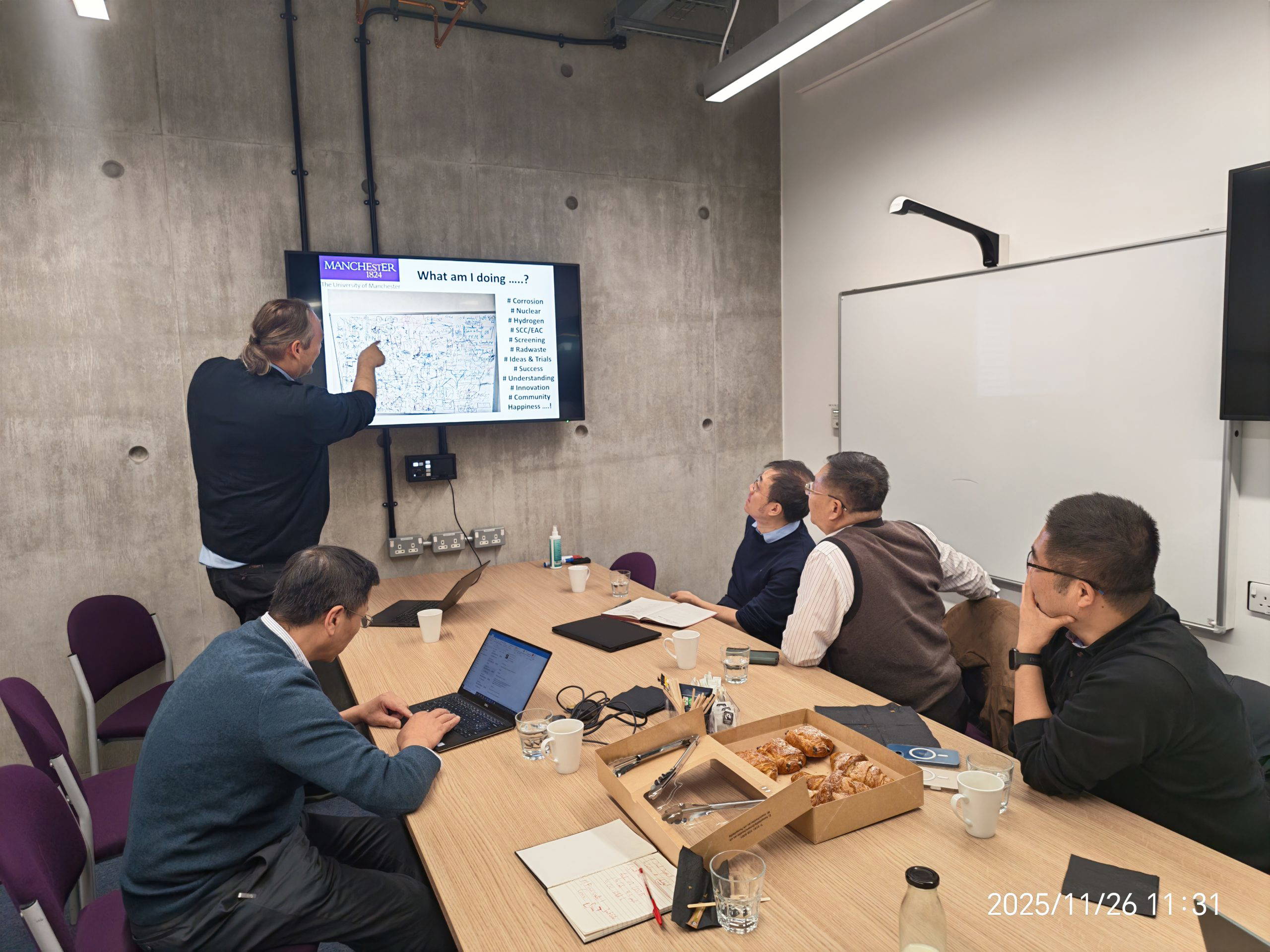
Photo 1: Collaboration Meeting at The University of Manchester. Professor Dirk Engelberg of Manchester University Giving a Presentation.
The delegation toured Manchester’s world-class materials and corrosion research facilities, including advanced electron microscopy laboratories and the Henry Royce Institute hub https://www.royce.ac.uk/ guided by Professor Xiaorong Zhou and Professor Dirk Engelberg, both internationally recognised leaders in corrosion and structural materials.
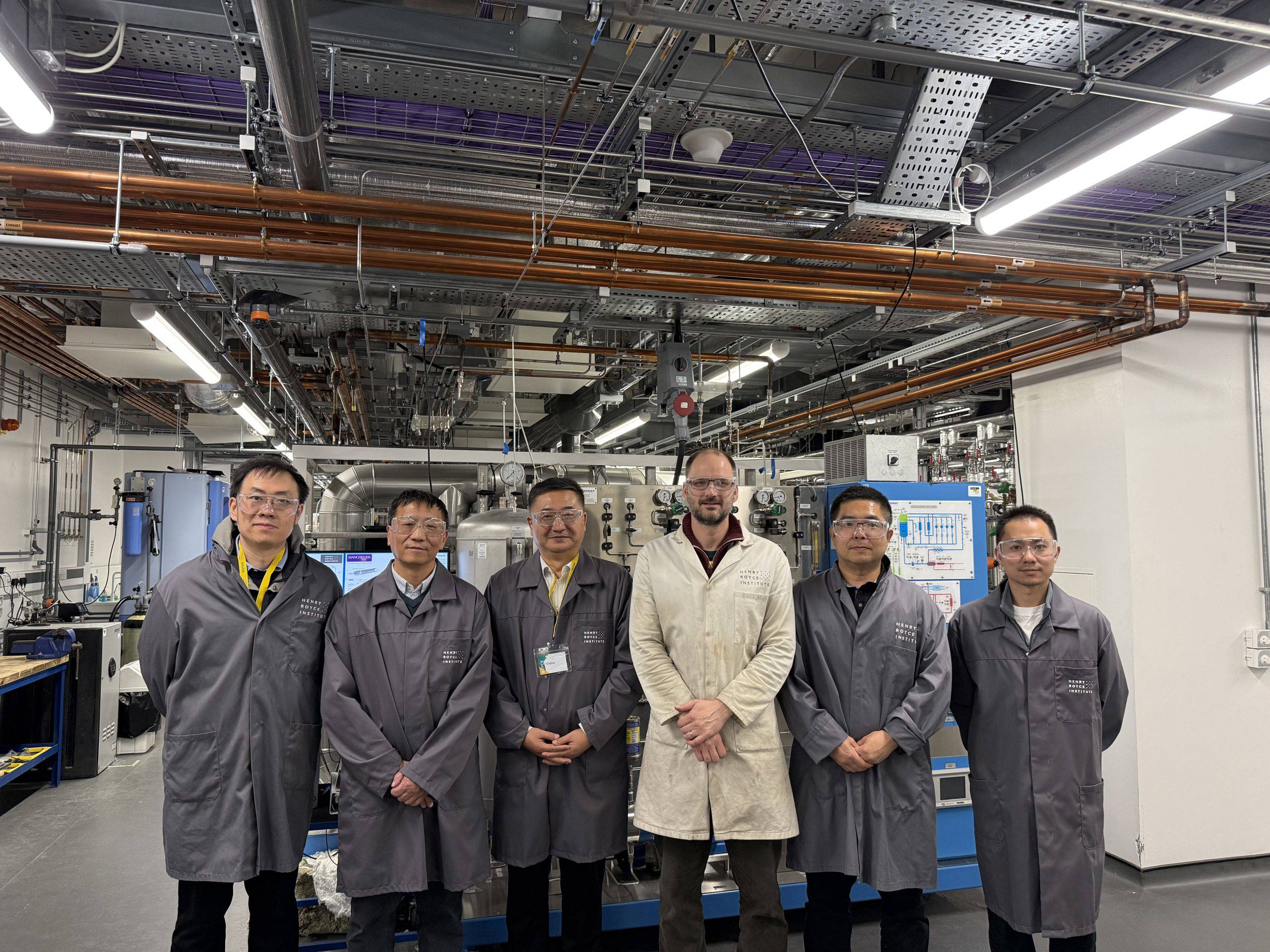
Photo 2: CSCP President Professor Xiaogang Li (L3), ICorr President Dr Yunnan Gao (R2) and the Whole Delegation Hosted by Manchester University Professor Xiaorong Zhou (L2) and the Team at Henry Royce Institute, Manchester University.
These engagements highlighted strong synergies between UK and Chinese research capabilities in environmental degradation, data-driven modelling, and materials genome methodologies—areas strongly aligned with Professor Li’s pioneering work in corrosion big data.
Visit to the University of Leeds
The delegation then travelled to the University of Leeds https://eps.leeds.ac.uk/mechanical-engineering-research-innovation where they were hosted by Professor Richard Barker and Dr Joshua Owen. A dedicated collaboration workshop focused on shared challenges across atmospheric corrosion, mechanical performance in complex environments, and infrastructure durability.
Photo 3: Collaboration Meeting at the University of Leeds. Dr Joshua Owen Giving A Presentation.
This was followed by technical tours of the University’s corrosion laboratories and the Henry Royce Institute facilities in Leeds, where cutting-edge capabilities in electrochemical methods, advanced microscopy, and materials testing were showcased.
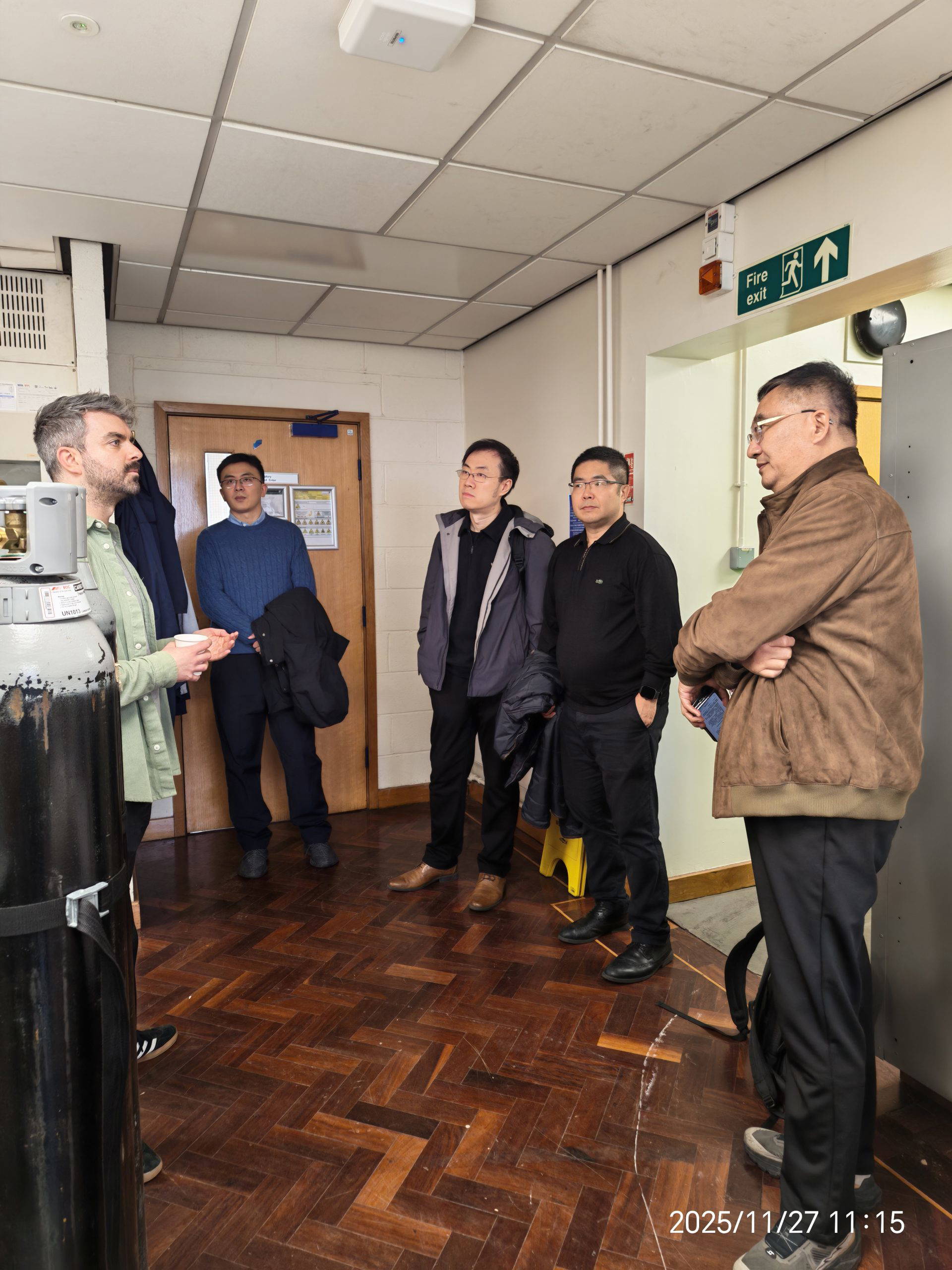
Photo 4: Visit to the Corrosion Laboratory at the University of Leeds.
ICorr and CSCP held productive discussions on joint collaborative initiatives, potential bilateral joint research programme, and co-developed technical guidance for emerging technologies.
Final Engagement at the National Physical Laboratory (NPL)
The final stage of the visit took place at the National Physical Laboratory (NPL) in London https://www.npl.co.uk/ hosted by Professor Gareth Hinds, a globally respected figure in electrochemistry and corrosion measurement science.
A high-level meeting explored future cooperation on standards development, corrosion testing methodologies, and the potential for coordinated international research programmes that link the UK, China, and broader global partners.
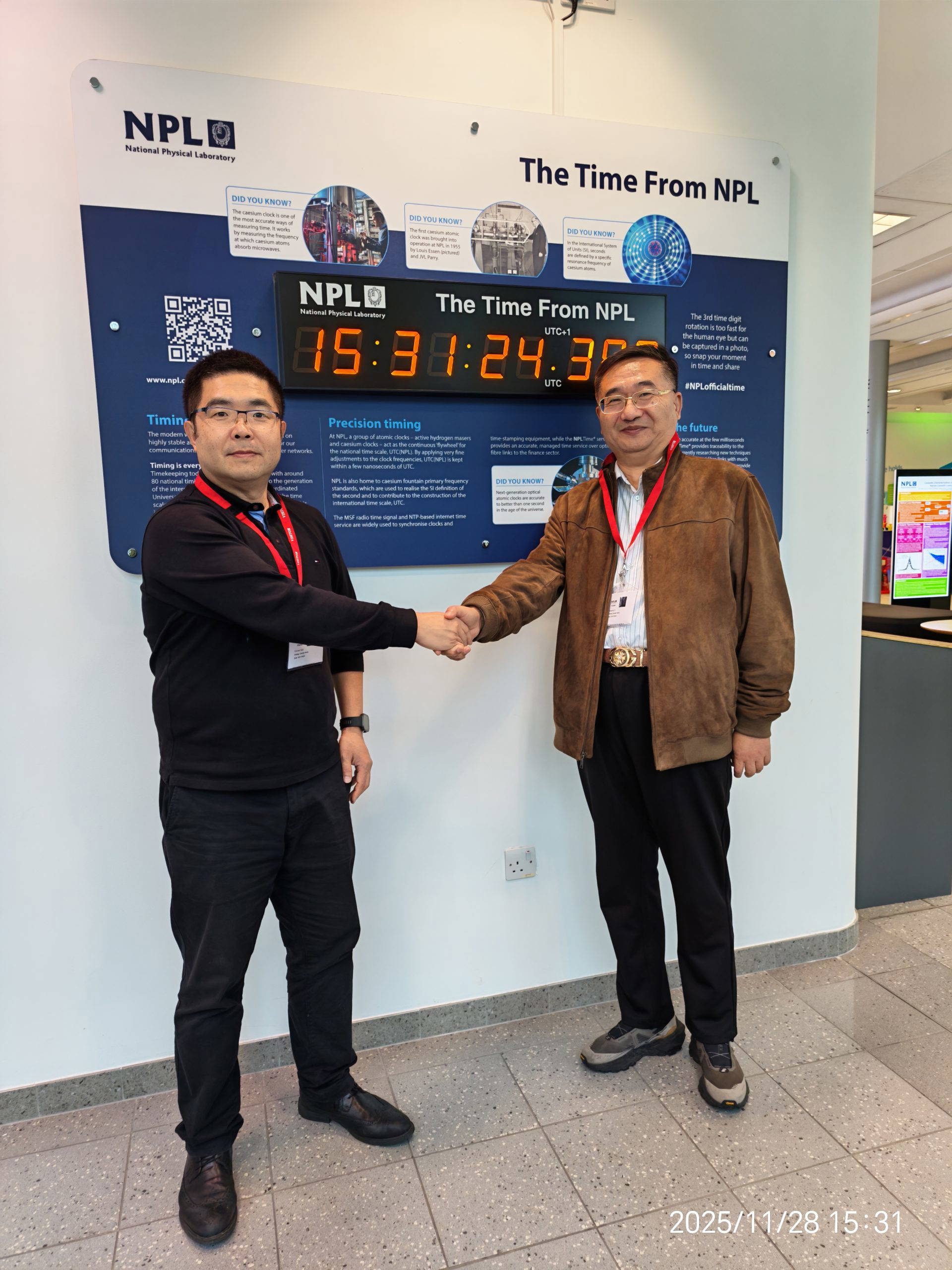
Photo 5: CSCP President Professor Xiaogang Li (L3), ICorr President Dr Yunnan Gao (Right) and China Delegation Hosted by Professor Gareth Hinds (R2) at NPL, London.
A detailed tour of NPL’s corrosion labs followed, highlighting UK leadership in precision materials characterisation, CCS (Carbon Capture and Storage) corrosion testing, and corrosion-related metrology.
Photo 6: Visit to the Corrosion Laboratory at NPL.
The visit concluded with a symbolic and impactful moment – the ICorr President and Professor Li shaking hands at the end of the visit at NPL, reaffirming the commitment of both organisations to long-term partnership.
Photo 7: ICorr President and CSCP President – Shaking Hands at the End of the Visit.
A Transformative Step for Global Corrosion Collaboration
Professor Li’s visit represents one of the most significant international engagements in ICorr’s recent history. His exceptional global standing-reflected in his pioneering contributions to corrosion big data, materials genome engineering, atmospheric corrosion mechanisms, and the development of advanced corrosion-resistant steels-amplifies the strategic importance of this collaboration.
His leadership has had profound influence across China and the international corrosion community, and his engagements in the UK underscore the strong mutual interest in scientific cooperation, talent development, and harmonisation of methodologies across continents.
ICorr Statement on the Visit
The ICorr President commented:
“This visit marks a new affirmative chapter of international cooperation. Professor Li is one of the most influential corrosion scientists in the world, and the strengthening of ties between ICorr and CSCP will accelerate innovation, unify global communities, and help tackle some of the most complex materials challenges facing society. We look forward to expanding this partnership for the benefit of both nations and the global corrosion community.”
Looking Ahead
ICorr and CSCP have agreed to continue developing:
Bilateral research programmes
Collaborative standards development
Exchange opportunities for students and early-career corrosion practitioners
Joint international webinars, workshops and conferences
New awards schemes
Shared initiatives in corrosion data science, materials design, and advanced testing
This landmark visit has not only reinforced the scientific bonds between the UK and China but has also set the stage for a new era of global cooperation in corrosion science and engineering.
The Institute of Corrosion (ICorr) is pleased to announce that the Call for Papers for EUROCORR 2026 (https://eurocorr2026.org/)- to be held from 6-10 September 2026 in Dublin, Ireland-is now open. As one of the co-organisers of this prestigious event, we warmly invite our members to contribute and participate.
The deadline for the submission of lecture and poster abstracts is 16th January 2026.
Abstracts can be submitted via the following link:
Please find ICorr’s EUROCORR 2026 Call for Papers flyer. We encourage you to share it with colleagues and within your professional networks who may be interested in contributing.
ICorr strongly encourages all members to take part in EUROCORR 2026 and help showcase the strength and innovation of our corrosion community.
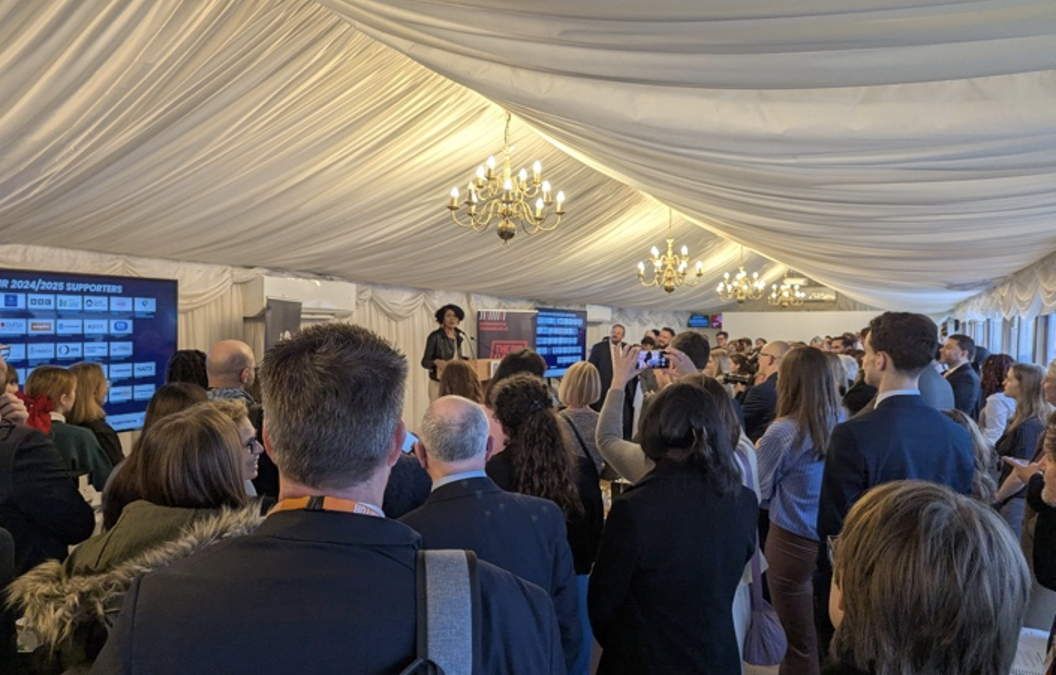
Anthony Setiadi, Vice President, represented ICorr at the Big Bang event at the Houses of Parliament. This was a fantastic event and great to see so many young students enthusiastic about science and engineering. The event was held at the Terrace Pavilion and organised by Engineering UK and hosted by Toby Perkins MP. There were a number of speeches including from Toby Perkins MP, Dame Chi Onwurah, who is a Chartered Engineer, and Dr Hilary Leevers, CEO of Engineering UK. However, the most impactful speech was from one of the winners of the Big Bang Event 2025 (Grace Palmer) who provided the background to her engineering solution to support her disabled cousin. She set out the problem, proposed a solution including coming up with a bill of materials needed, drawings and manufacture as well as trials and feedback with her ‘client’. Her passionate speech regarding Engineering with Empathy, really resonated with a lot of people in the room that were here to support and help others by their work in engineering.
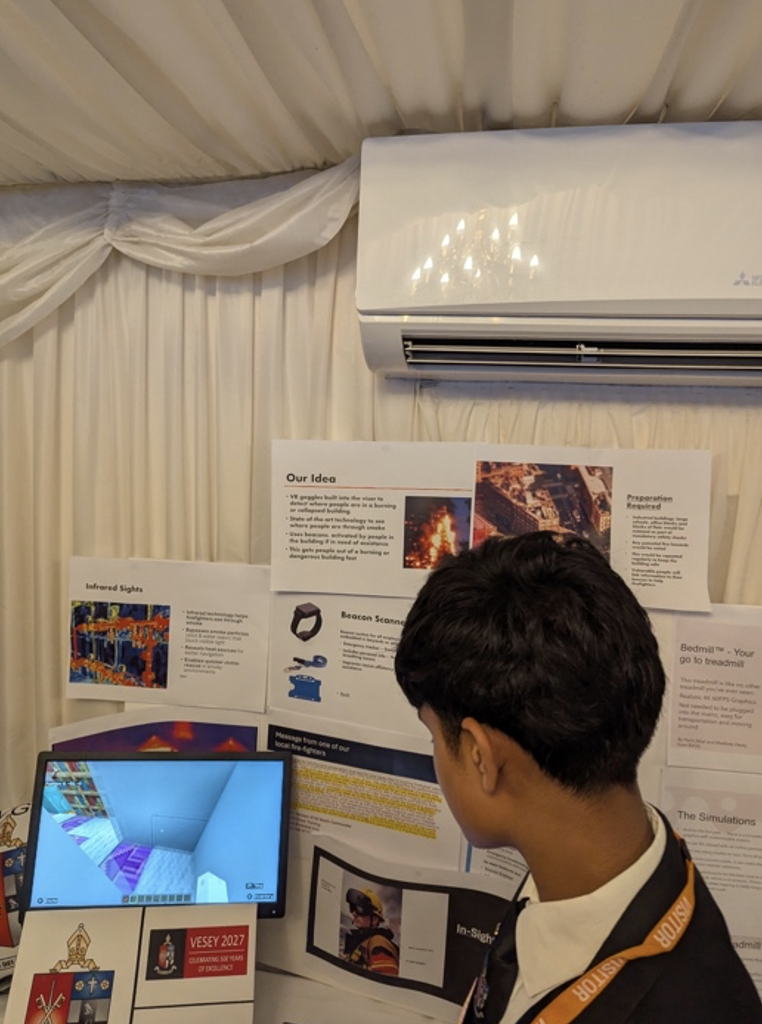
There were numerous projects described from these students, covering inventions and research on mental health, fire safety, simplified transfer aid for disabled, adjustable walking stick for the blind, waste management solutions, and AI cancer detection amongst others. Another one that caught my eye was the research on CO2 emissions from the food we eat, which I think should be something we as engineering practitioners should be using as one of our Safety / Sustainability moments.
Speaking to the young students was very inspiring for me including the way they articulated their work and how they set up their stall with posters and demonstration units. We should further support and encourage them to remain involved and be an ambassador in their community to highlight the rewarding work and career options available. Here at ICorr, we are involved with our Young ICorr initiatives and the YEP (Young Engineering Professionals) programme, but further engagement with colleges and schools will be another key focus, especially since a career in corrosion encompasses both traditional education and non-traditional routes.
The Young ICorr Committee has been hard at work developing many schemes, events, and initiatives to support the early career members of ICorr – here’s an update of what we’re working on and how you can get involved!
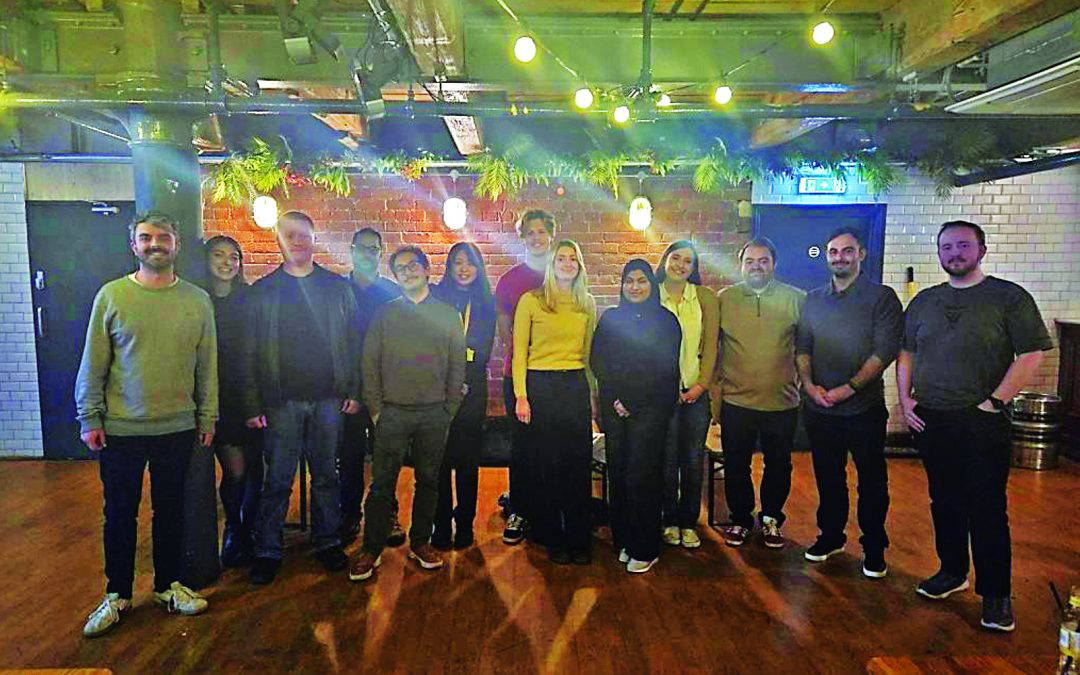
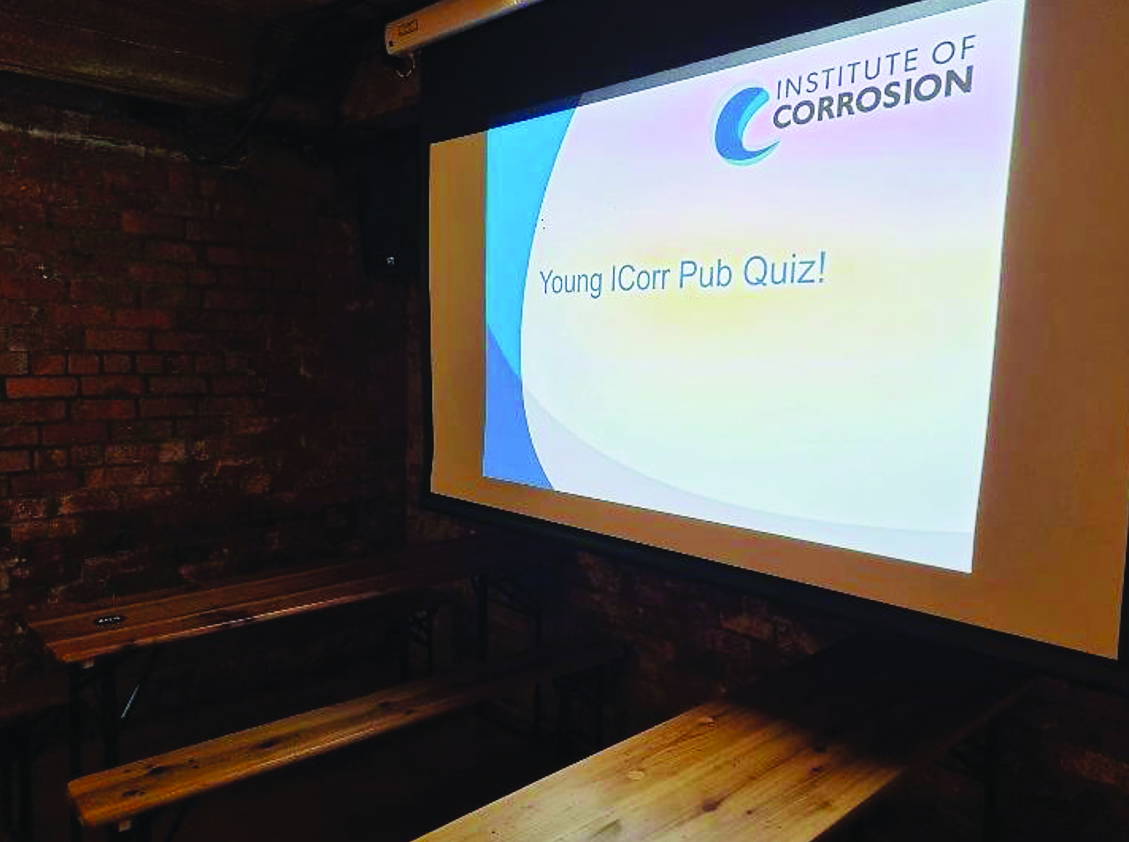
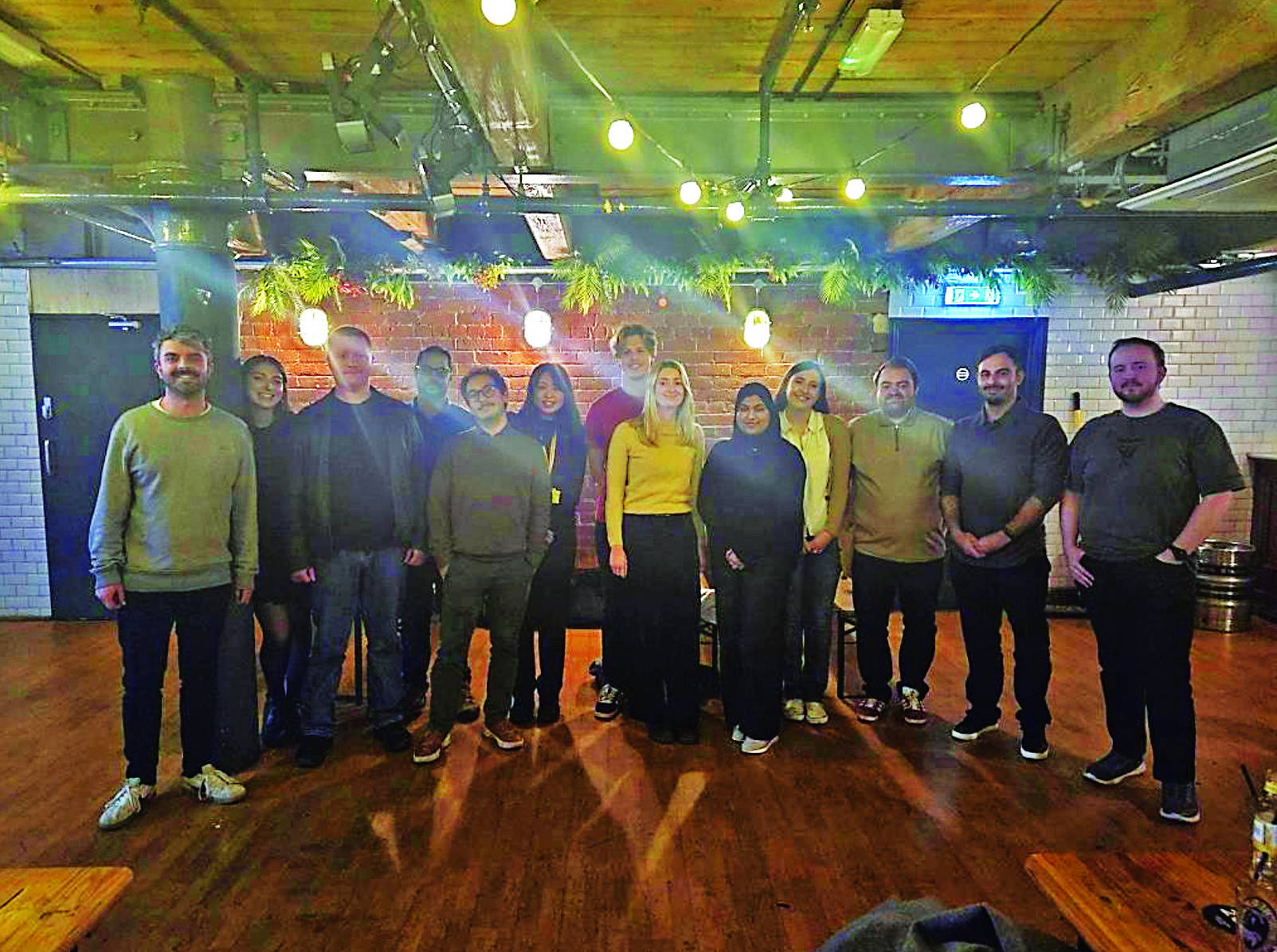
Social Buzz: Manchester Pub Quiz Success
Our recent Pub Quiz social event in Manchester was a hit! With a fantastic turnout and glowing feedback, it proved the power of informal networking in bringing young professionals together. Laughter, learning, and lively competition made for an unforgettable evening.
Photos: YICorr Chair Pub Quiz
Other Young ICorr Initiatives Skills for Corrosionists – Online Training Programme In partnership with the Midlands Branch, we’re launching the Skills for Corrosionists online training series in the new year. These sessions are designed to empower participants with essential non-technical skills, including entrepreneurship, communication, personal branding and leadership, to complement their technical expertise. Register at: https://www.eventbrite.com/e/icorr-skills-for-corrosionists-webinar-series-launch-entrepreneurship-tickets-1838991335589 Expanding Horizons: European Collaborations We are working closely with the EFC to develop Young ICorr and Young EFC events for Eurocorr 2026, boosting our international presence and fostering cross-border collaboration. Regional Engagement: Yorkshire and North-West Young ICorr is also teaming up with the Yorkshire and North-West branches to deliver tailored events for young members – bringing opportunities closer to home and strengthening our regional networks.
Mentorship Matters: Launching Soon We’re gearing up to launch the Young ICorr Mentorship Scheme, offering structured career guidance and support for early-career professionals. We’re currently seeking mentors and mentees for the pilot phase – if you’re passionate about nurturing the next generation or would like one-to-one guidance in your career, we’d love to hear from you!
Introducing the Young ICorr Awards – Celebrating the Future of Corrosion
We’re thrilled to announce the launch of the Young ICorr Awards, a prestigious new initiative from the Institute of Corrosion that shines a spotlight on the next generation of corrosion professionals. These awards recognise outstanding early-career engineers and scientists who are making significant contributions to corrosion prevention, research, and innovation. With categories including Young Corrosion Engineer of the Year and Young Corrosion Scientist of the Year, this is a unique opportunity to gain national recognition, connect with industry leaders, and accelerate your professional journey. Visit the Young ICorr section of the website to nominate!
Young Engineers Programme (YEP): Global Reach
Following a successful launch at Eurocorr 2025, the Young Engineers Programme has attracted many applicants worldwide – the successful candidates have been chosen, and we’re now focused on assembling a stellar team of mentors, lecturers, and a compelling case study. Interested in contributing? Get in touch!
Sponsorship Drive: Fuelling the Future
To support YEP and Young ICorr’s growing initiatives, we’ve developed a comprehensive sponsorship proposal and are actively engaging with companies to secure funding. This support will be vital in expanding our reach and impact. If you or your company are interested in supporting the future of corrosion, please get in touch!
The Young ICorr Committee is buzzing with activity and ambition. We’re always open to new collaborations and welcome anyone interested in joining our journey. For further information about YICorr activities, please contact: Dr Kathleen Purnell Email: youngicorrchair@icorr.org
The 67th Corrosion Science Symposium (CSS) was held jointly with Electrochem2025 at the University of Northumbria, between the 31st August and 2nd September 2025. The CSS has been held annually since its launch in 1960 by Prof. L.L. Shreir.
The symposium is always an ideal opportunity for students and early-career researchers in corrosion science from across the UK and Europe to congregate, discuss their work, share ideas and, above all, enjoy themselves in a stimulating/friendly environment. This year there were 10 talks and 13 posters, and the UR Evans award plenary talk was given by Prof. Herman Terryn (Vrije University, Brussels).
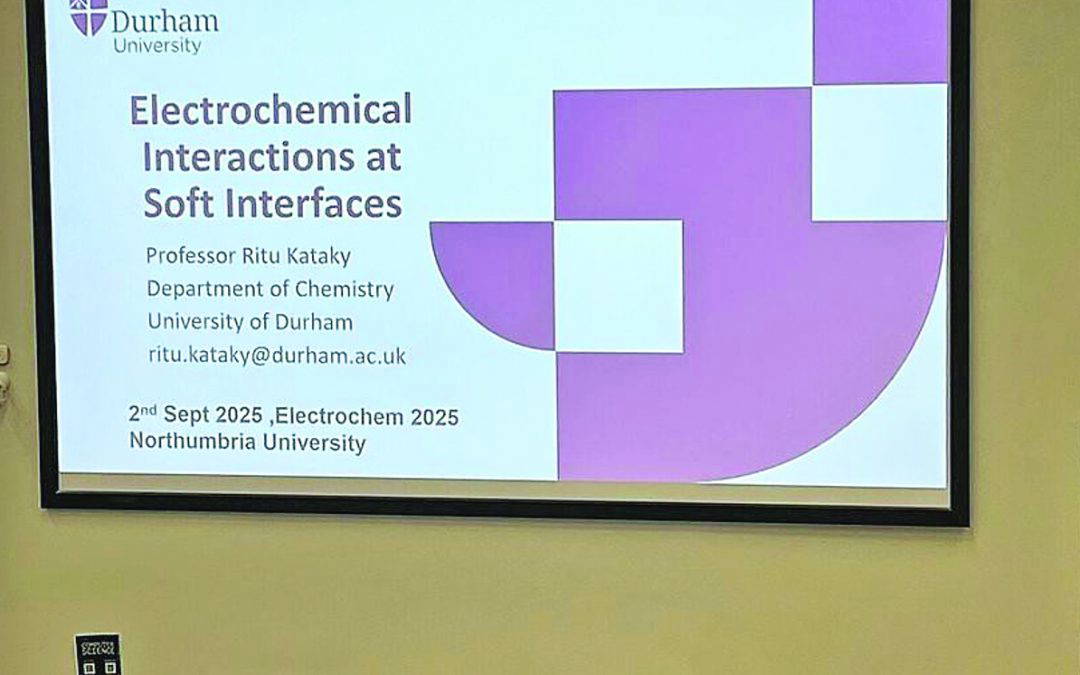
Photo: Plenary Lecture by Professor Ritu Kataky.
In his plenary lecture, Prof. Herman Terryn (Vrije Universiteit Brussel) explores why this goal has long seemed utopian—and how recent advances are bringing it closer to reality. The quest to accurately predict the lifetime of metals remains one of the most pressing challenges in corrosion science. Current industry practice relies on accelerated laboratory tests and long-term field exposure to estimate durability. However, laboratory tests often fail to replicate real-world conditions, while field trials can take up to a decade, slowing innovation. Prof. Terryn’s research aims to bridge this gap by developing a comprehensive platform for predicting the long-term performance of organic-coated metals under realistic environmental ageing. His team combines cutting-edge electrochemical techniques, in situ surface analysis, and advanced finite element modelling, now enhanced with sensors and machine learning. The lecture also introduces VIPCOAT, an EU Horizon 2020 project creating an open innovation platform to design sustainable coating systems and accelerated life tests. Initially targeting aeronautics, VIPCOAT will expand to other sectors, leveraging standardised European Materials Modelling Ontologies. The plenary talk expertly underscored a paradigm shift: from empirical testing toward data-driven, predictive corrosion science, thus paving the way for more sustainable and efficient materials design.
Photo: UR Evans Award to Professor Herman Terryn by ICorr President Dr Yunnan Gao.
Highlights from Electrochem2025: Advances in Corrosion Science The Corrosion Science and Engineering symposium at Electrochem2025 featured several outstanding contributions. Harry Tookey (University of Leeds) presented an insightful study on the effect of salinity on corrosion product characteristics and inhibitor performance in geothermal environments. His work demonstrated how varying NaCl concentrations influence FeCO3 formation on X65 carbon steel and inhibitor efficiency, offering practical guidance for corrosion control in high-salinity systems.
Anjali John (University of Warwick) gave a talk on the initial stages of anodic corrosion of boron-doped diamond electrodes. Using advanced in situ and ex situ techniques, her research provided a rare glimpse into early corrosion mechanisms under extreme electrochemical oxidation conditions, critical for improving electrode durability in advanced oxidation processes.
Photo: Talk by Anjali John (University of Warwick).
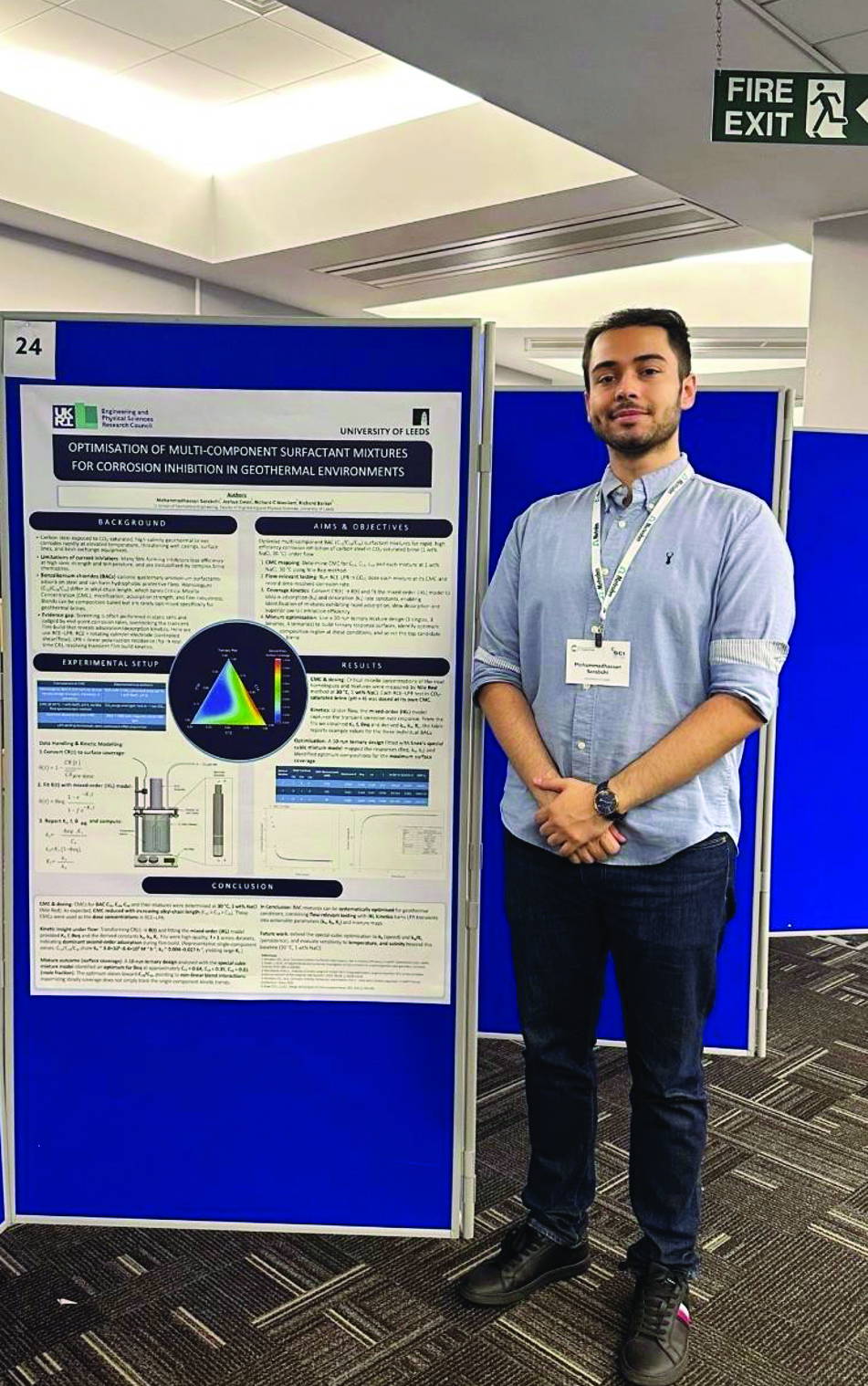
Mohammadhasan Sarabchi (University of Leeds) addressed the challenge of corrosion inhibition in geothermal systems with his presentation on optimising multi-component surfactant mixtures. By combining kinetic modelling with electrochemical testing, he identified formulations that deliver rapid adsorption and strong persistence, paving the way for more sustainable and effective inhibitor strategies. These talks exemplify the innovative approaches currently providing new insights in corrosion science – bridging fundamental understanding with real-world applications.
Photo: Mohamadhasan Sarabchi – Corrosion Inhibitors & Geothermal Energy EPSRC Researcher at University of Leeds.
Harry Tookey was awarded the Shreir Prize 2025 for the best early career research presentation.
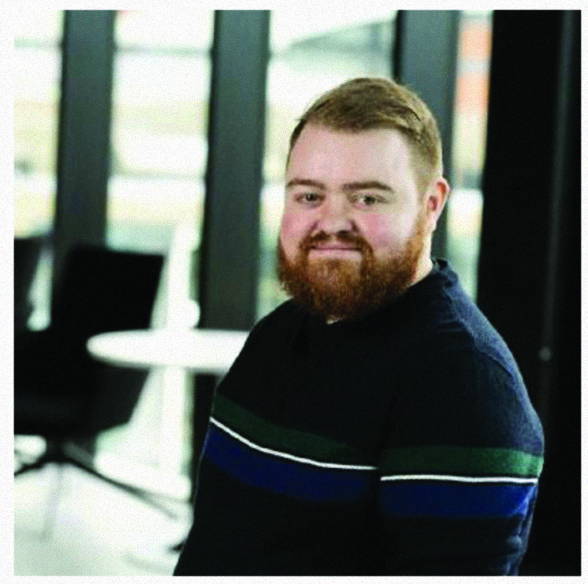
Photo: Harry Tookey
For further information about Corrosion Science Division (CSD) activities, please contact: Julian Wharton (Chair) Email: csdchair@icorr.org
We use cookies to optimize our website and our service.
Functional
Always active
The technical storage or access is strictly necessary for the legitimate purpose of enabling the use of a specific service explicitly requested by the subscriber or user, or for the sole purpose of carrying out the transmission of a communication over an electronic communications network.
Preferences
The technical storage or access is necessary for the legitimate purpose of storing preferences that are not requested by the subscriber or user.
Statistics
The technical storage or access that is used exclusively for statistical purposes.The technical storage or access that is used exclusively for anonymous statistical purposes. Without a subpoena, voluntary compliance on the part of your Internet Service Provider, or additional records from a third party, information stored or retrieved for this purpose alone cannot usually be used to identify you.
Marketing
The technical storage or access is required to create user profiles to send advertising, or to track the user on a website or across several websites for similar marketing purposes.