On the 2nd December 2025, the Institute of Corrosion (ICorr) was proud to serve as a sponsor of the prestigious 72nd Hatfield Memorial Lecture, https://sheffield.ac.uk/cmbe/school/events/72nd-hatfield-memorial-lecture hosted at the University of Sheffield. ICorr’s President, Dr Yunnan Gao, attended the event on behalf of the Institute, demonstrating ICorr’s ongoing commitment to supporting academic excellence and advancing corrosion and materials science across the UK.
A Distinguished Lecture Delivered by ICorr Fellow Professor Mary Ryan
This year’s lecture was delivered by Professor Mary Ryan, CBE, FREng, FICorr, a Fellow of ICorr and Vice Provost (Research and Enterprise) at Imperial College London, https://www.imperial.ac.uk/about/leadership-and-strategy/provost/vice-provost-research/ who is renowned globally for her work in corrosion, surface engineering, and nanomaterials. Professor Ryan offered an insightful and forward-looking presentation entitled “Life and Death at the Nanoscale” that captured the attention of industry experts, academics, and students alike.
Her lecture continued the long-standing tradition of the Hatfield Memorial Lecture series, which honours metallurgist Professor William Hatfield and has become a cornerstone event for the UK materials and corrosion community.
Presentation of the Hatfield Award
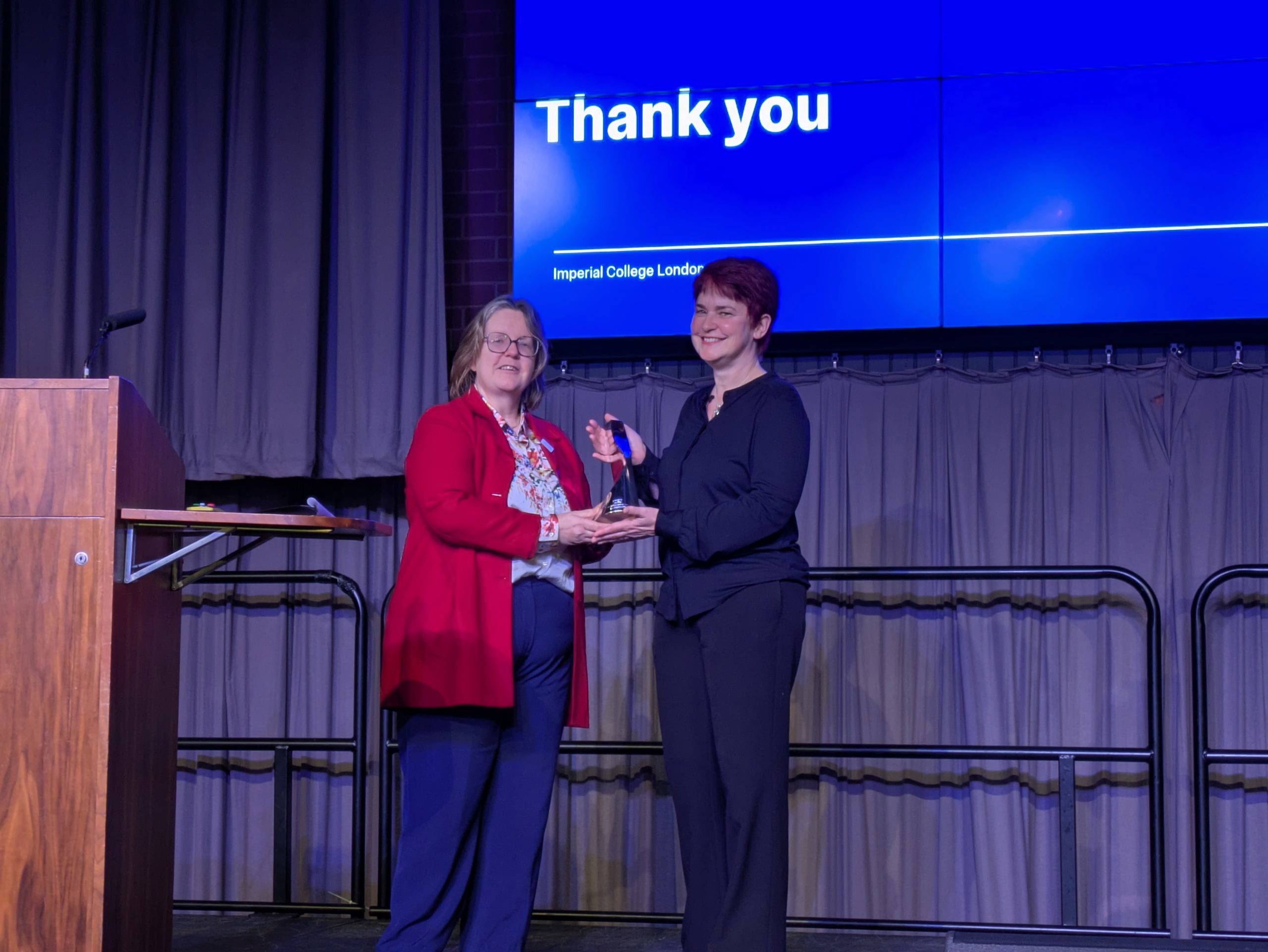
During the event, Professor Mary Ryan was formally recognised for her significant academic and professional achievements. She received a commemorative award presented by Professor Joan Cordiner, Head of the Department of Chemical and Biological Engineering (CMBE) at the University of Sheffield, marking a highlight of the evening.
ICorr’s Role and Presence at the Event
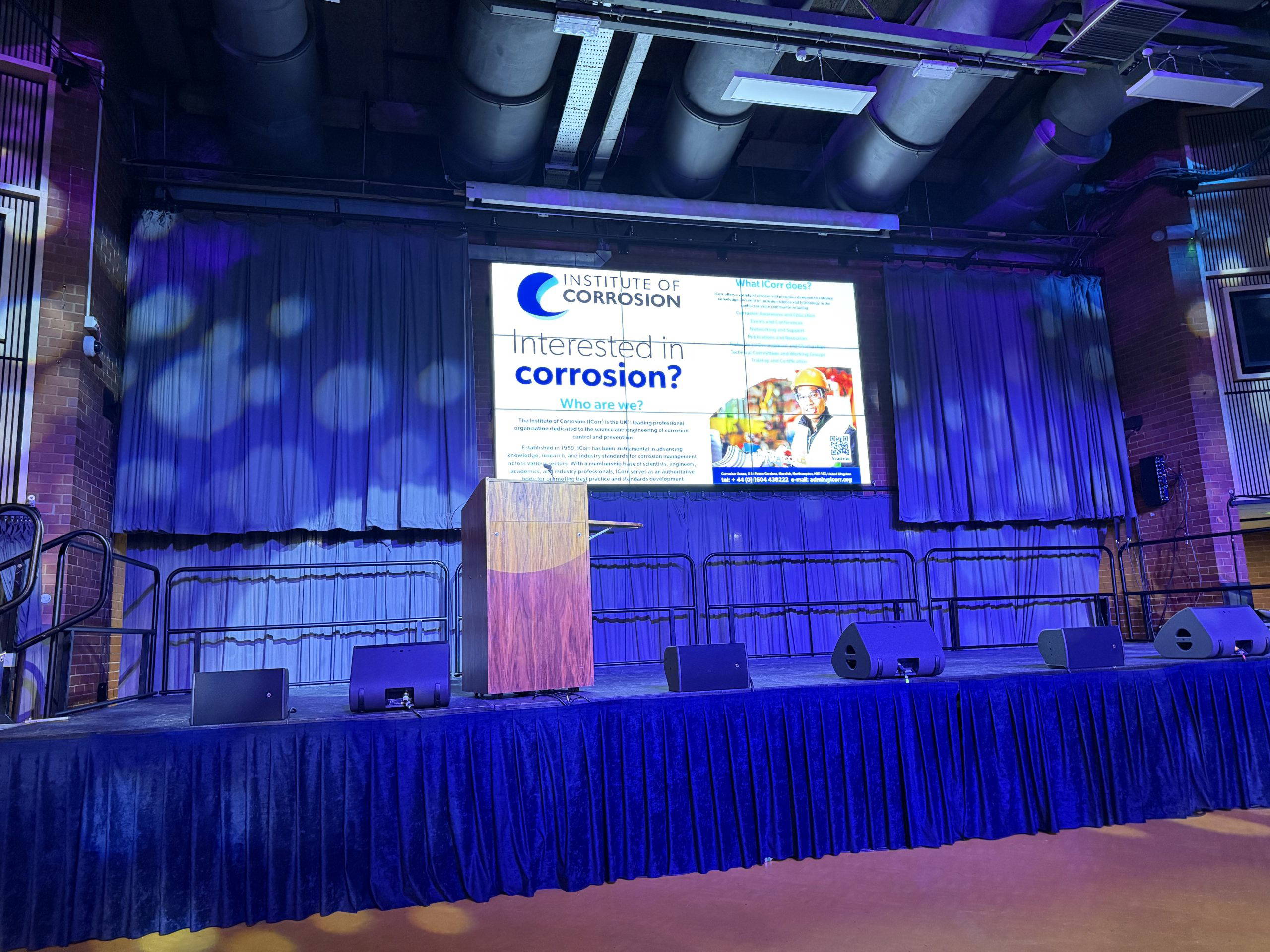
As one of the official sponsors, ICorr’s support was prominently acknowledged throughout the night, including on the main auditorium screen and event materials. The presence of the ICorr President reinforced the Institute’s mission to promote collaboration, scientific excellence, and knowledge exchange across the corrosion and materials community.
ICorr’s involvement with the Hatfield Memorial Lecture reflects its dedication to fostering innovation and supporting both established and emerging experts in the field.
Overview of the Venue of The 72nd Hatfield Memorial Lecture
Professor Mary Ryan of Imperial College London Delivering The 72nd Hatfield Memorial Lecture
Hatfield Award Received by Professor Mary Ryan from the Head of the CMBE of Sheffield University
ICorr is One of the Sponsors of the The 72nd Hatfield Memorial Lecture
The President of the Institute of Corrosion (ICorr), Dr Yunnan Gao, was honoured to host Professor Xiaogang Li, President of the Chinese Society for Corrosion and Protection (CSCP) https://www.cscp.org.cn/ during a significant multi-day visit to the United Kingdom in November 2025. This most welcome visit marked another historic milestone in UK-China cooperation in corrosion science and technology and reflects the growing international influence of Professor Li – one of the world’s most distinguished leaders in corrosion science and engineering.
Professor Li, who also serves as Professor at the University of Science and Technology Beijing, Director of the National Materials Corrosion and Protection Data Centre, and Editor-in-Chief of npj Materials Degradation https://www.nature.com/npjmatdeg/ travelled to the UK with a CSCP delegation to deepen academic, industrial, and institutional collaboration with ICorr and leading UK research organisations.
Strategic Visit to The University of Manchester
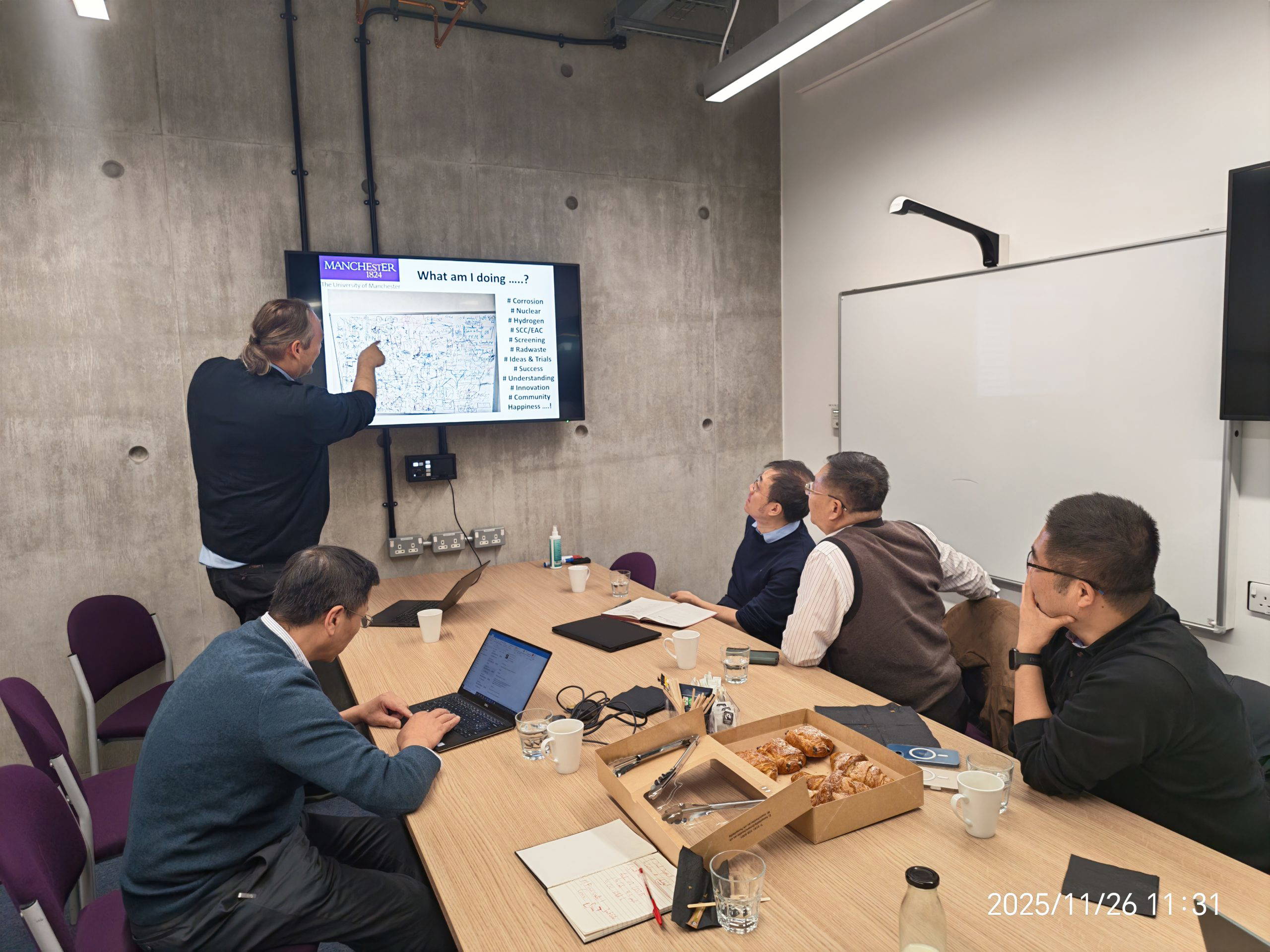
The first stop of the visit was The University of Manchester https://www.materials.manchester.ac.uk/ where the ICorr President, Dr Yunnan Gao, welcomed Professor Li and the CSCP delegation. Discussions centred on establishing structured pathways for knowledge exchange, joint workshops, and collaborative programmes in corrosion science, materials degradation, and advanced characterisation.
Photo 1: Collaboration Meeting at The University of Manchester. Professor Dirk Engelberg of Manchester University Giving a Presentation.
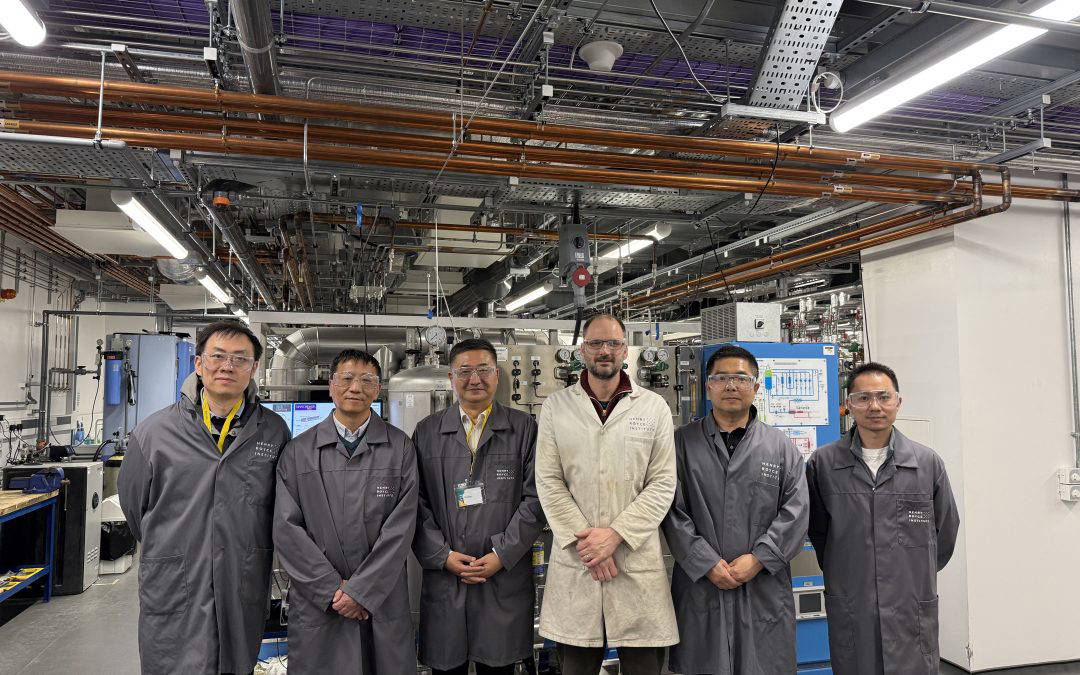
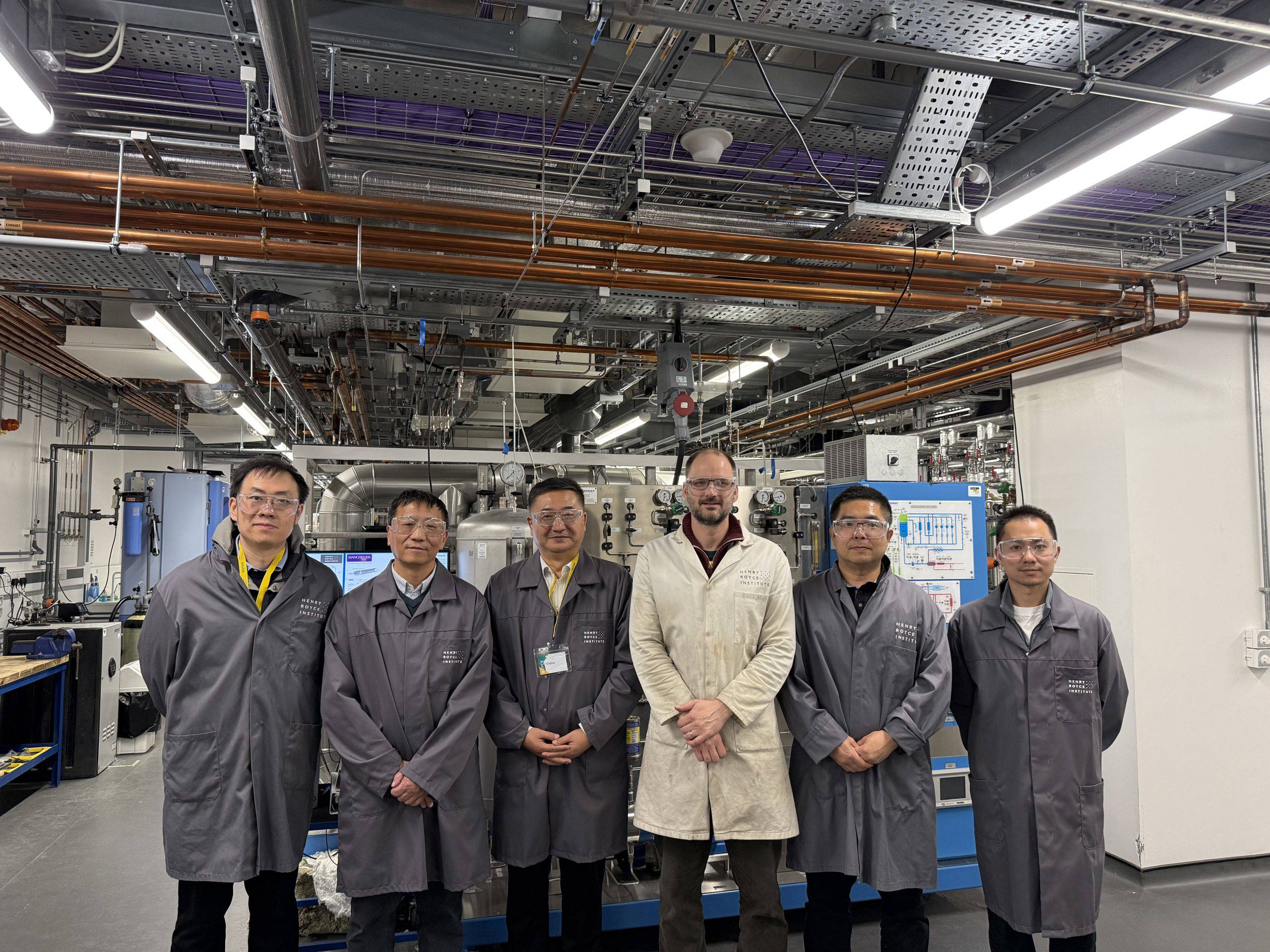
The delegation toured Manchester’s world-class materials and corrosion research facilities, including advanced electron microscopy laboratories and the Henry Royce Institute hub https://www.royce.ac.uk/ guided by Professor Xiaorong Zhou and Professor Dirk Engelberg, both internationally recognised leaders in corrosion and structural materials.
Photo 2: CSCP President Professor Xiaogang Li (L3), ICorr President Dr Yunnan Gao (R2) and the Whole Delegation Hosted by Manchester University Professor Xiaorong Zhou (L2) and the Team at Henry Royce Institute, Manchester University.
These engagements highlighted strong synergies between UK and Chinese research capabilities in environmental degradation, data-driven modelling, and materials genome methodologies—areas strongly aligned with Professor Li’s pioneering work in corrosion big data.
Visit to the University of Leeds
The delegation then travelled to the University of Leeds https://eps.leeds.ac.uk/mechanical-engineering-research-innovation where they were hosted by Professor Richard Barker and Dr Joshua Owen. A dedicated collaboration workshop focused on shared challenges across atmospheric corrosion, mechanical performance in complex environments, and infrastructure durability.
Photo 3: Collaboration Meeting at the University of Leeds. Dr Joshua Owen Giving A Presentation.
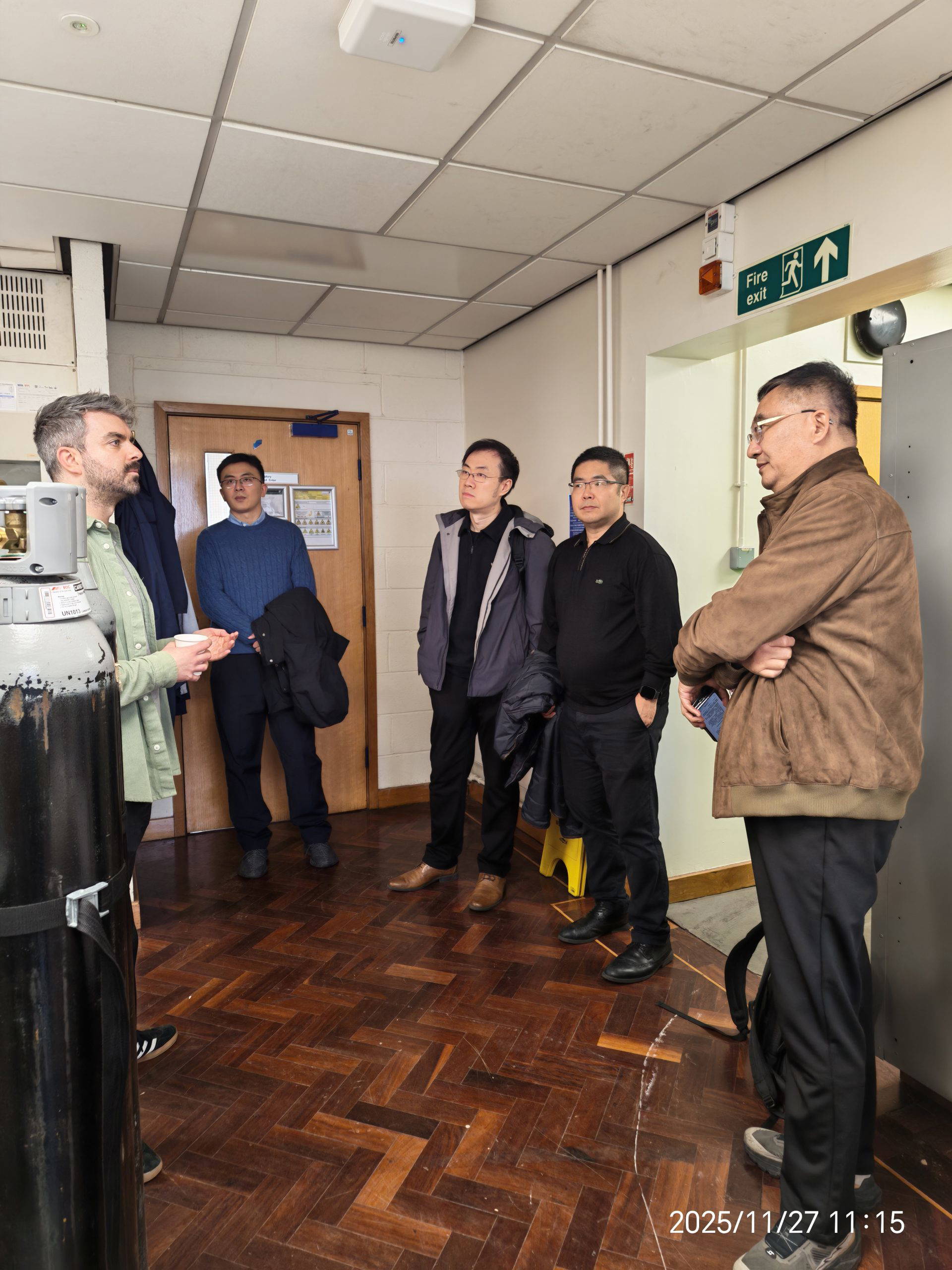
This was followed by technical tours of the University’s corrosion laboratories and the Henry Royce Institute facilities in Leeds, where cutting-edge capabilities in electrochemical methods, advanced microscopy, and materials testing were showcased.
Photo 4: Visit to the Corrosion Laboratory at the University of Leeds.
ICorr and CSCP held productive discussions on joint collaborative initiatives, potential bilateral joint research programme, and co-developed technical guidance for emerging technologies.
Final Engagement at the National Physical Laboratory (NPL)
The final stage of the visit took place at the National Physical Laboratory (NPL) in London https://www.npl.co.uk/ hosted by Professor Gareth Hinds, a globally respected figure in electrochemistry and corrosion measurement science.
A high-level meeting explored future cooperation on standards development, corrosion testing methodologies, and the potential for coordinated international research programmes that link the UK, China, and broader global partners.
Photo 5: CSCP President Professor Xiaogang Li (L3), ICorr President Dr Yunnan Gao (Right) and China Delegation Hosted by Professor Gareth Hinds (R2) at NPL, London.
A detailed tour of NPL’s corrosion labs followed, highlighting UK leadership in precision materials characterisation, CCS (Carbon Capture and Storage) corrosion testing, and corrosion-related metrology.
Photo 6: Visit to the Corrosion Laboratory at NPL.
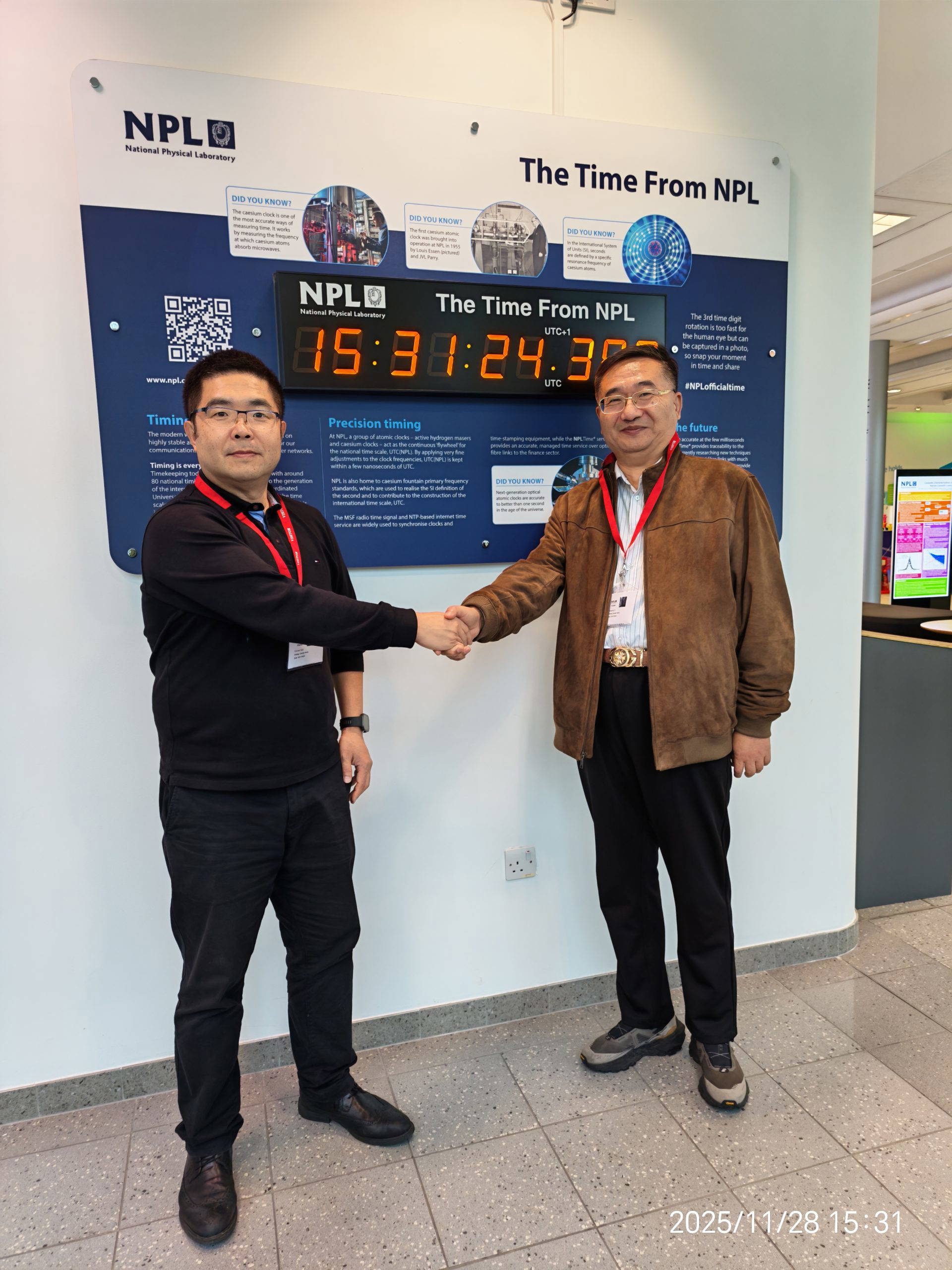
The visit concluded with a symbolic and impactful moment – the ICorr President and Professor Li shaking hands at the end of the visit at NPL, reaffirming the commitment of both organisations to long-term partnership.
Photo 7: ICorr President and CSCP President – Shaking Hands at the End of the Visit.
A Transformative Step for Global Corrosion Collaboration
Professor Li’s visit represents one of the most significant international engagements in ICorr’s recent history. His exceptional global standing-reflected in his pioneering contributions to corrosion big data, materials genome engineering, atmospheric corrosion mechanisms, and the development of advanced corrosion-resistant steels-amplifies the strategic importance of this collaboration.
His leadership has had profound influence across China and the international corrosion community, and his engagements in the UK underscore the strong mutual interest in scientific cooperation, talent development, and harmonisation of methodologies across continents.
ICorr Statement on the Visit
The ICorr President commented:
“This visit marks a new affirmative chapter of international cooperation. Professor Li is one of the most influential corrosion scientists in the world, and the strengthening of ties between ICorr and CSCP will accelerate innovation, unify global communities, and help tackle some of the most complex materials challenges facing society. We look forward to expanding this partnership for the benefit of both nations and the global corrosion community.”
Looking Ahead
ICorr and CSCP have agreed to continue developing:
Bilateral research programmes
Collaborative standards development
Exchange opportunities for students and early-career corrosion practitioners
Joint international webinars, workshops and conferences
New awards schemes
Shared initiatives in corrosion data science, materials design, and advanced testing
This landmark visit has not only reinforced the scientific bonds between the UK and China but has also set the stage for a new era of global cooperation in corrosion science and engineering.
The Institute of Corrosion (ICorr) is pleased to announce that the Call for Papers for EUROCORR 2026 (https://eurocorr2026.org/)- to be held from 6-10 September 2026 in Dublin, Ireland-is now open. As one of the co-organisers of this prestigious event, we warmly invite our members to contribute and participate.
The deadline for the submission of lecture and poster abstracts is 16th January 2026.
Abstracts can be submitted via the following link:
Please find ICorr’s EUROCORR 2026 Call for Papers flyer. We encourage you to share it with colleagues and within your professional networks who may be interested in contributing.
ICorr strongly encourages all members to take part in EUROCORR 2026 and help showcase the strength and innovation of our corrosion community.
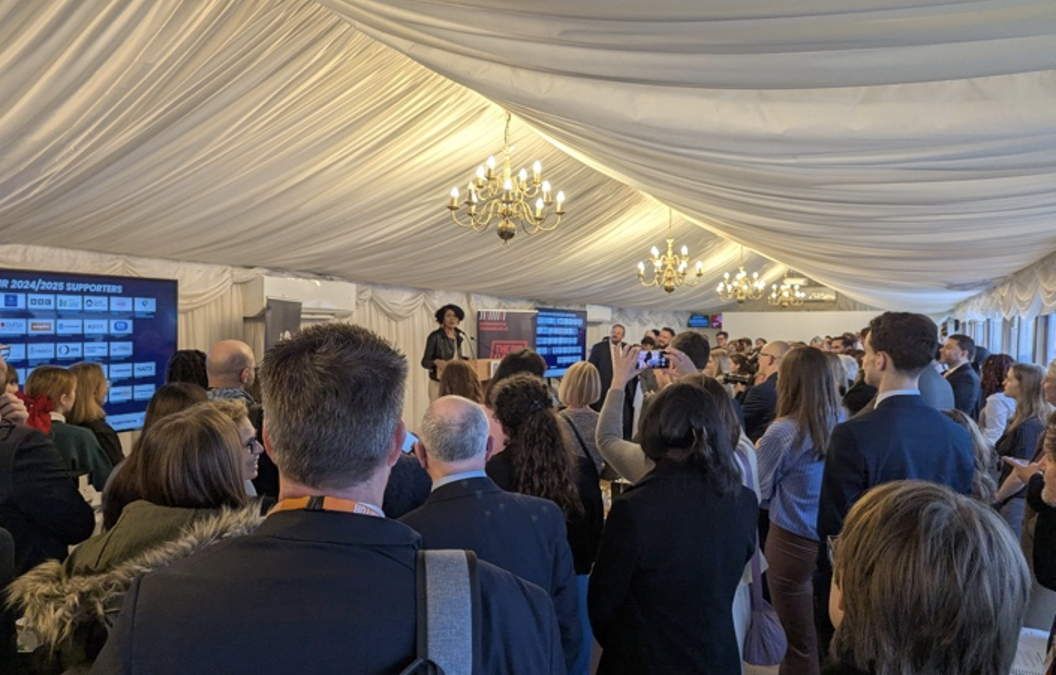
Anthony Setiadi, Vice President, represented ICorr at the Big Bang event at the Houses of Parliament. This was a fantastic event and great to see so many young students enthusiastic about science and engineering. The event was held at the Terrace Pavilion and organised by Engineering UK and hosted by Toby Perkins MP. There were a number of speeches including from Toby Perkins MP, Dame Chi Onwurah, who is a Chartered Engineer, and Dr Hilary Leevers, CEO of Engineering UK. However, the most impactful speech was from one of the winners of the Big Bang Event 2025 (Grace Palmer) who provided the background to her engineering solution to support her disabled cousin. She set out the problem, proposed a solution including coming up with a bill of materials needed, drawings and manufacture as well as trials and feedback with her ‘client’. Her passionate speech regarding Engineering with Empathy, really resonated with a lot of people in the room that were here to support and help others by their work in engineering.
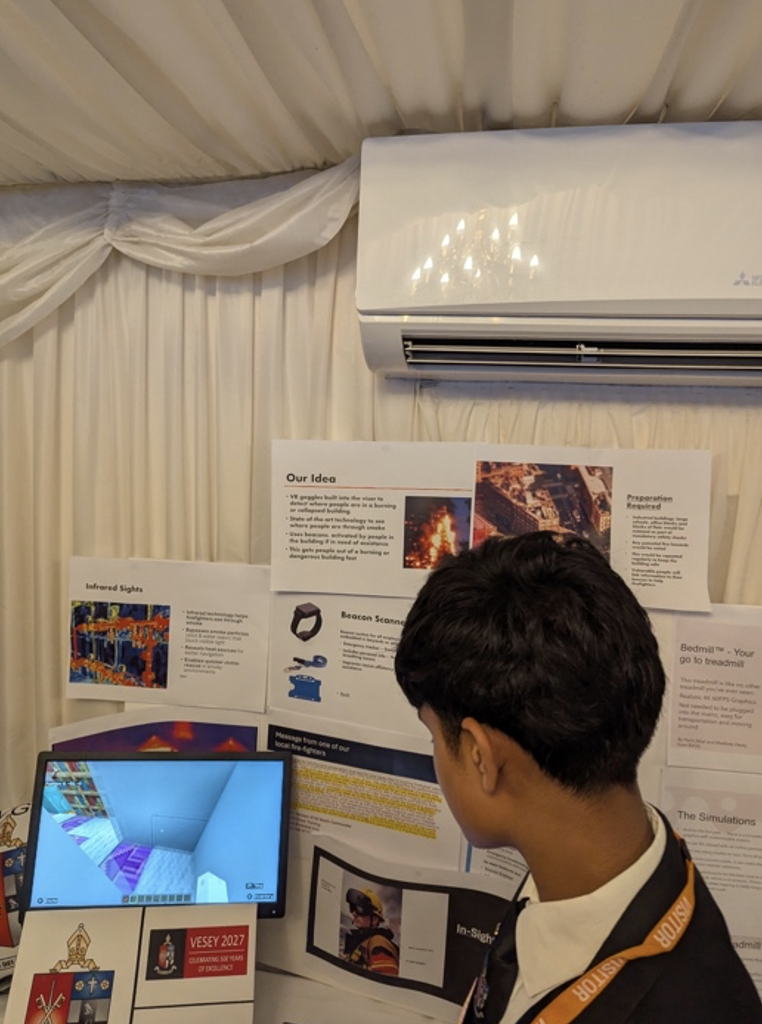
There were numerous projects described from these students, covering inventions and research on mental health, fire safety, simplified transfer aid for disabled, adjustable walking stick for the blind, waste management solutions, and AI cancer detection amongst others. Another one that caught my eye was the research on CO2 emissions from the food we eat, which I think should be something we as engineering practitioners should be using as one of our Safety / Sustainability moments.
Speaking to the young students was very inspiring for me including the way they articulated their work and how they set up their stall with posters and demonstration units. We should further support and encourage them to remain involved and be an ambassador in their community to highlight the rewarding work and career options available. Here at ICorr, we are involved with our Young ICorr initiatives and the YEP (Young Engineering Professionals) programme, but further engagement with colleges and schools will be another key focus, especially since a career in corrosion encompasses both traditional education and non-traditional routes.
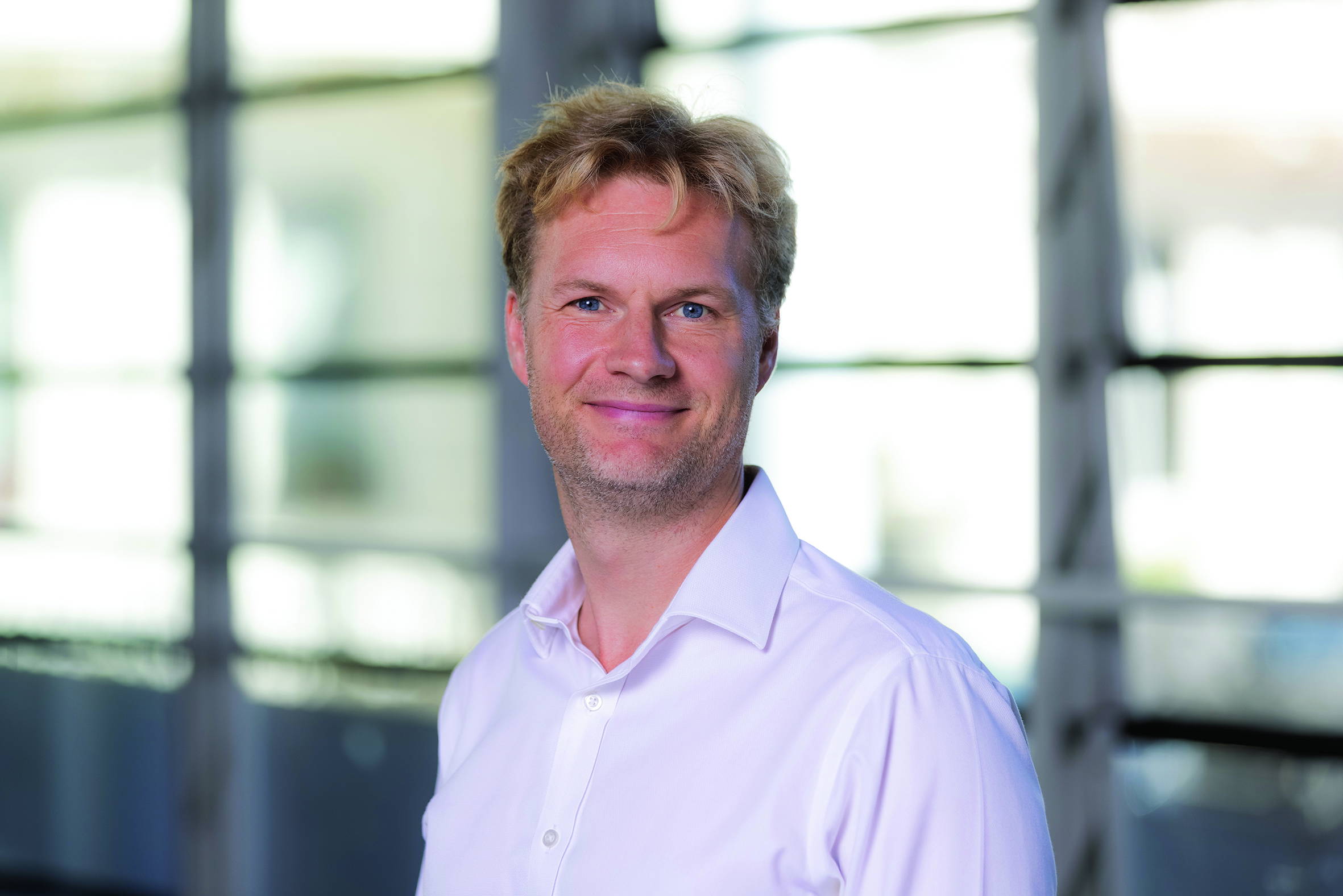
Dr Yifeng Zhang is a Postdoctoral Research Associate in the Non-Destructive Evaluation (NDE) Group at Imperial College London. His work focuses on ultrasonic Structural Health Monitoring (SHM) and inspection technologies that enhance structural integrity and operational efficiency across the energy and petrochemical sectors.
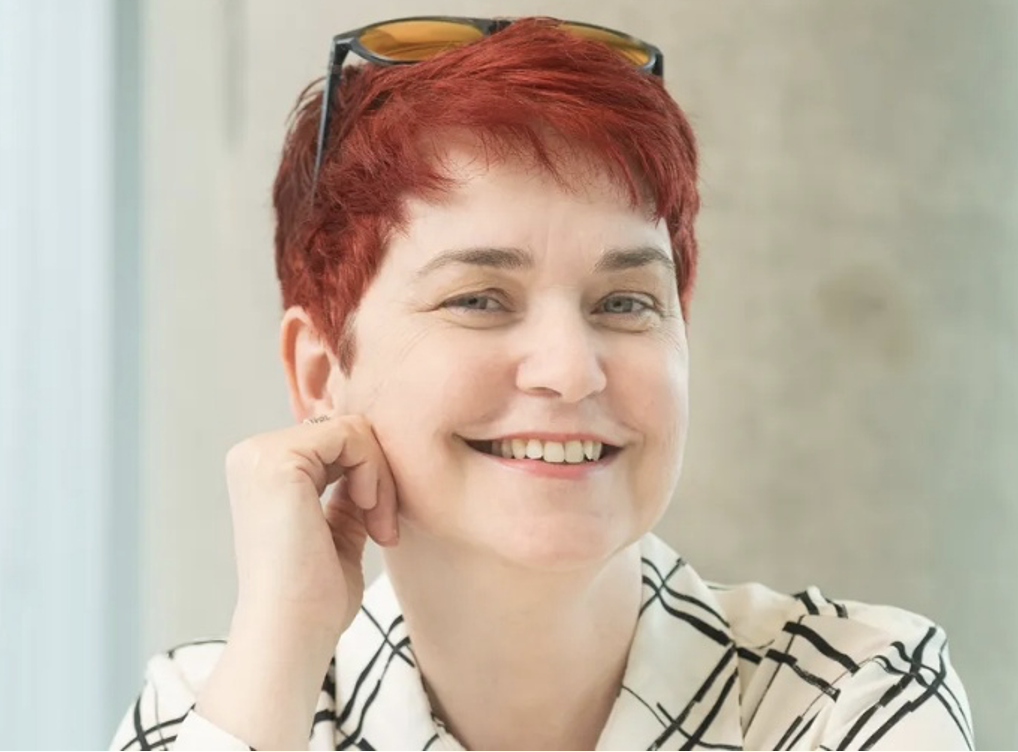
Dr Frederic Cegla is a Reader/Associate Professor in the non-destructive evaluation (NDE) Group at Imperial College London. His research focuses on developing and applying advanced technologies for non-destructive evaluation NDE, SHM, and process monitoring — linking cutting-edge sensing and wave physics with practical solutions for industry.
Introduction: The Challenge of Corrosion Surveillance
Corrosion remains one of the most persistent challenges in managing industrial assets such as power plants, processing facilities, pipelines, and ships. Unlike sudden failures, it develops gradually, often across vast areas and over decades of service.
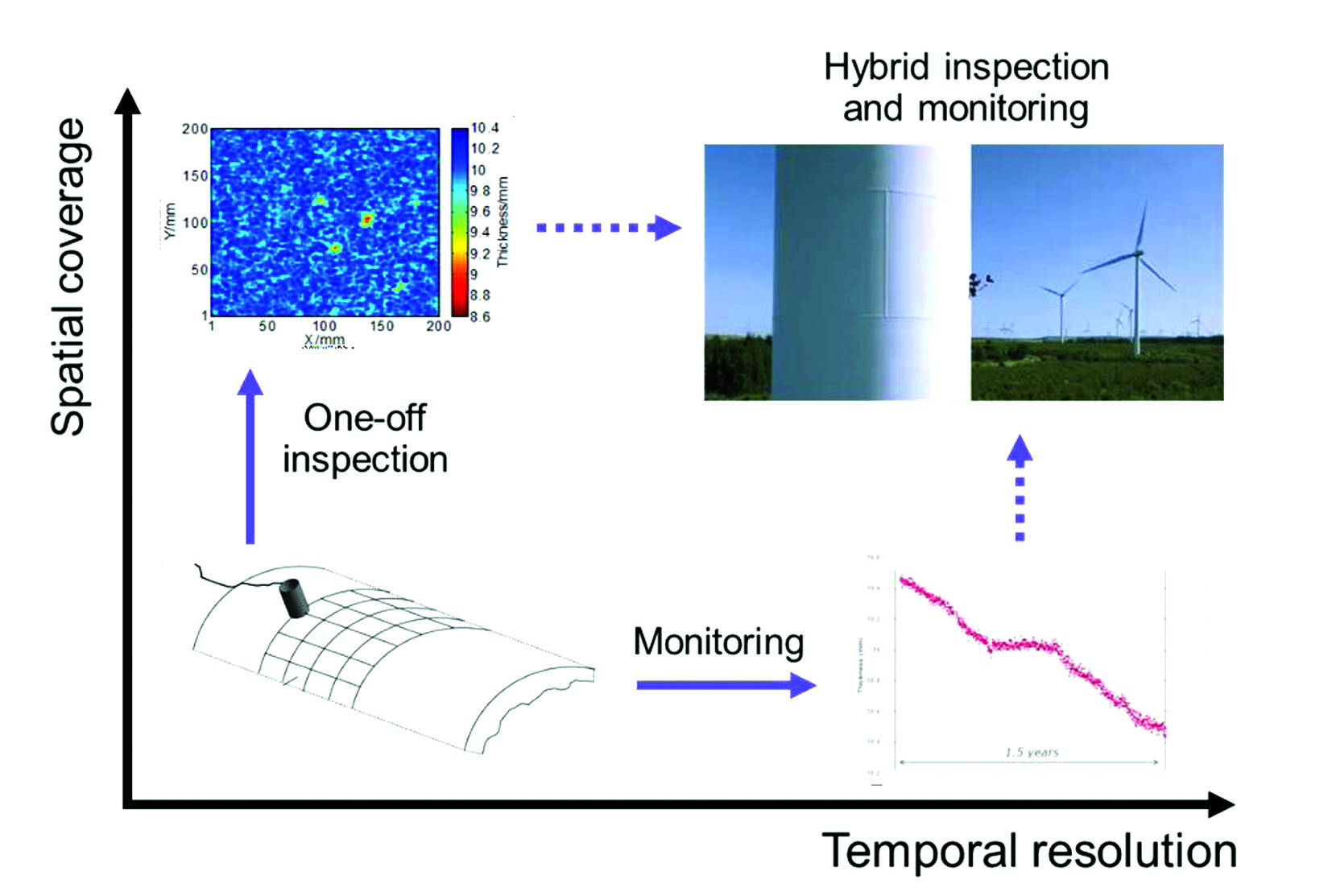
The result is a degradation process that is both spatially and temporally diverse. Non-destructive evaluation (NDE) techniques such as ultrasonic testing and thickness gauging are widely used to provide critical information that underpins the safety, reliability, and availability of various assets. In practice, it is rarely feasible to perform complete (100%) inspection coverage of large downstream or marine facilities. Instead, inspection areas are typically prioritised using risk-based assessment (RBA) programmes, which focus resources on regions with the highest likelihood or consequence of corrosion Because of these practical constraints, current ultrasonic methods have evolved along two main directions.
Figure 1: Ultrasonic Thickness Measurement Techniques, Trade-Offs Between Spatial Coverage and Temporal Resolution.
Scheduled one-off inspections — often combined with visual assessments and performed using scanning systems — can cover large areas but occur infrequently due to the need for plant shutdowns or limited access [1–2]. In contrast, permanently installed automated monitoring sensors offer improved measurement repeatability and high temporal resolution but are typically deployed only at a few selected locations [3–4] owing to cost and installation complexity.
Towards Hybrid Inspection and Monitoring
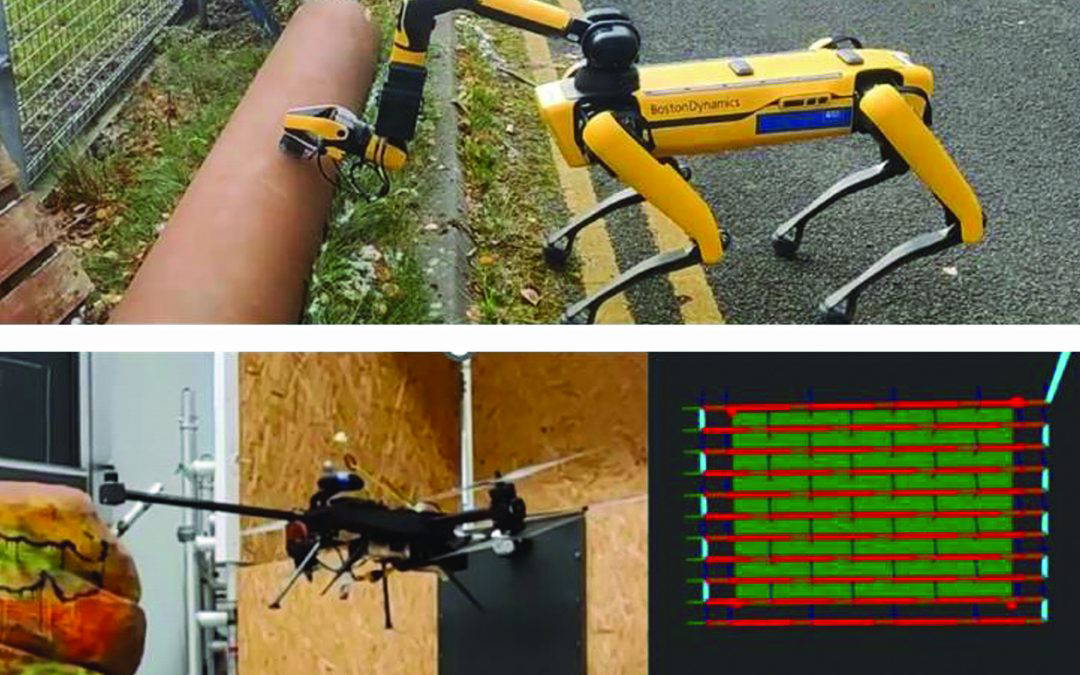
Recent advances in robotics and sensor technologies are creating powerful synergies that blur the line between traditional one-off inspection and continuous monitoring. It is envisaged that autonomous robotic platforms will in future manipulate ultrasonic probes across complex geometries, while monitoring sensors will be deployed in hard-to-reach areas that once required significant manual effort.
Prototypes of resident inspection robots — designed to remain on the asset and operate semi-independently — are moving from research labs towards field demonstrations [5-6].
Figure 2: Integration of EMAT With Robotic Platforms (Image Courtesy of The Offshore Robotics for The Certification of Assets (ORCA) Hub, From Research That Led To The Formation of Sonobotics Ltd).
These developments point towards a hybrid surveillance model that combines the strengths of both worlds as part of the agreed inspection programme. For example, resident robots could perform encoded ultrasonic scans across a structure, leaving behind monitoring sensors in critical regions for long-term trending. There, instead of choosing between wide but infrequent inspections and highly localised monitoring, a mixed approach could provide a more complete picture of corrosion progression in both time and space. The opportunities are clear, but so are the challenges. How many robots or sensors are needed to ensure sufficient reliability and compliance with the agreed overall inspection programme? How does the hybrid scheme align with existing approaches? What are the cost implications and likely return on investment? These questions must be addressed before hybrid inspection-monitoring schemes can achieve widespread adoption.
While current best practices for NDT in the energy sector follow established standards such as API 581 and guidance provided by organisations such as ESR-HOIS, a forward-looking study funded by the UK Research Centre in NDE (RCNDE) explored new methodologies to systematically evaluate and optimise hybrid inspection–monitoring strategies. [7–8]. This article highlights the main findings of the study, introducing a generic framework applicable across diverse industries and corrosion scenarios.
A Framework for Evaluating Hybrid Inspection–Monitoring Schemes
The proposed framework comprises four essential steps, each of which plays a role in simulating how corrosion evolves, how it is measured, and how the acquired data are interpreted.
1.Corrosion Modelling: Capturing the Degradation Process
The framework begins by establishing a model that accurately captures corrosion damage progression. Corrosion manifests differently across industries—from uniform wall thinning in pipelines to localised pitting in offshore structures and complex mixed morphologies in chemical processing facilities. It is recognised that no single model would suffice for all applications, and different scenarios demand models of varying complexity and fidelity.
While corrosion mechanisms vary widely, ultrasonic NDE measurements share a common dependency: the corroded surface profile. Since wave reflection from the corroding surface dictates the characteristics of measured ultrasonic signals, a suitable corrosion model must capture both the relevant surface morphology and its temporal evolution.
This approach decouples electrochemical complexities from NDE simulation requirements, enabling the corrosion model to be readily updated or substituted for different scenarios.
2. Modelling the NDE Technique
The second stage involves accurately representing the NDE method itself. Like all measurement systems, NDE techniques inherently contain errors and uncertainties. For instance, as part of theHOIS Joint Industry Project [9-10], the measurement error and uncertainties of several manual and automated corrosion mapping methods were evaluated, and the findings were found to vary significantly depending on the choice of equipment.
For normal-incidence ultrasonic thickness measurements, the signal depends on multiple factors: transducer characteristics (e.g. size, shape, operating frequency) and surface conditions (e.g. roughness) [11-12]. Signal processing algorithms further influence measurement outputs, with algorithm selection typically based on the expected defect type. Understanding and quantifying these error sources is crucial, as they propagate through to all subsequent analyses and decision-making processes.
While finite-element simulations can accurately capture wave propagation phenomena, their computational demands make statistical analysis of stochastic corrosion processes challenging. Surrogate models — either physics-based or data-driven—offer a practical alternative by balancing computational efficiency with accuracy. These simplified models enable systematic evaluation of NDE techniques while maintaining sufficient fidelity to represent real-world performance.
In practice, multiple models may be required to represent different equipment types, and these can later be integrated and refined as field experience accumulates. Ultimately, the chosen NDE model must reflect the technique’s inherent limitations and uncertainties as encountered in field applications.
xFigure 3: An Overview Of The Proposed Evaluation Framework.
Figure 4: Illustration Of The Ultrasonic Scanning Measurement: Comparison Between The True Underlying Surface And The Thickness Measurement Map Predicted By A Surrogate Model.
3. Simulation of Data Acquisition Processes
The third stage models the data acquisition process, addressing real-world constraints such as operational access, spatial scanning resolution, limited probe availability, and restricted temporal measurement frequency. By focusing on data subsampling in time and space, the framework accounts for the incomplete nature of field measurements caused by sparse grids, irregular intervals, and missed data points. These constraints ensure a realistic representation of field deployment scenarios, enabling accurate assessments under practical conditions.
4.Defining Metrics of Reliability and Risk
Once simulated data are available, the next step is to establish performance assessment criteria. This involves defining a clear corrosion assessment objective, such as detecting defects above a specified threshold or tracking the location and extent of the minimum remaining thickness. Ideally this data collection should be combined and reported along with prevailing operating parameters / modes e.g. cyclic operation to provide added value.
Quantitative metrics, such as the probability of detection (POD) or receiver operating characteristic (ROC) analysis, are then applied. These metrics are evaluated on an ensemble of representative surfaces using Monte Carlo-style simulations to assess the effectiveness of various NDE data acquisition techniques and procedures. A proof-of-concept demonstration is detailed in Reference [7], where the objective was set to tracking the minimum remaining thickness within a defined tolerance. The study introduces a metric called the unreliability function (URF) to quantify the reliability of inspection and monitoring schemes. Using an ensemble of realisations that mimic field measurement characteristics, the study evaluates the reliability of three strategies: surface scanning, monitoring with permanently installed sensors, and a hybrid approach combining surface scanning with movable monitoring sensors. For the given scenario, the findings reveal that partial surface scanning followed by sensor repositioning/optimisation creates a hybrid strategy that substantially improves performance despite reduced operational demands: fewer sensors per location, limited coverage, and longer inspection cycles.
Conclusion and Outlook
Although manual inspection will continue to play an essential role in ensuring the structural integrity of critical infrastructure, advances in automation and robotics now make it feasible for an increasing proportion of inspection and monitoring activities to be performed automatically. In practice, adopting a hybrid inspection–monitoring strategy provides a promising means of optimising data collection and enhancing overall asset integrity.
The framework presented here outlines a structured approach for evaluating hybrid inspection-monitoring schemes that leverage recent advances in robotics, sensing, and modelling. By clearly defining the interfaces between corrosion modelling, data acquisition, and performance evaluation, it supports the development of more flexible surveillance methods for industrial assets. Successful implementation requires coordinated efforts among corrosion engineers/scientists, NDE engineers, asset owners, and regulators. Key priorities include adapting models to specific industrial settings, validating performance through field studies, and developing accessible tools for practitioners. This progression from theoretical framework to practical implementation will enhance operational safety, asset availability, and economic efficiency.
References
1. J. Turcotte et al., “Comparison corrosion mapping solutions using phased array, conventional UT and 3D scanners,” 19th World Conference on Non-Destructive Testing (WCNDT 2016), 13-17 June 2016 in Munich, Germany. e-Journal of Nondestructive Testing Vol. 21(7). https://www.ndt.net/?id=19236.
2. V. P. Nikhil et al., “Flaw detection and monitoring over corroded surface through ultrasonic c-scan imaging,” Engineering Research Express, vol. 2 no.1, pp. 015010, jan 2020. https://doi.org/10.1088/2631-8695/ab618d.
3. F. B. Cegla et al., “High-temperature (>500°c) wall thickness monitoring using dry coupled ultrasonic waveguide transducers,” IEEE Transactions on Ultrasonics, Ferroelectrics, and Frequency Control, vol. 58, no. 1, pp. 156–167, 2011. https://doi.org/10.1109/TUFFC.2011.1782.
4. C. H. Zhong et al., “Investigation of Inductively Coupled Ultrasonic Transducer System for NDE”. IEEE Transactions on Ultrasonics, Ferroelectrics, and Frequency Control, vol. 60, no. 6, pp. 1115–1125, 2013. https://doi.org/10.1109/TUFFC.2013.2674.
5. V. Ivan et al., “Autonomous non-destructive remote robotic inspection of offshore assets,” In Proc. OTC Offshore Technology Conference, May 2020, pp. D011S006R003. https://doi. org/10.4043/30754-MS.
6. M. D. Silva et al., “Using External Automated Ultrasonic Inspection (C-Scan) for Mapping Internal Corrosion on Offshore Caissons,” In Proc. Offshore Technology Conference Brasil, 2023, pp. D031S033R001. https://doi.org/10.4043/32907-MS.
7. Y. Zhang and F. Cegla, “Quantitative evaluation of the reliability of hybrid corrosion inspection and monitoring approaches,” NDT & E Int., 2025, pp. 103527. https://doi.org/10.1016/j. ndteint.2025.103527.
8. Y. Zhang and F. Cegla, “Mon ami – monitoring and inspection strategy assessment investigation tool”. Accessed: July 18, 2025. https://www.pogo.software/monami/index.html.
9. S. F. Burch, “Precision thickness measurements for corrosion monitoring: initial recommendations and trial results”, HOIS, vol. 11, R3, no. 1, 2011.
10. S. Mark, “HOIS recommended practice for statistical analysis of inspection data – issue 1”, HOIS, 2013.
11. R. Howard and F. Cegla, “The effect of pits of different sizes on ultrasonic shear wave signals,” in Proc. AIP Conference Proceedings, Aug. 2018, https://doi.org/10.1063/1.5031544.
12. D. Benstock et al., “The influence of surface roughness on ultrasonic thickness measurements”. The Journal of the Acoustical Society of America, 2014, vol. 136, no. 6, pp.3028–3039. https://doi.org/10.1121/1.4900565.
We use cookies to optimize our website and our service.
Functional
Always active
The technical storage or access is strictly necessary for the legitimate purpose of enabling the use of a specific service explicitly requested by the subscriber or user, or for the sole purpose of carrying out the transmission of a communication over an electronic communications network.
Preferences
The technical storage or access is necessary for the legitimate purpose of storing preferences that are not requested by the subscriber or user.
Statistics
The technical storage or access that is used exclusively for statistical purposes.The technical storage or access that is used exclusively for anonymous statistical purposes. Without a subpoena, voluntary compliance on the part of your Internet Service Provider, or additional records from a third party, information stored or retrieved for this purpose alone cannot usually be used to identify you.
Marketing
The technical storage or access is required to create user profiles to send advertising, or to track the user on a website or across several websites for similar marketing purposes.