

ICorr’s Innovative Corrosion Under Insulation Training Why You Should Take This Course

Experience Shared and Expertise Qualified

Corrosion under insulation (CUI) remains a challenging corrosion mechanism to manage across the global process industries. After 70 years of insulating equipment and numerous published guidance, CUI failures continue to occur, some with very high safety, finance, and environmental consequences. CUI occurs on insulated, carbon steel, low-alloy steel and stainless-steel equipment across a wide range of operating temperatures and coating and insulation designs.  CUI can be especially prone to catastrophic failures.

While there are several CUI training courses available, few address the holistic nature of CUI based on plant experience and few include the examination that certifies the expertise that attendees have acquired. Industry is left without a recognised standard for companies, employees, contractors, and consultants who must manage design, risk assessment and detection strategies of CUI, to reduce the onset and severity of CUI and detect significant CUI before failures occur.

The Institute of Corrosion has addressed this by developing an ICorr-accredited CUI course that includes examination and certification.

In this article, we answer the following key questions:

  • What makes this a must-attend course?
  • Who should attend the course?
  • What can you expect to learn?
  • Why should you attend this course?

What makes this a must-attend course?

Certification – not just of attendance but of your new knowledge and acquired expertise – is a crucial and defining element of this course. However, that’s not all that makes this training so exceptional. The credentials behind this two-day course are impeccable.

You may recognise the two names that have shaped the content of, and present the ICorr-CUI course:

With 25 years’ experience in  corrosion & integrity management,  Clare Watt, has set up and led CUI improvement campaigns, created CUI risk-based control methods, and conducted work in CUI data driven innovation, among many other accomplishments.  Clare is one of a small group of people who have specialised in CUI, having worked for a well-known global insulation and coatings service provider for 6 years to develop CUI expertise and innovation.

With previous experience across different oil and gas operators, service providers and assets, including ExxonMobil corrosion subject matter expert and consultancy to many other operators, Clare has specialised in operational integrity improvement programs, failure investigation, and problem solving; for 15 years she delivered the industry corrosion lecture for the Cranfield University Corrosion Training Program.

Dr Steve Paterson has more than 40 years’ experience and has built an eye-popping CV. His work has taken him around the globe, encompassing materials, corrosion, welding, inspection,

While Discipline Head for Shell’s European upstream assets, Steve’s responsibilities included involvement with CUI integrity issues. This included investigating significant failures, and executing major refurbishment programmes.

Though he officially retired in 2017, Steve’s involvement with the corrosion industry never stopped. He has remained active as a consultant on many corrosion management projects, and was the recipient of the Paul McIntyre Award 2019.

In short, when attending ICorr’s CUI course, the expertise you onboard is gained directly from more than 60-years of corrosion industry experience, from two lead engineers with extensive CUI knowledge.

Who should attend the course?

This two-day course and the certification with it is ideal for all those who wish to improve their knowledge and capability in the CUI field.

If you slot into any of the following jobs descriptions, this CUI training could prove invaluable to your career:

  • Managers and Engineers with responsibility for design and operation of safe and reliable fireproofed pressure systems
  • Mechanical, projects, and operations personnel
  • Repair and maintenance technicians who deal with plant pipework, pipelines, and vessels
  • Process engineers
  • Coatings inspectors
  • Coatings installers
  • Manufacturers of insulation equipment and materials
  • Anyone with responsibility for the integrity of and inspection of plant and installations

This training is relevant for companies of all sizes, existing and new builds, including in the oil and gas industry, upstream, onshore and offshore, petrochemical, and LNG.

What can you expect to learn?

Don’t be fooled by the duration of this course. We know your time is precious and so it benefits from fast-paced delivery, keeping you engaged with both theory and practical examples and exercises, with direct access to the trainers and to ask questions.

You’ll receive a complete CUI overview applicable to all levels of experience. The presenters will address your queries with their own real-life experience, a vast library of case studies, and their extensive CUI knowledge networks.  This course is bang up to date and will impart the latest developments and innovation work to deliver a much-needed step change improvement in efficient and effective CUI management.

You’ll love the interactive nature of learning on this CUI training experience. The enthusiasm that Clare and Steve have for imparting their experience and knowledge is infectious – and you’ll get a huge amount of course materials and documentation to help you toward successful certification and beyond.

As a summary of the modular course content, training covers:

· An overview of CUI

Introducing you to CUI with specific examples of failures, lessons learned, and challenges faced.

· Influencers of CUI and the CUI mechanisms

Discover the mechanism of CUI, the environmental factors that cause it, and what we can and cannot control.

· Design Considerations for insulation systems

Standards to follow in the design of insulation systems, including different types of coating, insulation, cladding, water management design features, and installation quality considerations.

· CUI management

This includes how to build risk assessment methods to set inspection and coating repair strategies, and the need for insulation, relating to the latest design, prediction and inspection technologies.  You’ll learn about the extent and origin of CUI prediction knowledge, and how to avoid common errors or weaknesses that have led to serious failures.

· Non-destructive CUI detection techniques

Non destructive inspection technology can play a significant role in CUI management. You’ll be introduced to a range of NDE technologies, their capabilities, and current NDE innovation projects.

· Monitoring systems

An introduction to permanently installed monitoring systems, old and new generation technologies, including remote digital sensors, and current sensor innovation status.

· Challenges in adopting CUI technology

A discussion of the key challenges faced in adopting state-of-the-art technologies, whether design, prediction, detection or monitoring, and how these challenges are currently being addressed on a global level.

No questions unanswered

With interactive case study sessions, and time set aside for feedback and Q&As at the end of each day, you’ll never be left with an unanswered query.   The course presenters also encourage you to bring your own case study for review.

Why should you attend this course?

At the Institute of Corrosion, we have noticed a general trend within the industry toward requiring certified expertise. Industry, governing bodies, and companies are increasingly concerned with the quality of the employees, contractors, and consultants they hire.

Like our PFP training (and other ICorr accredited corrosion courses) the certification and qualification you receive from this course upon passing the exam will confirm your competency within the field of CUI.  The knowledge you receive will enable you to make informed choices.  Should such competency be mandated (which we expect it will be in the future) you’ll be ahead of the game.

Enhancing Corrosion Resistance: The Synergy of Coatings and Cathodic Protection

Enhancing Corrosion Resistance: The Synergy of Coatings and Cathodic Protection

The Benefits of Combining Coatings with Cathodic Protection

Coatings and cathodic protection are often used in conjunction with each other when designing and implementing corrosion protection systems. But why?

Corrosion is one of the most significant challenges in maintaining the integrity of structures, installations, components, and mechanical systems. It involves the deterioration of materials (primarily metals) through chemical reactions with their environment, leading to the formation of oxides, hydroxides, or sulphides. The result is compromised structural integrity and functionality of critical systems.

The factors that influence corrosion include environmental conditions, material properties, and electrochemical activity, with the presence of an active metal surface being a crucial element in the corrosion process.

Mechanisms of Corrosion Protection

To combat corrosion, it is essential to transform active metal surfaces into passive ones. This process can be achieved by reducing the potential of the metal surface through the application of a protective current, a technique known as cathodic protection.

Cathodic protection effectively halts or significantly slows down electrochemical changes, preventing corrosive attacks. How does cathodic protection work? There are two primary methods of implementing cathodic protection:

1.    Sacrificial Anode Cathodic Protection (SACP)

This method involves attaching a more easily corroded ‘sacrificial’ metal to the protected metal. The sacrificial anode corrodes in place of the protected metal.

2.    Impressed Current Cathodic Protection (ICCP)

In this method, an external power source supplies a current to the protected metal, countering the corrosive current and thus preventing corrosion.

The Role of Coatings in Corrosion Prevention

Coatings serve as another effective strategy for mitigating corrosion. They function as a protective layer, barrier, or sacrificial layer over the metal surface. These coatings enhance the material’s surface characteristics, protect against corrosive environments, and reduce the risk of failure.

Coatings are particularly beneficial in environments where structures are exposed to dynamic loads, such as marine structures, where they help prevent corrosion fatigue and stress corrosion cracking. However, in extremely aggressive environments, the use of coatings alone might not be sufficient.

The Synergy of Coatings and Cathodic Protection

Combining coatings with cathodic protection offers a robust solution for enhancing metal resistance against corrosion. This dual approach provides several benefits, including:

·       Increased Durability

The combination extends the operational life of structures and components by providing multiple layers of defence against corrosion.

·       Cost-Efficiency

It reduces the need for frequent maintenance and repairs, thus lowering overall lifecycle costs.

·       Design Optimisation

By mitigating corrosion risks, it allows for the use of lighter materials, reducing fabrication and transport costs, and contributing to sustainability goals.

Advanced Coating Technologies

Recent advances in coating technologies have led to the development of nanocoatings and nanocomposite coatings, which offer superior protection in harsh and complex environments. Examples of these advanced coatings include Nickel-Alumina (Ni/Al2O3), Nickel-Silicon Carbide (Ni/SiC), Nickel-Zirconia (Ni/ZrO2), and Ni-Graphene (GPL). These nanocomposite coatings are designed to withstand both mechanical wear and chemical corrosion, providing enhanced protection for components in demanding applications.

These advanced coatings have been subjected to rigorous testing, including ASTM B117 salt spray testing, to validate their performance under corrosive conditions.

The Bottom Line

In summary, the primary objective of industrial coatings is to prevent corrosion and withstand hazardous chemicals. Selecting the right coating and supplementing it with cathodic protection can significantly enhance the durability and reliability of structures.

Advanced coating technologies and remote monitoring systems further improve corrosion resistance, offering bespoke solutions for specific applications.

By integrating these strategies, industries can achieve cost-effective, efficient, and reliable protection against corrosion, ensuring the longevity and safety of critical infrastructure, and achieving significant cost savings and environmental benefits.

What Do You Want to Ask an Expert?

This article has been adapted from a question that was sent to the Institute of Corrosion and answered by Professor Zulfiqar Khan. The question was, “Why are coatings often supplemented with cathodic protection to protect against corrosion?”, and we first published Professor Khan’s answer in our exclusive Corrosion Management magazine.

If you have a question to pose to our experts, please feel free to send it to us by email, and we’ll do our best to have the answer published for you.

Effective Strategies for Preventing Corrosion of Reinforcing Bars in Concrete

Effective Strategies for Preventing Corrosion of Reinforcing Bars in Concrete

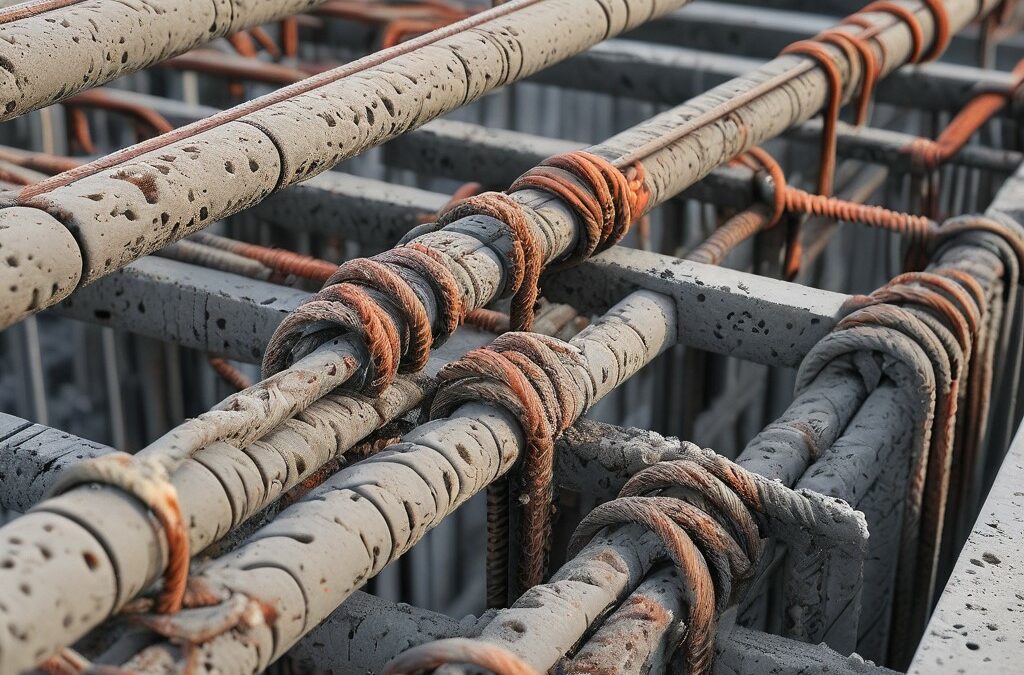
Corrosion of reinforcing bars in concrete can significantly compromise the structural integrity and longevity of concrete structures. Inadequate attention to this phenomenon can have many consequences. Not only can it lead to extraordinary costs to repair and maintain concrete infrastructure, but, in the worst-case scenario, collapse of buildings and bridges can cause environmental issues and lead to loss of life.

Addressing this issue requires a combination of proper design, construction practices, and maintenance strategies.

Ensuring Proper Design and Construction

The most effective way to prevent corrosion of reinforcing bars is to ensure that the design and construction phases are executed correctly. This involves achieving the required depth and quality of cover for the reinforcement.

Common issues leading to corrosion include:

  • Poor design
  • Inadequate detailing
  • Lack of control over the concrete mix
  • Improper placement and curing
  • Mis-location of reinforcement resulting in insufficient cover

Portland cement-based concretes inherently protect reinforcement by creating a low permeability and highly alkaline environment. This environment allows the steel to form a stable passive oxide film, which acts as a protective layer.

Maintaining suitable conditions is crucial for the steel’s protection. The concrete cover serves as a thick barrier that not only physically protects the steel but also contains chemical species that contribute to this protection. During the initial stages, the concrete cover can even self-heal minor cracks caused by shrinkage as it cures and reaches full strength.

Addressing Chloride Ions and Carbonation

Two primary initiators of reinforcement corrosion are chloride ions and carbonation.

Chloride ions can cause severe pitting corrosion even in highly alkaline environments. They can enter the concrete mix through accidental contamination, purposeful addition (historically, calcium chloride was used as a set accelerator), or from external sources such as marine environments and de-icing salts.

Carbonation occurs when carbon dioxide from the atmosphere enters the concrete cover and dissolves in the moisture present, forming carbonic acid. This acid neutralizes the alkalinity of the cement, reducing the protective environment for the steel. In high-quality concrete with adequate cover depth, carbonation progresses slowly, taking decades or even centuries to reach the steel. However, poor-quality concrete or insufficient cover depth can lead to the steel losing its protection within a few years, resulting in corrosion in the presence of moisture.

Current Standards and Practices

Modern standards and codes of practice provide comprehensive guidelines to mitigate corrosion risks from chlorides and carbonation under various exposure conditions. For particularly aggressive environments, such as offshore applications, additional protective measures are necessary. These measures also apply to existing structures where durability has been compromised due to historical design or construction shortcomings.

Protective Coatings and Repair Techniques

Applying coatings to the concrete surface is a widely adopted method to resist chloride ingress and carbonation, extending the service life of existing structures. Periodic recoating can further extend the protection duration. In cases where reinforcement corrosion has already occurred, removing loose concrete, cleaning the steel, and reinstating with fresh concrete (often modified repair mortar) can be effective, particularly for carbonated or mechanically damaged concrete with low chloride levels.

For chloride-contaminated concrete, complete removal of residual chloride is impractical. Instead, corrosion inhibitors or cathodic protection are employed. Corrosion inhibitors can be applied to the concrete surface or incorporated into the repair mortar to enhance its resistance to chlorides. When chloride levels are too high for inhibitors to be effective, or when a long service life extension is needed, cathodic protection becomes the viable alternative.

Cathodic Protection

Cathodic protection (CP), a technique dating back to 1824, is extensively used to protect buried or submerged structures such as pipelines and offshore facilities. In recent decades, CP has also been employed for reinforcing steel in concrete. This method involves creating an electrochemical cell that prevents the steel from corroding. CP systems require specialized design and should be installed by personnel certified to ISO 15257: 2017 standards.

The Bottom Line

Preventing corrosion of reinforcing bars in concrete primarily involves ensuring adequate design and construction practices to maintain a high-quality, alkaline, chloride-free environment. When this is not feasible, additional measures such as surface coatings, corrosion inhibitors, and cathodic protection are essential to control corrosion and extend the lifespan of concrete structures. Through diligent application of these strategies, the durability and integrity of reinforced concrete structures can be significantly enhanced.

What do You Want to Ask an Expert?

This article has been adapted from a question that was sent to the Institute of Corrosion and answered by Paul Lambert. The question was “What is the best way to prevent corrosion of reinforcing bars in concrete?”, and we first published Paul’s answer in our exclusive Corrosion Management magazine.

If you have a question to pose to our experts, please feel free to send it to us by email, and we’ll do our best to have the answer published for you.

Pipeline Corrosion Detection and Management – An Essential Overview

Pipeline Corrosion Detection and Management – An Essential Overview

Innovation, Integrity, and Expertise in Pipeline Sustainability

Pipeline corrosion is a and inescapable phenomenon that represents one of the most significant challenges for many industries. Manifesting in a variety of forms, it impacts longevity and integrity of liquid and gas transportation systems. Consequently, significant investment is made in the detection and identification of pipeline corrosion and its management.

In this article, we provide an overview of what is – and will continue to be – a critical field in pipeline management.

Why Is Management of Pipeline Corrosion So Important?

When poorly managed, the ramifications of pipeline corrosion can be extensive and influence safety, environmental, and economic aspects of an operation.  

Economically, pipeline corrosion leads to immense costs related to maintenance, repairs, and lost efficiency. For example, there are estimated to be around 2.15 million kilometres of oil and gas pipelines around the world, and corrosion is the most important factor in pipeline integrity. In the United States alone, the annual yearly cost of pipeline corrosion is estimated at $7 billion.

A real-life example of the potential economic impact of pipeline corrosion was demonstrated in the Alaska Pipeline system where, in 2011, severe corrosion led to a spill of approximately 200,000 gallons of oil – despite pipeline corrosion caused by faulty coating having been identified 20 years earlier.

From a safety perspective, the stakes are incredibly high. Corrosion can compromise the structural integrity of pipelines, leading to failures that might cause explosions, fires, and oil spills. These incidents not only endanger human lives, but also have devastating effects on the environment. In a study of 1,063 pipeline accidents, 21% were found to have been caused by corrosion.

Effective detection and management of pipeline corrosion is not simply a case of technical and regulatory compliance. Fundamentally, it is an ethical imperative regarding the safeguarding and wellbeing of employees, surrounding environments, and local communities. Consequently, regulatory bodies across the globe impose stringent requirements for corrosion management to mitigate these risks.

Key Methods for Detecting Pipeline Corrosion

Detecting, measuring, and monitoring pipeline corrosion involves a multifaceted approach that includes non-destructive testing, electrochemical probes and sacrificial coupons

Corrosion coupons – sacrificial metal strips exposed to pipeline conditions – are analysed to determine corrosion rate within the pipeline.

·       Non-Destructive Testing (NDT) Methods

NDT methods help to provide a more comprehensive view of pipeline corrosion. Techniques such as acoustic emission (AE), magnetic flux leakage (MFL), and liquid penetrant inspection enable early detection without damaging pipelines. Advanced NDT methods include:

  • Visual Inspection, despite being the most basic form of corrosion detection is a very valuable inspection tool. It involves regular surveys and manual inspections of accessible pipeline sections.  Of course this can only be used on the external surfaces of pipelines.

Techniques that allow both internal and external inspection:

  • Radiographic Testing (RT), is an extension of visual testing involving the use of X-rays or gamma rays to capture sub-surface images that reveal corrosive damage.
  • Ultrasonic Testing (UT), which employs high-frequency sound waves to detect imperfections or changes in material properties similar to the use of UT in medical applications.
  • Electromagnetic Testing (ET), which utilises electromagnetic induction to detect surface and sub-surface irregularities

In addition, Intelligent pigs – often referred to as ‘Smart Pigs’ – can travel internally along pipelines to detect anomalies using methods like ultrasonic testing and magnetic sensors, providing comprehensive data regarding the condition of the pipeline.  They can often provide inspection of almost 100% of both the internal and external surfaces of a pipeline.

Other forms of robots such as drones and crawlers can also be fitted with the above technologies to carry out inspections in locations that are difficult to reach.

The integration of modern technologies such as the Internet of Things (IoT) and predictive analytics represent a revolutionary step in corrosion management. Data is continuously transmitted in real time to be analysed so that potential failure points can be identified. This will allow pre-emptive repairs and significantly reduce downtime.

Corrosion coupons – sacrificial metal strips exposed to the internal pipeline conditions – are analysed to determine corrosion rate within the pipeline.

Electrochemical Probes can be inserted into a pipeline to measure the corrosivity of the fluid inside it.  They can provide a continuous output of corrosion rates that can be fed to a pipeline control room and corrosion engineers.

Pipeline Corrosion Prevention Techniques

When taking action to prevent corrosion of pipelines, utilising a combination of techniques and methods is crucial. Such methods include:

·       Cathodic Protection

An electrochemical process that reduces the oxidation within metal pipelines by making them the cathode of an electrochemical cell. The main cathodic protection techniques are to use sacrificial anodes or impressed current cathodic protection.  This technique is primarily used to protect the external surface of a pipeline – usually in combination with coatings and linings.

·       Coatings and Linings

Coatings and linings can be be made from organic, metallic and inorganic materials.  They provide   an anti-corrosive layer that acts as a barrier between the pipe material and the corrosive environment. When designing pipelines to minimise the risks of corrosion, it’s crucial to select materials that are inherently resistant to corrosion.  They can be used on both internal and external surfaces of pipelines.

·       Corrosion Inhibitors

Corrosion inhibitors are the most widely used method for protecting the internal surfaces of pipelines.  They are added to the pipeline fluids and absorb onto the metal surface to provide a barrier to corrosion.

Future Trends in Corrosion Management of Pipelines

Corrosion detection and management of pipelines has evolved rapidly in recent years, and will have  to continue to do so – to tackle new corrosion threats such as the transportation of hydrogen and carbon dioxide from carbon capture plants. From regulatory frameworks to materials science to sensing technologies, corrosion science and corrosion engineering continue to advance.

·       Advances in Material Science

The development of new alloys and composite materials is pivotal in combatting pipeline corrosion. These materials are engineered to endure harsh environments and aggressive chemicals that accelerate corrosion in conventional materials.

Additionally, the incorporation of nanotechnology into material fabrication has given birth to nano-coatings and nanocomposites that enhance durability and resilience by improving barrier properties and reducing molecular wear and tear.

A key breakthrough has been in the use of graphene, which acts as an impermeable barrier to gases and liquids, minimising oxidation, which is a key factor in corrosion.

·       Enhanced Sensing Technologies

Technological innovations in sensing technologies are revolutionising corrosion management by enabling more precise and comprehensive monitoring capabilities. Modern sensors now incorporate features like higher resolution, greater coverage areas, and advanced data analytics to detect and predict corrosion sites before they manifest into larger issues.

For example, fibre optic sensors provide real-time data on pipeline integrity by detecting changes in temperature, pressure, and structure. These sensors are immune to electromagnetic interference, making them versatile for diverse environments. Moreover, drones equipped with hyperspectral imaging sensors can perform aerial surveys to detect corrosion under insulation or in inaccessible areas.

·       Regulatory and Standards Evolution

The evolution of international standards and regulatory requirements is crucial in pushing the envelope of what is technologically feasible and economically viable in corrosion management. Updating of standards ensures that the newest technological advances and best practices are implemented to safeguard public and environmental health.

Advancing Knowledge and Expertise in Corrosion Management

As the complexities of pipeline corrosion evolve, so too must the expertise of those tasked with managing it. The Institute of Corrosion (ICorr) plays a crucial role in this dynamic landscape. By sharing knowledge, expertise, and best practices, ICorr ensures that corrosion professionals are well-prepared to tackle current and future challenges. We are also at the forefront of policy discussion, giving our members a voice in the future regulation of the industries in which they operate (as demonstrated by our sponsorship of the Reuse, Repair, Replace Conference).

Our commitment to education and continuous professional development is evident through our industry-leading training programs. These are designed and delivered to elevate the technical competence of personnel across the corrosion industry. Through initiatives such as our membership pages, social media, Corrosion Management magazine and more, we provide a collaborative environment in which all our members (and the wider corrosion community) can benefit from insight and innovation in corrosion science and corrosion engineering.

In an era where technological advancements are critical to economic viability and environmental stewardship, the role of institutions like the Institute of Corrosion is indispensable. Through its efforts, ICorr not only contributes to the global economy but also fortifies the industry’s capacity to manage corrosion effectively, safeguarding infrastructure and ecosystems alike.

To learn more about the Institute of Corrosion, our membership schemes, and our comprehensive training packages, email admin at ICorr.

Materials and Technologies in Corrosion Mitigation

Materials and Technologies in Corrosion Mitigation

Shaping the Future of Corrosion Management

Effective corrosion mitigation is crucial to prevent economic losses, ensure safety, and enhance the longevity of infrastructure and machinery in all walks of life, but especially in industries which are most vulnerable to corrosion, such as oil and gas, maritime, automotive, and construction. The financial impact includes repair and replacement costs, downtime, and reduced efficiency. Additionally, corrosion can lead to catastrophic failures, endangering lives, and the environment.

Successful corrosion mitigation begins with understanding the fundamentals of corrosion – how it occurs and the different forms of corrosion against which we must protect. This fundamental knowledge then allows us to decide upon which materials and corrosion mitigation techniques to use in various applications and corrosive environments.

Traditional Materials Used in Corrosion Mitigation

Traditional materials used in corrosion mitigation have proven effective in various applications. Stainless steels, renowned for their high chromium content, form a passive oxide layer that significantly protects against corrosion. Among these, grades such as 304 and 316 are particularly noteworthy, each tailored for specific environments and applications.

In addition to stainless steels, corrosion-resistant alloys like Inconel, Hastelloy, and Monel stand out for their exceptional resistance to extreme conditions. These alloys perform remarkably well at high temperatures and in aggressive chemical environments, making them indispensable in industries such as aerospace and chemical processing, and also in upstream production where robust materials are crucial for safety and efficiency.

Advanced Materials for Corrosion Resistance

High-performance polymers such as PTFE, PEEK, and PVDF provide excellent chemical resistance and are used in applications where metal corrosion is problematic. These materials are lightweight and can be easily fabricated into complex shapes.

Composite materials, combining two or more distinct materials, offer superior corrosion resistance and mechanical properties. Fiberglass-reinforced plastics (FRP) and carbon fibre composites are widely used in corrosive environments.

Coating Technologies

Corrosion mitigation using protective coatings has been a tried and tested preventative measure for decades. Advances in corrosion science have delivered continuous improvements in the types of coatings we use.

For example, epoxy coatings, create a durable, impermeable barrier on metal surfaces, effectively shielding them from moisture and chemicals. This makes them a popular choice for marine and industrial applications, with zinc-rich epoxy coatings widely used to protect steel against corrosion.

Polyurethane coatings, on the other hand, offer remarkable flexibility and abrasion resistance, making them ideal for surfaces that endure mechanical stress. Their robust chemical resistance further enhances their suitability for a wide range of industrial uses.

Meanwhile, ceramic coatings excel in providing exceptional heat and corrosion resistance. These coatings are particularly beneficial in high-temperature environments and for safeguarding components that are exposed to aggressive chemicals. Some ceramic coatings are also used to prevent erosion due to their high wear resistance.

Inhibitors in Corrosion Mitigation

Inhibitors play a vital role in corrosion mitigation by forming protective layers on metal surfaces. Organic inhibitors, such as amines and azoles, create a film that prevents corrosion. These compounds are frequently used in cooling water systems and oilfield applications due to their effectiveness in such environments.

Inorganic inhibitors, including phosphates, and molybdates, also provide a protective barrier against corrosion. These substances are particularly effective in various industrial processes, such as water treatment and metal finishing, where they help maintain the integrity and longevity of metal components.

Nanotechnology in Corrosion Mitigation

Nanocoatings, consisting of nanoscale particles, provide enhanced protection due to their high surface area and strong adhesion properties. These coatings can be engineered to offer specific corrosion resistance characteristics.

Incorporating nanoparticles into polymer matrices, nanocomposites exhibit superior mechanical and corrosion resistance properties. They are used in advanced engineering applications where traditional materials fail.

Smart Materials and Sensors

Self-healing materials can autonomously repair damage caused by corrosion. They contain microcapsules filled with healing agents that release and polymerize upon cracking, restoring the material’s integrity.

Advanced corrosion sensors embedded in structures provide real-time data on corrosion rates and environmental conditions. This information is crucial for predictive maintenance and early intervention.

Cathodic Protection

Cathodic protection is a widely used in corrosion mitigation. This method operates on the principle of redirecting corrosive reactions away from the protected metal to a more reactive metal or by applying an external current.

One approach is to use sacrificial anodes. In this technique, a more reactive metal, such as zinc or magnesium, is attached to the structure needing protection. This reactive metal, known as the sacrificial anode, corrodes in place of the primary metal, thus preventing the primary metal from degrading. This method is particularly beneficial in environments where metal structures are exposed to harsh conditions, such as in marine applications or underground pipelines.

Another approach is to use the impressed current method. Here, an external power source provides a continuous current to the protected structure, counteracting the electrochemical reactions responsible for corrosion. This method is exceptionally effective for large and complex structures like pipelines and storage tanks, where uniform protection is essential. By maintaining a constant current, the impressed current method ensures comprehensive protection, extending the life of critical infrastructure and reducing maintenance costs.

What is the Future for Corrosion Mitigation?

The future of corrosion mitigation is set to be transformed by emerging materials and innovative technologies, driven by ongoing research and development efforts. The Institute of Corrosion, a leading authority in the field, plays a leading role in corrosion management and policy influence.

Emerging materials, such as high-entropy alloys and graphene-based coatings, are at the forefront of corrosion resistance. High-entropy alloys, with their unique composition and structure, offer unprecedented durability and resistance to a wide range of corrosive environments. Graphene-based coatings, known for their exceptional strength and impermeability, provide a revolutionary solution for protecting surfaces against corrosion.

Innovative technologies are also making significant strides. Additive manufacturing, commonly known as 3D printing, is enabling the production of complex components with tailored corrosion-resistant properties. This technology allows for precise control over material composition and structure, resulting in parts that are not only stronger but also more resistant to corrosive elements.

Furthermore, artificial intelligence (AI) and machine learning are being harnessed to predict corrosion behaviour and optimize mitigation strategies. By analysing vast amounts of data, AI systems can identify patterns and predict areas at risk of corrosion, allowing for proactive maintenance and more efficient resource allocation.

The Institute of Corrosion continues to lead the charge in these advances, promoting research, disseminating knowledge, and fostering collaboration among industry professionals. As these trends continue to evolve, the future of corrosion mitigation looks promising, with new materials and technologies poised to deliver more efficient and sustainable solutions for industries worldwide.

Stay ahead of the curve in your career in corrosion – join the Institute of Corrosion and enjoy all the benefits of membership.