

2022 Paul McIntyre Awards goes to ….

2022 Paul McIntyre Awards goes to ….

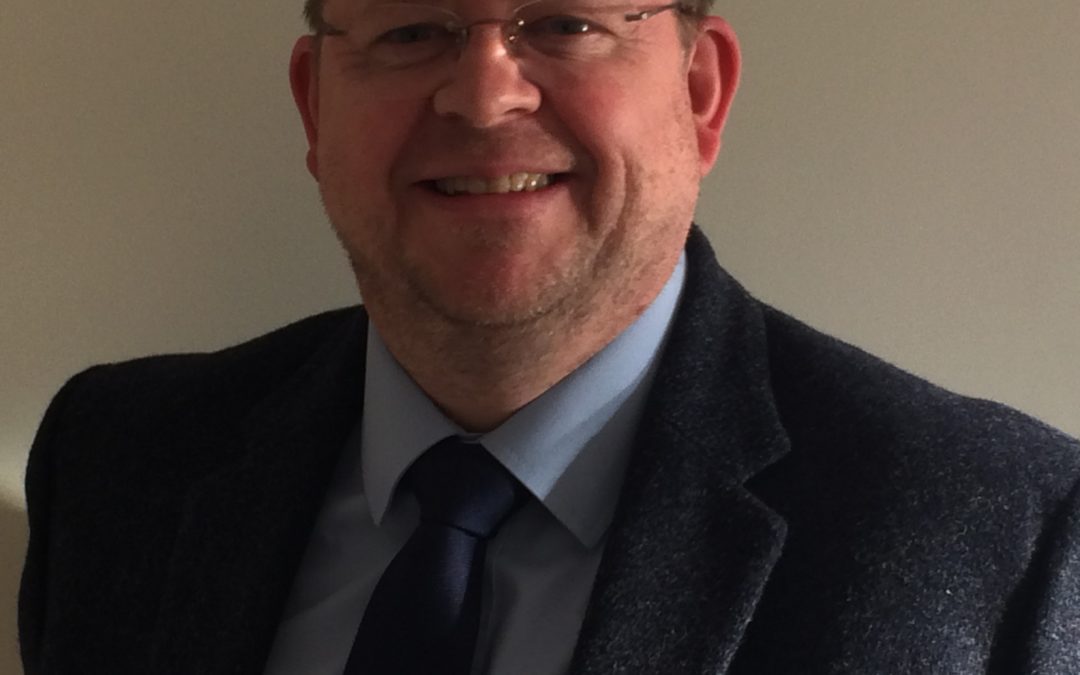
The Corrosion Engineering Division (CED)  has announced that this year’s recipient of the Paul McIntyre award is Chris Lynch.

Chris Lynch is currently employed by Corrpro Companies Europe Limited as their Senior Engineering Manager. He is responsible for the Cathodic Protection Engineering, Site Services and the Power Unit Design personnel, and has been in this role for the last 8 years.

He graduated from The University of Leeds in 1990 and started working as a Junior Corrosion Engineer for Aberdeen Corrosion Engineers Limited, and stayed in the North of Scotland for over 10 years whilst travelling extensively as an ‘engineer in-learning’ taking him across Europe and the Middle East working both onshore and offshore. He now specialises in Cathodic Protection. In 2005 he returned to Teesside to work for his current employer as a Senior Projects Engineer and has worked through the ranks to his present position.

“I believe in working hard with honestly and integrity and have been fortunate to have worked on some excellent Projects with competent people. I am constantly learning and have a continual appetite to understand more and more in my field and the wider Corrosion Industry. I think it is important to put a little back into the industry that has served me so well and have taken the opportunity to do so which has rewarded me in so many ways. Throughout my career I have championed and supported the Institute of Corrosion. I have worked on the numerous training committees and as a course presenter of the ICorr CP training scheme since the mid 1990’s and continue this voluntarily to this day as a current member of the Cathodic Protection Governing Body (CPGB). I am a Level 4 CP Specialist of buried and marine structures and internal surfaces, a Fellow of the Institute of Corrosion and a Chartered Engineer”, stated Chris.

He holds the position of Chair of GEL/603 which is the British Standards Institute (BSI) committee for Cathodic Protection and works on numerous Working Group activities for ISO and CEN. He is a member of several professional bodies including CEOCOR and the Marine Corrosion Forum, and reportedly he has thrived on the open exchange of experience and learning between his peers, particularly those from overseas. He believes it is this sharing of knowledge and experience that has benefitted both himself as an individual and the wider corrosion industry. It is his ambition to communicate and to guide people, especially younger, less experienced people, into this opportunity and to encourage people to share what they know with others.

Chris continued “I would like to thank those who have voted for me to receive the Paul McIntyre Award for 2022. This is a great honour for me. I would like to dedicate it to all the people who have contributed to my success, many of whom I have met whilst doing the work that Paul himself did tirelessly and for so many years himself. It is wonderful that my work with GEL/603 and with ISO and CEN standards committees and working groups has been recognised with this award. The work is so varied and with communities such as CEOCOR, the approach is unique and informal. To be honest, it is not work at all. It is fun. There is much to be gained in international standards work and I have built up friendships with peers and experts across Europe and the wider world. I have gained so much more than can be taught on courses or read in presentations, papers or visiting exhibitions. I believe we all have something to share. Perhaps an experience we have had that is unique or a set of interesting data we have gathered, a job that went wrong that others would benefit from in hindsight.

Standards development and contribution is not mandated to be the sole right of exclusive clubs where only experts can be members. There should be no place for elitism or intellectual snobbery. I wish to encourage groups to be inclusive and friendly. Groups which are pleased to have your contribution and listen to your experiences regardless of age or experience.

When I read Paul’s contributions to BSI and ISO, it strengthens my belief that I can do more and aspire to his level of achievement. It is humbling to be in the company of the five previous winners of this award. I thank ICorr and the Corrosion Engineering Division for this recognition, having first asked, are you sure you have the right person and I look forward to continuing working alongside other volunteers in developing and improving the CP competency training courses”.

For more information on working on standards committees and working groups or joining professional institutions please contact him at, clynch@aegion.com

RYSCO Announcement – New ICorr Gold and Branch Sponsor

RYSCO Announcement – New ICorr Gold and Branch Sponsor

The Institute of Corrosion is very pleased to welcome its latest Gold Sustaining Member and Aberdeen Branch Sponsor – Rysco International, a global provider of Corrosion Management Solutions.

Rysco Corrosion Services

Based in Red Deer, Alberta Canada, Rysco International was formed in 2018 and is a division of the Rysco Group of Companies, responsible for the international distribution of Rysco Corrosion and Rysco Integrity’s equipment and services divisions.

Founded in 2007 by Ryan Finlayson (BSc, MBA), Rysco Corrosion actively promotes teamwork and expertise within its organisation. Rysco’s mission is to provide the best corrosion measurement and monitoring services available to the marketplace, so that clients can make informed decisions related to their infrastructure assets, in the interests of public safety and the environment.

Rysco believes its mission to be an honest commitment to all its stakeholders, delivering on that commitment by adhering to its Core Values, throughout its daily operations, providing quality, consistency, and accuracy in all its business offerings, treating client’s infrastructure monitoring and measurement concerns, as if they were its own.

Rysco’s 5 Core values are:

  • Service
  • Integrity
  • Innovation
  • Excellence
  • Knowledge

Rysco seeks to change client’s perceptions of corrosion measurement and monitoring through innovation, knowledge sharing, and providing a superior customer service experience.

Rysco Corrosions Services and Products include:

  • Internal Corrosion Monitoring
  • External Corrosion Monitoring
  • Engineering & Design
  • Pipeline Analysis
  • Online Reporting

Established in 2018, Rysco Integrity Services was created as a separate business entity from Rysco Corrosion Services Inc. to independently meet the needs of existing clients, with respect to their asset integrity, compliance, chemical management, and assessment concerns.

Rysco Integrity Services utilises the extensive knowledge and experience from within Rysco Corrosion to support a grounded, reasonable, and reliable approach to integrity management.

Rysco Integrity’s Services include:

  • Pipeline Integrity & Data Management
  • Management of Change (MOC)
  • Regulation Compliance & Reporting
  • Operating & Maintenance Procedures
  • Facility Inspections
  • Defect Elimination
  • Safe Operating Limits

When it comes to competency, all Rysco Group employees either have AMPP certifications or are diligently working towards the necessary achievements to satisfy these certifications. Rysco believe education, along with applicable experience and competency management, to be the cornerstone of its organization.

As part of its “first in class” culture, Rysco maintains certifications ISO 9001, ISO 14001, and ISO 45001 management systems within an IMS that includes Quality Management, Environmental Management, and Occupational Health and Safety Management. In addition, Rysco maintains an active APEGA permit to practice and participates in the Alberta Quality Programme.

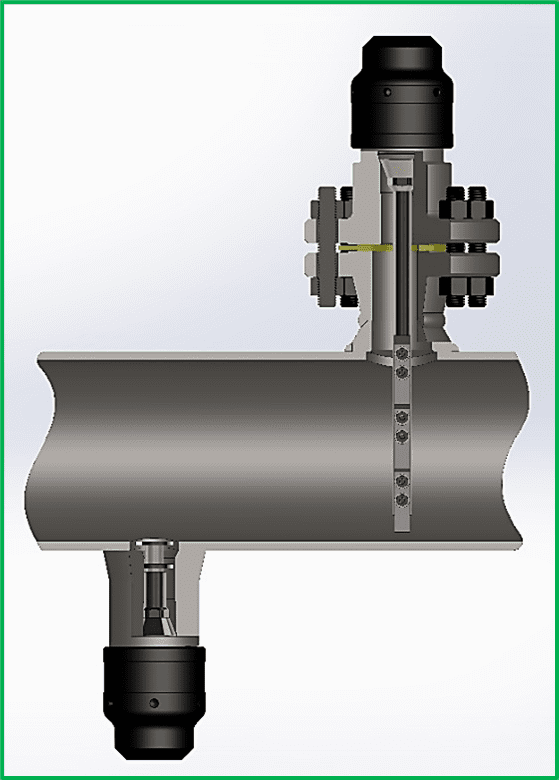
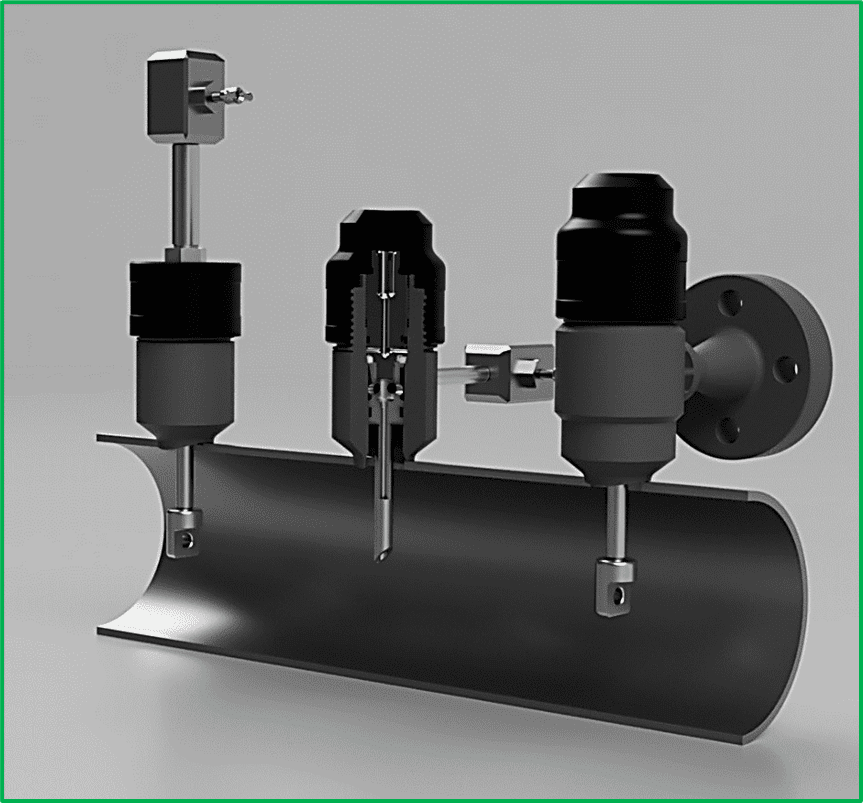
Photo 1. Rysco Access Fitting Installation – Corrosion Coupons

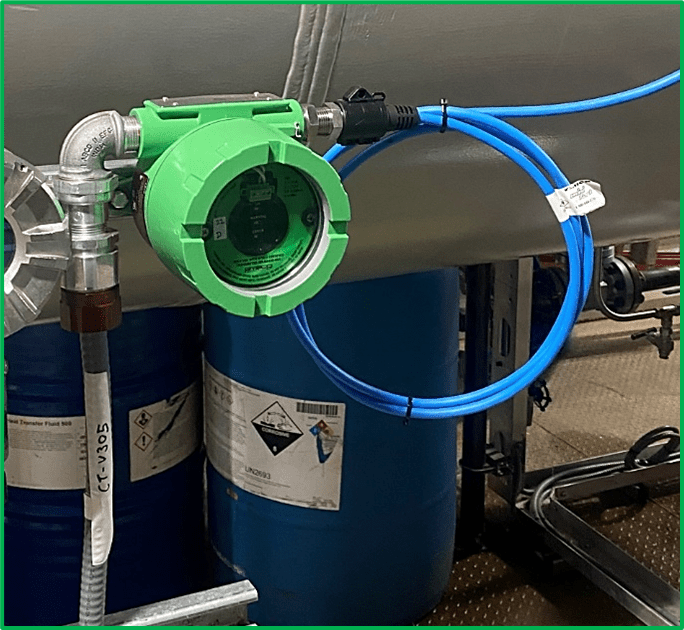
Photo 2. Rysco ER Probe Transmitters

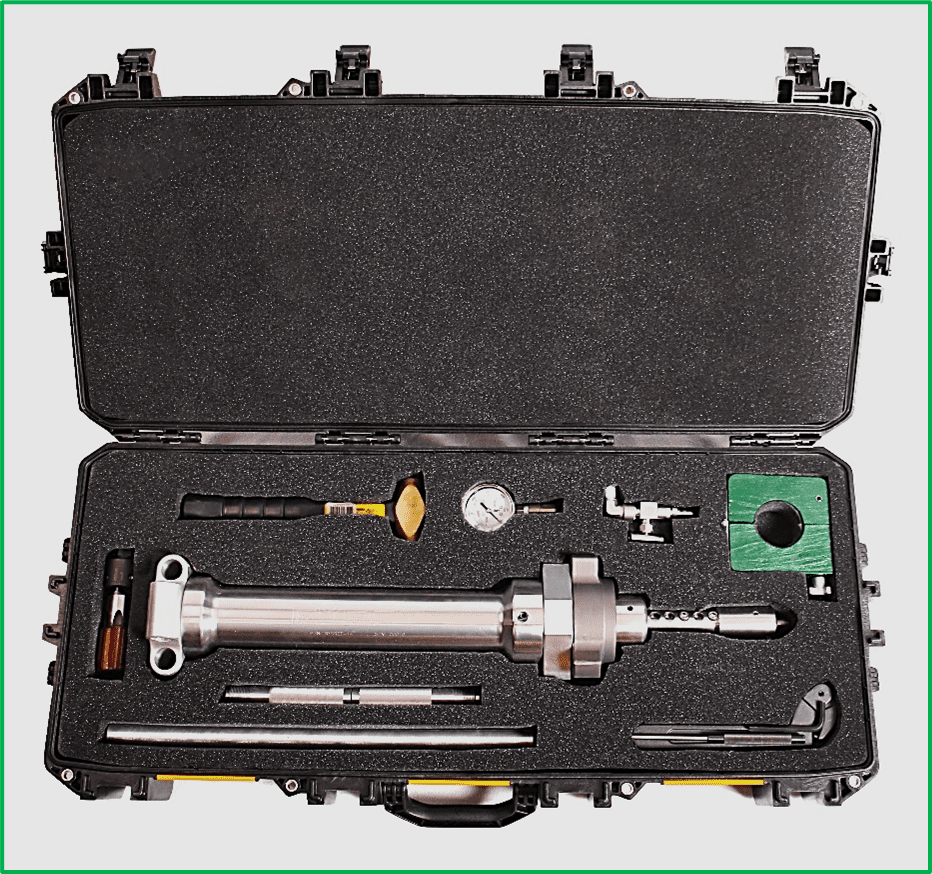
Photo 3. Rysco High Pressure Retriever Tool

Photo 4. Rysco Chemical Injection Systems

Aberdeen Call for Papers – Technical Session 2022 – 2023

The Institute of Corrosion (ICorr) Aberdeen branch would like to invite you (or your colleague) to give a presentation during our next 2022/2023 Session.

The events normally are held at 6 pm on the last Tuesday of the months from September 2022 till May 2023, excluding December 2022.

Topics on Pressure systems, Pipelines, Renewables and Structural integrity management with regards to the Material selection, Production chemistry, Welding, Corrosion/Microbiological control and monitoring, Inspection techniques and Data analytics are acceptable. Past case studies, project experiences and emerging technologies have proved popular and interesting to members. These are particularly welcome.

Our event attendees (members and non-members) include students, technicians, technologists, engineers, scientists, researchers, managers, company directors and other professionals from the oil and gas, power generation, manufacturing and renewables sectors. Subsequently we would publish a report of technical presentations in our Corrosion Management magazine and also on ICorr our Headquarters and ICorr Aberdeen website pages with your presentation slides and Q&A session write-up. A recording of the event (if conducted online) will be uploaded to our YouTube channel later.

If interested, please supply the following including your proposed speaker’s name, role and company, short biography of the speaker(s) and the proposed presentation title and abstract to the ICorr Aberdeen Branch Chair, Hooman Takhtechian, via htakhtechian@oceaneering.com and please also copy in icorrabz@gmail.com in your submission.

Speaker (s)               ?                                 

Presentation Title (non-commercial): ?

Abstract (400 Words):                  ?

Biography (100 Words):               ?

Qualifications / Experience (50 Words):          ?

All the submitted presentations will be subject to ICorr Aberdeen Committee review and the successful ones will be scheduled into ICorr Aberdeen 2021/2022 Technical Events Programme.

Please note that the deadline of the submission is 30/04/2022.

ICorr Aberdeen committee will approach the successful presenters in May 2022 to work out the event programme and announce it by June 2022. Please be highlighted that early submission of your proposed presentation / abstract is highly preferred and will assist your participation in the programme.

Thank you,
Hooman Takhtechian
Chair – Aberdeen Branch


London Branch Christmas Lunch Returned

London Branch Christmas Lunch Returned

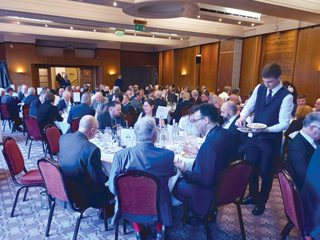
The branch Christmas lunch returned to the Royal Overseas League in Mayfair on 2nd December 2021 after the enforced absence of 2020. The number attending was restricted compared to previous years but over 120 guests attended the event which again started with a drinks reception followed by a four-course meal in the Hall of India and Pakistan. 

After the meal, branch chair Ben Moorhouse introduced the guest speaker Bob ‘the Cat’ Bevan who entertained the guests with old style jokes and comedy. Most of the guests stayed on for a while to socialise and network and many then transferred to a local public house to continue chatting. The event made a small surplus and thanks must go to the organising committee, Jimmy Glynn for organising the raffle as he has for many years, plus Correx, CTS and Telpro for providing sponsorship. The 2022 lunch is already booked at the ROSL for 1st December this year and we look forward to another successful event.  

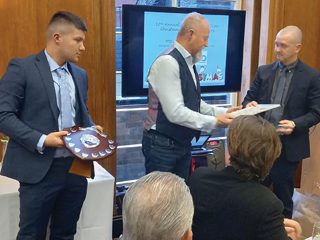
There was a presentation after the meal to the best apprentice of 2021, Kian Power, who received his certificate and shield from Kevin Harold, MD of Correx.  

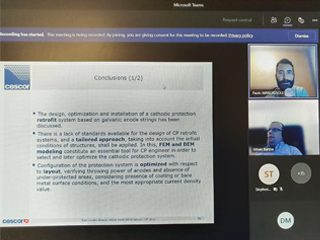
The January technical meeting, chaired on this occasion by David Mobbs, featured an online presentation on “Life extension of offshore platforms, through retrofit CP design assisted by modelling” given by Dr Paolo Marcassoli, Cathodic Protection and Inspections Manager at Cescor Srl, Italy, and Istvan Bartha, Independent Subsea Consultant.

Paolo Marcassoli has fifteen years’ experience in materials and corrosion engineering and cathodic protection engineering gained in an academic environment and in the onshore and offshore oil & gas industry, offshore wind, and in infrastructures. He primarily carries out activities in the fields of CP design and FEM modelling, monitoring and CP inspections, and corrosion control.  

Istvan Bartha is an experienced integrity engineer with over 20 years’ experience in fields of subsea, pipelines, structures and bridge engineering, who has participated in major oil and gas projects ranging from concept and design stages through to fabrication, installation and operation of new and ageing assets. Istvan has a detailed knowledge of key design and operational principles of onshore, subsea and topside production, and control systems, requiring detailed analyses of technical data such as RBI, FMECA, RCA or CP, and collaboration with other engineering disciplines and close interface with the client.

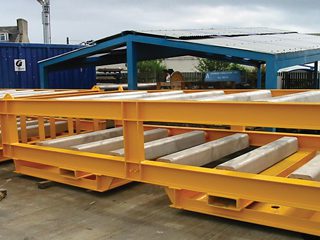
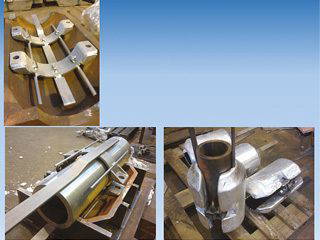
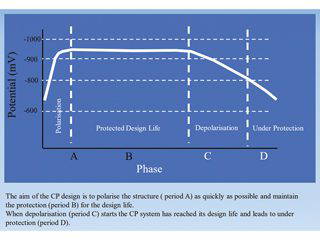
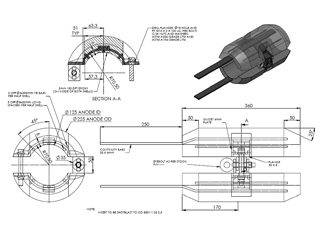
Paolo explained that a significant number of permanent offshore structures for oil and gas production in the world, including steel jacket platforms, are reaching or have exceeded their original design life. They require extension of life or requalification programmes to prolong their operating life. Cathodic protection (CP) is one of the issues to be carefully managed as part of this process. In case the original CP system cannot guarantee the planned residual life, a retrofit intervention needs to be designed and executed.  The design of CP retrofit systems, although technically adhering to the stipulations of the applicable codes, does not necessarily follow the criteria and approaches adopted for new facilities, as the intervention is required to be executed with the structure in-place, including significant marine growth and calcareous deposits, aspects which could affect CP repolarisation and maintenance rates as well as potential obstructions from installation perspective. All the above, have a strong impact on installation requirements and costs. Accordingly, dedicated CP expertise has been developed for retrofit applications, aimed at selecting the most convenient system. A tailored approach is followed, by considering the most appropriate design parameters, affected by the present polarisation conditions, presence of marine growth and calcareous deposits, on the structure. Paolo described the retrofit process though a real case where Cescor designed, supplied and commissioned the system.   The pros and cons of impressed current vs galvanic anodes were highlighted and in this case the options verified through Boundary Element Method (BEM) modelling.  A galvanic anode string as opposed to an anode pod was selected due to installation constraints, the detailed design developed and the materials supplied.

Istvan then described the installation phase in detail, which had its own challenges due to the Covid pandemic affecting the workforce, personnel limitations on the platform due to simultaneous operations. A high level insight was provided regarding the engineering studies completed to support the installation phase, such as Finite Element Analysis of the above water clamps, fatigue checks, lateral displacement and tensioning requirement of the strings as well as developing the subsea anchoring. Furthermore, a short presentation of the offshore installation phases and activities was provided.

Finally, Paolo described the preliminary CP survey about six months after installation, which confirmed the corrosion protection target had been restored.

David Mobbs thanked the speakers for a very interesting talk which had been attended to by 40 engineers including several from Europe, Canada, USA, S. Africa and the UAE.  The online event was organised by Agnieszka Knyter of London branch, who also very efficiently managed the Q&A session with the speakers. A video of the presentation can be found on the Institute website at
www.icorr.org/london-branch-online-meeting-13-january-2022/

Aberdeen Branch – November Technical Meeting

Aberdeen Branch – November Technical Meeting

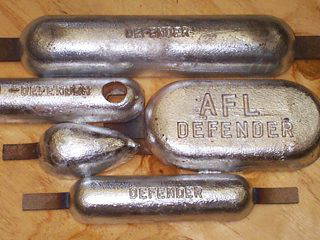
The branch’s November technical meeting was held on 30th, to a large online audience of nearly 60 people including many international attendees.  This was a joint meeting with IOM3 and MIS (Mining Institute of Scotland) with Dr Nigel Owen, Operations Manager of Aberdeen Foundries, presenting “Sacrificial Anodes: Material Specifications, Manufacturing and Anode Design for Effective Cathodic Protection Systems”. 

The opening notes for the IOM3/MIS were given by Babs Oyeneyin of IOM3’s Energy Transition Board and retired Professor of Engineering at RGU who recently participated in COP26, Glasgow.

Aberdeen Foundries are one of the last remaining foundry operations in Scotland for non-ferrous castings and have been involved with the offshore energy and marine services industries for over 40 years, and is the last remaining working foundry in Aberdeen. 

Nigel, who gave a most informative and heart-felt talk, has worked in the aluminium Industry for over 35 years after completing a B.Sc. in Metallurgical Engineering at Salford and subsequently a PhD in Materials at Imperial College before working in a variety of companies, including R&D of cast and rolled Aluminium products in Australia & USA, along with smelter waste recycling in New Zealand. 

At the foundry he is responsible for all manufacturing, testing and technical specifications of marine and subsea sacrificial anode supplies. In addition, Nigel is a long-serving member and officer of the Aberdeen ICorr Committee.

The raw materials used for sacrificial anode manufacture are by necessity, high-purity based metals with very specific alloying requirements and final properties, in order to achieve the desired effective and long-lasting CP system operation. 

The typical process for manufacturing anodes was presented, from a ‘metallurgical standpoint, the alloying, pouring, testing and finishing processes of various product types were then described in great detail. 

The base materials, properties and costs of modern sacrificial alloys for cathodic protection purposes were detailed along with the conditions and applications for which they are generally used and the complexities of building moulds for casting operations.  Nigel illustrated the importance of the Periodic Table and how alloying from different elements can be used to control/increase electro-negativity, and also the importance of the Galvanic Series showing how CP currents from sacrificial alloys are applied to counter corrosion currents. 

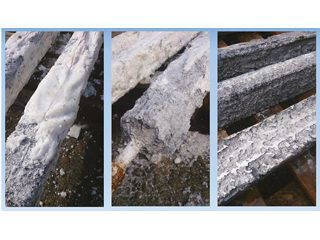
Other key aspects covered included, the role of calcareous deposits and simultaneous reactions occurring at the anode and cathode. The talk also included a very interesting history of anode production and how this has developed into the tightly regulated industry of today, with recent concerns over contaminants like mercury (an effective addition) and also highlighted other bad contaminants like iron and copper that can affect anode performance.

In summary he concluded that:

  • Aluminium alloys (of aluminium/zinc/indium) generally provide low-cost reliable anodes and account for 90% of offshore anode manufacture.
  • Magnesium anodes remain particularly useful for onshore applications and for de-scaling operations.
  • Zinc anodes are still well used for both brackish waters/harbours and offshore (buried applications).

Nigel emphasised the need for good quality control of raw materials sourcing and at all subsequent manufacture stages which can be of very complex geometries and which require very careful planning and preparation. Analysis of cast composition is normally performed together with electrochemical testing and optical emission spectrometry tests, to a combination of client purchase specifications and International Standards.

Good electrical continuity must be ensured between alloy material and surface profiled steel inserts and finally to the structure itself being protected by CP. Some materials like zinc naturally bond to inserts at casting temperatures while other rely on the mechanical key.  Critically, all cathode areas to be protected must be identified at the design stage and then geometry of anode made to suit the area/life/current distribution to achieve Initial polarisation and required final design life. 

CP system life extensions were also touched upon with illustrations of some recently shipped anode skids.


The presentation then moved on to discuss the design of Sacrificial Anode Cathodic Protection systems for a Marine Environment including prevailing standards, which involved selection of anode configuration, a detailed calculation process, combined with rules of thumb and practical experience to design an effective working CP system (that is capable of manufacture).

This very engaging presentation generated many questions from the audience that were expertly responded to by the author.  The closing remarks for this well attended event were given by Hooman Takhtechian, the current Chair of Aberdeen Branch, who thanked all participants.

Slides of technical papers for branch events, along with their respective Q&A’s can be found at, ICorr Aberdeen Branch (google.com) under Local Technical Programme Aberdeen Branch – Institute of Corrosion (icorr.org). A library of event recordings may also be found at: ICorr Aberdeen – YouTube.

The branch has a very fully year ahead, running the Young Engineer Programme (YEP) alongside its normal busy technical programme for 2021-2022 Session. With Scottish Govt. guidance still discouraging large public events, initial meetings of 2022 will be held online and recordings published post-event.


Young Engineers Programme (YEP)

Young Engineers Programme (YEP)

Aberdeen branch has now launched the 2022YEP which will run for a full year from January.

The branch received 50 applications for this session, and after a thorough review by branch committee members, 20 applicants were selected for the programme and 3 were selected as reserves. Also 15 applications were found suitable for future YEP programmes and were advised to re-apply for YEP 2024. The first session was held on 27th January by Zoom due to the current uncertainties regarding the COVID restrictions in Scotland. At present the February talk is likely to be similarly organised online, although it is hoped to hold subsequent presentations in-person.

The full 2022 syllabus is given  below.

Session

Date

Speaker

Session 3 – NDT / Corrosion Monitoring

31-Mar-22

Jim McNab (Oceaneering)

Session 4 – Coatings & Linings

26-Apr-22

Michael Young (ROSEN)

Session 5 – Case Studies

31-May-22

Steve Paterson

Session 5.1 – Presentation Skills

31-May-22

Olubayo Latwino

Session 6 – Corrosion Under
Insulation and Fire Protection

28-Jun-22

Clare Watt (KAEFER)

Session 7 – Cathodic Protection

26-Jul-22

ROSEN (speaker to be confirmed)

Extra session – Annual Corrosion Forum (Whole day)

30-Aug-22

Various Speakers

Session 8 – Production Chemistry

27-Sep-22

Ben Smith (BP) (TBC)  Olaf Niemeyer (Shell) (TBC)

Session 9 – Integrity Management / FFS

25-Oct-22

Stephen Tate / Pieter Viever (Oceaneering)


Session 10 – Presentation of Case Studies

29-Nov-22

Panel of Judges

As the 20 participants will be split into 5 groups, the branch has identified 5 mentors to support them during their case study preparations. The following 4 mentors have are already confirmed, and one more needs to be identified. 

Steve Plant, Managing Director, PIM

Bruce McKenzie, Technical Manager, Oceaneering

David Hillis, Material and Corrosion TA, TotalEnergies

Yunnan Gao, SME & Deputy Technical Manager, Stork

For the case study presentations, two judges have been confirmed, Chris Williams from BP and Susan Cushnaghan from Shell, and the branch are in the process of confirming the third judge.  The prize for the best case study presentation has been sponsored by BP, and it is hoped to have a further prize sponsored.