Jose Castro TechIOSH | MCIHT | MCIOB
The Gotham Hotel occupies a prominent steel-framed building in Manchester city centre, constructed in the early 1930s and designated as a Grade II-listed structure (see Figure 1). The building is clad in Portland Stone and reflects a construction typology widely used during the period, combining a riveted structural steel frame with masonry and stone façades. While this form of construction has demonstrated long-term robustness, it also presents durability challenges when the embedded steel is exposed to moisture ingress. This article looks at a conservation-led response to corrosion-related façade deterioration at the hotel.
Routine façade inspections at Gotham Hotel identified progressive cracking, localised displacement and signs of distress within the stone cladding (see Figure 2). Given the building’s heritage status and continuous occupation as a hotel, it was essential to develop a repair strategy that addressed the underlying deterioration mechanism while minimising intervention and preserving the original fabric.
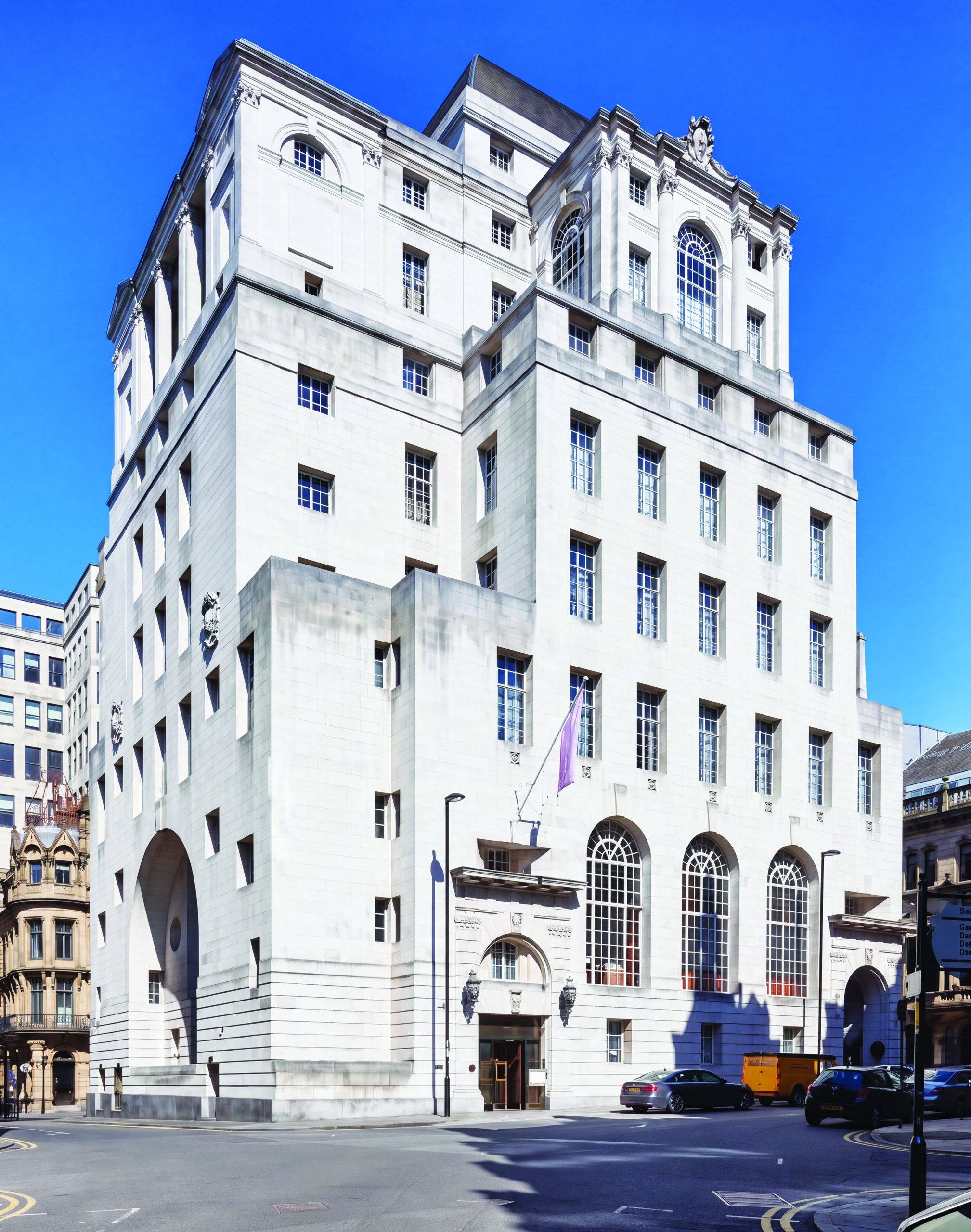
Figure 1: View of the Site Prior to Works Commencing.
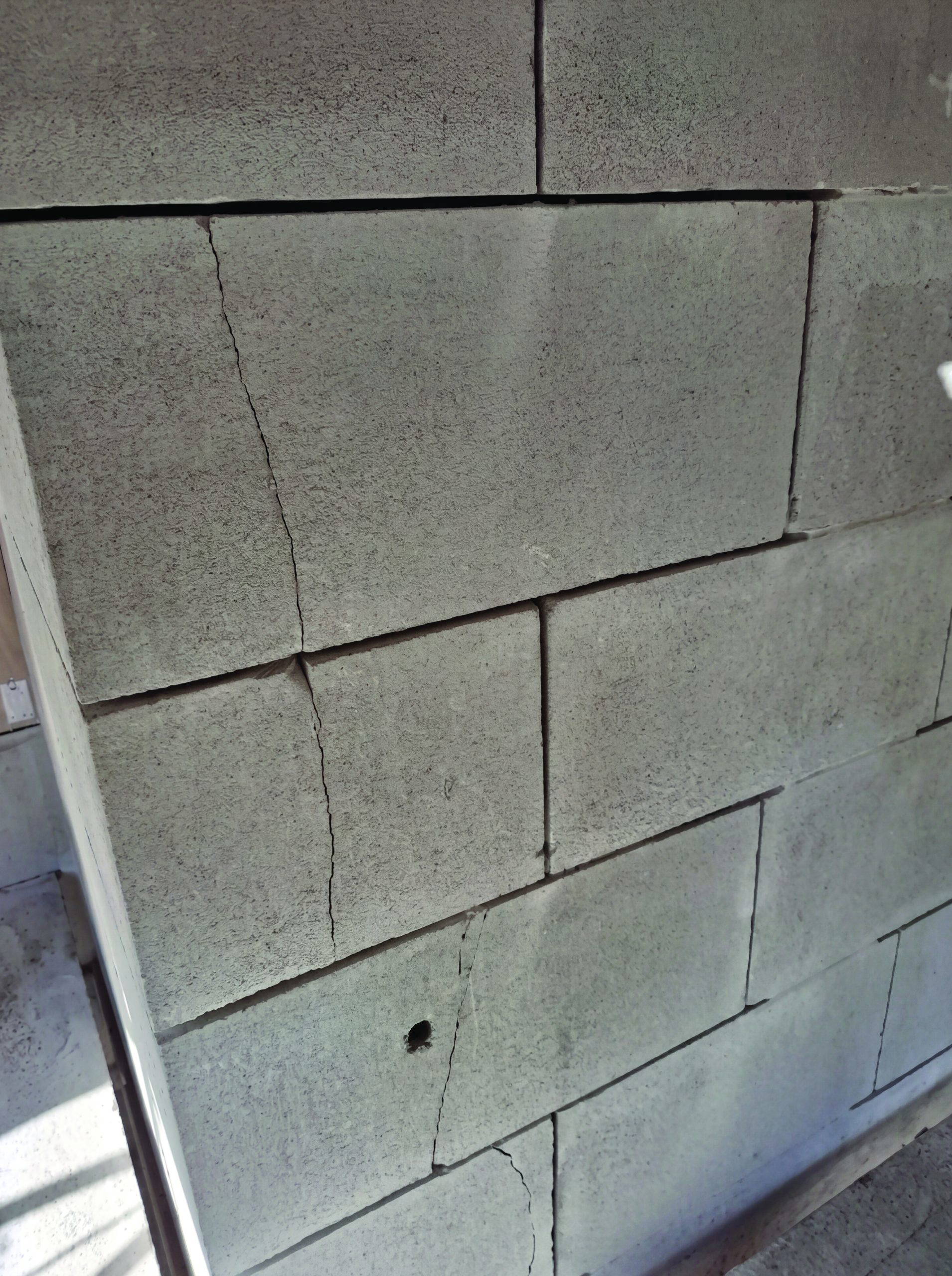
Figure 2: Cracking and Signs of Distress Within the Stone Cladding.
Regent Street Disease and Deterioration Mechanisms
The client engaged Corrosion Engineering Solutions (CES), experts on the corrosion of steel-framed buildings, to assess the situation and make recommendations. Detailed condition surveys and targeted intrusive investigations confirmed that the principal cause of façade deterioration was Regent Street Disease. This condition is associated with corrosion of embedded steel sections within masonry or stonework. As steel corrodes, the formation of corrosion products generates tensile stresses in the surrounding façade material, causing cracking and debonding (Historical Defects in Buildings – No. 6: Regent Street Disease, Institution of Structural Engineers, 2024).
Portland Stone, while durable under compressive loading, has a relatively low tensile strength. As a result, even limited corrosion-induced expansion can lead to cracking, delamination and eventual spalling of the stone units. In the presence of continued moisture ingress and atmospheric exposure, the corrosion process is self-perpetuating, leading to progressive deterioration if not addressed at the source.
Limitations of Conventional Repair Approaches
Traditional remedial strategies for Regent Street Disease typically involve localised steel replacement, crack stitching, and stone repair or replacement. While such measures may restore short-term stability and appearance, they do not address the electrochemical processes driving corrosion. In this way, all unrepaired areas generally remain at the same risk of corrosion. Traditional, targeted repairs that had been carried out previously had already failed.
Guidance provided in BS 7913, Guide to the conservation of historic buildings, emphasises the importance of minimum intervention and the avoidance of repeated repair cycles that result in cumulative loss of historic fabric. In this context, a long-term corrosion-control solution was required that aligned with conservation principles and delivered measurable durability benefits.
Selection and Principles of ICCP
After assessing the condition data, exposure conditions, and conservation constraints, Impressed Current Cathodic Protection
(ICCP) was selected as the preferred solution. ICCP operates by applying a controlled external electrical current to the embedded steel, shifting its electrochemical potential into a passive state and suppressing anodic corrosion reactions (Joint NACE International Task Group 329 and CPA Technical Committee Technical Note 20, Cathodic protection for masonry buildings incorporating structural steel frames, 2018).
The system’s design and performance criteria were developed in accordance with BS EN ISO 12696, Cathodic protection of steel in concrete. Although the standard primarily addresses reinforced concrete, its principles are widely applied to steel-framed masonry structures in which steel is embedded in mineral-based materials. ICCP offers the advantage of adjustable current output, enabling long-term optimisation in response to monitoring data and environmental changes.
System Design and Configuration
The ICCP system installed at the Gotham Hotel was designed to provide comprehensive protection to the embedded steel frame while remaining visually discreet. Titanium anode ribbons were installed within mortar joints to distribute current evenly across the façade (see Figure 3). Reference electrodes & decay probes were incorporated in the system to enable measurement of steel potentials and to verify that cathodic protection criteria defined in BS EN ISO 12696:2022 were achieved and maintained.
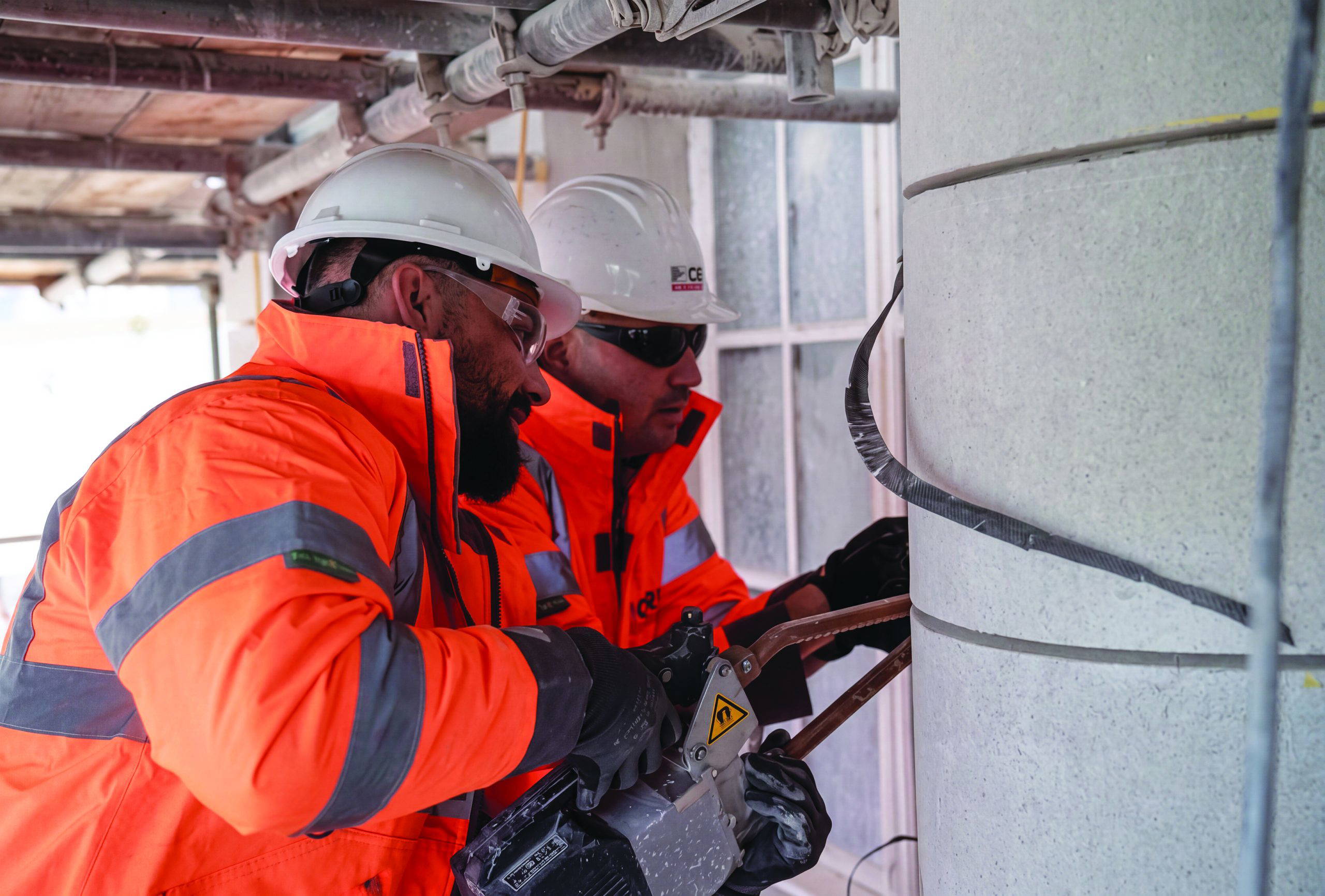
Figure 3: Installation of the Titanium Anode Ribbon.
Monitoring probes and multi-core cabling connected the façade elements to transformer rectifier (T.R.) units, which regulate current output and facilitate system control. The TR units have remote control and monitoring capabilities as standard, reducing disruption to the building’s operations during routine monitoring. The system was divided into multiple zones (see Figure 4), enabling independent monitoring and adjustment. The system was zoned to align with the phased installation, thereby reducing programme risks. Zoning generally simplifies fault identification and provides flexibility for long-term operation and maintenance.
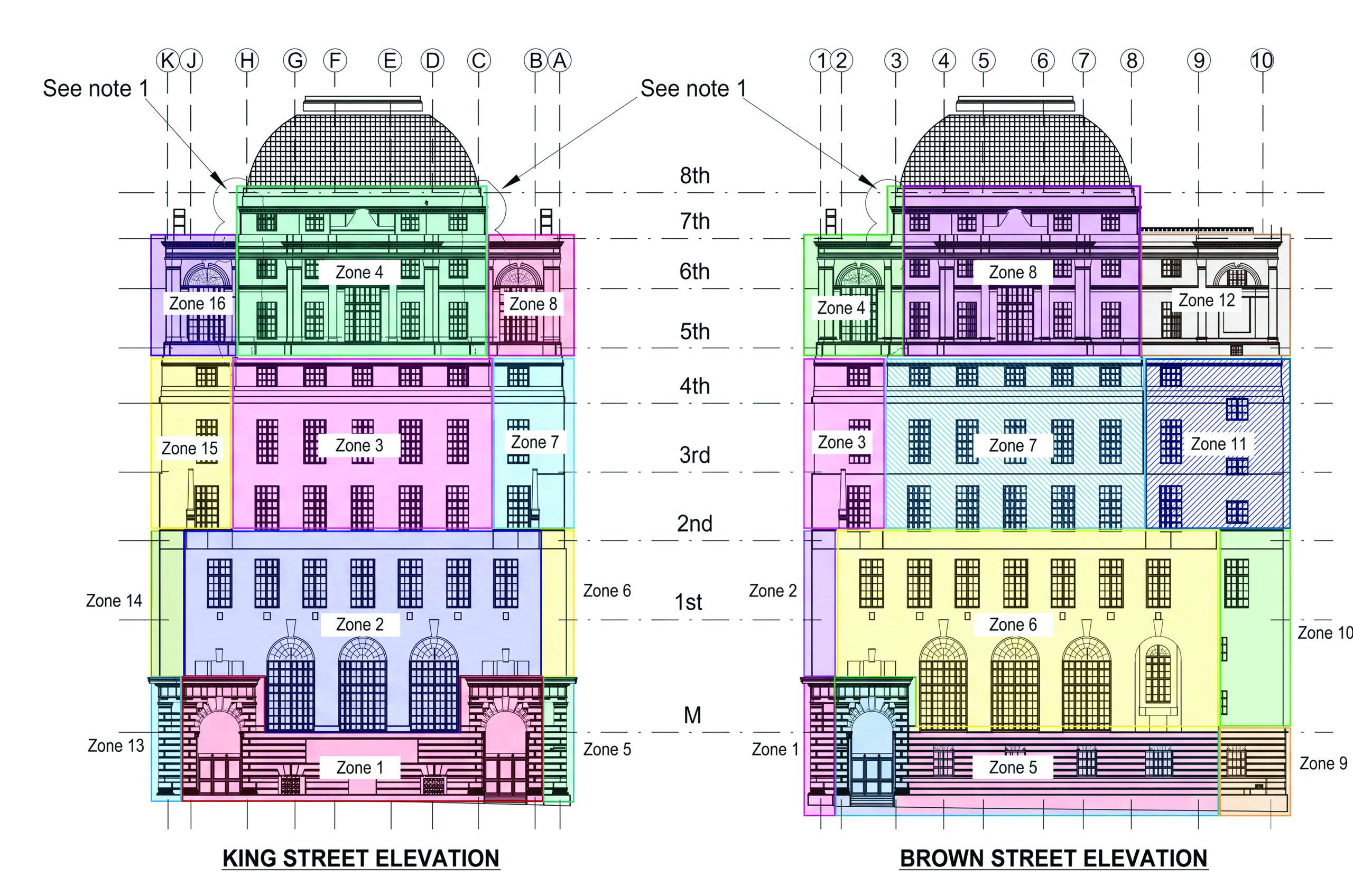
Figure 4: Plan Showing Zone Configuration On 2 of The Buildings’ Elevations.
Installation Methodology
Installation works were informed by a comprehensive condition survey of the stone façade that identified areas of cracking, displacement, and localised deterioration. Mortar joints were carefully raked out to a depth of approximately 50 mm, with selective widening where required to accommodate anode ribbons and field cabling (see Figures 5 & 6). All raking and cutting operations were undertaken using controlled methods to minimise vibration and dust and prevent damage to the adjacent stonework.
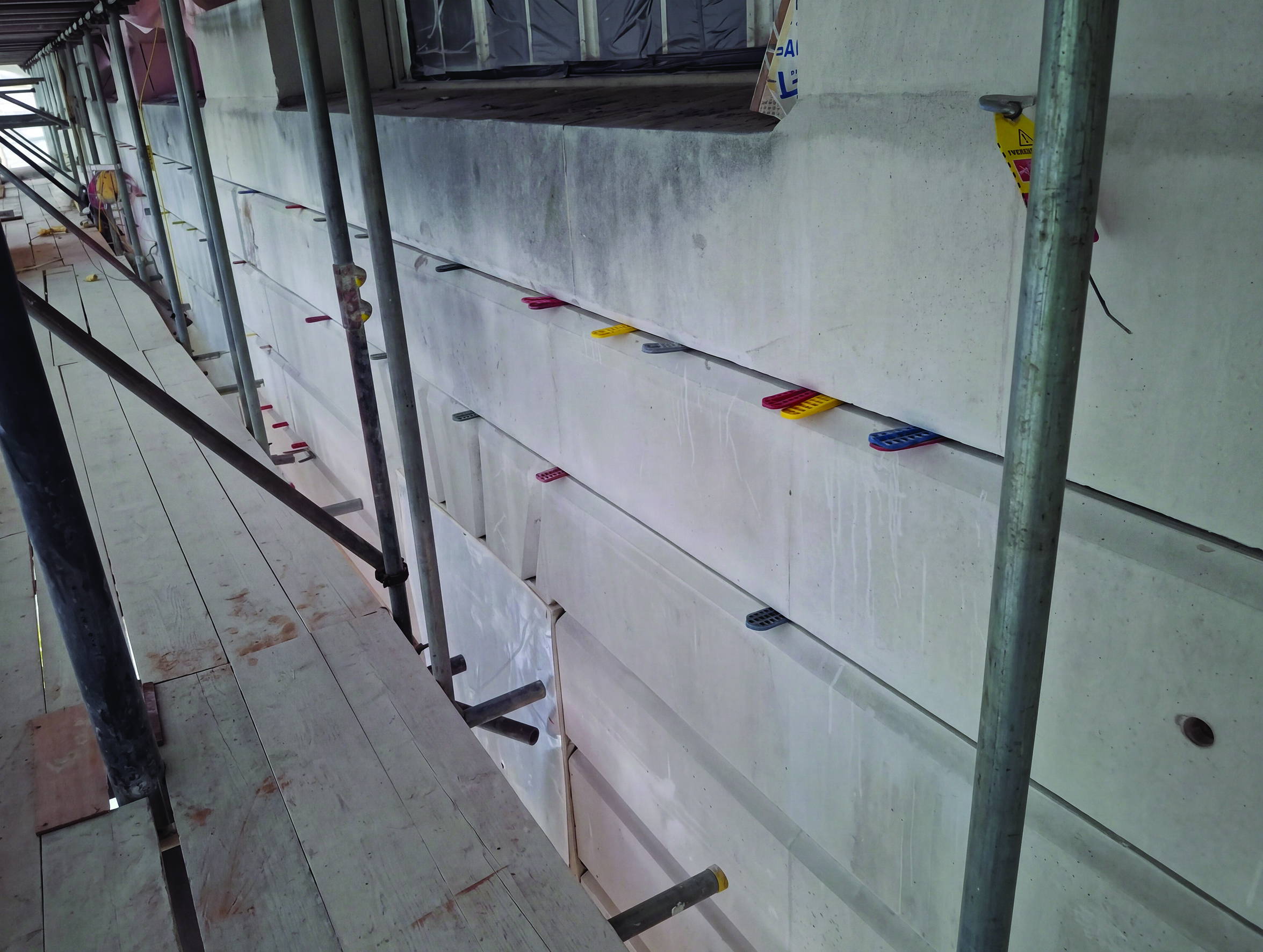
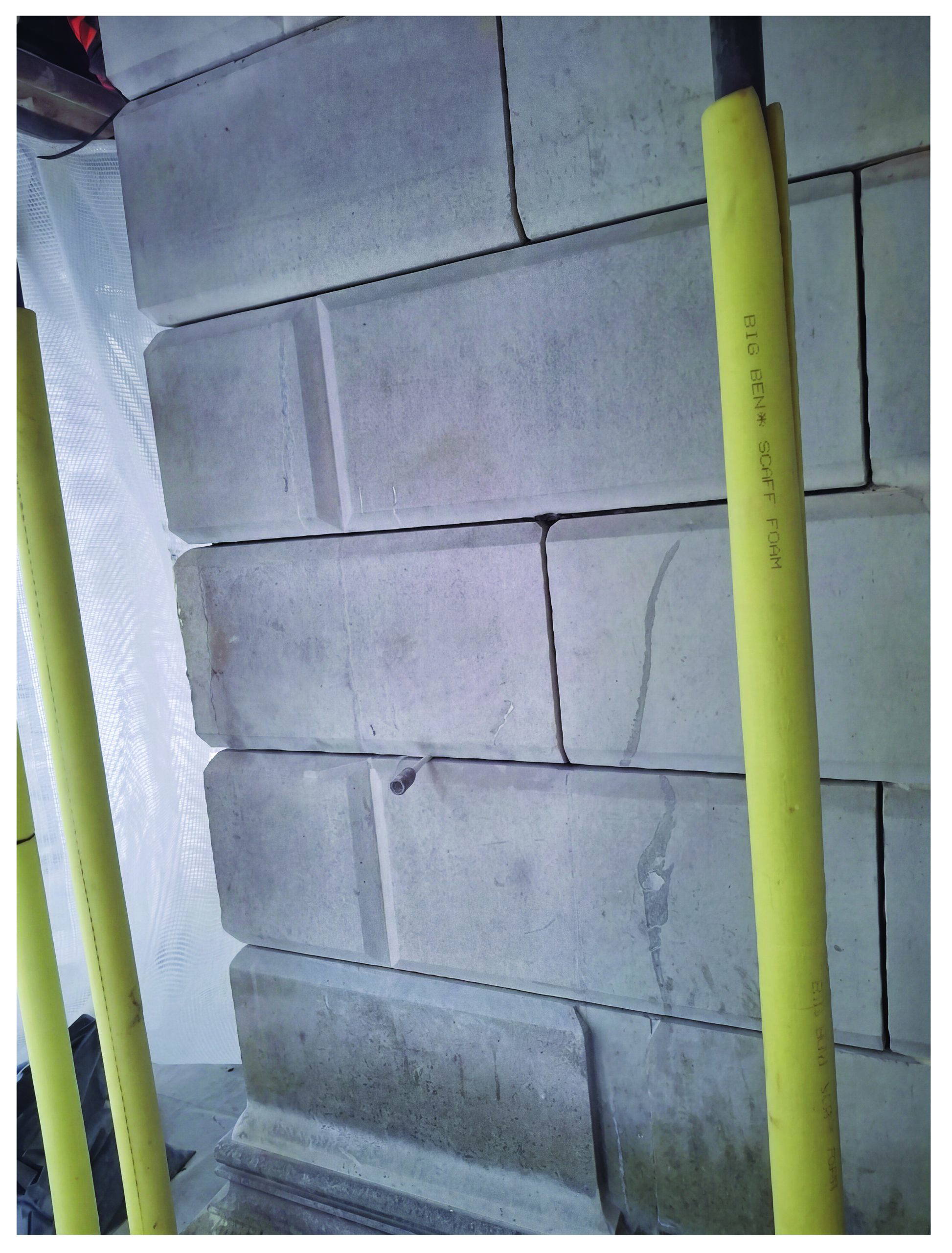
Figures 5 & 6: Joints Raked Out, Ready for Installation of the Titanium Anode Ribbon and Morta.
Following installation of the ICCP components, the mortar joints were reinstated using a compatible, colour-matched repair mortar selected to
match the physical and visual characteristics of the original materials. Where cracking or minor stone defects were present, targeted repairs were carried out alongside the ICCP installation to maintain structural integrity while minimising unnecessary replacement of historic fabric
(see Figure 7).
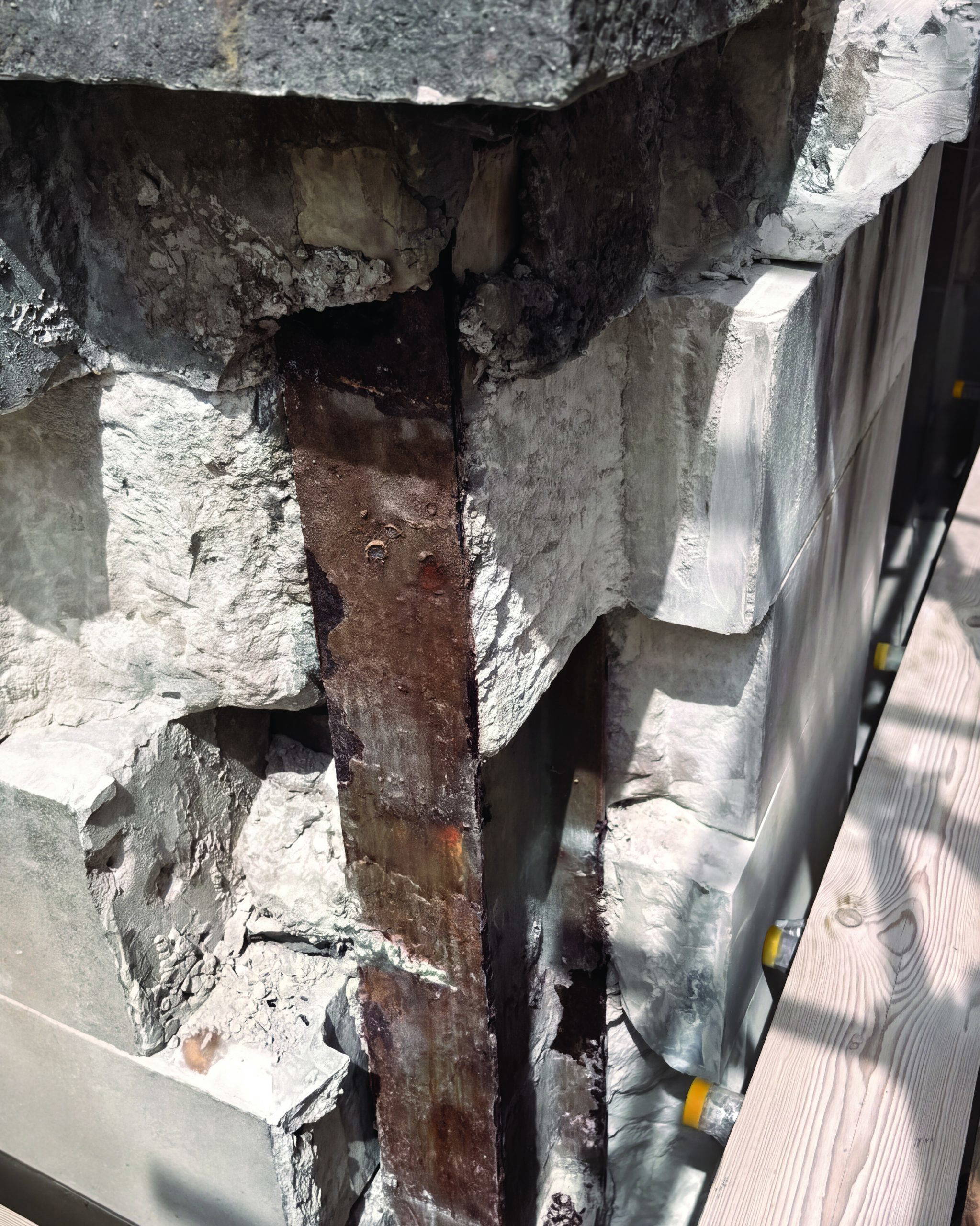
Figure 7: Area Where the Façade Panels Had to be Removed and Replaced.
Working Within a Listed, Occupied Building
The building remained fully occupied throughout the works, requiring careful coordination and sequencing. Close collaboration was maintained with heritage consultants to ensure that all interventions complied with the principles set out in BS 7913, including, where practicable, reversibility and respect for original materials. The city’s heritage authorities were involved from the project’s inception and played an active role during the early stages. Because the installation of the ICCP has a reduced impact on historic building fabric
(compared to traditional repairs) and the systems have very long service lives (often exceeding 100 years), the City Council supported the installation.
Extended-height scaffolding provided safe access to the installation areas, while protective screening maintained privacy for hotel guests and neighbouring properties (see Figure 8). Dust suppression and industrial- grade extraction systems were employed during mortar raking
operations, with appropriate respiratory protection to safeguard operatives and occupants. Installation of the electrical power supplies for the ICCP system was coordinated with adjacent commercial premises, including a restaurant, necessitating detailed planning to maintain safe access and uninterrupted services.
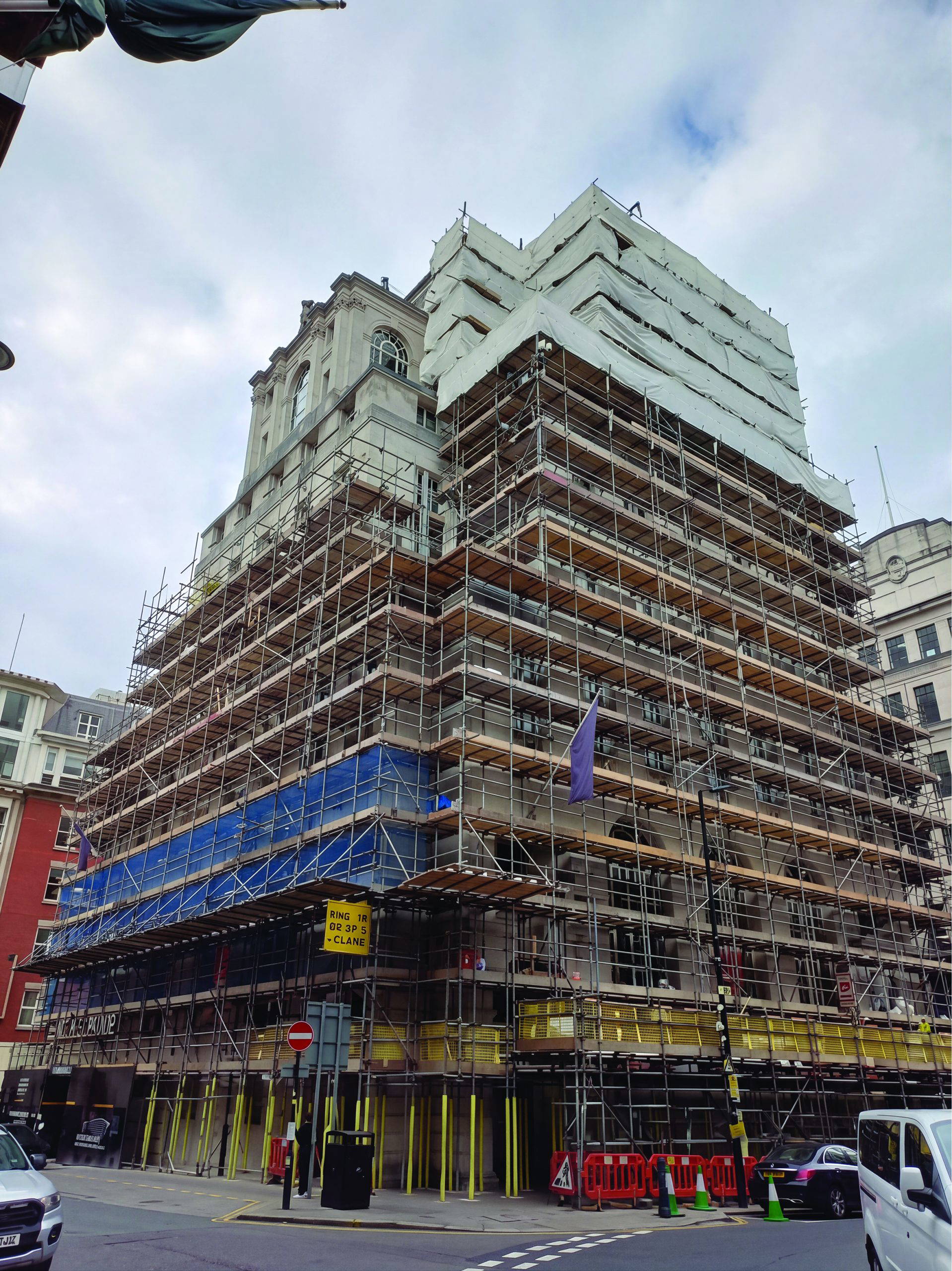
Figure 8: Scaffolding Access to the Façades Showing Protective Screening
Programme and Delivery
To manage complexity and minimise disruption, the works were divided into four phases across 16 discrete zones. This phased approach allowed each zone to be installed, commissioned, and handed back before progressing to the next. Early monitoring data was reviewed during installation to confirm system performance and inform minor adjustments. The project was completed in March 2026.
Going forward, the system will now be monitored in accordance with BS EN ISO 12696:2022. Commissioning demonstrated that the system provided the required level of protection in line with the standard’s requirements. The nature of the system is such that monitoring is simple and low cost, and ongoing compliance can be readily demonstrated, providing assurance that Regent Street Disease is under control. This is particularly important for building owners, tenants, insurers and conveyancers, as it provides a clear and auditable record of the structure’s condition and ongoing protection.
Project Acknowledgement
CRL acknowledges the support and collaboration of MarshallCDP, the client for the Gotham Hotel façade repair project, whose involvement throughout design development, stakeholder coordination, and project delivery was instrumental in achieving the scheme’s conservation and durability objectives. Their commitment to a long-term conservation-led solution was fundamental to the successful implementation of the ICCP system.
Outcomes and Wider Relevance
The ICCP installation at the Gotham Hotel provides a durable, conservation-led response to corrosion-related façade deterioration. By addressing the root cause of Regent Street Disease, the system significantly reduces the risk of future cracking and stone displacement. The project demonstrates the effective application of ICCP in accordance with BS EN ISO 12696, within the conservation framework outlined in BS 7913, and offers a transferable model for similar historic steel-framed masonry buildings. When properly monitored and maintained, ICCP systems are typically designed to provide protection for periods exceeding 100 years, thereby extending the service life of the protected structure by a similar duration. Although some system components, such as power supply equipment and monitoring hardware, may require renewal at approximately 25-year intervals, these elements account for only a small proportion of the overall lifecycle cost. As a result, ICCP provides a highly sustainable and cost-effective long-term solution for managing corrosion in historic steel-framed buildings while minimising the need for future intrusive repairs and loss of original fabric.